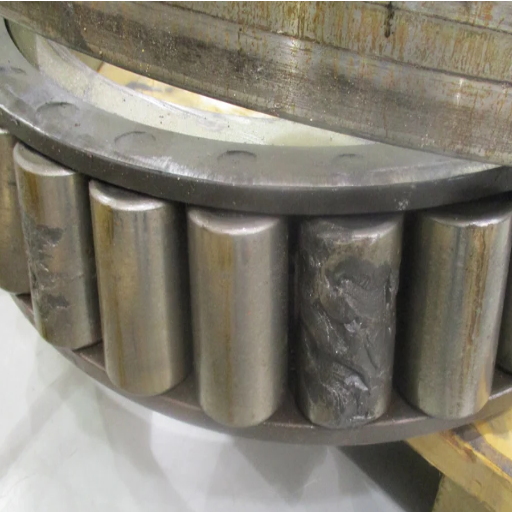
Your machines work in dust, mud, and heavy shocks. Standard bearings fail fast in those conditions. That stops your work and costs you money.
High-resistance tapered roller bearings are built to survive extreme loads, contamination, and impact. They use better steel, special heat treatment, and tough internal geometry. So your machinery keeps running longer with fewer breakdowns.
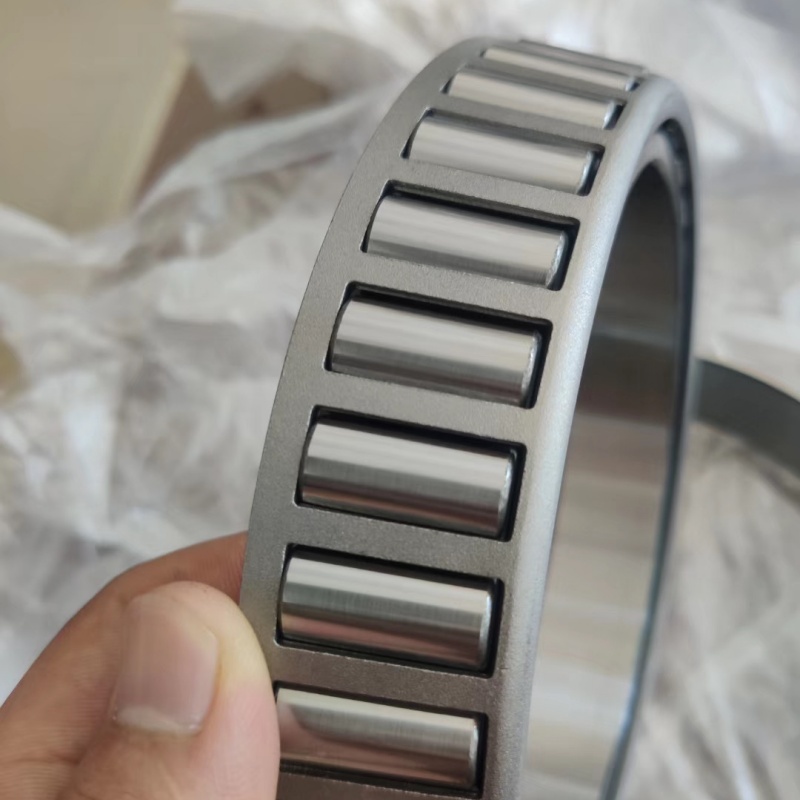
You might think all heavy-duty bearings are the same. I learned the hard way that they are not. Let me show you what really makes a bearing tough enough for the worst jobs.
What Makes a Tapered Roller Bearing “High-Resistance”?
You buy a bearing labeled "heavy duty." But after two months in a rock crusher, it breaks apart. The rollers are chipped. The raceway has dents. You feel cheated.
A high-resistance tapered roller bearing resists three things: shock loads, dirt and water, and metal fatigue. It has a tougher cage, harder steel surface, and optimized roller profile. These features stop early failure even in dirty, vibrating machines.
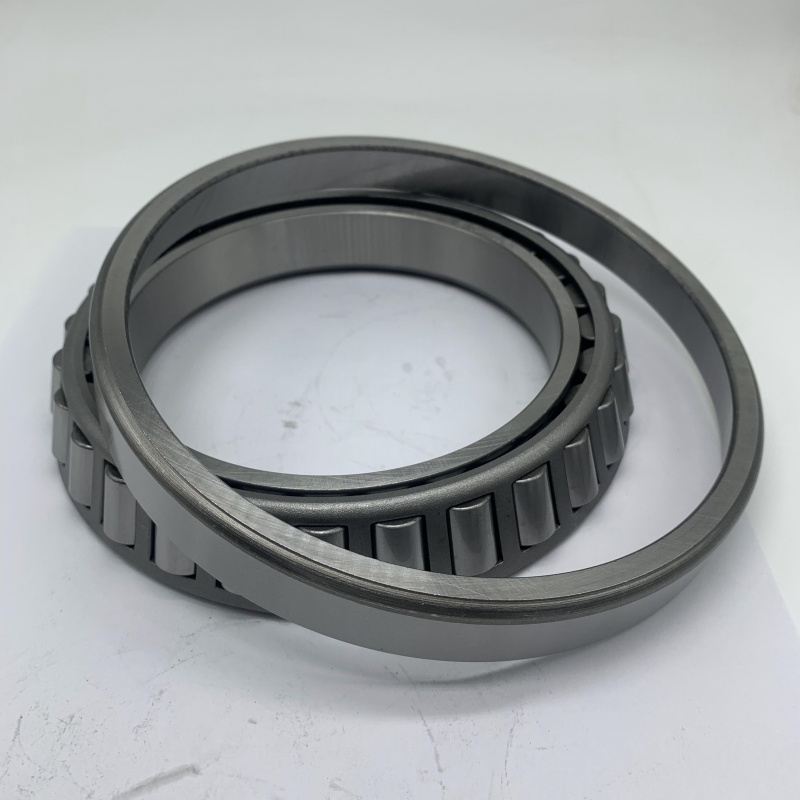
Breaking Down the Three Pillars of Resistance
Not every bearing can call itself high-resistance. In my factory, we test bearings to destruction. We learn what breaks first. Then we fix that weak point. Let me walk you through the three main areas.
1. Shock Load Resistance
Rugged machinery does not apply smooth loads. An excavator bucket hits a rock. The shock travels through the hydraulic cylinder to the bearing. That shock can be three to five times the normal load. A standard bearing’s rollers can crack under that hit.
High-resistance bearings solve this with two changes. First, the rollers have a crowned profile. That means the roller is slightly thicker in the middle. Under shock, the contact stress spreads out. No single point takes all the force.
Second, the cage is made from steel or high-strength polyamide. That cage keeps the rollers in place even when the shock tries to push them sideways [web:83][web:84].
2. Contamination Resistance
Dirt is the number one killer of bearings in mining and agriculture. Dust gets past the seals. Water mixes with the grease. Then you get abrasive wear on the raceway.
A high-resistance bearing fights contamination in three ways. It has improved seal designs (like triple lip seals). The internal clearances are larger (C3 or C4). That leaves room for dirt without jamming the rollers. And the raceway surface is superfinished. A smooth surface does not trap particles as easily.
3. Fatigue Resistance
Every bearing has a life limit. The steel crystals slowly crack under repeated stress. But high-resistance bearings push that limit much further. How? Through better steel cleanliness and heat treatment.
Let me put the differences in a table:
| Failure Mode | Standard Bearing | High-Resistance Bearing | What Makes the Difference |
|---|---|---|---|
| Shock crack | Happens at 3x normal load | Survives up to 5x load | Crowned roller profile + tougher steel |
| Abrasive wear | Raceway damaged after 500 hours with fine dust | Still smooth after 1,500 hours | Superfinished surface + better seals |
| Spalling (fatigue pits) | First pits at L10 life (90% survival) | No pits until 2x L10 life | Clean steel + compressive residual stress |
| Cage fracture | Plastic cage cracks at -20°C | Steel cage works at -30°C to +150°C | Material choice and design |
A Real Story from a Russian Customer
I once got a call from a customer in Siberia. He runs a fleet of bulldozers for a coal mine. The winter temperature drops to -35°C. The stock bearings had plastic cages. Those cages became brittle and cracked. Then the rollers fell out.
He tried three other brands. All failed within six months. Then he found us. We sent him high-resistance bearings with steel cages and C4 clearance. They also had a special low-temperature grease. Those bearings lasted two full winters. Now he orders from us every year.
So when you ask what makes a bearing high-resistance, the answer is not one thing. It is a combination of design, material, and sealing. And we put all of that into our bearings.
Advanced Steel and Heat Treatment for Extreme Durability?
You see two bearings that look identical. One lasts for years. One fails in months. The difference is invisible to your eyes. It is inside the steel.
Advanced steel starts with clean, vacuum-degassed material. Then special heat treatment creates a hard surface and a tough core. Some bearings even get a carburized layer. This combination stops cracks from starting and spreading. So the bearing can handle heavy impacts and repeated stress.
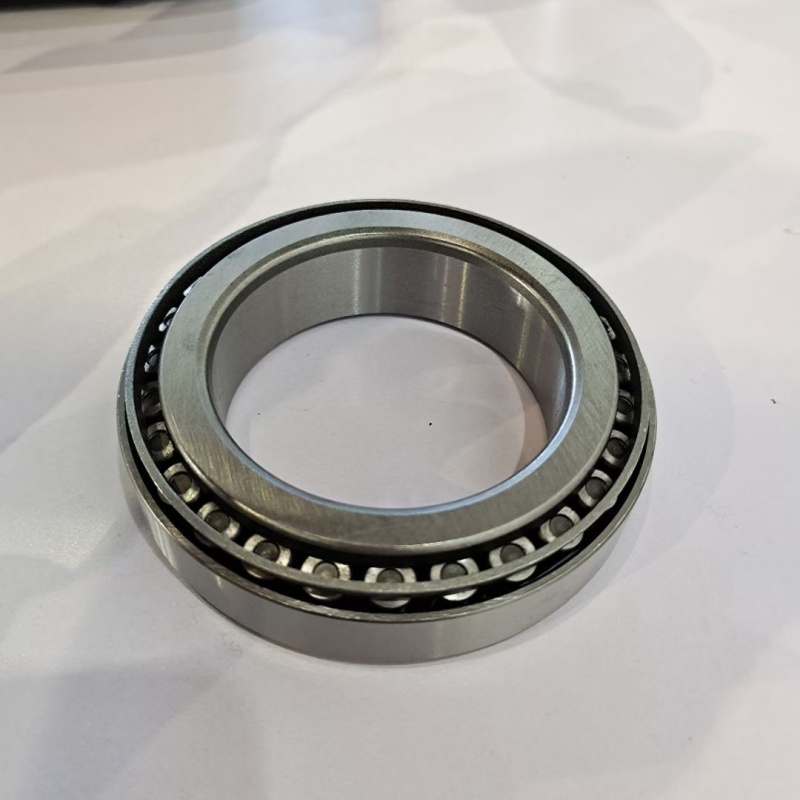
Why Steel Quality Is the Hidden Secret
Many bearing makers buy the cheapest steel they can find. That steel has small impurities – tiny bits of oxide or sulfur. Those impurities act like cracks waiting to happen. Under stress, a crack starts at an impurity. Then it grows. Then the bearing falls apart.
We do not buy cheap steel. We buy from mills that use vacuum degassing. This process removes almost all impurities. The steel becomes very clean. You can see the difference under a microscope. Clean steel has no dark spots.
Chemistry Matters Too
The standard bearing steel is called GCr15 (similar to 52100 or SUJ2). It has about 1% carbon and 1.5% chromium. That works for normal loads.
But for high-resistance bearings, we sometimes use case-hardening steel like G20Cr2Ni4A (similar to 4320). This steel has less carbon in the core but gets a high-carbon surface during heat treatment.
Why does that help? The hard surface resists wear and rolling contact fatigue. The soft, tough core absorbs shock without cracking. This is the same idea behind a hammer – hard face, soft body.
Heat Treatment Steps That Make the Difference
Let me walk you through our process. We do not cut corners here.
-
Preheating – The rings go into a preheat zone at 650°C. This removes any stress from machining.
-
Austenitizing – We raise the temperature to 840°C for GCr15. For carburizing steel, we go to 920°C with added carbon gas. The carbon diffuses into the surface layer.
-
Quenching – We drop the rings into hot oil at 60°C. The cooling rate is controlled. Too fast and the part cracks. Too slow and the hardness is low.
-
Sub-zero treatment (optional) – For extreme durability, we freeze the bearings to -70°C. This converts any leftover soft austenite into hard martensite. This step adds 10-15% more life.
-
Tempering – We reheat to 160°C for two hours. This takes away brittleness while keeping high hardness.
Here is a table of hardness results:
| Steel Type | Core Hardness (HRC) | Surface Hardness (HRC) | Case depth (mm) | Best for… |
|---|---|---|---|---|
| GCr15 (through-hardened) | 60-62 | 60-62 | Full section | General heavy duty |
| G20Cr2Ni4A (carburized) | 35-42 | 60-64 | 1.0-1.5 | High shock + wear |
| 100Cr6 (modified) | 58-60 | 58-60 | N/A | Balanced life |
What About Surface Treatments?
Some high-resistance bearings go even further. We can add a black oxide coating. This coating holds oil better. It also reduces friction and prevents galling during mounting. Another option is a phosphate coating. That coating protects against rust during storage.
We do not apply these coatings to every bearing. They add cost. But for customers in very wet environments (like a rice mill in Bangladesh), the coating pays for itself.
A Customer from Brazil
I remember a customer in Brazil. He runs a sugar cane harvester. The bearings in the chopper drum were failing every three months. The problem was a combination of shock (breaking cane stalks) and abrasive dust (soil particles).
We recommended carburized steel bearings with a black oxide coating. The first set lasted nine months. He replaced them at the scheduled maintenance, not because of a failure. Now he specifies our high-resistance bearings for all his harvesters.
So advanced steel and heat treatment are not just marketing words. They are real engineering choices. And we make the right choices for your rugged machinery.
Real-World Applications in Mining, Construction, and Agriculture?
You have a list of machines that eat bearings for breakfast. Rock crushers, excavators, bulldozers, harvesters, concrete mixers. You need a bearing that survives where others die.
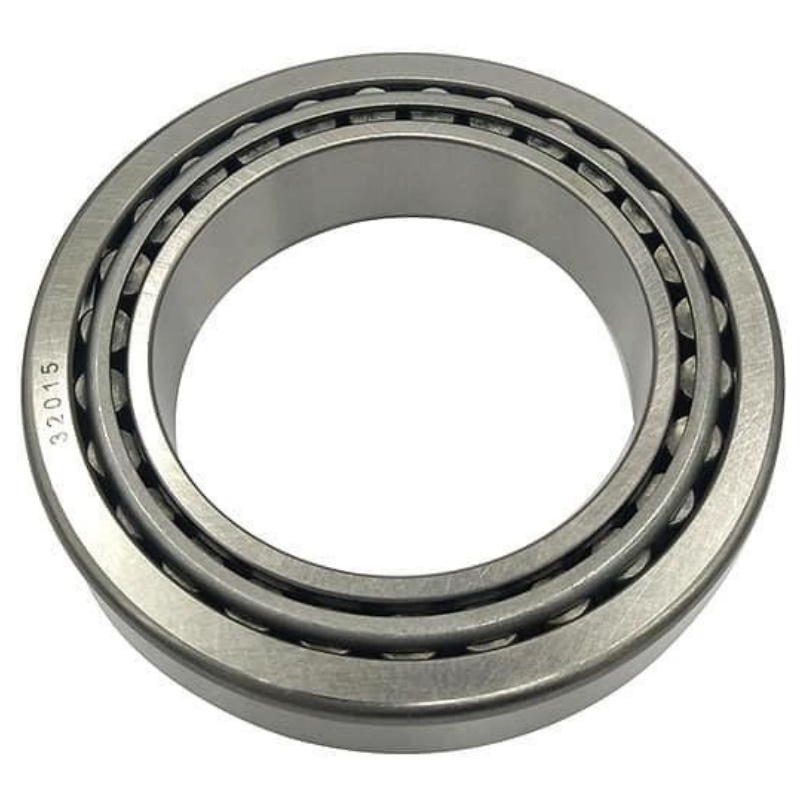
In mining, construction, and agriculture, high-resistance tapered roller bearings are used in wheel hubs, track rollers, conveyor pulleys, and gearboxes. They handle high radial loads, strong axial thrust, and constant vibration. Field data shows they last two to three times longer than standard bearings in these conditions.
Mining Applications – Shock and Dirt
Mining is the toughest environment for any bearing. You have rocks falling from heights. You have fine dust that gets through almost any seal. And the machines run 24 hours a day.
Specific Mining Machines That Need High-Resistance Bearings
-
Cone crushers – The eccentric shaft uses tapered roller bearings. The shock from crushing hard ore creates peak loads that exceed the normal rating by 5x. Our bearings with carburized steel and steel cages survive this.
-
Conveyor pulleys – Idler pulleys run in dusty air. The bearings get hot from continuous running. Standard bearings lose grease and fail. Our high-resistance bearings have larger internal clearance (C4) to handle heat expansion.
-
Excavator track rollers – Each track roller is a small bearing. They take side impacts from rocks. The seal must keep out mud. We use a multi-lip contact seal and a stiff steel cage.
A Mining Test in South Africa
One of our customers in South Africa runs a chrome mine. He tried three different bearing brands on his conveyor head pulleys. Each brand failed at around 4,000 hours. The failure was always the same – the inner ring raceway showed spalling.
He then tried our high-resistance bearings. We recommended a C4 clearance and a special high-viscosity grease. The first bearing passed 8,000 hours. It was still running when he called me for a second order. He now uses our bearings across the entire mine.
Construction Applications – Vibration and Misalignment
Construction machines like excavators, wheel loaders, and backhoes move over rough ground. The bearings face constant vibration and occasional misalignment from bent axles.
How We Design for Construction
The key problem in construction is vibration. Vibration causes false brinelling. That is when the rollers wear small flat spots on the raceway from tiny movements while stationary. The bearing then feels rough when it starts turning.
We fight false brinelling in two ways. First, we use a special grease with high oil film strength. Second, we superfinish the raceway so the surface is very smooth. A smooth surface does not allow fretting wear to start.
Also, construction machines often have misalignment. An axle housing might bend under load. Our tapered roller bearings can tolerate up to 0.001 rad (about 0.06 degrees) of misalignment per row. That is small. But it is enough for most construction equipment.
Here is a table of common construction applications and our bearing recommendations:
| Machine Type | Bearing Position | Key Threat | Recommended Features | Expected Life Improvement |
|---|---|---|---|---|
| Wheel loader | Front wheel hub | Shock + water | Carburized steel, C3 clearance, double lip seal | 2.5x vs standard |
| Excavator | Swing gearbox | High axial + vibration | Steel cage, C4 clearance, phosphate coating | 2x vs standard |
| Bulldozer | Track idler | Impact + dirt | Through-hardened, steel cage, labyrinth seal | 3x vs standard |
| Concrete mixer | Drum support | Slow speed + high load | C3 clearance, heavy grease fill, thick ring section | 2x vs standard |
Agriculture Applications – Seasonal Rush and Contamination
Farming is different. The machines sit idle for months. Then they run non-stop for weeks during harvest. The bearings must survive storage rust and then handle peak loads without warming up slowly.
The Challenge of Seasonal Use
I have a customer in Pakistan who grows wheat. His combine harvesters work only six weeks per year. For the rest of the time, they sit in a shed. Moisture gets into the bearings. Rust forms on the raceways. Then when harvest starts, the bearings make noise and fail.
We solved this with a water-resistant grease that contains anti-rust additives. We also added a thicker seal. Now his bearings start smoothly every harvest season.
Other Agricultural Applications
-
Tractor PTO shafts – These bearings take high torque at low speed. The shock comes from engaging implements. We recommend C4 clearance and a steel cage.
-
Balers – The pick-up mechanism runs in dusty hay. The bearings get wrapped with string or plant fibers. We use a sealed design with a smooth housing surface that resists wrapping.
-
Rice mills – The environment is wet and abrasive. The bearings need excellent corrosion protection. We use a zinc phosphate coating plus a water-resistant grease.
A Harvest Story from India
Rajesh, a distributor from Mumbai, told me about a farmer customer. The farmer had a rice mill that kept breaking bearings every two months. The mill ran in a humid area near a river. The standard bearings inside the rubber roll shell rusted quickly.
Rajesh asked for our high-resistance bearings with a special coating and anti-corrosion grease. The farmer installed them. Four months later, the mill was still running. Rajesh called me happy. Now he stocks our bearings for all his agricultural customers.
So whether you are digging rocks, moving earth, or harvesting crops, a high-resistance tapered roller bearing will save you downtime. And that is what we deliver at FYTZ.
Conclusion
High-resistance tapered roller bearings use better steel, advanced heat treatment, and tough designs. They survive shock, dirt, and vibration in mining, construction, and agriculture.