
The sea is tough on machinery. Salt, spray, and heavy loads break normal bearings fast.
Spherical roller bearings handle misalignment, shock loads, and harsh marine conditions. They keep shipboard conveyors and deck cranes running longer.
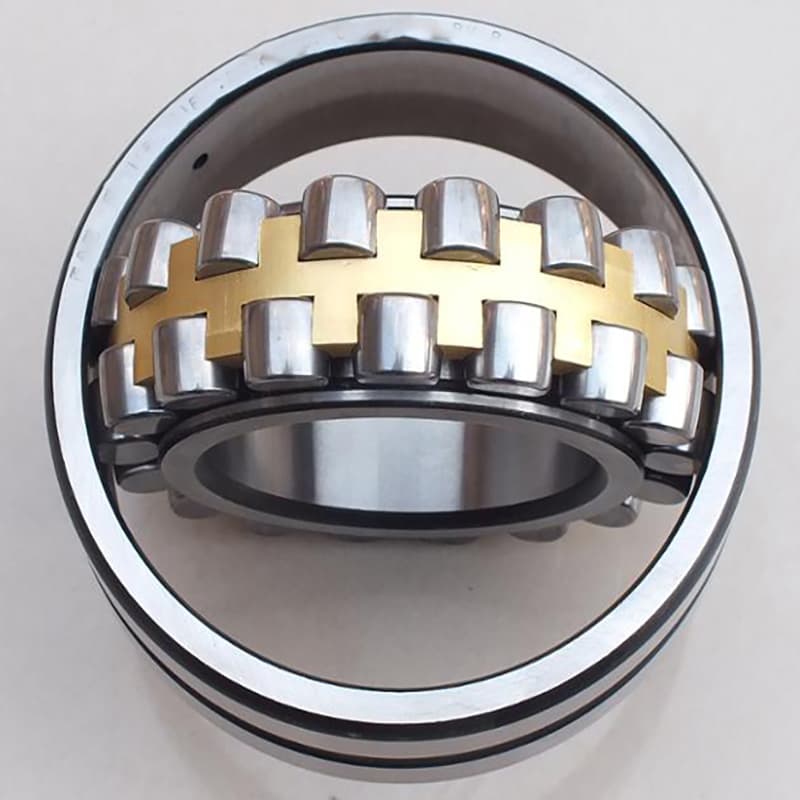
I have supplied bearings to shipyards and marine equipment distributors in Turkey, Egypt, and Indonesia. They always ask about corrosion and saltwater. So let me share what works on real ships. This comes from our factory tests and customer feedback.
What Marine Conveyor and Deck Machinery Use Spherical Roller Bearings?
You might think only the ship’s engine uses bearings. But deck machinery works harder. And much of it uses spherical roller bearings.
Marine conveyors for bulk cargo, deck cranes, anchor winches, mooring winches, and hatch cover systems all use spherical roller bearings.
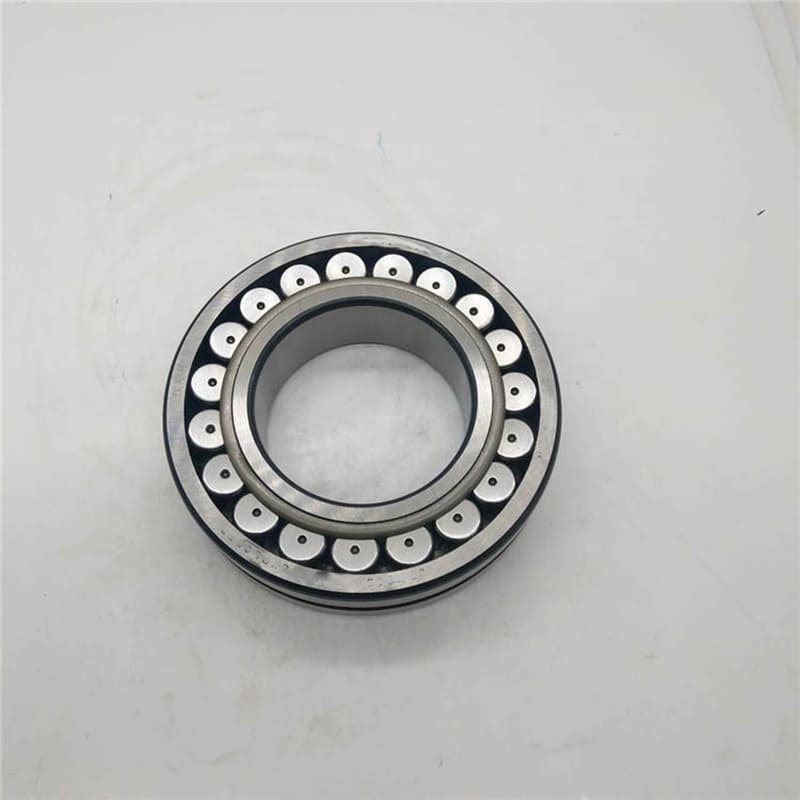
Let me list each machine and its bearing position.
I will go through five common marine systems. Then you will know where to look.
1. Bulk cargo conveyors
These are on bulk carriers and self-unloading ships. The conveyor runs along the deck or inside the hold. It moves coal, grain, or ore. The head pulley and tail pulley use spherical roller bearings inside pillow block housings. The ship moves and twists. So the shaft misalignment changes. A spherical roller bearing adapts to that movement.
2. Deck cranes
Ship cranes have a rotating base, a boom, and a hoist. Each pivot point uses a spherical roller bearing. The main slewing ring is a large bearing. But the sheaves (pulleys) on the boom use smaller spherical roller bearings. These see high shock when lifting heavy cargo.
3. Anchor winches and windlasses
The anchor chain puts a huge load on the winch drum. The drum shaft sits on two spherical roller bearings. The chain can jerk. That is a shock load. Spherical roller bearings with brass cages take those shocks better than steel cages.
4. Mooring winches
These winches pull the ship to the dock. They run for long hours during loading. The winch drum bearings see continuous radial load. And saltwater splashes on them. So you need sealed bearings here.
5. Hatch cover systems
Hatch covers slide or fold open. Their wheel bearings and hinge bearings use spherical roller bearings. The tracks are not perfectly aligned on a rolling ship. So self-alignment helps here.
Here is a quick table:
| Marine equipment | Bearing location | Why spherical roller |
|---|---|---|
| Cargo conveyor | Head/tail pulley | Ship hull flex causes misalignment |
| Deck crane | Boom pivot sheaves | High shock during lifting |
| Anchor winch | Drum shaft | Jerky chain loads |
| Mooring winch | Drum shaft | Continuous load + salt spray |
| Hatch cover | Track wheels | Track misalignment |
From my own experience, a customer in Turkey bought bearings for a ship unloader conveyor. He used standard deep groove ball bearings. The conveyor kept stopping. The bearings failed every 2 months. He switched to our spherical roller bearings (22312 C3). The next set worked for 14 months. So the right bearing makes a big difference.
How Do Saltwater and Humidity Affect Bearing Performance on Ships?
Saltwater is a bearing killer. It causes rust, pitting, and grease breakdown. Humidity does the same, just slower.
Saltwater causes corrosion on steel surfaces. It also washes away grease. And it creates electrolytic pitting between the rollers and raceways.
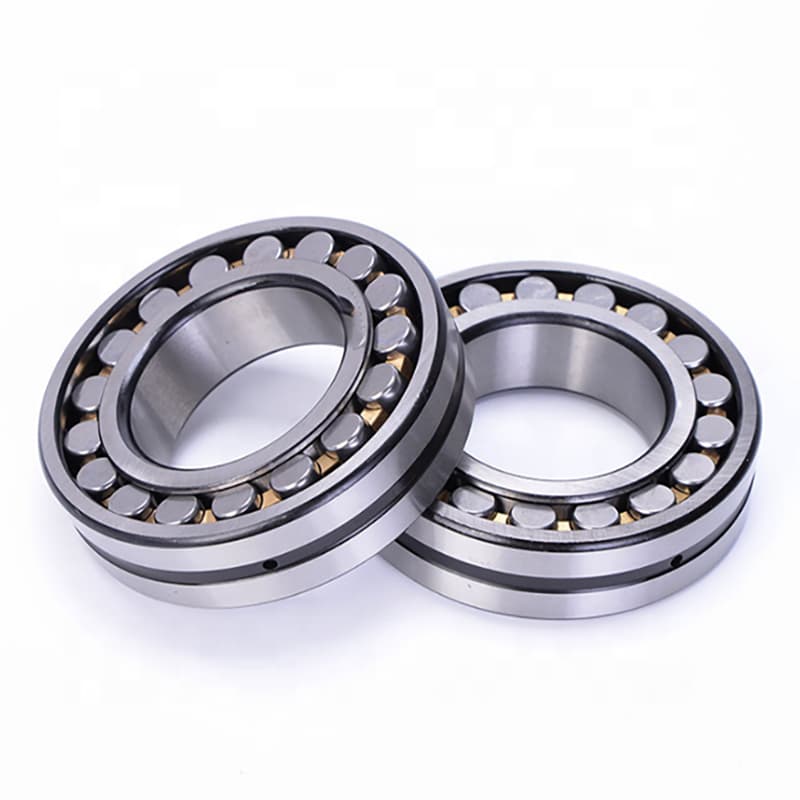
Let me explain three ways saltwater attacks bearings.
I will also tell you how to fight each one.
Attack 1 – Red rust on raceways and rollers
Saltwater touches the steel surface. Then it starts rust within hours. The rust acts like sandpaper. It grinds the raceway. The bearing noise goes up. Then the clearance increases. Finally the bearing fails. The solution is to use bearings with a corrosion resistant coating. Black oxide or zinc phosphate help. Better yet, use stainless steel spherical roller bearings for critical areas. But they cost more.
Attack 2 – Grease emulsification
Water mixes with grease. The grease turns into a milky paste. That paste has no oil film strength. The metal rollers touch the raceway directly. Then you get wear and heat. The solution is to use water-resistant grease like aluminum complex or lithium complex. And use bearings with rubber seals (2RS) to keep water out.
Attack 3 – Electrolytic pitting
Different metals on a ship create a small battery. Saltwater is the electrolyte. The bearing steel can lose tiny particles. That creates small pits on the raceway. The pits grow into cracks. This is called electrolytic pitting or stray current damage. The solution is to insulate the bearing housing from the ship’s structure. Or use a bearing with an insulating coating.
Here is a damage and solution table:
| Problem | Cause | Solution |
|---|---|---|
| Red rust | Saltwater on steel | Corrosion resistant coating (black oxide) |
| Grease breakdown | Water mixing in | Water-resistant grease + 2RS seals |
| Electrolytic pitting | Stray current in saltwater | Insulated bearing or housing |
| Humidity rust | High moisture air | Keep bearings greased, use shields |
I remember a customer in Indonesia. He serviced deck cranes. The crane bearings rusted after 3 months. He asked me for help. I sent him bearings with a black oxide coating and 2RS seals. He also switched to a lithium complex grease. The bearings lasted over a year. So the coating and the seal together make a big difference.
One more tip. When a ship is not in use, turn the bearings a few times. This spreads the grease and keeps a protective film. Do not let the bearing sit in one spot for months.
Why Does Self-Alignment Matter for Deck Cranes and Cargo Conveyors?
A ship is not a solid floor. The deck bends and twists with waves. That movement forces misalignment onto bearing shafts.
Self-alignment lets the bearing keep rolling smoothly even when the shaft tilts up to 1.5 degrees. This prevents edge loading and early failure.
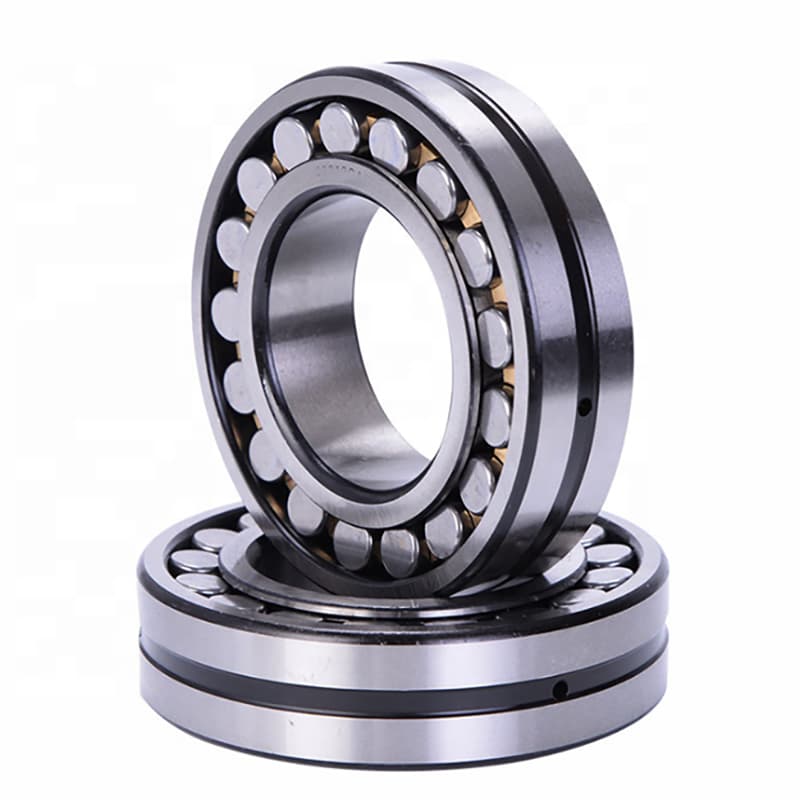
Let me show you two real scenarios from ship operations.
Then you will see why this feature matters.
Scenario 1 – Deck crane during heavy sea
The ship rolls left and right. The crane base stays bolted to the deck. But the boom moves relative to the base. The hinge pin between the boom and the crane body sees this movement. A normal bearing would have the rollers press hard on one edge. That edge would heat up and spall. A spherical roller bearing lets the pin tilt inside the outer ring. The rollers stay flat against the raceway. So no edge pressure.
Scenario 2 – Cargo conveyor on a flexing hull
A bulk carrier’s hull bends when waves go under the middle. The conveyor runs from the forward hold to the aft. The hull flex can change the distance between the head pulley and tail pulley. It can also change their angle. Spherical roller bearings at both ends let each shaft tilt a little. So the belt stays tracking straight.
Here is a comparison table:
| Condition | Standard bearing | Spherical roller bearing |
|---|---|---|
| Deck tilt (0.5°) | Edge loading, heat | No problem |
| Hull twist (1.0°) | Roller skewing, cage damage | Still works fine |
| Crane boom flex | Increased friction, wear | Smooth rotation |
| Conveyor pulley sag | Bearing binds | Self alignment corrects |
I learned this from a customer in Egypt. He had a ship loader conveyor. The ship’s hull sagged when loaded. The conveyor pulleys went out of alignment. He tried self-aligning ball bearings. They helped a little but still failed. Then he used spherical roller bearings. The problem stopped. He told me “The bearing fixed what I could not align.”
So my advice is simple. On any shipboard rotating machine that has long shafts or moving parts, always choose spherical roller bearings. The self-alignment feature is not a luxury. It is a necessity on a moving ship.
How to Choose the Right Corrosion-Resistant Spherical Roller Bearing for Marine Use?
You need more than a standard bearing. The marine environment demands special materials, seals, and coatings.
Choose a spherical roller bearing with 2RS rubber seals, a black oxide or zinc phosphate coating, and water-resistant grease. For very wet areas, consider stainless steel or hybrid ceramic bearings.
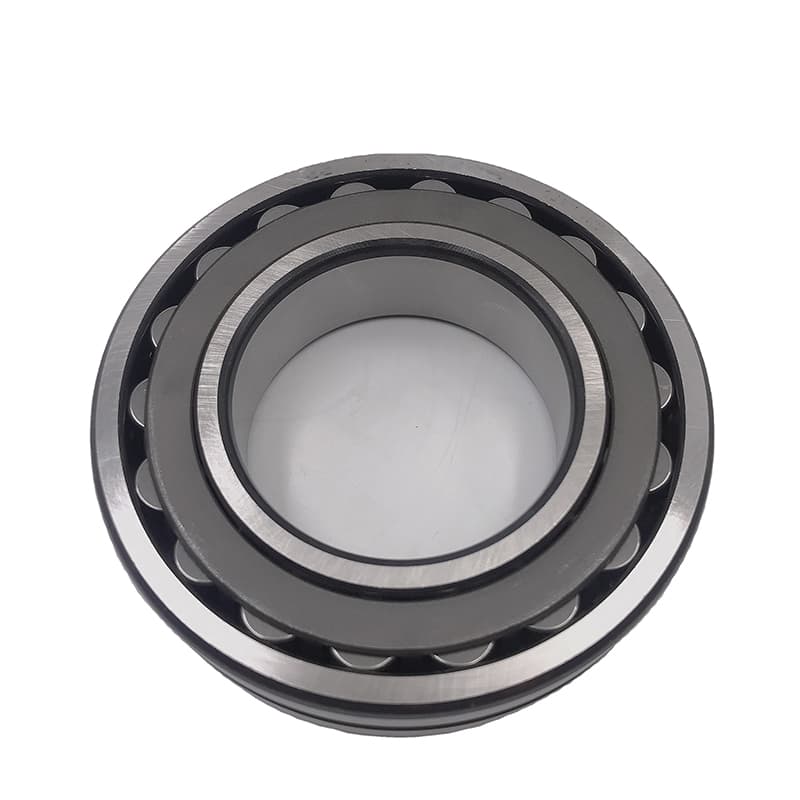
Let me give you a four-step selection process.
I use this with my own customers in the marine industry.
Step 1 – Choose the right material
Standard bearing steel (GCr15) is fine for dry indoor areas on a ship. But for deck machinery, you need better. Here are your options from low cost to high protection:
- Standard steel + black oxide coating – good for moderate salt spray.
- Zinc phosphate coating – better for humid areas.
- Stainless steel (440C or AISI 316) – best for direct saltwater contact.
- Hybrid bearing (ceramic rollers, steel rings) – highest cost, but runs without grease in emergencies.
For most deck cranes and conveyors, black oxide coating is enough. I use it for 80% of my marine customers.
Step 2 – Choose the seal
Open bearings are useless on a ship deck. ZZ shields keep out big drips but not salt spray. 2RS rubber seals are the best. But make sure the rubber is marine grade (resists saltwater). Some cheap seals swell and fail. We use a special nitrile rubber for our marine bearings.
Step 3 – Choose the clearance
Ships can get hot under the sun. And bearings generate heat. So use C4 clearance for deck machinery that works in hot climates. For cold climate ships, C3 is enough. Do not use CN.
Step 4 – Choose the cage
Brass cages resist corrosion better than steel cages. For marine use, I recommend brass. It costs more. But it does not rust. And it handles shock loads from waves and cargo drops. Nylon cages are not good for marine use. Saltwater degrades nylon over time.
Here is a final selection table:
| Marine exposure level | Material | Seal | Clearance | Cage |
|---|---|---|---|---|
| Dry indoor (engine room) | Standard steel | ZZ | C3 | Steel |
| Humid indoor | Standard + black oxide | 2RS | C3 | Steel |
| Deck, occasional spray | Black oxide coated | 2RS | C4 | Brass |
| Deck, direct sea water | Stainless steel | 2RS | C4 | Brass |
| Submerged or extreme | Hybrid ceramic | Contact seals | C4 | Brass or PEEK |
I had a customer in Vietnam. He ran a ship unloading conveyor. The bearing was right under a chute. Seawater splashed on it daily. He tried standard bearings with 2RS seals. They lasted 2 months. Then he tried stainless steel bearings from us. They lasted 3 years. He now buys stainless steel for all his deck conveyors.
So my final advice is this. Check where the bearing sits. If it can get wet, spend more on material and seals. You will save on replacements and downtime.
Conclusion
Marine conveyors and deck machinery need spherical roller bearings with corrosion protection, seals, and self-alignment. Choose wisely for long life at sea.