
You know the pain: sudden machine breakdowns and angry customers asking for refunds.
Quality-assured tapered roller bearings are not a luxury. They are a must for any industrial operation. These bearings reduce unplanned downtime, cut maintenance costs, and keep your equipment running longer. When you buy from a certified factory like FYTZ Bearing, you get consistent performance batch after batch.
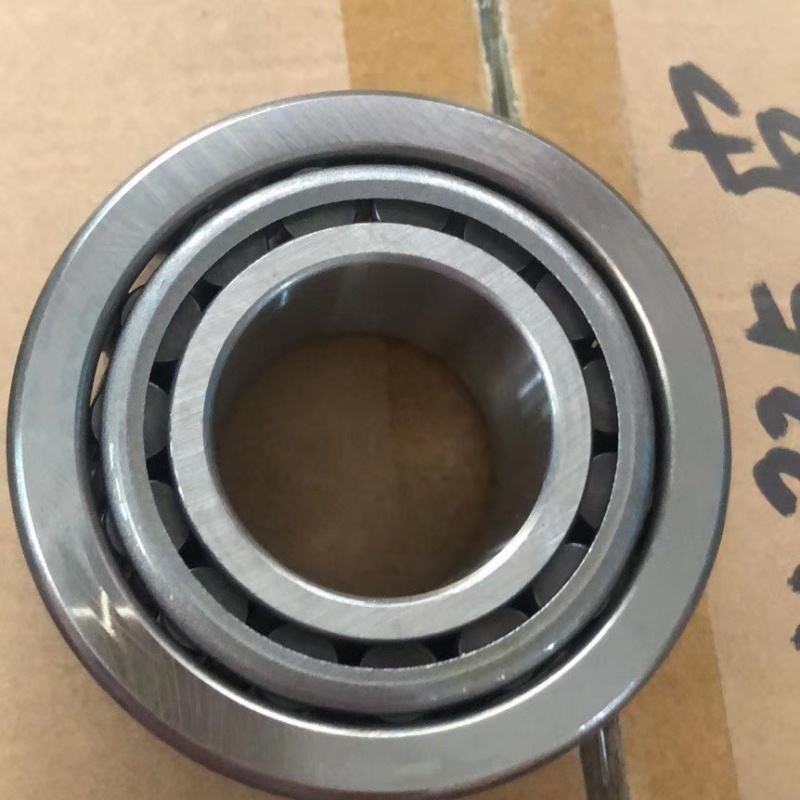
Now let me be honest with you. I run a bearing factory in China. I have seen too many buyers pick cheap bearings and later regret it. They call me at 2 AM asking for urgent replacements. That is why I want to walk you through the real reasons quality matters. Keep reading. You will save money and headaches.
Why Does Quality Assurance Matter in Tapered Roller Bearings?
Bad bearings ruin your reputation and empty your wallet.
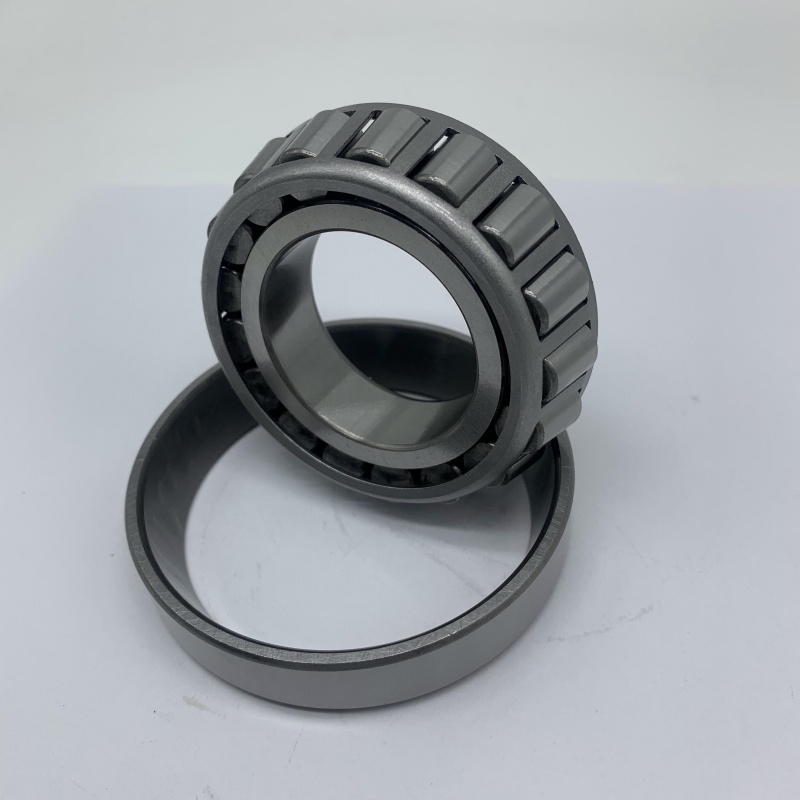
Quality assurance1 means every bearing leaves the factory with the same high standard. For tapered roller bearings, it guarantees correct geometry, proper heat treatment, and accurate internal clearance. Without it, you face early failure, vibration, and even shaft damage.
Breaking Down Quality Assurance into Three Simple Parts
Let me explain quality assurance the way I teach my own team. You cannot just look at a bearing and know if it is good. You need to check three things. I have seen many importers skip these steps. Then they pay the price.
1. Raw Material Control2
The steel decides the bearing life. I only use high-cleanliness bearing steel (GCr15 or equivalent). Some factories save money by using recycled steel or lower grades. That is a big mistake. Bad steel leads to micro-cracks and early spalling. At FYTZ, we test every batch of steel for composition and inclusions. Here is what we look at:
| Material Property | What It Affects | Risk If Ignored |
|---|---|---|
| Oxygen content | Fatigue life | Pitting and flaking |
| Carbide size and distribution | Wear resistance | Abrasion and noise |
| Grain structure | Toughness | Cracking under shock loads |
| Inclusion rating | Rolling contact fatigue | Premature bearing death |
2. Dimensional and Geometric Accuracy3
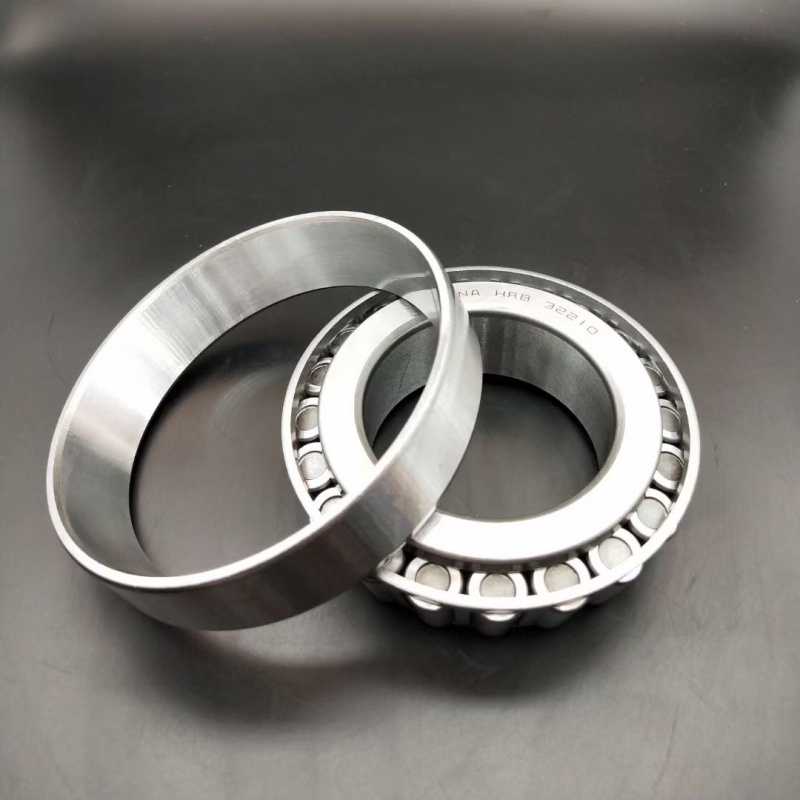
Tapered roller bearings have a cone, a cup, and rollers. Every part must fit perfectly. Even 0.01 mm off can cause uneven load distribution. I remember a customer from Turkey. He bought bearings from a trader. The inner ring was too small. When he pressed it on the shaft, the bearing locked up. He lost an entire production day. We use automatic gauges to check each dimension. Our standard is P6 or P5. That means less than 5 microns of runout.
3. Heat Treatment and Grinding Consistency4
Heat treatment gives the bearing its hardness and strength. If the temperature varies even a little, some rollers become too hard and brittle. Others stay too soft. Then grinding becomes uneven. You get high noise and short life. We use controlled atmosphere furnaces and record every batch. Then we grind on CNC machines that adjust automatically. The result is a bearing that runs smooth and quiet.
So back to the question: why does quality assurance matter? Because without it, you are gambling. And in B2B industrial supply, gamblers lose customers. You want repeat orders. You want your buyers to trust you. That only happens when every bearing works as promised.
What Are the Top Industrial Applications Demanding Reliable Tapered Roller Bearings?
Heavy loads and high shock kill weak bearings fast.
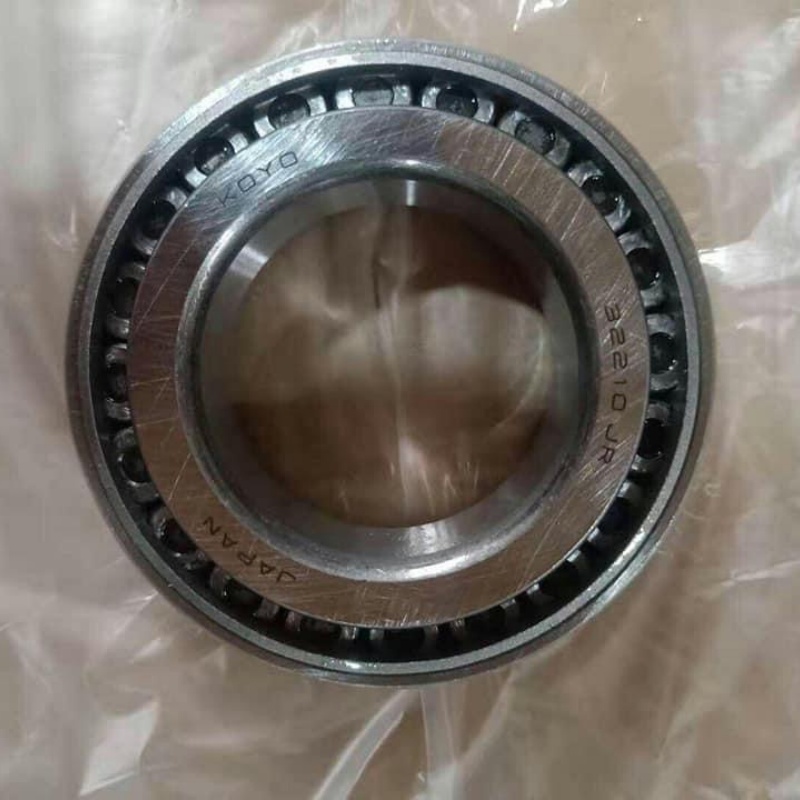
Tapered roller bearings1 excel where both radial and axial forces meet. The most demanding applications include gearboxes2, conveyor systems, agricultural machinery3, construction equipment4, and truck wheel ends. In these jobs, a bearing failure stops an entire production line or a vehicle on a highway.
Real-World Examples from My Customers
I talk to procurement managers like Rajesh every day. He imports bearings for Indian industrial repair shops. He told me his biggest fear is getting a call from a cement plant. That plant uses 20 conveyor rollers every day. If one bearing fails, the whole line stops. That costs them thousands of dollars per hour. So let me share where reliable tapered roller bearings actually make or break the business.
Construction and Earthmoving Equipment
Excavators, loaders, and bulldozers have track rollers, final drives, and swing bearings. These parts face mud, sand, and heavy shocks. I once visited a customer in Russia. He showed me a failed bearing from a local brand. The rollers were pitted after just 200 hours. He switched to our FYTZ bearings. Now he gets 2000+ hours. The difference? Our rollers are ground with a superfinishing process. That removes microscopic peaks and gives a mirror-like surface. Oil stays on the surface longer. So the bearing runs cooler and lasts longer.
Agricultural Machinery
Tractors and harvesters work in dirty conditions. Dust and water get everywhere. Tapered roller bearings in wheel hubs and PTO shafts need good seals and proper internal clearance. I learned this from a farmer in Pakistan. He used to buy cheap bearings for his wheat harvester. Every season, he replaced four bearings. That meant two days of downtime. Now he buys our sealed tapered roller bearings. He finishes harvest without stopping. That extra yield pays for the bearings many times over.
Gearboxes and Industrial Drives
A gearbox has multiple shafts and gears. Each shaft needs bearings that can handle thrust from helical gears. Tapered roller bearings are perfect for this. But they must be precision-matched5. I supply to a gearbox maker in Brazil. They told me that many suppliers send bearings with inconsistent height. That changes the gear mesh and causes noise. We now label each bearing with its exact assembled height. The customer can pick two bearings with the same height without measuring. That saves them hours of assembly time.
Heavy Truck and Trailer Wheel Ends
This is probably the most critical application. A wheel bearing failure at highway speed can cause a crash. Many aftermarket dealers in Egypt buy from us. They want bearings that meet or exceed OEM standards. We test each bearing for torque and noise. If a bearing feels rough or makes a high-pitched sound, it goes to scrap. No exceptions.
So which applications demand the most reliability? Anywhere a failure means safety risk or high downtime cost. That is why FYTZ bearings go through 100% inspection. We do not take shortcuts.
Which Key Manufacturing Standards Stand Behind Premium Tapered Roller Bearings?
Standards are not just paperwork. They are your safety net.
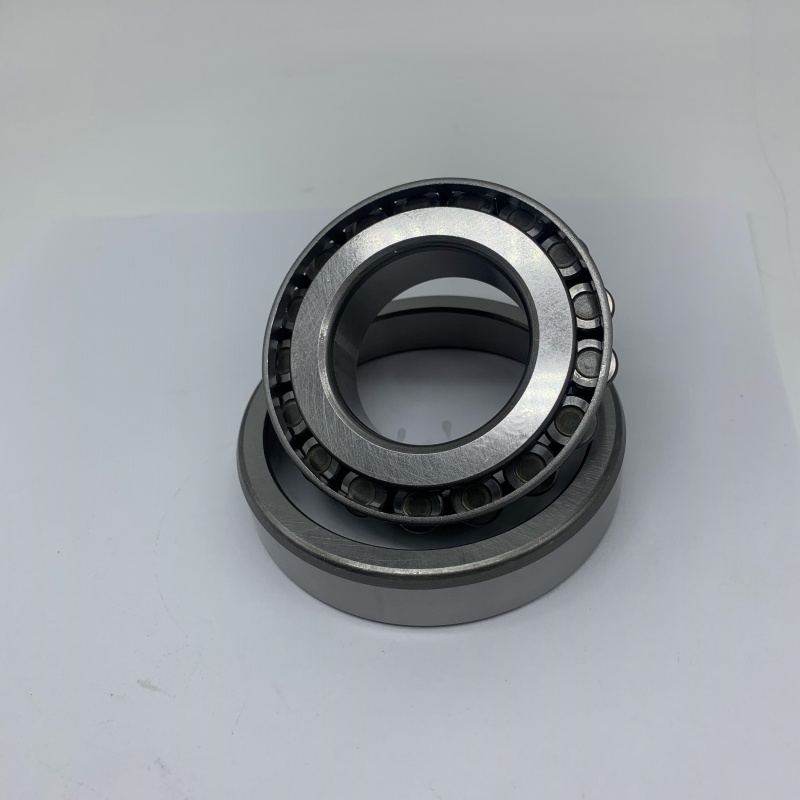
Premium tapered roller bearings follow ISO 4921, JIS B 15122, or DIN 7203. These standards set limits for dimensional tolerances, running accuracy, and internal clearance. But the real quality comes from also meeting IATF 169494 or ISO 9001 for process control. A certificate without process proof means nothing.
What These Standards Actually Mean for You
I have been to bearing trade shows in Turkey and Indonesia. I see many suppliers put "ISO 9001" on their website. But when I ask to see their quality records, they get nervous. Let me break down each important standard. Then you will know what to ask your next supplier.
ISO 492: Dimensional and Running Accuracy
This is the basic standard for tapered roller bearings. It defines four classes: Normal, P6, P5, P4. Normal is okay for slow, low-precision machines. But for most industrial markets, you want at least P6. P5 is even better for higher speeds. Here is what changes:
| Accuracy Class | Tolerances on Bore and OD | Runout (Inner ring) | Typical Use |
|---|---|---|---|
| Normal (P0) | Wide | High | Agricultural tools |
| P6 | Medium | Medium | Conveyors, fans |
| P5 | Tight | Low | Gearboxes, pumps |
| P4 | Very tight | Very low | Machine tool spindles |
We stock P6 and P5 because most of my customers ask for them. The price difference is small. The performance gain is big.
JIS B 1512 (Japan) and DIN 720 (Germany)
These are regional standards. But many buyers in Southeast Asia and Europe trust them. For example, a customer in Vietnam asked for bearings that meet JIS. That means he wants high consistency in cup and cone heights. We have separate production lines for JIS-compliant bearings. The Japanese standard also has stricter rules for surface roughness. So we add an extra polishing step.
IATF 16949: Automotive Quality Management
This is a big one. If you sell bearings for trucks or trailers, your supplier should have IATF 16949. This standard forces us to do failure mode analysis and statistical process control. For every 10,000 bearings, we measure a sample and plot control charts. If the chart shows a drift, we stop the line and fix the tooling. Most cheap bearing factories do not do this. They just run until a customer complains.
Internal Clearance (C3, C4, etc.)
Standards also cover internal clearance. That is the extra space inside the bearing. In hot or high-speed applications, the shaft expands. You need more clearance. Otherwise, the bearing locks. I once had a customer in Egypt. He bought C2 clearance bearings for a flour mill. That is a tight clearance. The mill runs 24 hours. After two days, the bearings seized. We replaced them with C4 clearance bearings. No more problems. So always ask for the right clearance class.
At FYTZ, we hold all these standards. But more importantly, we keep our own records. Every bearing has a batch number. I can tell you the steel mill, heat treat oven, and grinding date for any bearing we shipped last year. That is real quality assurance.
How Do You Select Quality-Assured Tapered Roller Bearings for Your Equipment?
Matching the wrong bearing to your job is an expensive guess.
To select the right bearing, you need four pieces of information: the load (radial and axial), speed (RPM), operating temperature, and mounting space1. Then check the bearing’s basic dynamic load rating2 (C) and compare it to your machine’s requirements. Always pick a bearing with at least 10% higher rating than the maximum calculated load.
A Simple Selection Process I Use Every Day
I help customers pick bearings over email and WhatsApp. Most of them are procurement managers or workshop owners. They do not want engineering formulas. They want a clear yes or no. So I developed a four-step method. Let me walk you through it.
Step 1: Identify the Load Type and Direction
Tapered roller bearings are best for combined loads. That means both radial (perpendicular to shaft) and axial (along the shaft). But if you only have pure radial load, a deep groove ball bearing might be cheaper. So first ask: Is there thrust? If yes, go with tapered roller.
I remember a buyer from South Africa. He wanted bearings for a rock crusher. The load is very high and suddenly changes direction. He first tried cylindrical roller bearings. Those failed because they cannot take much axial load. Then he switched to our tapered roller bearings3. They survived for two seasons. The lesson: understand your load direction.
Step 2: Check the Mounting Space and Shaft Size
Measure your housing and shaft. The bearing’s outer diameter must fit inside your housing. The inner diameter must match your shaft. But do not just look at diameter. Also look at width. A smaller width bearing can handle less load. So if space is tight, you need a higher precision bearing to compensate.
Here is a quick table for common sizes:
| Shaft Diameter (mm) | Recommended Bearing Series | Basic Load Rating C (kN) | Typical Use |
|---|---|---|---|
| 20-30 | 302, 322 | 30-50 | Small gearboxes |
| 35-50 | 303, 323 | 60-100 | Conveyor rollers |
| 55-75 | 313, 32308 | 110-180 | Truck wheels |
| 80-120 | 322, 332 | 200-350 | Mining equipment |
Step 3: Verify Speed and Temperature Limits
Every bearing has a speed limit4. That is the grease type and cage material. Standard steel cages work up to 8,000 RPM for small bearings. For higher speeds, you need brass or polyamide cages. Also, if your machine gets hot (above 100°C), use special high-temperature grease. We offer grease options from -40°C to +150°C. Just tell me your conditions.
I once sent bearings to a steel mill in Brazil. The ambient temperature was 70°C near the furnace. Normal grease would have melted. We used a special synthetic grease. The bearings still run today.
Step 4: Choose the Right Precision and Clearance Class
This is where many buyers get confused. Let me simplify:
- For normal industrial use (fans, conveyors, farm equipment) → P6 accuracy + C3 clearance.
- For gearboxes and heavy trucks → P5 accuracy + C3 or C4 clearance.
- For high-speed spindles or machine tools → P4 accuracy + C2 or C3 clearance (depends on fit).
Also, ask for a certification report5. A serious factory will send you a PDF with actual measured values for bore, OD, width, and runout. If they say "we don’t have that", run away.
At FYTZ, we give every wholesale customer a free inspection report for the first sample order. You can see the numbers yourself. Then you decide if we meet your standards.
Conclusion
Quality-assured tapered roller bearings protect your machines, your customers, and your reputation. Always check the standards, ask for test reports, and match the bearing to your real load.
-
Discover the significance of mounting space in bearing selection to avoid costly mistakes. ↩ ↩ ↩ ↩
-
Learn how to calculate dynamic load ratings to ensure you select the right bearing for your equipment. ↩ ↩ ↩ ↩
-
Explore the advantages of tapered roller bearings to understand why they are ideal for various applications. ↩ ↩ ↩ ↩
-
Understand the factors that influence bearing speed limits to optimize performance in your machinery. ↩ ↩ ↩ ↩
-
Find out why certification reports are crucial for ensuring the quality and reliability of bearings. ↩ ↩