
Industrial dryers and rotary drum systems are the backbone of many production lines. When these machines stop, the financial loss adds up fast. One common reason for sudden downtime? Bearing failure.
Spherical roller bearings are the ideal choice for industrial dryers and rotary drums because they handle heavy loads, misalignment, and high temperatures better than other bearing types. Their self-aligning feature compensates for shaft deflection and mounting errors, while their robust construction ensures long service life in harsh environments. This article explains how to select, maintain, and optimize these bearings for your specific application.

Choosing the right bearing is just the first step. In my years of working with customers in Turkey, India, and Brazil, I have seen that even the best bearing fails early if we ignore details like installation, lubrication, and operating conditions. Let me share some practical insights based on real‑world experience and engineering principles.
Key Considerations for Selecting Spherical Roller Bearings in High‑Temperature Environments
Many procurement managers focus only on the bearing size and load rating. They forget that high temperatures change the rules completely. A bearing that works well at room temperature may seize or wear out fast in a dryer running at 150°C.
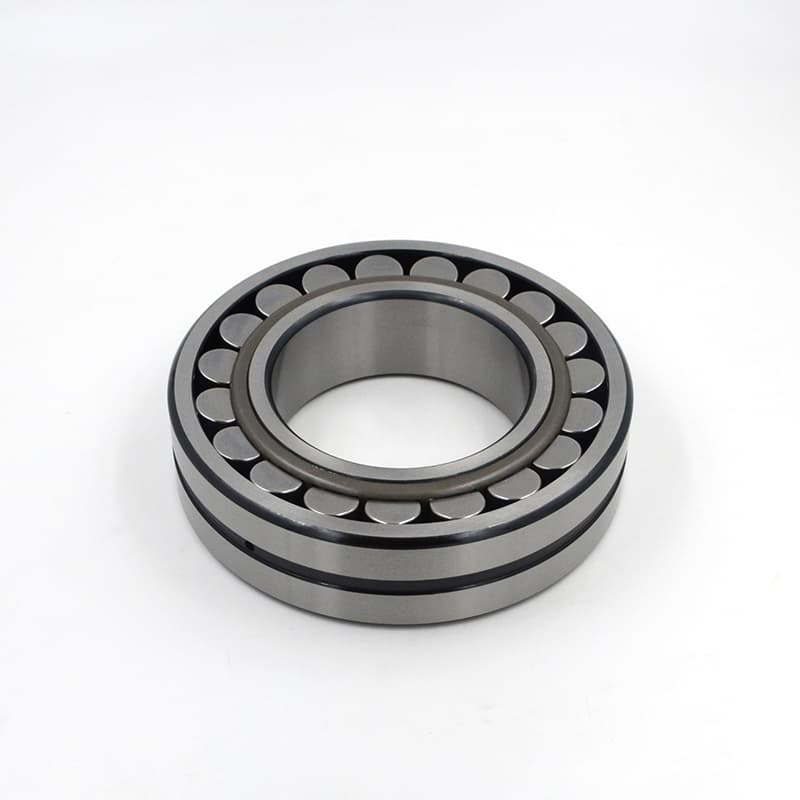
To select a spherical roller bearing1 for high‑temperature use, you must check four things: the material’s heat resistance, the heat treatment stability2, the internal clearance3, and the lubricant’s high‑temperature capability. Bearings made from specially stabilized steel (like those with special heat treatment) maintain their dimensions and hardness at elevated temperatures. For example, we at FYTZ Bearing often recommend bearings with a special heat stabilization code S1 or S2 for dryer applications.
Material and Heat Treatment
Standard bearing steel (100Cr6) starts to lose hardness above 150°C. For dryers that run continuously above that, we need materials like:
| Material | Max. Operating Temp | Key Feature |
|---|---|---|
| Standard bearing steel (SAE 52100) | 120°C – 150°C | Good for moderate heat |
| Through‑hardened steel with special tempering | Up to 200°C | Dimensional stability |
| High‑speed steel / tool steel | Up to 300°C | Retains hardness |
Based on our production experience, we advise customers that if the operating temperature exceeds 180°C, they should consider bearings with a special heat treatment (design suffix S1 to S4). In one case, a cement plant in Egypt had repeated failures until we supplied bearings with S2 stabilization. The bearings now last over two years.
Internal Clearance and Thermal Expansion
Heat makes the shaft expand more than the housing. If the bearing’s internal clearance (C3, C4) is too small, the rolling elements get pinched and the bearing overheats. For high‑temperature dryers, I typically recommend C4 clearance as a starting point. But we also need to calculate the actual temperature difference between inner and outer rings.
A simple rule I use: for every 10°C temperature rise in the inner ring, add about 0.01 mm extra clearance per 100 mm shaft diameter. This is why I always ask customers for their operating temperature profile before recommending a clearance class.
Lubricant Selection
High temperatures evaporate the oil base and oxidize the grease. A grease that works at 80°C may turn into hard soap at 150°C. For dryers, we need synthetic oils4 with high viscosity index and oxidation inhibitors. In our tests, polyalphaolefin (PAO) or ester‑based oils perform well up to 200°C. Also, the grease should have a thickener like polyurea or bentonite clay, which withstands heat better than lithium soap.
I remember a customer in Indonesia who used standard lithium grease in a palm oil dryer. The bearings failed every three months. After switching to a high‑temperature synthetic grease, the bearings are now running for more than a year. That is a huge saving in maintenance costs.
Common Failure Modes in Rotary Drum Bearings and How to Prevent Them
When a rotary drum stops, the whole production line stops. I have seen angry plant managers standing next to a dismantled bearing, wondering why it failed. Most failures follow a pattern, and if we understand the pattern, we can prevent it.
The most frequent failure modes in rotary drum bearings are abrasive wear, fatigue spalling, corrosion, and electrical fluting. Each has a different root cause and requires a specific prevention method. Below I break down each mode and share how we at FYTZ Bearing help customers avoid them.
Abrasive Wear1
This happens when hard particles (dust, sand, scale) enter the bearing. In dryers, the product itself can be abrasive – think cement, ore, or sand. The particles act like sandpaper, wearing away the rollers and raceways.
Prevention: The best defense is an effective sealing system. For rotary drums, I often recommend a labyrinth seal combined with a V‑ring or a double lip seal. We also supply bearings with integral seals (like 2RS design) but only if the temperature is below 100°C. For high temperatures, we use metal shields plus external seals.
In a steel plant in Russia, they were replacing bearings every six months due to scale ingress. We proposed a bearing with a special PTFE seal and a customized housing with a purge system. The last set has been running for two years.
Fatigue Spalling2
Spalling is the flaking of material from the raceway or rollers. It happens when the metal is stressed beyond its endurance limit. Overloading, misalignment, or heavy vibrations are common triggers.
Prevention: Correct load calculation is essential. Many customers undersize bearings to save cost. I always tell them that a slightly larger bearing pays for itself by avoiding downtime. Also, we must ensure the shaft and housing are round and rigid. In one case in India, the drum shell was oval due to fabrication errors. We recommended a bearing with increased internal clearance (C4) and a thicker outer ring to distribute the load.
Corrosion3
Moisture and chemicals attack the bearing surfaces. In dryers, moisture from the product or condensation can enter the bearing. Some products (like fertilizers) release corrosive gases.
Prevention: Use bearings with corrosion‑resistant coatings or even stainless steel rings for extreme cases. For most industrial dryers, a good quality rust inhibitor in the grease helps. Also, we advise customers to keep the machine running after a shutdown until it cools down, to avoid condensation.
I recall a food dryer in Bangladesh where the bearings rusted quickly because of nightly shutdowns. By adding a small heater to the housing and using a moisture‑resistant grease, the problem was solved.
Electrical Fluting4
If there are stray currents in the machine (common with VFD‑driven motors), current passes through the bearing and causes spark erosion. This creates washboard‑like patterns on the raceways.
Prevention: Insulated bearings (with a ceramic coating on the outer or inner ring) break the current path. For new installations, we can supply hybrid bearings with ceramic rolling elements. In a textile mill in Pakistan, we replaced standard bearings with insulated ones and eliminated fluting completely.
| Failure Mode | Primary Cause | Prevention Method |
|---|---|---|
| Abrasive wear | Contaminants | Effective seals, clean environment |
| Fatigue spalling | Overload, misalignment | Proper sizing5, alignment checks |
| Corrosion | Moisture, chemicals | Protective coatings, correct grease |
| Electrical fluting | Stray currents | Insulated bearings, grounding |
Optimizing Lubrication Strategies for Long Bearing Life in Industrial Dryers
Lubrication is the lifeblood of any bearing. In an industrial dryer, it is even more critical because high temperatures degrade lubricants fast. I have seen bearings fail in weeks simply because the maintenance team used the wrong grease or the wrong re‑greasing interval.
A well‑planned lubrication strategy considers the type of lubricant, the quantity, the frequency of application, and the method of delivery. Let me walk you through each aspect based on what we have learned from thousands of customers worldwide.
Lubricant Selection: Grease vs. Oil
For most industrial dryers, grease is the preferred choice because it stays in place and provides a seal against contaminants. However, for very high speeds or extreme temperatures, oil circulation systems may be necessary.
- Base oil viscosity: ISO VG 150 to 460, depending on load and speed.
- Thickener type: Lithium complex or polyurea for temperatures up to 160°C; bentonite or PTFE for higher.
- Additives: Anti‑wear (AW), extreme pressure (EP), and oxidation inhibitors.
In our own factory, we run tests on different greases at elevated temperatures. We found that a good quality synthetic grease with a high base oil viscosity lasts three times longer than a mineral‑based one in a 120°C environment.
Determining Re‑greasing Intervals
Many maintenance people use a fixed calendar interval, like every month. That is risky because the actual need depends on operating hours, temperature, and contamination. I prefer a formula based on bearing size, speed, and temperature.
A simple rule I share with customers:
- For normal conditions (below 70°C), re‑grease every 500 operating hours.
- For every 15°C above 70°C, halve the interval.
But this is just a starting point. We also recommend monitoring the bearing temperature and vibration. If the temperature rises suddenly, it might be time to re‑grease or check for problems.
Automatic Lubrication Systems
Manual greasing is unreliable. People forget, or they put too much grease, which causes overheating. In large rotary drums, automatic lubrication systems are a wise investment. They deliver small, precise amounts of grease at regular intervals.
I have seen a paper mill in Brazil install a single‑line automatic system on their dryer bearings. Before, they had bearing failures every 8 months. After automation, the bearings have been running for over two years without any lubrication‑related issues.
Common Lubrication Mistakes
- Mixing greases: Different thickeners are not compatible. Mixing can cause the grease to liquefy or harden.
- Over‑greasing: Too much grease increases friction and temperature. A bearing should never be more than 30‑40% full of grease.
- Ignoring grease degradation: Old grease can oxidize and form hard deposits. We advise periodic flushing and replacement.
The Role of Advanced Cage Designs in Enhancing Reliability Under Misalignment
Misalignment is almost unavoidable in large rotary drums. The drum sags under its own weight, the foundation settles, or thermal expansion pushes things out of line. Even a small misalignment creates high stresses in the bearing, especially on the cage.
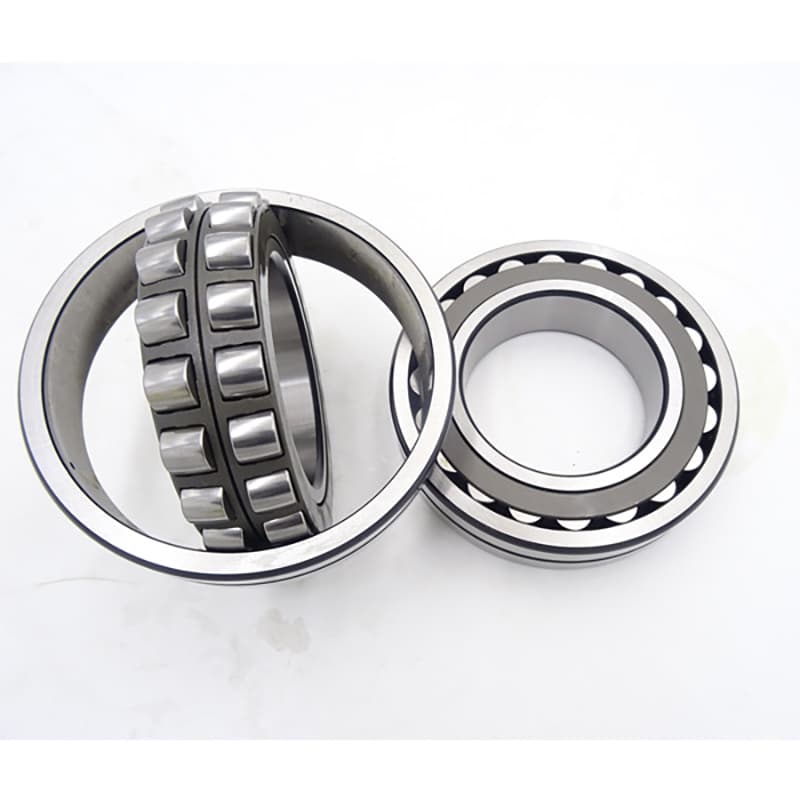
The cage (or retainer) keeps the rollers evenly spaced. Under misalignment, the rollers skew, and the cage must absorb these forces. A weak cage will break, causing the bearing to lock up. Advanced cage designs1 made from stronger materials or with optimized geometry can handle this much better.
[^2]](https://sdycbearing.com/wp-content/uploads/2025/12/Spherical-Roller-Bearings-52-1.jpg)
Cage Materials and Their Performance
| Cage Material | Strength | Misalignment Tolerance | Temperature Limit | Typical Application |
|---|---|---|---|---|
| Stamped steel | Moderate | Low | Up to 150°C | General purpose, low misalignment |
| Machined brass | High | High | Up to 250°C | Heavy shocks, misalignment, high temp |
| Polyamide (PA66) | Moderate | Medium | Up to 120°C | Quiet running, moderate loads |
| PEEK (polyetheretherketone) | High | High | Up to 200°C | Chemical resistance, high temp |
In my experience, for rotary drums with significant misalignment or vibration, the machined brass cage is the best choice. It is strong, has low friction against rollers, and can operate at high temperatures. I have recommended brass cages to many cement plant customers, and the feedback has been excellent – longer bearing life3 and fewer unplanned stops.
How Cage Design Affects Misalignment Capability
When the inner ring tilts relative to the outer ring, the rollers try to slide rather than roll. A well‑designed cage guides the rollers and keeps them aligned. Advanced designs, such as those with a floating guide ring or a special pocket shape, allow the rollers to adjust without binding.
For example, some spherical roller bearings feature a symmetrical cage that centers on the inner ring or the outer ring. This design lets the cage float and reduces the stress on the cage pockets. In one project for a steel mill in Turkey, we supplied bearings with a special brass cage that had a larger pocket clearance. The bearings easily handled the 0.5° misalignment caused by roll deflection.
Real‑World Example
A few years ago, a fertilizer plant in India contacted us because their dryer bearings failed every 4‑5 months. The problem was severe misalignment due to a sagging drum. We recommended upgrading to bearings with a machined brass cage and a C4 clearance. We also suggested checking the alignment during installation. The new bearings lasted 18 months – a 300% increase in life. The plant manager was so impressed that he switched all his critical bearings to our brass‑cage design.
Why Cage Design Matters More Than You Think
Many buyers look only at the rings and rollers. But the cage is a critical component. A broken cage can destroy the bearing in minutes. In high‑misalignment applications, a weak cage will fail early. By choosing an advanced cage – brass or high‑performance polymer – you add a safety margin that pays off in reliability.
Conclusion
Selecting the right spherical roller bearing for industrial dryers and rotary drums is not just about size and load ratings. It requires a deep understanding of temperature effects, failure modes, lubrication, and cage design. By paying attention to these details, you can avoid unexpected downtime and extend bearing life significantly.
-
Explore how advanced cage designs enhance bearing performance and reliability, especially under misalignment. ↩ ↩ ↩ ↩
-
Learn why machined brass cages are favored for their strength and durability in challenging conditions. ↩ ↩
-
Discover strategies to extend bearing life, particularly in environments with significant misalignment. ↩ ↩ ↩
-
Learn about insulated bearings and grounding techniques to eliminate electrical fluting in rotary drum bearings. ↩ ↩
-
Explore the significance of proper sizing in preventing failures and ensuring the longevity of rotary drum bearings. ↩