
You just installed new bearings in a heavy machine. Three months later, they fail. The machine stops. Production loses money. You ask yourself, what went wrong?
Operating speed and temperature are the two main factors that change how you select a spherical roller bearing. High speed creates heat and stress. High temperature changes material strength and lubrication. Ignore these, and your bearing fails early.
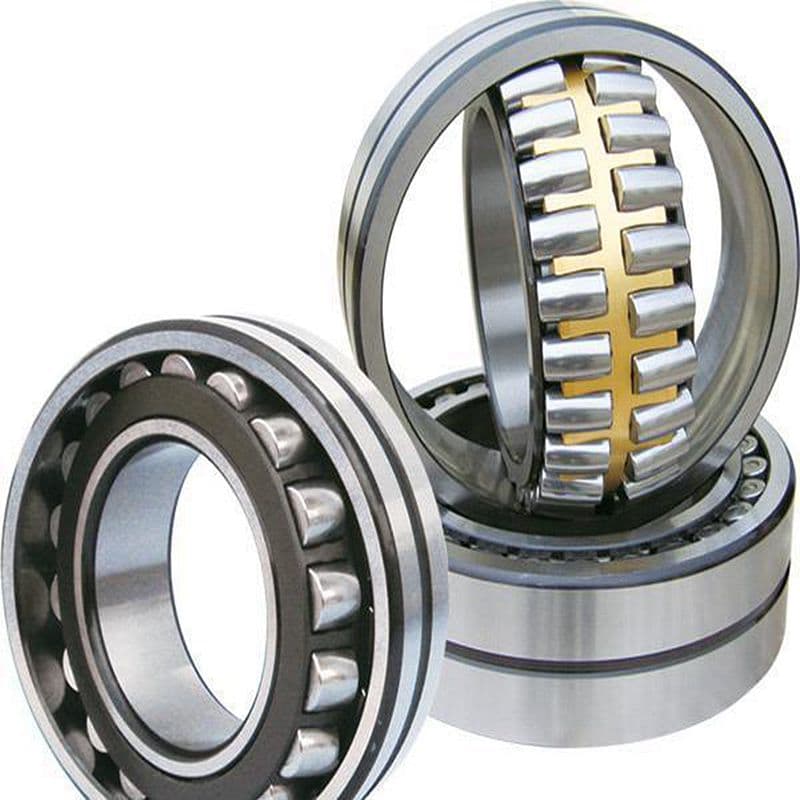
I have worked with bearings for over fifteen years. I have seen failures that cost companies thousands of dollars. Most of these failures trace back to one thing: someone picked the wrong bearing for the speed or temperature. In this article, I will share what I have learned. I will help you understand how these factors guide your choice.
Why do speed and temperature matter so much in bearing selection?
You might think a bearing is just a bearing. You match the size and put it in. But I have seen this thinking cause many problems.
Speed and temperature matter because they directly affect bearing life1. A bearing that works fine at 50°C may fail quickly at 120°C. A bearing that runs well at 500 RPM may overheat at 3000 RPM. These factors change how the bearing materials behave and how the lubricant performs.
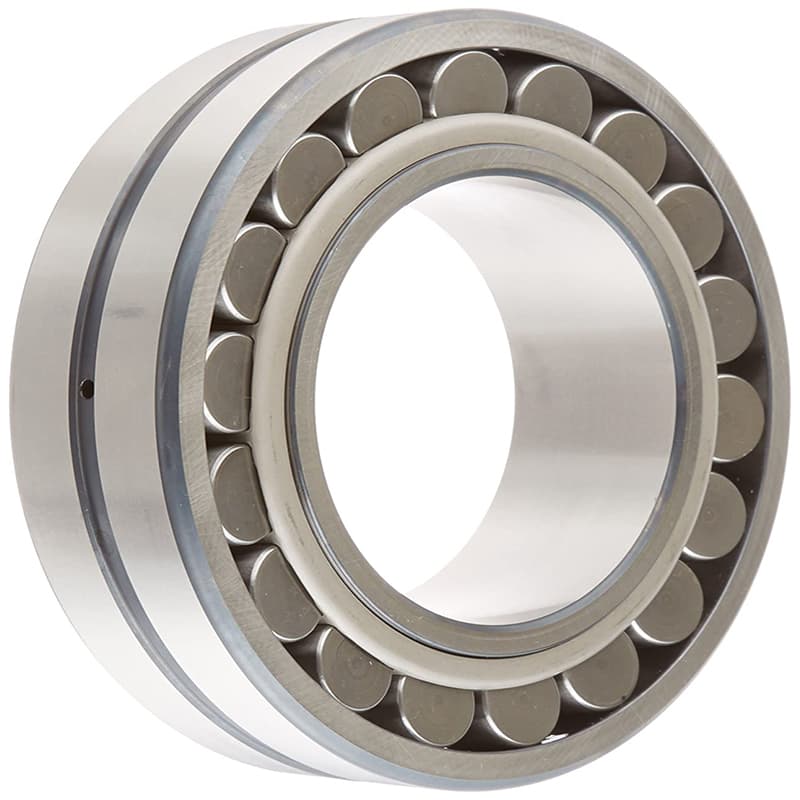
The Relationship Between Speed, Temperature, and Bearing Life
Let me explain what happens inside a bearing when it runs. The rollers move along the raceways. There is friction. This friction creates heat2. The heat raises the temperature of the bearing components.
When speed goes up, friction goes up. More friction means more heat. More heat means the bearing gets hotter. This is a chain reaction. If the heat cannot escape, the bearing temperature keeps rising.
High temperature affects the bearing in several ways. First, the steel expands. Different parts expand at different rates. This can change the internal clearance. If clearance becomes too small, the bearing runs tighter. More friction follows. Temperature rises even more.
Second, high temperature3 affects lubrication. Oil becomes thinner. Grease may soften and leak out. If the lubricant film breaks down, metal touches metal. This causes rapid wear.
Third, high temperature changes the material properties. Bearing steel starts to lose hardness above 150°C. If hardness drops, the bearing cannot carry the same load. It will deform and fail.
I recall a customer from Turkey who called me about a problem. They used the same bearing in two different machines. One machine ran fine. The other failed every six months. When we looked closer, we found the failing machine ran at 90°C while the other ran at 60°C. The bearing was not designed for that heat. We changed to a bearing with a different heat treatment, and the problem stopped.
Speed Limits and Reference Values
Every bearing has a speed limit. Manufacturers publish two numbers: the thermal reference speed4 and the limiting speed5.
The thermal reference speed is the speed at which the bearing generates as much heat as it can lose in normal conditions. If you go above this, the bearing gets hotter than desired.
The limiting speed is the mechanical limit. Above this, the forces inside the bearing may damage it. Centrifugal forces can throw rollers outward. Cages may break.
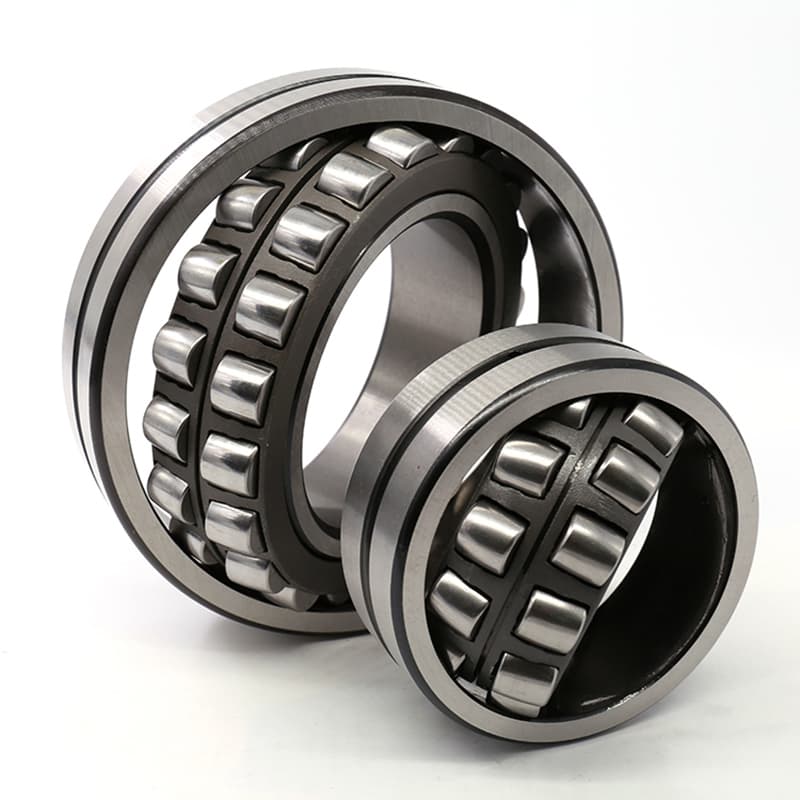
For spherical roller bearings6, speed is a big concern. These bearings are designed for heavy loads, not high speed. The rollers are large and heavy. They generate more heat than smaller roller types.
Here is a simple table showing typical speed ranges for different bearing types:
| Bearing Type | Typical Speed Capability | Best Application |
|---|---|---|
| Deep Groove Ball | Very High | High speed, light load |
| Cylindrical Roller | High | High speed, medium load |
| Spherical Roller | Medium to Low | Low speed, heavy load |
| Taper Roller | Medium | Moderate speed, combined loads |
This table shows why spherical roller bearings need careful speed consideration. They are not the fastest type. But they carry heavy loads. When speed goes up, you must adjust something.
How does high operating speed change the way I select a bearing?
Imagine you have a machine that runs at 2000 RPM. You need a spherical roller bearing1 because the loads are heavy. But the standard bearing in your catalog shows a limiting speed of 1800 RPM. You have a problem.
High operating speed forces you to change your bearing selection in several ways. You may need a different cage design2, higher precision class3, or modified internal geometry. You cannot just use the standard industrial bearing and hope for the best.
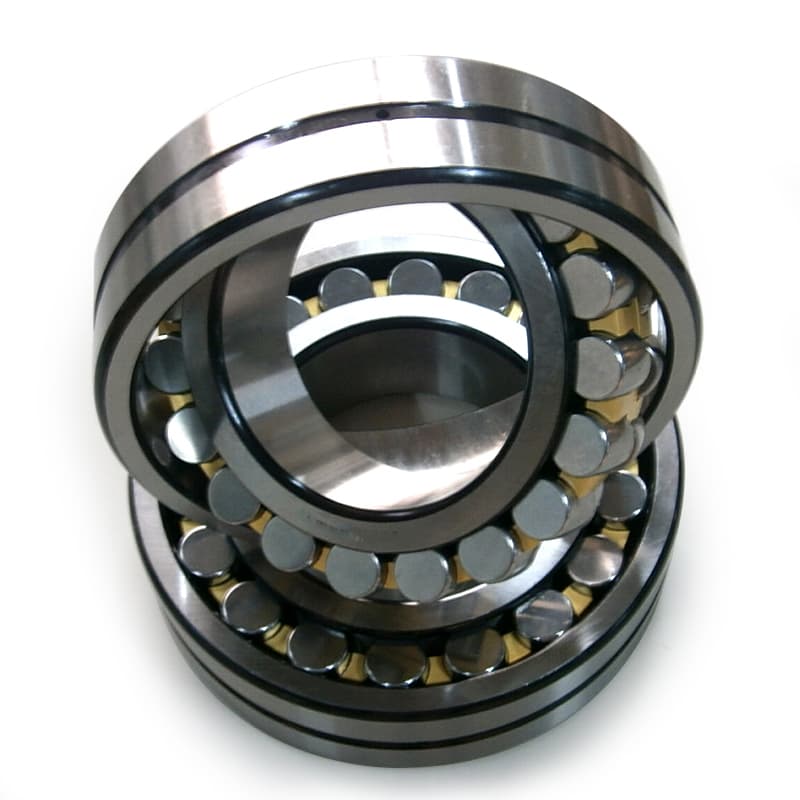
Cage Design and Material
The cage is the first thing I look at for high speed applications. The cage holds the rollers in place. At high speed, the cage experiences high forces.
Standard spherical roller bearings often use stamped steel cages. These are strong and cheap. But they are heavy. At high speed, a heavy cage creates more centrifugal force. It pushes outward against the rollers. This can cause cage failure.
For higher speeds, I recommend machined brass cages4. Brass is lighter than steel. The machining process creates a precise shape. The cage fits better and runs smoother. It can handle the forces of high speed rotation.
Some applications use polyamide cages5. These are very light. They work well at moderate temperatures. But they have limits. Above 120°C, polyamide softens and loses strength. So temperature limits this choice.
I had a client in Brazil who ran a crusher. The crusher ran at 1200 RPM, which is fast for a heavy machine. They kept breaking cages. We switched from a stamped steel cage to a machined brass cage. The problem went away. The extra cost paid for itself in reduced downtime.
Internal Clearance
Speed affects internal clearance6. When a bearing runs, the inner ring gets hotter than the outer ring. Heat expands the inner ring more. This reduces the internal clearance.
If you start with normal clearance (C0), the reduction from speed and load may take clearance to zero. Zero clearance means the bearing is tight. It generates more heat. This is a vicious cycle.
For high speed applications, I often specify increased clearance. Common choices are C3 or C4 clearance classes7. These give extra room for thermal expansion.
But you cannot just pick the largest clearance. Too much clearance causes other problems. The rollers may skid instead of roll. Skidding damages the raceways. So you must balance clearance with speed and load.
Precision Class
Standard bearings come in normal precision class. For most machines, this is fine. But high speed requires better precision.
Higher precision classes like P5 or P6 have tighter tolerances. The rollers are more uniform. The raceways are rounder. This reduces vibration and heat generation.
The difference shows up in runout. With normal precision, a bearing may have a slight wobble. At low speed, you do not notice. At high speed, that wobble creates vibration. Vibration increases load and heat.
I remember a paper mill in Indonesia. They had a machine that ran at 1800 RPM. The bearings vibrated badly. We measured and found the runout was too high. We replaced them with P5 precision bearings. The vibration dropped, and the bearings lasted three times longer.
Lubrication Method
High speed changes how you lubricate. At low speed, grease works well. You pack it in and forget it for a while. At high speed, grease may not stay in place. Centrifugal force throws it out of the bearing.
For high speed spherical roller bearings, oil lubrication often works better. Oil circulates, carries heat away, and maintains a film between rollers and raceways.
Oil can be delivered in different ways. Oil bath is simple but may cause churning losses at high speed. Oil circulation with a pump removes heat effectively. Oil mist delivers small amounts continuously.
The choice depends on speed and temperature. For very high speeds, oil mist is best. It does not create drag. It keeps the bearing cool.
How does high operating temperature1 change the way I select a bearing?
You have a machine near a furnace. The bearing housing measures 150°C. You put in a standard bearing. Three months later, it fails. The races show blue discoloration from heat. You need a different approach.
High operating temperature forces changes in material selection, heat treatment, and lubrication. Standard bearings are made for normal temperatures up to about 120°C. Above that, you need special features.
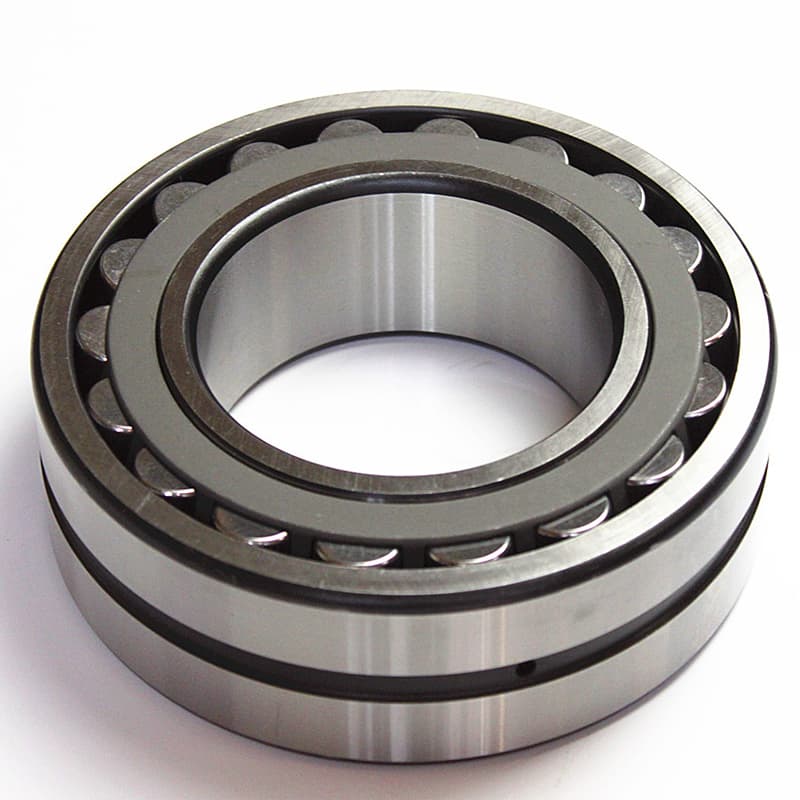
Material Heat Stabilization
Bearing steel changes when heated. At high temperature, the microstructure can transform. This changes the size of the bearing. It also reduces hardness.
Standard bearings are stabilized up to about 120°C. If you run them hotter, they may grow or shrink. This changes internal clearance2. The hardness drops, and the bearing cannot carry the same load.
For high temperature applications, bearing manufacturers offer heat stabilized bearings3. These bearings go through an extra heat treatment process. They remain dimensionally stable up to 200°C or higher.
You can identify these bearings by special suffixes. For example, S1 means stable up to 200°C. S2 means up to 250°C. S3 means up to 300°C. Always check these codes for hot applications.
I had a customer in Egypt who made ceramics. Their kiln cars ran at 180°C. Standard bearings lasted weeks. We supplied bearings with S1 stabilization. They lasted years. The difference was night and day.
Internal Clearance at Temperature
Remember how temperature affects clearance. In a hot application, the inner ring expands more than the outer ring. Clearance decreases.
For hot applications, you need to calculate the operating clearance. You cannot just use the clearance at room temperature. The bearing may have C4 clearance when cold to end up with normal clearance when hot.
The calculation depends on the temperature difference between inner and outer rings. If both are equally hot, the change is less. If the inner ring is hotter, which is common, the change is more.
I always ask customers for the expected housing temperature and shaft temperature. Sometimes they only know the ambient temperature. That is not enough. The bearing itself may be hotter than the housing because it generates its own heat.
Cage Material for High Temperature
High temperature limits cage choices. Polyamide cages fail above 120°C. They soften and deform. Stamped steel cages can handle higher temperatures but may suffer from reduced strength.
For hot applications, machined brass cages or special steel cages work best. Brass handles heat well. It does not lose strength until very high temperatures. Some applications use special cast iron cages, though these are rare.
The cage must also work with the lubricant. At high temperature, some lubricants attack certain cage materials. You must match all three: bearing, cage, and lubricant.
Lubricant Selection
High temperature kills lubricants. Grease oxidizes and hardens. Oil thins out and may evaporate. Without good lubrication, the bearing fails.
For temperatures above 100°C, you need special high temperature greases. These use synthetic base oils and thickeners that resist breakdown. Some use PTFE or similar solids that lubricate even if the oil evaporates.
For very high temperatures, oil circulation systems4 work best. The oil carries heat away. It gets cooled and filtered outside the bearing. This keeps the bearing temperature lower than the surrounding heat.
But oil systems cost more. They require pumps, filters, and coolers. For small applications, high temperature grease may be enough.
Here is a table showing lubricant options for different temperatures:
| Temperature Range | Lubrication Type | Considerations |
|---|---|---|
| Up to 70°C | Standard grease | Low cost, simple |
| 70°C to 100°C | High quality grease | May need relubrication intervals |
| 100°C to 150°C | Synthetic grease | Special thickeners, check compatibility |
| 150°C to 200°C | Synthetic oil circulation | Oil must be heat stable |
| Above 200°C | Special solid lubricants | Graphite, MoS2, or dry films |
I worked with a steel mill in South Africa. Their bearings ran near hot steel. Temperatures reached 200°C. We used special bearings with solid lubricant retainers. These had no oil or grease. The solid lubricant transferred to the rollers as they ran. It was the only thing that worked.
What happens when I have both high speed and high temperature1 at the same time?
This is the hardest situation. High speed generates heat. High temperature adds more heat. The two work together to push the bearing to its limit.
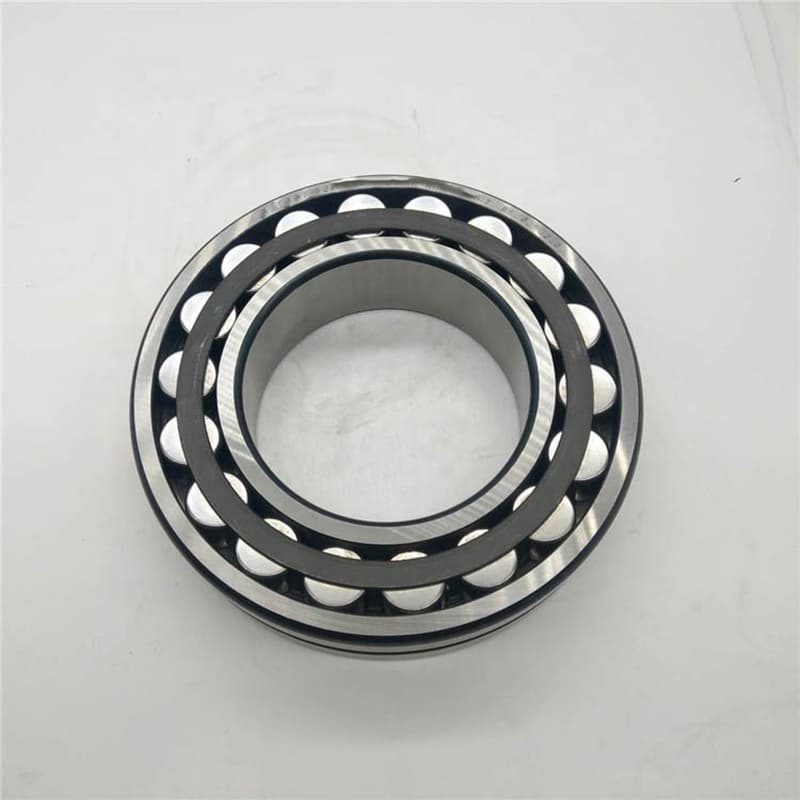
When you have both high speed and high temperature, the selection becomes critical. You need the best cage, the right heat stabilization, increased clearance, and premium lubrication2. Every part of the bearing system must work together.
Combined Effects on Materials
High speed and high temperature together stress the bearing materials3 in multiple ways. High speed adds mechanical stress from centrifugal forces. High temperature reduces material strength. The combination means the material sees higher stress at lower strength.
This reduces the safety margin. A bearing that would carry a certain load at normal conditions may fail at the same load under high speed and temperature.
The solution is often to go up in size. A larger bearing has more material. It can handle the combined stresses better. But larger bearings also generate more heat from friction. So you must check carefully.
Sometimes you must change to a different bearing type. Spherical roller bearings have limits. For extreme conditions, cylindrical roller bearings or even fluid film bearings may work better. But these have their own trade-offs.
Thermal Management
With both high speed and high temperature, you cannot just select a bearing. You must design the whole system to remove heat.
Heat comes from two sources: the external environment and the bearing itself. You need to manage both. Insulation may protect from external heat. Cooling systems may remove internal heat.
I have seen applications where we used oil circulation with a heat exchanger. The oil picked up heat from the bearing and released it in a cooler. Then it returned to the bearing. This kept the bearing temperature lower than the environment.
In other cases, we used special housing designs with cooling fins or water jackets. These conducted heat away from the bearing. The bearing ran cooler even in a hot area.
Monitoring and Maintenance
When you push bearings to the limit, monitoring becomes essential. You cannot just install them and walk away.
Temperature sensors in the housing tell you what is happening. If temperature rises, you know something changed. Vibration sensors detect problems early. Oil analysis shows if wear particles appear.
For a client in Vietnam, we installed bearings in a high speed mixer. The mixer ran at 1500 RPM at 120°C. We put thermocouples in the housings. One day, the temperature started climbing. We checked and found the lubricator had failed. We fixed it before the bearing failed. The monitoring saved a production stoppage.
Special Bearing Designs
Some manufacturers offer special bearings for combined high speed and temperature. These may have:
- Special heat stable materials
- Lightweight cages with high strength
- Optimized internal geometry for less friction
- Special coatings that reduce friction
- Built-in sensors for monitoring
These bearings cost more. But in critical applications, they are worth it. The cost of failure is much higher than the cost of the bearing.
What materials and lubricants should I choose for high-speed or high-temperature applications?
You have identified the conditions. Now you must pick the actual components. This is where the rubber meets the road. Wrong choice here means failure.
For high-speed applications1, choose bearings with machined brass cages2, increased clearance (C3 or C4), and higher precision (P5 or P6). For high-temperature, choose heat stabilized bearings3 (S1 to S3), high temperature lubricants4, and compatible cage materials. For both, combine these features and use oil circulation5 with cooling.
Material Selection Guide
Let me break down the material options in a table:
| Component | Standard | High Speed | High Temperature | Both Conditions |
|---|---|---|---|---|
| Rings | SAE 52100 steel | SAE 52100, higher precision | Heat stabilized (S1-S3) | Heat stabilized, high precision |
| Rollers | SAE 52100 steel | SAE 52100, lighter designs | Heat stabilized | Heat stabilized, possibly lighter |
| Cage | Stamped steel | Machined brass or polyamide | Machined brass or steel | Machined brass |
| Lubricant | Standard grease | Oil circulation or mist | High temp synthetic grease | Synthetic oil circulation |
This table gives a starting point. Each application needs individual review. The loads, speeds, and temperatures all interact.
Cage Material Comparison
The cage is often the limiting component. Here is a deeper look:
Stamped Steel Cages:
- Pros: Strong, cheap, widely available
- Cons: Heavy, higher friction at speed
- Max temperature: About 250°C (but loses strength)
- Best for: Low to medium speed, normal temperature, heavy loads
Machined Brass Cages:
- Pros: Light, precise, low friction
- Cons: More expensive, limited availability
- Max temperature: About 300°C
- Best for: High speed, high temperature, critical applications
Polyamide Cages:
- Pros: Very light, quiet, low friction
- Cons: Temperature sensitive, limited strength
- Max temperature: About 120°C
- Best for: High speed, moderate temperature, clean conditions
I remember a customer in Pakistan who needed bearings for a textile machine. The machine ran at high speed but low temperature. We used polyamide cages. They worked perfectly and reduced noise in the factory.
Lubricant Selection Guide
Lubricant choice depends on speed and temperature:
Grease Lubrication:
- Simple and cheap
- Good for speeds up to about 70% of limiting speed
- Temperature range depends on base oil and thickener
- Lithium complex: Up to 120°C
- Polyurea: Up to 150°C
- PTFE thickened: Up to 250°C
- Requires relubrication intervals
Oil Lubrication:
- Better for high speed
- Carries heat away
- Temperature range depends on oil type
- Mineral oil: Up to 100°C
- Synthetic hydrocarbons: Up to 150°C
- Esters: Up to 180°C
- Silicones: Up to 200°C but poor load carrying
- Requires circulation system for cooling
Solid Lubrication:
- For extreme temperatures
- No liquid to evaporate
- Graphite, MoS2, PTFE
- Limited life, high friction
- Special applications only
Putting It All Together
When I work with a customer, I ask a set of questions:
- What is the operating speed in RPM?
- What is the bearing temperature?
- What is the ambient temperature?
- What loads does the bearing carry?
- What lubrication system do you have?
- What is your maintenance schedule?
With these answers, I can select the right bearing. For a client in Russia with a paper machine, we used high speed bearings with brass cages and oil circulation. For a client in India with a steel mill, we used heat stabilized bearings with high temperature grease.
The key is to match the bearing to the conditions. Do not overspecify and waste money. Do not underspecify and cause failure.
Conclusion
Speed and temperature drive bearing selection. High speed needs better cages and precision. High temperature needs heat stabilization and special lubricants. When both exist, you need the best of everything. Match the bearing to your real conditions, and it will last.
-
Explore this link to understand the optimal bearing choices for high-speed applications, ensuring efficiency and performance. ↩ ↩ ↩ ↩ ↩
-
Discover the advantages of machined brass cages, including their lightweight and low friction properties, ideal for high-speed use. ↩ ↩ ↩ ↩ ↩
-
Learn about heat stabilized bearings to ensure reliability in high-temperature environments, crucial for performance. ↩ ↩ ↩ ↩ ↩
-
Explore the best high temperature lubricants to ensure optimal performance and protection in extreme conditions. ↩ ↩ ↩ ↩
-
Find out how oil circulation systems enhance bearing performance and longevity, especially in high-speed applications. ↩ ↩ ↩
-
Understand how internal clearance affects bearing performance and heat generation. ↩ ↩
-
Understand the significance of C3 and C4 clearance classes for thermal expansion. ↩
