
You have a machine that needs a specific bearing size. But standard options just don’t fit. That is a real headache.
Yes, you can get custom sizes for tapered roller bearings. Many manufacturers, including my factory FYTZ Bearing, make them to your exact dimensions. You just need to provide the right parameters like inner diameter, outer diameter, and width.
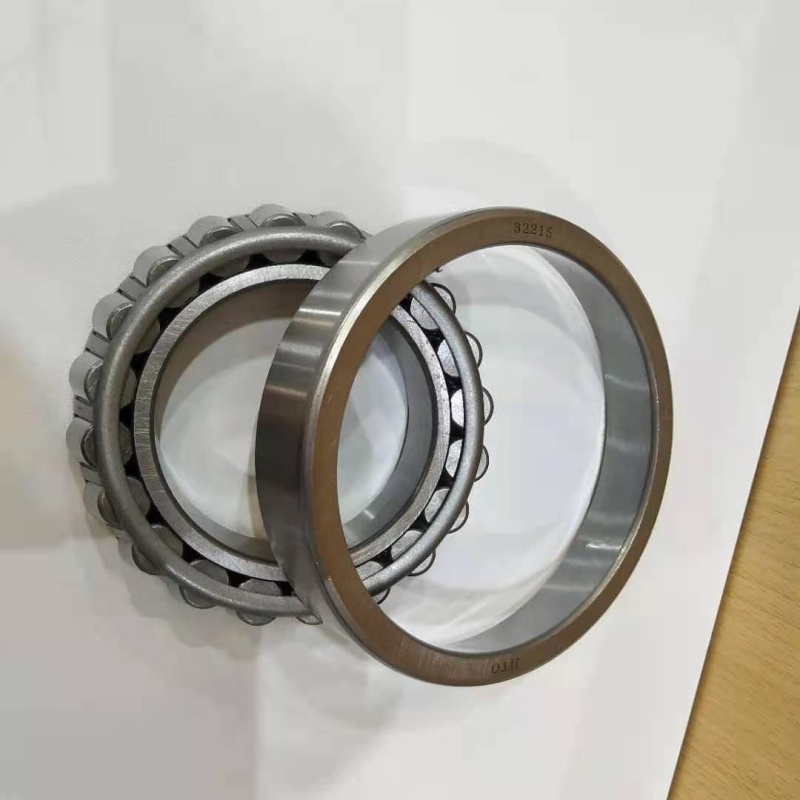
Let me explain. I run a bearing factory in China. We make all kinds of bearings. But tapered roller bearings are one of our specialties. Every week, I get emails from buyers like you. They ask: “Do you make non-standard sizes?” The answer is always yes. But you need to know what to ask for. So keep reading. I will show you how to get the perfect fit.
Why Standard Sizes May Not Meet Your Application Requirements
You open a catalog. You see hundreds of standard bearings. But none of them match your equipment. That is frustrating.
Standard sizes don’t fit because your machine is unique. Many industrial machines use custom shafts or housings. Also, older equipment may have worn parts. So standard bearings cause loose fit or too much pressure. That leads to early failure.
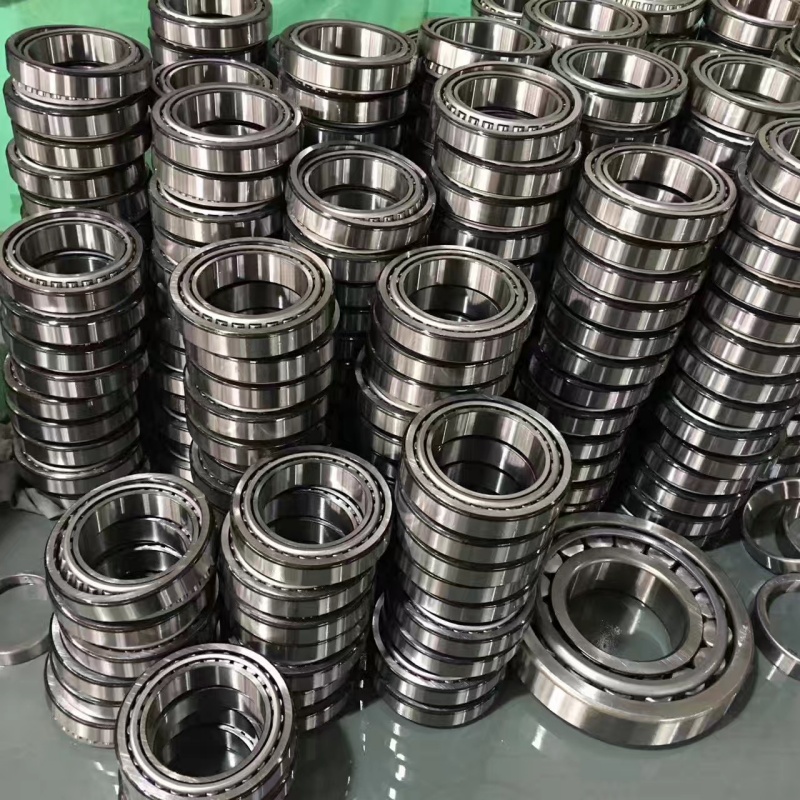
Let me give you a real example. Last year, a customer from Turkey called me. He makes agricultural machinery. His old bearing size was not in any catalog. He tried a standard bearing with a similar size. It failed after two months. The inner ring cracked. Why? Because the standard size was just 2 mm off. That small gap created uneven load. The bearing couldn’t handle it.
So when do you really need custom sizes? Here is a simple table to help you decide.
| Situation | Why Standard Size Fails | Custom Size Solution |
|---|---|---|
| Old machine from the 1990s | Original bearing size is discontinued | We remake the exact size |
| Modified shaft or housing | Standard tolerance doesn’t match | We adjust inner diameter or outer diameter |
| High-speed application | Standard bearings have too much internal clearance | We tighten the clearance to your speed |
| Heavy shock loads | Standard roller geometry is not strong enough | We change roller diameter or length |
| Unique mounting space | Width is different from standard | We reduce or increase the width |
Another reason is wear and tear. Let’s say your machine has run for ten years. The shaft might be slightly worn. A standard bearing will wobble. That creates noise and heat. A custom bearing can have a smaller inner diameter to match the worn shaft. This saves you from replacing the whole shaft. That is a big cost saving.
My advice? Always measure three things before you buy. First, the shaft diameter. Second, the housing bore. Third, the available width. Write them down. Then compare with standard sizes. If anything is off by more than 0.01 mm, you need a custom bearing. I have seen too many buyers try to force a standard bearing. It never ends well. The bearing fails in weeks. Then you lose production time. And you pay for a replacement anyway.
So don’t guess. Just ask for a custom size. It costs a little more upfront. But it saves you money in the long run.
Which Industries Need Custom-Sized Tapered Roller Bearings the Most
You might think custom bearings are rare. But actually, many industries need them every day.
The top industries are automotive aftermarket, heavy machinery, agricultural equipment, and mining. Also, material handling and steel plants often need non-standard sizes. These machines have unique designs or old parts that standard bearings cannot fit.
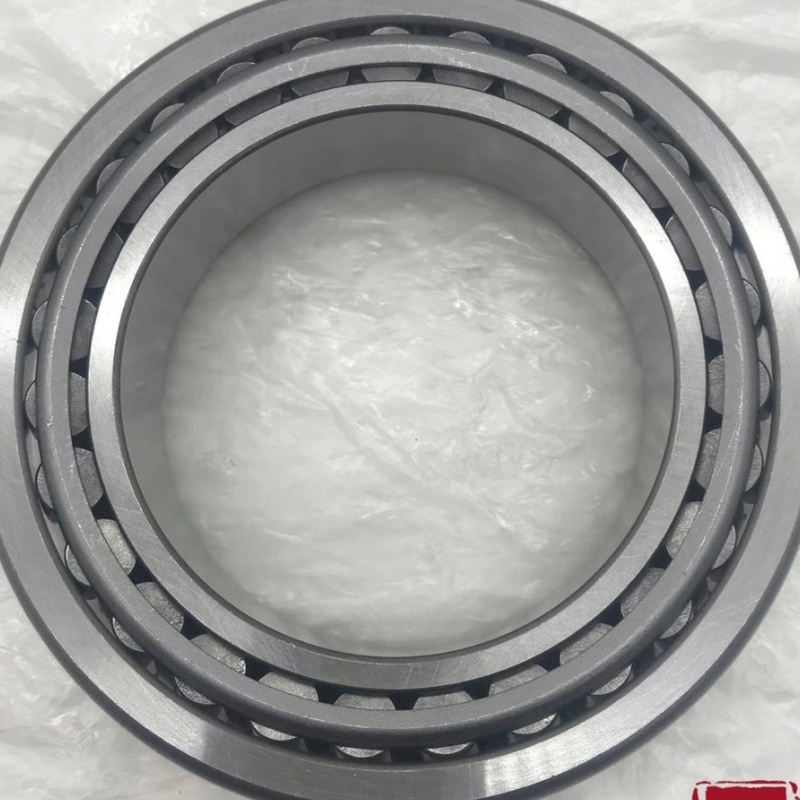
Let me share a story. A few months ago, I got an email from a buyer in Brazil. His name was Carlos. He runs a parts distributor for trucks. He told me, “I need 500 tapered roller bearings. But the size is not in your catalog.” I asked him for the numbers. He gave me an inner diameter of 52.3 mm. Standard is 50 mm or 55 mm. Why 52.3? Because he was repairing an old European truck model. That manufacturer went out of business. So no standard parts exist. Carlos had to find custom bearings. He found my website. We made 500 pieces for him. Now he orders every year.
So which industries call me the most? Here is a breakdown.
| Industry | Typical Custom Size Reason | Example Part |
|---|---|---|
| Automotive aftermarket | Old or rare vehicle models | Wheel bearings for vintage tractors |
| Agricultural machinery | Irregular shaft sizes from local repairs | Bearings for combine harvesters |
| Mining equipment | Heavy loads and odd housing designs | Conveyor roller bearings |
| Steel plants | High heat causes expansion, need special clearance | Roll neck bearings |
| Material handling | Custom-made conveyor rollers | Forklift wheel bearings |
| Construction machinery | Modified axles for rough terrain | Excavator track rollers |
Another big one is the bearing distributor themselves. I work with many distributors in India, like my customer Rajesh Kumar. He buys standard sizes from me. But sometimes his local customers bring in old machines. Those machines need odd sizes. Rajesh then asks me for a small custom batch. He gets a premium price because no one else has that size.
The same goes for machinery manufacturers. They design new equipment. They often choose non-standard bearing sizes on purpose. Why? To stop competitors from using off-the-shelf parts. It is a smart business move. But it means they need a reliable custom bearing supplier.
So if you work in any of these industries, do not assume standard is your only choice. Custom is common. And it is easy to get.
Engineering Process for Custom-Sized Bearings: From Parameters to Finished Product
You give me a drawing. But what happens next? You probably want to know the steps. So let me walk you through it.
The process has five main steps: design confirmation, material selection, forging, machining, and heat treatment. Then we add grinding, inspection, and packaging. Each step follows strict quality checks. The whole thing takes about 25 to 35 days.
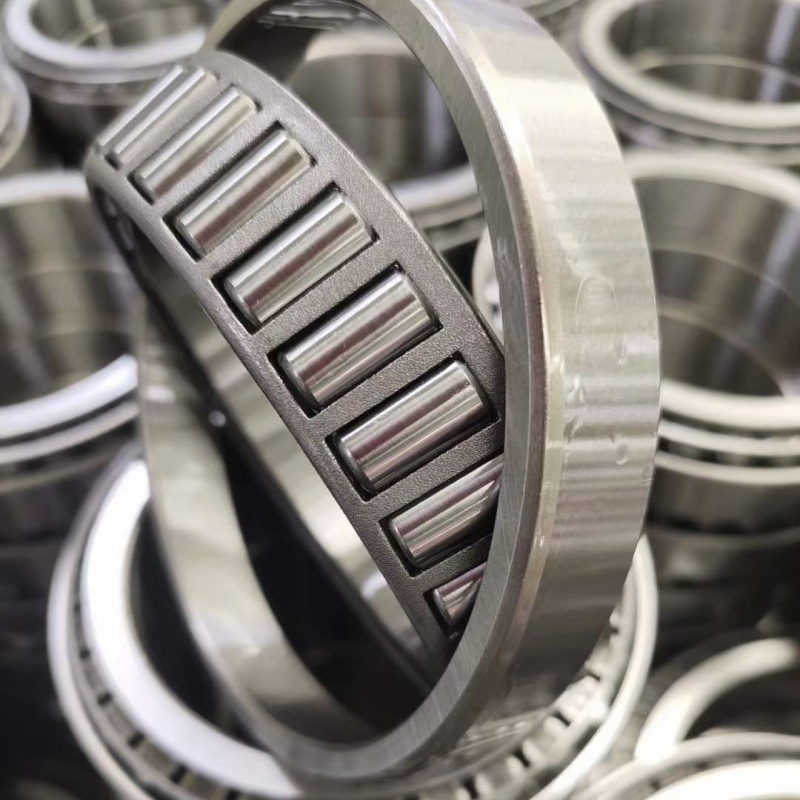
I want to be honest with you. Making a custom bearing is not like printing a photo. It takes real engineering. But my factory has done this thousands of times. So let me break down each step for you.
Step 1: Design and Parameter Confirmation
First, you send me your drawing or dimensions. I need three key numbers: inner diameter (d), outer diameter (D), and width (B). But that is not all. I also need the load type. Is it radial, axial, or both? What is the speed? What is the working temperature? Then our engineers check if your design will work. Sometimes we suggest small changes. For example, a sharper roller angle gives better axial load capacity. But it creates more heat. We find the best balance.
Step 2: Material Selection
Most tapered roller bearings use bearing steel like GCr15 (similar to AISI 52100). But for heavy shock loads, we use case-hardened steel. For high heat, we add special alloy. I always ask: “What is your machine’s toughest condition?” That decides the steel. We buy all steel from top mills. No scrap metal.
Step 3: Forging and Turning
We heat the steel to 1200°C. Then we forge it into rings. After that, we use CNC lathes to turn the rough shape. This step creates the basic inner and outer rings. The rollers are made from wire rods. We cut them to length. Then we shape the ends.
Step 4: Heat Treatment
This is the most critical step. We heat the rings again. Then we quench them in oil. After that, we temper them. This makes the steel hard but not brittle. We check the hardness on every batch. It must be between 60 and 64 HRC. If it is too soft, the bearing will deform. Too hard, it will crack.
Step 5: Grinding and Superfinishing
Now the bearing is hard. But the surface is rough. We use precision grinders to get the exact dimensions. We can hold tolerances as tight as 0.005 mm. Then we superfinish the raceways. This makes them smooth like a mirror. Low noise and long life come from this step.
Step 6: Assembly and Inspection
We clean every part. Then we assemble the cage, rollers, and rings. We measure the internal clearance. We test the rotation. We also do 100% inspection for noise and vibration. Only after passing all checks, we oil and pack the bearing.
Here is a simple timeline table for a typical custom order.
| Step | Time Needed | Key Check Point |
|---|---|---|
| Design confirmation | 2 days | All dimensions correct |
| Material ordering | 3 days | Steel certificate |
| Forging & turning | 5 days | No cracks |
| Heat treatment | 3 days | Hardness 60-64 HRC |
| Grinding | 7 days | Tolerance within 0.005 mm |
| Assembly & inspection | 3 days | Noise test |
| Packaging | 2 days | Rust prevention |
Total: about 25 days. For urgent orders, we can rush to 18 days. But I recommend normal lead time. Quality is better.
A lot of buyers ask me: “Can I skip any step to save money?” My answer is no. Each step exists for a reason. I learned this the hard way. Early in my career, I tried to save time by skipping superfinishing. The bearings worked for one month. Then they got noisy. The customer returned everything. I lost money and reputation. So now we follow every step. No shortcuts.
Key Dimensions & Parameters to Specify for Custom Orders
You are ready to order. But what exactly do you need to tell me? Many buyers miss important details. Then they get the wrong bearing.
You must specify four things: inner diameter, outer diameter, width, and the bearing’s internal clearance. Also tell me the load direction and the operating temperature. If you have an old sample or a drawing, that is best.
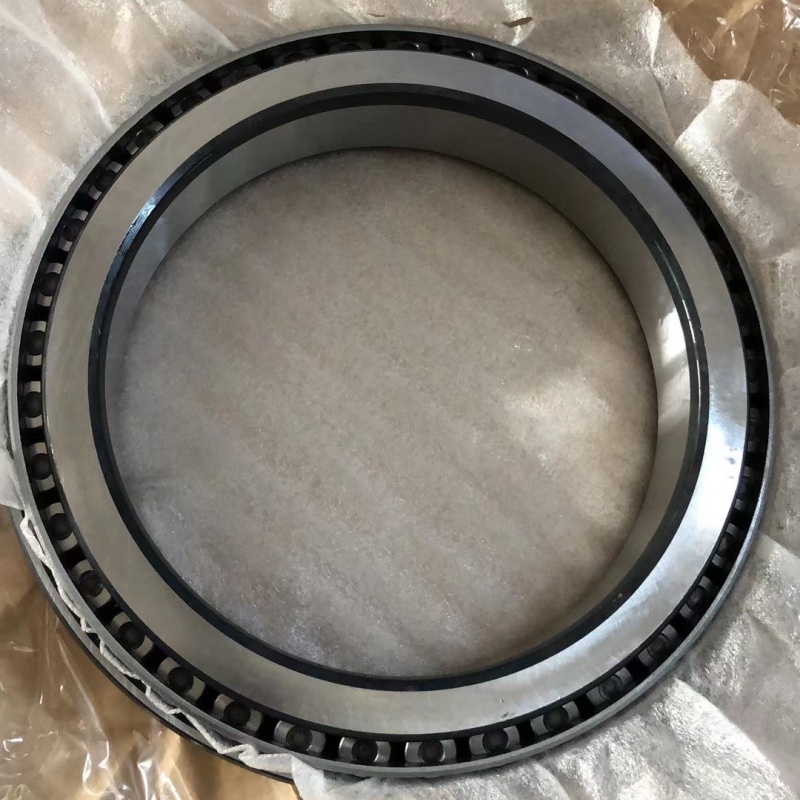
Let me make this very simple. Below is a checklist. Use it when you email me at sales@fytzbearing.com.
The Three Basic Dimensions
- Inner diameter (d) – This goes on your shaft. Measure it with a caliper. Write down the exact number in mm.
- Outer diameter (D) – This goes into your housing. Measure the housing bore.
- Width (B) – The total height of the bearing. Measure from one side to the other.
The Critical Parameters Most Buyers Forget
- Cage type – Steel cage for high heat. Nylon cage for quiet operation. Brass cage for heavy loads.
- Internal clearance – C2 (small), C0 (normal), C3 (large), C4 (extra large). I recommend C3 for most machines. It handles heat expansion.
- Precision class – P0 for normal use. P6 for better accuracy. P5 for high-speed spindles.
- Roller geometry – Standard or modified contact angle. A larger angle handles more axial load.
I also need to know your machine’s working conditions. For example, a bearing in a cement plant sees a lot of dust. So we need better seals. A bearing in a steel mill sees high heat. So we need more clearance. A bearing in a food mixer needs special grease. So tell me everything.
To help you, here is a table of common mistakes and how to avoid them.
| Mistake | Why It Happens | How to Fix |
|---|---|---|
| Wrong inner diameter | Measured a worn shaft | Measure at three different spots |
| Missing clearance spec | Assumed normal clearance is fine | Tell me your max temperature |
| No load direction info | Thought all bearings are the same | Write “radial” or “axial” or “combined” |
| Forgot about lubrication | Left grease choice to me | Tell me your speed and temperature |
| No drawing or sample | Sent only a rough sketch | Take a photo with a ruler next to the old bearing |
Let me share a real mistake from a customer. A buyer in Egypt wanted bearings for a textile machine. He sent me only the inner and outer diameters. I made 200 pieces. When they arrived, he said the width was wrong. His machine had a very narrow space. I asked why he didn’t tell me. He said, “I thought all bearings have the same width.” That is not true. Tapered roller bearings have many different widths even for the same diameter. So we had to make a new batch. It cost him extra time and money.
So please, be clear. Send me a drawing. Or take a clear photo of your old bearing next to a ruler. Or just write down all four dimensions: ID x OD x Width. Also write the number on the old bearing if you can see it. That helps me cross-check.
Conclusion
Getting custom tapered roller bearings is easy when you know the right steps. Just measure carefully, share all parameters, and work with a reliable factory like mine.