
Picked a bearing supplier before and ended up with late shipments, bad quality, or broken promises?
To evaluate pillow block bearing suppliers for OEM and distribution projects, check four things: factory audits and certifications, sample order quality, pricing transparency, and their ability to handle custom sizes. A good supplier sends test reports, answers technical questions fast, and delivers on time. A bad supplier only talks about low prices.
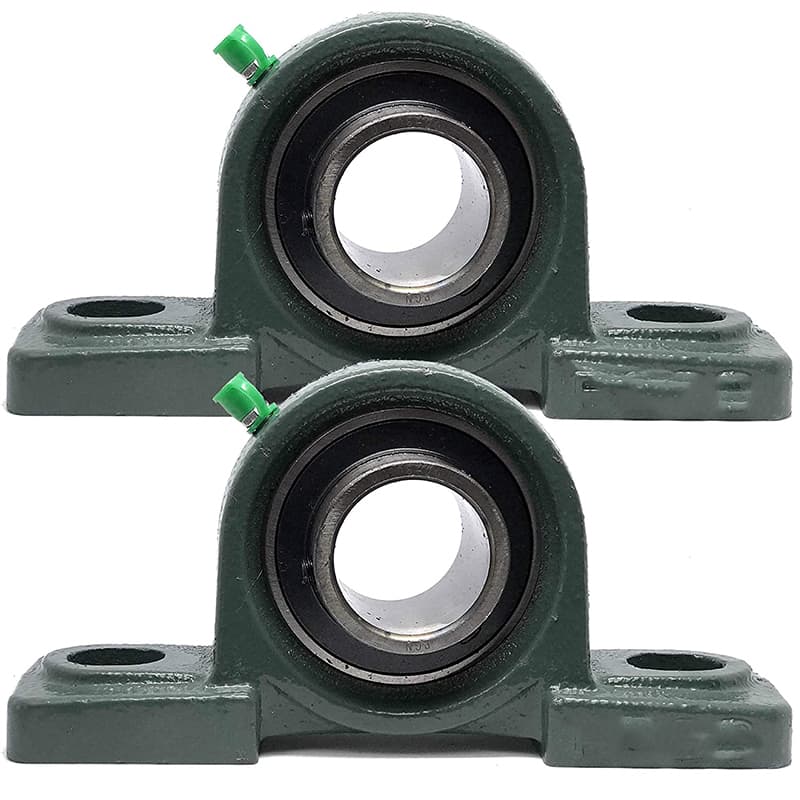
I run a bearing factory in China called FYTZ Bearing. I talk to procurement managers like Rajesh from India almost every day. He tells me horror stories about suppliers who disappeared after the first container. Or suppliers who sent mixed grades inside the same box. I get it. Finding a real, reliable bearing supplier is hard. There are so many trading companies and middlemen. But I will show you exactly how to separate the good factories from the bad ones. Keep reading. I promise you will save time and avoid costly mistakes.
What to Check Before You Sign a Supplier Agreement?
Have you ever signed a contract with a supplier and then found out they do not even make their own bearings?
Before you sign any agreement, check if the supplier is a real factory or just a trader. Ask for their business license, factory address, and production line videos. Then ask for test reports from the last three months. A real factory gives you these things without making excuses. A trader gives you empty promises.
Let me walk you through the exact steps I tell my customers to take.
Step one: Verify they are a real factory
Many people call themselves bearing manufacturers. But they are actually trading companies. They buy from different factories and put their own sticker on the box. That is not always bad. But you need to know who you are really dealing with. Here is how you check.
Ask for a live video call inside their production line. A real factory says yes. A trader makes excuses. The factory is too busy. The camera is broken. The manager is not here today. I hear these excuses from my customers who got burned before. Do not accept them.
Also ask for their business license. In China, a manufacturing license has a different code than a trading license. Ask them to show you. If they hesitate, walk away.
Step two: Check their production range and limits
Not every factory can make every bearing. Some factories only make small bearings. Some only make pillow blocks up to size UCP210. Some cannot make P5 precision grades. You need to match your needs to their real capabilities.
| Bearing Type | Does a Small Factory Make It? | Does a Medium Factory Make It? | Does a Full Factory Like FYTZ Make It? |
|---|---|---|---|
| UCP204 to UCP208 | Yes | Yes | Yes |
| UCP209 to UCP216 | No | Yes | Yes |
| UCP217 and bigger | No | Maybe | Yes |
| P0 precision grade | Yes | Yes | Yes |
| P5 precision grade | No | Maybe | Yes |
| P6 precision grade | No | Yes | Yes |
| Stainless steel housings | No | Maybe | Yes |
| Custom non-standard sizes | No | No | Yes |
Step three: Ask for third-party inspection reports
Do not trust the supplier’s own test reports only. Ask for reports from a company like SGS, TÜV, or Bureau Veritas. Those companies have no reason to lie for the supplier. A real factory welcomes third-party inspections. A fake factory gets nervous.
A story from a buyer in Pakistan
A customer from Pakistan called me last year. He had bought a container of pillow block bearings from a supplier in another city. The bearings looked good on the outside. But when his customers opened them, the inner rings were rough. The bearings made noise after one week. The supplier stopped answering his calls. He lost $15,000. Now he only buys from factories he has visited or had inspected by a third party. He buys from me now because I said yes to any inspection he wanted.
My clear advice for you
Before you sign anything, ask for these five things. One: a live video tour of the factory floor. Two: their business license showing "manufacturing". Three: test reports for the exact bearing you want to buy. Four: references from buyers in your country. Five: a sample order agreement with clear quality terms. If they say no to any of these, find another supplier.
Quality Certifications and Production Capabilities That Actually Matter?
Do you know which certifications are real proof of quality and which are just expensive pieces of paper?
The certifications that actually matter for pillow block bearings are ISO 9001 for quality management and SGS or TÜV factory audits. For Europe, you might need RoHS compliance. But do not get fooled by fake certificates. Ask for the certificate number and check it with the issuing body. A real certification costs time and money to get. A real factory is proud to show it.
Let me explain what each certification really means for you.
ISO 9001: The basic standard you should not skip
ISO 9001 means the factory has a quality management system. They write down their processes. They train their workers. They keep records. It does not guarantee every bearing is perfect. But it does mean the factory has thought about quality. Most real factories have this. If a supplier does not have ISO 9001, that is a big red flag.
SGS or TÜV audits: The deeper check
These companies send real auditors to the factory. They walk the production line. They check the machines. They test the products. They write a detailed report. A factory that passes an SGS audit is usually a serious factory. Ask for the latest audit report. Look at the date. Reports older than two years are not so useful.
RoHS: Needed for Europe and some other markets
RoHS means the product is free from certain harmful materials like lead and mercury. If you sell bearings in Europe, you need this. Some customers in India and Brazil also ask for it now. Ask your supplier if they can provide RoHS test reports for the specific bearing you want.
Production capabilities you should ask about
| Capability | What It Means for You | Questions to Ask |
|---|---|---|
| In-house heat treatment | Better control of hardness and durability. | Do you do heat treatment yourself or send it out? |
| In-house grinding | Better precision and surface finish. | What grinding machines do you use? |
| In-house assembly | Faster lead times and better quality control. | Do you assemble bearings in a clean room? |
| In-house packaging | Less chance of damage during shipping. | What kind of packaging do you use for export? |
| Custom tooling | Can make non-standard sizes for OEM. | What is your minimum order for custom sizes? |
A real example from my own factory
At FYTZ Bearing, we have ISO 9001 and we do annual SGS audits. But more importantly, we do all our own heat treatment and grinding. I cannot tell you how many customers came to me after trying factories that outsourced those steps. The bearings came back with inconsistent hardness. Some were too soft. Some cracked. When you outsource critical steps, you lose control. We keep everything inside our own walls. That is why my customers in Turkey and Russia keep coming back.
My honest take on certificates
Here is the truth. A certificate alone does not make good bearings. I have seen factories with ISO 9001 that still cut corners. And I have seen small factories without fancy certificates that make great bearings for their size. So use certificates as a first filter. But do not stop there. Use the sample order test I will show you later in this post. A sample order never lies. Certificates can be faked. Real product quality cannot.
MOQ, Pricing, and Payment Terms for OEM and Wholesale Buyers?
Do you know how much you are really paying when a supplier offers a low price but high MOQ and strict payment terms?
For OEM and wholesale buyers, typical MOQ for pillow block bearings is 500 to 2,000 pieces per size. Prices range from $2 to $30 per unit depending on size, material, and precision. Payment terms usually are 30% deposit and 70% before shipment. But real factories like FYTZ offer flexible terms for regular buyers. Do not just look at the unit price. Look at the total cost including shipping, banking fees, and potential quality issues.
Let me break down the real numbers so you know what to expect.
Understanding MOQ for different buyer types
MOQ means Minimum Order Quantity. The number changes based on who you are and what you need.
| Buyer Type | Typical MOQ (pieces per size) | Why |
|---|---|---|
| First-time sample order | 10 to 50 pieces | Testing quality before big commitment |
| Small distributor | 200 to 500 pieces | Filling a small warehouse |
| Medium distributor like Rajesh | 500 to 2,000 pieces | Regular stock for local customers |
| Large importer | 2,000 to 10,000 pieces | Container load direct to their country |
| OEM machine builder | 100 to 500 pieces per order | Just-in-time production needs |
Understanding real pricing
A UCP205 cast iron pillow block with a standard bearing insert might cost $3 to $5 from a factory in China. A UCP210 might cost $8 to $12. A stainless steel UCP205 might cost $15 to $25. These are factory direct prices for wholesale quantities. If you pay more than that, you are buying from a trader. If you pay less than that, be careful. The steel might be bad. The heat treatment might be skipped. The seals might be fake.
Here is a real price range from my own factory for common sizes:
| Bearing Size | Cast Iron (P0) | Cast Iron (P5) | Stainless Steel 304 |
|---|---|---|---|
| UCP204 | $2.50 – $3.50 | $4.50 – $6.00 | $12 – $18 |
| UCP205 | $3.00 – $4.50 | $5.50 – $7.50 | $14 – $20 |
| UCP206 | $4.00 – $6.00 | $7.00 – $9.00 | $18 – $25 |
| UCP207 | $5.50 – $8.00 | $9.00 – $12.00 | $22 – $32 |
| UCP208 | $7.00 – $10.00 | $12.00 – $16.00 | $28 – $40 |
Understanding payment terms
Most Chinese bearing factories ask for 30% deposit when you place the order. Then 70% before shipment. That is standard. But be careful. Some factories ask for 100% before shipment. That gives you no protection if the quality is bad. Some factories offer 30% deposit and 70% against copy of bill of lading. That is better for you. The best is a letter of credit for big orders. But that costs extra banking fees.
A real story about hidden costs
A buyer in Indonesia found a supplier with very low prices. The unit price was 20% cheaper than my price. He was excited. Then the shipping quote came. The supplier added a $1,500 handling fee. Then the banking fee was higher because of their bank. Then the supplier asked for 100% payment before production started. Then the shipment was late by six weeks. In the end, he paid more than my price and waited longer. He now buys from me. My price looks higher at first. But my total cost is lower because there are no surprises.
My advice on negotiating MOQ and terms
If you are a new buyer, ask for a sample order of 50 pieces first. Pay 100% upfront for that small order. That is fair. If the sample quality is good, then negotiate your big order. Ask for 30% deposit and 70% against shipping documents. Ask for a delivery date in writing. Ask for a quality guarantee. A good factory says yes to these things. A bad factory makes excuses or disappears.
I work with Rajesh from India. He buys 3 to 5 containers from me every year. He pays 30% deposit. The rest when the ship leaves. I give him 45 days to produce his order. Sometimes less if he needs it fast. That is how a real partnership works. We both trust each other. We both make money.
How to Test Sample Orders Without Wasting Time or Money?
Have you ever paid for a sample order and then realized you did not even know what to check when it arrived?
To test a sample order without wasting time or money, order 20 to 50 pieces of one common size. Check three things: dimensions with a caliper, noise by spinning each bearing by hand, and seal fit by looking for gaps. Then install five bearings on a real machine. Run them for one week. Measure the temperature after running. That test costs less than $200 and saves you from a bad $20,000 container.
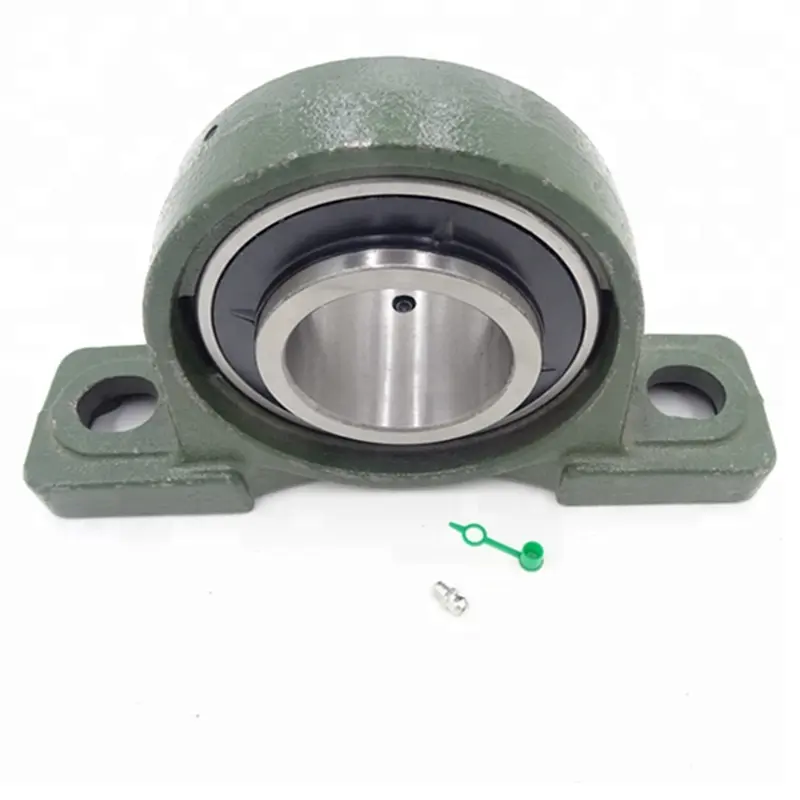
Let me give you a step-by-step testing plan you can follow yourself.
Step one: Order the right sample
Do not order the biggest or smallest size. Order a medium size like UCP205 or UCP206. Those sizes are common. They use the same materials and processes as other sizes. If a factory makes a good UCP205, they probably make good other sizes too. Order 20 to 50 pieces. That is enough to see consistency. Five pieces can be good by luck. Twenty pieces show you the real quality.
Step two: Check dimensions with basic tools
You do not need expensive measuring machines. A digital caliper costs $20. Use it to check these things.
| Dimension to Check | Expected Tolerance | What Bad Looks Like |
|---|---|---|
| Inner diameter of bearing insert | +0 / -0.010mm for P0 | Loose fit on shaft or too tight to slide |
| Outer diameter of housing base | ±1mm | Holes do not line up with your machine |
| Width of housing | ±0.5mm | Bolt holes misaligned |
| Height of housing from base to center | ±0.5mm | Shaft height wrong for your machine |
Step three: Spin and listen
Pick up each bearing. Spin the inner ring with your finger. Listen. A good bearing sounds smooth. Like nothing is inside. A bad bearing sounds rough. Like sand or gravel. You can feel the roughness in your fingertip too. If more than 10% of the samples feel rough, reject the whole batch.
Step four: Check the seals
Look at the rubber seals. Are they fully seated in the groove? Is there a gap between the seal and the inner ring? A small gap is okay. A big gap lets dirt in. Push on the seal gently with your fingernail. Does it move? It should be firm. A loose seal falls out during shipping.
Step five: Run a real machine test
This is the most important step. Take five bearings from the sample. Install them on a real machine that runs normally. Run the machine for one week. Measure the bearing temperature every day. Use an infrared thermometer. A good bearing runs at room temperature plus 10 to 20 degrees Celsius. A bad bearing runs much hotter. Also listen for new noises at the end of the week. If the bearings are still quiet and cool, they are good.
A real test from a customer in South Africa
A customer wanted to switch to me as their supplier. But they had been burned before. So they ordered 50 pieces of UCP206 from me. Their mechanic checked every single one with a caliper. All were good. Then he spun each one. All were smooth. Then he installed five on their busiest conveyor. The conveyor runs 16 hours a day. After one week, the bearings were cool and quiet. He placed a container order right after that test.
My honest advice on sample orders
Do not skip the sample step. I know you want to save time. I know you want to get your products to your customers fast. But one bad container will cost you ten times more than a sample order. It will cost you money. It will cost you your reputation. Your customers will go somewhere else. So take the time. Order samples. Test them properly. Then place your big order with confidence.
Also, ask the supplier to pay for the sample if you place a big order later. Many good factories, including mine, refund the sample cost on the first container order. That is a sign of a confident supplier. A supplier who is afraid to let you test their products is a supplier you should avoid.
Conclusion
Evaluate pillow block bearing suppliers by verifying their factory status, checking real certifications, testing sample orders, and comparing total costs.