Your power plant auxiliary equipment keeps failing. Then the whole system stops. That costs you money.
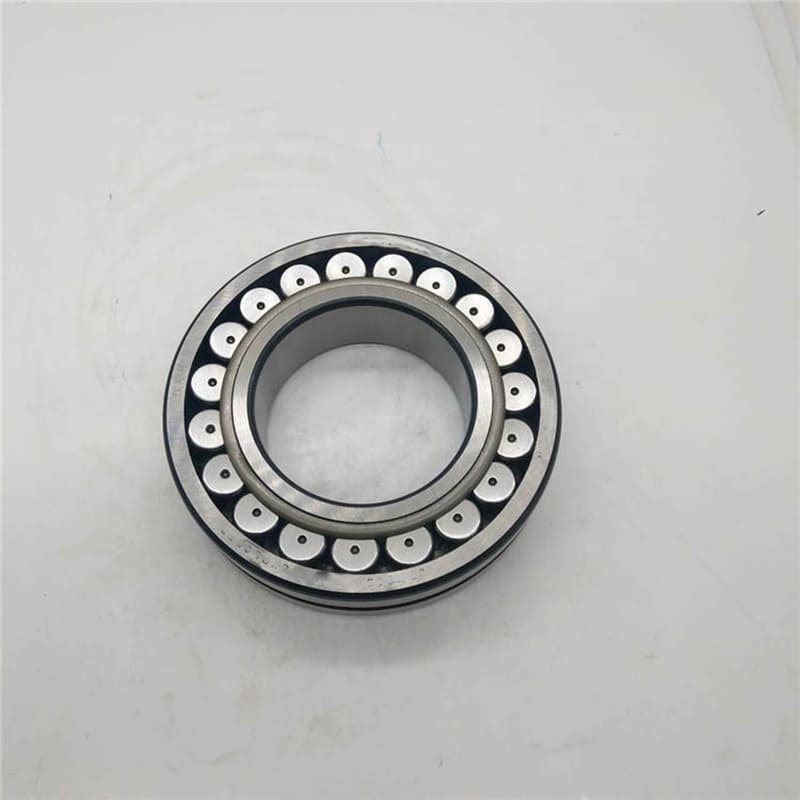
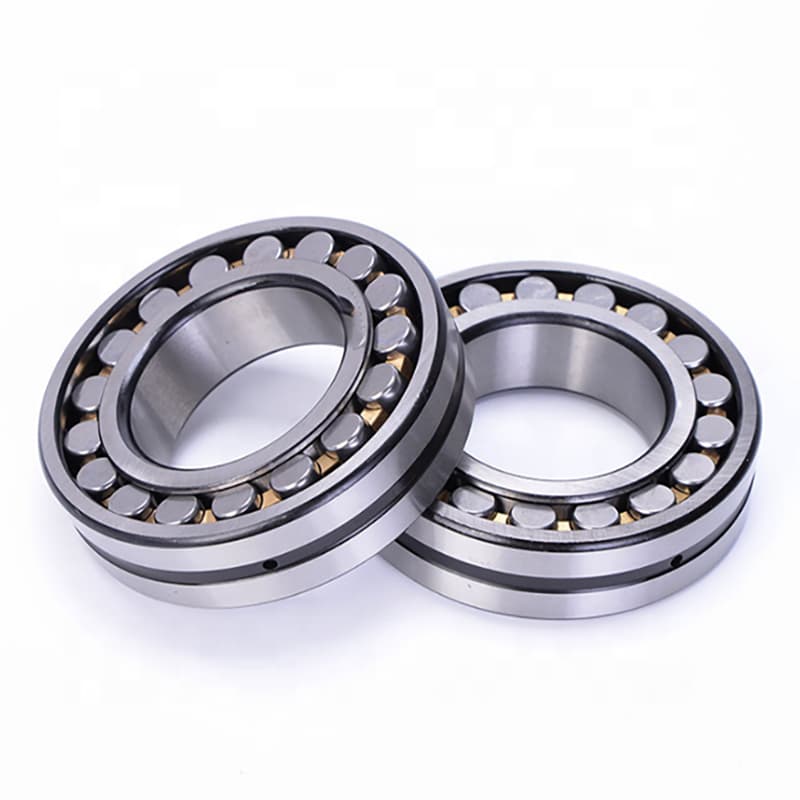
Spherical roller bearings handle heavy loads, misalignment, and harsh conditions. They are the right choice for conveyors, fans, coal handling, and ash handling systems in power plants.
I have supplied bearings to many power plant maintenance teams. Some buyers from Indonesia and South Africa asked me the same question. “Which bearing lasts longer in our coal conveyors?” So let me share what I learned from our factory and from customers like Rajesh in India.
What Auxiliary Equipment in Power Plants Uses Spherical Roller Bearings?
You might focus only on the main turbine. But the auxiliary equipment matters just as much. And most of it uses spherical roller bearings.
The main auxiliary equipment includes belt conveyors, ID fans, FD fans, coal crushers, ball mills, ash slurry pumps, and drag chain conveyors.
Let me list each machine and explain where the bearing goes.
I will break this down by equipment type. Then you will know exactly what to check.
1. Belt conveyors for coal handling
These conveyors run long distances. They carry heavy coal, and conveyor pulleys commonly use spherical roller bearings because they handle heavy radial loads and misalignment. The head pulley and tail pulley both use spherical roller bearings. The bearing sits inside a pillow block housing. The shaft can sag under belt tension, and spherical roller bearings can compensate for that small misalignment. So the conveyor keeps running smoothly.
2. Induced draft (ID) fans and forced draft (FD) fans
These fans move air through the boiler. The fan rotor is heavy. It spins at high speed (around 1500 RPM). For fan applications where ball bearings do not give adequate life, spherical roller bearings are used because they handle angular misalignment and extra load capacity. Fan bearing arrangements commonly use two bearings in a housing, with one side fixed and the other allowing thermal expansion. Without the self-aligning feature, the fan would vibrate and fail.
3. Coal crushers and hammer mills
These machines break big coal lumps into small pieces. The rotor sees high shock loads. Spherical roller bearings with a brass cage absorb that shock. I have seen crusher bearings with standard steel cages break in three months. The brass cage version lasts two years.
4. Ball mills and tube mills
These are large rotating drums. They grind coal into powder. The mill body is heavy. And it can sag a little. The trunnion bearings at each end are spherical roller bearings. They take the radial load from the mill weight and also some axial load from the rotation.
5. Ash handling systems
Bottom ash conveyors run in water and abrasive ash. The bearings get wet and dirty. Spherical roller bearings with rubber seals (2RS) and C4 clearance work best here. I will talk more about ash handling later.
Here is a quick reference table:
| Auxiliary equipment | Bearing position | Why spherical roller |
|---|---|---|
| Belt conveyor | Head/tail pulley[web:1397][web:1400] | Misalignment from belt sag |
| [ID / FD fan](https://www.tcf.com/wp-content/uploads/2021/12/Fan-Bearing-Selection-FE-1200.pdf | Rotor shaft[web:1391] | High speed + heat expansion |
| Coal crusher | Rotor | Shock load absorption |
| Ball mill | Trunnion[web:1402] | Heavy radial + some axial |
| Ash conveyor | Drive shaft | Wet, dirty, impact |
So if you are a procurement manager, you should stock spherical roller bearings in sizes that fit these machines. Common sizes are 222, 223, and 230 series. We sell many 22316 and 22220 for power plant fans.
Why Are Spherical Roller Bearings Ideal for Conveyors and Fans in Power Plants?
You might ask: why not use a cheaper ball bearing? Good question.
Conveyors and fans have two big problems: shaft misalignment and heavy radial loads. Spherical roller bearings solve both problems at once.
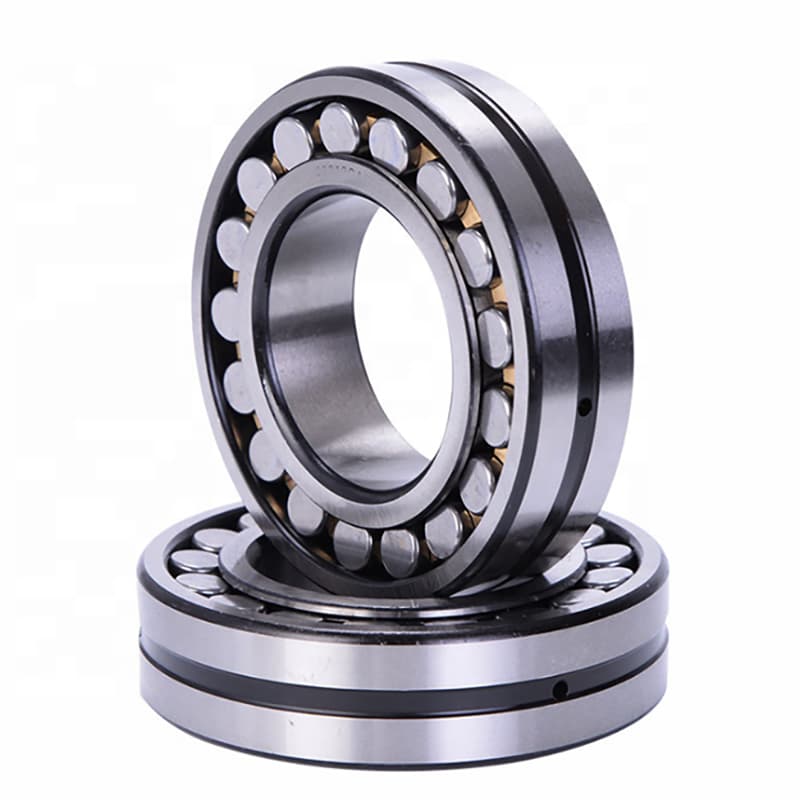
Let me compare three bearing types. Then you will see the difference.
I will use a simple table and three real-life reasons.
Reason 1 – Misalignment tolerance
A conveyor pulley shaft can bend up to 2 degrees from the center line. Spherical roller bearings can tolerate angular misalignment of about 0.5° to 2° depending on the series. Deep groove ball bearings are only suitable for very limited misalignment, so shaft misalignment creates edge stress and short life[web:1414]. A spherical roller bearing can keep running with shaft deflection and misalignment, so it lives longer.
Reason 2 – High radial load capacity
A fan rotor weighs hundreds of kilograms. Plus the belt tension on a conveyor adds more load. Spherical roller bearings are designed for very high radial loads and high axial loads in both directions. They use two rows of long rollers, which gives them a higher load carrying capacity than deep groove ball bearings of similar size. That means you can run smaller bearings for the same load. Or you can run safer with extra margin.
Reason 3 – Accommodates shaft expansion
Fans in a power plant get hot. The shaft expands. The bearing housing stays cooler. So the shaft grows longer. A spherical roller bearing can take axial movement inside its clearance. You do not need a separate expansion bearing arrangement.
Here is the comparison table:
| Feature | Ball bearing | Cylindrical roller | Spherical roller |
|---|---|---|---|
| Misalignment tolerance | Low | Very low | 1.5° to 2° |
| Radial load capacity | Medium | High | Very high |
| Axial movement allowed | Low | No | Yes (via internal clearance) |
| Shock load resistance | Low | Medium | High |
| Cost | Low | Medium | Medium-high |
From my own experience, I had a customer in Russia. He used ball bearings on his coal conveyor. He replaced them every 4 months. Then he switched to our spherical roller bearings. The same conveyor ran for 18 months without a change. That is a huge saving in downtime.
So my advice is simple. If you have a long conveyor or a large fan, do not save money on bearings. Use spherical roller bearings. They cost a little more upfront. But they give you much longer life.
How Do You Handle High Temperature and Dust in Coal Handling Systems?
Coal dust and heat are a deadly combination for bearings. The dust gets inside. The grease dries out. Then the bearing seizes.
Use high-temperature grease with EP additives. Also use bearings with metal shields (ZZ) or rubber seals (2RS). And pick C4 clearance for hot environments.
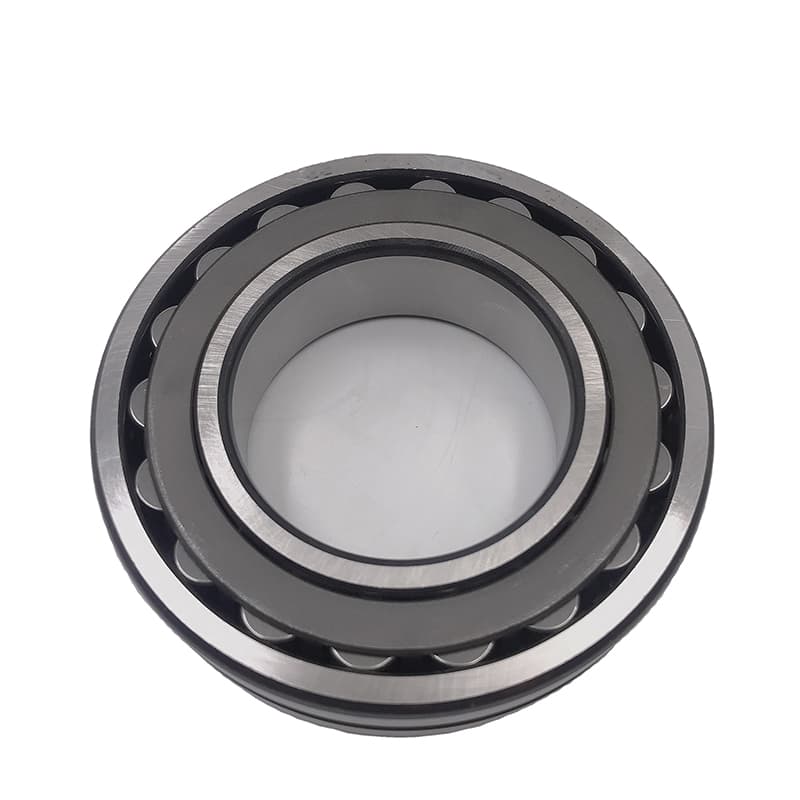
Let me give you three practical solutions from our factory tests.
I have worked with power plants in Egypt and Vietnam. Their coal handling systems run at 50°C to 80°C. Dust is everywhere. Here is what works.
Solution 1 – Seal selection
You have three choices. Open bearings let dust in. They die fast. Shielded bearings (ZZ) keep out big particles. But fine coal dust can still enter. Sealed bearings (2RS) are the best. The rubber lip touches the inner ring. Dust cannot go past. But remember that rubber seals add a little friction. For a conveyor motor, that friction is nothing. So choose 2RS.
One problem. Some buyers say sealed bearings cost more. Yes, they do. But a sealed bearing lasts three times longer. So the total cost is lower. I tell my customers: pay a little more now, or pay a lot more later.
Solution 2 – Grease for high temperature
Standard grease melts at 80°C. Coal handling systems can reach 90°C near the boiler. So you need a grease with a high dropping point[web:1430]. Look for lithium complex or polyurea grease. The base oil viscosity should be ISO VG 150 or 220. And add EP (extreme pressure) additives. That helps when dust gets in.
Here is a grease selection table:
| Temperature range | Recommended grease | Dropping point |
|---|---|---|
| Up to 70°C | Lithium soap EP | 180°C |
| 70°C to 100°C | Lithium complex | 250°C |
| Above 100°C | Polyurea or PTFE | 280°C+ |
I use lithium complex for most coal handling customers. It works well and is easy to find.
Solution 3 – Clearance class
Heat makes the inner ring expand. So you need a larger starting clearance. For a coal conveyor near the boiler, use C4 clearance. For a conveyor far from heat, C3 is enough. Do not use CN. I have seen CN clearance bearings fail in one week on a hot conveyor. The rollers expanded and locked.
Also look for bearings with the W33 code. That means a lubrication groove and holes in the outer ring. You can add fresh grease while the bearing runs. The old dirty grease pushes out through the holes. This is very useful in dusty areas.
From our factory records, we sold 22316 W33 C4 bearings. They installed them on a coal crusher[web:1401]. The old bearings (C3, no seal) lasted 2 months. The new ones lasted 14 months. That is a real saving.
What Are Key Selection Criteria for Spherical Roller Bearings in Ash Handling Equipment?
Ash handling is the toughest job. The ash is abrasive like sand. And it is often wet. Many bearings fail here first.
You need bearings with high hardness steel, contact seals, and a special heat treatment for corrosion resistance.
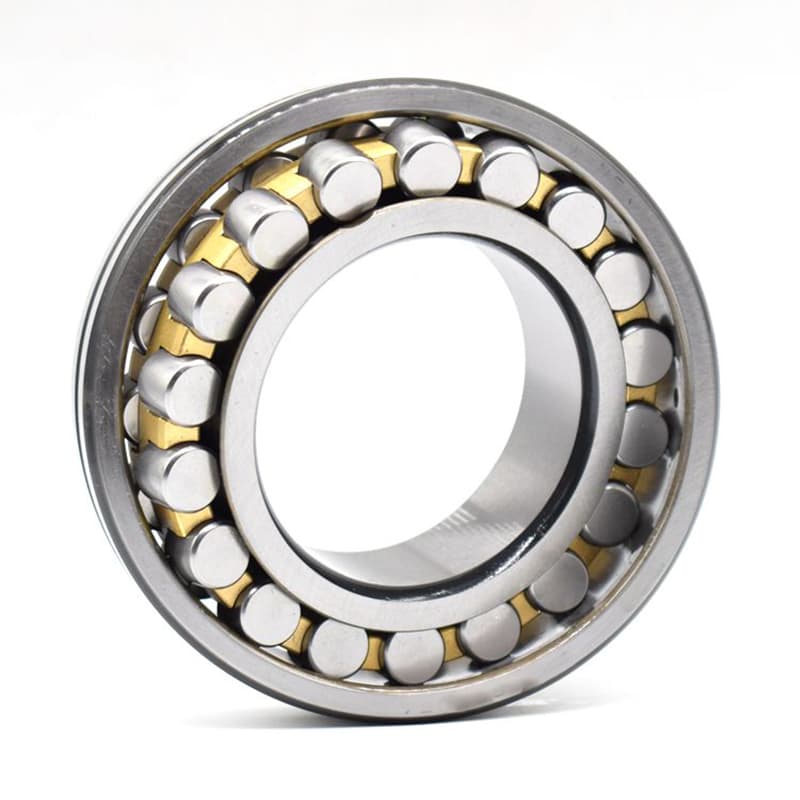
Let me walk you through four selection criteria.
I will answer the questions that my customers ask most often about ash handling.
Criterion 1 – Seal type is critical
Bottom ash slurry is 20% water and 80% abrasive particles. An open bearing will fill with ash in one day. A ZZ shielded bearing will also let fine ash in. So use a 2RS rubber seal. But not all 2RS seals are the same. Look for a seal with a steel insert. That keeps the rubber lip pressed against the inner ring.
Better yet, use a bearing with a flinger seal. Some heavy-duty spherical roller bearings have a special seal design. It has a steel flinger that spins with the inner ring. Dust and water cannot get past.
Criterion 2 – Internal clearance
Ash handling conveyors run slow (50 to 100 RPM). But they have high impact. The chain can jerk. So you need C4 clearance. C3 is too small. I tested both on a drag chain conveyor in Bangladesh. The C3 bearing ran hot. The C4 bearing ran cool. The difference was clear.
Criterion 3 – Steel type and treatment
Standard GCr15 steel is good. But for ash, you want a bearing with a black oxide coating or a special heat treatment. Black oxide improves corrosion resistance when it is properly sealed, and it adds only a very thin conversion layer. This treatment makes the surface harder. It also resists corrosion from water. Ask your supplier for bearings with “anti-corrosion” treatment. At FYTZ Bearing, we offer a “T” grade treatment for ash handling. It costs a little more. But it doubles the life.
Criterion 4 – Cage material
Ash handling has shock loads when the chain grabs. A steel cage can crack under shock. A brass cage is better. Brass cages resist adhesive wear better than pressed steel cages in harsh lubrication conditions. For wet ash, brass also resists rust. I recommend brass cages for bottom ash conveyors. Nylon cages are not good here; moisture and acidic/wet conditions can damage nylon over time.
Here is a selection summary table:
I remember a customer from South Africa. He had a bottom ash drag conveyor. He used standard bearings. They failed every 6 weeks. He called me. I recommended our bearing with 2RS seal, C4 clearance, brass cage, and black oxide coating. He tested one set. It ran for 9 months. Now he buys from me every quarter.
So the key is simple. Do not treat ash handling like normal conveyor duty. Spend more on seals and clearance. You will save on downtime and labor.
Conclusion
Spherical roller bearings keep power plant auxiliary equipment running. Choose the right seal, clearance, and cage for each job.