
Your machines stop too often. I hear this from buyers every week. The problem is often a bearing that cannot handle daily stress.
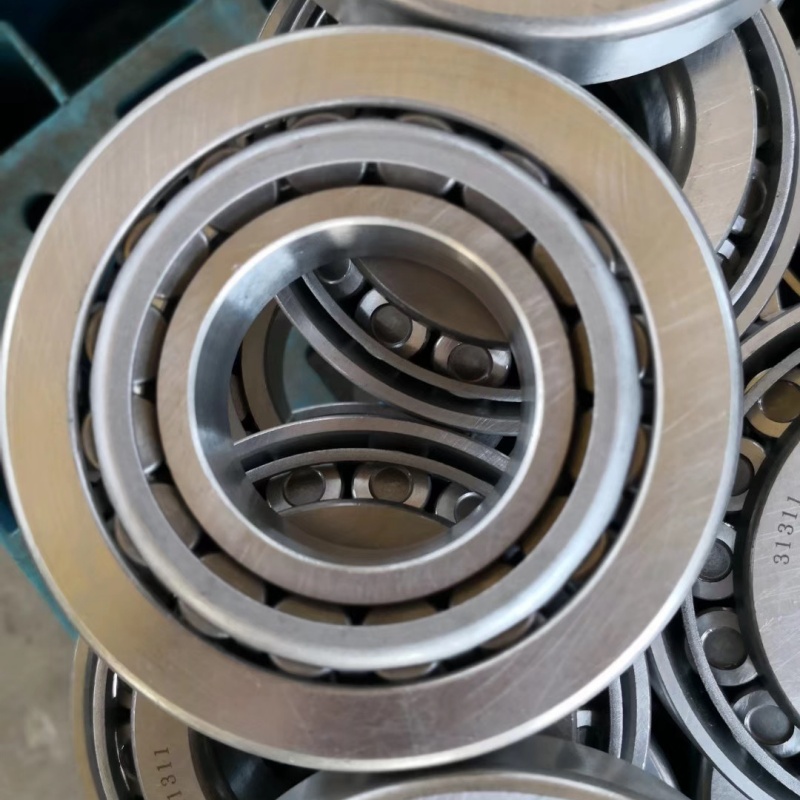
Industrial tapered roller bearings are built for daily operation. They take heavy radial and thrust loads, run long hours, and stay reliable when you maintain them right. Choose the right size, keep them greased, and watch for early wear signs.
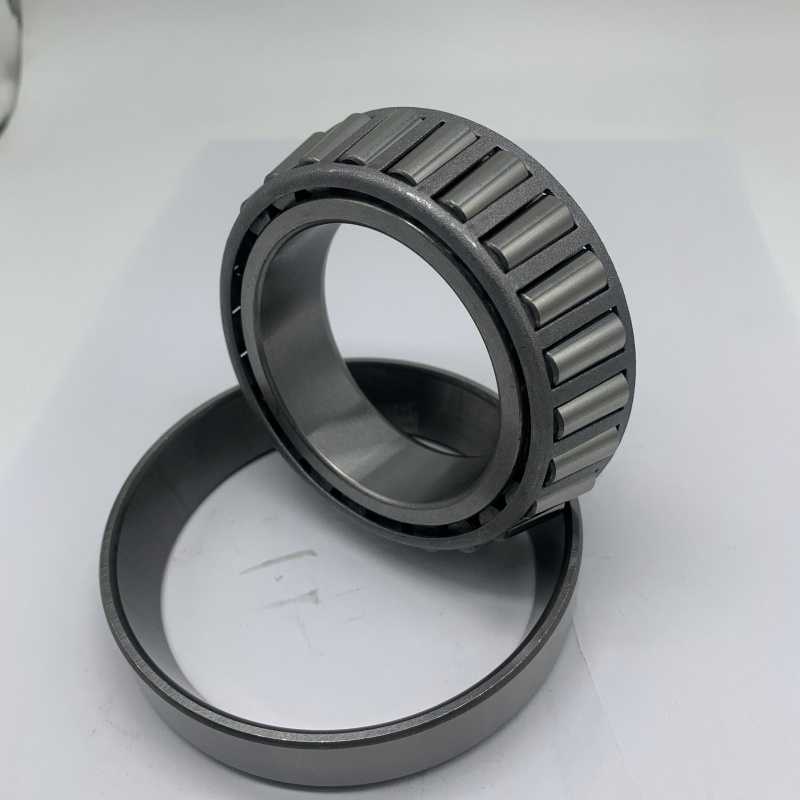
I run a bearing factory in China. My customers call me when their machines break down. They want bearings that just work every day. So let me share what I have learned from selling to factories in India, Brazil, and Turkey. No theory. Just practical advice from my shop floor.
What daily loads can industrial tapered roller bearings1 handle?
Many buyers think tapered roller bearings are only for cars. That is wrong. They handle serious daily loads in factories, trucks, and heavy machines.
Industrial tapered roller bearings handle both radial loads (downward force) and thrust loads (sideways force) at the same time. A single bearing can take up to 200,000 Newtons of radial load and 50,000 Newtons of thrust, depending on the size and angle.
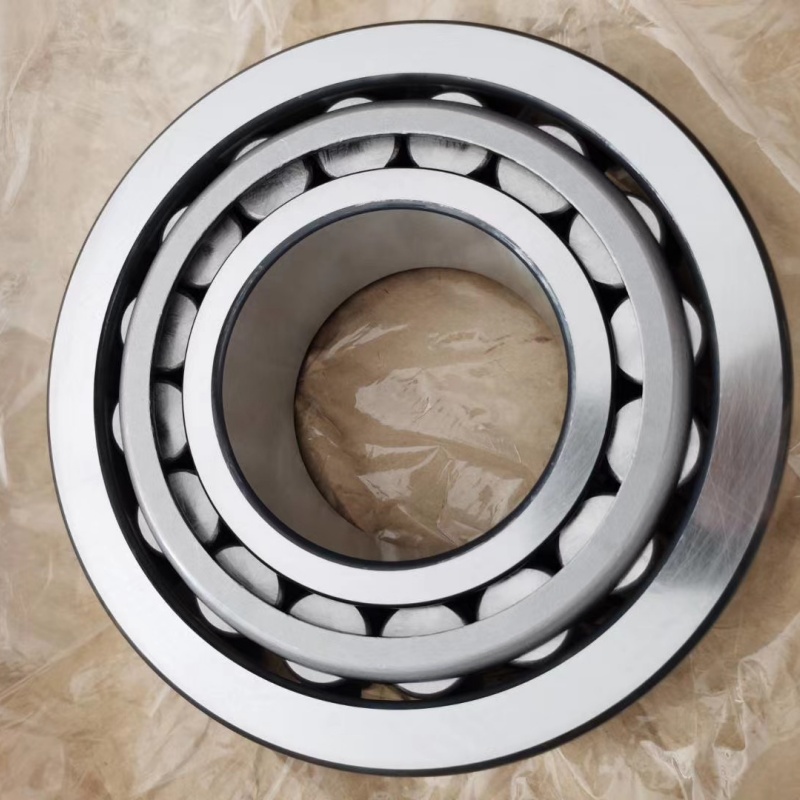
Let me give you a real example. A customer in Indonesia runs a palm oil press. His old bearings used to fail every two months. The load was a mix of heavy radial force from the rollers and axial thrust from the screw press. He switched to our tapered roller bearings with a 25-degree angle. Now they run 12 months without trouble.
How to match the load to the bearing size2
You need two numbers from your machine: the radial force (in Newtons or pounds) and the axial force. Then look at the bearing’s dynamic load rating3 (C). That number is in the catalog. For daily operation, you want the actual load to be less than 50% of the C rating. That gives you a long life.
For example, if your bearing has a C rating of 100,000 N, do not put more than 50,000 N on it for 24/7 operation. If you go to 70,000 N, the life drops by half.
What about shock loads4?
Daily operation often has sudden jolts. Think of a conveyor starting and stopping. Or a crusher hitting a hard rock. Tapered roller bearings handle shock loads better than ball bearings. The line contact spreads the force. But do not push it. If your machine has frequent shocks, choose a bearing with a higher load rating. Also use a steeper angle (over 25 degrees) to handle the thrust part of the shock.
Common daily loads in industry
I see tapered roller bearings used for these jobs every day:
- Conveyor rollers in mines (heavy radial load, some thrust from belt alignment)
- Gearboxes in steel mills (high speed and high thrust from helical gears)
- Truck wheel hubs (radial from weight, thrust from cornering)
- Agricultural machinery (dirt and shock loads from uneven ground)
Here is a quick load table from my factory’s testing:
| Application | Typical Radial Load (kN) | Typical Thrust (kN) | Recommended Bearing Size |
|---|---|---|---|
| Small conveyor | 10-20 | 2-5 | 30205 to 30208 |
| Truck wheel hub | 30-50 | 10-15 | 32210 to 32215 |
| Gearbox (medium) | 50-80 | 20-30 | 32218 to 32222 |
| Crusher or press | 100-150 | 30-50 | 32315 to 32320 |
My advice
Do not guess your daily load. Measure it or check your machine manual. Then add a safety margin of 20%. A bearing that runs at 60% of its rating will last twice as long as one at 90%. That is money in your pocket.
How do you maintain tapered roller bearings1 for non-stop operation?
I see too many factories skip maintenance. Then they blame the bearing. That is not fair. A bearing needs care to run non-stop.
For non-stop operation, you must check lubrication2 every week, monitor temperature daily, and re-grease3 every 500 hours of running time. Also, listen for noise and feel for vibration. That is the basic maintenance routine.
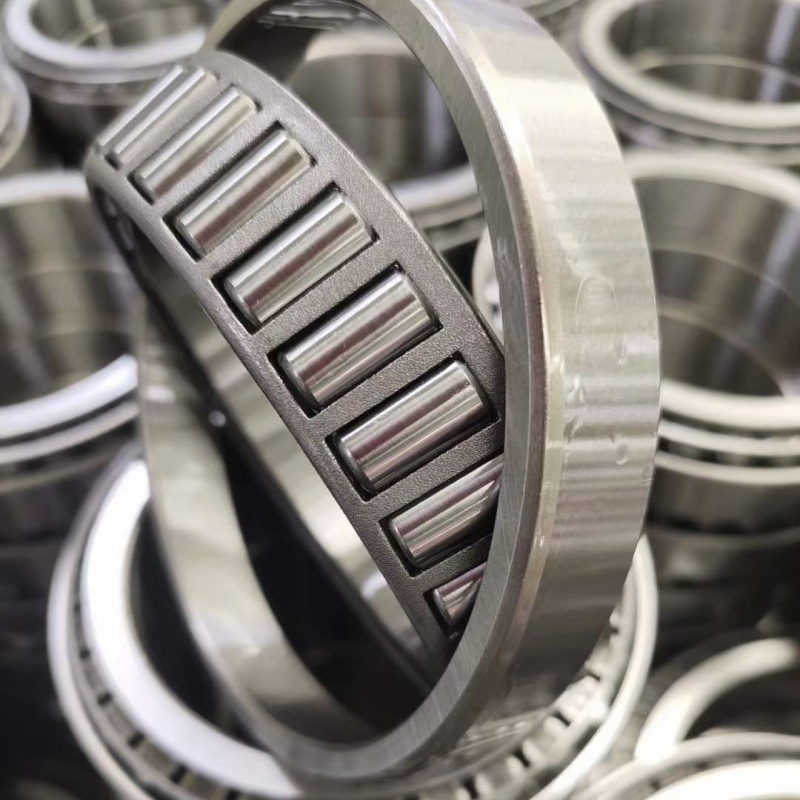
I learned this the hard way. A customer in Brazil ran his packaging line 24 hours a day, 7 days a week. He never greased the bearings. After six months, eight bearings failed in one week. His line stopped for two days. He lost $20,000. Now he follows my maintenance schedule.
Daily checks (5 minutes)
You do not need special tools. Just walk around your machines. Touch each bearing housing. Is it too hot to hold your hand on? That is a problem. Normal temperature is under 60°C (140°F). Also listen. A healthy bearing makes a smooth sound. Grinding or clicking means trouble.
Weekly checks (15 minutes)
Use a grease gun. Add a small amount of fresh grease. This pushes out old, dirty grease. Look at the old grease that comes out. If it is black or has metal flakes, you have a problem. Also check the seals. If they are cracked or loose, replace them.
Monthly checks (1 hour)
Take a vibration reading4 if you have a meter. Or just feel the housing. More vibration than last month means wear. Check the end play with a dial indicator. If the shaft moves more than 0.005 inches (0.13 mm), the bearing is worn.
Re-greasing schedule
I use this simple table for my customers:
| Operating Hours per Day | Re-grease Every | Type of Grease |
|---|---|---|
| 8 hours | 3 months | Standard lithium |
| 16 hours | 6 weeks | High-temp lithium |
| 24 hours | 4 weeks | Synthetic |
| 24 hours + heavy dust | 2 weeks | Heavy-duty with additives |
Common mistakes that kill non-stop operation
-
Over-greasing: Too much grease creates heat and drag. Use a measured amount. For a small bearing (under 50mm bore), 5-10 grams is enough. For large bearings, 20-30 grams.
-
Wrong grease type: Do not mix different greases. They can react and harden. Pick one brand and type. Stick with it.
-
Ignoring alignment5: A misaligned bearing wears fast. Check alignment every time you re-grease. A simple straightedge or laser tool helps.
-
Running without seals: I see this in old machines. The seal is torn or missing. Dirt gets in. The bearing dies in weeks. Always replace damaged seals immediately.
My personal story
I have a customer in Turkey who runs a flour mill. His bearings run 24/7 in a dusty environment. He follows my weekly grease schedule. He also cleans the outside of the housing every day with a rag. His bearings last three years. Another mill near him does no maintenance. Their bearings last three months. That is the difference.
So please, take maintenance seriously. It takes 10 minutes a week. It saves you thousands in downtime.
What are the first signs of wear in daily use?
You cannot stop wear. But you can catch it early. That saves your machine from a sudden breakdown.
The first signs of wear are: higher temperature than normal, a change in sound (grinding or clicking), more vibration, and a small increase in end play. Also check the grease for metal particles.
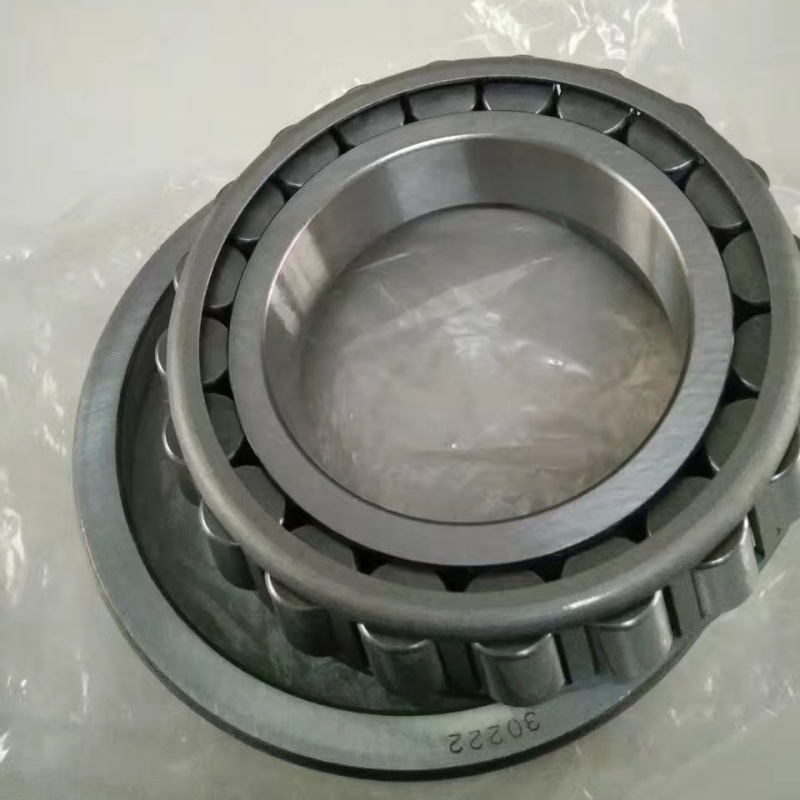
Let me tell you about a customer in Vietnam. He ran a rubber mixing mill. One day, the bearing made a faint clicking sound. He ignored it. Two weeks later, the bearing seized. The shaft snapped. The mill stopped for four days. He told me later: “I heard the noise. I just did not act.” That is a common mistake.
Sign #1: Temperature rise1
A healthy bearing runs at a steady temperature. Write down the normal temperature on a label near the bearing. Check it every day. If you see a 10°C (18°F) rise above normal, inspect. A 20°C (36°F) rise means stop the machine. Something is wrong.
Sign #2: Noise change2
You need to know what “normal” sounds like. Use a mechanic’s stethoscope or a long screwdriver against the housing. Put your ear on the handle. A good bearing makes a smooth “whir” sound. A bad bearing makes a “click, click” or a grinding “rrrr” sound. Do not ignore new noises.
Sign #3: Vibration increase3
You can buy a cheap vibration pen for $50. It gives you a number in mm/s. Write down the baseline when the bearing is new. Check it every month. If the number doubles, the bearing has wear. If it triples, replace it now.
Sign #4: End play increase4
This is the most reliable sign. Use a dial indicator. Measure how much the shaft moves in and out. Write down the original end play (usually 0.001 to 0.005 inches). If the end play increases by 50%, the bearing races are wearing. If it doubles, replace the bearing.
Sign #5: Metal in grease5
Take a grease sample from the drain or from the seal area. Smear it on a white paper. Look for shiny specks. Those are metal particles. A few tiny specks are normal after many hours. But if you see many specks or larger flakes, the bearing is failing.
Here is a table to help you decide what to do:
| Sign | Mild (keep running but watch) | Severe (replace soon) | Critical (replace now) |
|---|---|---|---|
| Temperature rise | +5°C above normal | +10°C to +15°C | +20°C or more |
| Noise | Slight change, still smooth | Clicking on every rotation | Grinding or rumbling |
| Vibration | 20% increase from baseline | 50% increase | 100% increase |
| End play | 25% increase | 50% increase | 100% increase |
| Metal in grease | A few tiny specks | Many specks | Visible flakes or chunks |
What to do when you see the first signs
Do not panic. Do these three steps:
-
Stop the machine for 30 minutes. Let the bearing cool down. Then check the grease level. Add fresh grease if needed.
-
Inspect the seal. If the seal is damaged, dirt got inside. Replace the seal and the grease. Then run the machine for one hour. Check again.
-
Plan for replacement. Order a new bearing now. Do not wait. Keep the machine running but check it every shift. Replace the bearing when you see the next level of signs.
My advice
Keep a logbook for each machine6. Write down the temperature, noise, vibration, and end play once a week. That logbook tells you when wear starts. It also helps you prove to your boss or customer that the bearing needs replacement. Data does not lie.
How does lubrication1 affect daily bearing reliability?
I cannot say this enough: lubrication is the most important factor for daily reliability. No grease equals no life.
Lubrication affects daily reliability by reducing friction, removing heat, blocking dirt, and preventing rust. Bad lubrication causes 80% of bearing failures2. Use the right grease, in the right amount, at the right time.
I have a customer in Egypt who did not believe this. He used cheap automotive grease from a local shop. His bearings failed every two months. I sent him a case of our high-temperature bearing grease3. The same bearings then ran for 10 months. He called me and said, “I am sorry. You were right.”
Why grease matters so much
Inside a bearing, the rollers and raceways are not supposed to touch metal-to-metal. A thin film of grease separates them. If that film breaks, the metal touches. Then heat builds. Then wear starts. Then the bearing fails. Good grease keeps that film strong even under heavy loads and high speeds.
Choosing the right grease for daily use
I use three questions to pick grease:
-
What is the temperature? For normal (0°C to 70°C), use standard lithium grease. For high heat (70°C to 150°C), use synthetic or polyurea grease. For low cold (below 0°C), use low-temperature grease with a low viscosity.
-
Is there water or dust? If yes, use a grease with additives. Look for “water resistant” or “extreme pressure” (EP) on the label.
-
What is the speed? High speed (over 3000 RPM) needs a grease with a soft consistency (NLGI 1 or 2). Low speed can use a harder grease (NLGI 3).
Here is a simple selection table:
| Condition | Grease Type | NLGI Grade4 | Re-grease Interval |
|---|---|---|---|
| Normal factory, clean | Lithium | 2 | 3 months |
| Hot (oven, dryer) | Synthetic | 2 | 1 month |
| Wet or dusty | Lithium with EP | 2 | 2 weeks |
| Food processing | Food-grade | 1 or 2 | 1 month |
| Very high speed (over 5000 RPM) | Low-friction synthetic | 1 | 1 week |
| Very low temperature (freezer) | Low-temp | 1 | 2 months |
How much grease to add
Too little is bad. Too much is also bad. For a bearing that is already running, add grease until you see a small bead come out of the seal. That is about 5-10 grams for a small bearing (under 60mm bore) and 15-25 grams for a large bearing.
For a new bearing, fill the housing 30% full. Do not pack it completely. The rollers need space to push the grease around.
What happens if you use the wrong grease5
- Too thick: The bearing drags. It heats up. The grease hardens. Then the bearing starves.
- Too thin: The grease leaks out. The bearing runs dry. Metal touches metal.
- Wrong base: Some greases use different thickeners (lithium, calcium, polyurea). If you mix them, they can turn into a hard paste. That kills the bearing in days.
My daily lubrication routine
I tell my customers to do this every Monday morning:
- Walk to each machine with a grease gun.
- Add a small squirt (about 2-3 seconds of pumping).
- Wipe off any old grease that comes out. Look at its color. Black or grey means wear.
- Write down the date in a small notebook near the machine.
That takes 15 minutes for a whole factory. It prevents 80% of bearing failures2. I promise you.
One more story
A customer in Pakistan ran a textile spinning line. 200 bearings on one machine. He automated the grease system. But he used the wrong grease. It was too thin. The bearings ran for two months then seized. He lost an entire production week. He switched to the grease I recommended. Now his bearings run for two years. The cost difference was $1 per bearing per month. That is nothing compared to downtime.
So please, take lubrication seriously. It is cheap. It is easy. And it works.
Conclusion
Industrial tapered roller bearings are reliable for daily operation. Just match the load, maintain them weekly, watch for early wear, and use the right grease.
-
Understanding lubrication’s role is crucial for maintaining bearing performance and preventing failures. ↩ ↩ ↩ ↩
-
Exploring the causes of bearing failures can help you implement better maintenance practices. ↩ ↩ ↩ ↩ ↩
-
Learn about high-temperature bearing grease to enhance the longevity and reliability of your machinery. ↩ ↩ ↩ ↩
-
Understanding NLGI grades helps in selecting the right grease for specific applications, ensuring optimal performance. ↩ ↩ ↩ ↩
-
Discover the consequences of using the wrong grease to avoid costly mistakes and ensure proper lubrication. ↩ ↩ ↩
-
Keeping a logbook is essential for tracking machine health and planning timely maintenance. ↩