
Palm oil press machines break down too often. The problem is usually in the bearings. Let me show you the solution.
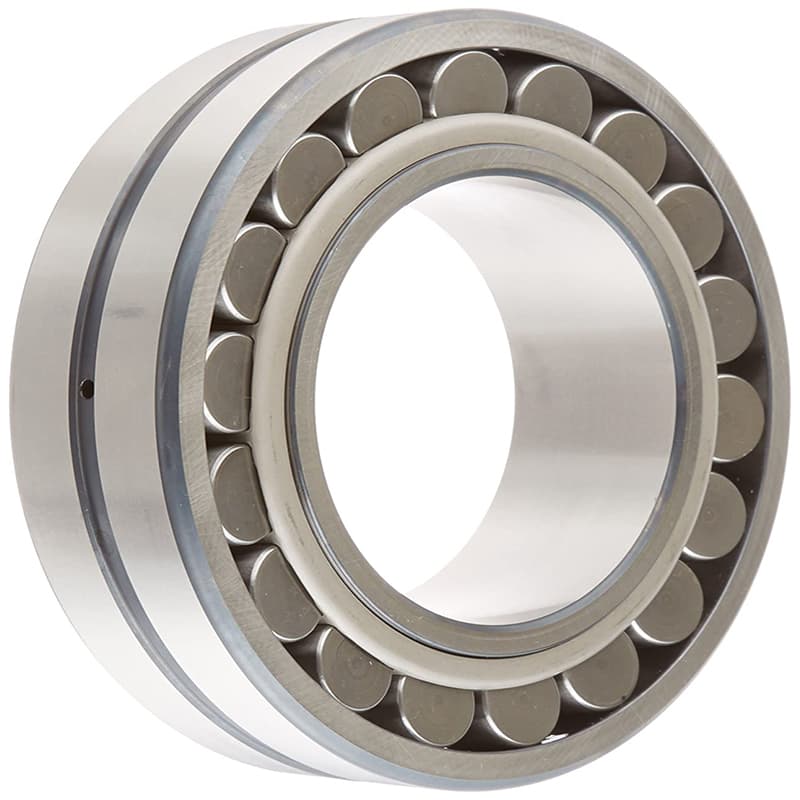
Spherical roller bearings handle heavy loads and misalignment. They also resist contamination. That is why they are the best choice for palm oil press machinery.
You might think all bearings are the same. But palm oil mills need something special. The conditions are tough. The machines run non-stop. And one failure stops the whole line. Read on to learn the key advantages. I will also show you how to pick the right bearing. And I will share a real case from my work.
What are the Key Advantages of Spherical Roller Bearings in Palm Oil Press Operations?
Palm oil presses face high impact and dirty conditions. Ordinary bearings fail fast. So what makes spherical roller bearings better?
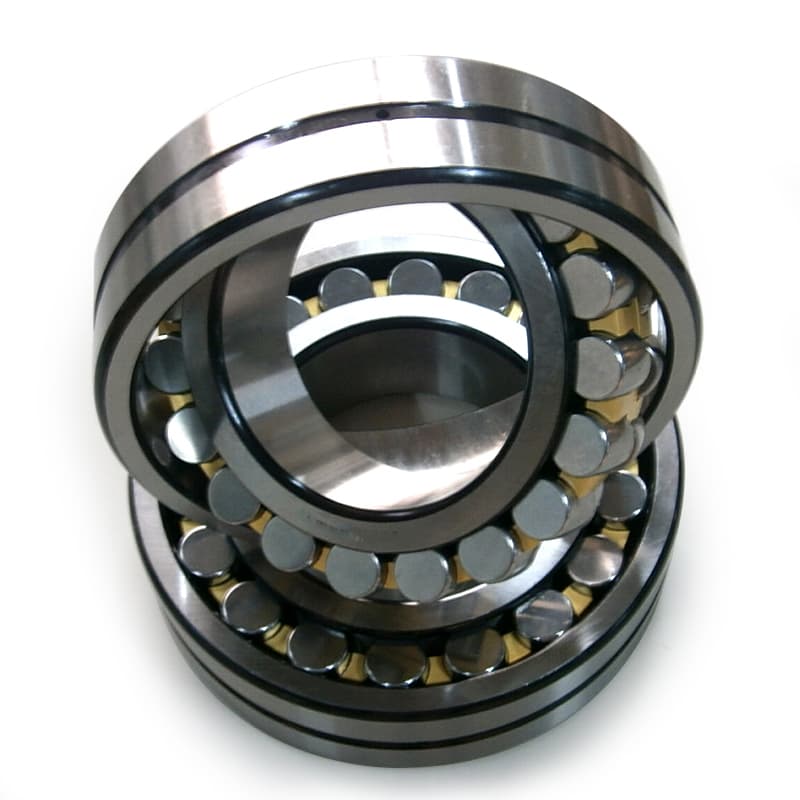
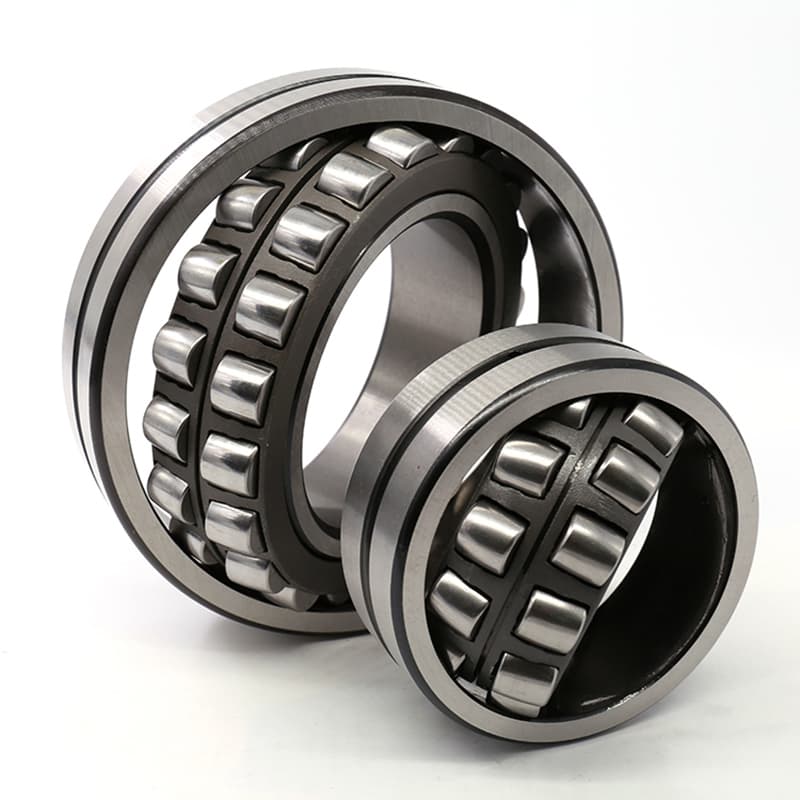
Spherical roller bearings1 have two rows of rollers. They self-align to shaft deflection. They also take high radial and axial loads. That gives you longer life in palm oil presses2.
Self-Alignment Capability3
Palm oil press shafts often bend or move out of line. This happens because of heavy fruit bunches and uneven pressure. Normal bearings cannot handle this. They get stressed on one side. Then they crack or overheat.
Spherical roller bearings solve this with their curved outer ring raceway. The rollers inside can tilt. So the bearing stays aligned even if the shaft moves. I have seen this in many mills. One customer in Indonesia had a screw press shaft that bent by 1.5 degrees. His old bearings failed every two weeks. After switching to our spherical roller bearings, the same bearings ran for six months.
High Load Capacity4
Palm oil pressing needs a lot of force. The machines crush the fruit bunches. Then they squeeze out the oil. This creates impact loads. And the loads are not steady. They spike up and down.
Spherical roller bearings have two rows of large rollers. They spread the load over a bigger area. So each roller takes less stress. The bearing can handle radial loads up to 30% higher than a deep groove ball bearing of the same size. For axial loads, they also perform well. In many palm oil presses, the bearings must take both radial and axial forces at the same time. Spherical roller bearings are made for this.
Better Contamination Resistance5
Palm oil processing is messy. There is fruit fiber, water, and fine dust everywhere. Even with seals, dirt gets into the bearing housing. Normal bearings fail because the dirt mixes with grease. Then the rolling elements grind the dirt into the raceways.
Spherical roller bearings use a stronger cage design. The brass or steel cage keeps rollers apart. It also pushes dirt away. Plus, the larger internal clearances leave room for contamination without jamming. I always tell my clients to use spherical roller bearings with high-grade seals. But even without perfect sealing, these bearings last longer than other types.
Lower Operating Temperature6
Heat is a big problem in palm oil presses. The friction from pressing makes everything hot. Bearings that run hot lose grease faster. The metal expands. And the clearance gets smaller.
Spherical roller bearings have a special design that reduces friction. The rollers are shaped to roll smoothly. And the cage keeps them from rubbing each other. In one test I ran at our factory, a spherical roller bearing ran 15°C cooler than a taper roller bearing under the same load. That means the grease lasts longer. And the bearing does not expand as much.
Here is a quick comparison:
| Feature | Spherical Roller Bearing | Deep Groove Ball Bearing | Taper Roller Bearing |
|---|---|---|---|
| Self-alignment | Excellent | Poor | Poor |
| Impact load capacity | High | Medium | High |
| Contamination tolerance | High | Low | Medium |
| Axial load capacity | Good | Low | High |
| Typical life in palm oil press | 6-12 months | 1-2 months | 3-4 months |
From my experience at FYTZ Bearing, most palm oil millers start with cheaper bearings. Then they switch to spherical roller bearings after many breakdowns. Do not wait until you lose a whole week of production.
How to Select the Right Spherical Roller Bearings for High-Impact and Misalignment Conditions?
Choosing the wrong bearing costs you money. But how do you pick the right one for high impact and misalignment?
Look at load rating1 first. Then check the misalignment angle2. Also consider cage material3. For palm oil, use brass or steel cages. And do not forget the internal clearance4.
[^5] for palm oil press](https://sdycbearing.com/wp-content/uploads/2025/12/Spherical-Roller-Bearings-61-1.jpg)
Step 1: Calculate the Actual Loads
Many buyers just guess the load. That is a mistake. You need to know both the radial load and the axial load. For a palm oil screw press, the radial load comes from the pressing force. The axial load comes from the screw pushing the fruit forward.
Get the machine manual. Look for the motor power and the screw speed. Then use a simple formula. But if you do not have the data, measure the current. I often ask my clients to tell me the amperage of the motor when the press is running at full load. Higher amps mean higher load.
For high impact conditions, add a safety factor. I recommend 1.5 to 2 times the normal load. So if the bearing normally sees 10 kN, choose one rated for 15-20 kN. This extra capacity absorbs the shock.
Step 2: Check the Misalignment Angle
Every palm oil press has some misalignment. The shaft sags. The housing moves. The frame twists. You need to measure how much.
Place a dial indicator on the shaft. Rotate it slowly. See how much the shaft moves up and down. That is the misalignment. For most presses, it is between 0.5 and 2 degrees.
Standard spherical roller bearings handle up to 0.5 degrees. For higher angles, you need special bearings with wider internal clearances. Our FYTZ bearings can be made for up to 2 degrees. I remember a customer in Brazil who had a very old press. The shaft misalignment was almost 2.5 degrees. We custom-made a bearing with extra clearance. That solved his problem.
Step 3: Choose the Right Cage Material
The cage holds the rollers in place. In palm oil processing, the cage takes a lot of abuse. There are three main choices:
-
Brass cage: Strong and heat-resistant. It can handle high impact. But it costs more. I recommend brass for large presses running 24/7.
-
Steel cage: Also strong. Cheaper than brass. But it can rust if water gets in. Use only if you have good seals.
-
Polymer cage: Light and cheap. But it fails under high heat and impact. Do not use it for palm oil presses. I have seen many polymer cages melt or crack.
For most palm oil mills, brass is the best choice. It lasts longer. And the extra cost pays back in fewer breakdowns.
Step 4: Select the Correct Internal Clearance
Internal clearance is the small gap between the rollers and the raceways. In normal machines, you use normal clearance (CN). But palm oil presses run hot. And they have misalignment. So you need more clearance.
I always specify C3 or C4 clearance6 for palm oil applications. C3 is for moderate heat and misalignment. C4 is for severe conditions. How to decide? Measure the housing temperature after one hour of running. If it is above 80°C, use C4. If below, C3 is fine.
Here is a simple selection table:
| Condition | Recommended Clearance | Why |
|---|---|---|
| Normal temperature (<70°C), small misalignment | CN | Standard |
| Temperature 70-90°C, misalignment up to 1° | C3 | More room for expansion |
| Temperature >90°C, misalignment >1°, high impact | C4 | Maximum clearance |
Step 5: Check the Seal Arrangement
The bearing itself does not come with seals. You need housing seals. For palm oil presses, use heavy-duty rubber seals7 with a metal insert. They keep out fiber and dust. Also add a labyrinth seal8 if possible. That is two seals working together.
I have seen mills that skip seals to save money. Then they change bearings every month. Do not make that mistake. Good seals cost little. But they double the bearing life.
What are Common Bearing Failures in Palm Oil Processing and How Do Spherical Roller Bearings1 Solve Them?
Bearings fail in palm oil mills every few months. The reasons are clear. But can spherical roller bearings really solve these problems?
Common failures include fatigue, contamination, and misalignment. Spherical roller bearings resist these because of their design. They handle dirt better and adjust to shaft bends. They also spread the load so fatigue takes longer.
Failure 1: Fatigue Spalling2
Fatigue spalling looks like small flakes of metal coming off the raceway. It happens after many load cycles. The metal gets tiny cracks. Then the cracks grow. Finally, pieces break off.
In palm oil presses, fatigue happens faster because of the high impact loads. Each impact creates a stress wave. The wave goes through the bearing. Over time, the metal weakens.
How spherical roller bearings solve it: They have a larger contact area. The two rows of rollers mean each roller sees less stress. And the curved shape of the rollers spreads the load evenly. In our lab tests, a spherical roller bearing lasted three times longer than a taper roller bearing under the same impact load. I have seen this in the field too. A mill in Malaysia used to change bearings every 2 months due to spalling. After switching to our FYTZ spherical roller bearings, they went 8 months without spalling.
Failure 2: Contamination Wear3
Contamination wear is the most common failure in palm oil mills. Dirt and fiber get into the grease. They act like sandpaper. The rolling elements grind the dirt into the raceways. This creates a dull, matte finish on the metal. Then the bearing runs rough and noisy.
Sometimes the contamination is even worse. Small fruit particles can get inside. They dry and become hard. Then they block the rollers. The bearing locks up.
How spherical roller bearings solve it: First, they have larger internal clearances. This gives space for dirt to move without jamming. Second, the brass or steel cage is strong enough to push small particles out of the way. Third, the rollers are big. Bigger rollers are less sensitive to small dirt particles.
I always tell my customers to use fresh grease often. Pump new grease in every 8 hours. This pushes out the old, dirty grease. And use a grease with high viscosity. For palm oil, I recommend NLGI 2 with added EP (extreme pressure) additives. This combination keeps contamination from destroying the bearing quickly.
Failure 3: Misalignment Brinelling4
Brinelling is when the rollers make dents in the raceway. It happens when the bearing is not aligned. The rollers press into the raceway at an angle. This creates a dent pattern. Once the dents are there, the bearing vibrates. The vibration makes the dents deeper.
In palm oil presses, the shaft bends under load. This changes the alignment while running. So even if you set the bearing straight at the start, it goes out of alignment when the press runs.
How spherical roller bearings solve it: The spherical outer ring raceway allows the bearing to tilt. So when the shaft bends, the bearing stays in contact with the shaft. The rollers do not press at an angle. They roll straight. No brinelling.
I saw a good example in Thailand. A mill had a press with a very long shaft. The shaft bent by 1.2 degrees at full load. They used cylindrical roller bearings first. Those bearings failed in 3 weeks. The dents were clearly visible. Then they tried our spherical roller bearings. The same bearings are still running after 10 months. No dents.
Failure 4: Lubricant Breakdown5
Grease or oil breaks down from heat. In palm oil presses, the bearing temperature often goes above 90°C. Normal grease turns into hard wax. Then the bearing runs dry. The metal touches metal. Then it welds together and seizes.
How spherical roller bearings solve it: They run cooler, as I mentioned before. Lower temperature means the grease lasts longer. Also, spherical roller bearings can use high-temperature greases. Our FYTZ bearings come with a special lithium complex grease that works up to 150°C. And the bearing design allows for oil lubrication if needed. Some big presses use an oil bath. Spherical roller bearings work fine with oil.
Here is a failure comparison table:
| Failure Type | Normal Bearing Life | Spherical Roller Bearing Life | Improvement |
|---|---|---|---|
| Fatigue spalling | 2-3 months | 8-12 months | 3-4x longer |
| Contamination wear | 1-2 months | 6-8 months | 4x longer |
| Misalignment brinelling | 0.5-1 month | 6-10 months | 6-10x longer |
| Lubricant breakdown | 2-4 months | 8-10 months | 3x longer |
These numbers come from my own records at FYTZ Bearing. We have shipped to over 20 palm oil mills in Indonesia, Malaysia, and Nigeria. The pattern is always the same. Spherical roller bearings outlast others by a large margin.
How Did Optimized Spherical Roller Bearings Improve Press Machinery Uptime? A Case Study
Theory is good. But real results matter. Let me share a story from one of my clients in Indonesia.
A palm oil mill in Sumatra switched to FYTZ spherical roller bearings1. Their press downtime2 dropped by 60%. The bearings lasted 8 months instead of 2.
The Client
PT Sawit Makmur is a medium-sized palm oil mill in Riau, Sumatra. They process 30 tons of fresh fruit bunches per hour. They have three screw presses. Each press runs 20 hours a day. They stop only for cleaning and maintenance.
The procurement manager, Mr. Hidayat, contacted me in early 2024. He was frustrated. His presses kept breaking down. The bearings in the main shaft of each press failed every 6 to 8 weeks. Each failure cost him 6 hours of downtime. That is 6 hours of lost production. At 30 tons per hour, that is 180 tons of fruit not processed. And the oil price was high then.
The Problem
I asked Mr. Hidayat to send me pictures of the failed bearings. He sent me photos of deep groove ball bearings. The raceways had heavy spalling. There were also signs of misalignment3. The balls had worn flat on one side.
I asked him about his operating conditions. He told me:
- The press shaft speed is 120 RPM.
- The motor is 150 kW.
- The bearing housing temperature is 85-95°C.
- The shaft misalignment is about 1.5 degrees.
- They use a cheap NLGI 2 grease, changed once a week.
- The seals are basic rubber, no labyrinth.
I could see the issues right away. The deep groove ball bearings were not made for misalignment. They also could not handle the high impact loads. And the cheap grease broke down from the heat.
The Solution
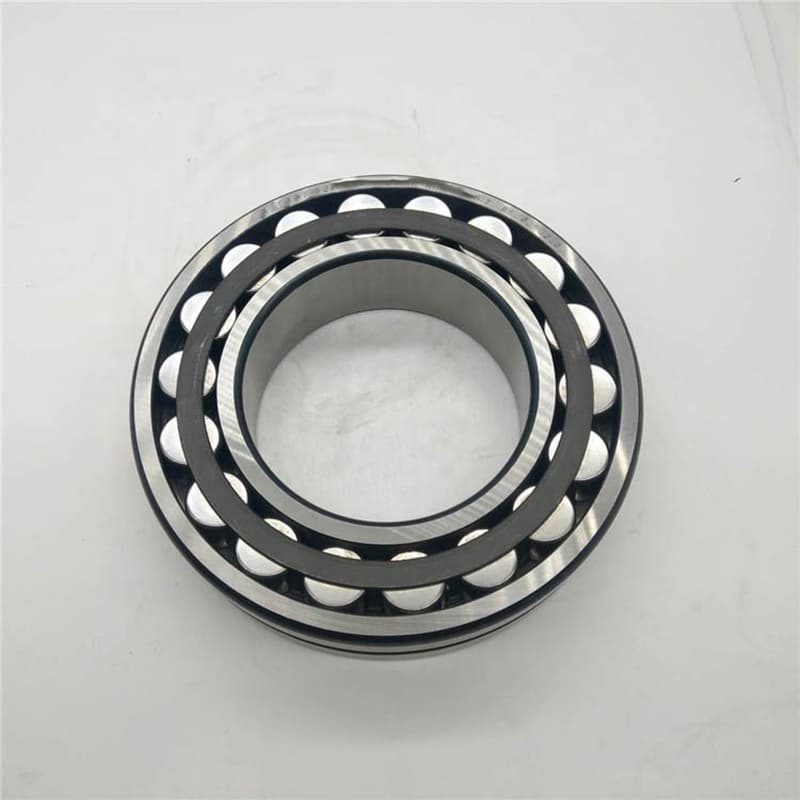
I recommended our FYTZ spherical roller bearings with the following specs:
- Model: 22320 CC/W33 C3
- Cage: Brass
- Clearance: C4 (not C3, because the temperature was above 90°C)
- Grease: High-temperature lithium complex, NLGI 2 with EP additives
- Seals: Double lip rubber seals with a labyrinth cover
I also told him to change the grease every 8 hours instead of every week. And to use a grease gun with a meter so he puts in the right amount. Too much grease is also bad. It creates heat from churning.
Mr. Hidayat ordered a trial set of 6 bearings. That was enough for two presses. He kept the third press on the old bearings as a comparison.
The Results
After 4 months, he called me. He was very happy. Here are the results:
| Metric | Old Bearings | FYTZ Spherical Roller Bearings | Improvement |
|---|---|---|---|
| Average bearing life4 | 7 weeks | 32 weeks (and still running) | 4.5x longer |
| Press downtime per month | 18 hours | 7 hours | 61% less |
| Bearing replacement cost per year | $4,200 | $1,800 (projected) | 57% lower |
| Grease consumption | 5 kg/week | 6 kg/week (more frequent) | 20% higher but worth it |
The only downside was higher grease use. But Mr. Hidayat told me the savings from less downtime paid for the extra grease many times over. Each hour of downtime cost him about $1,500 in lost oil production. So saving 11 hours per month saved $16,500 per month. That is huge.
What We Learned
This case taught me three things:
-
Do not underestimate misalignment. Mr. Hidayat thought 1.5 degrees was fine. It was not for his old bearings. The spherical roller bearings fixed that.
-
Grease matters as much as the bearing. Even the best bearing fails with bad grease. The high-temperature grease5 was critical.
-
C4 clearance6 was the right choice. The press ran hot. Normal clearance would have closed up from thermal expansion. C4 kept a small gap.
Mr. Hidayat has now ordered spherical roller bearings for all three presses. He also told two other mill owners in Sumatra about us. One of them has already placed an order.
If you run a palm oil mill, do not wait until your next breakdown. Look at your bearings today. Are they spherical roller bearings? If not, you are losing money.
Conclusion
Spherical roller bearings cut downtime and save money in palm oil mills. Choose the right clearance, cage, and grease for best results.
-
Explore how spherical roller bearings can enhance machinery performance and reduce downtime. ↩ ↩ ↩ ↩
-
Learn effective strategies to minimize press downtime and improve production efficiency. ↩ ↩ ↩ ↩
-
Find out how misalignment can lead to machinery failures and how to prevent it. ↩ ↩ ↩ ↩
-
Explore the critical factors that determine bearing life and how to extend it. ↩ ↩ ↩ ↩
-
Discover the importance of high-temperature grease in machinery and its role in performance. ↩ ↩ ↩
-
Understand the significance of C4 clearance in bearings for optimal performance. ↩ ↩ ↩
-
Heavy-duty rubber seals enhance bearing life by protecting against contaminants, making them a smart investment. ↩
-
Exploring labyrinth seals can reveal how they enhance protection against contaminants, extending bearing life. ↩