
Your roller tables keep jamming. Your auxiliary motors keep failing. And every unplanned stop costs you thousands.
Pillow block bearings handle heavy loads, high heat, and dirt. They keep steel mill roller tables and auxiliary equipment running longer with less maintenance.
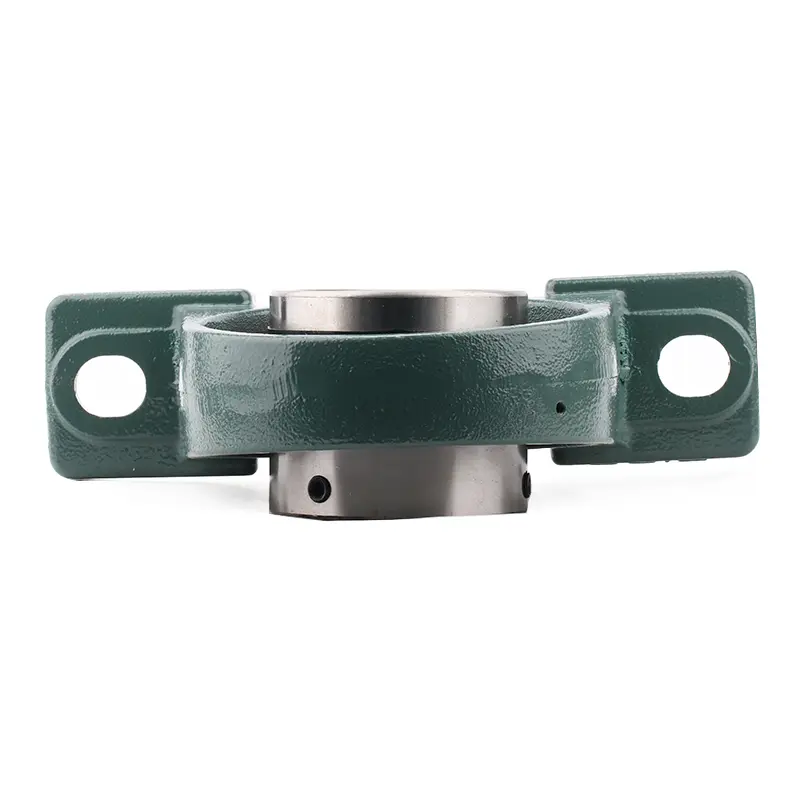
You might think all bearings work the same. But steel mills are not normal factories. The heat, dust, and shock loads destroy standard bearings in weeks. Let me share what I learned from supplying bearings to steel plants in India and Turkey.
Key Benefits of Pillow Block Bearings in Steel Mill Applications?
Your roller tables carry red-hot slabs. Your auxiliary equipment runs non-stop. Standard bearings overheat and fail quickly.
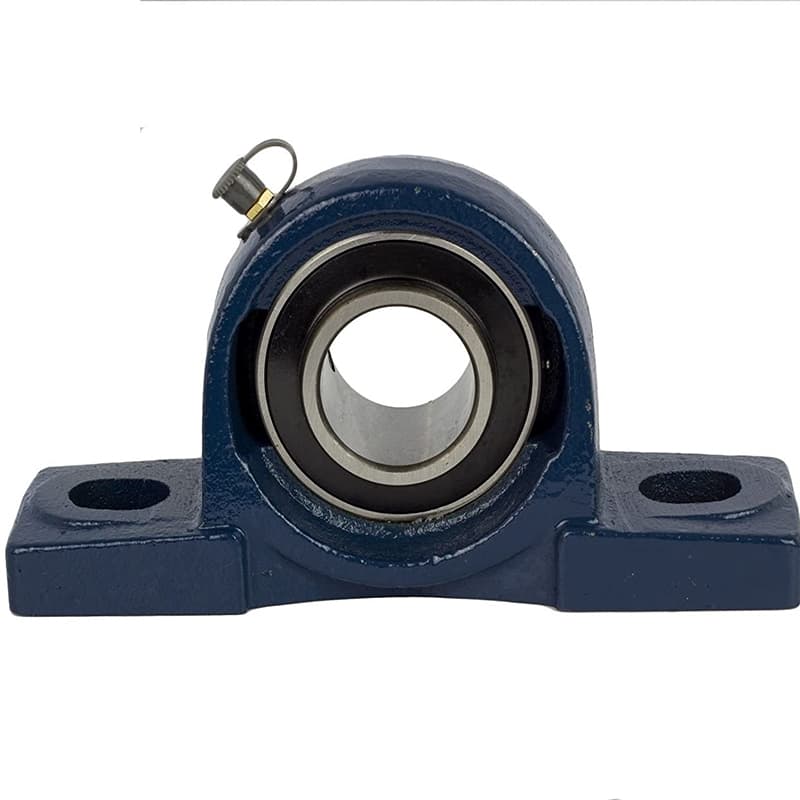
Pillow block bearings1 offer self-alignment2, heavy load capacity3, and easy re-lubrication4. They also resist shock loads and tolerate misalignment from thermal expansion.
Three Main Benefits You Cannot Ignore
Let me break down why these bearings work so well in steel mills. I have seen the difference firsthand when talking to procurement managers like Rajesh from Mumbai.
| Benefit | What It Means for Your Steel Mill | Real-World Impact |
|---|---|---|
| Self-alignment | The bearing adjusts to shaft misalignment up to 2 degrees | No more shaft breakage from thermal expansion |
| Heavy load capacity | Spherical rollers handle both radial and axial forces | Your roller tables carry 30% more weight |
| Easy re-lubrication | Grease fittings let you add fresh lube without stopping | Less downtime, longer bearing life |
Self-alignment saves your shafts. Steel mills get hot. Really hot. When your roller table expands, the shafts move. Standard bearings cannot handle that movement. So something breaks. Usually the shaft or the bearing housing. But pillow block bearings have a spherical outer ring. That lets the inner ring tilt. The bearing stays happy even when the shaft moves.
Heavy load capacity means fewer replacements. Your roller tables carry steel slabs. Those slabs are heavy. And they drop onto the rollers. That is a shock load. Normal bearings crack under that shock. Pillow block bearings use spherical rollers. These rollers spread the load over a larger area. No more cracked rings.
Easy re-lubrication extends bearing life. Dirt and heat dry out grease quickly. You need to add grease often. But who wants to stop production for that? Pillow block bearings have a grease fitting right on the housing. Your maintenance team can pump fresh grease while the machine runs. Just a few seconds. No shutdown needed.
I remember a customer in Indonesia. His roller tables used cheap bearings. He replaced them every two months. That meant eight hours of downtime each time. He switched to our pillow block bearings. Now he replaces them once a year. And he saves $15,000 in lost production every quarter.
Critical Selection Factors for Auxiliary Equipment and Roller Tables?
You see many bearing options online. But which one works for your steel mill? Picking the wrong type wastes money and causes downtime.
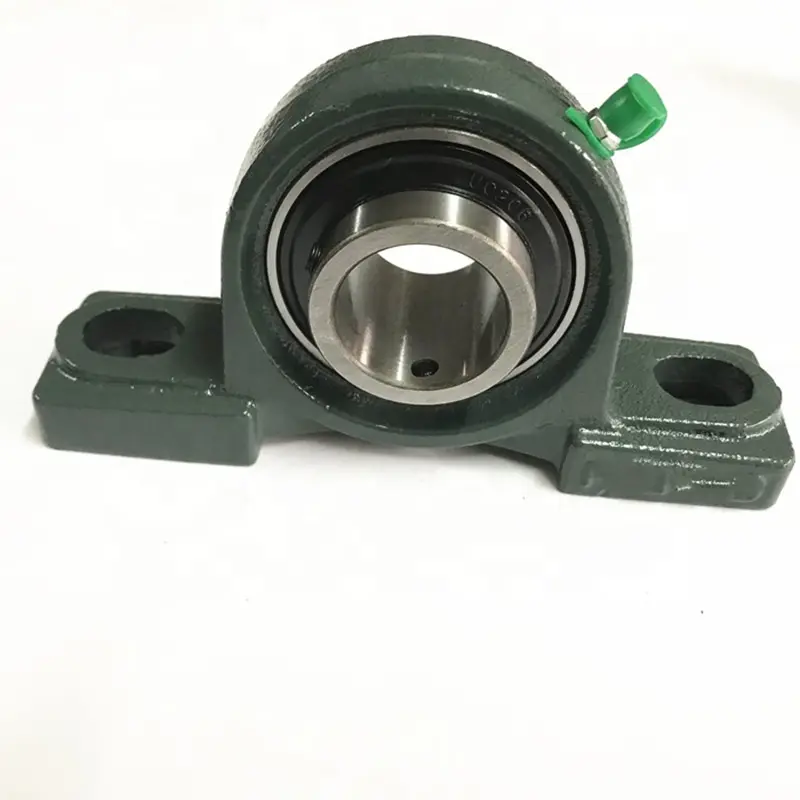
Focus on housing material, seal type, and internal clearance. For steel mills, choose cast steel housings1, triple-lip seals2, and C3 or C4 internal clearance3.
How to Pick the Right Pillow Block Bearing
Let me give you a simple checklist. I use this with my clients in Russia and Brazil. It works every time.
Housing Material: Cast Steel vs. Cast Iron
Cast iron is cheaper. But it cracks under shock loads. Cast steel costs a bit more. But it bends instead of breaking. For roller tables that get hit by falling slabs, always choose cast steel. For light-duty auxiliary equipment like fans or conveyors, cast iron is fine.
Seal Type: What Keeps Dirt Out
Steel mills have dust, scale, and water. Bad seals let that dirt in. Then your bearing fails fast. Here are your options:
- Single lip seal – Only for clean environments. Not for steel mills.
- Double lip seal – Good for moderate dust. Okay for auxiliary equipment away from hot zones.
- Triple lip seal with flinger – Best for roller tables. The flinger throws dirt away before it reaches the seal.
Internal Clearance: C3 vs. C4
Heat makes bearings expand. If the bearing has no room to expand, it seizes. Standard clearance (CN) is too tight. C3 clearance gives more room. C4 gives even more. For roller tables near furnaces, use C4. For auxiliary motors in cooler areas, C3 works.
Load Rating: Don’t Guess
Check the dynamic load rating4 (C) and static load rating (C0). Add a safety factor of 1.5 to 2. Your bearing should handle 150% of your maximum expected load. I have seen mills use bearings that barely meet the rating. Those bearings fail in three months.
One more thing. Always buy from a factory that offers P5 or P6 precision. Low-precision bearings vibrate. Vibration loosens bolts. Loose bolts cause misalignment. Then your bearing fails. It is a chain reaction. Our FYTZ factory tests every bearing before shipping. We send you the test report. No surprises.
Common Failure Modes in High-Temperature & Contaminated Environments?
Your bearings keep failing. But you do not know why. You replace them. Then they fail again. This cycle never ends.
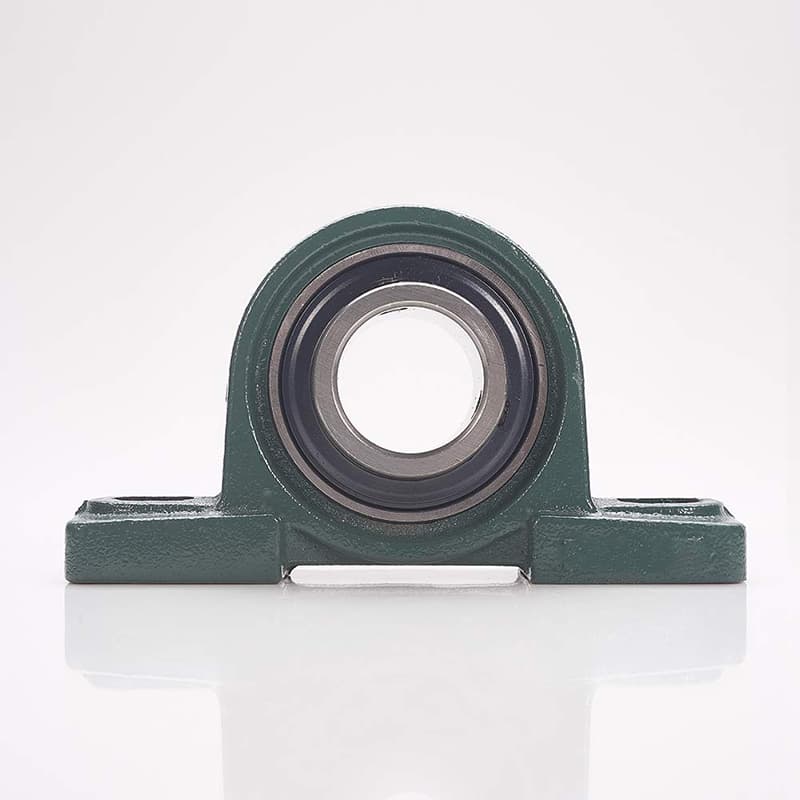
The top four failure modes are grease degradation1, abrasive wear2 from scale, false brinelling3 from vibration, and thermal expansion seizure4. Each has a specific fix.
Why Bearings Die Young in Steel Mills
Let me walk you through each failure. I have seen them all in Pakistan and Egypt. Once you know the cause, the solution becomes clear.
| Failure Mode | What Happens | Visual Signs | How to Prevent |
|---|---|---|---|
| Grease degradation | Heat cooks the oil out of grease. Leftover thickener blocks rolling elements | Dark, hard, crusty residue | Use synthetic high-temp grease5. Re-lube every 200 hours |
| Abrasive wear | Steel scale and dust get inside. They act like sandpaper | Polished or grooved raceways | Upgrade to triple-lip seals. Add flingers |
| False brinelling | Vibration from nearby equipment wears flat spots on raceways | Rectangular dents spaced at roller pitch | Use anti-vibration pads. Apply preload or use ELS (extra low speed) bearings |
| Thermal seizure | Shaft expands more than bearing clearance. Bearing locks up | Blue or purple discoloration. Burnt grease smell | Choose C4 clearance6. Use cooling holes in housing |
Grease degradation is the most common killer. Steel mills run hot. Standard grease loses its oil at 120°C. The thickener stays behind. That thickener is hard. It blocks the rollers. Your bearing stops rolling. It starts sliding. Then it overheats and fails. The fix? Use synthetic grease rated for 180°C. And add grease often. Every 200 hours of operation. Not every month.
Abrasive wear happens slowly but surely. Steel scale is everywhere. Those tiny flakes get past cheap seals. Once inside, they grind down the raceways. Your bearing gets loose. Then it vibrates. Then it fails. I have seen bearings lose 0.5mm of material in six months. That is insane. The fix is better seals. Triple-lip with a flinger. The flinger acts like a shield. It spins with the shaft. Dirt cannot reach the seal.
False brinelling fools many maintenance people. They pull out a failed bearing. They see dents on the raceway. They think it was overloaded. But it was just vibration. When your roller table is idle, nearby machines shake it. The tiny vibrations push the rollers into the raceway. Over time, they eat flat spots. The fix is to rotate the shaft periodically. Or use bearings with special grease that dampens vibration.
Thermal seizure is dramatic. The shaft gets hot. It expands. The bearing has no room. So it locks up. The motor keeps trying to turn. Something breaks. Usually the shaft or the housing. The fix is simple: use C4 internal clearance. That gives you 0.1 to 0.2mm extra room. Enough for thermal expansion.
One time, a customer in Vietnam kept breaking shafts. He blamed our bearings. I flew to his factory. His roller table was 2 meters from a furnace. The shaft temperature reached 150°C. He used standard clearance bearings. I gave him C4 bearings. The problem disappeared. No more broken shafts.
Best Practices for Installation and Alignment in Heavy-Duty Roller Tables?
You bought the right bearings. But they still fail. Why? Bad installation. Bad alignment. Even the best bearing dies if you install it wrong.
Follow these steps: check shaft straightness, use a laser aligner, torque bolts to spec, and pre-lubricate before startup. Never hammer a bearing onto a shaft.
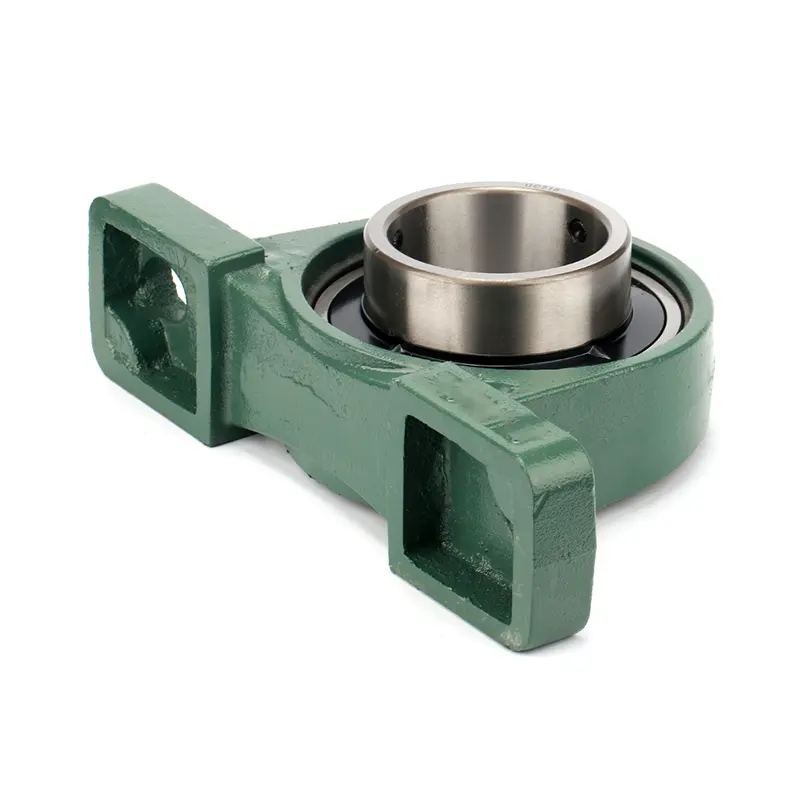
A Step-by-Step Installation Guide
I have trained maintenance teams in South Africa and Bangladesh. These steps work. Do not skip any.
Step 1: Inspect the Shaft
Your shaft must be straight. Use a dial indicator. Runout should be less than 0.05mm per meter. Also check for burrs and scratches. Sand them smooth. A rough shaft destroys the bearing bore.
Step 2: Check the Baseplate
The mounting surface must be flat. Use a feeler gauge. If you see gaps larger than 0.1mm, shim the housing. Do not tighten bolts to pull the housing flat. That distorts the bearing.
Step 3: Align the Bearings
Use a laser alignment tool1. Not a straight edge. Lasers are accurate to 0.01mm. Aim for angular misalignment below 0.5 degrees. Parallel misalignment below 0.1mm. For roller tables, even tighter is better.
Step 4: Mount the Bearing
Never hammer. Use an induction heater or an oil bath. Heat the bearing to 110°C. Then slide it onto the shaft. Push it until it touches the shoulder. Let it cool. Then tighten the locking collar or set screws.
Step 5: Tighten Bolts
Use a torque wrench2. Each housing bolt needs the right torque. Too loose and the housing moves. Too tight and you crack the cast iron. For M16 bolts, 150 Nm is typical. Check your bearing manual3.
Step 6: Add Grease Before Startup
New bearings come with a light shipping oil. Not enough grease. Pump in fresh high-temp grease4 until you see it purge from the seal. Then run the bearing for 10 minutes. Add more grease. Then wipe away the excess.
Step 7: Check Temperature After Startup
Run the roller table for one hour. Measure the bearing temperature with an infrared gun5. It should stay below 70°C. If it hits 90°C, stop and investigate. Something is wrong.
Common Mistakes I See All the Time
- Using the wrong bolts. Some people use soft bolts. They stretch. Then the housing moves. Use grade 8.8 or higher.
- Forgetting to re-torque after 24 hours. New bearings settle. Bolts loosen. Re-torque after one day of operation.
- Mixing old and new bearings. If you replace one bearing on a shaft, replace them all. Mixing causes misalignment.
- Ignoring vibration readings6. Install a simple vibration pen. Check monthly. If vibration doubles, investigate.
One of my distributors in Turkey told me about a customer. They replaced bearings every three months. I sent my checklist. They followed it. Now their bearings last two years. The only change was proper alignment and torque. No new bearing type. No expensive grease. Just better installation.
Conclusion
Pick the right pillow block bearings. Install them correctly. Then your steel mill roller tables run for years with less downtime.
-
Explore this link to find top-rated laser alignment tools that ensure precise bearing alignment, enhancing performance and longevity. ↩ ↩ ↩ ↩
-
Learn how to properly use a torque wrench to avoid common mistakes in bearing installation, ensuring optimal performance. ↩ ↩ ↩ ↩
-
Explore a bearing manual to gain insights on installation, maintenance, and troubleshooting for optimal bearing performance. ↩ ↩ ↩ ↩
-
Discover the benefits of high-temp grease for bearings, ensuring they operate smoothly and last longer under high temperatures. ↩ ↩ ↩ ↩
-
Find out how to effectively use an infrared gun to monitor bearing temperatures, preventing overheating and potential failures. ↩ ↩
-
Understand the significance of monitoring vibration readings to detect issues early and maintain bearing health. ↩ ↩