
Imagine your chemical plant’s production line grinding to a halt. A simple bearing failure in a screw conveyor just cost you a day’s output.
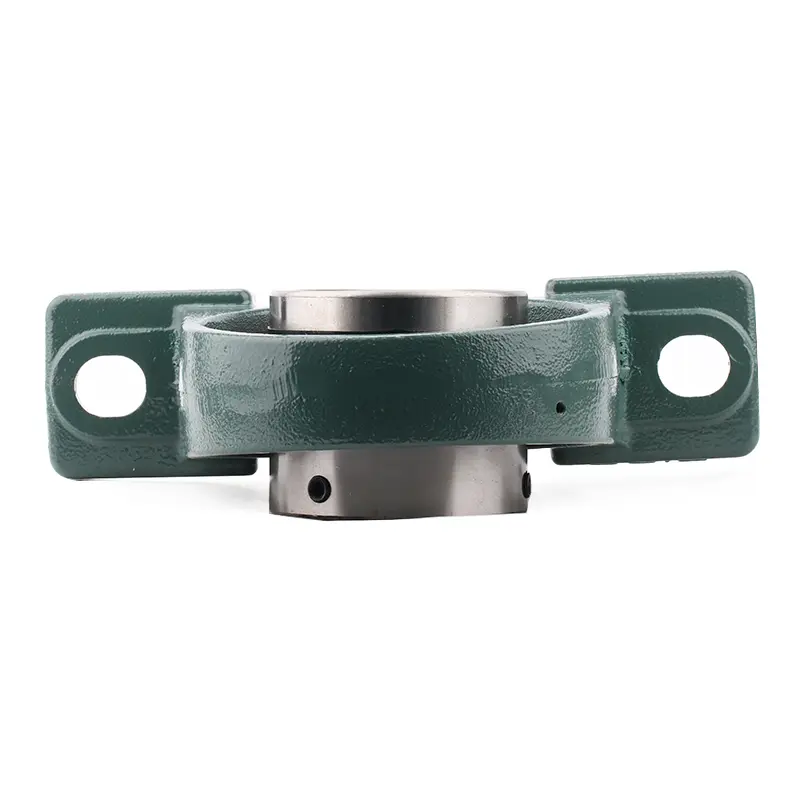
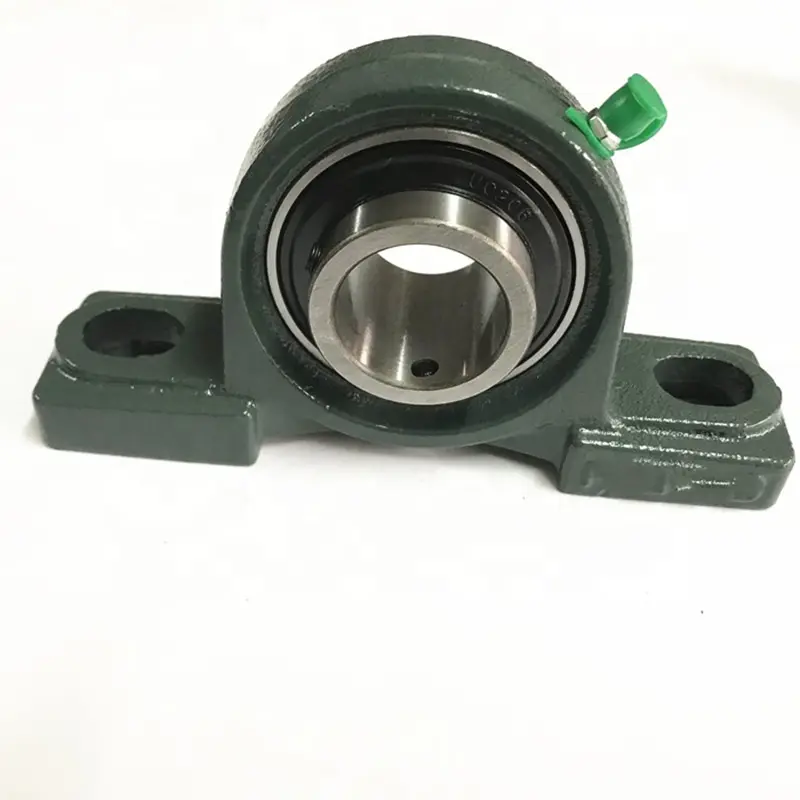
The most reliable bearing for screw conveyors and feeders in harsh chemical environments is a mounted pillow block bearing with a C3 internal clearance, typically a spherical or tapered roller bearing design. These units are engineered to handle the combined radial and thrust loads from bulk materials while resisting contamination from chemicals and dust.
Selecting the wrong bearing for this application is a common mistake. It leads to premature failure, unplanned downtime, and costly repairs. Let’s break down the key engineering decisions you need to make to ensure your material handling equipment runs reliably for years.
Which bearing is used in a conveyor belt?
Many people ask this question, but the answer depends on the type of conveyor. A belt conveyor uses different bearings than a screw conveyor.
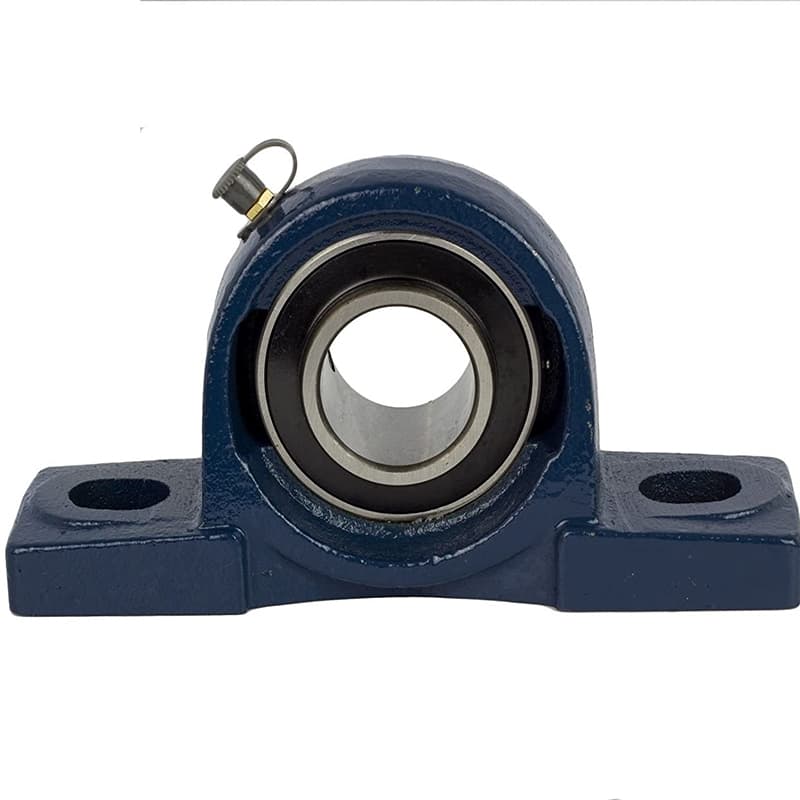
The main bearing type used in a belt conveyor is a deep groove ball bearing1 housed in a pillow block2. This setup is simple and handles radial load3s well.
Why the application makes all the difference
A belt conveyor and a screw conveyor have different jobs. So they need different bearings.
Belt conveyors: The case for deep groove ball bearings
For a belt conveyor, the main stress comes from the weight of the belt and the material. This is a radial load. The shaft also spins at a high speed. A deep groove ball bearing is a good fit here.
- Simple design: It is easy to install and replace.
- Handles speed well: It runs smoothly at the high speeds of a belt conveyor.
- Cost-effective: For this simple job, it is the most affordable choice.
My experience with distributors like Rajesh in India shows this clearly. When he supplies parts for a simple stone crushing line, he often uses our deep groove ball bearings in pillow blocks for the belt conveyors. The application is dusty, but the load is mostly downward.
Screw conveyors: The case for spherical or tapered roller bearings
A screw conveyor is a different machine. It pushes material from one end to the other. This creates a thrust load. Think of it like a pushing force along the length of the screw. The weight of the material also creates a radial load.
- Spherical roller bearings: These are the best choice for heavy loads. They can handle both radial and thrust loads. They also automatically adjust for small misalignments in the shaft. This is common in long conveyors.
- Tapered roller bearings: These are also very strong. They are excellent for handling the high thrust loads from a screw feeder.
| Feature | Belt Conveyor Bearing | Screw Conveyor Bearing |
|---|---|---|
| Load Type | Mostly radial (downward) | Combined radial and thrust (pushing) |
| Bearing Type | Deep groove ball bearing | Spherical or tapered roller bearing |
| Housing | Standard pillow block | Heavy-duty pillow block |
| Primary Risk | Dust and debris contamination | Overload and misalignment |
| Our Recommendation | FYTZ Deep Groove Ball Bearing Units | FYTZ Spherical Roller Bearing Units |
I once helped a customer in Egypt who was using belt conveyor bearings on their screw feeders. They kept failing every few weeks. The thrust load was simply too much for the ball bearings. We switched them to spherical roller bearing pillow blocks. The problem was solved.
What is a screw bearing1?
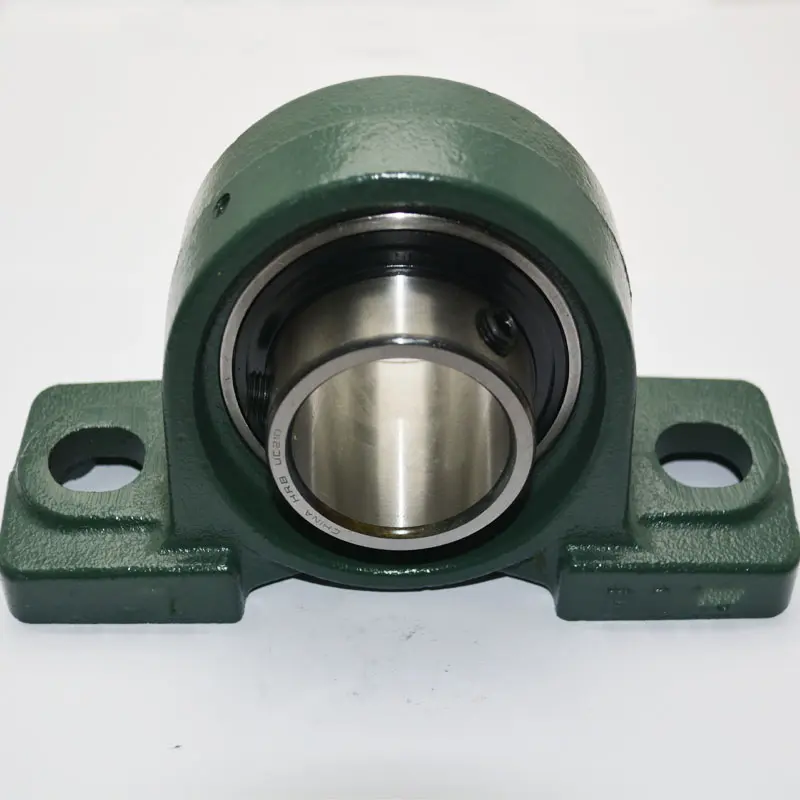
A screw bearing is a component that supports the screw shaft inside a conveyor or feeder. It is not a standard bearing.
A "screw bearing" is a specialized mounted bearing unit. It is designed to support a rotating screw shaft while handling the specific forces and contaminants of material handling.
Two critical roles of a screw bearing
A screw bearing does more than just let the shaft spin. It has two very important jobs in a chemical plant.
1. Supporting the screw shaft
A screw conveyor can be very long. The screw shaft is heavy, and the material inside adds even more weight. You need bearings along the length of the conveyor to stop the shaft from sagging. These are often called hanger bearings.
- Standard bearings fail here: A normal bearing would not fit inside the conveyor trough.
- Special design: These bearings are mounted on a support that hangs from the top of the trough. They hold the screw shaft in the center.
2. Managing the thrust load2
The biggest challenge is the thrust load. This is the force that pushes the material forward. It pushes back against the screw.
- The pushback force: As the screw turns, it pushes material from the feed end to the discharge end. This creates a powerful force that tries to push the screw back toward the motor.
- The thrust bearing: A special bearing, often a tapered roller or spherical roller type, is placed at the drive end. Its job is to take this pushing force. Without it, the whole screw assembly would move back and forth.
For a chemical plant, this is critical. If the thrust bearing fails, the screw can shift. This can cause the flights to scrape the trough. In a chemical plant, this friction can create sparks or cause contamination. That is a serious safety risk.
What are the four types of bearings?
When we talk about mounted bearings for industrial machines, there are four main types. Each one is built for a different job.
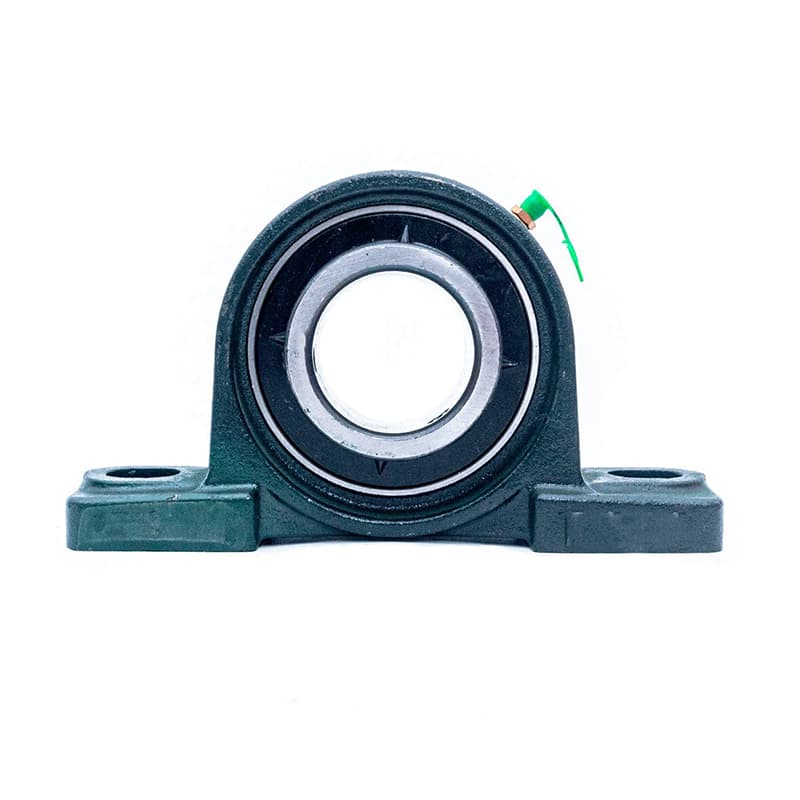
The four main types of mounted bearings are ball bearings1, spherical roller bearings2, cylindrical roller bearings3, and tapered roller bearings4. Each type handles load and misalignment in a unique way.
A breakdown for the procurement manager
If you are a procurement manager like Rajesh, you need to know which type to stock for your customers. Here is how they compare.
1. Ball Bearings (Deep Groove)
These are the most common. They use small metal balls between the inner and outer rings.
- Best for: High speed and light to medium radial loads.
- Weakness: Not good for heavy thrust loads or misalignment.
- Common use: Electric motors, belt conveyors, fans.
- FYTZ product example: Our 6200 series deep groove ball bearings in pillow block housings.
2. Spherical Roller Bearings
These use barrel-shaped rollers that can pivot slightly. This gives them a unique ability.
- Best for: Heavy radial loads and heavy thrust loads. They are also self-aligning.
- Weakness: They need precise lubrication to run at very high speeds.
- Common use: Screw conveyors, heavy industrial fans, mining equipment.
- FYTZ product example: Our 22200 series spherical roller bearings in heavy-duty pillow blocks.
3. Cylindrical Roller Bearings
These use long, straight rollers. They have a large contact area.
- Best for: Extremely high radial loads.
- Weakness: They cannot handle much thrust load. They are not self-aligning.
- Common use: Machine tool spindles, large electric motors, gearboxes.
4. Tapered Roller Bearings
These use cone-shaped rollers. The design lets them handle both radial and thrust loads together.
- Best for: High thrust and radial loads. They are very strong and durable.
- Weakness: They are sensitive to misalignment and need precise mounting.
- Common use: Automotive wheels, screw conveyors, gearboxes.
| Bearing Type | Radial Load | Thrust Load | Self-Aligning | Speed Capability |
|---|---|---|---|---|
| Ball Bearing | Good | Poor | No | Excellent |
| Spherical Roller | Excellent | Excellent | Yes | Good |
| Cylindrical Roller | Excellent | Poor | No | Good |
| Tapered Roller | Excellent | Excellent | No | Good |
For Rajesh, who imports for industrial and automotive customers, he needs all four. His automotive clients need tapered roller bearings for wheel hubs. His industrial clients need spherical roller bearings for screw conveyors. We help him stock the right mix.
What is a C3 type bearing1?
If you have ever bought a bearing, you have seen the "C3" marking. It is a common code, but many people do not know what it means.
A C3 type bearing is a bearing with internal clearance2 greater than standard (CN) . This means there is more space between the rolling elements and the raceways when the bearing is at rest.
Why C3 clearance is critical for screw conveyor3s
This is not just a technical detail. It is a key factor for long bearing life in hot or harsh environments.
Understanding internal clearance
Internal clearance is the amount of "play" inside a bearing. When you hold a bearing, you can feel a tiny bit of movement. That is the clearance.
- CN (Normal): This is the standard clearance for most applications at room temperature.
- C3: This is a larger clearance than normal.
- C4: This is an even larger clearance.
The problem of heat and press fits
In a screw conveyor, things get hot. The motor runs. The friction of material moving creates heat. This heat makes the shaft and the housing expand.
- Tight fit: The bearing is pressed tightly onto the shaft. When the shaft expands, it squeezes the bearing’s inner ring outward. This reduces the internal clearance.
- Heat expansion: The housing also expands. But it expands outward, which can also affect the clearance in the outer ring.
If you start with a CN (normal) clearance bearing and then add heat and tight fits, you can lose all the internal clearance. This is called negative clearance4. The bearing will have no space to operate. The rollers will get stuck. This causes friction, heat, and rapid failure.
A C3 bearing gives you a safety margin. It starts with more space. When the shaft expands and the housing heats up, the clearance decreases. But it usually stays in a safe range. This is why for any application with heat, heavy loads, or tight fits, I always recommend a C3 bearing.
For a chemical plant, temperatures can vary. Some processes create heat. Others might be in cold storage. A C3 bearing gives the system the flexibility to handle these temperature changes without locking up.
Conclusion
Choosing the right bearing for screw conveyors and feeders comes down to load, alignment, and clearance. Prioritize spherical roller bearings with C3 clearance for the best reliability in chemical plants.
My Personal Take: I have seen too many plants try to save money by using standard ball bearings in screw conveyors. It never works. The costs of downtime and emergency repairs always exceed the small initial savings. For your critical applications, invest in the right bearing from the start. This is especially true for chemical plants where safety and reliability are non-negotiable.
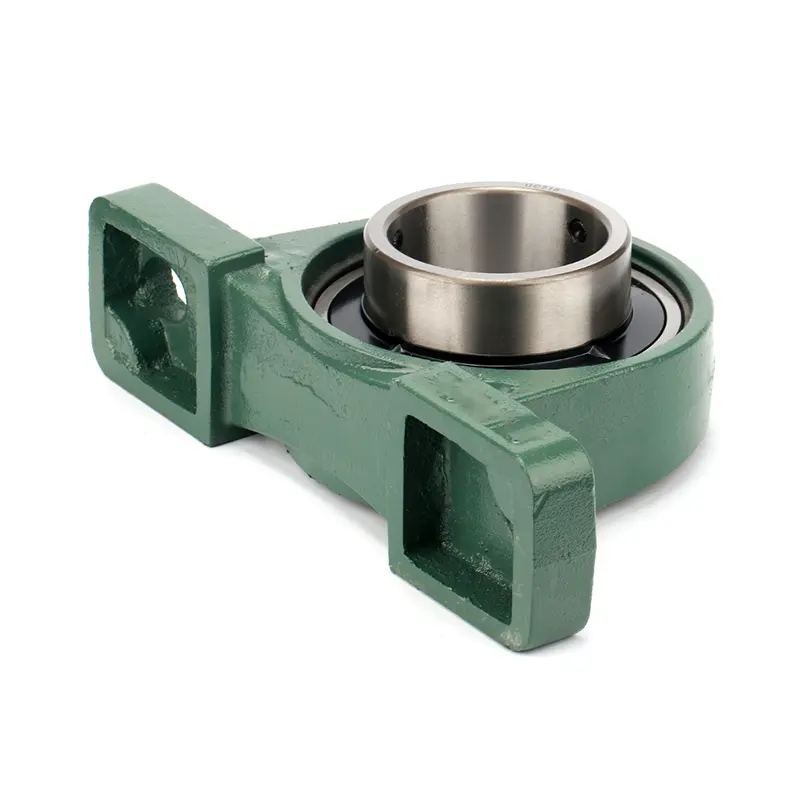
Need help selecting the perfect pillow block bearing for your screw conveyor? We manufacture high-quality spherical and tapered roller bearing units designed for harsh environments. As a factory with integrated production and inspection lines, we can provide OEM/ODM solutions tailored to your exact specifications. Contact us today for a quote.
Email: sales@fytzbearing.com
Phone: +86 150 2064 2375
Website: https://fytzbearing.com/
-
Understanding C3 type bearings is crucial for selecting the right bearing for your machinery, ensuring efficiency and longevity. ↩ ↩ ↩ ↩
-
Learn about internal clearance to make informed decisions on bearing selection, enhancing performance in various applications. ↩ ↩ ↩ ↩
-
Explore the workings of screw conveyors to understand their design and maintenance needs, improving operational efficiency. ↩ ↩ ↩
-
Discover the implications of negative clearance to avoid bearing failures and ensure optimal machinery operation. ↩ ↩