
Cold storage environments are brutal. They destroy standard bearings fast. Is your equipment ready for the challenge?
You need pillow block bearings with specific materials, seals, and lubrication. The right choices prevent corrosion, block moisture, and keep your refrigeration systems running without unexpected downtime.
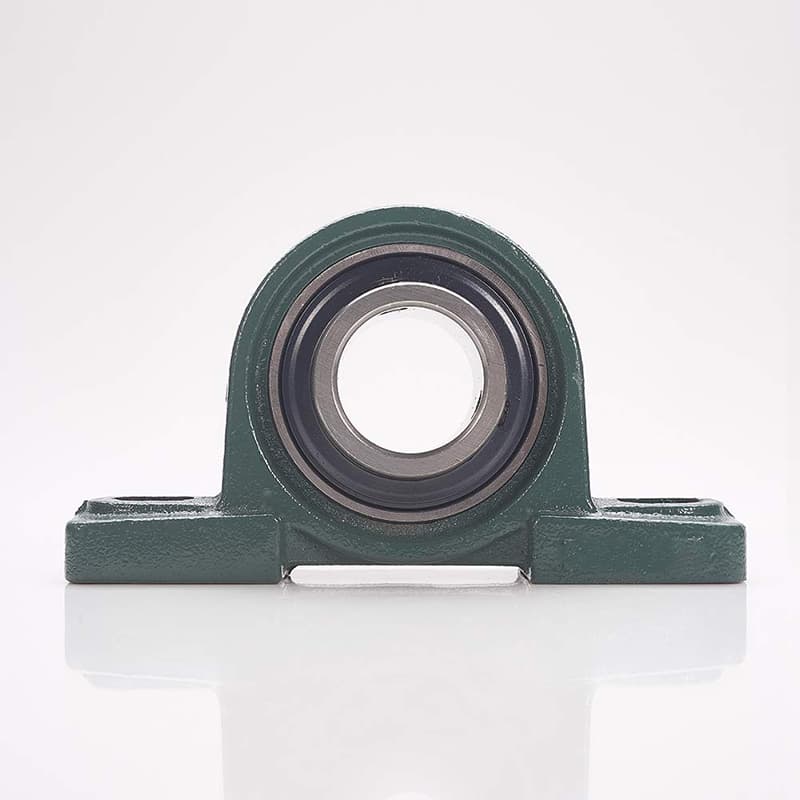
I have spent years working with manufacturers and distributors who supply equipment for cold storage. One thing I have learned is that a standard bearing will fail quickly in these conditions. Let me walk you through the exact criteria I use to help my clients select the right components. We will look at materials, seals, lubrication, and housing options.
Critical Selection Criteria: Material Compatibility and Corrosion Resistance?
Corrosion is the number one enemy in cold storage. Most bearings are not built to fight it. What makes one material better than another?
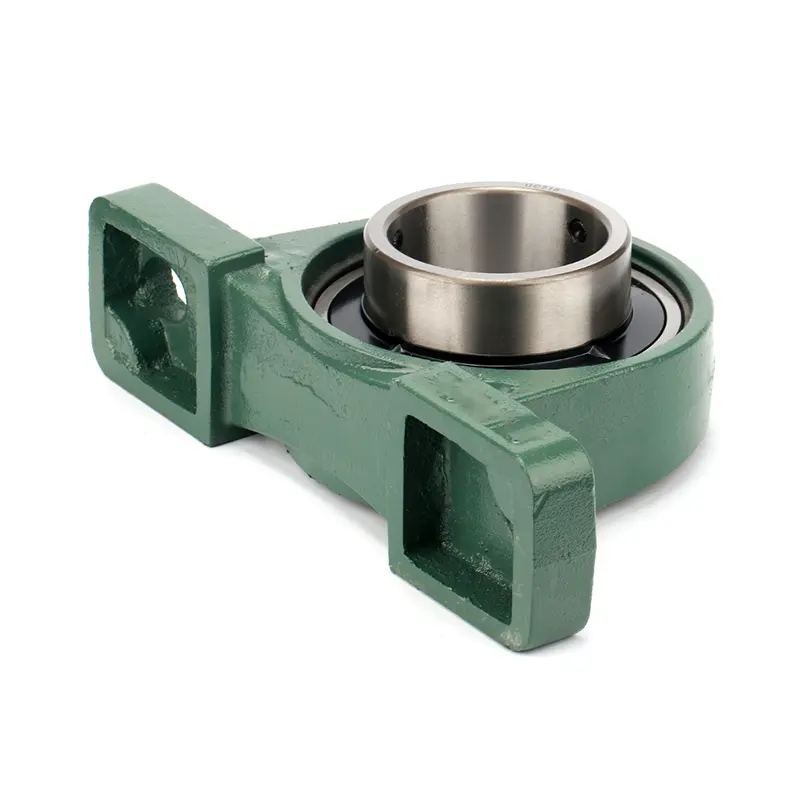
The material of your pillow block bearing must resist corrosion from moisture and cleaning chemicals. Stainless steel is the top choice, but specialized coated bearings are a strong alternative for less demanding spots.
Dive deeper Paragraph:
Choosing the wrong material is a costly mistake. I have seen this happen many times. A client in India, like Rajesh from IndoMotion Parts, once told me about a shipment of bearings he sold for a dairy cold room. They were standard cast iron units. Within six months, the housings were rusting, and the bearings were seizing up. His customer was angry. Rajesh lost trust and had to replace everything under warranty. That is why I always start the conversation about material first.
To make the right choice, you need to break down the options based on where the bearing will live.
Three Main Material Options for Cold Environments
| Material | Corrosion Resistance | Typical Use Case | Cost Level |
|---|---|---|---|
| AISI 304 Stainless Steel | Excellent | Washdown areas, high-moisture zones, food processing | High |
| AISI 440C Stainless Steel | Very Good | Extreme low temperatures, where hardness is also needed | Very High |
| Cast Iron with Coating | Moderate | Dry cold storage, non-washdown areas, budget-conscious projects | Low to Medium |
Let me explain the trade-offs. AISI 304 stainless steel is my go-to recommendation for most cold storage applications. It offers a great balance of corrosion resistance and strength. The chromium in the steel forms a protective layer. That layer stops rust from starting. For Rajesh’s client in the dairy cold room, switching to stainless steel housings with stainless steel inserts solved the problem completely.
AISI 440C is a different animal. It is harder and can handle more load, but it is also more expensive. I suggest it only when the application involves very low temperatures, below -30°C, and high mechanical stress. Think of large ammonia-based refrigeration systems in big distribution centers.
Cast iron is the standard for many industrial applications, but it is risky in cold storage. The risk is not just rust. It is also about porosity. Cast iron can have tiny holes in its surface. Moisture gets into these holes. It then starts to rust from the inside out. If you must use cast iron to meet a budget, you need to insist on a high-quality coating. A good epoxy or PTFE coating can seal the surface. However, I always tell my clients that this is a compromise. It is a decision you make to lower the upfront cost, knowing you might face earlier replacements.
Sealing Mechanisms: Preventing Moisture Ingress in High-Humidity Environments?
A sealed bearing sounds simple. But moisture is sneaky. It finds a way in. How do you stop it for good?
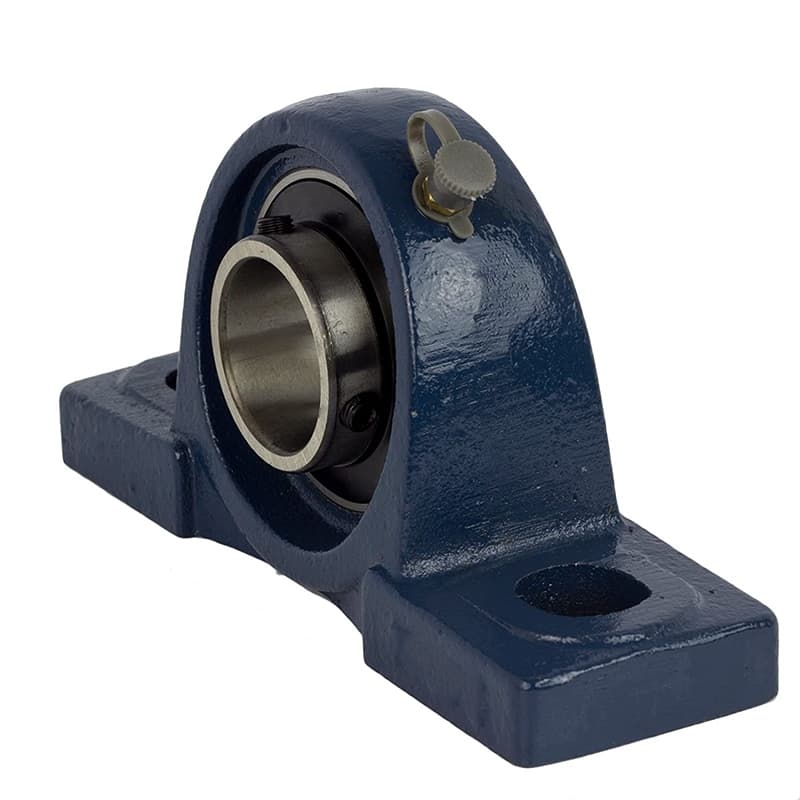
You need multiple lines of defense. A combination of contact seals and a labyrinth seal creates a barrier that keeps moisture out and lubricant in, even during temperature swings.
Dive deeper Paragraph:
This is where many engineers get it wrong. They think one rubber seal is enough. I remember talking with a maintenance manager at a large cold storage facility in Egypt. He was replacing bearings every three months. The seals looked fine from the outside. But when I looked closer, the problem was condensation. The facility had huge temperature differences. It went from -10°C inside the freezer to 30°C outside during cleaning cycles. This temperature change created a vacuum inside the bearing housing. That vacuum pulled moist air past the single-lip seal. Once the moisture was inside, the bearing failed quickly.
The solution is to understand the three main types of sealing mechanisms and how they work together.
Key Sealing Mechanisms Explained
-
Contact Seals (e.g., Nitrile Rubber or Viton)
These are the primary barrier. They have a lip that presses directly against the bearing inner ring. They are very effective at stopping dirt and water from the outside. But they can wear out over time. They also create a small amount of friction. For cold environments, Viton is a better choice than standard nitrile rubber. It stays flexible in low temperatures. -
Labyrinth Seals
This is a non-contact seal. It uses a series of grooves and channels to create a complex path. Moisture has to navigate this maze to get inside. It is incredibly effective against water spray and high humidity. The best part is there is no friction. It does not wear out. In my opinion, any pillow block bearing for a washdown or high-humidity area must have a labyrinth seal as part of the design. -
End Covers and Flinger Rings
These are additional components. An end cover seals the entire housing unit. A flinger ring is a rotating disk that slings water away from the seal. I always look for these in the specifications. They add an extra layer of protection that is cheap to include but expensive to add later.
For Rajesh, when he is selecting bearings for his clients in the food and beverage industry, I always recommend a combination. A Viton contact seal inside a labyrinth seal provides the ultimate defense. It handles the pressure changes from temperature swings and the direct spray from cleaning hoses. This combination is not always the cheapest option, but it is the most reliable. And for a distributor, reliability is how you build a reputation.
Lubrication Strategies for Extreme Low-Temperature Operations?
Standard grease turns into glue in the cold. Your bearings will seize. What kind of lubricant can survive the freeze?
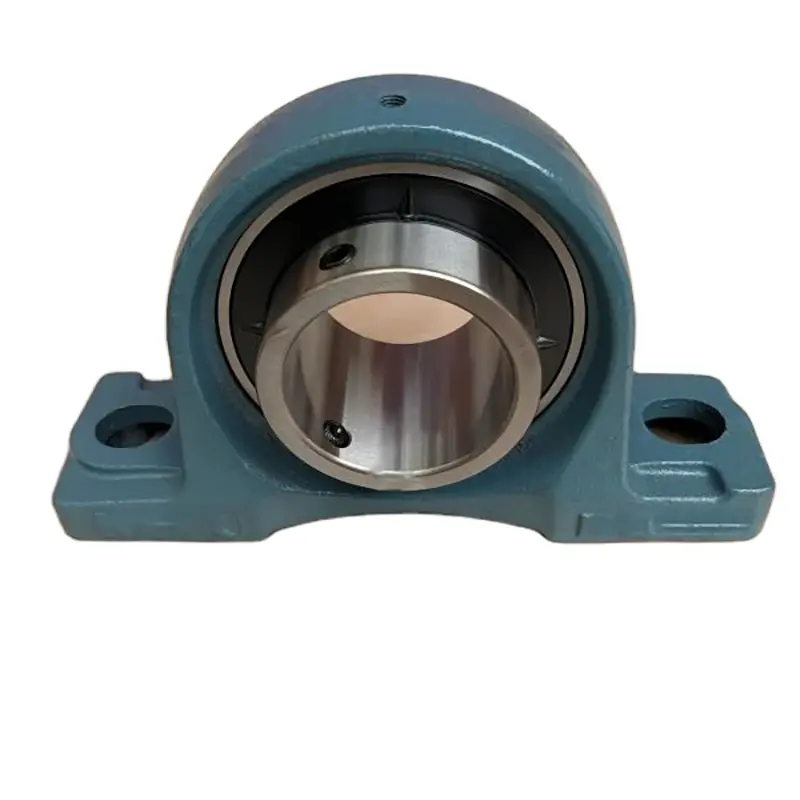
You must use a synthetic lubricant with a low base oil viscosity. Look for greases with a low pour point and a high dropping point to ensure they flow and protect at temperatures down to -40°C.
Dive deeper Paragraph:
Lubrication is not an afterthought. It is the lifeblood of the bearing. I have seen perfectly good stainless steel bearings with great seals fail in just a few weeks. The reason was simple. The grease inside was not rated for the operating temperature. When the temperature dropped, the grease hardened. It stopped flowing. The bearing ran dry. It created friction, heat, and then seizure. It is a chain reaction that starts with the wrong lubricant.
To get this right, you need to look at three key properties of the grease.
Key Properties of Low-Temperature Grease
| Property | What It Means | Why It Matters in Cold Storage |
|---|---|---|
| Base Oil Viscosity | The thickness of the oil at a standard temperature. | A low viscosity (like ISO VG 32 or 46) allows the oil to flow at low temperatures. High viscosity oil will not move. |
| Pour Point | The lowest temperature at which the oil will still flow. | This must be at least 10°C below your minimum operating temperature. For cold storage, look for -40°C or lower. |
| Thickener Type | The material that holds the oil in place (like a sponge). | Lithium complex or polyurea thickeners work well. They are stable and do not harden in the cold. |
The base oil is the most critical part. For refrigeration equipment, I almost always recommend a synthetic hydrocarbon (PAO) oil. Unlike mineral oils, PAO does not have wax in it. Wax is what causes mineral oil to solidify at low temperatures. A PAO-based grease will remain fluid even at -40°C. This ensures that when the equipment starts up, the bearing is immediately protected.
The thickener is also important. The thickener holds the base oil. When the bearing spins, it releases the oil. In a cold environment, you need a thickener that remains stable. A lithium complex thickener is a very safe, standard choice. It works well across a wide temperature range. It also has good water resistance. For more extreme conditions, a polyurea thickener is another excellent option. It has a longer life and is compatible with many different greases.
I always tell my clients to consider regreasing intervals. In a cold storage environment, the lubricant works harder. It is under more stress. The bearing may not spin as fast, but the low temperatures and moisture exposure can break down the grease faster. I advise setting a more frequent regreasing schedule than what you would use in a normal factory environment. This proactive step is a small investment that prevents a major breakdown.
Matching Housing Units with Stainless Steel vs. Cast Iron Options?
The housing is the first thing to rust. But stainless steel is expensive. Is cast iron a false economy for your application?
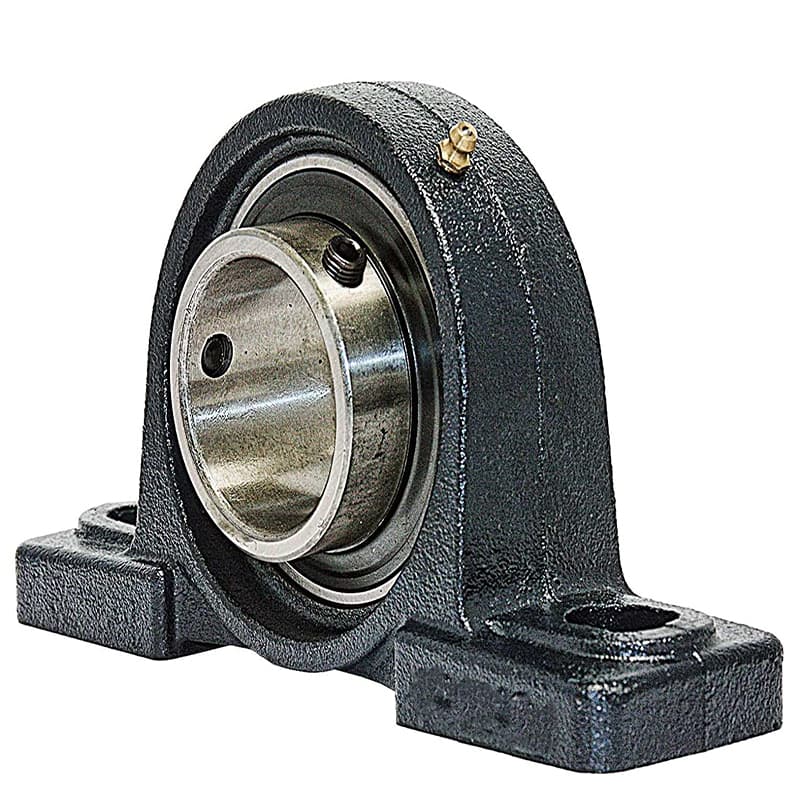
The choice between stainless steel and cast iron housings depends on the environment. Use stainless steel for wet, washdown areas. Choose coated cast iron for dry cold storage to balance cost and performance.
Dive deeper Paragraph:
This is the final piece of the puzzle. And it is often the most debated. Every time I talk to a procurement manager like Rajesh, we spend a lot of time on this decision. He wants to give his customers a good product without pricing them out of the market. I have learned that there is no single correct answer. The correct answer depends entirely on the application.
Let’s look at two scenarios to illustrate the difference.
Scenario 1: The Washdown Area (Food Processing)
In a food processing plant, the equipment is washed with high-pressure hoses and strong chemicals every day. The environment is wet and corrosive. In this case, a stainless steel housing is not a luxury. It is a necessity.
- Why: Cast iron, even with a good coating, will eventually fail. The coating will get scratched by the cleaning tools. The water and chemicals will find a bare spot, and rust will start. Once rust starts, it spreads under the coating. The housing will look bad, but more importantly, it will lose its structural integrity. A stainless steel housing eliminates this risk. It will last for the life of the equipment. The higher upfront cost is offset by zero replacement costs and zero downtime.
- My Recommendation: AISI 304 stainless steel housing with a stainless steel bearing insert and the advanced sealing we discussed.
Scenario 2: The Dry Cold Storage Warehouse
This is a large, cold warehouse. The temperature is consistently -20°C, but it is dry. There are no washdown cycles. The only moisture is from the initial condensation when the warehouse is first cooled down.
- Why: In this case, a coated cast iron housing is a very reasonable choice. The environment is not actively wet. A high-quality epoxy coating will provide enough protection against the occasional condensation. The cost savings can be significant, especially when you are buying bearings for an entire warehouse of conveyor systems.
- My Recommendation: A cast iron housing with a durable, corrosion-resistant epoxy coating. Pair it with a stainless steel insert bearing. This gives you the strength of cast iron for the structure but uses the corrosion-resistant material for the critical rotating part.
The key is to be honest about the environment. Do not overspecify stainless steel for a dry application if cost is a major concern. But also, never underspecify for a wet application just to save money. I have seen the latter happen too many times. The short-term savings are always wiped out by the long-term costs of failure. For Rajesh, when he is dealing with an importer in Vietnam or a distributor in Brazil, we always ask detailed questions about the end-user’s environment. That one question—“Will this be in a washdown area?”—often determines the entire material selection for the project.
Conclusion
Selecting the right pillow block bearing for refrigeration is about matching materials, seals, and lubricants to the specific environment.