
Your PET bottle blowing line keeps stopping. The compressor motor fails again. Maybe the bearings are the real problem. I have seen this happen many times.
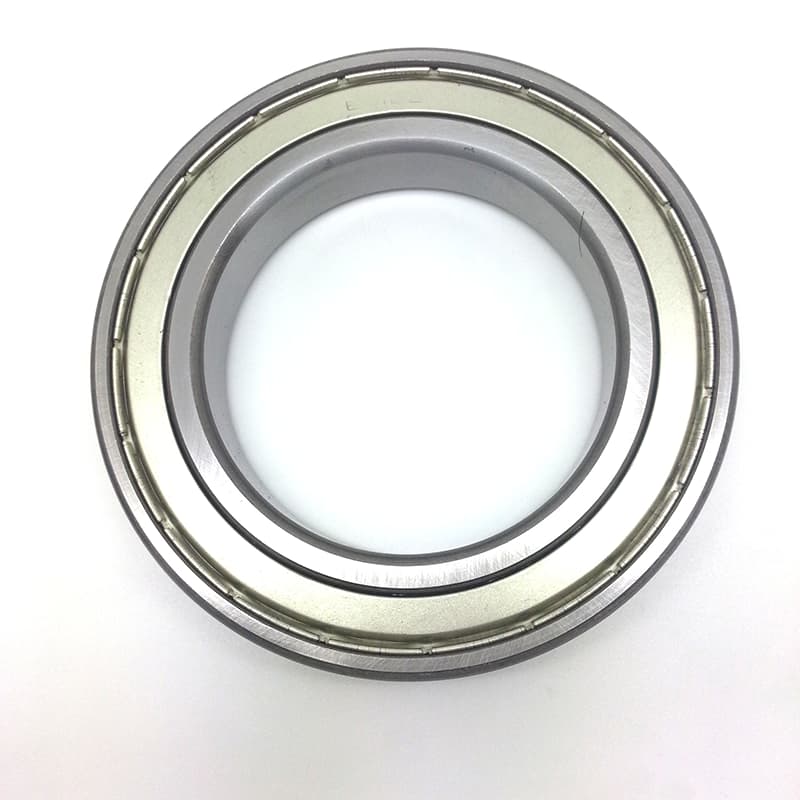
Deep groove ball bearings are the most common bearing type used in compressor motors for PET bottle blowing lines. They handle high speeds and radial loads well. They also take some axial load. This makes them a reliable choice for this application.
But not all deep groove ball bearings are the same. Choosing the wrong one can lead to downtime and high costs. In this article, I will share what I have learned from years of helping customers like you. We will look at why these bearings are used, the three basic rules, common mistakes like using WD-40, and what contact angle means for your motor.
Why use deep groove ball bearings1?
You want your compressor to run without breakdowns. But bearing failures still happen. Why is that? Often it is because the bearing type is not suited for the job.
Deep groove ball bearings are a top choice for compressor motors because they are simple and versatile. They can handle high rotational speeds2. They support radial loads and some axial loads in both directions. Their low friction design3 keeps the motor running cool and efficient.

What makes deep groove ball bearings so suitable for compressor motors?
Let me break down the reasons. I will also share some real cases from my work with customers.
Simple design, high performance
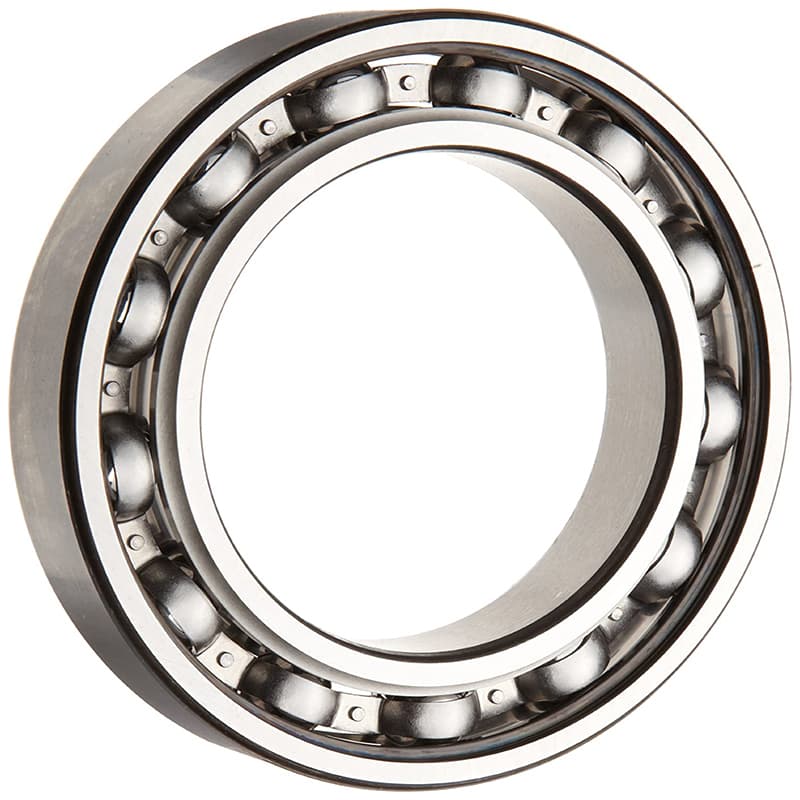
The deep groove ball bearing has a simple structure. It consists of an inner ring, an outer ring, a cage, and a set of balls. The grooves on the rings are deep. This allows the balls to have good contact with the raceways. This design gives the bearing several advantages:
- Low friction: The balls roll smoothly. This means less heat and less energy loss.
- High speed capability: Because of the point contact and low friction, these bearings can run at very high speeds. Compressor motors often run at 3000 RPM or more.
- Load handling: They are mainly designed for radial loads (loads perpendicular to the shaft). But they can also take moderate axial loads (loads along the shaft) in both directions. This is important because compressor motors may have some thrust from the rotor or from the load.
Why this matters for PET bottle blowing
In a PET bottle blowing line, the compressor provides high-pressure air. This air blows the plastic bottles into shape. The compressor runs continuously during production. If the motor bearings fail, the whole line stops. You lose money.
I remember a customer from Indonesia. He runs a bottling plant. His compressor motors kept failing every few months. The bearings would overheat and seize. We analyzed his application. The motors were running at high speed, and there was some vibration from the compressor. He was using standard bearings. We suggested deep groove ball bearings with a C3 internal clearance4. This gave the bearings more room to expand when hot. The motors now run for over a year without issues.
Different series for different needs
Deep groove ball bearings come in many series. The most common for electric motors are the 60xx, 62xx, and 63xx series. Here is a quick comparison:
| Series | Bore diameter range | Load capacity | Typical use |
|---|---|---|---|
| 60xx | 10–150 mm | Light | Small motors, auxiliary equipment |
| 62xx | 10–150 mm | Medium | General purpose motors, pumps |
| 63xx | 10–150 mm | Heavy | Larger motors, higher loads |
For a compressor motor, you often need a 62xx or 63xx series. The exact size depends on the motor power and shaft diameter. We always ask customers for the motor specs before recommending a bearing.
Material and quality matter too
We at FYTZ Bearing use high-quality steel. We also offer bearings in P5 and P6 precision classes5. These have tighter tolerances. They run smoother and last longer. For compressor motors in continuous duty, I recommend at least P6 class. It costs a little more, but it saves you from downtime.
In short, deep groove ball bearings are reliable, efficient, and well matched to compressor motor requirements. They are the standard for a reason.
What are the three rules for bearings?
I have seen many bearings fail. When I ask how they were installed and maintained, most people ignore the basics. They think bearings are just metal rings. But bearings need care. There are three simple rules that everyone should follow.
The three rules for bearings are: keep them clean, install them correctly, and lubricate them properly. These three things will give you the longest life from any bearing.
Breaking down the three rules in detail
Let me go deeper into each rule. I will explain why they matter and what happens if you ignore them.
Rule 1: Keep bearings clean
Dirt is the enemy of bearings. Even a tiny particle can cause damage. When a bearing rotates, the balls roll over the raceways. If a hard particle gets in, it makes dents. These dents create noise and vibration. Eventually, the bearing fails.
How do contaminants enter?
- During storage: bearings left in open boxes gather dust.
- During installation: dirty hands, dirty tools, or a dirty workbench.
- During operation: if seals are damaged, dirt can get in from outside.
What we do: At our factory, we assemble bearings in a clean room. We also offer bearings with different seals:
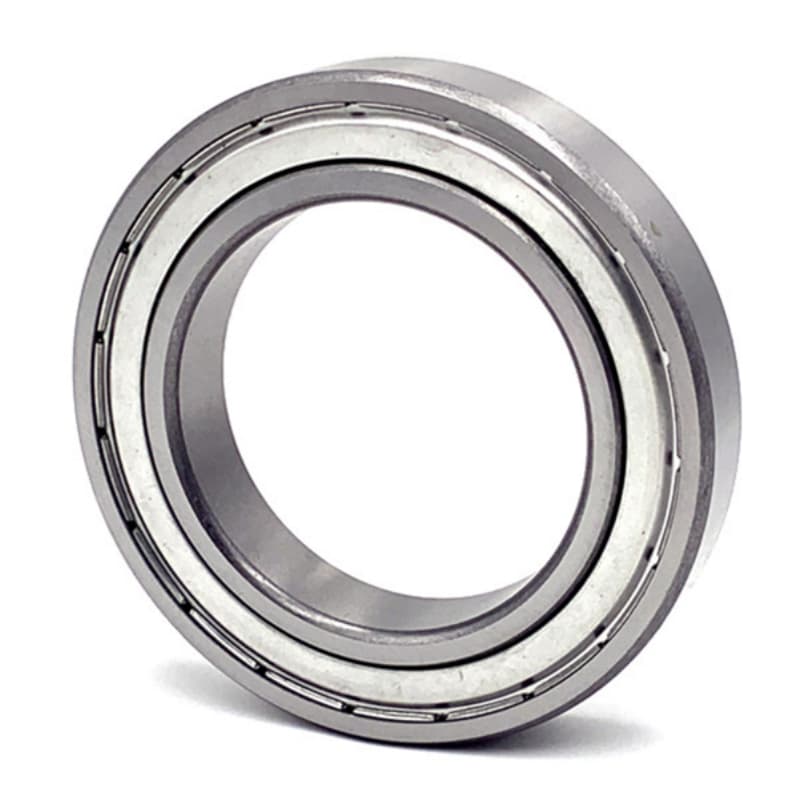
- ZZ (metal shields): good for keeping dirt out and grease in, but not fully sealed.
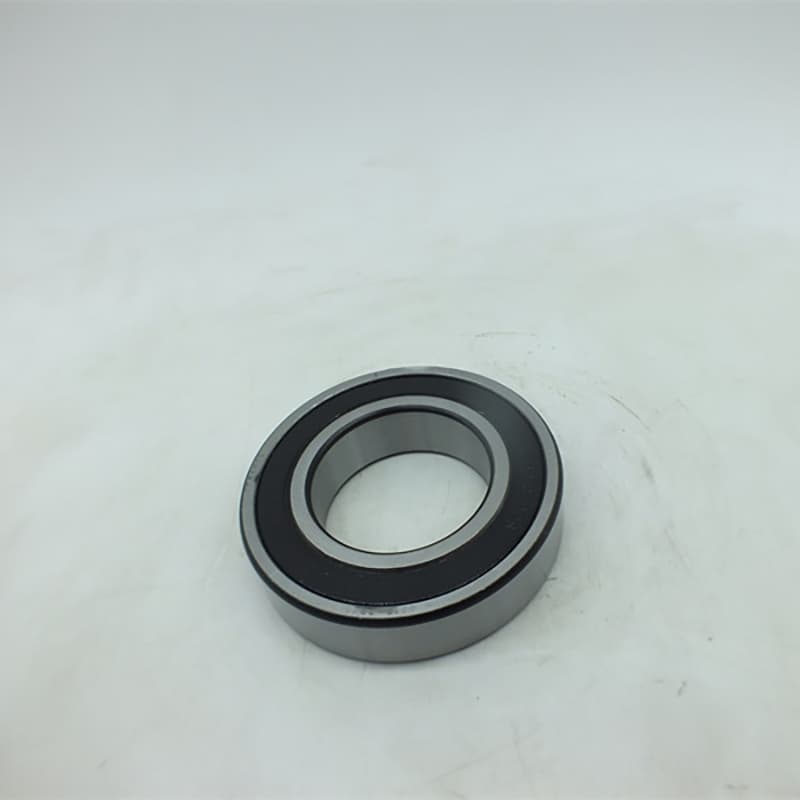
- 2RS (rubber seals): better protection, especially in dusty environments.
For compressor motors in a bottle blowing plant, there can be plastic dust or other particles. I suggest using bearings with rubber seals on both sides. They are pre-lubricated and need no maintenance. But check the speed rating, because sealed bearings have a bit more friction.
Rule 2: Install bearings correctly
A bearing can be damaged in seconds during installation. I have seen people hammer a bearing onto a shaft. That is a sure way to ruin it.
Correct installation means:
- Using the right tools: bearing pullers, induction heaters, or hydraulic presses.
- Applying force only to the ring that is being mounted. If you press the outer ring to mount the inner ring, you will dent the raceways.
- Never hitting the bearing directly with a hammer.
For motor shafts, we often use an induction heater. It heats the bearing evenly. The inner ring expands, and the bearing slides onto the shaft easily. Never use a torch, because it can overheat and damage the steel.
I had a customer in Turkey. His maintenance team always hammered bearings on. They had failures every two months. We sent them a mounting guide and recommended an induction heater. Now the bearings last over a year.
Rule 3: Lubricate bearings properly
Lubrication does two things: it reduces friction, and it protects against corrosion. But too much or too little grease can both cause problems.
Key points:
- Use the right grease: For electric motors, we recommend a high-quality lithium-based grease with good temperature stability.
- Don’t overfill: Bearings need only about 30% of the free space filled with grease. Too much grease causes churning and overheating.
- Regrease at the right intervals: Sealed bearings are pre-greased for life. Open bearings need regreasing based on running hours.
In PET bottle blowing lines, motors run continuously. Heat builds up. The grease can break down over time. We advise customers to check the motor manufacturer’s recommendations. If you need help, we can suggest a grease based on your operating temperature and speed.
Here is a simple table to remember:
| Rule | What to do | What to avoid |
|---|---|---|
| Clean | Store bearings in original包装, use clean tools | Dust, moisture, dirty hands |
| Install | Use proper tools, heat inner ring | Hammering, misalignment, forcing |
| Lubricate | Correct amount, right grease, right intervals | Overgreasing, wrong grease, no regrease |
Follow these three rules, and your bearings will last much longer.
Should you spray WD-401 on bearings?
I often get this question. People see a noisy bearing and grab a can of WD-40. They spray it on, the noise stops for a while, and they think it is fixed. But this is a big mistake.
No, you should not spray WD-40 on bearings as a lubricant. WD-40 is not a true lubricant. It is a solvent and water displacer. It will wash away the existing grease and leave the bearing dry. This leads to rapid wear and failure.
Understanding what WD-40 does and does not do
Let me explain the chemistry. WD-40 stands for "Water Displacement, 40th formula." It was invented to protect metal from rust. It contains solvents and light oils. When you spray it on a bearing, the solvents evaporate quickly. They leave behind a very thin film of oil. This film is not enough to support the loads in a motor bearing.
Why people think it works
If a bearing is making noise, sometimes the noise is from rust or dirt. WD-40 can dissolve some of that dirt temporarily. The noise may drop for a short time. But the bearing is now running without proper lubrication. The damage continues. Soon the noise returns, worse than before.
What happens inside the bearing
Inside a deep groove ball bearing2, the balls and raceways need a continuous film of grease. This film separates the metal surfaces. Without it, metal touches metal. You get wear, heat, and eventually seizure.
I remember a call from a customer in Pakistan. His compressor motor started making a grinding sound. He sprayed WD-40 into the bearing. The sound went away for a day. Then it came back, and the motor seized. When we opened the motor, the bearing was blue from heat. The balls were pitted. The grease had been washed out. That bearing was destroyed.
When can you use WD-40 on bearings?
There are some limited uses:
- For cleaning old grease from a bearing that you plan to repack.
- For removing rust from a bearing that is not in use.
- For freeing up a seized bearing3 that you will replace anyway.
But for a running bearing in a motor, never use WD-40. Use only the correct lubricant4.
The right way to lubricate a motor bearing
Most small to medium motors use sealed bearings. These are pre-lubricated and need no maintenance. If the bearing fails, you replace the whole bearing.
For larger motors with open bearings, you need to regrease periodically. Here is how:
- Clean the grease fitting and area around it.
- Use a grease gun5 with the specified grease.
- Add a small amount while the motor is running (if possible). This helps distribute the grease.
- Stop when you see a little grease purging from the seal. Do not overfill.
If you are unsure, contact the motor manufacturer or a bearing specialist like us. We can recommend the right grease and schedule.
Here is a comparison table:
| Lubricant | Purpose | Effect on bearing |
|---|---|---|
| WD-40 | Water displacement, light cleaning | Removes grease, no load capacity |
| Electric motor grease | Long-term lubrication | Protects, reduces friction, lasts |
| General purpose grease | Multi-purpose | May work but check compatibility |
Do not risk your motor for a quick fix. Use the right product.
What is the contact angle1 of a deep groove ball bearing2?
You may have heard the term "contact angle" and wondered what it means. It sounds technical, but it is simple. The contact angle affects how a bearing handles loads. Understanding it can help you choose the right bearing.
The contact angle of a deep groove ball bearing is not fixed. It changes with the load. Under no load, the balls contact the raceways at an angle close to zero. Under radial load3, the contact angle increases slightly, usually between 0° and 10°. This small angle allows the bearing to carry some axial load.
Diving deeper into contact angle and its importance
Let me explain contact angle in more detail. I will also compare it to other bearing types and tell you why it matters for your compressor motor4.
What is contact angle?
In a bearing, the contact angle is the angle between the line joining the ball contact points and a line perpendicular to the bearing axis. Imagine a line through the ball, connecting the two raceways. The angle that line makes with the radial plane is the contact angle.
In a deep groove ball bearing, the raceway grooves are deep. This allows the balls to have a certain freedom. When you apply a radial load, the ball shifts slightly. The contact points move, and the angle increases. This is why deep groove bearings can take axial loads as well. The axial load capacity5 depends on this ability to develop a contact angle.
How does it compare to other bearings?
Different bearing types have different contact angles:
| Bearing type | Typical contact angle | Axial load capacity |
|---|---|---|
| Deep groove ball bearing | 0°–10° (variable) | Low to moderate in both directions |
| Angular contact ball bearing | 15°, 25°, 40° (fixed) | High in one direction |
| Cylindrical roller bearing | 0° | Negligible |
| Tapered roller bearing | 10°–30° | High in one direction |
Angular contact bearings have a fixed contact angle. They are designed for high axial loads. But they can only take axial load in one direction. You need to mount them in pairs.
Deep groove bearings have a variable contact angle. This makes them versatile but limits the axial load they can handle.
Why this matters for compressor motors
In a typical electric motor, the main load is radial. This comes from the weight of the rotor and any belt tension or coupling misalignment. There is also some axial load from magnetic forces or from the rotor being slightly off-center. But these axial loads are usually small.
A deep groove ball bearing with its small variable contact angle is perfect. It handles the radial load well. It also manages the small axial loads without needing special arrangements.
If you used an angular contact bearing, you would need two bearings back-to-back. That adds cost and complexity. Deep groove bearings simplify the motor design.
What about internal clearance6?
The contact angle is also affected by internal clearance. Bearings come with different clearance classes: C0 (normal), C2 (less than normal), C3 (greater than normal), C4, etc. For motor applications, we often use C3. This allows for thermal expansion. When the motor heats up, the shaft expands. The bearing inner ring expands too. With C3 clearance7, the bearing does not get too tight. This prevents overheating.
But larger clearance can also affect the contact angle. With more clearance, the balls can shift more under load. This increases the contact angle slightly. So C3 bearings may have a slightly higher axial load capacity than C0 bearings.
A real example
I had a customer in Brazil who was building a compressor. He wanted to use angular contact bearings because he thought they were stronger. But his design had no way to preload them properly. We suggested deep groove bearings with C3 clearance. We did some calculations and showed that the axial loads were very low. Deep groove bearings would work fine and cost less. He agreed, and the compressors have been running well for years.
Summary
For your compressor motor, deep groove ball bearings are the right choice. Their contact angle adapts to the load. They give you good radial capacity and enough axial capacity for normal motor operation. Stick with them unless you have a special requirement.
Conclusion
Deep groove ball bearings are the workhorse of compressor motors in PET bottle blowing lines. They offer simplicity, reliability, and good performance. By following the three rules—clean, correct install, proper lube—you can maximize their life. Avoid shortcuts like WD-40. Understand the contact angle to ensure correct selection. And always choose a trusted supplier like FYTZ Bearing.
-
Understanding the contact angle is crucial for selecting the right bearing for your application. ↩ ↩ ↩
-
Explore the benefits of deep groove ball bearings for various applications, including their versatility. ↩ ↩ ↩
-
Gain insights into radial load and its implications for bearing selection and design. ↩ ↩ ↩
-
Explore the best bearing options for compressor motors to ensure optimal performance. ↩ ↩ ↩
-
Learn how axial load capacity impacts the performance and longevity of bearings in machinery. ↩ ↩ ↩
-
Discover the significance of internal clearance in bearings and its effect on performance. ↩
-
Find out how C3 clearance can enhance bearing performance in high-temperature applications. ↩
