
I have seen many buyers pay a high price for ignoring certificates. Today, I will share which documents can protect your purchase.
Buyers should request ISO 9001 certificates, product test reports (including dimensional accuracy, radial clearance, vibration value, material analysis), and type test reports. These documents ensure bearings meet international standards.
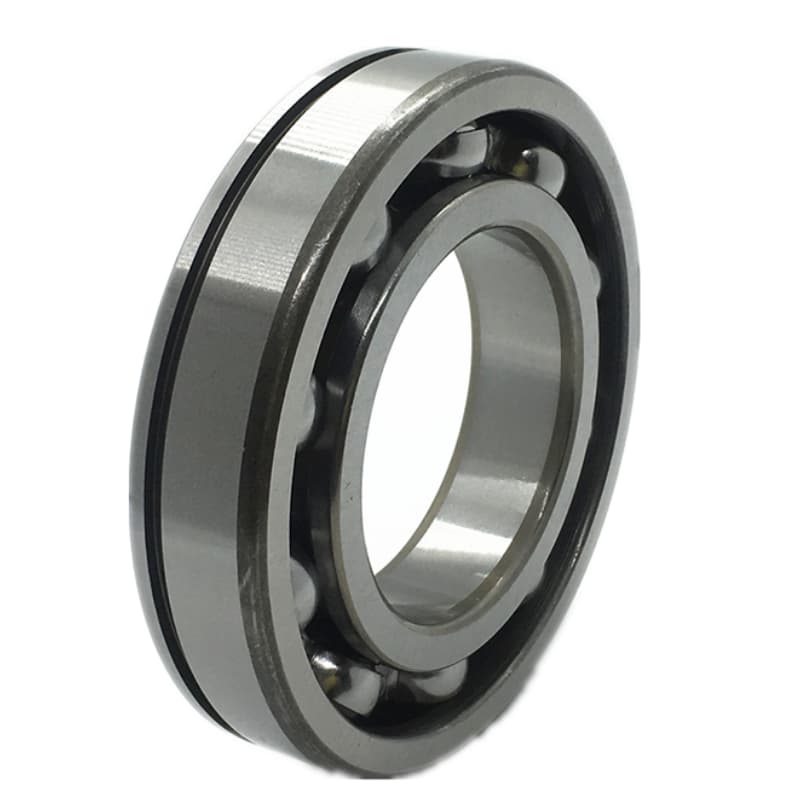
But you might wonder: why are these documents so important? To answer this, we first need to understand the basics of deep groove ball bearings. Below, I will start with common questions and help you see the real value of certificates and test reports.
What is the purpose of a deep groove ball bearing?
Many buyers only care about price and ignore the core function of bearings. Let us look at the real purpose of deep groove ball bearings1.
Deep groove ball bearings mainly support radial loads and some axial loads. They reduce friction in high‑speed rotation and ensure smooth operation of machinery. They are widely used in motors, automobiles, and industrial equipment.
Load Capacity and Test Reports
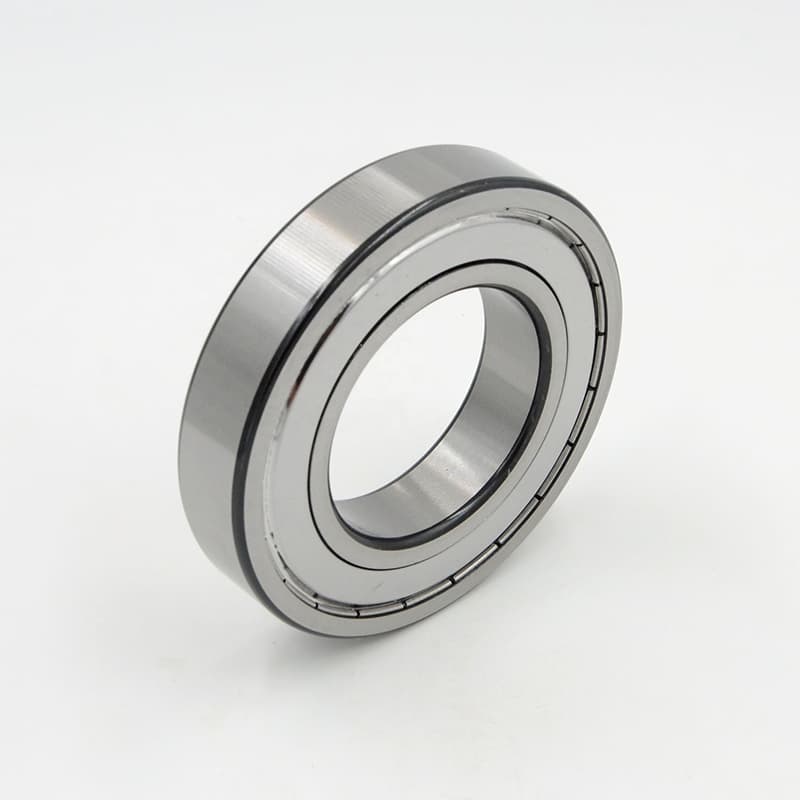
Deep groove ball bearings are designed to handle radial loads. They can also take some axial loads in both directions. But the actual load capacity depends on material, heat treatment, and geometric accuracy. Test reports on radial clearance2 and material analysis directly show the bearing’s load performance. For example, a buyer who wants to use bearings in a heavy‑duty conveyor must check the static load rating (C0) from the test report. If the report shows a low value, the bearing may fail early. In my factory, we always provide material certificates from our steel supplier. This gives buyers confidence.
High‑Speed Performance and Vibration Testing
In high‑speed applications, vibration and noise are key. Vibration test reports (like ISO 15242) grade bearings as Z1, Z2, or Z3. Low‑noise bearings are vital for motors and fans. I recall a customer from Turkey who complained about noise. We sent him the vibration test report, and he saw that our bearings met Z2 grade. He later placed repeat orders. Without such reports, you cannot verify if the bearing suits your high‑speed needs.
Industry Standards and Certificates
Different industries have different requirements. For automotive, IATF 169493 is common. For motors, GB/T 307.1 or ISO 15242 applies. The table below shows common certifications and what they test:
| Industry | Certification / Standard | Testing Focus |
|---|---|---|
| Automotive | IATF 16949, ISO 1940 | Durability, high‑speed balance |
| Electric Motors | GB/T 307.1, ISO 15242 | Vibration grade, precision |
| Agricultural Machinery | ISO 76, ISO 281 | Basic load ratings, life calculation |
By asking for these certificates and reports, you ensure the bearing fits your purpose.
What are the 4 major parts of a deep groove ball bearing?
If you take a bearing apart, you see simple parts. But the quality of each part affects the whole bearing’s performance.
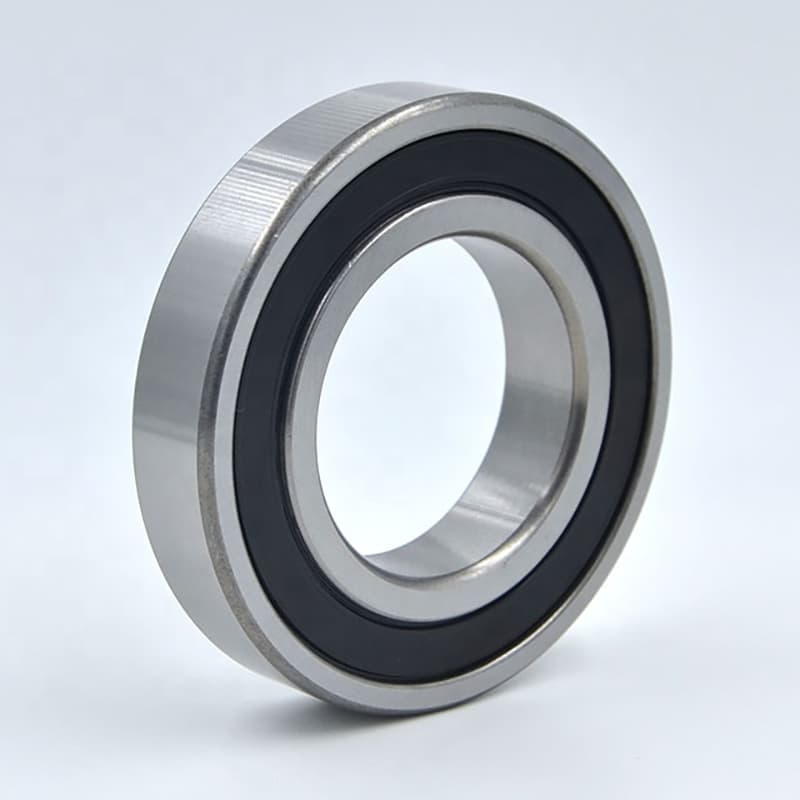
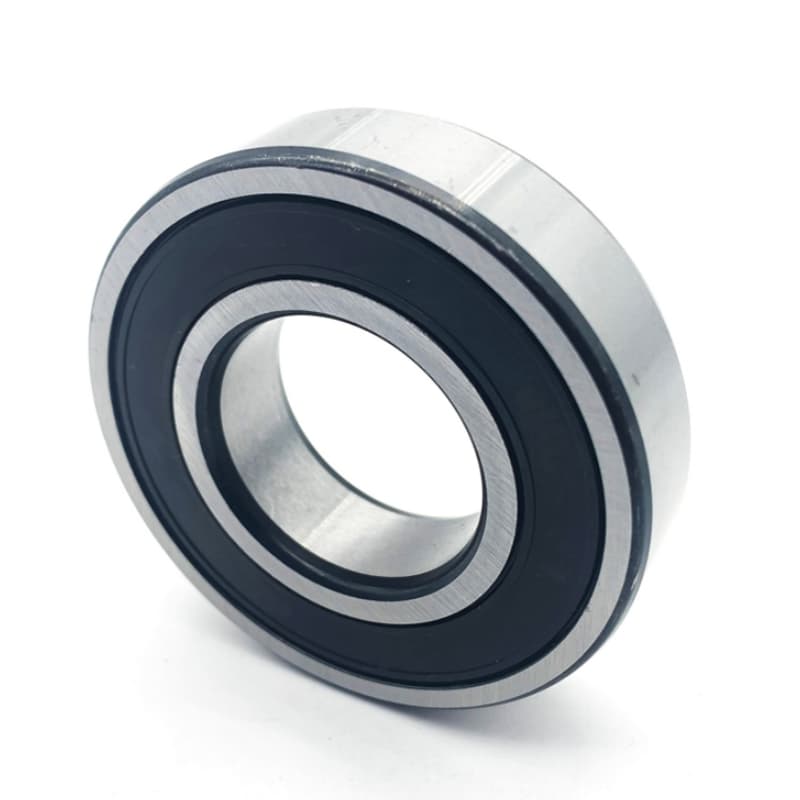
A deep groove ball bearing mainly consists of four parts: inner ring, outer ring, rolling elements (steel balls), and cage. The inner ring fits the shaft, the outer ring fits the housing, the balls roll between them, and the cage guides the balls.
Inner Ring and Outer Ring
The rings are usually made of high‑chromium bearing steel like GCr15. They go through heat treatment. Test reports for hardness1 (HRC 60‑66) and metallographic structure confirm wear resistance and fatigue life. Dimensional accuracy reports (P0, P6, P5 grades) guarantee correct fit with shaft and housing. In our workshop, we measure every batch with CMM machines. We keep these records for customers. A buyer once asked for P5 grade rings. We provided the dimensional report, and he saw that our rings met the tight tolerances. That built trust.
Rolling Elements (Steel Balls)
Steel balls need high roundness, low surface roughness, and precise diameter. These factors affect rotation accuracy and noise. Suppliers should provide roundness test reports2 and roughness measurements. I remember a case where a customer complained about noisy bearings. We checked the steel ball report and found that the ball roundness was out of spec. We replaced the batch, and the problem disappeared. So, always ask for steel ball test reports.
Cage
Cages can be steel, brass, or nylon. They separate and guide the balls. Material strength reports and rotation flexibility tests verify cage reliability. A weak cage can break and cause sudden failure. For high‑speed applications, a nylon cage with good balance is better. We often share cage material certificates with buyers.
The table below summarizes tests for each part:
| Part | Key Tests | Relevant Certificate |
|---|---|---|
| Inner / Outer Ring | Hardness, metallography, dimensions | Material certificate, dimensional report |
| Steel Balls | Roundness, roughness, diameter tolerance | Ball inspection report |
| Cage | Material strength, balance | Material certificate, balance report |
Understanding these parts helps you ask for the right test reports.
What is the HS code for deep groove ball bearing?
In international buying, a wrong HS code can cause customs delays or fines. Let us find the correct code for deep groove ball bearings.
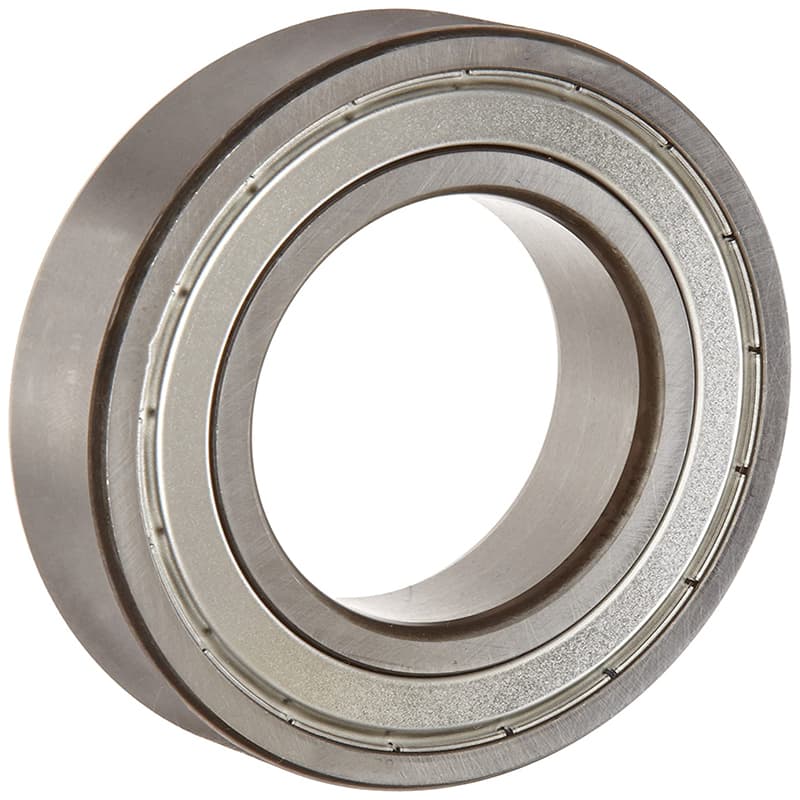
The HS code for deep groove ball bearings1 is generally 8482.10 (which covers ball bearings under the Harmonized System). But finer details depend on size and type, for example 8482.10.10 (max outer diameter ≤30 mm). Always check your destination country’s customs rules2.
HS Code Structure
The first six digits of the HS code are international. The rest are country‑specific. Deep groove ball bearings fall under 8482 (rolling bearings), and subheading 8482.10 is for ball bearings. Further breakdown is by size: for example, 8482.10.10 (outer diameter ≤30 mm), 8482.10.20 (30‑120 mm). Using the right code avoids wrong tax rates.
Documents for Customs
Besides commercial invoice and packing list, customs may ask for a certificate of origin3 (like Form A or CO) to grant duty preferences. Quality certificates (like ISO 90014) and test reports prove the product meets technical regulations and prevent seizure. One of my clients in India once used the wrong HS code. Customs fined him and held his goods for weeks. After that, we always provide a detailed packing list with the correct HS code and attach test reports. He has not had trouble since.
Examples of HS Codes and Required Documents
The table below shows common export destinations:
| Country | HS Code (deep groove ball bearing) | Duty Rate | Required Documents |
|---|---|---|---|
| India | 84821000 | 7.5% | Certificate of origin, BIS certification |
| Brazil | 84821010 | 14% | Import license, INMETRO certificate |
| Russia | 84821090 | 5% | EAC certification, test reports |
| Egypt | 84821000 | 2% (with CO) | Certificate of origin, quality certificate |
Ensuring your supplier provides these documents saves time and money.
What are the disadvantages of deep groove ball bearings?
No bearing is perfect. Deep groove ball bearings have limits. Knowing these limits helps you choose the right bearing type.
The main disadvantages are: sensitivity to shock loads, limited axial load capacity, possible heat generation at high speed, strict alignment requirements, and increasing noise with wear. You can reduce these problems by proper selection and using high‑quality bearings.
Shock Load Sensitivity1
Deep groove ball bearings have point contact between balls and raceways. They cannot handle heavy shocks. Shock load test reports (like ISO 76) show the static load rating. If your application has frequent impacts, consider cylindrical roller bearings. I had a customer making agricultural equipment. He used deep groove bearings and they broke often. After checking his shock load report, we saw the static load was too low. We suggested tapered roller bearings instead, and the problem stopped.
Limited Axial Load Capacity2
While they can take some axial load, too much axial force increases friction and heat. Axial clearance test reports3 help judge suitability. For heavy axial loads, angular contact ball bearings work better. In one case, a pump manufacturer used deep groove bearings and got high temperatures. We provided axial clearance reports and found the clearance was too small for his axial load. Adjusting the clearance solved it, but switching to angular contact would be the real fix.
Heat Generation at High Speed4
At high speeds, centrifugal force and friction cause heat. Temperature rise test reports5 (like GB/T 307.2) verify bearing performance at rated speed. Low‑noise, high‑precision bearings help. For example, a spindle manufacturer needed bearings for 10,000 rpm. We gave him temperature rise data from our tests. He saw our bearings stayed below 40°C rise and chose us.
Alignment Requirements6
If the shaft and housing are misaligned, bearing life drops. Alignment guidelines from the supplier are useful. Some applications need self‑aligning ball bearings. I remember a textile mill with misaligned shafts. Their deep groove bearings failed fast. We provided installation instructions and suggested checking alignment. Later, they switched to self‑aligning bearings.
Comparison Table of Disadvantages
| Disadvantage | Effect | Relevant Test Report | Alternative Bearing |
|---|---|---|---|
| Shock sensitive | Possible fracture | Static load test | Cylindrical roller bearing |
| Limited axial capacity | Heat, wear | Axial clearance test | Angular contact ball bearing |
| High‑speed heat | Lubrication failure | Temperature rise test | Ceramic ball bearing |
| Alignment sensitive | Early failure | Installation guide | Self‑aligning ball bearing |
By asking for these reports, you can evaluate risks and choose wisely.
Conclusion
When buying deep groove ball bearings, asking for the right certificates and test reports is not just about quality. It protects your investment. Understanding the basics makes you a smarter buyer.
-
Understanding shock load sensitivity helps in selecting the right bearing for applications with frequent impacts. ↩ ↩ ↩ ↩
-
Exploring axial load capacity can prevent overheating and ensure optimal performance in heavy load applications. ↩ ↩ ↩ ↩
-
Axial clearance reports are vital for ensuring bearings can handle specific loads without failure. ↩ ↩ ↩
-
Learning about heat generation can guide you in choosing bearings that perform well under high-speed conditions. ↩ ↩
-
These reports provide crucial data on bearing performance, helping you make informed choices. ↩
-
Proper alignment is essential for bearing longevity; understanding this can save costs on replacements. ↩