
You walk into your warehouse and see a pile of failed bearings. Dust, water, and debris got inside. Now your machines are down, and customers are waiting.
The short answer is: you compare them based on how much contamination you expect, how often you can service the equipment, and the cost of downtime. Open bearings give you flexibility but need clean conditions and regular maintenance. Sealed bearings lock lubrication in and keep dirt out, making them the go-to choice for most harsh environments.
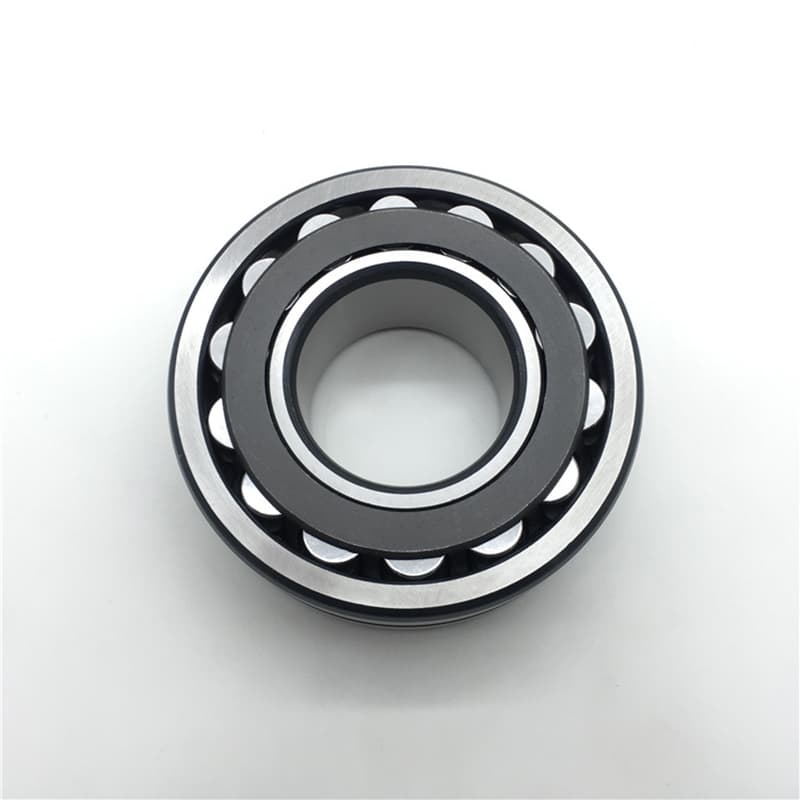
I have spent over a decade helping bearing distributors and equipment manufacturers select the right components for tough conditions. The choice between open and sealed designs is rarely straightforward. Let me walk you through the key factors so you can make a decision that keeps your customers’ machinery running and your reputation solid.
Performance and Durability: Analyzing Bearing Life in Contaminated Conditions?
You install a new bearing in a crusher. Within weeks, it starts making noise. You open it up and find grit has turned the lubricant into grinding paste.
In contaminated environments, sealed spherical roller bearings1 almost always outlast open ones. The built-in contact seals physically block particles while keeping grease where it belongs. Open designs rely on external seals or frequent re-lubrication, which are often compromised in real-world conditions.
How Contamination Kills Bearings
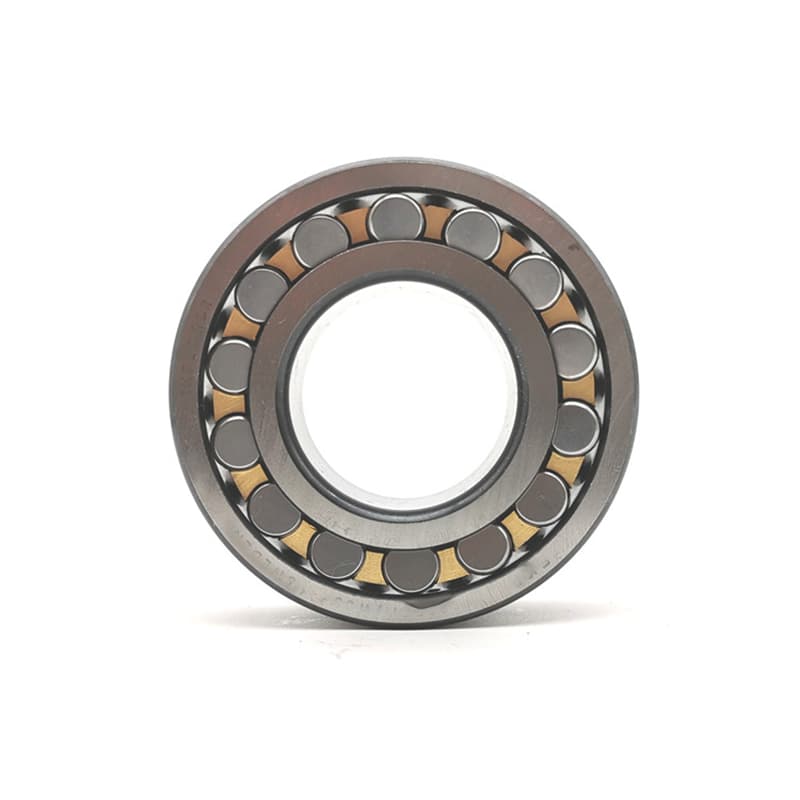
To really understand the difference, we have to look at what happens inside a bearing when dirt gets in. Spherical roller bearings are designed to handle heavy loads and misalignment. But their rolling elements and raceways are precision surfaces. When hard particles enter, they act like sandpaper.
- Abrasive wear: Particles cut into the metal. Clearances increase. Vibration starts.
- Indentation: Hard particles get pressed into the raceways. Each time a roller passes over these dents, stress concentrates. Fatigue life drops fast.
- Lubricant breakdown: Contaminants react with the grease. It oxidizes, loses its film strength, and can no longer separate metal surfaces.
Sealed bearings stop most of this before it starts. The seal lips ride directly on the inner ring. They create a barrier that even fine dust struggles to pass. Open bearings, on the other hand, rely on the housing’s sealing arrangement. In many applications, especially in mobile equipment or remote locations, those housing seals get damaged or are never installed properly.
Data from the Field
I worked with a customer in India who runs a flour mill. They used open spherical roller bearings on the main shaft. Dust from wheat got everywhere. Bearings lasted three months on average. We switched to sealed bearings with high-temperature grease. The first set ran for over a year. We measured the bearing temperature2 too. The sealed ones actually ran cooler because the grease stayed clean and didn’t get churned up by contaminants.
Here is a quick comparison based on my experience:
| Factor | Open Bearing | Sealed Bearing |
|---|---|---|
| Contamination resistance | Low – depends on housing seals | High – integral seals block entry |
| Lubricant life | Short if environment is dirty | Long – grease stays clean |
| Operating temperature | Can rise as contamination increases | Stable if seal friction is acceptable |
| Failure mode | Gradual wear, then spalling | Usually fatigue if seal intact |
So, if your application has visible dust, water spray, or process debris, sealed bearings are the safer bet for long life. But we also have to look at the whole picture.
The Seal Debate: How Lubrication Retention Impacts Long-Term Reliability?
Some engineers worry that sealed bearings will run dry. They think the grease will harden and the bearing will seize. But in harsh places, the opposite is often true.
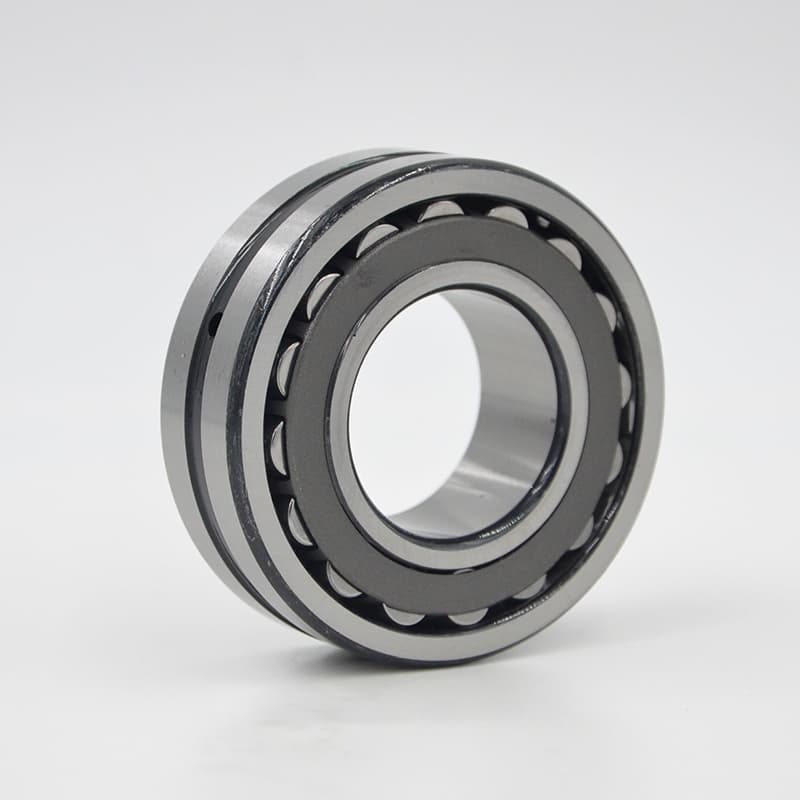
Sealed bearings retain lubrication1 far better than open ones. They come pre-filled with the right amount of high-quality grease. That grease stays in place and maintains its properties for thousands of hours. Open bearings can lose grease through leakage or contamination, leading to premature failure even if you have an automatic lube system.
The Hidden Problem with Relubrication
In theory, open bearings can be relubricated regularly to push out old, dirty grease and replace it with fresh grease. This works beautifully in a clean, controlled environment. But in the field, things go wrong.
- Wrong grease: Maintenance crews use the wrong type. Mixing incompatible greases can cause the thickener to break down.
- Over-greasing: Too much grease creates heat and pressure. It can blow out the seals or cause the bearing to run hot.
- Under-greasing: Busy teams forget. The bearing runs dry.
- Contaminated grease guns: The grease itself gets dirty from a dirty gun tip.
Sealed bearings remove these variables. The factory fills them with a carefully selected grease. The seal retains that grease and keeps the outside world out. For many of my customers, this is a game-changer. They no longer need to train staff on proper lubrication. They just install the bearing and forget it until the next planned maintenance.
Seal Design Matters
Not all seals are the same. Some sealed spherical roller bearings use light-contact seals. These have low friction but may not stop fine dust. Others use heavy-contact seals with multiple lips. These provide better protection but generate a bit more heat.
I always advise my clients to look at the seal material and design2. For high-temperature environments, you need seals made from materials like fluororubber (FKM). For heavy dust, a double-lip seal with a spring is best.
Here is a breakdown of seal types I commonly specify:
| Seal Type | Contact | Protection Level | Friction | Typical Use |
|---|---|---|---|---|
| Single-lip rubber | Light | Moderate | Low | Clean indoor, some dust |
| Double-lip with spring | Heavy | High | Moderate | Heavy dust, occasional water |
| Teflon / PTFE | Light | Good for chemicals | Low | Chemical plants, high temp |
| Non-contact (labyrinth) | None | Limited | Very low | Very clean, high speed |
So when we talk about reliability, sealed bearings win because they preserve the lubricant. But we have to pick the right seal for the conditions.
Maintenance Cycles and Downtime: Operational Efficiency in Remote or Dirty Locations?
Imagine a bearing in a conveyor system in an open-pit mine. Replacing it means shutting down a whole line, sending a crew, and losing production. Every minute counts.
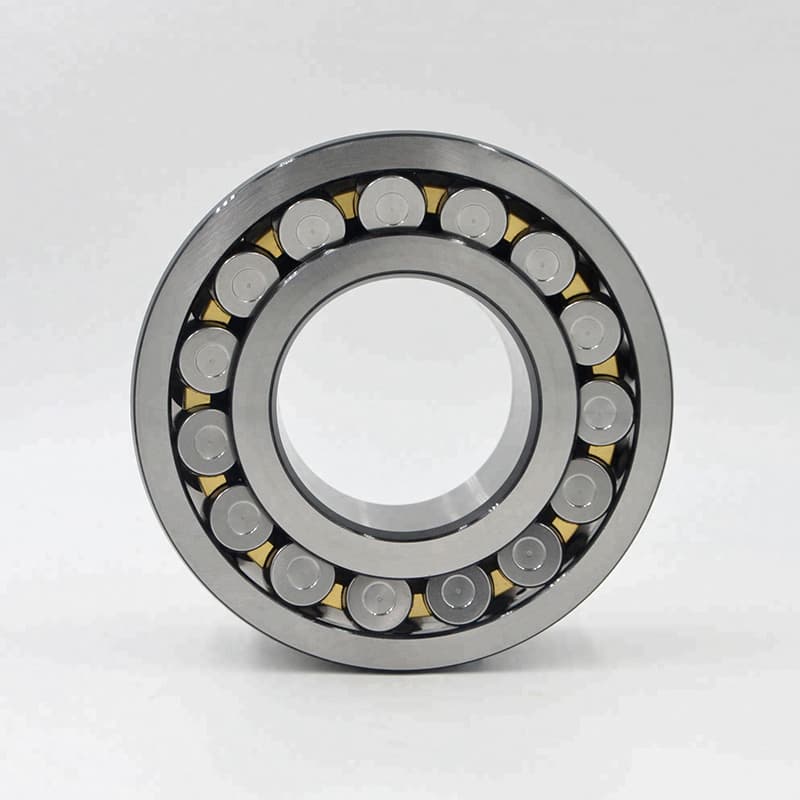
Sealed bearings1 drastically reduce maintenance frequency. You install them and they run until they wear out. Open bearings need regular relubrication and monitoring. In remote or dirty locations, that maintenance is often skipped or done poorly, leading to unexpected failures and costly downtime.
The Cost of Downtime
I talk to procurement managers like Rajesh every week. They tell me their biggest headache is unscheduled downtime2. Their customers cannot afford to stop production. When a bearing fails, it is a crisis.
Let me give you an example. A sugar mill in Brazil used open bearings on their cane crusher. They had a grease line running to each bearing. But the lines kept getting clogged with dirty grease. The maintenance team would bypass the lines and try to grease manually. Sometimes they missed a bearing. Failures happened every few months. Each failure cost them hours of production and a hefty repair bill.
We replaced those open bearings with sealed units. We removed all the grease lines. The bearings ran for two full seasons without a single failure. The maintenance team could focus on other tasks. The mill manager told me the sealed bearings paid for themselves in the first month.
Planned vs. Unplanned Maintenance
With open bearings, you are on a reactive cycle3. You check them, you grease them, you hope they last. If a seal fails or you miss a greasing, you get a surprise failure.
With sealed bearings, you move to planned replacement. You know the bearing has a finite life. You schedule a replacement during a regular shutdown. No surprises. No emergency calls.
For companies that operate in remote areas—like mines in Chile or wind farms in Turkey—this is critical. Sending a technician to a remote site costs money. If you can reduce those visits from monthly to yearly, you save a lot.
What About Bearing Cost?
Sealed bearings cost more upfront. I will not hide that. But when I show customers the total cost of ownership4, sealed bearings often win.
| Cost Factor | Open Bearing | Sealed Bearing |
|---|---|---|
| Initial price | Lower | Higher |
| Lubrication equipment | Grease lines, pumps | None |
| Labor for relubrication | Regular cost | Zero |
| Downtime risk | Higher | Lower |
| Replacement frequency | Higher | Lower |
| Total cost over 5 years | Often higher | Often lower |
So if your customer operates in a dirty or remote location, sealed bearings are usually the more efficient choice.
Application-Specific Selection: Matching Bearing Type to Environmental Stress Factors?
Not every harsh environment is the same. A cement plant has dry dust. A steel mill has heat and water. A food processing plant has washdowns. You cannot use the same bearing everywhere.
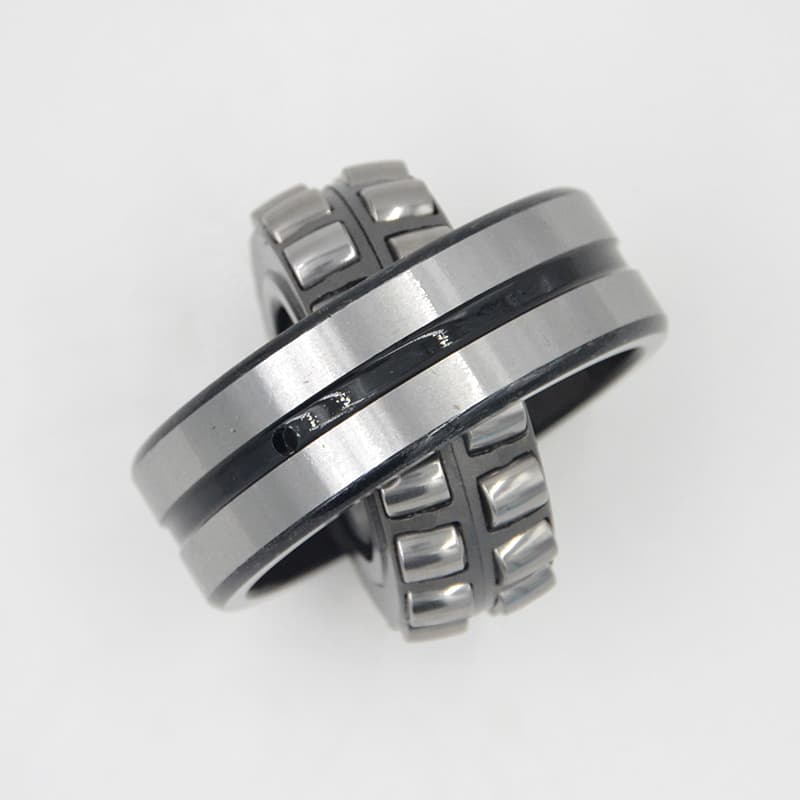
You must match the bearing type to the specific stresses. For heavy dust and low speed, a sealed bearing with heavy-contact seals works. For high heat, you need special seals and high-temperature grease. For occasional water splashes, a sealed bearing with corrosion-resistant coating1 might be the answer.
Breaking Down the Environment
I always tell my customers to list the environmental factors before choosing a bearing. Let me share a simple framework we use at FYTZ.
- Contaminant type: Dry dust? Wet mud? Chemicals? Abrasive particles?
- Temperature: Ambient? Process heat? Will the grease degrade?
- Moisture: Occasional splashing? Constant immersion? Washdown with chemicals?
- Speed: High speed generates heat. Seal friction matters.
- Load: Heavy shocks? Vibration?
Once we have these, we can make a smart choice.
Scenario 1: Cement Plant – Dry Dust, Moderate Heat
Here, sealed bearings2 with double-lip nitrile rubber seals3 are perfect. The dust is fine and abrasive. A light-contact seal might let it in. We also recommend a high-base-oil-viscosity grease to handle the load.
Scenario 2: Steel Mill – High Heat, Water Spray
High temperatures can cook standard grease. We need sealed bearings with fluororubber seals and a high-temperature synthetic grease4. Sometimes we even suggest open bearings with a circulating oil system if the heat is extreme, but sealed units are simpler.
Scenario 3: Food Processing – Washdown, Chemicals
Washdowns mean water and cleaning agents. We need stainless steel or coated bearings. Seals must resist chemicals. Food-grade grease is mandatory. Here, sealed bearings protect the grease from being washed out.
Scenario 4: Mining Conveyor – Heavy Dust, Impact Loads
Dust is heavy, and loads are high. We need robust seals and a strong cage. Often, we use open bearings with external labyrinth seals on the housing. But if space is tight, sealed bearings with heavy-contact seals work well.
Customization Options
At FYTZ, we often customize bearings for these environments. We can change the seal material, the grease fill, and even the internal clearance. For example, in a vibrating screen, we use a C4 clearance5 (extra large) to handle the heat and misalignment. We then choose a seal that can handle the vibration without losing contact.
Here is a decision table I use with my clients:
| Environment | Recommended Bearing Type | Seal Type | Grease Type |
|---|---|---|---|
| Dry dust, moderate temp | Sealed | Double-lip nitrile | Lithium complex, high viscosity |
| Wet, occasional water | Sealed | Double-lip with spring | Calcium sulfonate, water resistant |
| High heat (over 100°C) | Sealed with FKM seals | FKM (Viton) | Synthetic, high temp |
| Chemical washdown | Stainless sealed | PTFE or FKM | Food grade / chemical resistant |
| Extreme contamination, low speed | Sealed heavy-contact | Heavy triple-lip | EP grease with solid additives |
| Very high speed, clean | Open with oil mist | None (external) | Oil |
So, do not just pick a bearing. Pick the right bearing for your specific dirt, heat, and moisture.
Conclusion
Choosing between open and sealed spherical roller bearings comes down to your real-world environment and your tolerance for downtime. Sealed bearings usually win in harsh places by keeping lubrication in and contaminants out.
-
Understand how corrosion-resistant coatings can extend the life of bearings in harsh environments. ↩ ↩ ↩ ↩
-
Explore how sealed bearings can enhance performance and longevity in challenging conditions. ↩ ↩ ↩ ↩
-
Find out how double-lip nitrile rubber seals protect bearings from contaminants. ↩ ↩
-
Learn about the advantages of high-temperature synthetic grease for extreme heat applications. ↩ ↩
-
Learn about C4 clearance and its role in accommodating heat and misalignment in bearings. ↩