
Your slitting line keeps breaking down. Bearing failures cost you time and money. I will show you how the right spherical roller bearings can solve these problems.
Spherical roller bearings are the top choice for steel coil slitting lines. They handle heavy loads and shocks. They also self-align to fix misalignment. This guide covers their design, how they manage shock loads, how to select them, and how to optimize their performance.
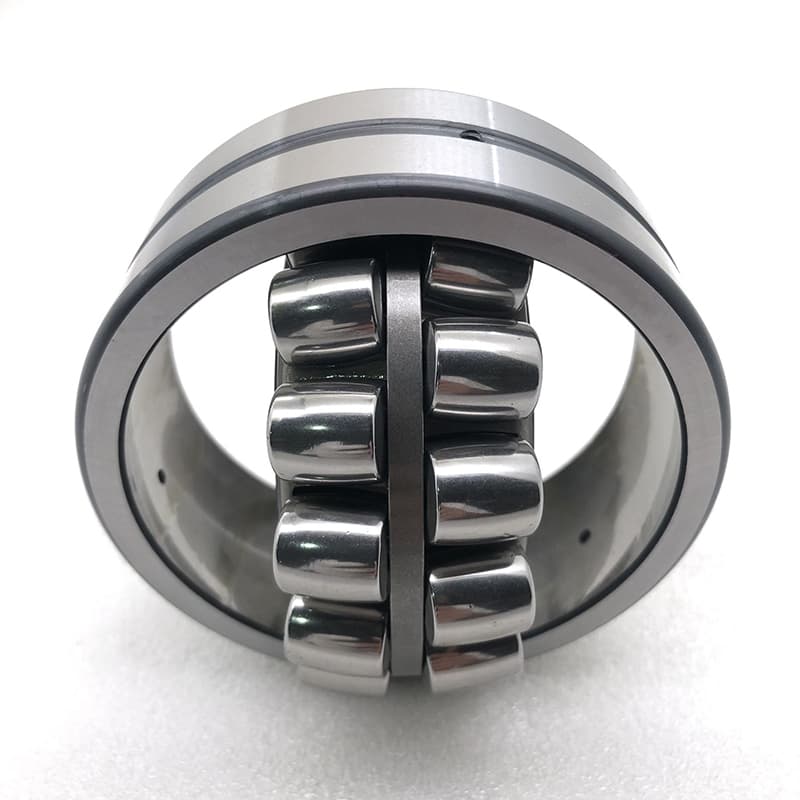
I have worked with bearings for many years. My company, FYTZ, makes spherical roller bearings for customers all over the world. I have seen how the right bearing keeps a slitting line running smoothly. In this article, I will share what I have learned.
Key Design Features of Bearings in High-Tonnage Slitting Lines?
High-tonnage slitting lines put huge stress on bearings. One wrong design choice can lead to a sudden breakdown. Let me explain the features that matter most.
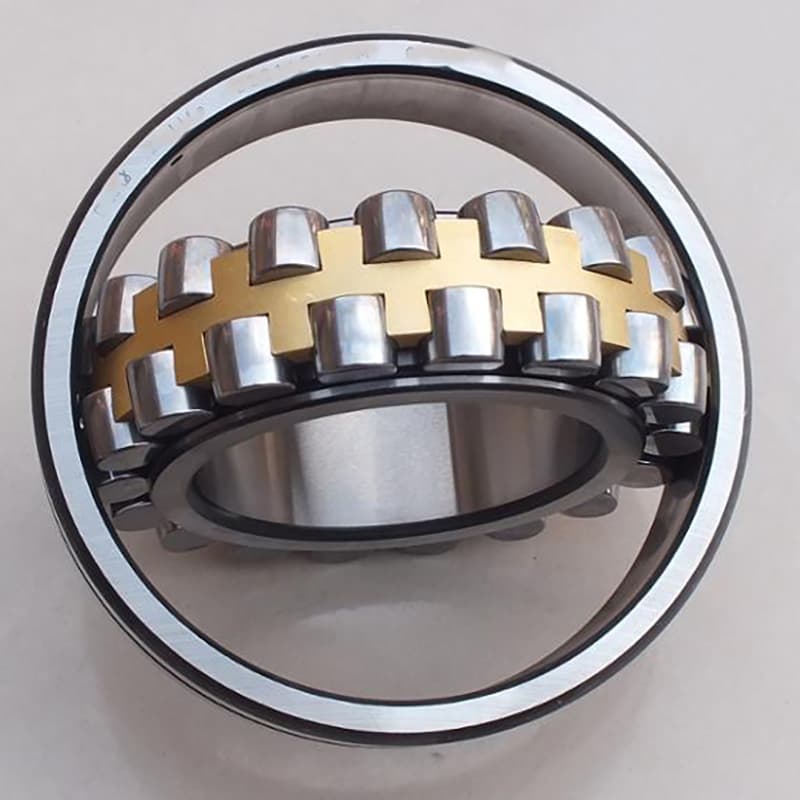
Bearings in high-tonnage lines must have high radial load capacity, self-aligning ability, reinforced cages, and robust seals. These features allow them to handle extreme forces and keep working.
High Radial Load Capacity1
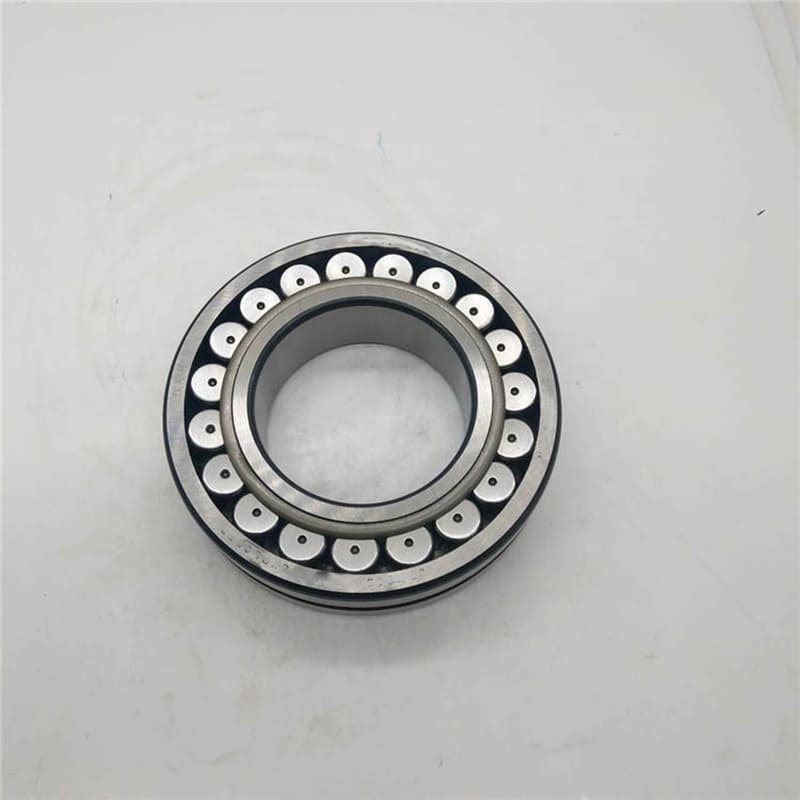
In a slitting line, the coils are heavy. The bearings must support this weight without deforming. Spherical roller bearings have two rows of rollers. These rollers are large and have a curved shape. This design gives them a high radial load rating. For example, in our FYTZ factory, we make bearings with optimized roller profiles. This spreads the load evenly. It reduces stress on any single point.
Self-Aligning Property2
Shafts in slitting lines often bend under load. The housing might also be slightly misaligned. If the bearing cannot adjust, it will wear out fast. Spherical roller bearings have an outer ring with a spherical raceway. This allows the inner ring and rollers to tilt a little. They can correct up to 2 degrees of misalignment. This prevents edge loading3. Edge loading is when the roller presses against the edge of the raceway. It causes early failure.
Reinforced Cage Design4
The cage holds the rollers in place. In high-tonnage lines, the forces are not smooth. There are shocks and vibrations. A weak cage can break. That is why we use reinforced cages. Common materials are brass or steel. These cages are strong. They guide the rollers correctly even under sudden impacts. I remember a customer in Brazil. He had issues with cage breakage. We supplied bearings with a machined brass cage. The problem stopped.
Advanced Sealing Solutions5
Steel processing creates dust and scale. These particles can get into the bearing. They act like sandpaper. They wear down the rollers and raceways. Good seals keep them out. Many spherical roller bearings6 come with integrated seals. These seals are made of rubber or synthetic material. They have multiple lips to block contaminants. But they also need to keep grease in. Proper lubrication is vital. Sealed bearings reduce maintenance. They are a good choice for slitting lines where re-greasing is hard.
Here is a simple table that shows how these features help:
| Design Feature | What It Does | Benefit in Slitting Line |
|---|---|---|
| High Radial Load Capacity | Supports heavy coil weight | Prevents deformation, longer life |
| Self-Aligning | Compensates for shaft bending | No edge loading, less wear |
| Reinforced Cage | Holds rollers under shock | Avoids cage fracture |
| Advanced Seals | Blocks dirt and scale | Keeps lubrication clean |
These features work together. They make sure the bearing survives in a tough environment. Without them, you will have frequent stops.
How Spherical Roller Bearings Handle Shock Loads in Steel Processing?
Steel coil processing is not a gentle job. Every time a new coil starts, there is a shock. The equipment jerks. Bearings must absorb this. How do they do it?
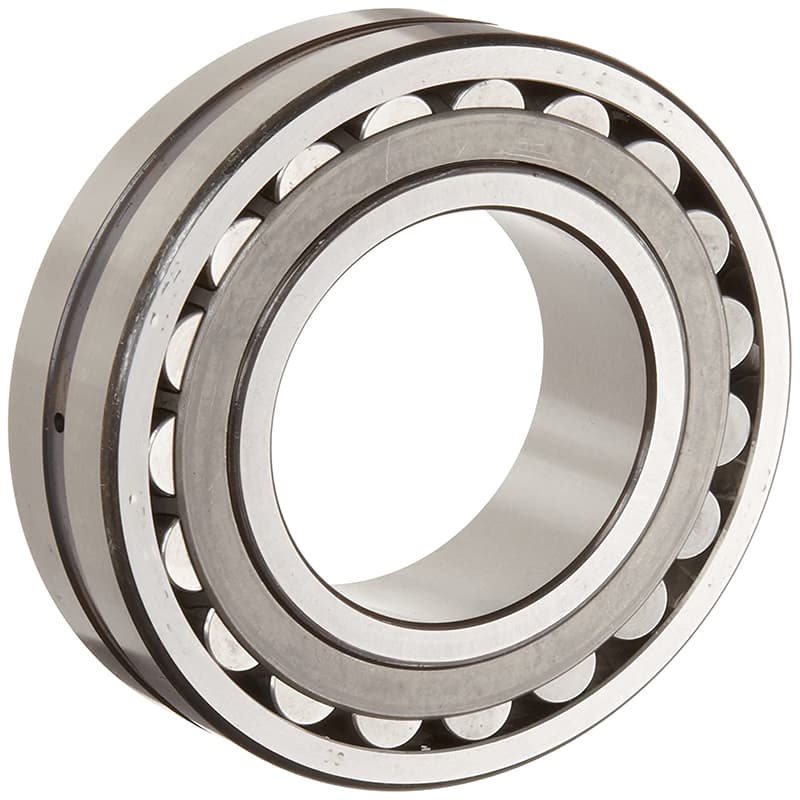
Spherical roller bearings1 handle shock loads through their internal geometry, material quality, and heat treatment. The rollers are designed to spread the impact force. The steel is tough enough to resist cracking.
Source of Shock Loads
Shocks come from many places. When a coil is loaded onto the uncoiler, it drops a bit. When the strip tension changes suddenly, it snaps. When the slitter knives engage, they hit the material. All these events send a shock wave through the shaft into the bearings. If the bearing is brittle, it can crack.
Roller Profile and Stress Distribution
The secret is in the roller shape. Spherical roller bearings have barrel-shaped rollers. They are not straight like cylindrical rollers. This curve matches the raceway curve. Under a normal load, the contact area is an ellipse. Under a shock load, the roller tries to dig in. But the curved profile spreads the stress over a larger area. It prevents stress concentration. In our FYTZ lab, we test bearings under impact. We see that the optimized profile reduces peak stress by up to 30%. That is a big difference.
Material and Heat Treatment
The steel must be clean and strong. We use high-quality bearing steel, like GCr15 or similar. But the real magic is in the heat treatment. The bearing rings and rollers go through a process called martensitic hardening. This makes the surface hard. But the core stays tough. Hard surface resists wear. Tough core absorbs shock without cracking. Some bearings also get a special heat treatment for extra toughness. We call it shock-resistant grade.
Symmetrical Roller Design
Most spherical roller bearings have symmetrical rollers. This means both ends are the same. Why does that matter for shock? When a shock hits, the roller might try to skew. Symmetrical rollers align better. They stay square to the raceway. This keeps the load evenly spread. Asymmetrical rollers can tilt and cause high edge stress. Symmetrical design is standard in modern bearings.
Here is a quick comparison of how different features handle shock:
| Feature | How It Helps With Shock |
|---|---|
| Curved Roller Profile2 | Spreads impact force over larger area |
| Martensitic Hardening | Hard surface, tough core |
| Symmetrical Rollers3 | Prevents skewing during impact |
| Clean Steel | No inclusions that can start cracks |
Shock loads are a fact of life in steel processing. You cannot avoid them. But you can choose bearings that are built to take them. That is why spherical roller bearings are so common here.
A Guide to Bearing Selection for Tension Reels and Uncoilers?
Tension reels and uncoilers have special needs. They must hold the coil tight. They must start and stop smoothly. Picking the wrong bearing here is a common mistake. Let me guide you through it.
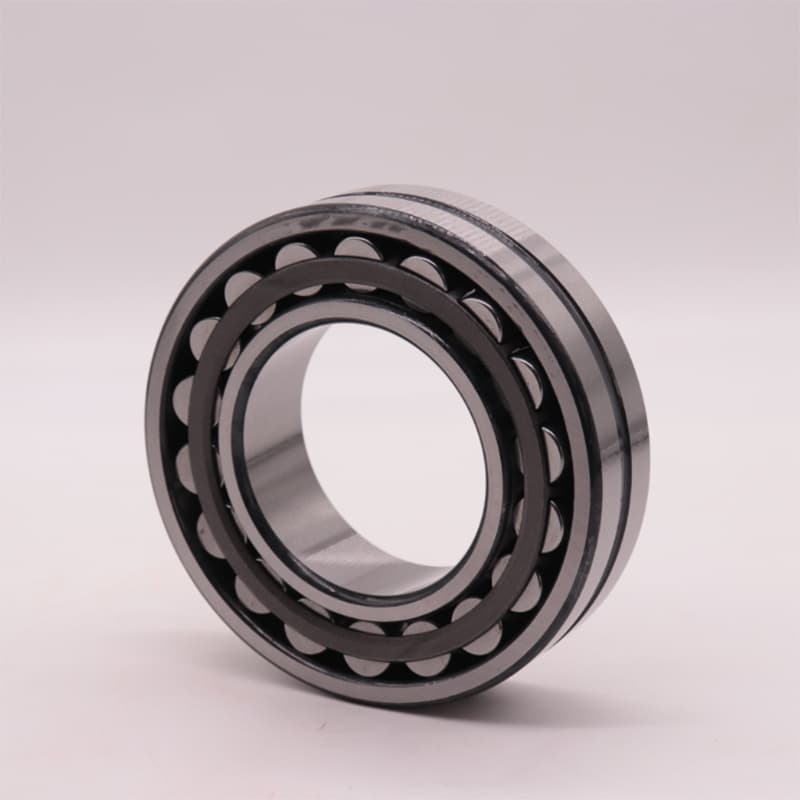
For tension reels and uncoilers, you need bearings that handle combined loads, allow axial movement, and fit in a compact space. Spherical roller bearings1 often meet these needs, but you must check the specific requirements.
Load Type: Radial and Axial2
On an uncoiler, the main load is radial. The coil weight pulls down. But there is also an axial load. The strip might pull to one side. The bearing must handle both. Spherical roller bearings can take heavy radial loads and moderate axial loads. That is a good match. But you need to calculate the equivalent load. Use the formula P = XFr + YFa. X and Y factors are in the bearing catalog. If the axial load is too high, you might need a different bearing.
Allowing for Axial Displacement
In a tension reel, the mandrel expands to grip the coil. This expansion changes the length. The bearing on the drive side is usually fixed. The bearing on the other end must float. It needs to move axially. A non-locating bearing allows this movement. Spherical roller bearings can be used as floating bearings if they have a loose fit in the housing. But sometimes, a cylindrical roller bearing is better for pure axial displacement. You must decide based on the design.
Speed and Lubrication3
Tension reels and uncoilers run at low to moderate speeds. Speed is not usually a limiting factor for spherical roller bearings. But lubrication is critical. At low speeds, grease is common. It stays in place and seals out dirt. At higher speeds, oil circulation might be needed. Check the speed rating of the bearing. Make sure it exceeds your maximum operating speed.
Fitting and Mounting
The bearing must fit tightly on the shaft. If it spins, it will wear the shaft. For the housing, the fit depends on whether it is a fixed or floating bearing. A fixed bearing needs an interference fit in the housing. A floating bearing needs a loose fit so it can slide. Always follow the manufacturer’s recommendations. At FYTZ, we provide mounting instructions with every order. It helps our customers get it right.
Size and Space Constraints4
Space is often tight in these machines. You have a limited shaft diameter and housing width. You need a bearing that fits and still has enough capacity. Sometimes you have to go to a larger series. For example, a 223 series bearing has higher capacity than a 222 series for the same bore. But it takes up more space. You must balance size and life.
Here is a step-by-step selection process I use:
- Define the loads: Calculate radial and axial forces.
- Determine speed: Note the maximum RPM.
- Check space: Measure shaft diameter and housing width.
- Pick bearing type: Usually spherical roller bearing.
- Select series: Choose 222, 223, 230, etc., based on load and space.
- Calculate life: Use L10 formula to check if it meets requirements.
- Consider specials: If standard is not enough, look at enhanced designs.
I have helped many customers with this. For example, a client in Turkey needed bearings for a new uncoiler. We did the calculations together. We picked a 22320 bearing. It has worked perfectly for two years now.
Optimizing Bearing Performance in Precision Coil Slitting Lines?
Precision slitting lines need exact strip width. Any vibration or movement affects quality. Bearings play a big role here. How do you get the best from them?
To optimize bearing performance1 in precision lines, focus on precise installation, correct lubrication, effective sealing, and regular condition monitoring2. Small details make a big difference in accuracy and life.
Installation Precision
In a precision line, the bearings must be aligned perfectly. Even a tiny misalignment can cause the shaft to wobble. This wobble shows up as width variation in the slit coil. Use proper tools to mount the bearings. Never hammer them on. Heat the bearing or use a hydraulic nut. Check the runout after installation. It should be within a few microns. At our FYTZ factory, we offer bearings with reduced tolerances, like P5 or P6 class. These are made for high-precision applications.
Lubrication Optimization
Grease is more than just a lubricant. It also dampens vibrations. The right grease fills the gaps between rollers and raceways. It creates a film that smooths out small bumps. Choose a grease with the right viscosity. For slitting lines, a grease with good mechanical stability is important. It should not break down under shear. Also, the amount matters. Too much grease causes churning and heat. Too little leads to metal-to-metal contact. Follow the bearing maker’s advice on re-greasing intervals and quantities.
Sealing Against Contaminants
Precision requires cleanliness. If a tiny piece of scale gets into the bearing, it can leave a mark on the raceway. That mark becomes a bump. The roller rides over it, causing vibration. Use effective seals. Labyrinth seals or V-rings work well with grease. Some bearings come with contact seals. They are good but add a little friction. In very dirty environments, consider external sealing systems like air purges.
Condition Monitoring
The best way to optimize is to know what is happening inside. Use vibration analysis. Mount accelerometers on the bearing housings. Track the vibration levels. A sudden increase often means a problem. Also, check temperature. A hot bearing is a sign of trouble. Maybe the grease is breaking down, or the bearing is too tight. Set alarms for these parameters. Then you can fix issues before they cause a line stop. I have a customer in South Africa. He uses thermal imaging every month. He catches bearing issues early. His line downtime dropped by 40%.
Customization for Special Needs
Sometimes standard bearings are not enough. For example, if you need very low noise, you can order bearings with special raceway finishes. If you need more load, you can get bearings with more rollers. At FYTZ, we do OEM and ODM customization. We can modify the internal clearance, the cage material, or the seal type. This tailors the bearing to your exact machine. It gives you the best possible performance.
Here is a checklist for optimizing bearing performance:
| Area | Action | Benefit |
|---|---|---|
| Installation | Use proper tools, check alignment | Reduces runout, improves accuracy |
| Lubrication | Choose right grease, correct amount | Dampens vibration, extends life |
| Sealing | Effective seals, external systems | Keeps contaminants out |
| Monitoring | Vibration and temperature checks | Early fault detection |
| Customization | Modified designs for your line | Perfect fit, maximum output |
Precision lines demand attention to detail. By following these steps, you can make your bearings last longer and your coils cut straighter.
Conclusion
Spherical roller bearings are vital for steel coil processing. Their design handles heavy loads and shocks. Correct selection and care ensure reliable, precise slitting lines.
-
Explore this resource to understand how to enhance bearing performance, ensuring longevity and efficiency in your operations. ↩ ↩ ↩ ↩
-
Understand the importance of condition monitoring in preventing failures and maintaining optimal bearing performance. ↩ ↩ ↩ ↩
-
Discover the best lubrication methods for low-speed bearings to enhance their performance and longevity. ↩ ↩ ↩
-
Explore how size and space constraints influence bearing selection to optimize your machinery’s design and efficiency. ↩ ↩
-
Discover advanced sealing solutions that protect bearings from contaminants, extending their lifespan and reducing maintenance. ↩
-
Spherical roller bearings offer unique advantages for heavy loads; understanding them can improve your machinery’s efficiency. ↩
