
Are your spherical roller bearings failing too soon in dusty, wet conditions? This common headache costs you time and money. Here is your practical checklist to stop the damage.
To keep spherical roller bearings running in harsh environments, you must focus on four areas: understanding environmental impacts, proper lubrication, regular inspections, and correct mounting with seal care. Follow this guide for step-by-step actions.
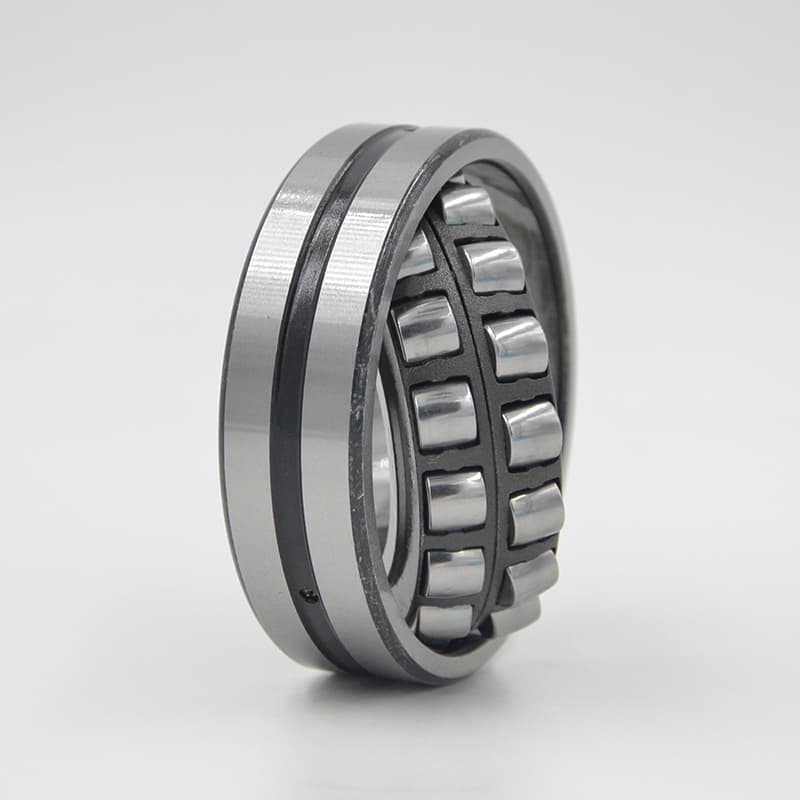
I have spent years helping factories like yours keep bearings alive in tough conditions. Let me walk you through the essential steps, starting with how the environment attacks your bearings.
Understanding the Impact of Harsh Environments on Bearing Longevity
Dust, water, and heat are silent killers for spherical roller bearings1. They sneak in and cause early failure before you notice.
Harsh environments shorten bearing life through contamination2, corrosion, and temperature extremes3. Contaminants like dirt grind surfaces, moisture4 causes rust, and high heat breaks down lubricant. All lead to premature failure.
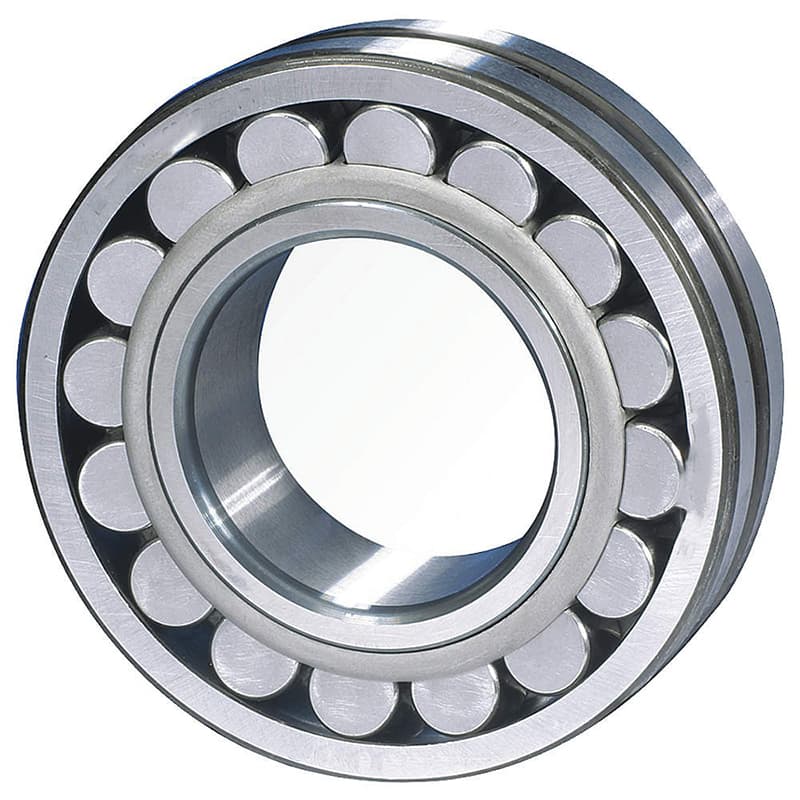
How Contamination Physically Damages Bearings
In our factory, we often see bearings returned from cement plants and mines. The damage pattern is almost always the same: abrasive wear from particles. When dust or grit enters the bearing, it mixes with the grease and acts like sandpaper. The rolling elements and raceways get scratched. These scratches create stress points. Soon, tiny cracks appear and grow into spalls. The table below shows common contaminants and their effects.
| Contaminant Type | Common Sources | Visible Damage | Speed of Failure |
|---|---|---|---|
| Hard particles (silica, metal debris) | Crushers, conveyors, poor seals | Scratching, pitting, polishing of surfaces | Fast (weeks to months) |
| Fibrous material (textile, paper) | Paper mills, textile plants | Wrapped around rollers, blocked lubrication | Moderate (months) |
| Liquid (water, chemicals) | Washdowns, leaks, condensation | Rust stains, etching, lubricant breakdown | Moderate to fast |
Moisture: The Hidden Enemy
Moisture does more than just rust the surfaces. Water washes out the grease and reduces its film strength. In our tests, even a small amount of water (0.1%) can cut bearing life in half. Water also causes hydrogen embrittlement in high‑stress areas. You might see orange or brown stains on the bearing rings. That is a clear sign that water has been inside. If you find rust, you need to check the seals immediately.
Temperature Extremes and Lubricant Failure
High heat is another big problem. In steel mills or kilns, ambient heat can raise bearing temperatures above 100°C. Normal grease will oxidise and harden. It turns into a crust that blocks fresh grease from entering. The bearing then runs dry and seizes. On the other hand, very cold temperatures make grease too thick. It won’t flow into the rolling elements. The bearing starts with metal‑to‑metal contact. Always choose a grease with a wide temperature range for these applications.
Critical Lubrication Practices for Contaminated Settings
Many people think more grease is better. In dirty settings, that mistake can destroy your bearings fast.
In contaminated settings, use high‑quality grease1 with good additives, apply the right amount at correct intervals, and ensure grease escapes through seals to push out dirt. Never overgrease.
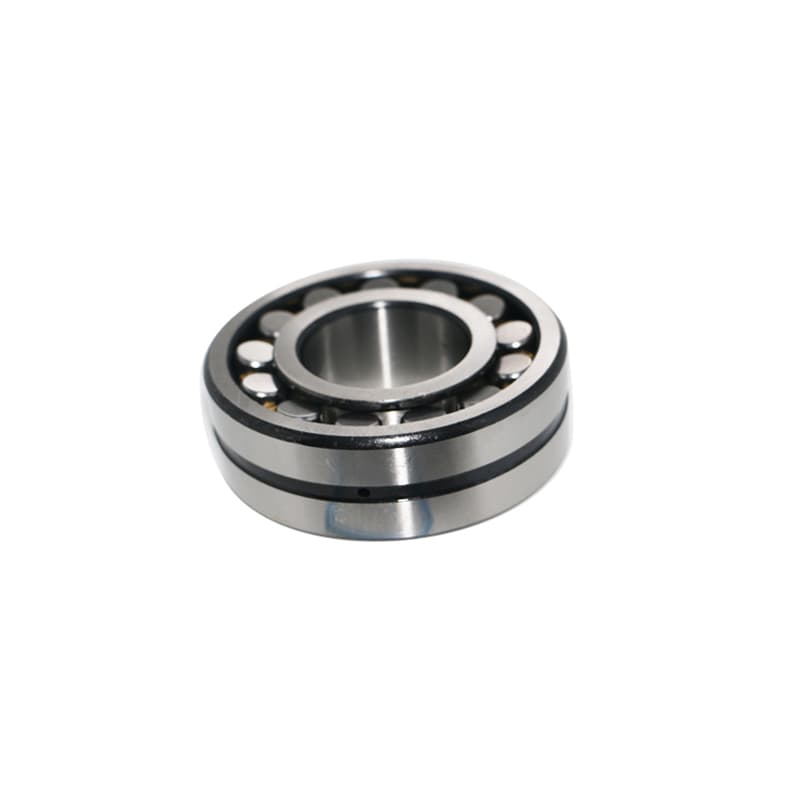
Choosing the Right Lubricant
I often get asked: "Which grease should I use for my crusher bearings?" The answer depends on the type of contamination and temperature. For dusty environments, you need a grease with high consistency (NLGI 2 or 3) and good mechanical stability. It should also have anti‑wear additives2 like zinc or molybdenum disulphide. If water is present, look for a grease with excellent water resistance and rust inhibitors. Here is a quick comparison of common grease types.
| Grease Type | Base Oil | Best For | Weakness |
|---|---|---|---|
| Lithium complex | Mineral | General industrial, moderate temps | Not for very high heat |
| Polyurea | Synthetic | High speed, long life | Poor water resistance |
| Calcium sulfonate | Mineral | Heavy water contamination, steel mills | Higher cost |
| Bentonite (clay) | No oil | Very high temperatures (no melting) | Must be reapplied often |
How Much Grease and How Often?
The old rule "fill the bearing one‑third full" is wrong for harsh environments. In dirty conditions, you need to purge the old grease and push out contaminants. That means you should apply enough grease so that a small amount oozes out of the seals. This fresh grease creates a barrier that blocks dirt from entering.
But overgreasing is also dangerous. Too much grease causes churning and heat buildup. The bearing temperature can rise by 10–20°C. That shortens grease life. We recommend using a grease quantity calculator3 based on bearing size and speed. For most spherical roller bearings, a good starting point is:
- Slow speed (<100 rpm): fill 100% of free space, purge until clean grease exits.
- Medium speed (100–500 rpm): fill 70%, regrease every 3–6 months.
- High speed (>500 rpm): follow manufacturer’s exact amount, use automatic lubrication.
Automatic Lubrication Systems
In very contaminated settings, manual greasing is unreliable. People forget, or they put too much. Automatic lubrication systems are a great investment. They deliver small, precise amounts at set intervals. The grease is always fresh, and the pressure keeps seals slightly expanded, blocking dirt. We have customers in Indian rice mills who switched to auto‑lube and doubled their bearing life.
Step‑by‑Step Inspection Protocols for Early Failure Detection
Waiting for a bearing to scream before checking it is a recipe for disaster. Early signs are easy to spot if you know what to look for.
Inspect bearings monthly: listen for noise, feel for vibration, check temperature, and analyze grease samples. Look for discoloration, pitting, or wear on dismounted bearings. Use these clues to catch problems early.
[^1]](https://sdycbearing.com/wp-content/uploads/2025/12/Spherical-Roller-Bearings-16-1.jpg)
Running Inspections: What Your Senses Tell You
You don’t need expensive tools to start inspecting. Your ears and hands are good enough for a first check. Walk past your equipment and listen. A healthy bearing makes a smooth, even purring sound. If you hear grinding, clicking, or irregular noises, trouble is brewing. Touch the housing near the bearing. If it’s too hot to hold your hand on (over 60°C), you have a problem. Vibration that you can feel through the housing also points to damage.
For a more precise check, use a simple infrared thermometer and a stethoscope or a screwdriver pressed to your ear. Record the temperatures weekly. A sudden rise of 10°C is a warning.
Detailed Vibration and Grease Analysis
If you have a vibration pen or analyzer, use it monthly. Look for changes in the overall level and specific frequencies. For spherical roller bearings, the key frequencies are:
- Ball pass frequency of outer race (BPFO): wear on outer race.
- Ball pass frequency of inner race (BPFI): wear on inner race.
- Ball spin frequency (BSF): damage to rolling elements.
- Cage frequency (FTF): cage wear or misalignment.
Another powerful method is grease analysis2. Take a small sample of used grease and look at it. Shiny metal particles mean wear is happening. A dark, burnt smell means overheating. Water makes the grease milky or bubbly. I always tell my customers: "The grease tells the story of what happened inside."
When You Stop the Machine: Visual Checks
During planned maintenance, remove the bearing housing cover if possible. Look at the grease condition around the bearing. If there is a lot of sludge or discoloration, clean it out and inspect the bearing surfaces. Rotate the shaft slowly by hand and feel for roughness. If you can see the rolling elements, check for any dull or frosted appearance. That is early fatigue.
Use this checklist during every shutdown inspection.
| Check Point | What to Look For | Action if Found |
|---|---|---|
| Grease around seals | Dark, gritty, or watery | Purge old grease, check seals |
| Outer ring outside diameter | Fretting corrosion (red dust) | Tighten housing fit, use anti‑seize |
| Rolling elements visible | Dull bands, pitting | Plan for replacement soon |
| Cage condition | Cracks, deformation | Immediate replacement needed |
| Raceways | Flaking, spalls | Replace bearing, investigate root cause |
Proper Mounting, Dismounting, and Seal Maintenance
A new bearing can fail within hours if installed wrong. Improper mounting and seal damage are top reasons for early death in harsh places.
Always use proper tools for mounting and dismounting. Heat mounting for interference fits, use pullers for removal. Inspect seals regularly and replace if damaged. Keep seals aligned to block contaminants.
Mounting Methods: Cold vs. Hot
There are two main ways to mount a spherical roller bearing: cold (mechanical) and hot (thermal). For small to medium bearings with light fits, cold mounting with a sleeve and nut is okay. But for larger bearings or heavy interference fits, you must use heat. Heating the inner ring expands it so it slides onto the shaft without force. Never hammer a bearing directly. That brinells the raceways and creates flat spots.
I recommend using an induction heater3 for bearings up to 300 mm bore. It heats evenly and quickly. If you don’t have one, an oil bath works, but be careful with temperature. Never exceed 120°C, or the steel may lose hardness. Also, never heat with a torch—uneven heat causes cracks.
| Mounting Method | Tools Required | When to Use | Common Mistakes |
|---|---|---|---|
| Cold mounting | Sleeve, locknut, hydraulic nut | Light fits, small bearings | Hammering directly, not using a sleeve |
| Induction heating | Induction heater | Medium to large, all fits | Overheating, forgetting to demagnetize |
| Oil bath | Thermometer, oil heater | Shop environment | Oil too hot, contamination in oil |
| Hydraulic mounting | Hydraulic pump, adapter | Very large bearings, tapered bores | Wrong pressure, air in system |
Dismounting Without Damage
When it’s time to remove a bearing, the goal is to keep both the bearing and the shaft in good shape. Use a puller that pulls on the inner ring. If you pull on the outer ring, you’ll damage the rolling elements. For tight fits, you may need to heat the inner ring again while pulling. Hydraulic pullers are best because they apply even force. Never use a chisel or grinder unless it’s the only option.
Seal Maintenance: The First Line of Defense
Seals are your bearing’s best friend in harsh environments. They keep dirt out and grease in. But seals wear out. They get hard from heat, or they get torn by debris. Inspect seals every time you lubricate. Look for cracks, hardening, or gaps. If a lip seal is worn, replace it immediately. Even a small gap lets in dust.
There are different types of seals for different jobs:
- Labyrinth seals (non‑contact): Good for high speeds, but can let in fine dust.
- Lip seals (contact): Best for stopping dirt, but they wear and cause friction.
- V‑ring seals: Simple and cheap, but not for heavy contamination.
In very dirty places, I suggest using a combination: a lip seal facing outward and a labyrinth inside. Some of our customers also use bearing isolators, which are expensive but last almost forever. Remember, a worn seal is like leaving your window open during a sandstorm.
Conclusion
With this checklist, you can extend bearing life in harsh environments. Focus on understanding impacts, lubricating smartly, inspecting often, and mounting correctly.
-
Understanding the best practices for installing spherical roller bearings can prevent early failures and ensure longevity. ↩ ↩
-
Learning effective seal maintenance techniques can significantly extend the life of your bearings and improve performance. ↩ ↩ ↩
-
Exploring how an induction heater works can help you choose the right tool for efficient and safe bearing installation. ↩ ↩ ↩
-
Discover how moisture can damage bearings and ways to mitigate its effects for better maintenance. ↩