
When a bearing fails unexpectedly in your production line, how much does that downtime cost you? I’ve seen plants lose thousands of dollars per hour. The good news is that new trends in bearing technology can prevent these failures and keep your machines running.
The future of spherical roller bearings is being shaped by four key trends: lightweight materials that don’t sacrifice strength, smart coatings that monitor their own health, designs that boost efficiency to help meet net-zero goals, and additive manufacturing that unlocks total design freedom. These innovations directly address the real-world problems of downtime, energy costs, and equipment longevity.
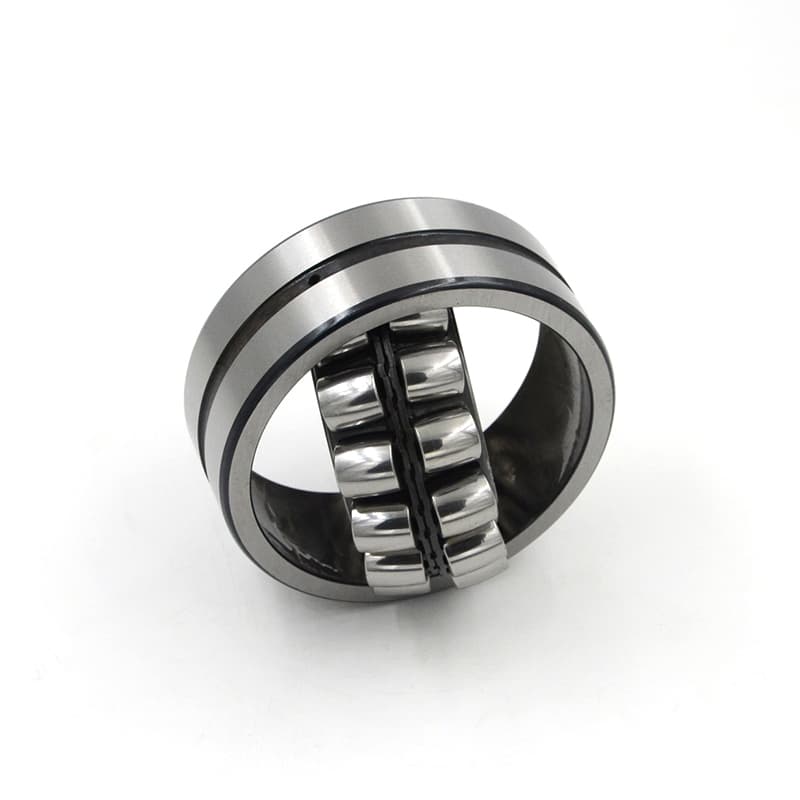
These trends sound promising, but how do they actually work in practice? And more importantly, how can they benefit your specific application? Let’s break down each trend and see what it means for you and your business.
Lightweighting Without Compromise: Material Trends in High-Performance Bearings?
Are you struggling with heavy machinery that consumes too much energy? I remember a customer from Turkey who wanted to reduce the weight of his textile machinery. He was worried that lighter bearings would mean weaker bearings. He was wrong.
New materials now allow us to reduce bearing weight by up to 30% while actually increasing load capacity. Materials like silicon nitride ceramics, high-nitrogen steels, and advanced composites are entering the market. They offer lower density, higher hardness, and better corrosion resistance than traditional bearing steel.
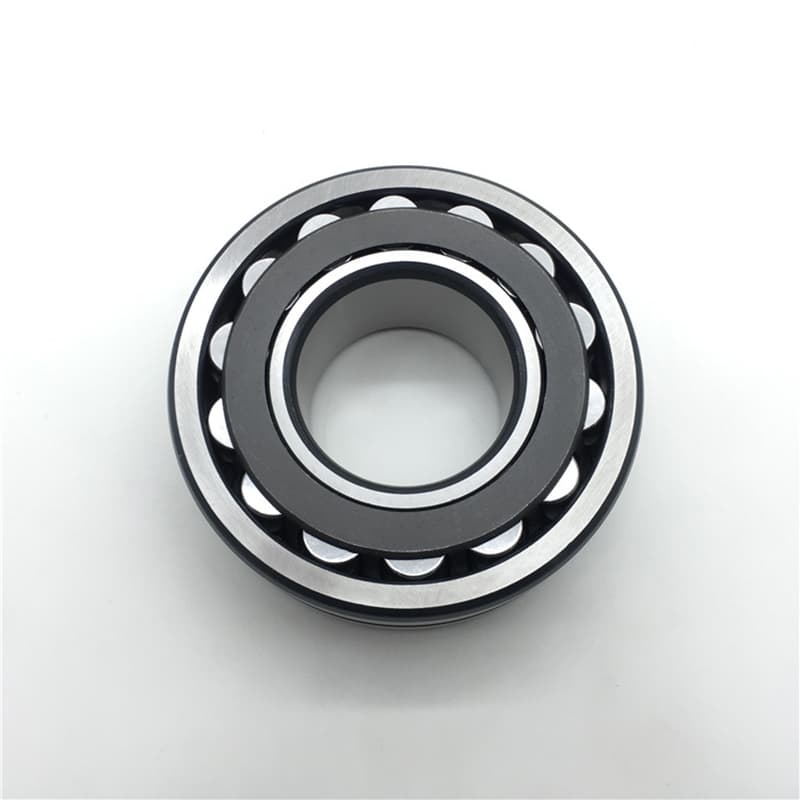
What materials are leading the lightweight revolution?
We have three main categories of advanced materials making their way into spherical roller bearings today. Each has its own strengths and best-use cases.
Ceramic Materials
Silicon nitride (Si3N4) is the most common ceramic used in hybrid bearings. It is about 40% lighter than steel. It also generates less heat because it has a lower coefficient of friction. Hybrid bearings with ceramic rollers and steel rings are becoming popular in high-speed applications like machine tool spindles and electric vehicle motors. The main drawback is cost. Ceramic elements are still expensive to produce.
High-Performance Steels
New steel alloys are also contributing to lightweighting indirectly. By increasing the strength of the steel, we can design smaller, lighter bearings that carry the same load. For example, high-nitrogen stainless steels (like Cronidur 30) offer extremely high hardness and corrosion resistance. This allows engineers to reduce the cross-section of the bearing rings without compromising fatigue life. We are also seeing the rise of vacuum-induction melted steels that are cleaner and stronger.
Polymer Composites
For certain low-speed, high-corrosion applications, polymer composite cages are replacing steel cages. Some manufacturers are even experimenting with full polymer composite bearings for niche uses. These materials are extremely light and can be molded into complex shapes. However, they cannot handle high temperatures or heavy loads like steel can.
How do these materials compare in real-world use?
To help you understand the trade-offs, I’ve put together a simple comparison based on our experience at the factory.
| Material Type | Density (g/cm³) | Relative Load Capacity | Typical Application | Key Limitation |
|---|---|---|---|---|
| Traditional Bearing Steel | 7.8 | Baseline (1x) | General industrial use | Heavy, corrosion-prone |
| Silicon Nitride Ceramic | 3.2 | 1.2x | High-speed spindles, EV motors | High cost, brittle |
| High-Nitrogen Steel | 7.7 | 1.3x | Aerospace, medical equipment | Difficult to machine |
| Polymer Composite | 1.5 | 0.2x | Light-duty, chemical environments | Low temperature limit |
From this table, you can see there is no single "best" material. The choice depends on your priority: weight reduction, load capacity, or cost. At FYTZ, we have been testing hybrid bearings for some of our clients in India who run high-speed machinery. Rajesh, a procurement manager in Mumbai, recently told me that switching to hybrid bearings in his spindle applications reduced vibration and allowed for higher operating speeds. He didn’t even need to change the housing.
The key takeaway is that lightweighting is real. We are moving away from the one-size-fits-all steel bearing. The future is about matching the material perfectly to the application.
Surface Engineering 4.0: Smart Coatings That Monitor and Protect?
Have you ever wished a bearing could tell you it was about to fail before it actually did? We’ve all been there. A bearing seizes, the shaft damages, and production stops. The repair bill is always bigger than the cost of the bearing itself.
Surface Engineering 4.0 is making that wish a reality. We are now seeing the development of "smart coatings" that do more than just reduce friction. They can monitor temperature, load, and even wear in real time. These coatings act like a nervous system for the bearing, sending signals that allow for predictive maintenance.
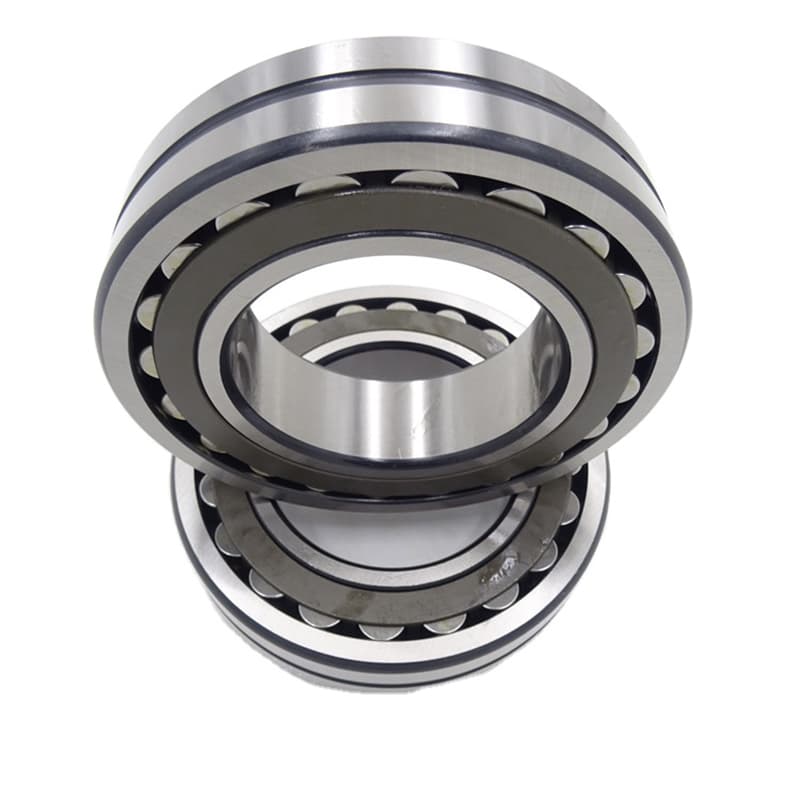
How do smart coatings actually work?
The idea is to embed tiny sensors or functional materials into the coating layer on the bearing surface. This layer is only a few microns thick, but it can contain a lot of intelligence.
Self-Lubricating Coatings
These are already becoming common. Coatings like tungsten disulfide (WS2) or diamond-like carbon (DLC) provide extremely low friction. They act as a solid lubricant. If the grease fails, this coating can save the bearing from immediate seizure. They are perfect for applications where relubrication is difficult, like in aerospace or sealed-for-life units.
Sensing Coatings
This is the cutting edge. Researchers are developing coatings that change their electrical properties under stress or when they wear down. For example, a coating might have a specific electrical resistance. As the coating wears, the resistance changes. A simple circuit through the bearing housing can detect this change and send a warning. Other coatings use embedded piezoelectric materials that generate a small voltage when the load changes. This voltage can be measured and used to monitor the bearing’s real-time load spectrum.
Protective Coatings with Extra Functions
Traditional protective coatings, like zinc or chrome plating, prevent rust. But the new generation adds extra functions. For instance, some coatings are designed to be "repellent" to certain contaminants. In a cement plant, a bearing with a hydrophobic coating might resist the water in the slurry better. Others are designed to be electrically insulating to prevent stray currents from damaging the bearing in electric motors.
What does this mean for maintenance?
To make this clearer, let’s look at how these coatings change the maintenance game.
| Coating Type | Primary Function | Secondary Smart Function | Maintenance Benefit |
|---|---|---|---|
| DLC / WS2 | Reduce friction | Wear indicator (color change) | Visual inspection can detect wear |
| Piezoelectric coating | Generate power from vibration | Self-powered load sensor | No battery needed for monitoring |
| Conductive coating | Prevent static buildup | Resistance-based wear gauge | Continuous electrical monitoring |
| Hydrophobic coating | Repel water | Corrosion progress sensor | Predict remaining coating life |
I will give you a practical example. One of our clients in Brazil runs a large sugar mill. The rollers there work in a very humid and dirty environment. Bearings often fail due to contamination. We are working with them to test bearings with a new type of coating that not only resists water ingress but also has a thin, colored top layer. As the coating wears, the color changes. The maintenance team can now simply look at the bearing and see if the color has faded, telling them it’s time for a replacement before it fails.
This is what Surface Engineering 4.0 is all about. It turns a passive component into an active part of your maintenance system. It protects and monitors at the same time.
Meeting Net-Zero Goals: The Role of Next-Gen Bearing Efficiency?
Are your customers putting pressure on you to reduce the carbon footprint of your machines? I hear this more and more from our partners in Europe and North America. They need their equipment to be more energy-efficient to meet their own sustainability targets.
Next-generation bearings play a critical role here. By reducing friction, we directly cut the energy needed to run a machine. But the contribution goes even further. Lighter bearings mean lighter machines. Longer-lasting bearings mean less raw material consumption over the machine’s life. Every efficiency gain helps move toward net-zero.
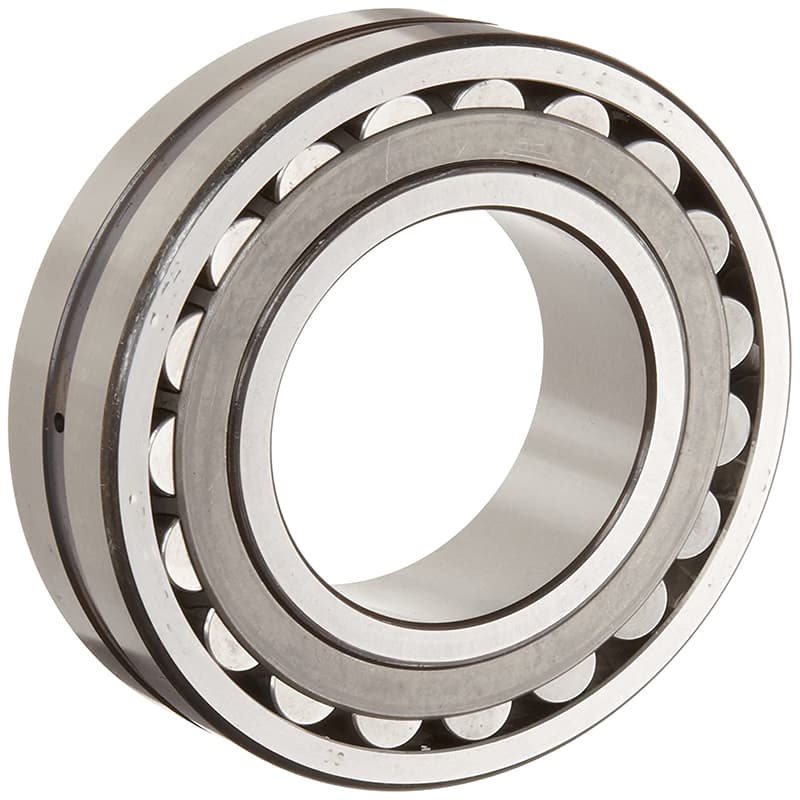
How can a bearing really impact energy consumption?
A single bearing might only account for a small percentage of a machine’s total energy loss. But when you add up all the bearings in a factory, or all the bearings in an electric vehicle fleet, the numbers become significant. Let’s break down the ways next-gen bearings contribute.
Reduced Frictional Torque
This is the most direct contribution. New internal designs, like optimized raceway profiles and cage geometries, can reduce friction by 20-30% compared to standard bearings. We are also seeing the use of low-friction greases and the coatings I mentioned earlier. Lower friction means less heat and less power drawn from the motor.
Extended Service Life
A bearing that lasts twice as long means that half as many bearings need to be manufactured. Manufacturing steel bearings is energy-intensive. It involves mining iron ore, smelting it in blast furnaces, and transporting heavy components. By extending bearing life through better materials and surface engineering, we reduce the embedded carbon in the machine.
Enabling Lighter Machine Designs
As we discussed with lightweight materials, smaller and lighter bearings allow engineers to redesign entire systems. A lighter gearbox, for example, requires less structural support. This cascades into weight savings across the whole machine. In a wind turbine, reducing the weight of the rotor bearings can lead to a lighter nacelle and a lighter tower. This saves a huge amount of material and energy.
How do these factors compare in terms of impact?
Here’s a simplified look at how different bearing technologies contribute to net-zero goals.
| Technology | Primary Benefit | Net-Zero Contribution | Quantifiable Impact |
|---|---|---|---|
| Low-friction design | Reduces energy loss | Direct CO2 reduction | 5-15% less energy use in some systems |
| Extended life bearings | Reduces material use | Lower embodied carbon | 50% longer life = 33% less bearings made |
| Lightweight materials | Enables system downsizing | Indirect savings in structure | 1 kg saved in bearing = up to 5 kg saved in support structure |
| Biodegradable lubricants | Reduces pollution | Circular economy | Easier disposal, less environmental harm |
At FYTZ, we are constantly working on these aspects. We recently supplied a batch of bearings to an electric vehicle manufacturer in Indonesia. They were specifically looking for bearings with the lowest possible friction to extend the range of their scooters. By optimizing the internal geometry and using a special low-friction grease, we were able to give them a bearing that reduced drag by 18% compared to their previous supplier. This is a small step, but multiplied by thousands of scooters, the energy savings are real.
Customization is Key: How Additive Manufacturing is Changing Design Freedom?
Have you ever had to compromise on a design because a standard bearing just wouldn’t fit? I know I have. For years, we told customers that custom bearings meant expensive molds and long lead times. That is changing fast.
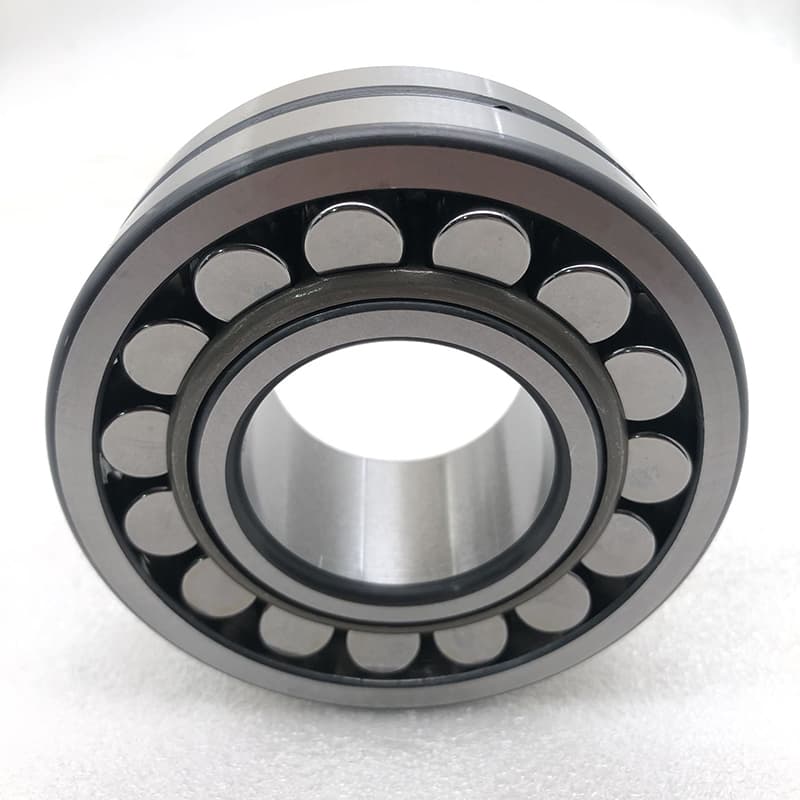
Additive manufacturing, or 3D printing, is giving us incredible design freedom. We can now create complex internal geometries that are impossible to machine. We can produce single prototypes or small batches economically. This is opening the door to true customization.
What can we actually do with additive manufacturing?
The technology is still evolving, especially for high-strength metal parts. But we are already seeing practical applications that are changing how we think about bearing design.
Complex Internal Features
With traditional manufacturing, you are limited by the cutting tool. You can only create shapes that a tool can reach. With additive manufacturing, you can build layer by layer. This means we can create optimized lubrication channels inside the bearing rings. We can design cages with complex, lattice structures that are both strong and lightweight. We can even integrate sensors into the bearing structure during the printing process.
Rapid Prototyping and Small Batches
In the past, if a client wanted a custom bearing, we had to invest in expensive forging dies and machining fixtures. This only made sense for large production runs. Now, for a prototype or a small batch of 10 or 20 pieces, we can 3D print them directly from a CAD file. This drastically cuts lead time and cost. It allows engineers to test new designs quickly and iterate without huge financial risk.
Material and Geometry Flexibility
Additive manufacturing allows us to use materials that are difficult to machine, like some of the high-performance steels we discussed earlier. We can also combine materials in ways that were not possible before. For example, we could print a bearing ring with a hard, wear-resistant interior surface and a tough, ductile exterior. This is called functionally graded material.
How does additive manufacturing compare to traditional methods?
Let’s look at the pros and cons side-by-side.
| Feature | Traditional Manufacturing | Additive Manufacturing |
|---|---|---|
| Design Complexity | Limited by tool access | Virtually unlimited |
| Lead Time for Custom Parts | Long (weeks to months) | Short (days to weeks) |
| Cost for Small Batches | Very high (tooling amortization) | Economical |
| Material Options | Wide range, but limited by machinability | Expanding rapidly, but some alloys still experimental |
| Surface Finish | Excellent (as-machined) | Rough, usually requires post-processing |
| Production Volume | Best for medium to high volumes | Best for low volumes and prototypes |
I have a personal story here. A few months ago, a distributor from South Africa contacted us. He had a client with a very old piece of mining equipment. The original bearing was no longer available. We couldn’t find a standard bearing that matched the odd dimensions. In the past, we would have had to say no. But with our new additive manufacturing capabilities, we were able to scan the old bearing, model a new one, and 3D print a small batch of replacements. It saved the client from having to scrap a whole machine. That is the power of design freedom.
Of course, 3D printing won’t replace mass production for standard bearings anytime soon. It is too slow. But for solving unique problems and pushing the boundaries of design, it is a game-changer.
Conclusion
The future of spherical roller bearings is not just about incremental improvements. It is about a fundamental shift in how we think about materials, surfaces, efficiency, and customization. These four trends are converging to create bearings that are smarter, greener, and more adaptable than ever before.