
You’ve found a supplier for pillow block bearings. The quality looks good. The price is competitive. But then you see the MOQ: 500 pieces per size. Your first order is only 200. The lead time is 60 days. The packaging seems basic. How do you ensure these terms work for your business?
For pillow block bearing importers, understanding and negotiating MOQ, lead time, and packaging requirements is essential for successful procurement. MOQ (Minimum Order Quantity) typically ranges from 100-500 pieces per size for standard bearings, but can be negotiated for trial orders. Lead time varies from 30-60 days for production, plus 20-40 days for shipping. Packaging requirements must protect bearings from corrosion and damage during ocean freight, including rust-preventive oil, VCI paper, individual boxes, and proper palletizing.
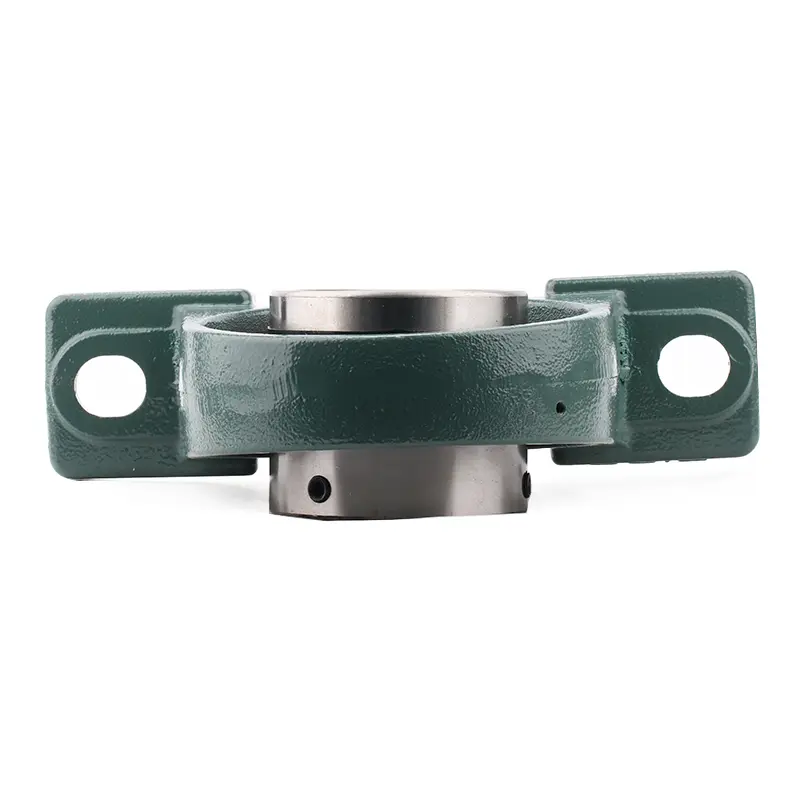
In my years of exporting pillow block bearings to distributors worldwide, I’ve learned that clear communication on these three factors prevents most shipping disputes. For a client like Rajesh in India, getting the terms right means smooth operations and satisfied customers. Let’s explore bearing requirements, HS codes, common problems, and even how to start a bearing company—all knowledge that helps importers succeed.
What are bearing requirements?
You’re importing pillow block bearings. What exactly do you need to specify? Bearing requirements go beyond just a size number. A complete specification ensures you get exactly what you need.
Bearing requirements include: dimensional specifications1 (shaft size, housing dimensions, bolt hole spacing), load ratings2 (dynamic C, static C0), material3 (cast iron or stainless steel housing, bearing steel grade), seal type4 (2RS, 2Z, or open), internal clearance5 (C3, CN), locking mechanism6 (set screw or eccentric collar), precision class7 (P0, P6, P5), lubrication (grease type and quantity), certifications8 (ISO, test reports), and packaging requirements (rust protection, individual boxes, palletizing).

Let’s break down each requirement.
Complete Bearing Requirements Checklist
| 1. Dimensional Specifications: | Requirement | What to Specify | Example |
|---|---|---|---|
| Shaft diameter | The bore size needed | 40 mm | |
| Housing series | UCP, UCF, UCFL, etc. | UCP 208 | |
| Bolt hole spacing | Center distance of mounting holes | 159 mm | |
| Height to center | From base to shaft centerline | 49.2 mm | |
| Overall dimensions | Length, width, height | As per standard |
| 2. Load Ratings: | Rating | Definition | Why It Matters |
|---|---|---|---|
| Dynamic load rating (C) | Load for 1 million revolutions life | Determines bearing life under operating loads | |
| Static load rating (C0) | Maximum static load without deformation | Critical for shock loads or stationary applications |
| 3. Material Specifications: | Component | Material Options | Application |
|---|---|---|---|
| Housing | Cast iron (standard), stamped steel (light duty), stainless steel (corrosive) | Match to environment | |
| Bearing insert | Chrome steel (GCr15/52100), stainless steel | Standard vs. corrosive | |
| Cage | Pressed steel, machined brass, polyamide | Cost vs. performance |
| 4. Seal Type: | Code | Description | Application |
|---|---|---|---|
| Open | No seals | Clean environments, external sealing | |
| 2Z | Metal shields both sides | Moderate protection, low friction | |
| 2RS | Rubber seals both sides | Dirty or wet environments | |
| 2RSH | Heavy-duty rubber seals | Extreme contamination |
| 5. Internal Clearance: | Code | Clearance | Application |
|---|---|---|---|
| CN | Normal | General applications | |
| C3 | Larger than normal | High temperature, thermal expansion |
| 6. Locking Mechanism: | Type | Description | Application |
|---|---|---|---|
| Set screw | Two screws lock bearing to shaft | Most common, economical | |
| Eccentric collar | Collar provides locking | Higher torque, vibration resistance |
| 7. Precision Class: | Class | Tolerance Level | Application |
|---|---|---|---|
| P0 | Standard | General industrial | |
| P6 | Higher | Electric motors, precision applications |
| 8. Lubrication: | Aspect | Specification |
|---|---|---|
| Grease type | Lithium-based, high-temperature, food-grade | |
| Grease quantity | Standard fill (30-40% of free space) | |
| Relubrication | With or without grease fitting |
| 9. Certifications and Documentation: | Document | What It Proves |
|---|---|---|
| ISO 9001 | Quality management system | |
| Test reports | Actual measured dimensions and clearance | |
| Material certificates | Steel grade and heat treatment | |
| Conformance certificate | Bearing meets specified standards |
| 10. Packaging Requirements: | Requirement | Purpose |
|---|---|---|
| Rust-preventive oil | Protects against corrosion | |
| VCI paper | Vapor corrosion inhibitor for long-term storage | |
| Individual boxes | Protection during handling | |
| Palletizing | Safe transport in containers |
My Insight on Bearing Requirements:
The most common mistake importers make is specifying too little. "I need UCP 208 bearings" is not enough. Do you need C3 clearance? 2RS seals? What grease? The more complete your specification, the less room for misunderstanding. For a distributor like Rajesh, providing a detailed specification sheet with every order ensures he gets exactly what his customers need. It also makes comparing quotes easier because all suppliers are bidding on the same specification.
What is the HS code for pillow block bearings1?
You’re preparing an import shipment. Customs asks for the HS code. Get it wrong, and your goods may be delayed or hit with unexpected duties. What is the correct code?
The Harmonized System (HS) code for pillow block bearings1 is typically 8483.30.902 (for other housed bearing units, incorporating ball or roller bearings) or a more specific sub-code depending on the exact type. The core 6-digit code is 8483.30, which covers "Bearing housings, incorporating ball or roller bearings." Different countries add additional digits for further detail. For example, in the US, it’s 8483.30.80; in India, it may be 8483.30.00. Always verify with your customs broker3.
Getting the HS code right is essential for smooth customs clearance.
Understanding HS Codes for Pillow Block Bearings
| 1. The Structure of HS Code 8483.30: | Level | Code | Description |
|---|---|---|---|
| Chapter | 84 | Machinery and mechanical appliances | |
| Heading | 8483 | Transmission shafts, bearings, gears | |
| Sub-heading | 8483.30 | Bearing housings, incorporating ball or roller bearings | |
| 6-digit code | 8483.30 | International standard |
| 2. Country-Specific Extensions: | Country | Extended HS Code | Notes |
|---|---|---|---|
| United States | 8483.30.80 | HTSUS code for pillow blocks | |
| India | 8483.30.00 | Often uses 8-digit 84833000 | |
| China | 8483.30.00 | Export declarations use this | |
| European Union | 8483 30 00 | Combined Nomenclature | |
| Brazil | 8483.30.10 or 8483.30.902 | NCM code, may vary by type |
| 3. Related HS Codes for Bearings: | Product | HS Code |
|---|---|---|
| Ball bearings | 8482.10 | |
| Tapered roller bearings | 8482.20 | |
| Spherical roller bearings | 8482.30 | |
| Cylindrical roller bearings | 8482.40 | |
| Needle roller bearings | 8482.50 | |
| Bearing housings (without bearings) | 8483.20 | |
| Pillow blocks (with bearings) | 8483.30 |
| 4. Why HS Codes Matter for Importers: | Aspect | Importance |
|---|---|---|
| Duty calculation | Determines the import duty rate4 | |
| Customs clearance | Correct code speeds clearance | |
| Trade agreements | May qualify for preferential rates | |
| Documentation | Must match on all shipping documents |
| 5. How to Ensure Correct HS Code: | Step | Action |
|---|---|---|
| 1. Ask your supplier | Reputable suppliers provide HS codes on invoices | |
| 2. Consult your customs broker3 | They know local requirements | |
| 3. Check tariff databases5 | Many countries have online search tools | |
| 4. Keep records | Note codes used for future shipments |
| 6. Common Mistakes: | Mistake | Consequence |
|---|---|---|
| Using 8482.10 for pillow blocks | Wrong code (that’s for bare bearings) | |
| Assuming all countries use same extension | Different duties may apply | |
| Not verifying with customs | Shipment delays, penalties |
My Insight on HS Codes:
In our export documentation, we always include HS Code 8483.30 on commercial invoices and packing lists for pillow block bearings1. But we always remind our clients: the final responsibility for correct classification rests with the importer. A buyer like Rajesh in India should verify with his customs agent that 8483.30.00 is correct for Indian import. By working together—supplier provides the standard code, buyer verifies locally—we ensure smooth customs clearance. A small line on a document can prevent big headaches at the port.
What are the common problems with pillow blocks?
You import pillow block bearings. You sell them to customers. Sometimes problems arise. Understanding common issues helps you prevent them and handle complaints professionally.
Common problems with pillow blocks include: rust or corrosion1 (from inadequate packaging or humid storage), noisy operation2 (due to contamination, misalignment, or bearing damage), overheating3 (from over-lubrication, incorrect clearance, or misalignment), shaft slippage4 (from loose set screws or incorrect shaft tolerance), seal failure5 (from damage during installation or poor seal quality), housing cracks6 (from casting defects or over-tightening bolts), and premature wear7 (from contamination or overloading).
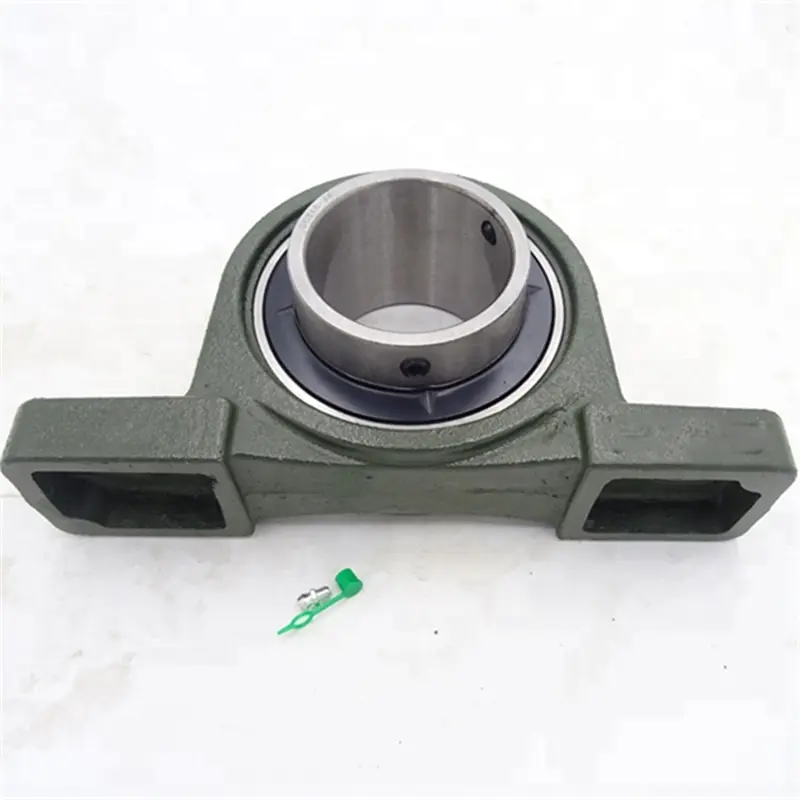
Knowing these problems helps you address them before they become customer complaints.
Detailed Analysis of Common Problems
| 1. Rust and Corrosion: | Cause | Prevention | Solution if Found |
|---|---|---|---|
| Inadequate rust prevention | Specify rust-preventive oil and VCI paper | Light rust may be cleaned; heavy rust requires replacement | |
| Humid storage conditions | Store in dry warehouse | Improve storage conditions | |
| Long ocean transit | Ensure proper packaging for sea freight | Inspect immediately upon arrival |
| 2. Noisy Operation: | Cause | Symptom | Solution |
|---|---|---|---|
| Contamination | Grinding noise | Clean, replace seals | |
| Bearing damage | Clicking or rumbling | Replace bearing | |
| Misalignment | Uneven noise | Realign housing | |
| Insufficient lubrication | Squealing | Add grease |
| 3. Overheating: | Cause | Symptom | Solution |
|---|---|---|---|
| Over-lubrication | Grease purging from seals, high temp | Reduce grease quantity | |
| Under-lubrication | Dry running, high temp | Add grease | |
| Incorrect clearance | Heat at operating temperature | Use C3 clearance for hot applications | |
| Misalignment | Localized heat | Realign |
| 4. Shaft Slippage (Creep): | Cause | Symptom | Solution |
|---|---|---|---|
| Loose set screws | Bearing rotates on shaft | Tighten set screws properly | |
| Incorrect shaft tolerance | Shaft undersized | Replace shaft or use shims | |
| Vibration loosening | Gradual loosening | Use thread-locking compound |
| 5. Seal Failure: | Cause | Symptom | Solution |
|---|---|---|---|
| Installation damage | Torn seal lip | Replace seal, use installation tool | |
| Abrasive contaminants | Worn seal | Improve sealing, replace | |
| High temperature | Hardened, cracked seal | Use high-temperature seals |
| 6. Housing Cracks: | Cause | Symptom | Solution |
|---|---|---|---|
| Casting defect | Crack visible on inspection | Reject before use | |
| Over-tightened bolts | Crack near bolt holes | Use proper torque | |
| Impact damage | Crack from external force | Replace housing |
| 7. Premature Wear: | Cause | Symptom | Solution |
|---|---|---|---|
| Contamination | Abrasive wear pattern | Improve seals | |
| Overloading | Fatigue spalling | Use higher capacity bearing | |
| Poor lubrication | Smearing, scoring | Correct lubrication |
| 8. Import-Specific Problems: | Problem | Cause | Prevention |
|---|---|---|---|
| Damage in transit | Poor packaging | Specify robust packaging | |
| Wrong parts shipped | Miscommunication | Confirm specifications in writing | |
| Delayed delivery | Shipping issues | Build buffer into inventory |
My Insight on Common Problems:
For a distributor like Rajesh, the most expensive problems are the ones that happen after he sells the product. A customer blames him for a noisy bearing, but the real cause was misalignment during installation. By understanding these common problems, Rajesh can ask the right questions when a customer reports an issue. "Did you check alignment? How much grease did you use?" Often, the answer reveals the true cause. This proactive approach turns a potential complaint into a coaching moment, strengthening the customer relationship.
How to start a bearing manufacturing company?
You’re an importer now, but maybe you dream of manufacturing. Starting a bearing company is a significant undertaking. What does it take?
To start a bearing manufacturing company, you need: substantial capital1 (for machinery, facility, raw materials), technical expertise2 (engineering, metallurgy, quality control), precision machinery3 (CNC grinders, heat treatment equipment, assembly lines), quality control systems4 (ISO 9001, inspection equipment), skilled workforce5 (operators, engineers, technicians), raw material sourcing6 (quality steel suppliers), product development (design, testing), certifications7 (ISO, specific industry approvals), sales and distribution network8, and patience (it takes years to build reputation). It’s a challenging but potentially rewarding venture.
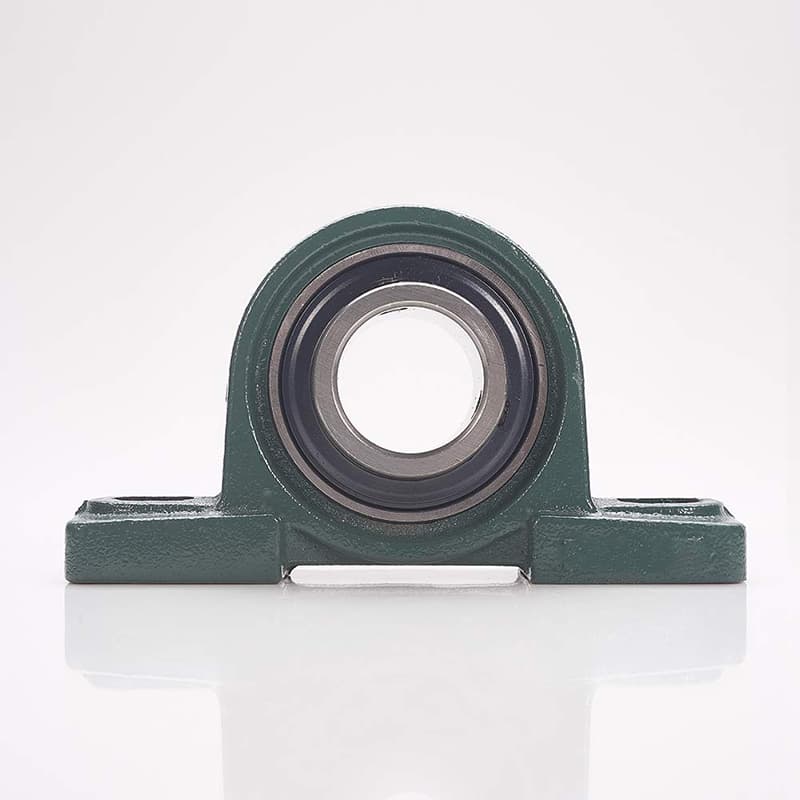
Here’s what’s involved.
The Bearing Manufacturing Journey
| 1. Market Research and Planning: | Step | Action |
|---|---|---|
| Identify market gap | What bearings are in demand? What’s not available locally? | |
| Define product range | Start with one type (e.g., deep groove ball bearings) | |
| Business plan | Capital requirements, timeline, ROI projections | |
| Location selection | Access to raw materials, skilled labor, transportation |
| 2. Capital Investment (Major Costs): | Cost Category | Estimated Range | Notes |
|---|---|---|---|
| Land and building | $500,000 – $2,000,000 | Depends on location and size | |
| Machinery | $1,000,000 – $5,000,000 | CNC grinders, heat treatment, assembly | |
| Raw materials | $200,000 – $500,000 | Initial inventory | |
| Quality control equipment | $100,000 – $300,000 | Measurement tools, testers | |
| Working capital | $500,000 – $1,000,000 | For operations until profitable | |
| Total | $2.3M – $8.8M+ | Significant investment required |
| 3. Technical Requirements: | Requirement | Details |
|---|---|---|
| Engineering expertise | Bearing design, metallurgy, tribology | |
| Machinery | CNC turning, grinding, heat treatment, assembly | |
| Quality control | Dimensional measurement, hardness testing, noise testing | |
| Raw materials | High-quality bearing steel (GCr15, 52100) |
| 4. Key Machinery Needed: | Machine Type | Purpose |
|---|---|---|
| CNC turning centers | Produce bearing rings | |
| Heat treatment furnaces | Hardening and tempering | |
| CNC grinders | Precision grinding of raceways | |
| Honing machines | Final surface finishing | |
| Assembly line | Cage insertion, greasing, sealing | |
| Inspection equipment | Dimensional, hardness, noise testing |
| 5. Quality Certifications: | Certification | Importance |
|---|---|---|
| ISO 9001 | Basic quality management system | |
| ISO/TS 16949 | For automotive suppliers | |
| ISO 14001 | Environmental management | |
| Specific industry approvals | Railway, aerospace, etc. |
| 6. Challenges to Expect: | Challenge | Mitigation |
|---|---|---|
| High initial investment | Start small, grow gradually | |
| Technical complexity | Hire experienced engineers | |
| Quality consistency | Implement robust QC systems | |
| Market competition | Differentiate through quality, service, niche | |
| Long sales cycles | Build relationships, offer samples |
| 7. Alternative: Start as Importer First Many successful bearing manufacturers started as importers or distributors. This allows you to: |
Benefit | Description |
|---|---|---|
| Learn the market | Understand customer needs | |
| Build relationships | Establish customer base | |
| Generate capital | Fund future manufacturing | |
| Gain technical knowledge | Learn from existing suppliers |
My Insight on Starting a Bearing Company:
I’ve seen many attempts to start bearing manufacturing companies. The ones that succeed have deep technical expertise2, patient capital, and a clear focus. They don’t try to compete with global giants on every product. They find a niche—maybe specializing in certain sizes, offering faster delivery, or serving local industries better. For an importer like Rajesh, the path might be: start as distributor, build market knowledge, then consider backward integration into manufacturing for the most popular sizes. It’s a long-term vision, but with the right approach, it’s achievable.
Conclusion
Successful importing of pillow block bearings requires understanding and negotiating MOQ, lead time, and packaging requirements. Complete specifications prevent misunderstandings. Correct HS codes ensure smooth customs clearance. Awareness of common problems helps you support your customers. And if you dream of manufacturing, know that it’s a significant but achievable journey. With careful planning and reliable suppliers, you can build a thriving bearing import business.
-
Understanding the financial landscape is crucial for planning your investment and ensuring sustainability. ↩ ↩ ↩ ↩ ↩ ↩
-
Gaining insights into necessary skills can help you build a competent team and ensure product quality. ↩ ↩ ↩ ↩ ↩ ↩
-
Knowing the right machinery will guide your investment decisions and enhance production efficiency. ↩ ↩ ↩ ↩ ↩
-
Quality control is vital for reputation; exploring best practices can help you maintain high standards. ↩ ↩ ↩ ↩
-
A skilled team is key to success; learn strategies for attracting and retaining top talent. ↩ ↩ ↩ ↩
-
Effective sourcing can reduce costs and improve product quality; explore strategies to optimize this process. ↩ ↩ ↩
-
Certifications can enhance credibility; understanding requirements will help you meet industry standards. ↩ ↩ ↩
-
A strong network is essential for market reach; learn how to effectively establish and grow your distribution channels. ↩ ↩