
Your machine depends on bearings. When they fail, production stops. You’ve tried different brands, but reliability varies. What separates a bearing that lasts from one that fails prematurely? The answer lies in design, materials, and manufacturing.
Our tapered roller bearings are more reliable because of premium materials (case-hardened steel for tough surface and ductile core), precision manufacturing (consistent geometry for even load distribution), optimized internal design (crowned rollers to prevent edge loading), rigorous inspection (100% testing on key parameters), and application-specific engineering (customized solutions for your needs). These factors combine to deliver longer life and predictable performance.
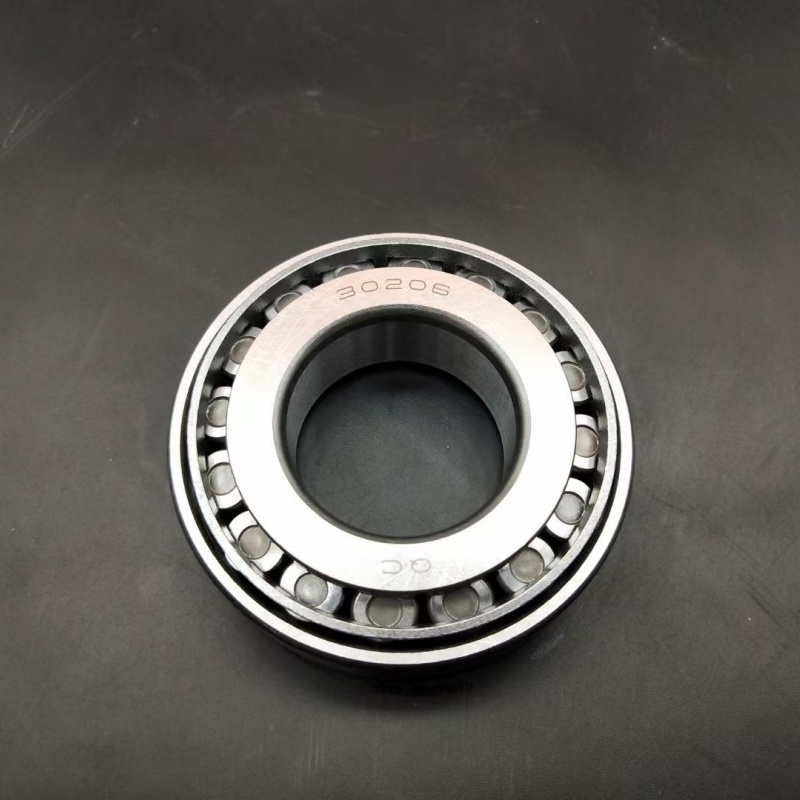
In my years of manufacturing bearings for industries worldwide, I’ve learned that reliability is not an accident. It’s engineered. For a distributor like Rajesh in India, offering reliable bearings means his customers experience fewer failures and less downtime. Let’s explore the advantages of tapered roller bearings, common causes of failure, their disadvantages, and how to make bearings more efficient.
What is the advantage of tapered roller bearings?
You need a bearing for a demanding application. Why choose tapered over other types? The advantages are what make them the go-to choice for combined loads and adjustable precision.
The main advantages of tapered roller bearings are: combined load capacity1 (handling both radial and axial forces simultaneously), adjustability2 (internal clearance can be set during installation), high rigidity3 (line contact provides stiffness), separability4 (easing mounting and inspection), long service life5 under heavy loads, and shock load resistance6 (robust design withstands impacts). These advantages make them ideal for applications where reliability is critical.
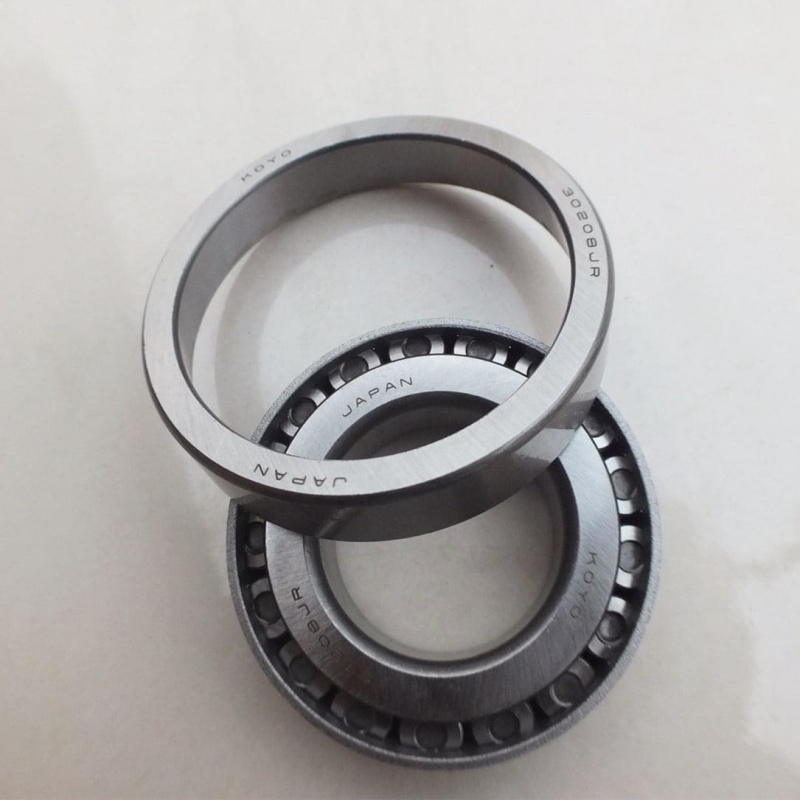
Each advantage contributes to reliability.
How Each Advantage Enhances Reliability
| 1. Combined Load Capacity: | Aspect | Contribution to Reliability |
|---|---|---|
| One bearing does the work of two | Fewer components, fewer potential failure points. | |
| Optimized for real-world loads | Many applications have both radial and axial forces. Tapered bearings are designed for this reality. | |
| Line contact distributes stress | Lower contact stress than point contact, reducing fatigue. |
| 2. Adjustability: | Aspect | Contribution to Reliability |
|---|---|---|
| Optimal clearance setting | Can be adjusted for specific operating conditions (temperature, load). | |
| Preload capability | Eliminates play, increasing rigidity and precision. | |
| Compensation for wear | In some applications, adjustment can take up wear, extending life. | |
| Field tuning | Experienced mechanics can optimize bearing for the application. |
| 3. High Rigidity: | Aspect | Contribution to Reliability |
|---|---|---|
| Minimal deflection under load | Maintains alignment of gears, shafts, and other components. | |
| Reduced vibration | Stiffer support dampens vibrations that can cause fatigue. | |
| Consistent performance | Predictable behavior under varying loads. |
| 4. Separability: | Aspect | Contribution to Reliability |
|---|---|---|
| Easier inspection | Components can be examined separately for wear. | |
| Simplified mounting | Less risk of installation damage. | |
| Interchangeability (within sets) | Worn parts can be replaced without discarding entire bearing. |
| 5. Long Service Life: | Aspect | Contribution to Reliability |
|---|---|---|
| Case-hardened steel | Hard surface resists wear; tough core absorbs shock. | |
| Optimized roller profile | Crowned rollers prevent edge loading, extending fatigue life. | |
| Precision manufacturing | Consistent geometry ensures all rollers share load equally. |
| 6. Shock Load Resistance: | Aspect | Contribution to Reliability |
|---|---|---|
| Robust rollers | Can withstand impacts that would dent ball bearings. | |
| Ductile core | Absorbs energy without cracking. | |
| Cage strength | Machined brass cages available for extreme shock. |
My Insight on Advantages:
When a customer asks why our bearings cost more than cheap alternatives, I explain the advantages. Cheap bearings might use lower-grade steel, skip heat treatment steps, or have inconsistent geometry. They might work for a while, but they won’t deliver the reliability of a properly engineered tapered bearing. For a distributor like Rajesh, selling on advantages rather than price builds a reputation for quality. His customers learn that paying a little more upfront saves a lot more in downtime later.
What causes tapered roller bearing failure?
Even the best bearing can fail if something goes wrong. Understanding the causes of failure helps you prevent them. Most failures are not due to the bearing itself, but to external factors.
Common causes of tapered roller bearing failure include: contamination1 (dirt or water entering the bearing), improper lubrication2 (wrong type, too little, too much), incorrect mounting3 (damage during installation), misalignment4 (exceeding the bearing’s tolerance), overloading5 (exceeding load capacity), fatigue6 (normal end of life), fretting7 (movement between ring and shaft/housing), and electrical damage8 (current passing through bearing).
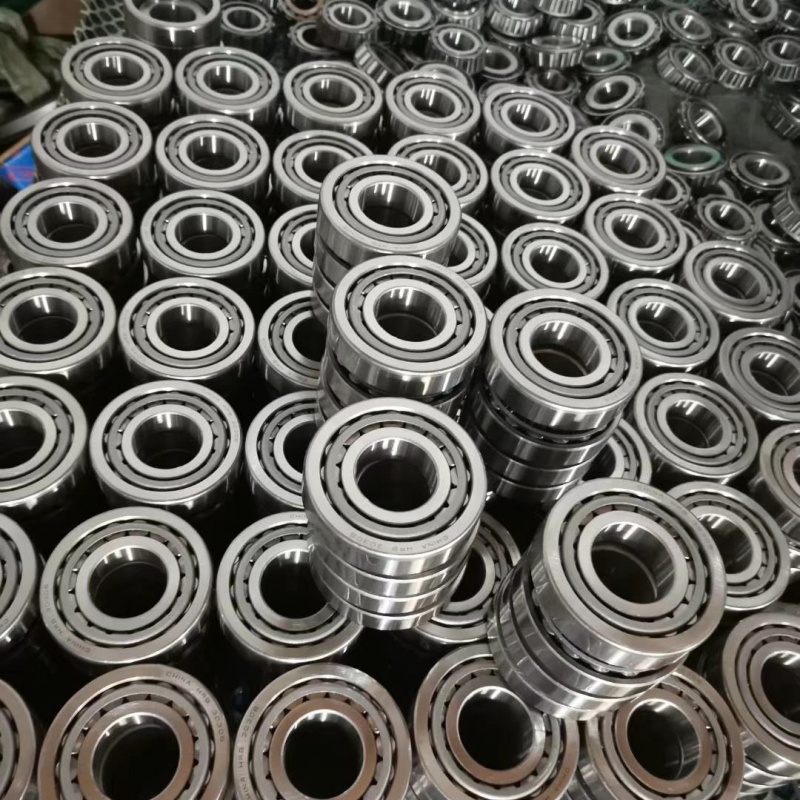
Preventing failure starts with understanding its causes.
Detailed Analysis of Failure Modes
| 1. Contamination: | Cause | Effect | Prevention |
|---|---|---|---|
| Dirt ingress | Abrasive wear, denting of raceways. | Effective seals, clean installation environment. | |
| Water ingress | Rust, lubricant breakdown. | Seals, proper storage, rust-preventive oils. | |
| Metal particles | From wear elsewhere, acts as grinding paste. | Filter oil systems, flush contaminated lubricant. |
| 2. Lubrication Problems: | Problem | Effect | Prevention |
|---|---|---|---|
| Insufficient lubricant | Metal-to-metal contact, overheating, rapid wear. | Follow relubrication schedule, use automatic systems. | |
| Excess lubricant | Churning, overheating, seal damage. | Fill bearing 30-50% only. | |
| Wrong lubricant type | Inadequate film strength, chemical attack. | Select based on load, speed, temperature. | |
| Lubricant breakdown | Loss of protective film. | Monitor condition, change at intervals. |
| 3. Mounting Errors: | Error | Effect | Prevention |
|---|---|---|---|
| Hammering | Brinelling (dents) from impact. | Use proper tools (heaters, presses). | |
| Misalignment during mounting | Cocked bearing, uneven load. | Ensure alignment, use alignment tools. | |
| Incorrect fit | Creep (if too loose), preload (if too tight). | Follow tolerance recommendations. | |
| Improper adjustment | Too loose = vibration, too tight = overheating. | Measure and set to specification. |
| 4. Misalignment in Operation: | Cause | Effect | Prevention |
|---|---|---|---|
| Shaft deflection | Edge loading, uneven wear. | Increase shaft stiffness, use self-aligning bearings. | |
| Housing misalignment4 | Same as above. | Precision machining, alignment checks. | |
| Thermal distortion | Changes alignment as machine heats. | Allow for thermal expansion in design. |
| 5. Overloading: | Type | Effect | Prevention |
|---|---|---|---|
| Continuous overload | Premature fatigue6 (spalling). | Select bearing with higher load rating. | |
| Shock loads | Brinelling, cage damage. | Use brass cages, larger clearance. | |
| Vibration | False brinelling (wear marks). | Preload, dampen vibrations. |
| 6. Fatigue (Normal End of Life): | Appearance | Cause | Action |
|---|---|---|---|
| Spalling (flaking) | Material fatigue6 after many cycles. | Replace bearing. Normal life achieved. |
| 7. Fretting: | Appearance | Cause | Prevention |
|---|---|---|---|
| Polished or rusty marks on shaft | Micro-movement between ring and shaft. | Ensure correct interference fit. |
| 8. Electrical Damage: | Appearance | Cause | Prevention |
|---|---|---|---|
| Fluting (washboard pattern) | Current passing through bearing, arcing. | Insulate bearings, use conductive grease, ground shafts. |
My Insight on Failure:
When a customer sends us a failed bearing for analysis, we can often identify the cause by looking at the damage pattern. Contamination leaves a dull, abrasive wear pattern. Misalignment leaves uneven wear on one side. Fatigue shows as spalling. Understanding these patterns helps us advise the customer on prevention. For a distributor like Rajesh, being able to diagnose failure causes adds value. He can tell a customer, "Your bearing failed because of dirt ingress. Let’s check your seals." That’s expertise that builds trust.
What are the disadvantages of tapered roller bearings?
No bearing is perfect. Tapered roller bearings have limitations that must be considered when selecting them for an application. Knowing these disadvantages helps you avoid using them where they don’t belong.
The main disadvantages of tapered roller bearings are: limited speed capability1 (due to sliding friction at the roller/flange interface), sensitivity to misalignment2 (they cannot accommodate shaft deflection), complexity of mounting3 (requiring precise adjustment), higher friction4 than ball bearings, need for paired mounting5 to handle bidirectional axial loads, higher cost6 than some alternatives, and potential for roller skewing7 under certain conditions.

Understanding these limitations ensures you use them where they excel.
Detailed Look at Tapered Roller Bearing Limitations
| 1. Speed Capability: | Limitation | Explanation | Mitigation |
|---|---|---|---|
| Sliding friction | Roller ends contact the guide flange, generating heat. | Use oil lubrication, precision grades, special designs. | |
| Centrifugal forces | Larger mass than balls limits speed. | Select appropriate size, avoid oversizing. | |
| Heat generation | Can exceed lubricant limits at high speeds. | Ensure adequate cooling, use synthetic lubricants. |
| 2. Misalignment Sensitivity: | Limitation | Explanation | Mitigation |
|---|---|---|---|
| Edge loading | Even small misalignment causes roller to contact raceway at edge, not along full length. | Ensure precise alignment. Use spherical roller bearings if misalignment unavoidable. | |
| No self-alignment | Unlike spherical roller bearings, tapered cannot compensate. | Design for rigidity, use alignment tools during installation. |
| 3. Mounting Complexity: | Limitation | Explanation | Mitigation |
|---|---|---|---|
| Requires adjustment | Clearance must be set during installation. | Provide clear instructions, use preset units where possible. | |
| Skill needed | Incorrect adjustment leads to failure. | Train mechanics, use dial indicators. | |
| Time-consuming | More steps than drop-in bearings. | Factor into maintenance planning. |
| 4. Higher Friction: | Limitation | Explanation | Mitigation |
|---|---|---|---|
| Rolling + sliding | More friction than pure rolling bearings. | Accept for applications where load capacity justifies friction. | |
| Energy consumption | Higher than ball bearings. | Use only where needed. Consider cylindrical for pure radial. |
| 5. Bidirectional Axial Load Requirement: | Limitation | Explanation | Mitigation |
|---|---|---|---|
| One direction only | Single bearing handles axial load in one direction. | Use paired bearings (face-to-face or back-to-back) for bidirectional thrust. | |
| Space needed | Paired mounting requires more axial space. | Design for it. |
| 6. Cost: | Limitation | Explanation | Mitigation |
|---|---|---|---|
| Higher than ball bearings | More complex to manufacture. | Use only where justified by load requirements. | |
| Precision grades cost more | Tighter tolerances add cost. | Specify only what’s needed. |
Disadvantage Summary Table:
| Disadvantage | When It Matters Most | Alternative to Consider |
|---|---|---|
| Limited speed | High-speed spindles | Angular contact ball bearings |
| Misalignment sensitivity | Long shafts, flexible structures | Spherical roller bearings |
| Mounting complexity | Field repairs, unskilled labor | Pre-adjusted units |
| Higher friction | Energy-efficient designs | Ball bearings |
| Bidirectional load requirement | Simple shaft support | Paired tapered (planned for) |
| Cost | Cost-sensitive applications | Ball bearings (if adequate) |
My Insight on Disadvantages:
A client once tried to use tapered roller bearings in a high-speed fan application. The bearings overheated and failed quickly. They hadn’t considered the speed limitation. We helped them switch to angular contact ball bearings, and the problem was solved. The lesson: respect the disadvantages. Tapered roller bearings are superb in their intended applications, but they are not a universal solution. For a distributor like Rajesh, understanding these limitations helps him guide customers to the right product. When a customer describes an application with high speed or misalignment, he can say, "Tapered might not be your best choice. Let me show you a better option."
How to make bearings more efficient?
Efficiency matters. Lower friction means less energy consumption, less heat, and longer life. How can you make your tapered roller bearings1 more efficient?
To make bearings more efficient: 1) Select the right bearing type for the application. 2) Choose optimal internal clearance2 (C3 for thermal conditions). 3) Use high-quality lubricants3 with correct viscosity. 4) Apply the correct lubricant quantity4 (avoid over-greasing). 5) Ensure proper mounting with correct fits and alignment. 6) Minimize friction with precision grades5 (P5, P6). 7) Use low-friction seals6 where contamination permits. 8) Maintain properly with condition monitoring7 and timely relubrication.
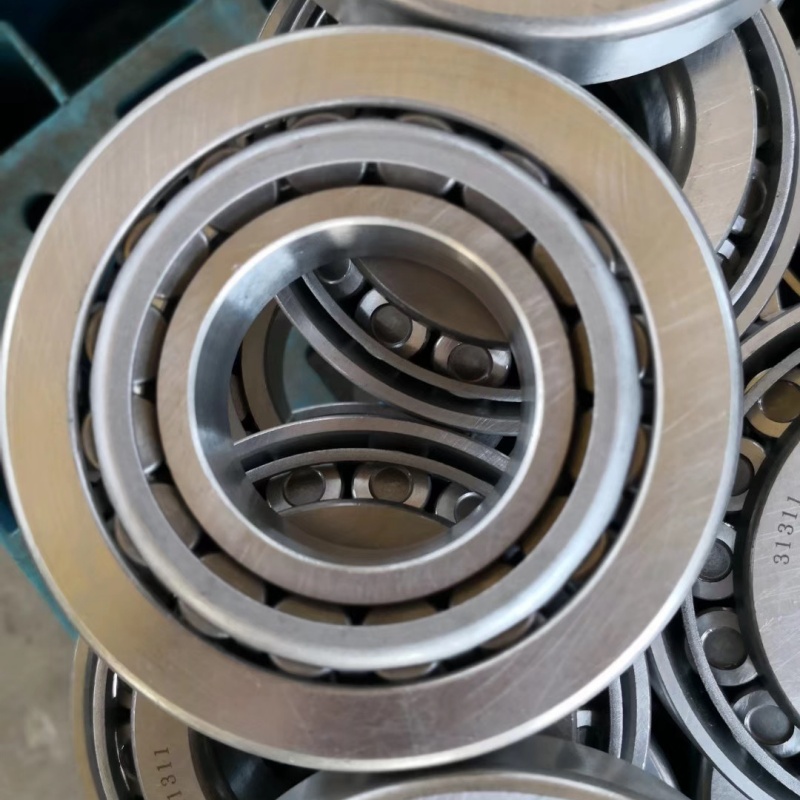
Efficiency is a combination of design, selection, and maintenance.
A Practical Guide to Bearing Efficiency Improvement
| 1. Selection Efficiency: | Factor | Efficiency Impact |
|---|---|---|
| Correct bearing type | Using tapered where combined loads exist avoids multiple bearings. | |
| Optimal size | Right-sizing minimizes friction and weight. | |
| Precision class (P5, P6) | Tighter tolerances reduce runout and friction. | |
| Internal clearance (C3) | Prevents preload from thermal expansion, reducing friction. |
| 2. Lubrication Efficiency: | Aspect | Best Practice | Efficiency Gain |
|---|---|---|---|
| Viscosity selection | Choose oil/grease that creates full film at operating temperature. | Minimizes metal-to-metal contact. | |
| Grease fill quantity | Fill bearing cavity 30-50% only. | Reduces churning losses. | |
| Relubrication interval | Follow manufacturer schedule. | Maintains optimal film. | |
| Synthetic lubricants | Lower friction, wider temperature range. | Reduces energy loss. |
| 3. Mounting Efficiency: | Aspect | Best Practice | Efficiency Impact |
|---|---|---|---|
| Correct fits | Proper interference prevents creep, maintains geometry. | Reduces friction from distortion. | |
| Alignment | Precision alignment prevents edge loading. | Eliminates extra friction. | |
| Cleanliness | No contamination during mounting. | Protects smooth surfaces. |
| 4. Sealing Efficiency: | Seal Type | Friction Level | When to Use |
|---|---|---|---|
| Non-contact labyrinth | Very low | Clean environments | |
| Light contact seal | Low to moderate | General industrial | |
| Heavy contact seal | High | Extreme contamination (accept friction for protection) |
| 5. Maintenance Efficiency: | Activity | Efficiency Benefit |
|---|---|---|
| Condition monitoring | Detects problems before they increase friction. | |
| Regular relubrication | Maintains optimal lubrication film. | |
| Contamination control | Prevents abrasive wear. | |
| Timely replacement | Avoids running worn bearings that increase friction. |
| 6. Efficiency Gains from Premium Bearings: | Feature | Efficiency Contribution |
|---|---|---|
| Optimized internal geometry | Reduces sliding friction at roller ends. | |
| Superior surface finish | Lowers friction, runs cooler. | |
| Consistent geometry | Even load distribution minimizes localized stress. | |
| Advanced cage designs | Reduces friction between cage and rollers. |
My Insight on Efficiency:
A client in Turkey was using standard bearings in a gearbox and experiencing high operating temperatures. We helped them switch to P6 precision tapered bearings with optimized internal geometry and synthetic lubricant. The temperature dropped by 15°C, and power consumption decreased by 3%. The payback period was less than a year. Efficiency improvements don’t always require new machines. Often, better bearings and better practices yield significant savings. For a distributor like Rajesh, offering this kind of technical advice alongside bearing sales adds tremendous value. He becomes a partner in efficiency, not just a supplier.
Conclusion
Our tapered roller bearings are more reliable because of premium materials, precision manufacturing, and rigorous inspection. Understanding their advantages, common failure causes, disadvantages, and efficiency factors helps you select, install, and maintain them for maximum life. Reliability is engineered, and we engineer it into every bearing we make.
-
Explore the advantages of tapered roller bearings for improved load handling and efficiency. ↩ ↩ ↩ ↩
-
Learn how to select the right internal clearance to enhance bearing performance and longevity. ↩ ↩ ↩ ↩
-
Discover the top lubricants that minimize friction and extend bearing life. ↩ ↩ ↩ ↩
-
Find out how to avoid over-greasing and ensure optimal lubrication for your bearings. ↩ ↩ ↩ ↩ ↩
-
Understand the importance of precision grades in reducing friction and improving efficiency. ↩ ↩ ↩ ↩
-
Explore the benefits of low-friction seals in maintaining bearing efficiency. ↩ ↩ ↩ ↩ ↩ ↩
-
Learn how condition monitoring can help detect issues early and maintain optimal performance. ↩ ↩ ↩
-
Explore ways to prevent electrical damage and enhance bearing reliability. ↩
