
Your new crusher design shows promise in simulations. But in the field, bearings fail within months. The problem isn’t the bearing quality. It’s how the bearing integrates with the machine’s brutal operating environment. Recycling and crushing plants demand special design considerations.
For OEMs designing recycling and crushing equipment, spherical roller bearings must be selected with extra attention to shock load capacity, misalignment tolerance, contamination resistance, and thermal stability. Key design tips include using bearings with brass cages for shock absorption, specifying C4 internal clearance for thermal expansion, implementing robust labyrinth seals, and designing housings that facilitate proper lubrication and heat dissipation.
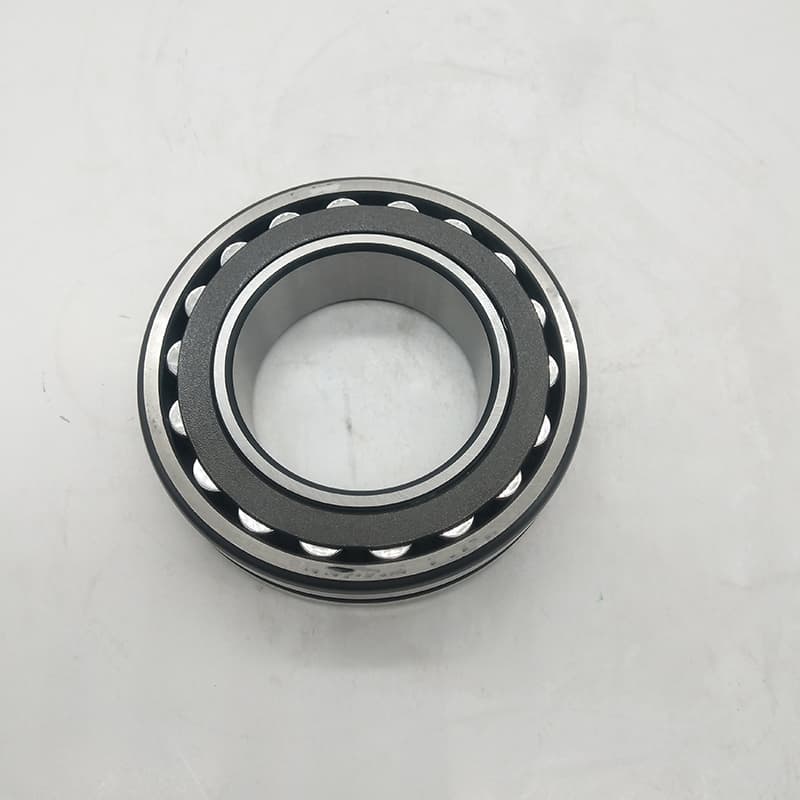
In my years supplying bearings to crushing plants in Brazil, India, and South Africa, I’ve learned that a bearing in a crusher lives a harder life than almost any other application. The loads are unpredictable. The dust is everywhere. The temperatures swing. Success comes from designing the entire bearing system, not just picking a bearing number. Let’s explore the critical design considerations for these demanding environments.
What are the key design challenges in crushing plants?
Your crusher runs 24/7. Material varies from soft limestone to hard granite. One moment the load is light; the next, a boulder hits the rolls. The bearing must survive this chaos.
Crushing plants present five major design challenges: extreme shock loads1, severe contamination2 (dust, dirt, moisture), misalignment3 from structural deflection, temperature variations4, and lubrication difficulties5. Spherical roller bearings are the preferred solution because they combine high load capacity, self-alignment, and robustness.
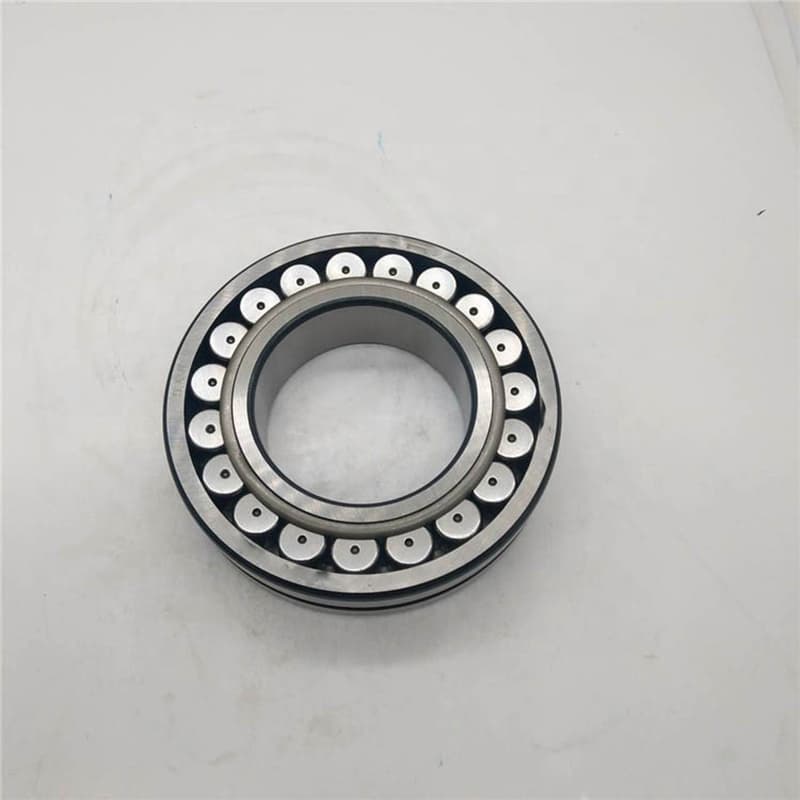
Each challenge demands a specific design response.
Designing for the Five Challenges
1. Extreme Shock Loads:
- The Problem: Impact forces can be many times higher than calculated steady loads. These can dent raceways (brinelling) or crack cages.
- Design Response:
- Cage Material: Use machined brass cages6. Brass is ductile and can absorb shock without cracking, unlike pressed steel which may deform or fracture.
- Internal Clearance: Specify C4 clearance (larger than standard). The extra space allows the bearing to accommodate momentary deformation from shock without preloading.
- Load Ratings: Select bearings with higher static load ratings (C0) to withstand peak loads without permanent deformation.
2. Severe Contamination:
- The Problem: Crusher dust is abrasive. It acts like grinding paste once it enters the bearing. Seal failure is the number one cause of premature bearing death in this industry.
- Design Response:
- Sealing Systems: Use multiple-stage seals. A common effective design is a labyrinth seal combined with a V-ring or contact seal. The labyrinth keeps out coarse particles; the contact seal stops finer dust.
- Housing Design: Design housings with grease purge channels. Fresh grease can be pumped in, forcing contaminated grease out through the seals.
- Material Choice: Consider stainless steel rolling elements or rings for extremely wet or corrosive environments (e.g., recycling plants processing e-waste or wet materials).
3. Misalignment:
- The Problem: Crusher frames flex under load. Shafts deflect. Perfect alignment is impossible. If the bearing cannot compensate, edge loading occurs, leading to premature failure.
- Design Response:
- Spherical Roller Bearings: Their defining feature is self-alignment. The spherical rollers and outer ring raceway allow up to 2-3 degrees of misalignment3.
- Housing Design: Use housings with spherical seat inserts that allow the bearing to align with the shaft, even if the housing bore is slightly off.
4. Temperature Variations:
- The Problem: Crushers start cold and get hot during operation. Thermal expansion can reduce internal clearance to zero, causing preload and seizure.
- Design Response:
- Internal Clearance: As mentioned, C4 clearance is often necessary. For very high-temperature applications, even larger clearances may be required. Consult manufacturer for special clearance recommendations.
- Housing Design: Allow for axial thermal expansion. One bearing should be the "fixed" point; the other should be "floating" (able to move axially in the housing).
5. Lubrication Difficulties:
- The Problem: Grease can be washed away by water or separated by vibration. Oil systems can leak or become contaminated.
- Design Response:
- Lubrication Method: For large crushers, consider automatic grease lubrication systems that deliver small, frequent doses. This keeps fresh grease in the bearing and purges contaminants.
- Grease Selection: Use high-viscosity, extreme-pressure (EP) greases with good adhesion and water resistance. Lithium complex or calcium sulfonate greases are common choices.
My Insight from Crusher Applications:
A client in South Africa had a primary gyratory crusher eating bearings every six months. The original design used standard spherical roller bearings7 with pressed steel cages and CN clearance. We worked with them to redesign the bearing specification: machined brass cages6, C4 clearance, and a labyrinth seal system8. The first set lasted over two years. The cost difference was minor compared to the downtime saved. The lesson is simple: in crushing, standard solutions fail. You must design for the worst-case condition, not the average. The bearing must be an over-engineered fortress, not a precision instrument.
How to select the right spherical roller bearing1 series for crushers?
You open a bearing catalog. There are 222, 223, 230, 231, 232, 239 series. They all look similar. Which one is right for a crusher? The choice dramatically affects performance and life.
For crushers and recycling plants, the most common and suitable spherical roller bearing1 series are the 22300 series2 (for heavy loads, moderate speeds) and the 23200 series3 (for very heavy loads, where space is limited). The 223 series offers a robust cross-section with high load capacity4. The 232 series has an even larger cross-section for maximum capacity in the same bore size.
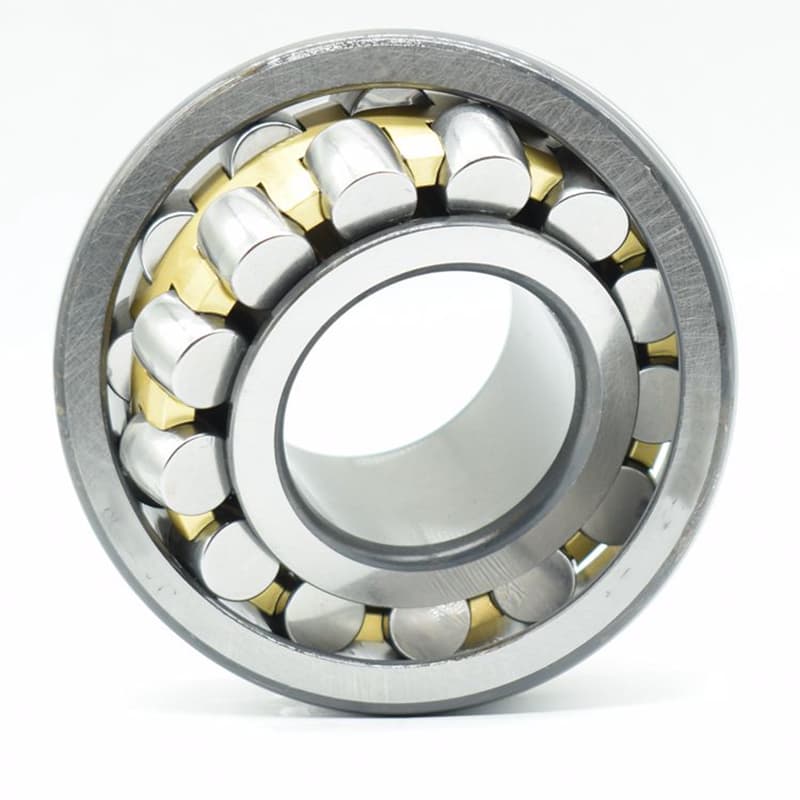
Let’s compare the main contenders.
Crusher-Ready Bearing Series: A Detailed Comparison
1. 22300 Series (The Workhorse):
- Characteristics: Medium/wide series. High radial load capacity4. Good axial load capacity4. Widely available.
- Advantages: Excellent balance of load capacity4 and speed capability. Robust design. Proven in countless crusher applications worldwide.
- Typical Applications: Cone crushers, impact crushers, vibrating screens5, heavy conveyors.
- Cage Options: Often available with machined brass cages (design suffix "MB" or "CA") which are ideal for shock loads6.
2. 23200 Series (The Heavyweight):
- Characteristics: Extra-wide series for the same bore size. The highest radial load capacity4 in its class.
- Advantages: Maximum load capacity4 when shaft size is fixed but loads are extreme. Often used in demanding applications like primary gyratory crushers and large jaw crushers.
- Considerations: Lower speed limits than 223 series due to larger mass. Requires careful lubrication7.
3. 22200 Series (General Purpose):
- Characteristics: Standard series. Good load capacity4 but lower than 223.
- Advantages: More compact, higher speed capability.
- Typical Applications: Less suitable for primary crushers. May be used in secondary crushers or lighter-duty recycling equipment.
4. 230/231 Series (Asymmetric Roller Designs):
- Characteristics: Asymmetric rollers (e.g., CC, CA designs) for higher load density. Often used in vibrating screens5 and high-performance applications.
- Advantages: Higher load ratings for same envelope size. Often have optimized internal geometry for better lubrication7.
- Typical Applications: Vibrating screens, where high acceleration forces are present.
Selection Matrix for Crusher Applications:
| Application Type | Recommended Series | Why | Typical Bore Size Range |
|---|---|---|---|
| Primary Jaw/Gyratory Crusher | 22300 or 23200 | Extreme shock loads6, massive forces. Need maximum capacity. | 150mm – 500mm+ |
| Cone Crusher (Main Shaft) | 22300 | High radial and axial loads. Good balance of capacity and speed. | 100mm – 300mm |
| Impact Crusher (Rotor) | 22300 with brass cage | High shock, moderate speeds. Cage must withstand impacts. | 80mm – 200mm |
| Vibrating Screen | 22300 or 23100 with C4 clearance | High accelerations, need for precise roller guidance. Often C4 clearance for vibration. | 60mm – 150mm |
| Heavy Conveyor Pulley | 22200 or 22300 | High radial loads, low speeds. Cost-effective. | 50mm – 200mm |
My Insight on Series Selection:
When an OEM client asks for a recommendation, my first question is always: "What is the peak load, not the average?" In crushing, the peak is what kills bearings. We often recommend going up one series from what a simple calculation suggests. If a 222 series seems adequate on paper, the 223 series is a safer bet for a primary crusher. The extra cost is small compared to the cost of a catastrophic failure. For distributors like Rajesh, stocking the 223 series in common sizes for the local mining and recycling industry is a smart move. His customers will come back for reliable replacements.
What cage material is best for crusher bearings?
The bearing’s cage holds the rollers in place. In a crusher, it takes a beating from shock and vibration. A failed cage can destroy an entire machine. Cage material is not a minor detail.
For crusher and recycling plant bearings, machined brass cages1 (also called "machined bronze" or "machined brass") are the best choice. They offer superior strength, ductility, and fatigue resistance under shock loads compared to pressed steel2 or polyamide3 cages. Brass cages absorb impact energy and resist cracking, ensuring the rollers remain properly guided even under extreme conditions.
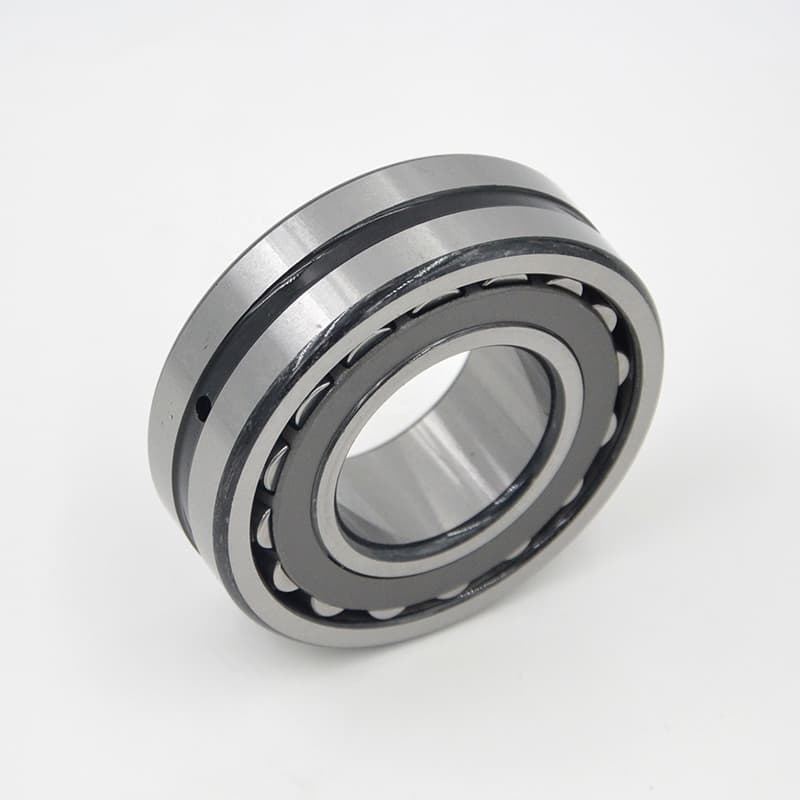
The cage is the skeleton of the bearing. In a crusher, it must be tough.
Cage Material Options for Heavy-Duty Applications
1. Machined Brass (MB):
- Material: Typically a high-strength brass alloy (e.g., CuZn37Mn3Al2PbSi).
- Advantages:
- Ductility: Can deform slightly under shock without cracking.
- Strength: High tensile strength to withstand impact.
- Sliding Properties: Excellent compatibility with rollers, reduces friction.
- Emergency Running: If lubrication fails, brass is less likely to gall or weld to rollers.
- Disadvantages: Higher cost, heavier than polyamide3.
- Common Design Suffixes: MB, M, CA (often indicates brass cage in certain designs).
2. Pressed Steel (Steel Sheet):
- Material: Low-carbon steel sheet, often zinc-plated.
- Advantages: Low cost, lightweight, good for high speeds.
- Disadvantages: Less ductile; can crack under repeated shock. Riveted joints can loosen.
- Suitability for Crushers: Generally not recommended for primary crushing applications with heavy shock.
3. Polyamide (PA66-GF25):
- Material: Glass-fiber reinforced nylon.
- Advantages: Very light, corrosion-proof, good damping (reduces noise).
- Disadvantages: Limited temperature range (max 120°C). Can be brittle at low temperatures. Susceptible to chemical attack. Not suitable for heavy shock.
- Suitability for Crushers: Only for light-duty, low-temperature applications.
4. Machined Steel:
- Material: High-strength steel, often case-hardened.
- Advantages: Extremely strong, high-temperature capability.
- Disadvantages: Heavier, more expensive than pressed steel2. Can be prone to galling if lubrication fails.
- Suitability for Crushers: Used in very large bearings where brass is not practical. Requires excellent lubrication.
Cage Material Comparison for Crusher Applications:
| Material | Shock Resistance | Speed Capability | Temperature Limit | Cost | Crusher Suitability |
|---|---|---|---|---|---|
| Machined Brass | Excellent | Moderate | High (250°C+) | High | Best choice |
| Pressed Steel | Poor to Moderate | High | High (150°C+) | Low | Not recommended |
| Polyamide | Poor | High | Limited (120°C) | Moderate | Light duty only |
| Machined Steel | Good | Moderate | Very High | Very High | Very large bearings |
My Insight on Cage Selection:
In our factory, when we receive an order for crusher bearings, we automatically check the cage specification4. If the order doesn’t specify "brass cage" or "MB," we ask the client: "Is this for a crushing application?" Often, they say yes, and we recommend upgrading. A client in Turkey once ordered 100 spherical roller bearings with pressed steel2 cages for a recycling plant. We advised against it. They proceeded anyway. Within six months, 30% had failed with cracked cages. They reordered with brass cages and the problem disappeared. The lesson: in crushing, don’t compromise on the cage. It’s the bearing’s shock absorber.
How to design housings and seals for crusher bearings?
You have selected the perfect bearing. But if the housing is weak or the seals are inadequate, the bearing will still fail. The housing and seals are the first line of defense against the crusher’s brutal environment.
For crusher and recycling plant bearings, design housings with high rigidity1 to resist deflection, spherical seats2 for self-alignment, adequate lubrication passages3, and effective multi-stage sealing systems4 (labyrinth + contact seals). Seals must be protected from direct impact and easily replaceable during maintenance.
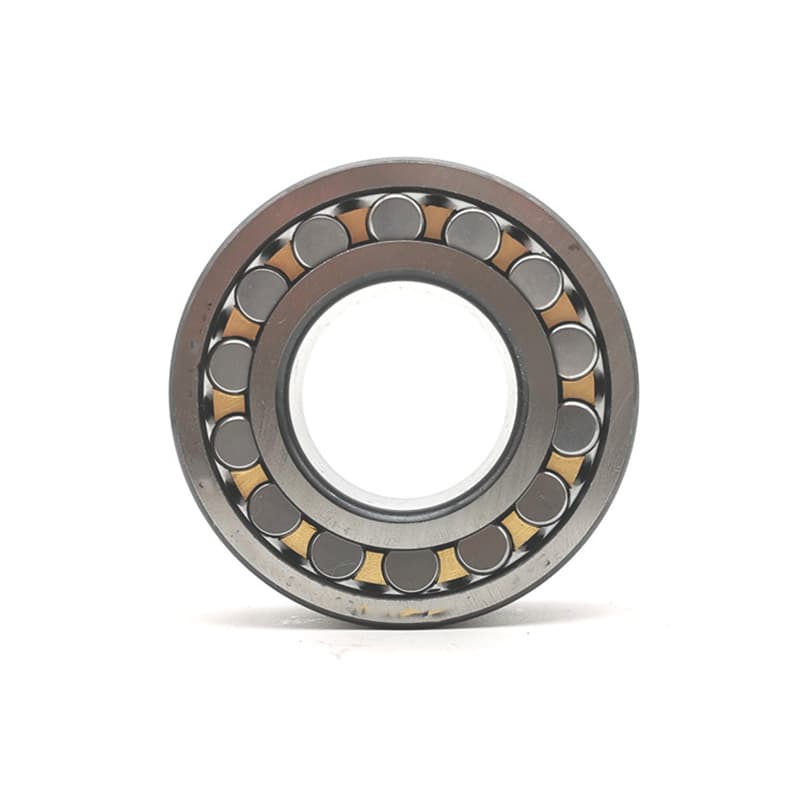
The housing is the bearing’s home. It must be strong, clean, and well-lubricated.
Housing and Seal Design Principles for Harsh Environments
1. Housing Design:
- Material: Use high-grade cast iron or cast steel5. Avoid light alloys. The housing must be rigid enough to resist deflection under load.
- Wall Thickness: Design thicker walls than standard applications. Crusher housings take abuse.
- Spherical Seat: The housing bore should be machined with a spherical surface to match the bearing’s spherical outer ring. This allows the bearing to self-align.
- Split Housings: For large crushers, use split pillow block housings6 (e.g., SNL, SDAF series). These allow for easier bearing inspection and replacement without removing the shaft.
- Lubrication Channels: Design grease inlet and outlet passages. A grease fitting should lead to a groove in the housing that distributes grease to the bearing. An outlet allows purging of old, contaminated grease.
- Cooling Features: For high-temperature applications, consider cooling fins7 or even water-cooled housings to dissipate heat.
2. Seal Design (The Most Critical Part):
A single dust particle can destroy a bearing. Seals are the guardians.
| Seal Type | How It Works | Advantages | Disadvantages | Crusher Suitability |
|---|---|---|---|---|
| Labyrinth Seal | A complex, non-contacting path that dust must navigate. | No wear, low friction, long life. | Less effective against very fine dust. | Good as first stage. |
| V-Ring Seal | A rubber lip that presses against a counterface. | Effective, simple, low cost. | Wears over time, needs maintenance. | Good as second stage. |
| Contact Seal (Lip Seal) | A rubber lip in direct contact with shaft. | Excellent sealing. | Friction, wear, heat generation. | Use only if necessary; needs good lubrication. |
| Felt Seal | Felt ring in contact with shaft. | Low cost, simple. | Poor against fine dust, wears quickly. | Not recommended for crushers. |
| Taconite Seal8 | Multi-stage seal with grease-purge capability. | The best protection for extreme dust. | Complex, expensive. | Ideal for primary crushers. |
3. The Taconite Seal8 Solution:
Named after the abrasive taconite mining industry, this is the gold standard for crusher bearings.
- Design: Typically includes a labyrinth section + multiple lip seals + a grease cavity between them.
- Operation: Grease is periodically pumped into the cavity. This purges any contaminants that have entered and provides a fresh grease barrier.
- Application: Essential for primary crushers, screens, and any equipment in heavy dust.
4. Housing Protection:
- Shielding: Protect the housing and seals from direct impact by falling rocks. Design steel guards or position the housing away from the material flow.
- Drainage: Ensure the housing has a drain hole at the lowest point to allow any water or condensation to escape, not accumulate.
My Insight on Housing and Seal Design:
A client in India was experiencing frequent bearing failures on a crusher despite using high-quality bearings. Site visit revealed the problem: the housing seals were simple felt rings, and dust was entering freely. We redesigned the housing to accept a taconite seal and added a grease purge system. Bearing life tripled. The lesson: the bearing is only as good as its enclosure. In crushing, the housing and seals are not accessories; they are integral to the bearing’s survival. For OEMs, investing in a robust housing and seal design is cheaper than dealing with warranty claims. For distributors like Rajesh, understanding these design principles allows them to advise customers on upgrades that solve chronic problems.
How to specify lubrication for crusher bearings?
Even the best bearing will fail without proper lubrication. In a crusher, lubrication must do more than just reduce friction. It must also cool the bearing, flush out contaminants, and protect against corrosion.
For crusher and recycling plant bearings, specify high-viscosity, extreme-pressure (EP) greases1 with excellent water resistance and adhesion. For large, critical bearings, consider automatic grease lubrication systems2 that deliver measured doses at regular intervals. In some high-speed or high-temperature applications, oil circulation systems3 may be necessary.
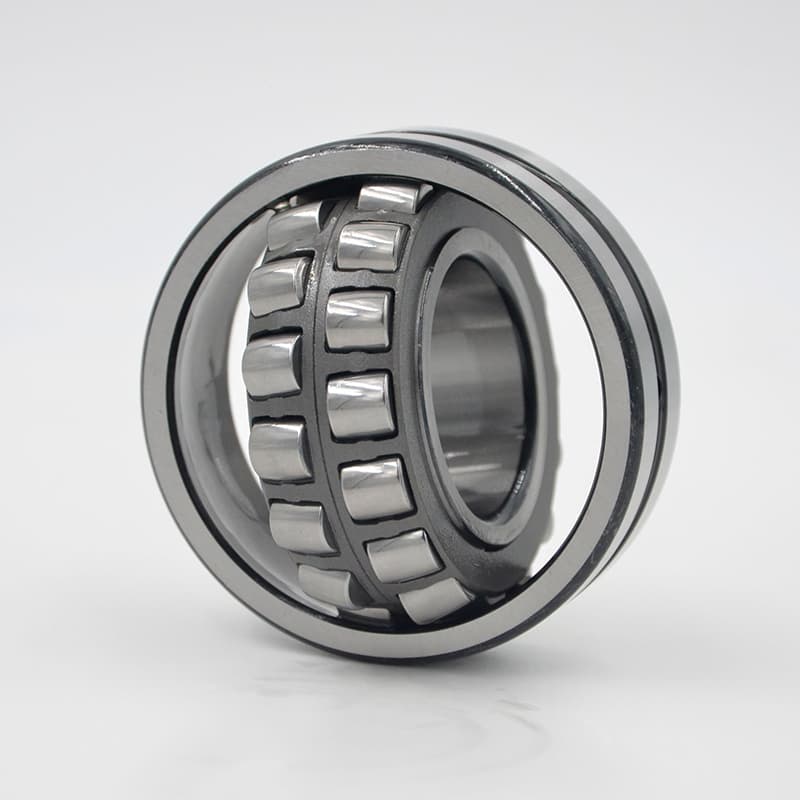
Lubrication is the lifeblood of the bearing. In a crusher, it must be robust and reliable.
Lubrication Strategies for Extreme Environments
| 1. Grease Selection Criteria4: | Property | Requirement | Why |
|---|---|---|---|
| Base Oil Viscosity | High (ISO VG 150-460) | Heavy loads require thick oil film to separate surfaces. | |
| Thickener Type | Lithium Complex or Calcium Sulfonate | Excellent mechanical stability, water resistance. | |
| EP Additives | Yes (Extreme Pressure) | Prevents metal-to-metal contact under shock loads. | |
| Water Resistance | Excellent | Grease must not wash away if water enters. | |
| Adhesion | High | Grease must stay in place despite vibration. | |
| Operating Temperature | Match to application (e.g., -20°C to +120°C) | Grease must not melt or harden. |
2. Grease Lubrication Methods:
- Manual Relubrication: Simple but unreliable. Workers may forget, over-grease, or under-grease. Only suitable for non-critical, accessible bearings.
- Single-Point Lubricators: Spring-loaded or gas-operated grease cups that deliver a small amount continuously. Good for moderate applications.
- Automatic Centralized Systems5: The best solution for critical crusher bearings. A pump delivers measured grease doses at programmed intervals to multiple bearing points simultaneously. This ensures consistent lubrication and extends bearing life dramatically.
3. Grease Quantity and Frequency:
A common rule of thumb for relubrication quantity: G = 0.005 x D x B (where G = grams of grease per interval, D = bearing outside diameter in mm, B = bearing width in mm). This is a starting point; adjust based on experience.
- Frequency: In heavy dust, bearings may need greasing daily. In cleaner environments, weekly or monthly may suffice.
- The "Purge" Method: When greasing, add enough grease to force old, contaminated grease out through the seals. This flushes the bearing.
| 4. Oil Lubrication (For Special Cases): | Oil Lubrication Method | Application | Pros | Cons |
|---|---|---|---|---|
| Oil Bath | Low speeds, vertical shafts | Simple, effective. | Oil can leak, needs level monitoring. | |
| Oil Circulation | High speeds, high temperatures | Excellent cooling, filtration possible. | Complex, expensive, requires pump and cooler. | |
| Oil Mist | Very high speeds | Low friction, good cooling. | Difficult to contain, environmental concerns. |
5. Monitoring Lubrication Effectiveness:
- Temperature Monitoring6: A sudden rise in bearing temperature often indicates lubrication failure.
- Vibration Analysis: Can detect early stages of lubrication breakdown.
- Grease Analysis: Periodically sample used grease. Check for metal particles (wear), water content, and consistency.
My Insight on Crusher Lubrication:
The most common lubrication mistake in crushers is over-greasing7. Maintenance staff think "more is better." They pump in grease until it squirts out everywhere. This actually damages bearings by causing churning, overheating, and seal damage. The correct approach is small, frequent doses. An automatic system set to deliver a few grams every hour is far better than a hand gun once a week. For our OEM clients, we always recommend designing for automatic lubrication from the start. It adds cost upfront but saves multiples in bearing replacements later. For distributors, offering a basic automatic lubrication kit alongside bearings can be a valuable upsell that improves customer satisfaction.
Conclusion
Designing spherical roller bearings into recycling and crushing plants requires a system-level approach. Select the 223 or 232 series with machined brass cages and C4 clearance. Design robust housings with taconite seals. Implement automatic grease lubrication with high-viscosity EP grease. These choices transform a standard bearing into a crusher-ready component that delivers years of reliable service.
-
Explore this link to understand the benefits and applications of EP greases in heavy machinery. ↩ ↩ ↩ ↩ ↩ ↩
-
Learn about the efficiency and reliability of automatic systems for maintaining machinery. ↩ ↩ ↩ ↩ ↩ ↩ ↩
-
Discover how oil circulation systems enhance lubrication in high-speed applications. ↩ ↩ ↩ ↩ ↩ ↩ ↩
-
This resource provides detailed guidelines for choosing the right grease for optimal performance. ↩ ↩ ↩ ↩ ↩ ↩ ↩ ↩ ↩ ↩ ↩
-
Find out how centralized systems can improve lubrication consistency and extend equipment life. ↩ ↩ ↩ ↩ ↩
-
Explore the importance of temperature monitoring in preventing lubrication failures. ↩ ↩ ↩ ↩ ↩ ↩
-
Learn why over-greasing can be detrimental and how to avoid this common mistake. ↩ ↩ ↩ ↩ ↩
-
The Taconite Seal is the gold standard for protection against dust, essential for extending bearing life in crushers. ↩ ↩ ↩