
Your production line stops because a bearing failed. Downtime costs money every minute. You need a bearing you can trust to keep your equipment running, shift after shift.
For reliable performance in industrial equipment, tapered roller bearings are an excellent choice. They handle high combined radial and axial loads, are durable, and allow for precise adjustment. Reliability comes from high-quality manufacturing, proper selection, and correct installation, not just the bearing type alone.
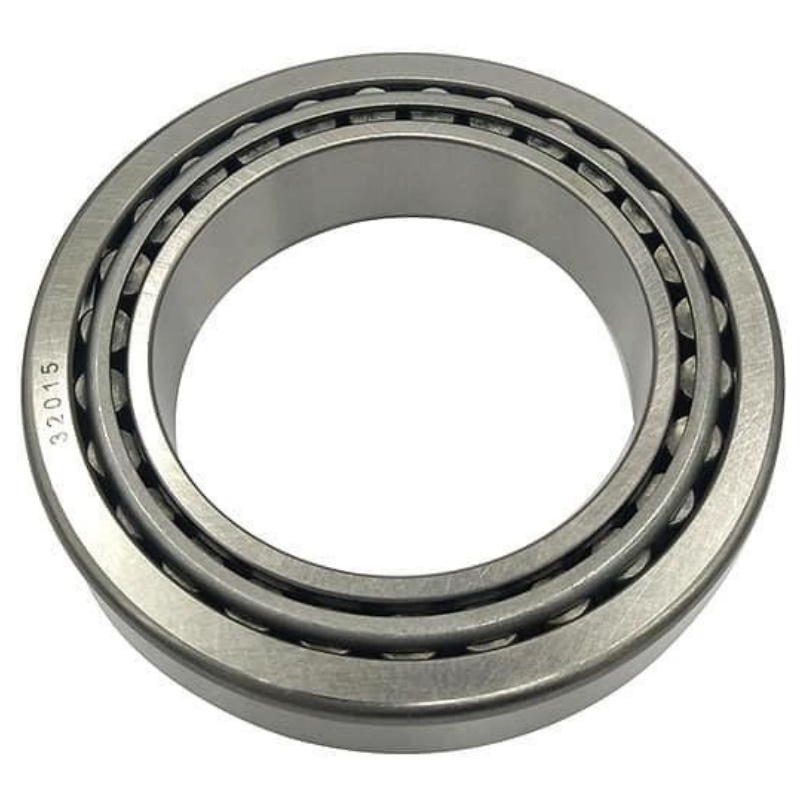
Reliability isn’t a single feature; it’s a result. To achieve it, you need to understand what makes an industrial bearing, how reliability is measured, who builds trustworthy products, and what tools are needed for success. Let’s explore why tapered rollers are a cornerstone of dependable machinery.
What are industrial bearings?
When a machine builder says "industrial bearings," they mean more than just metal rings with balls. They refer to components engineered for continuous, demanding operation in factories, mills, and heavy machinery—the backbone of production.
Industrial bearings are precision components designed to support rotating shafts, reduce friction, and carry loads in machinery. They come in types like tapered roller, spherical roller, and deep groove ball bearings, each suited for specific load, speed, and alignment conditions in industrial environments.
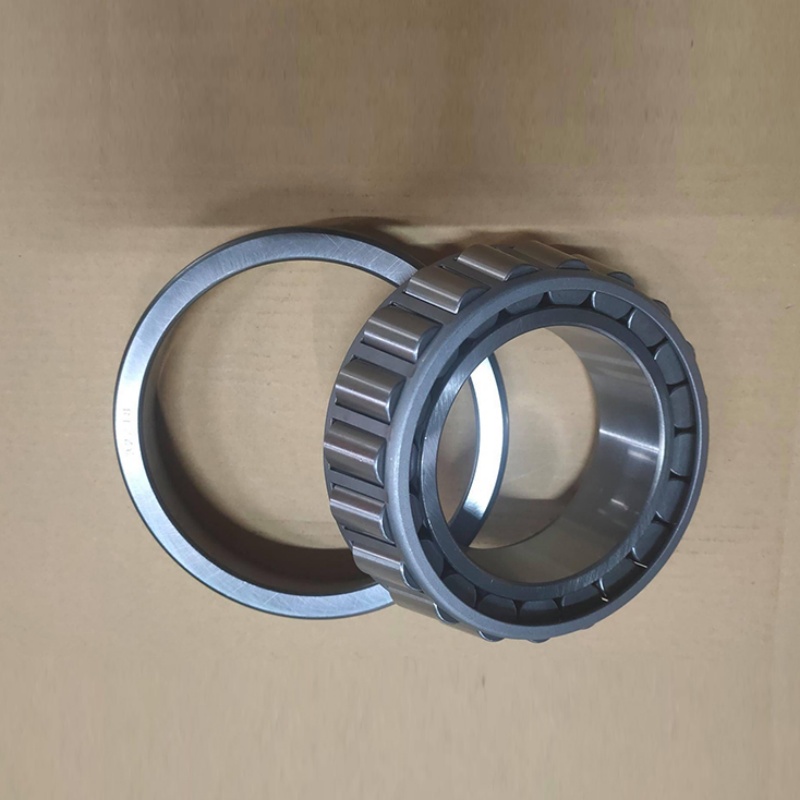
The term "industrial" implies a level of ruggedness and purpose. These are not the small, simple bearings you find in a skateboard; they are the workhorses of the manufacturing world.
Defining the Characteristics of True Industrial Bearings
An industrial bearing is defined by its application context and its construction. Here are the key distinguishing features.
1. Built for Demand, Not Just Function:
- High Load Capacity1: They are designed to support significant weight and force, whether radial (perpendicular to the shaft) or axial (parallel to the shaft). Tapered roller bearings excel here by managing both types of load simultaneously.
- Extended Service Life2: Industrial bearings are engineered for longevity, often measured in tens of thousands of hours. This is achieved through superior materials (like clean, through-hardened steel), precise heat treatment, and accurate manufacturing.
- Robustness and Durability3: They must withstand shock loads, vibration, contamination, and sometimes high temperatures. Their design includes features like strong cages, effective seals, and sturdy construction.
2. The Industrial Bearing Family:
Each type has its specialty. Choosing the right one is the first step to reliability.
| Bearing Type | Primary Industrial Use Case | Why it’s "Industrial" |
|---|---|---|
| Tapered Roller Bearing4 | Gearboxes, wheel hubs, rolling mills, heavy conveyors. | Handles heavy combined loads. Durable and adjustable. The quintessential heavy-duty industrial bearing. |
| Spherical Roller Bearing5 | Vibrating screens, mining equipment, paper mill rolls. | Self-aligning. Tolerates misalignment and very high radial loads in harsh conditions. |
| Deep Groove Ball Bearing6 | Electric motors, pumps, fans, general machinery. | Versatile, low-friction, high-speed capability. The workhorse for less severe loads. |
| Cylindrical Roller Bearing | Machine tool spindles, large electric motors. | Highest pure radial load capacity for precision, high-speed applications. |
| Pillow Block Bearing (Housed Unit) | Conveyor systems, agricultural equipment. | Easy-to-install, pre-assembled unit with a bearing insert and housing. Built for mounting on frames. |
My insight: I visited a steel plant in Egypt. On a critical rolling mill stand, they used a mix of bearing types. The backup rolls used massive spherical rollers for misalignment. But the work rolls, which endured extreme radial and axial forces from shaping the steel, used matched sets of tapered roller bearings. The plant engineer told me, "For the forces here, tapered rollers are the only ones we trust. We can adjust them to take up wear, and they don’t give up." This is the essence of an "industrial" bearing: it’s the component chosen for the most demanding, mission-critical points in a machine. For general industrial reliability, tapered rollers are often the default choice for gearboxes and drivelines because of their balanced performance.
What is the reliability of a bearing?
A customer asks, "How reliable is this bearing?" They want a guarantee it won’t fail. In engineering, reliability is a statistical probability, not a promise. It’s about maximizing the chance of survival over a desired period.
Bearing reliability is statistically expressed as the L10 life1: the number of operating hours at which 90% of a group of identical bearings under identical conditions will still be functioning. High reliability is achieved through quality materials, precision manufacturing, correct application selection, and proper installation and maintenance.
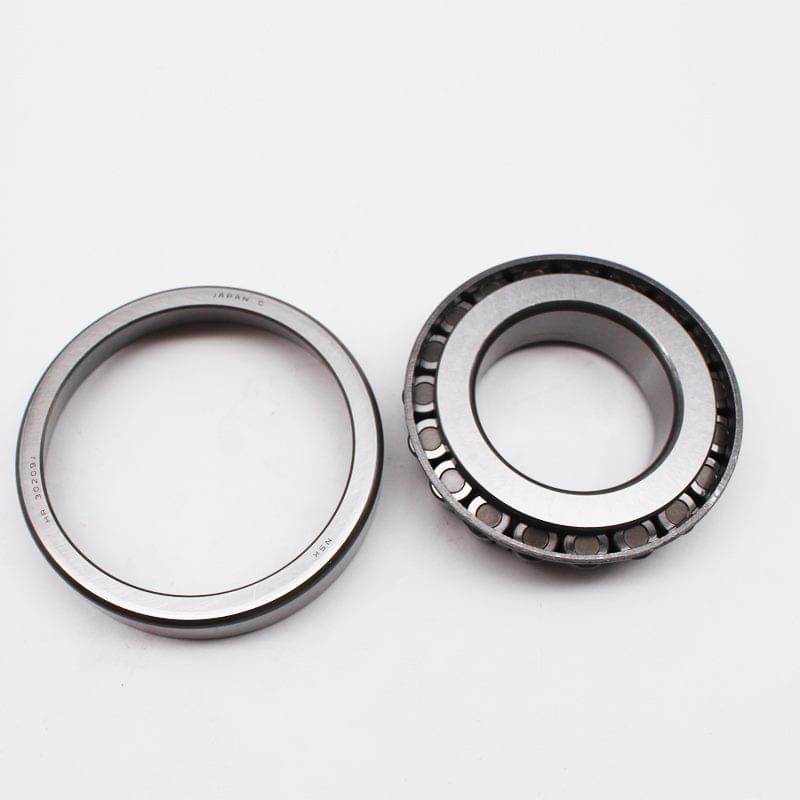
Reliability is a chain with many links. A bearing can have high inherent reliability, but the chain breaks if any other link—like installation or lubrication—fails.
The Pillars of Bearing Reliability
Think of reliability as a building supported by four main pillars. If one is weak, the whole structure is at risk.
1. Inherent Product Quality (The Bearing Itself):
This is what the manufacturer controls. It includes:
- Material Purity2: High-grade, vacuum-degassed steel with minimal impurities.
- Precision Manufacturing3: Tight tolerances (P5/P6 class) ensure even load distribution.
- Heat Treatment: Correct hardening and tempering for wear resistance and toughness.
- Surface Finish: Smooth raceways to minimize friction and heat generation.
2. Correct Application Engineering4 (The Selection):
This is where you, the supplier or designer, have control. A high-quality bearing will fail quickly if used wrongly.
- Load and Speed: The bearing must be selected with adequate dynamic (C) and static (C0) load ratings for the actual application.
- Bearing Type: Choosing tapered rollers for combined loads, spherical rollers for misalignment, etc.
- Clearance: Selecting the correct clearance group (e.g., C3 for most industrial applications) to account for fit and thermal expansion.
3. Proper Installation5 (The Human Factor):
This is often the weakest link. Studies show a large percentage of premature failures stem from installation errors.
- Cleanliness: Preventing contamination during mounting.
- Correct Fits: Using the proper interference fit on the shaft and housing.
- Proper Tools: Using bearing fitting tools, not hammers.
- Alignment: Ensuring precise alignment of shafts and housings.
- Setting Adjustment: For tapered roller bearings, setting the correct preload or end-play is critical for reliability.
4. Effective Maintenance6 (The Ongoing Care):
- Lubrication: Using the right grease/oil, in the right amount, at the right intervals.
- Condition Monitoring7: Listening for noise, feeling for heat, or using vibration analysis to detect early problems.
The Reliability Chain in Practice:
You can source a premium tapered roller bearing (Pillar 1) and correctly specify it for a gearbox (Pillar 2). But if your customer’s mechanic forces it onto a dirty shaft with a hammer (breaks Pillar 3), reliability drops to zero. Your role as a knowledgeable supplier is to support all four pillars: provide quality products, help with selection, and educate on installation and maintenance.
My insight: A power transmission distributor in Brazil sold high-quality tapered roller bearings to a mining company. The bearings failed far short of their L10 life1. We investigated. The bearings were good, and the selection was correct. The problem was Pillar 3: Installation. The mine’s workshop had no induction heaters. They were using oxy-acetylene torches to heat the bearings for mounting, causing localized overheating and damaging the steel’s temper. We worked with the distributor to provide simple installation guides and recommended affordable induction heaters. The failure rate plummeted. The bearing’s inherent reliability was high, but the achieved reliability was low due to a broken link in the chain. Reliability is a system, not just a product.
Who makes high quality bearings?
This is the core question for every buyer. The answer shapes your supply chain and your reputation. High quality comes from manufacturers who control their process, invest in technology, and stand behind their product.
High-quality tapered roller bearings1 are made by manufacturers with integrated production lines (forging, turning, heat treatment, grinding, assembly), rigorous quality control systems (ISO 90012, material certification), and a focus on precision (offering P5/P6 grades3). This includes both well-known global brands and specialized factories with strong technical capabilities, like FYTZ Bearing.

"Quality" is not a brand name; it’s a measurable set of processes and outcomes. You need to know what to look for in a manufacturer.
Evaluating a Manufacturer: Beyond the Brand Name
For a B2B importer like Rajesh, the choice is strategic. The right factory partner ensures consistent quality, supply stability, and technical support.
| Evaluation Criteria | What High-Quality Manufacturers Do | Questions to Ask a Potential Supplier |
|---|---|---|
| Production Control4 | Integrated factory. They control forging, heat treatment, grinding, and assembly in-house. This ensures traceability and consistency. | "Do you perform heat treatment in your own facility? Can I see your grinding workshop?" |
| Quality Assurance | Systematic inspection. They use automated measuring systems, spectrometers for material check, and have ISO 90012 certification. They provide test certificates for key parameters. | "Can you provide a material certificate (MTC) and a dimensional/vibration test report for shipment batches?" |
| Technical Capability | Offer precision grades and customization. They can produce P5 and P6 precision bearings. They have engineering support for OEM/ODM requests. | "Do you produce P5/P6 grade tapered rollers? Can you customize the seal or cage for my application?" |
| Technical Support5 | Provide application engineering help. They can advise on bearing selection, clearance, and mounting. | "If my customer has a failure, can your engineers help with the analysis?" |
| Consistency & Reputation | Stable supply and positive track record. They have long-term clients in demanding industries. | "Can you provide references from other industrial distributors in my region?" |
The Global Brand vs. Specialized Factory Debate:
- Global Brands: Offer strong brand recognition and extensive R&D. Good for projects where brand name is specified. However, for distributors, margins can be lower, and lead times can be longer.
- Specialized Factories6 (like FYTZ): Often provide better value, more flexibility for customization, faster response, and direct technical communication. The quality can be on par when they have the right equipment and processes.
My insight: An importer in Turkey was sourcing tapered roller bearings for the automotive aftermarket from a trader. Quality was inconsistent, hurting his business. He visited our factory in China. He saw our integrated production line, our SNORT grinding machines, and our in-process inspection stations. He was more impressed by our process control than by any brand brochure. He switched to sourcing from us directly. The consistency of our product solved his quality complaints. His customers noticed the improvement. A high-quality maker is one whose process you can see and trust. For industrial reliability, the manufacturer’s discipline is more important than its brand fame.
What equipment do you need for bearings?
You have the perfect tapered roller bearing. Now you need to install it. Using the wrong tools can destroy it before it even turns. The right equipment protects your investment and ensures the reliability you paid for.
Essential equipment for bearing installation and maintenance includes: bearing fitting tools1 (pullers and drivers), induction heaters2 for safe mounting, torque wrenches3 for accurate bolt tightening, precision measuring tools4 (micrometers, dial indicators), and lubrication tools5 (grease guns). For tapered rollers, you also need tools to measure and set the axial clearance6 or preload.
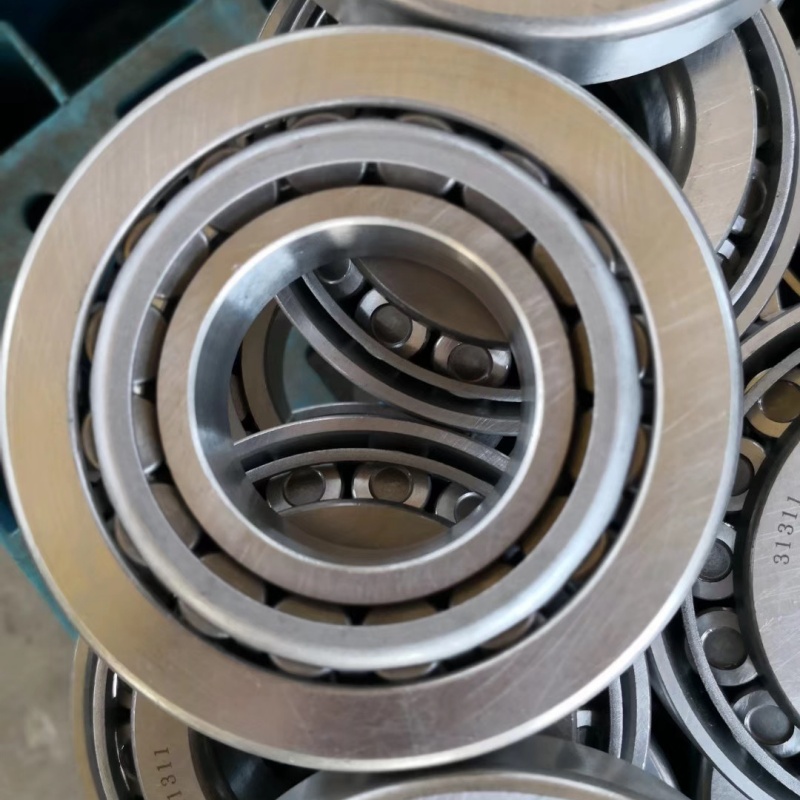
The equipment list depends on whether you are a distributor, a maintenance workshop, or an end-user. But the principle is the same: proper tools enable proper installation.
A Toolkit for Bearing Success: From Distributor to End-User
Let’s categorize the equipment needed at different stages of the bearing’s journey to reliability.
1. For the Distributor/Importer (Quality Verification):
Your focus is on inspecting incoming goods and sometimes prepping bearings for customers.
- Measuring Instruments:
- Micrometers & Snap Gauges: To check bore, OD, and width dimensions.
- Dial Indicator with Stand: To measure radial and axial internal clearance. This is critical for verifying C3 clearance on tapered rollers.
- Surface Roughness Comparator: To visually check raceway finish.
- Handling Equipment: Clean benches, lint-free cloths, and proper storage racks.
2. For the Maintenance Workshop/End-User (Installation & Maintenance):
This is where reliability is implemented. A basic professional toolkit should include:
| Tool Category | Specific Tools | Purpose for Tapered Roller Bearings |
|---|---|---|
| Mounting & Dismounting | Induction Heater: Safely heats the inner ring for expansion without damaging the bearing. Mechanical or Hydraulic Puller: Removes bearings without hammer force. Bearing Driver Set (Brass or nylon): Taps the bearing into place evenly. |
Prevents brinelling7 (dents) and cracking from impact. Essential for proper fit. |
| Measurement & Adjustment | Dial Indicator: Mounted on the housing to measure shaft axial movement. Feeler Gauges or specific preload setting tools. Torque Wrench: For housing bolts and lock nuts. |
Critical for tapered rollers. Used to set the correct running clearance or preload after installation. Incorrect setting causes overheating or looseness. |
| Lubrication | Grease Gun with the correct fitting. Grease Purger (for sealed housings). |
Ensures clean, adequate lubrication. |
| Alignment | Straight Edge & Feeler Gauge (basic), or Laser Alignment Tool (advanced). | Ensures shafts are aligned to prevent extra load on bearings. |
3. The Cost of Not Having the Right Equipment:
A hammer and a pipe might get the bearing on the shaft, but they will likely cause:
- Brinelling: Dents in the raceway from hammer strikes, creating vibration points.
- Cracked Rings: From uneven force.
- Incorrect Fit: Bearing cocked on the shaft, leading to immediate preload and failure.
- Unset Clearance: Tapered rollers run too tight (hot) or too loose (noisy).
Investing in a few key tools pays for itself by preventing premature bearing failures and the associated downtime costs.
My insight: A large cement plant in Vietnam had a maintenance contract with a local workshop. They kept having repeat failures on a critical fan’s tapered roller bearings. We asked about their installation procedure. They used sledgehammers. We conducted a training session and provided them with a basic kit: a hydraulic puller8, a set of bearing drivers, and a dial indicator. The next bearing they installed using the proper tools and procedure lasted three times longer. The bearing was the same; the equipment and knowledge made the difference. As a distributor, you can add immense value by recommending or even supplying the right installation tools to your key customers. It turns a transaction into a partnership for reliability.
Conclusion
Achieving reliability with tapered roller bearings requires understanding their industrial role, focusing on the entire reliability chain, partnering with quality-focused manufacturers, and using the correct installation and maintenance equipment.
-
Understanding bearing fitting tools is crucial for ensuring proper installation and maintenance, which can prevent costly failures. ↩ ↩ ↩ ↩ ↩
-
Induction heaters provide a safe method for mounting bearings, preventing damage and ensuring longevity. ↩ ↩ ↩ ↩ ↩
-
Using torque wrenches ensures accurate bolt tightening, which is essential for the reliability of tapered roller bearings. ↩ ↩ ↩ ↩
-
Precision measuring tools are vital for achieving the correct fit and clearance, preventing premature bearing failure. ↩ ↩ ↩ ↩
-
Proper lubrication tools ensure that bearings operate smoothly and last longer, reducing maintenance costs. ↩ ↩ ↩ ↩
-
Understanding axial clearance is key to ensuring the correct preload and preventing overheating or looseness in bearings. ↩ ↩ ↩ ↩
-
Learning about brinelling helps in understanding the consequences of improper installation and the importance of using the right tools. ↩ ↩
-
A hydraulic puller is essential for safely removing bearings without causing damage, ensuring a longer lifespan for your equipment. ↩