
Your machine keeps failing under heavy loads. Production is limited by weak components. You need more output, but the current bearings are the bottleneck. Upgrading the bearing design can unlock hidden capacity without replacing the whole machine.
Enhancing load capacity with better bearing design means selecting or customizing bearings with higher dynamic (C) and static (Co) load ratings to safely handle increased forces. This involves moving to a heavier bearing series, changing the bearing type, optimizing internal geometry, using superior materials, or improving the mounting arrangement to distribute load more effectively.

Capacity isn’t just about working harder; it’s about working smarter with the right components. As a bearing supplier to industries pushing their limits worldwide, I see capacity upgrades as a strategic move. Let’s explore what increasing capacity truly means, from production goals to practical bearing upgrades, and how you can apply these principles to your equipment.
What does it mean to increase production capacity?
Your factory floor is busy, but orders are backing up. You need to make more units per hour. Simply running the machines faster leads to breakdowns. Increasing capacity is not just about speed; it’s about strengthening the system to handle more work reliably.
Increasing production capacity1 means raising the maximum output rate of a machine or process, measured in units per hour, tons per day, etc. For machinery, this often involves upgrading components to handle higher loads, speeds, or continuous operation without failure. In bearing terms, it means ensuring the bearings can support the increased mechanical demands of higher production.
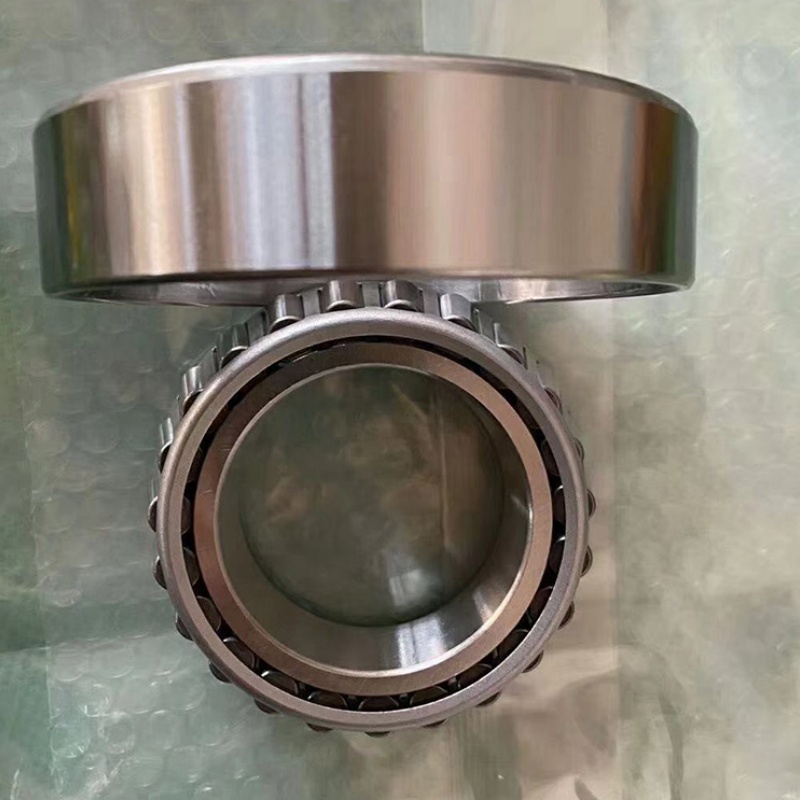
It’s a holistic concept. You can’t just turn up the dial. You must reinforce the weak links, and bearings are often those links.
The Mechanical Pathway to Higher Output
Increasing capacity typically puts more stress on rotating components. Let’s translate production goals into mechanical requirements.
1. Common Drivers for Needing More Capacity:
- Higher Throughput2: Running a conveyor faster, processing more material per hour in a crusher.
- Heavier Loads3: Handling denser materials or larger workpieces.
- Extended Runtime4: Moving from 8-hour to 24-hour operation, reducing planned downtime.
- Process Intensification5: Adding more force or power to a process (e.g., higher pressure in a pump).
2. How These Drivers Stress Bearings:
Each driver translates into specific bearing challenges:
| Production Goal | Increased Demand on Bearings | Bearing Failure Risk |
|---|---|---|
| Faster Speed | Higher rotational speeds generate more heat and centrifugal force. | Overheating, lubricant breakdown, cage fatigue. |
| Heavier Loads3 | Higher radial and/or axial forces on raceways. | Premature fatigue (spalling), brinelling. |
| Longer Runtime | Accumulated stress over more operating hours. | Earlier reaching of calculated fatigue life (L10 life). |
| More Power | Increased torque and forces transmitted through shafts. | Higher loads, potential for shock loads. |
3. The Bearing Upgrade Response6:
To support increased production, you must upgrade bearings proactively, not reactively.
- For Higher Speeds: You need bearings with precision grades (P5/P6) for balance, suitable cages (low-mass polyamide or pressed steel), and potentially a change in lubrication (from grease to oil).
- For Heavier Loads3: This is the core of load capacity enhancement. You need bearings with higher load ratings. This is achieved by:
- Upsizing: Moving to a larger bearing with the same type (e.g., from 6310 to 6312).
- Changing Series: Moving to a heavier series within the same bore size (e.g., from a 6310 "medium" series to a 6410 "heavy" series).
- Changing Type: Switching from a Deep Groove Ball Bearing to a Cylindrical Roller Bearing for pure radial load, or to a Spherical Roller Bearing for combined loads with misalignment.
My Insight from Client Projects:
A cement plant client in Vietnam wanted to increase kiln output. The existing conveyor idlers used standard deep groove ball bearings and failed frequently under the increased load. We didn’t just sell them more of the same bearings. We analyzed the load and recommended an upgrade to spherical roller bearings with brass cages for the idlers. The load capacity increased dramatically. The bearing failures stopped, and the conveyor reliably handled the higher tonnage. The "production capacity" of the kiln was ultimately limited by the capacity of its supporting bearings. Upgrading them was a fraction of the cost of a new kiln but delivered a significant portion of the benefit. Increasing production capacity1 starts with identifying and strengthening the component with the least margin.
How to increase workload capacity1?
Your team is maxed out. The machine is at its limit. "Workload capacity" here refers to the machine’s ability to handle more demanding tasks. You need it to do more work per cycle, not just more cycles. This requires a stronger foundation.
To increase a machine’s workload capacity1, you must first identify the limiting components, then upgrade them to handle greater forces. For bearings, this involves selecting types with higher load ratings (like moving from ball to roller bearings), ensuring proper mounting and alignment to avoid stress concentrations, and using precision-grade bearings for more uniform load distribution.
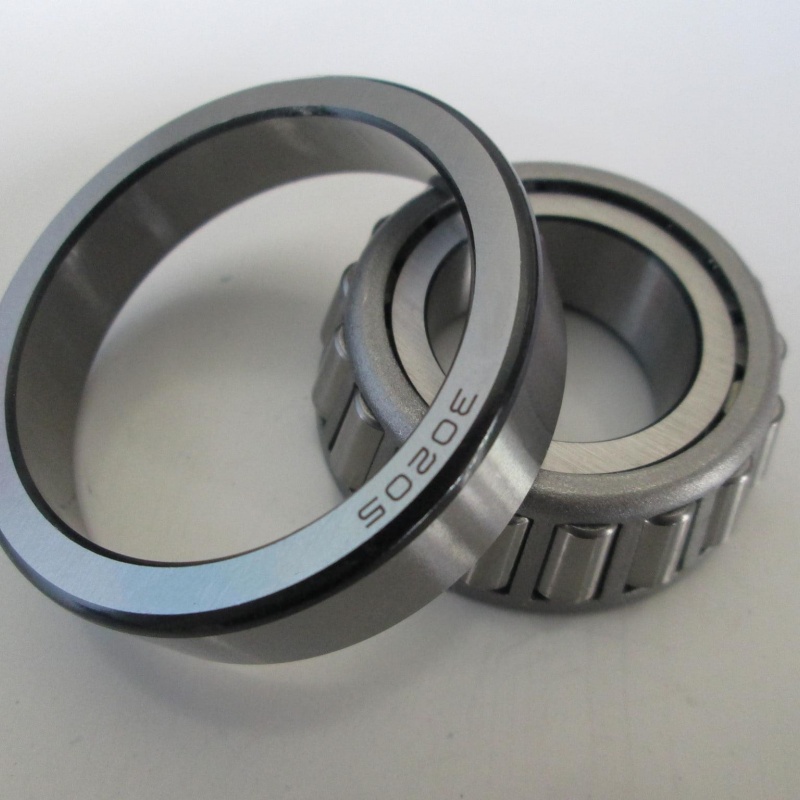
Think of workload as intensity, not frequency. A bearing’s job gets harder, not just longer.
Strategic Upgrades for a Harder Job
Increasing workload often means the same machine must process tougher materials, apply more force, or withstand greater shock.
1. Scenario Analysis: From Light Duty to Heavy Duty
Imagine a wood chipper being used for demolition debris. The workload (crushing harder materials) has increased.
- Original Design: Uses deep groove ball bearings on the rotor shaft. Suitable for wood.
- New Demand: Concrete fragments and metal cause huge shock loads and higher sustained forces.
- The Problem: Ball bearings have point contact. Under shock, the balls can dent (brinell) the raceways. Their load capacity may be exceeded.
2. The Bearing Upgrade Path for Increased Workload:
| Workload Increase Characteristic | Bearing Design Solution | Reason |
|---|---|---|
| Higher Sustained Radial Load | Upgrade to Cylindrical Roller Bearings2 (for pure radial) or Spherical Roller Bearings3 (if misalignment exists). | Roller bearings have line contact, distributing load over a larger area, resulting in a much higher load rating. |
| Higher Axial Thrust | Use Tapered Roller Bearings or Angular Contact Ball Bearings in a paired arrangement. | These types are designed to carry axial loads as a primary function. |
| Severe Shock Loads | Use bearings with tough cages (machined brass) and larger internal clearance (C3/C4). | Brass cages absorb impact; extra clearance prevents preload from shock deformation. |
| Abrasive or Contaminated Environment | Upgrade seals (to labyrinth or heavy-duty rubber) and consider stainless steel components. | Protects the bearing’s internal geometry, preserving its load-carrying ability. |
3. The Critical Role of Supporting Structure:
Upgrading the bearing is useless if the shaft or housing is weak. Increasing workload capacity1 is a system upgrade.
- Shaft: Must be stiff enough to prevent deflection under higher load. A bending shaft misaligns bearings, causing edge loading and catastrophic failure.
- Housing: Must be rigid and properly aligned to support the bearing outer ring evenly.
- Lubrication: Higher loads generate more heat. The lubrication system4 must be adequate to maintain a protective film.
A Practical Case from Our Business:
A mining company in South Africa was using standard spherical roller bearings in their vibrating screens. They wanted to process harder ore, increasing the workload. The bearings were failing from fatigue and cage breakage. We recommended a three-part upgrade: 1) Switch to the 22300 series (heavier series) for higher basic load rating. 2) Specify machined brass cages for shock resistance. 3) Use C4 clearance5 to accommodate greater thermal expansion and shock deformation. This package increased the "workload capacity1" of the screen bearing system, allowing it to process the harder material without premature failure. The workload on the machine increased because the workload capacity1 of its critical components was enhanced first.
How can we increase our capacity?
You look at your business—maybe you’re a machinery manufacturer or a distributor like our client Rajesh. "Our capacity" means your ability to deliver more value, serve more customers, or handle larger projects. For a bearing business, this often ties directly to the technical and supply capacity you can offer.
"We" can increase our capacity by deepening technical knowledge1, expanding product offerings with higher-capacity bearing solutions2, improving supply chain reliability3, and providing value-added services like application engineering4. For a manufacturer like FYTZ, it means producing bearings with higher load ratings5, better precision, and custom designs. For a distributor, it means stocking these superior products and advising customers on capacity upgrades6.

This is about organizational and product capability. It’s moving from being a simple supplier to a capacity-enhancing partner.
Building Capacity as a Bearing Solutions Provider
Whether you make or sell bearings, increasing your capacity to serve clients is a multi-faceted effort.
1. For a Bearing Manufacturer (Like FYTZ Bearing):
Our "capacity" is our ability to solve harder problems for our clients.
- Technical Capacity: Investing in engineering talent and software to perform load life calculations, recommend upgrades, and design custom solutions (OEM/ODM). This allows us to engage in conversations about increasing our client’s machine capacity.
- Product Capacity: Expanding our catalog to include:
- Higher Precision Classes (P5, P6): For applications where precision increases effective load capacity by ensuring even load distribution.
- Special Series Bearings: Stocking or producing 64-series (extra heavy) ball bearings, 22300/23100 series spherical rollers.
- Special Materials: Offering bearings with enhanced steel cleanliness for longer life under high load.
- Production Capacity: Ensuring our factory lines can consistently produce these higher-specification bearings with reliable quality.
2. For a Bearing Distributor/Importer (Like Rajesh’s Company):
Their "capacity" is their ability to be a trusted advisor and reliable source.
- Knowledge Capacity: Training sales staff to understand load ratings, clearance, and application challenges. They learn to ask, "Is your machine running at higher loads?" This positions them to recommend capacity upgrades6.
- Inventory Capacity: Moving beyond just stocking standard bearings. Keeping a selection of high-capacity options (e.g., C3 clearance bearings, spherical roller bearings) ready for quick delivery to solve urgent upgrade needs.
- Service Capacity: Offering basic technical support7, providing CAD models, and sharing failure analysis insights. This builds loyalty and makes them the go-to source for solutions, not just parts.
3. The Collaborative Flywheel:
When a manufacturer and distributor increase their capacities in sync, they create powerful value.
- Distributor identifies a customer with a capacity problem (e.g., a failing bearing under high load).
- Distributor consults with Manufacturer’s technical team.
- Manufacturer recommends a specific high-capacity bearing upgrade.
- Distributor supplies the solution, solving the customer’s problem.
- The customer’s trust grows, leading to more business.
- Both Distributor and Manufacturer increase their sales and their reputations as problem-solvers.
My Perspective on Growing Together:
We actively work to increase our capacity to help clients like Rajesh increase theirs. We provide product training, technical bulletins on upgrading from ball to roller bearings, and easy access to our engineers. When Rajesh can confidently propose a bearing upgrade that saves a local factory from downtime, his business grows, and our partnership strengthens. "Increasing our capacity" is not an internal goal; it’s an outward-facing mission to equip our partners with better tools and knowledge. In the global industrial market, the businesses that grow are those that help their customers overcome limitations.
How can I increase my capacity?
You are an engineer, a maintenance manager, or a plant owner. "My capacity" is your personal or departmental ability to achieve more—to keep machines running longer, to implement improvements, to prevent failures. Knowledge is the key leverage point.
You can increase your personal capacity in machinery management by learning to identify bearing limitations1, understanding load ratings2 and life calculations, mastering installation best practices3 to preserve bearing capacity, and building relationships with technical supplier4s who can provide upgrade guidance. This knowledge turns you from a reactive fixer into a proactive capacity planner.
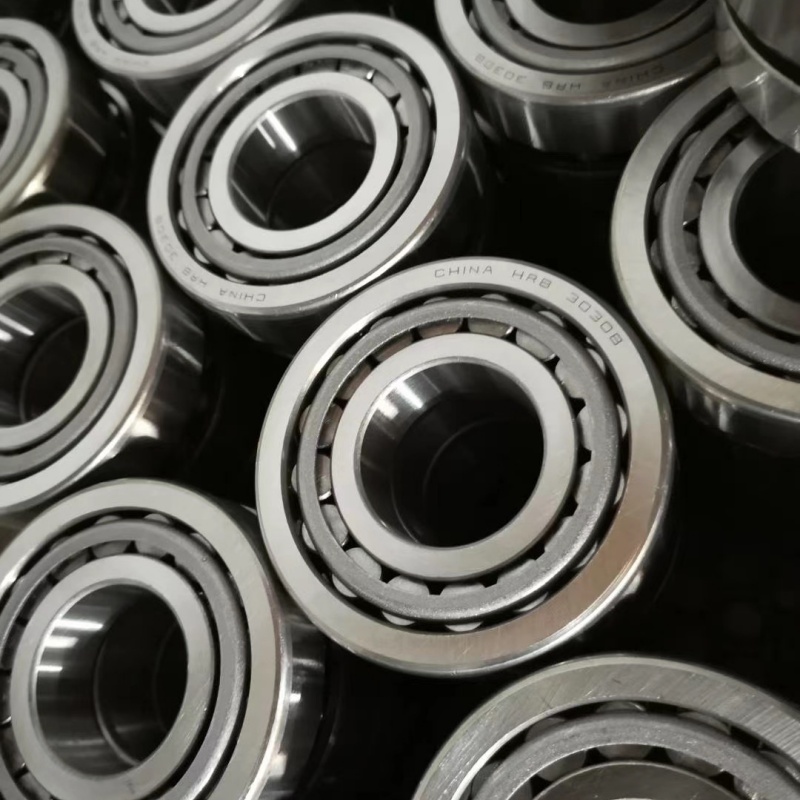
Your personal capacity is your ability to make better decisions with the resources you have. In machinery, better decisions directly translate to higher equipment capacity.
A Self-Development Plan for Bearing and Capacity Expertise
Increasing your technical capacity is a step-by-step process that pays permanent dividends.
Step 1: Build Foundational Literacy.
You need to speak the language.
- Understand Bearing Types: Know the core difference between a ball bearing (point contact, good speed) and a roller bearing (line contact, high load). This is the first decision in any capacity upgrade.
- Decode Bearing Numbers: Learn what "6312 C3" means. The "63" is the series (medium), "12" indicates a 60mm bore, "C3" is clearance. A "64" series bearing of the same bore has a higher load capacity.
- Grasp Key Concepts: Internal clearance, fit and tolerance, dynamic (C) and static (Co) load ratings2.
Step 2: Develop Diagnostic Skills.
Learn to read the signs of inadequate capacity.
- Failure Analysis: When a bearing fails, don’t just throw it away. Examine it. Is there spalling (fatigue from overloading)? Brinelling (shock load)? Is the cage broken (misalignment or shock)? The failure mode points to the root cause and the needed upgrade.
- Monitor Performance: Use simple tools. An infrared thermometer can show a bearing running hot (a sign of overloading or incorrect clearance). Your ears can detect a change in sound (increased noise often means wear or damage from excessive load).
Step 3: Master the Upgrade Toolkit.
Know your options when a bearing is underperforming.
- The Upgrade Paths: Have a mental checklist:
- Same Type, Larger Size? (More space, higher rating)
- Same Size, Heavier Series? (64 instead of 63)
- Different Bearing Type? (Ball to Cylindrical Roller for radial load)
- Better Precision? (P6 for more even load sharing)
- Better Clearance? (C3 for thermal capacity)
- Better Seals/Materials? (To protect capacity from contamination)
Step 4: Leverage Your Supply Chain.
You don’t need to know everything. You need to know who does.
- Find a Technical Supplier: Work with a distributor or factory (like us) that has engineers you can call. Use them as a resource. Ask: "My 6310 bearing is failing under this load; what are my upgrade options5?"
- Request Documentation: Ask for load rating catalogs, interchange guides, and engineering white papers from your suppliers.
My Advice for Continuous Growth:
The field is always advancing. New cage materials (like high-performance polymers), new sealing tech, and new bearing geometries (asymmetric rollers) constantly push the boundaries of capacity. Subscribe to industry blogs, attend webinars offered by suppliers, and review case studies. When you, as an individual, increase your capacity to understand and specify better bearings, you become invaluable to your organization. You stop being the person who orders replacements and become the person who engineers improvements. This personal capacity growth is the most powerful and sustainable way to enhance the load capacity and reliability of the machinery you manage.
Conclusion
Enhancing load capacity starts with understanding the need—be it for production, workload, business, or personal growth. Strategically upgrading bearing design, through type, series, precision, or material selection, is a cost-effective way to unlock higher machine performance and reliability without complete overhaul.
-
Understanding bearing limitations is crucial for effective machinery management and capacity planning. ↩ ↩ ↩ ↩ ↩ ↩ ↩ ↩ ↩
-
Load ratings are essential for selecting the right bearings, ensuring optimal performance and longevity. ↩ ↩ ↩ ↩ ↩
-
Mastering installation best practices can significantly enhance bearing capacity and prevent failures. ↩ ↩ ↩ ↩ ↩ ↩
-
A technical supplier can provide valuable insights and resources for effective bearing management and upgrades. ↩ ↩ ↩ ↩
-
Knowing upgrade options allows for proactive improvements, enhancing machinery reliability and efficiency. ↩ ↩ ↩ ↩
-
Learn how capacity upgrades can enhance operational efficiency and competitiveness. ↩ ↩ ↩
-
Explore the importance of technical support in building customer loyalty and trust. ↩
