
Your machine runs, but not well. It vibrates, makes noise, and uses too much power. You worry about the next breakdown. A simple part change might solve all these problems at once.
Upgrading your machinery with better bearings means replacing standard components with higher-precision, higher-capacity, or better-suited bearings to improve performance, efficiency, and reliability. It is a targeted investment that reduces downtime, energy costs, and long-term maintenance expenses.
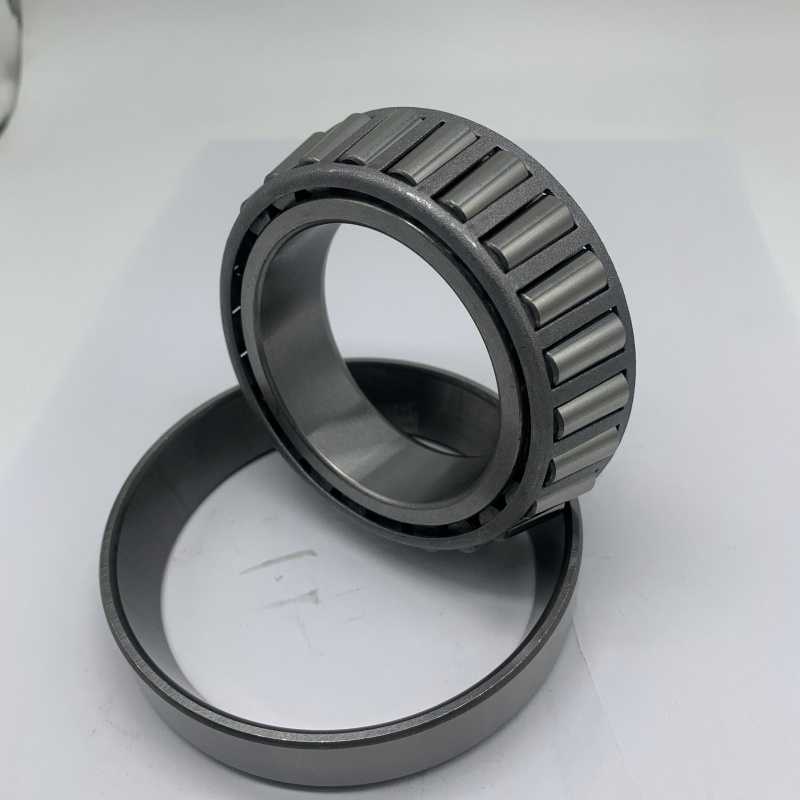
Many people think an "upgrade" means buying a whole new machine. That is expensive and often unnecessary. In my work with factories and distributors worldwide, I see a different story. A strategic bearing upgrade can give old equipment a new life. Let me show you what a real upgrade means, how it works, and how you can do it without huge costs.
What does it mean to upgrade your system?
You replace a bearing, but nothing improves. The noise returns quickly. You used the same part number, so you think it should work. The problem is you replaced, but you did not upgrade. A true upgrade solves the root cause.
To upgrade a system means to improve its overall performance or capability by changing one or more components to a superior specification. In bearing terms, it means moving from a standard bearing to one with better precision (like P6 to P5), higher load capacity, special materials, or optimized internal clearance for the specific application.
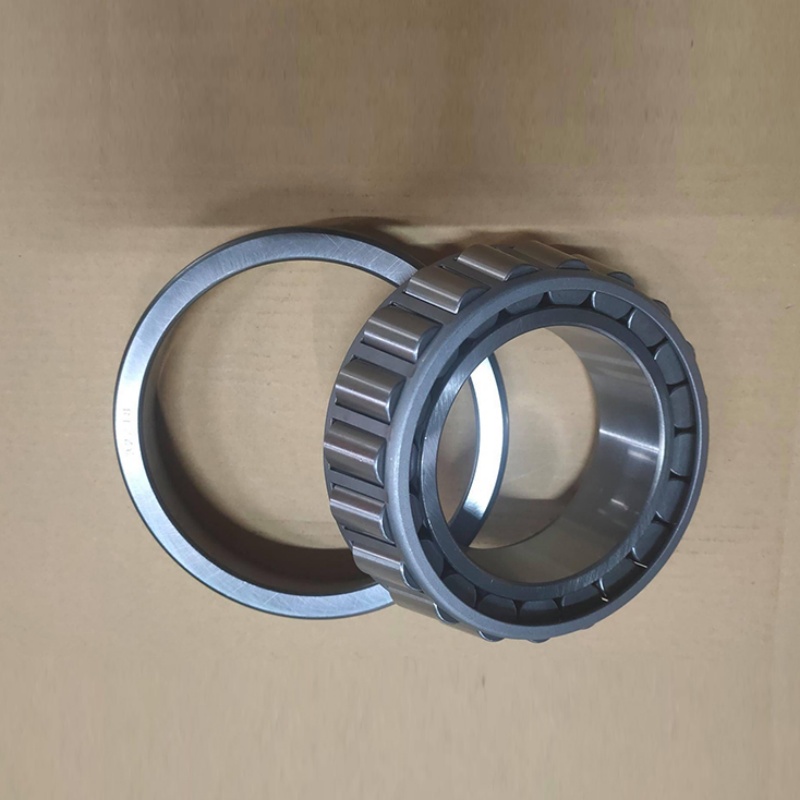
An upgrade is a planned improvement. It is not just fixing what is broken. It is about making the machine work better than it did before.
The Practical Path to a Bearing System Upgrade
Upgrading is a process of diagnosis and targeted improvement. You do not change everything. You find the weakest link and strengthen it.
Step 1: Identify the Performance Gap
First, you must know what is wrong. Common signals tell you an upgrade might be needed:
- Excessive Vibration or Noise1: This often points to poor bearing precision or wear.
- High Operating Temperature2: This can mean friction is too high due to incorrect bearing type or preload.
- Short Bearing Life3: If bearings fail much faster than expected, the load or speed rating may be too low.
- Poor Product Quality4: In machine tools, bearing inaccuracy can lead to poor surface finish on machined parts.
Step 2: Choose the Right Upgrade Path
Once you know the problem, you can pick the solution. Here are the most common and effective bearing upgrade paths:
| Upgrade Path | What It Means | Ideal For Solving | My Insight from the Factory Floor |
|---|---|---|---|
| Precision Class Upgrade5 | Moving from a standard ABEC1/P0 bearing to a P6, P5, or even P4 class. Tighter tolerances on dimensions and running accuracy. | Vibration, noise, and applications requiring high rotational accuracy (spindles, motors). | We run a separate inspection line for P5/P6 bearings. For clients in Turkey making textile machinery, this upgrade is mandatory. The fabric quality depends on spindle smoothness. |
| Capacity Upgrade6 | Selecting a bearing from a series with higher dynamic/static load ratings, or moving to a different type (e.g., from a deep groove ball to a cylindrical roller bearing). | Premature fatigue failures, applications where loads have increased over time. | A client in Brazil upgraded crusher bearings from standard to a high-capacity design we recommended. Bearing life increased by 40%, saving them thousands in downtime. |
| Material/Specification Upgrade7 | Using bearings with special steel, better heat treatment, or different seals/lubricants. | High-temperature environments, corrosive conditions, or where lubrication intervals need to be extended. | For customers in Egypt and coastal India, we offer bearings with improved rust protection. The standard bearing rusts in the warehouse; the upgraded one lasts. |
| Clearance Optimization8 | Changing from standard CN clearance to C3 or C4 based on actual operating temperature and fits. | Noisy bearings that get hot, or bearings that fail after running for a short while. | This is the simplest, most overlooked upgrade. We ask every client about their operating temperature. Supplying a C3 clearance bearing instead of CN often solves thermal seizure problems. |
Step 3: Implement and Verify
The upgrade is not complete until you install the bearing correctly and check the results. Proper mounting, alignment, and lubrication are part of the upgrade process. After installation, you should measure the improvement. Is vibration lower? Is temperature normal? Has noise decreased?
My key insight is this: An upgrade is an investment with a measurable return. You spend a little more on a better bearing, but you save a lot more on energy, maintenance, and lost production. When my distributor clients, like Rajesh in India, explain this value to their repair shop customers, they move from being parts sellers to trusted advisors. They sell solutions, not just products.
Where is the machine upgrade kit in my time at Sandrock?
You play a game and find a kit that makes your tools better instantly. You wish real machinery worked that way. In the real world, there is no single "kit," but the principle is the same. You assemble the right components for a specific improvement.
In the game "My Time at Sandrock," machine upgrade kits1 are items you craft or find to improve your workbench, recycler, or other machines. They are not a single physical location but are acquired through gameplay progression. In real industrial maintenance2, a "machine upgrade kit" is the set of superior components—like high-precision bearings3, seals, and shafts—you purposefully select and install to enhance your equipment’s function.
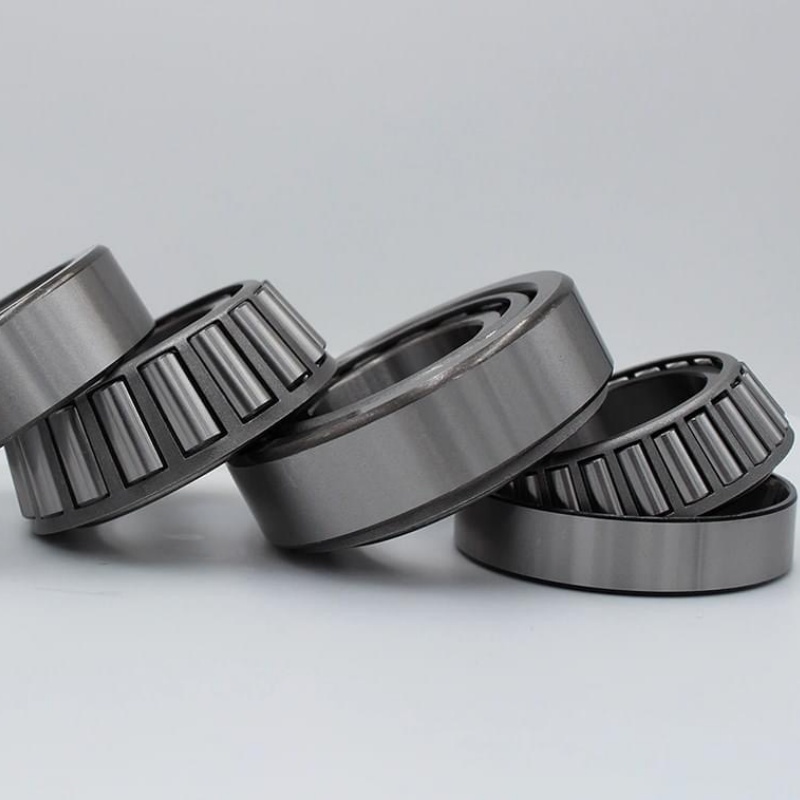
The game simplifies a real concept. It shows that upgrading is a deliberate action to get better results from your tools.
Building Your Real-World "Upgrade Kit"
An industrial upgrade is not one magic box. It is a planned project. You are the one who puts the "kit" together based on your machine’s needs.
1. The "Kit" Components:
A real bearing upgrade kit for a motor or pump might include:
- The Core: High-precision bearings (P5 or P6 class).
- The Support: Matching high-tolerance shafts or adapters.
- The Protectors: Upgraded seals (contact seals vs. non-contact) for better contamination exclusion.
- The Lubricant: A higher-grade, longer-life grease suitable for the operating temperature.
- The Instructions: Precise mounting guidelines and clearance specifications.
2. How to "Find" or Source Your Kit:
Unlike a game, you don’t find this kit in a chest. You build it through sourcing and knowledge.
| Game Analogy | Real-World Equivalent for Bearing Upgrades | Action for a Procurement Manager |
|---|---|---|
| Finding a blueprint | Researching the correct bearing specification and upgrade path for your machine. | Talk to bearing engineers4 (like ours at FYTZ). Analyze failure reports. Check the machine manual for upgrade options. |
| Gathering resources | Sourcing the physical components from a reliable supplier. | Contact your bearing supplier (a factory like us or a trusted distributor). Provide the exact specifications for the upgrade. |
| Crafting at a workbench | The physical act of installing the bearings with proper tools and techniques. | Ensure your maintenance team has the right tools (induction heaters, hydraulic presses, torque wrenches) and follows procedures. |
| Installing on the machine | Mounting the upgraded components and commissioning the machine. | Install, align, lubricate, and then test run the machine to verify performance improvement. |
3. A Real Case from Our Business:
One of our distributors in Vietnam supplies parts to local rice mill factories. The old motors on their polishing machines were noisy and hot. The distributor didn’t have a "kit." Instead, they worked with us to create one. We supplied P6 class deep groove ball bearings with C3 clearance and high-temperature grease. The distributor provided the new seals and shaft polishing service. Together, this "upgrade package5" extended motor life by over 60% for the mill owners. The distributor’s sales grew because they offered a valuable solution.
The lesson is clear. The "upgrade kit" is not on a shelf. It is in the partnership between a knowledgeable buyer and a capable supplier. As a factory, we often act as the "blueprint" provider. Clients send us their problems, and we help them build the component list for their specific upgrade. This is the real-world version of progressing to the next level in your business.
Does upgrade mean replace?
You hear "upgrade" and think you must throw the old part away. This idea stops many people. They fear the cost and hassle of replacement. But sometimes, an upgrade is smarter and simpler than a direct replacement.
Not always. In engineering, "upgrade" and "replace" are related but different. "Replace" means putting in a new part that is identical to the old one. "Upgrade" means putting in a new part that is better than the old one. All upgrades involve replacement, but not all replacements are upgrades.
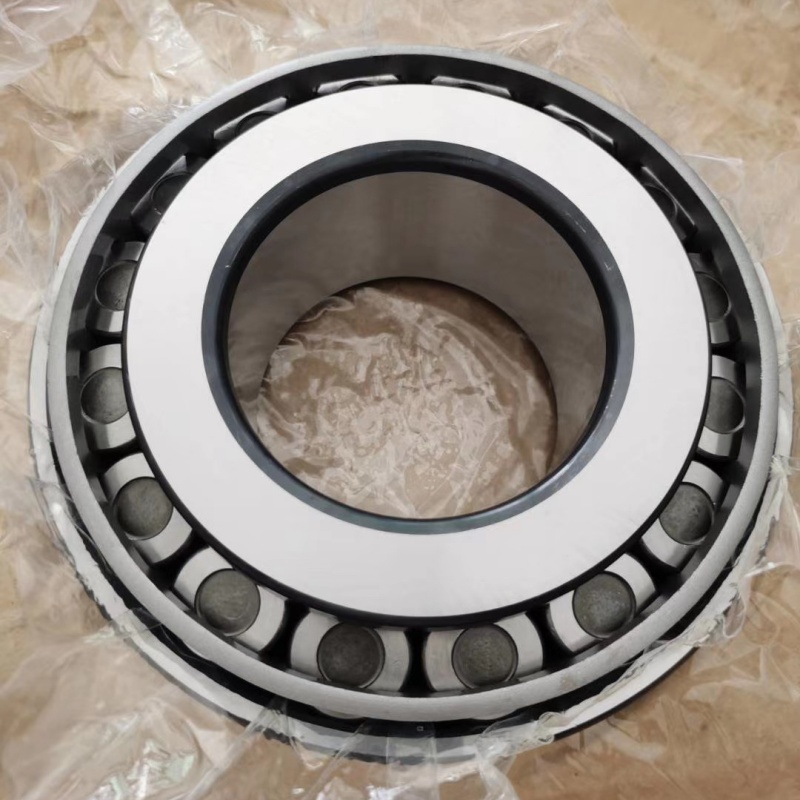
Understanding this difference is crucial for making cost-effective maintenance decisions.
When to Replace, When to Upgrade, and When to Do Neither
Let’s break down the decision with clear examples. This will help you spend your maintenance budget wisely.
The Three Choices:
- Direct Replacement1: You use the exact same part number. This is correct when the original bearing performed well and met all requirements. There is no need to change.
- Upgrade Replacement2: You install a different, superior bearing. This is correct when you want to solve a chronic problem or improve performance.
- Repair or Refurbish3: Sometimes, the bearing is fine, but other parts (shaft, housing) are worn. Fixing those might be better than any bearing change.
Decision Guide Based on Common Situations:
| Situation | Recommended Action | Reasoning & Business Insight |
|---|---|---|
| A bearing failed after a normal service life. | Direct Replace. | The system is balanced. The bearing did its job. Using the same part is the most economical choice. For our distributors, this is routine business. |
| Bearings fail repeatedly in the same machine. | Upgrade Replace. | This is a classic sign. Something is wrong. The load may be higher, or the environment harsher than the original design assumed. An upgrade in capacity, precision, or material is needed. We analyze such failures for clients to recommend the right upgrade. |
| You need the machine to run smoother or quieter. | Upgrade Replace. | A precision class upgrade (to P5/P6) directly addresses this. It is a proactive improvement, not a reactive fix. |
| The machine’s duty cycle has increased. | Upgrade Replace. | If the machine now runs 24/7 instead of 8 hours, the bearing needs a higher thermal stability or lubricant. This is a functional upgrade. |
| The shaft is scored where the bearing sits. | Repair Shaft, then Direct Replace. | Putting any new bearing on a damaged shaft will cause instant failure. The upgrade here is to repair the shaft, perhaps with a coating, then use a standard bearing. |
A Critical Consideration: Compatibility4
An upgrade must be compatible. You cannot put a larger bearing in the same housing. The most common successful upgrades are "drop-in" upgrades. These are bearings with the same dimensions but better internal specs.
Examples of Drop-in Bearing Upgrades5:
- Same
6208bearing size, but from P0 to P5 precision class. - Same
30206tapered roller bearing, but with C3 clearance instead of CN. - Same bearing, but with a superior steel grade or seal type (e.g.,
6208-2RSto6208-2RSHwith a better seal).
My insight from dealing with hundreds of B2B clients is that the fear of complexity holds them back. They think an upgrade means redesigning the whole machine. I tell them, "Start with a drop-in upgrade." It is low-risk and high-reward. A procurement manager like Rajesh can easily stock a few cases of P5 precision bearings in common sizes. When his repair shop customers have a problem with vibration, he can offer this simple upgrade solution. It makes him a problem-solver, not just an order-taker.
How do you upgrade your device?
You have decided to upgrade. Now you face practical questions. Which bearing1 do I order? How do I install it? What if I make it worse? The process seems daunting, but it can be simple if you follow clear steps.
You upgrade your device by following a systematic process: First, diagnose the current performance issue. Second, select a bearing1 with superior specifications that fit the same space. Third, install the new bearing1 with great care using proper tools and methods. Finally, test the device to confirm the improvement.
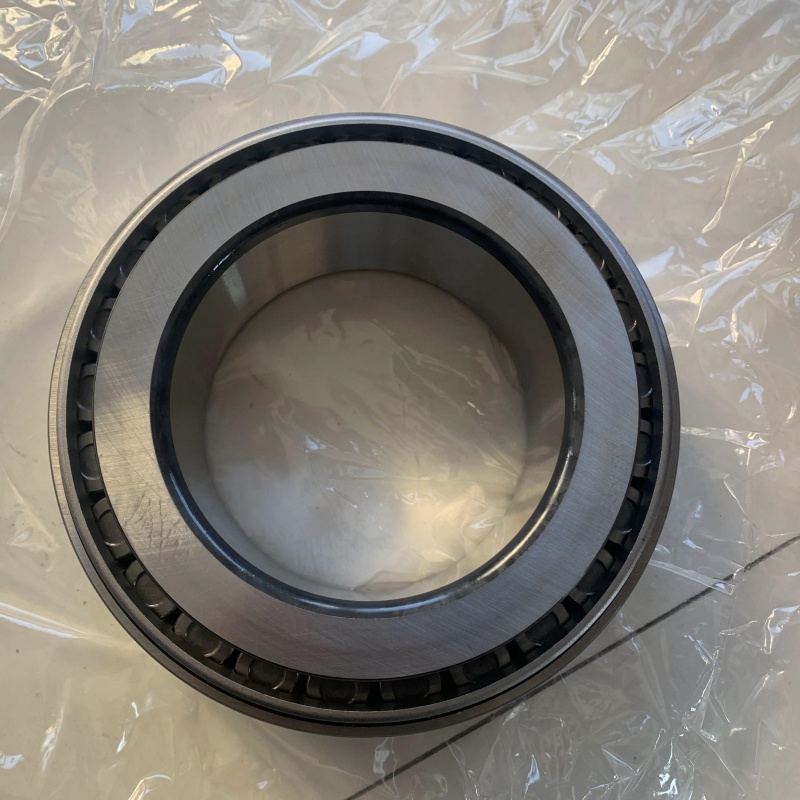
Let’s turn this general process into a concrete, step-by-step action plan you can use today.
A Step-by-Step Action Plan for a Successful Bearing Upgrade
I will outline the process using a very common example: upgrading a noisy, overheating electric motor bearing1.
Step 1: Diagnosis and Information Gathering
Do not just order a bearing1. First, become a detective.
- Record Symptoms: Write down the problem. "Motor gets to 90°C after 2 hours and has a high-pitched whine."
- Check the Old Bearing: When you remove it, look for clues. Is the cage broken? Are the raceways blue from heat? This tells a story.
- Gather Data: Find the old bearing1 number (e.g.,
6208). Measure the shaft and housing dimensions to confirm. Check the motor nameplate for speed (RPM) and power.
Step 2: Specification and Sourcing
This is where you define the "better" bearing1.
- Analyze the Failure: The overheating and noise suggest two things: excessive friction and poor running accuracy. Heat might also mean the bearing1 is too tight from thermal expansion.
- Choose Upgrade Specs:
- Type: Keep it as a deep groove ball bearing1 (same type).
- Precision: Upgrade from standard to P6 or P5 class2. This addresses noise and vibration.
- Clearance: Choose C3 clearance group3. This gives extra internal space to handle the heat buildup without preloading the bearing1.
- Seals/Lubrication: Specify a high-temperature grease4, especially if the motor runs hot.
- Source the Bearing: Now you have your specification:
6208 P5 C3with HT grease. You contact your supplier with this exact description.
Step 3: The Critical Installation Phase
A perfect bearing1 can be ruined by bad installation. This phase is 50% of the upgrade’s success.
| Installation Task | Correct Method | Common Mistake to Avoid |
|---|---|---|
| Cleanliness | Clean the shaft, housing, and tools. Work in a clean area. | Installing a bearing1 in a dirty environment. Dirt is the number one killer of bearing1s. |
| Mounting | Use a proper bearing1 heater to expand the inner ring for a snug fit on the shaft. Never hammer directly on the bearing1 rings. | Hammering the bearing1 onto the shaft, which damages the internal raceways and creates stress points. |
| Alignment | Use dial indicators to ensure the motor shaft and the driven shaft are perfectly aligned after installation. | Assuming the old alignment5 is still good. Even small misalignment5 causes early failure. |
| Lubrication | Apply the correct amount of the specified grease. Too much grease causes churning and overheating. | Packing the bearing1 cavity completely full of grease. |
| Sealing | Ensure any external seals are properly fitted to keep contaminants out. | Damaging seals during installation or reusing old, worn seals. |
Step 4: Verification and Monitoring
The job is not done when the motor starts.
- Initial Test: Run the motor without load. Listen for unusual noise. Feel for vibration.
- Temperature Monitoring: Use a temperature gun to track bearing1 housing temperature over the first few hours of operation. It should stabilize at a safe level.
- Long-Term Tracking: Note the date of the upgrade. Compare the new running performance (noise, temperature, energy use) to the old baseline.
My Final Insight on Implementation:
The biggest barrier to upgrading is not cost, but confidence. People are afraid to try something different. My advice is to start small. Pick one problematic machine. Follow these steps. Work with a supplier who can provide technical support, not just a price. When you see the results—a quieter, cooler, more reliable machine—you will have the confidence to upgrade more widely. This is how our clients grow their business. They learn to solve problems, and their customers reward them with loyalty.
Conclusion
Upgrading your machinery with better bearings is a smart, strategic process. It starts with identifying a real problem and ends with a measurable improvement in performance and cost savings. Don’t just replace—think, diagnose, and upgrade.
-
Explore this link to understand different bearing types and their benefits for your upgrade. ↩ ↩ ↩ ↩ ↩ ↩ ↩ ↩ ↩ ↩ ↩ ↩ ↩ ↩ ↩ ↩ ↩ ↩ ↩ ↩ ↩
-
Learn about bearing precision classes to make informed choices for your upgrades. ↩ ↩ ↩ ↩
-
Discover the significance of C3 clearance in bearing performance and longevity. ↩ ↩ ↩ ↩
-
Find out why high-temperature grease is crucial for your motor’s performance. ↩ ↩ ↩ ↩
-
Understand the critical role of alignment in preventing early bearing failure. ↩ ↩ ↩ ↩ ↩
-
Learn about Capacity Upgrades to enhance bearing life and performance in high-load applications. ↩
-
Explore how Material/Specification Upgrades can improve durability in harsh environments. ↩
-
Discover how optimizing clearance can prevent failures and improve operational efficiency. ↩