
You invested in high-quality deep groove ball bearings, but they arrived rusty or damaged. Your production line stalls, and your customers are unhappy. This is a common and costly nightmare in global trade. The problem often starts long before the bearings reach your factory.
Effective export packaging for deep groove ball bearings requires a multi-layered defense. It combines proper rust-preventative coatings (VCI), shock-absorbing internal materials like honeycomb paper, and robust, waterproof external cartons or wooden cases. This system protects bearings from humidity, salt spray, and physical impacts during long sea voyages to destinations like India or Brazil.
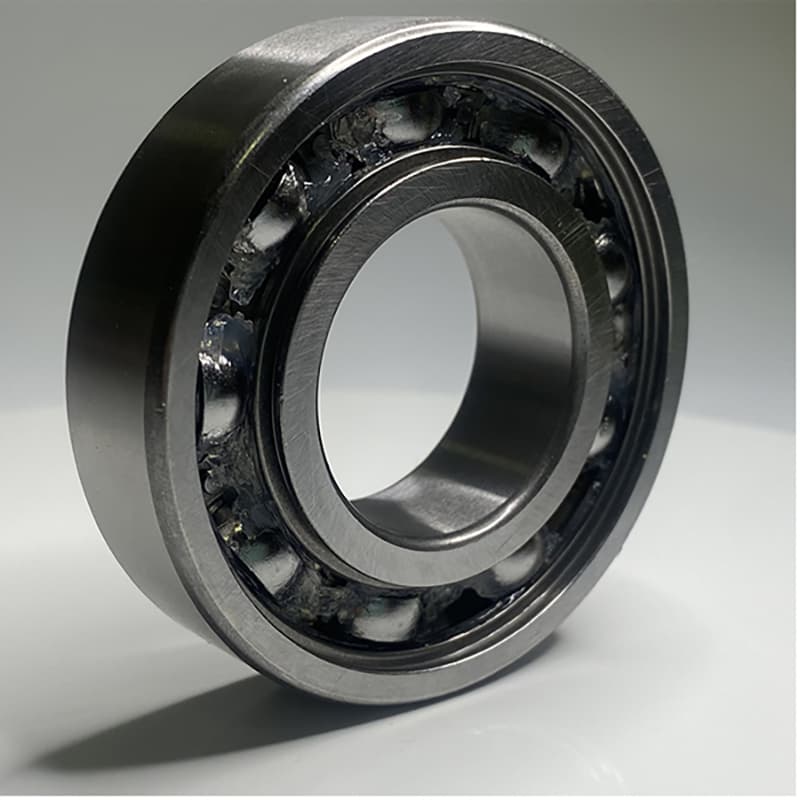
I have seen containers opened in Mumbai where everything was ruined by a single leak. I have also seen bearings arrive in perfect condition after 60 days at sea. The difference always comes down to packaging. In this article, I will show you the exact packaging methods we use at FYTZ to ensure your bearings land safely. I will also clear up common confusion about shipping terms and the bearing’s core design. This knowledge will help you protect your investment and specify the right packaging to your suppliers.
What are the disadvantages of deep groove ball bearings?
Many buyers focus only on price and specifications. But if you don’t understand a product’s weak points, you cannot protect it properly. Knowing the inherent disadvantages of deep groove ball bearings is the first step in designing packaging that prevents failure.
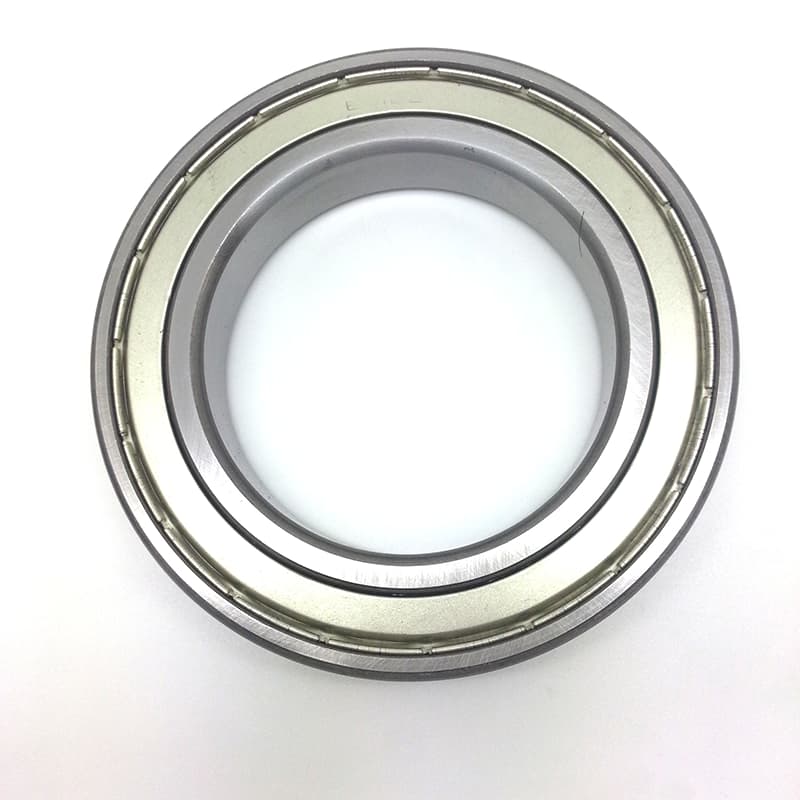
The main disadvantages are sensitivity to contamination1 (dust, moisture), vulnerability to corrosion2 if unprotected, and limited capacity for very heavy loads3 or severe misalignment. Their precision surfaces and steel construction make them prone to rust and brinelling4 (dent damage) during rough handling in transit.
Why Packaging Must Address These Weaknesses
Packaging is not just a box. It is a tailored protection system. For deep groove ball bearings, the packaging must specifically counter their vulnerabilities. Let’s look at each disadvantage and its packaging implication.
First, sensitivity to contamination1 and corrosion. The bearing’s raceways and balls are made of high-carbon chrome steel. This steel offers excellent hardness and wear resistance. However, it can rust quickly when exposed to moisture and salt air. A long sea journey creates a perfect environment for corrosion. The humidity inside a container can be extreme. We once had a client in Vietnam who received bearings with surface rust because the inner plastic bag was just a simple PE bag, not a VCI bag. The packaging failed to create a protective micro-climate.
Second, vulnerability to physical damage. The point contact design that allows smooth rolling also creates high stress points.
- Brinelling: If a bearing is dropped or experiences a sharp impact during handling, the balls can dent the raceways. This is called brinelling4. A brinelled bearing will have increased vibration and noise from day one, even if the dent is tiny. Your customer will think it’s a manufacturing defect, but it’s actually a shipping damage.
- Cage Damage5: The cage, often made of stamped steel or polymer, can be bent or broken if bearings are loose in a box and crash into each other.
Third, the consequence of misalignment from shock. While misalignment is an operational issue, it can be simulated by physical shocks in transit. A heavy impact can slightly deform the rings or alter the precise geometry. This hidden damage may not be visible until the bearing is installed and fails prematurely.
Therefore, the packaging strategy must have clear goals. I break it down into a simple table:
| Bearing Disadvantage | Threat During Export | Packaging Solution Goal |
|---|---|---|
| Corrosion | High humidity, salt spray, condensation. | Create a dry, rust-inhibited environment around each bearing. |
| Physical Damage (Brinelling) | Rough handling, drops, container shifting. | Absorb and distribute impact energy; immobilize the bearing. |
| Contamination | Dust, dirt, foreign particles. | Seal the bearing completely from the external environment. |
| Cage/Ball Damage | Vibration, bearing-to-bearing collision. | Separate and cushion each bearing individually. |
At FYTZ, we don’t use a one-size-fits-all box. For a client like Rajesh in Mumbai, whose bearings might sit in a humid port warehouse, we insist on VCI (Volatile Corrosion Inhibitor) packaging as a minimum. For larger bearings shipped to a heavy machinery plant in Brazil, we use wooden cases with custom foam inserts. The packaging is the final, critical step of our quality control. It ensures the precision and performance we built into the bearing are preserved until the moment our client needs them. When you discuss packaging with a supplier, ask them how their methods address these specific disadvantages. A good supplier will have a detailed answer.
How to pack a ball bearing?
Packing a ball bearing correctly is a process, not just an action. It involves layers of protection, each with a specific job. A single mistake in this process can ruin an entire shipment.
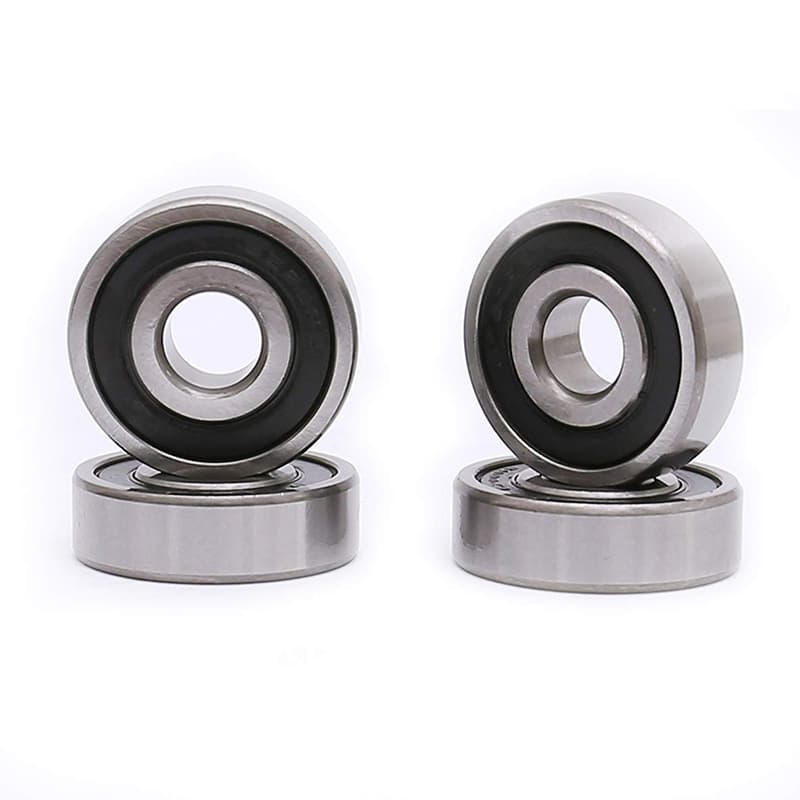
To pack a ball bearing for export, follow a multi-step process: 1) Clean and apply rust preventive oil, 2) Wrap individually in VCI paper or place in a VCI bag, 3) Immobilize it in a custom-sized inner box or honeycomb partition, 4) Seal the inner box, 5) Pack multiple inner boxes into a strong, waterproof master carton or wooden case, and 6) Palletize and secure the cases for container loading.
The Detailed, Layer-by-Layer Packing Protocol
Let me walk you through the standard operating procedure we use in our factory. This is what we do for every export order, whether it’s for Rajesh in India or a new client in South Africa.
Step 1: Pre-Packing Preparation – Cleaning and Preservation.
This step happens even before we pick up a box. After final inspection and before the bearing touches any packing material, it must be clean and protected.
- Cleaning: We use solvent cleaning to remove any residual cutting oil or dust from the manufacturing process. A clean surface is essential for the next step.
- Rust Preventive (RP) Oil1: A thin, even coat of RP oil is applied. This oil is different from the lubricant used in operation. It is designed specifically for long-term storage and protection against humidity. For some high-precision or sealed bearings, we might use a different preservative method, but the principle is the same.
Step 2: The First Barrier – VCI Packaging2.
This is the most important layer for preventing rust. VCI (Volatile Corrosion Inhibitor3) materials release a gentle, protective vapor that surrounds the metal.
- VCI Paper: We often wrap each bearing in VCI paper. The paper is in direct contact with the steel, providing a constant protective emission.
- VCI Bags: For smaller bearings or bulk packing, we place them into VCI polyethylene bags and heat-seal them. The sealed bag creates a miniature controlled atmosphere. The VCI molecules saturate the air inside the bag and form a protective layer on the metal surface, neutralizing moisture.
Step 3: Immobilization and Cushioning – The Inner Box.
Now we prevent physical damage. The wrapped bearing must not be able to move.
- Individual Boxes: Each bearing goes into a corrugated cardboard box that is precisely sized. There should be no space for the bearing to shake. The box itself provides the first level of crush resistance.
- Honeycomb Paper Partitions4: For packing multiple bearings in one box, we use honeycomb paper dividers. These create individual cells for each bearing. The honeycomb structure is excellent at absorbing shock and preventing bearings from knocking against each other. We never simply throw loose bearings into a large box.
Step 4: The External Fortress – Master Carton5 and Wooden Case.
The inner boxes are then packed into the final shipping container.
- Master Carton5: For standard sizes, we use 5-ply or 7-ply export-grade cardboard cartons. These are much stronger than regular boxes. The carton seams are sealed with strong adhesive tape.
- Waterproofing6: A critical step! We either use cartons with a waterproof coating or wrap the entire sealed master carton in a stretch plastic film. This guards against accidental spills or rain during port handling.
- Wooden Cases: For very large, heavy bearings (over 50kg per piece) or extremely valuable precision bearings, we build custom wooden cases. The bearing is bolted to a skid inside the case, and foam or blocking is used to fill all void space. The case is then nailed and strapped shut.
Step 5: Container Load Planning – The Final Step.
How the boxes are placed in the shipping container matters.
- Palletizing7: We stack and shrink-wrap boxes onto wooden pallets. This makes handling with forklifts safer and prevents boxes from being dragged.
- Securing: Inside the container, the pallets are tightly secured with straps and dunnage bags (air bags) to prevent any movement during the voyage. A shifting pallet can crush other boxes.
Here is a summary table of this layered approach:
| Layer | Material Example | Primary Function | Consequence if Skipped |
|---|---|---|---|
| Layer 1: Preservation | Rust Preventive Oil | Forms a protective film on the metal. | Direct metal exposure to humid air, leading to surface rust. |
| Layer 2: VCI Barrier | VCI Paper or Bag | Creates an anti-corrosion vapor environment. | Condensation inside the package causes flash rust. |
| Layer 3: Immobilization | Individual Box / Honeycomb Partition | Prevents movement and impact between bearings. | Bearings collide, causing brinelling, cage damage, or noise. |
| Layer 4: External Protection | 7-Ply Carton / Wooden Case | Protects from crush, puncture, and water ingress. | Box collapses, bearings are exposed to elements and physical damage. |
| Layer 5: Securing | Pallet & Straps | Prevents load shift inside the container. | Boxes topple, crushing and damaging the contents. |
When you place an order, you should ask your supplier about their packing standards. At FYTZ, we provide a detailed packing specification sheet. We want you to know exactly how your goods are protected, so you can be confident they will arrive in the same condition they left our factory.
What does DDU mean on a bearing?
You see "DDU" on a proforma invoice or packing list, and it’s easy to overlook. But this small acronym has a big impact on your costs, risks, and responsibilities when the shipment arrives at your port. Confusing it with other terms can lead to unexpected delays and fees.
DDU stands for "Delivered Duty Unpaid1." It means the seller (exporter) is responsible for all costs and risks to deliver the goods to a named place in the buyer’s country, but the buyer is responsible for paying the import duties, taxes, and customs clearance charges. It is a common Incoterm for bearing exports.
Understanding DDU in the Real World of Bearing Imports
Incoterms2 like DDU are international rules that define who does what, who pays for what, and who bears the risk at each stage of the journey. Let’s break down DDU from the perspective of a bearing buyer like Rajesh.
The Seller’s (My) Responsibilities under DDU:
When I quote you a price under DDU Mumbai, I am taking on a significant chain of responsibility. My job is to get the bearings from my factory gate in China all the way to a agreed location in Mumbai, India.
- Export Packaging: I must pack the bearings as we discussed, suitable for the journey.
- Export Customs Clearance3: My freight forwarder handles all paperwork to get the bearings out of China legally.
- Main Carriage (Ocean Freight): I book and pay for the sea freight from a Chinese port (e.g., Ningbo) to the destination port (e.g., Nhava Sheva, Mumbai).
- Insurance: I must arrange and pay for marine cargo insurance for the voyage. This is crucial for you. If the container is lost or damaged at sea, I file the insurance claim.
- Unloading at Destination Port: I pay for the cost to unload the container from the ship.
- Delivery to Named Place: This is the key. "DDU" means I am responsible for the inland freight from the destination port to your specified warehouse or address in Mumbai. I pay for the trucking, local tolls, etc. The risk of loss or damage remains with me until the truck arrives at your door and the goods are placed at your disposal.
The Buyer’s (Your) Responsibilities under DDU:
Your responsibilities start once the goods are at your named place, ready for you to unload.
- Import Customs Clearance4: You or your customs broker must handle all import declarations, paperwork, and interactions with Indian customs.
- Payment of Duties and Taxes: You pay all import duties, GST (Goods and Services Tax), and any other port charges or fees levied by Indian authorities.
- Unloading at Final Destination: You are responsible for offloading the bearings from the delivery truck at your warehouse.
Why DDU is Common and Its Critical Points:
DDU is popular because it gives the buyer (you) control over the customs clearance process, which can be complex and requires local knowledge. However, there are critical things to remember:
- Clear Communication on "Named Place": The exact delivery address must be crystal clear. Is it your port warehouse? Your main factory? Ambiguity causes disputes.
- No Customs Clearance by Seller: I, as the seller, do not clear your import customs. I only deliver the goods to your country. If your customs broker is slow or there are document issues, the shipment may incur demurrage (port storage fees). Under DDU, these delay charges after arrival are usually for the buyer’s account if caused by clearance delays.
- Contrast with DDP: DDP (Delivered Duty Paid) is different. Under DDP, I would handle everything, including paying your import duties. But this is rare for bearings because as a foreign entity, I cannot easily pay taxes in your country. It also gives you less visibility into the true landed cost.
Here is a simple table comparing DDU with two other common terms:
| Incoterm | Risk Transfer Point | Who Pays Ocean Freight? | Who Pays Import Duty & Tax? | Who Clears Import Customs? | Best For… |
|---|---|---|---|---|---|
| FOB5 (Free On Board) | When goods pass ship’s rail at Chinese port. | Buyer | Buyer | Buyer | Buyers who have their own trusted freight forwarder for the whole journey. |
| CIF6 (Cost, Insurance & Freight) | When goods pass ship’s rail at Chinese port. | Seller | Buyer | Buyer | Buyers who want the seller to arrange main freight & insurance but will handle their own import. |
| DDU (Delivered Duty Unpaid1) | When goods are delivered to buyer’s named place. | Seller | Buyer | Buyer | Buyers who want door-to-door delivery service but want to control and pay their own local taxes. |
For Rajesh, DDU is often a good choice. He gets a single price that covers delivery right to his Mumbai warehouse. He knows the total logistics cost upfront from me. Then he uses his local broker to handle customs, which he is familiar with. When you see DDU, you know your supplier is managing the physical delivery, but you must be ready to handle the financial and bureaucratic side of importation.
What is a deep groove in a ball bearing?
The name "deep groove ball bearing1" comes directly from its most defining physical feature. This isn’t just a marketing term; it’s the key engineering detail that gives this bearing its unique capabilities. Understanding this groove helps you appreciate why the bearing needs such careful protection.
The deep groove is a continuous, curved channel machined into both the inner and outer rings of the bearing. It is deep enough to securely guide and contain the balls, allowing the bearing to support significant loads from both radial (perpendicular) and axial (parallel) directions, unlike bearings with shallower or different raceway designs.
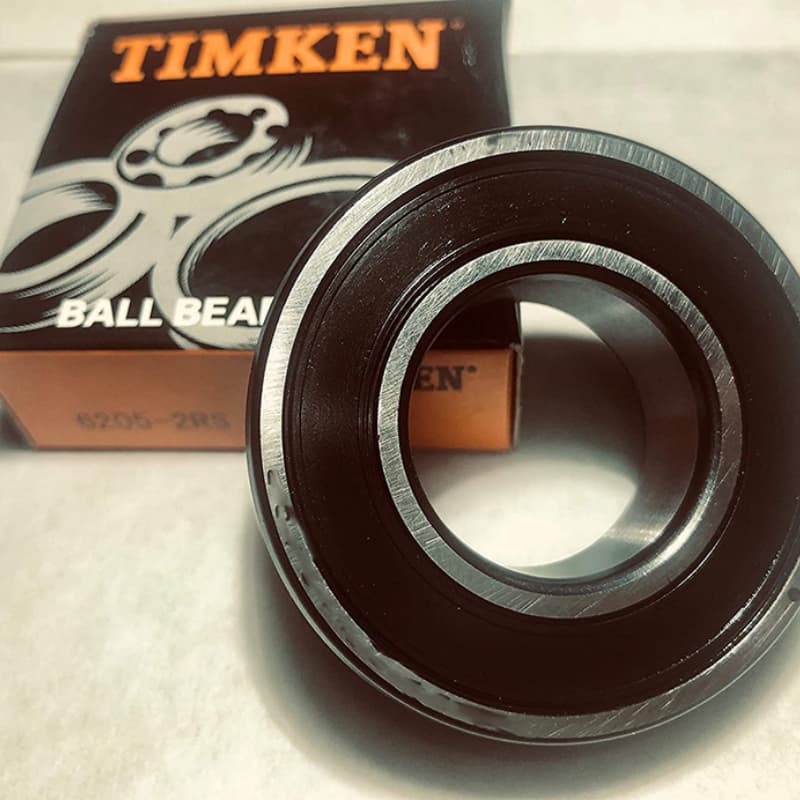
The Engineering and Implications of the Deep Groove
Let’s look inside the bearing. The deep groove is not a simple U-shape. It is a precisely machined arc, usually a Gothic arch or a circular arc, that matches the curvature of the balls very closely.
The Geometry and Its Purpose:
- Conformity and Load Distribution: The groove is designed to have a close conformity to the ball. This means the contact area between the ball and the raceway is optimized. A good conformity spreads the load over a larger area, reducing stress and allowing the bearing to carry higher loads. A poorly machined groove with low conformity creates high point stress, leading to early fatigue and failure.
- Deep Enough for Axial Loads: The "deep" aspect is crucial. A shallow groove would allow the balls to be easily pushed out of the track under axial (thrust) load. The depth of the groove acts like a shoulder, keeping the balls in place. This is why a single row deep groove ball bearing1 can handle axial loads2 from both directions. Other bearings, like angular contact ball bearing3s, have a similar but often angled groove designed specifically for one-direction axial load.
Why This Design Demands Careful Packaging:
The precision of the deep groove is what makes the bearing work, and it is also what makes it fragile.
- The Raceway Surface: The surface inside the groove is super-finished4 to a mirror-like smoothness. Any scratch, dent (brinelling5), or corrosion spot on this surface acts like a speed bump for the balls. It causes vibration, noise, and initiates cracks that lead to spalling (flaking of material).
- The Groove Edges: The edges where the groove meets the ring shoulder are also critical. A sharp impact can chip or deform this edge, which can then interfere with the smooth rolling of the balls or damage the cage.
Comparison with Other Bearing Raceways:
Not all ball bearings have a deep groove. Understanding the alternatives highlights the deep groove’s role.
- Angular Contact Ball Bearing: Has a similar but often shallower groove, with one shoulder higher than the other. It is designed for combined loads where the axial load is dominant from one direction. It cannot handle axial load from the opposite side as well.
- Self-Aligning Ball Bearing: The outer ring has a spherical raceway, not a groove. This allows the inner ring and balls to swivel, accommodating misalignment. It sacrifices some load capacity for this flexibility.
- Cylindrical Roller Bearing: Has no deep groove. It uses flat or slightly profiled raceways (lines) for the rollers, optimized for very high radial loads only. It generally cannot handle axial load.
Here is a table focusing on the groove’s role in performance and its vulnerability:
| Aspect of the Deep Groove | Contribution to Performance | Vulnerability During Export/Handling |
|---|---|---|
| Depth | Enables two-direction axial load capacity. | Deformation from crushing (if box is stacked too high) can alter geometry. |
| Surface Finish (Smoothness) | Enables high-speed, low-friction, quiet operation. | Scratches from abrasive dust or corrosion pitting from moisture increase friction and noise. |
| Geometric Accuracy (Roundness) | Ensures even load distribution6 and smooth rotation. | Impacts (drops) can cause localized brinelling5, creating out-of-round high spots. |
| Curvature (Conformity) | Spreads load over an area, increasing life. | Poor manufacturing or wear alters conformity, leading to high stress points. |
When I inspect bearings before packing, I am critically examining these grooves under bright light. At FYTZ, our final inspection includes checking the raceway finish with profilometers. We know that this groove is the heart of the bearing’s function. Our multi-layer packaging protocol is designed with one ultimate goal: to protect the integrity of these deep grooves and all the other precision surfaces from the moment they leave our machine until they are installed in your customer’s equipment. When you receive bearings, the first thing you should do is check the raceways for any signs of transit damage. Protecting the groove protects your investment.
Conclusion
The right export packaging is a mandatory insurance policy for your deep groove ball bearings. It directly prevents rust, physical damage, and ensures the precision you paid for arrives intact, saving you from costly rejects and delays.
-
Explore the benefits of deep groove ball bearings to understand their unique capabilities and applications. ↩ ↩ ↩ ↩ ↩ ↩ ↩
-
Understanding axial loads is crucial for selecting the right bearing for your application. ↩ ↩ ↩ ↩
-
Understanding the differences helps in selecting the right bearing for specific load conditions. ↩ ↩ ↩ ↩
-
Discover the importance of super-finished surfaces in enhancing bearing performance and durability. ↩ ↩ ↩ ↩ ↩
-
Find out how brinelling occurs and its impact on bearing functionality to prevent premature failure. ↩ ↩ ↩ ↩ ↩ ↩
-
Learn about load distribution in bearings to appreciate how it affects performance and longevity. ↩ ↩ ↩
-
Understand the palletizing process to ensure safe and efficient handling of goods. ↩