
Your production line just stopped. A critical piece of heavy machinery is down, and a failed spherical roller bearing is the culprit. The cost of downtime is enormous. I see this situation often. Understanding exactly how and why these bearings fail is the first step to preventing it.
Spherical roller bearings in heavy industry commonly fail due to spalling (fatigue), contamination wear, overheating, cage damage, and misalignment wear. These failures are rarely random; they are direct results of operating conditions and maintenance practices that exceed the bearing’s design limits.
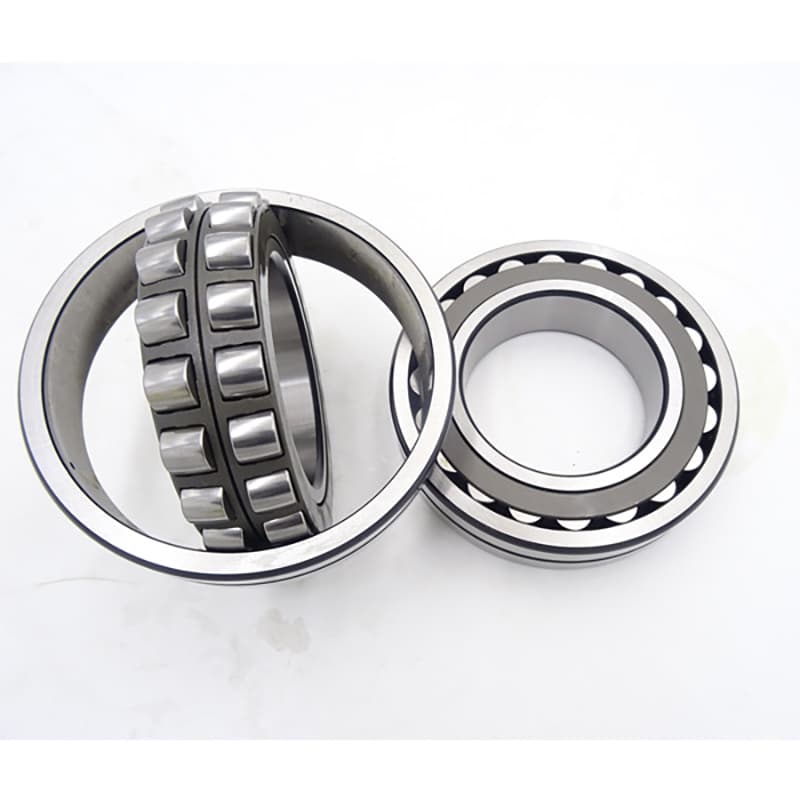
A failed bearing tells a story. The marks on its surface are clues. By learning to read these clues, you can move from reactive replacement to proactive prevention. This is vital for anyone involved in heavy industries like mining, steel, or power generation. Let us explore the specific failure modes that shut down operations and drain profits.
What are the failures of spherical roller bearings1?
You pull a bearing from a crusher or a conveyor. It is damaged, but the damage is not uniform. The type of damage points directly to the root cause. In my work with clients from Brazil to South Africa, identifying these specific failures is the first step in solving the problem.
The main failures of spherical roller bearings1 are spalling2, abrasive wear3 from contamination, adhesive wear4 and smearing, fatigue cracks5, and plastic deformation6. Each failure has a unique appearance and a direct link to specific operational stressors in heavy industry.
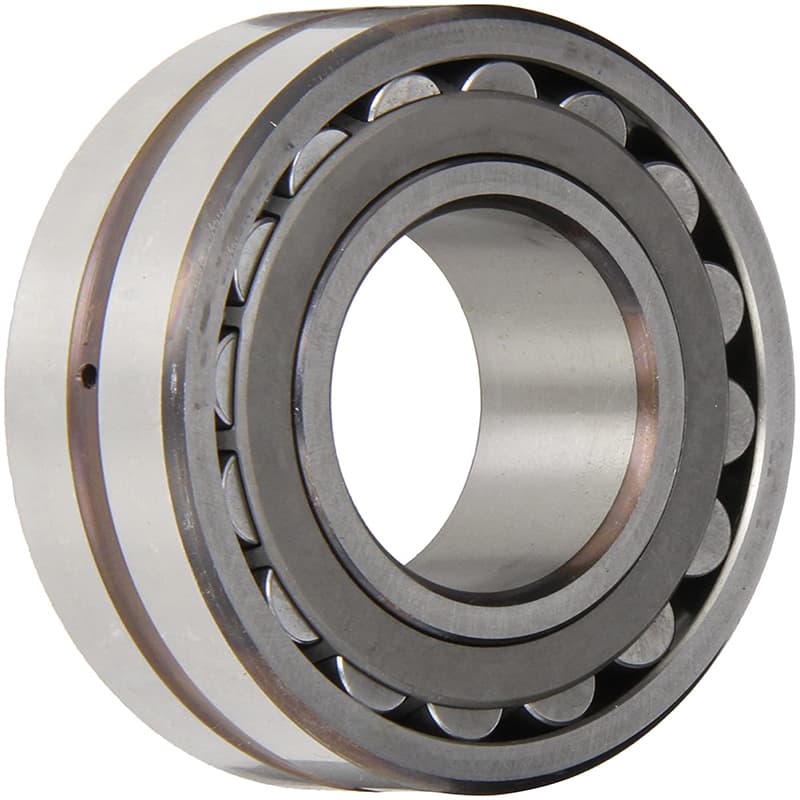
Decoding the Language of Bearing Damage
When a bearing from a mine or a cement plant fails, it is not just "broken." The specific mode of failure is a diagnostic tool. For us at FYTZ, and for distributors like Rajesh’s company, understanding this helps provide targeted solutions, not just replacement parts.
1. Spalling (Surface Fatigue)
This is the classic bearing failure. It looks like small pits or flakes on the raceways or rollers. Think of it as metal fatigue. It happens because the material gets tired from repeated stress cycles. In heavy industry, shock loads and vibrations accelerate this process dramatically.
2. Abrasive Wear
This failure makes surfaces look dull, scratched, or frosted. It is caused by contamination. Dust, dirt, sand, or metal particles get into the bearing. These particles act like sandpaper, grinding away the smooth surfaces. Seals are the first line of defense, and their failure often leads to this.
3. Adhesive Wear (Smearing)
This appears as streaks of torn or transferred metal. It happens when surfaces weld together momentarily and then tear apart. This can occur during startup with poor lubrication, or from severe slippage in a misaligned bearing.
4. Fatigue Cracks
These are cracks that start below the surface and spread. They are cousins to spalling2 but indicate a deeper stress problem. They can be caused by material defects, but more often by excessive loads or an incorrect, overly tight fit that creates internal stress.
5. Plastic Deformation
This looks like dents or grooves on the raceways. The metal has permanently changed shape. The most common cause is static overload—a massive shock load while the bearing is not rotating, or rolling over a hard contaminant like a metal chip.
For a heavy industry user, knowing these failures is key. The table below connects common heavy-industry conditions to the specific failures they cause:
| Heavy Industry Condition | Likely Bearing Failure Mode | Direct Cause |
|---|---|---|
| High Cyclic Loads & Vibration (Crushers, Mills) | Spalling, Fatigue Cracks | Material fatigue from repeated stress. |
| Dusty, Contaminated Environment (Mining, Cement) | Abrasive Wear | Particles entering bearing and grinding surfaces. |
| Poor Lubrication / Startup Conditions | Adhesive Wear (Smearing) | Metal-to-metal contact without lubricant film. |
| Shock Loads / Impact (Material Handling) | Plastic Deformation (Brinelling) | Extreme force causing permanent indentations. |
When Rajesh supplies our FYTZ spherical roller bearings1 to a steel plant in India, this knowledge allows his team to have a better conversation. Instead of just selling a bearing, they can ask: "What does the old bearing look like?" The answer guides them to recommend not just a replacement, but perhaps a different seal type, a different lubricant, or a mounting procedure review. This technical support builds trust and long-term business.
What are the failure modes of bearings?
"Failure mode" sounds technical, but it simply means "the way something breaks." All rolling bearings share a family of potential failure modes. However, the specific challenges of heavy industry—like dirt, shock, and misalignment—make certain modes much more common and severe.
Bearing failure modes1 are the physical manifestations of damage, categorized by their root cause. The primary modes are fatigue, wear, corrosion, electrical erosion, and plastic deformation. In heavy industry, fatigue and wear are the dominant actors, driven by harsh environmental and operational factors.
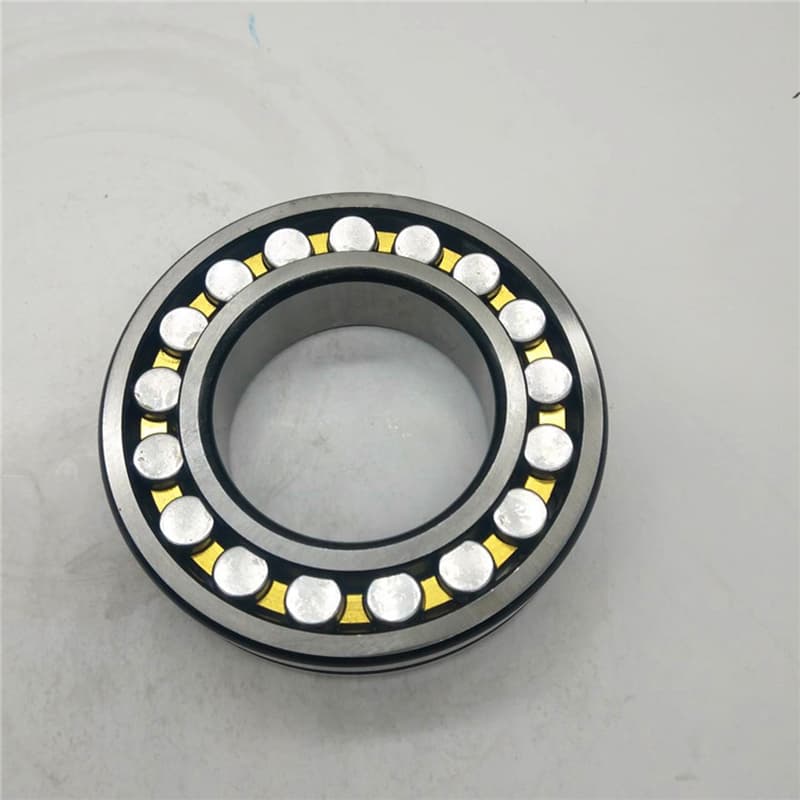
A Framework for Understanding Why Bearings Break
Thinking in terms of "failure modes" gives us a structured way to diagnose problems. It moves us from "the bearing is noisy" to "the bearing is experiencing abrasive wear due to seal failure." This precision is critical for effective prevention.
Let us break down these universal modes in the context of a harsh heavy-industry setting:
1. Fatigue Failure Mode2
This is a volume-driven failure. The bearing metal experiences repeated Hertzian contact stresses. Over millions of cycles, subsurface cracks initiate and eventually reach the surface, causing spalling. This is considered a "normal" end-of-life failure if it happens after the calculated L10 life. In heavy industry, premature fatigue is common because loads are often higher and less predictable than in the design calculations.
2. Wear Failure Mode3
This is a friction-driven failure. It is the gradual removal of material from surfaces in contact. In bearings, we mainly see:
- Abrasive Wear: From external particles. This is the #1 enemy in mining and agriculture.
- Adhesive Wear: From metal-to-metal contact during lubrication breakdown.
Wear increases internal clearance, causes vibration, and leads to a gradual loss of precision and eventual collapse.
3. Corrosion Failure Mode4
This is a chemical attack. Water, acids, or other corrosive agents attack the bearing steel. It appears as pitting or rust. It can start from outside moisture or from contaminated lubricant. Corrosion creates surface flaws that become starting points for fatigue spalls.
4. Electrical Erosion (Fretting) Failure Mode5
This is often overlooked. It includes:
- Fretting Corrosion: Small oscillatory movements (like from vibration in a loose fit) wear away protective oxide layers, causing rusty-looking debris.
- Electric Arc Damage: Stray currents from welding or motors pass through the bearing, creating fluted or washboard patterns on the raceways.
5. Plastic Deformation Failure Mode6
This is an overload failure. The stress exceeds the yield strength of the material, causing permanent shape change. It is not about cycles; one massive overload can cause it.
For a bearing manufacturer, these modes guide our design and material choices. For our FYTZ bearings destined for heavy industry, we focus on:
- Clean Steel: To resist fatigue and crack propagation.
- Tough Surface Treatments: To increase resistance to wear and indentation.
- Robust Cage Designs: To withstand shock and maintain roller guidance.
When a distributor understands these modes, they can better match our product features to their client’s real-world problems. For example, recommending a bearing with enhanced sealing (to fight wear and corrosion modes) or a special heat-treated steel (to fight fatigue) becomes a value-added technical decision, not just a price negotiation.
What is the most common bearing failure1?
If I had to name one single issue that causes the most downtime calls from heavy industry clients, it would be this. It is not a dramatic, sudden break. It is a slow killer that often goes unnoticed until it is too late. Both our factory data and field reports point to a clear winner.
Lubrication failure2 is the most common root cause of bearing failure1. This includes using the wrong lubricant, using too little or too much lubricant, lubricant contamination, and lubricant degradation. Poor lubrication directly leads to overheating, wear, and ultimately, catastrophic bearing seizure.
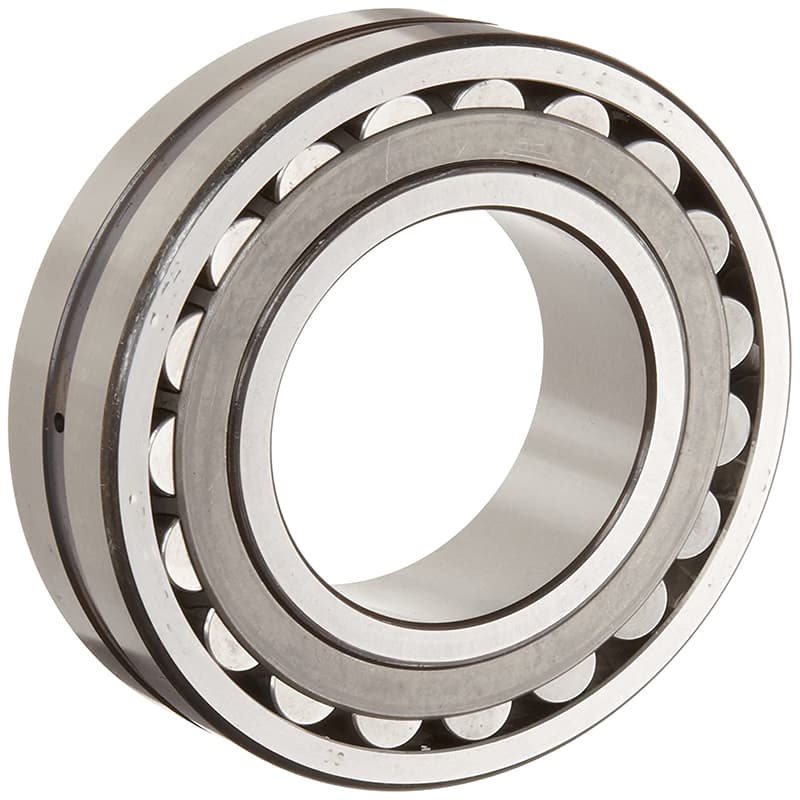
Why Lubrication is the Linchpin of Bearing Life
A bearing is a system. The rolling elements, raceways, and cage are the hardware. The lubricant is the essential software that makes it all work. When lubrication fails, every other failure mode gets a chance to attack.
In heavy industry, the challenges to proper lubrication are immense:
- Harsh Environments: Dust, water, and extreme temperatures attack the lubricant. Dust thickens grease, water causes corrosion and washes away oil, high temperatures break down lubricant chemistry.
- Difficult Access: Bearings on large conveyors, deep in crushers, or in high-up locations are hard to reach for regular maintenance. This leads to extended relubrication intervals or missed greasing altogether.
- Misapplication: Using a general-purpose grease in a high-temperature kiln bearing, or a light oil in a low-speed, high-load shaker screen bearing. The lubricant cannot perform its basic functions: separating surfaces, reducing friction, transferring heat, and protecting against corrosion.
- Contamination During Service: The simple act of adding grease can introduce dirt if the grease gun fitting and the grease itself are not clean. This is a major problem in dirty plants.
The consequences of lubrication failure follow a predictable chain:
Inadequate Lubricant Film -> Increased Metal-to-Metal Contact -> Rising Friction -> Rising Temperature -> Lubricant Degrades Faster -> More Metal Contact -> Severe Wear or Adhesion -> Overheating and Seizure.
For a B2B supplier like FYTZ, we must look beyond the bearing. We need to provide lubrication guidance. When Rajesh sells our spherical roller bearings to a coal plant in Vietnam, providing a simple chart with recommended grease type, regreasing intervals3, and quantity can prevent countless failures. It shows his customers that he cares about the total cost of ownership, not just the initial purchase price. We support our distributors with this technical data because preventing the #1 failure builds the strongest reputation for reliability.
What causes roller bearing failure1?
You see a failed bearing. You know how it failed—it spalled, it seized. But the real question is why? The physical failure is the symptom. The root cause is usually one or a combination of a few key factors. Isolating the root cause is the only way to prevent the next failure.
Roller bearing failure is caused by a combination of factors including improper installation2, inadequate or contaminated lubrication, operational overload3, misalignment4, and environmental factors like contamination5 and moisture. These factors create stresses that exceed the bearing’s design capabilities.
A Systematic Look at the Root Causes
To solve a problem permanently, you must address its root cause, not just its symptoms. Let us systematically examine the primary causes, especially relevant to the brutal conditions of heavy industry.
1. Installation Errors (The Foundation of Failure)
This is where problems often begin. A perfect bearing can be destroyed in minutes by bad installation.
- Incorrect Fit: Too tight creates internal preload and heat. Too loose causes creep and fretting wear.
- Misalignment: Forces edge loading, dramatically increasing stress.
- Poor Handling: Contamination during mounting, dirt on shafts, or impact damage from tools.
- Incorrect Mounting Force: Using a hammer directly on the bearing rings.
2. Lubrication Problems (The Lifeblood Gone Wrong)
As discussed, this is the most common cause. It includes wrong type, wrong amount, contamination5, and degradation.
3. Overload & Improper Application
This means using a bearing beyond its rated capacity.
- Static Overload: A massive shock load on a stationary bearing (like dropping a rock on a conveyor idler).
- Dynamic Overload: Continuous operation above the bearing’s load rating.
- Fatigue Overload: Normal loads, but with such high frequency that fatigue life is consumed rapidly.
4. Contamination (The Invisible Abrasive)
Dirt, dust, water, and process materials are enemies. They cause abrasive wear, block lubricant passages, and promote corrosion. Seals are critical, but in heavy industry, they are constantly under assault.
5. Misalignment
Even though spherical roller bearings tolerate some misalignment4, excessive misalignment4 from bent shafts, worn bases, or poor installation will cause early failure through edge loading and increased friction.
For a factory like FYTZ, our goal is to manufacture bearings that withstand these challenges. But we know the real battle is won or lost at the customer’s site. Therefore, our partnership with distributors is crucial. We provide them with knowledge about these root causes. When Rajesh’s team in Mumbai talks to a mining company in South Africa, they can be problem-solvers. They can ask the right questions: "How is it mounted?" "What is the operating environment?" "What is the lubrication schedule?" Based on the answers, they can recommend the most suitable FYTZ bearing specification—perhaps one with heavier seals, a special grease fill, or a different internal clearance. This transforms the business from transactional to consultative, creating loyal customers and reducing failure-related disputes.
Conclusion
Understanding spherical roller bearing failure modes is not just about fixing broken parts. It is about building a strategy for reliability. By targeting the root causes—especially installation and lubrication—you can dramatically extend bearing life and minimize costly downtime in heavy industry.
-
Understanding the causes of roller bearing failure can help in preventing future issues and improving machinery reliability. ↩ ↩ ↩ ↩ ↩ ↩ ↩
-
Exploring the impact of installation errors can provide insights into best practices for ensuring bearing longevity. ↩ ↩ ↩ ↩ ↩
-
Understanding operational overload can help in selecting the right bearings for specific applications, enhancing durability. ↩ ↩ ↩ ↩
-
Exploring misalignment consequences can help in implementing corrective measures to avoid premature bearing failures. ↩ ↩ ↩ ↩ ↩
-
Discovering the effects of contamination can lead to better maintenance practices and improved bearing life. ↩ ↩ ↩ ↩
-
Knowledge of plastic deformation aids in selecting bearings that can handle overloads, ensuring operational safety. ↩ ↩
