
Dust and shock loads destroy standard bearings fast. You need a tougher solution for these harsh plants.
Spherical roller bearings handle heavy radial loads, misalignment, and contamination. That makes them perfect for pellet mills, hammer mills, and biomass conveyors where other bearings fail quickly.
I have seen many plants shut down because of bearing failures. Let me walk you through the real applications and challenges. You will learn how to pick the right bearing and keep it running longer.
What Are the Key Applications of Spherical Roller Bearings in Pellet Plants?
Pellet plants run machines that crush, grind, and press hard materials. Bearings in these machines face non-stop stress.
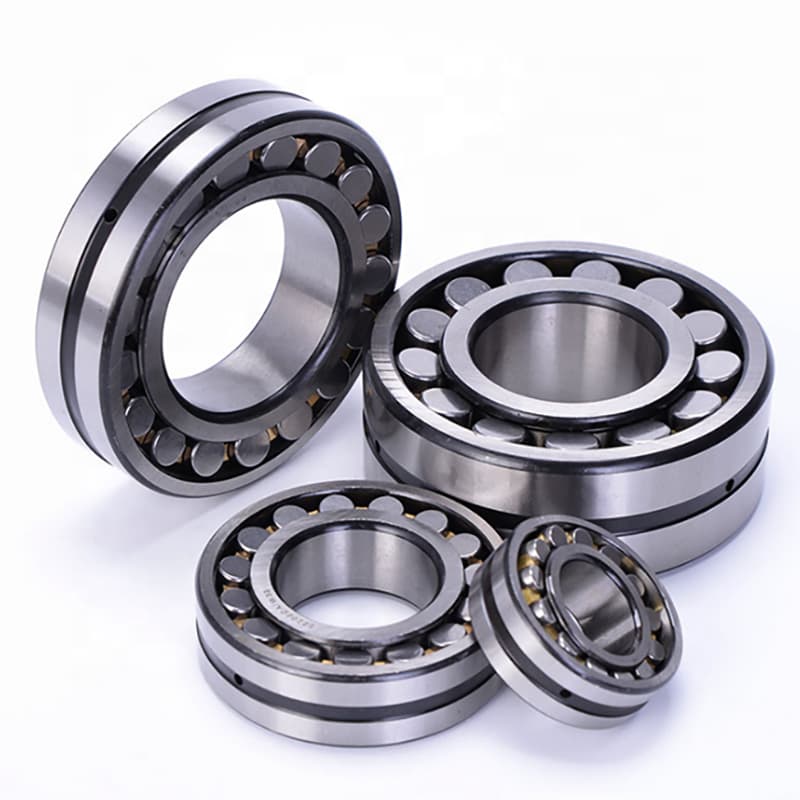
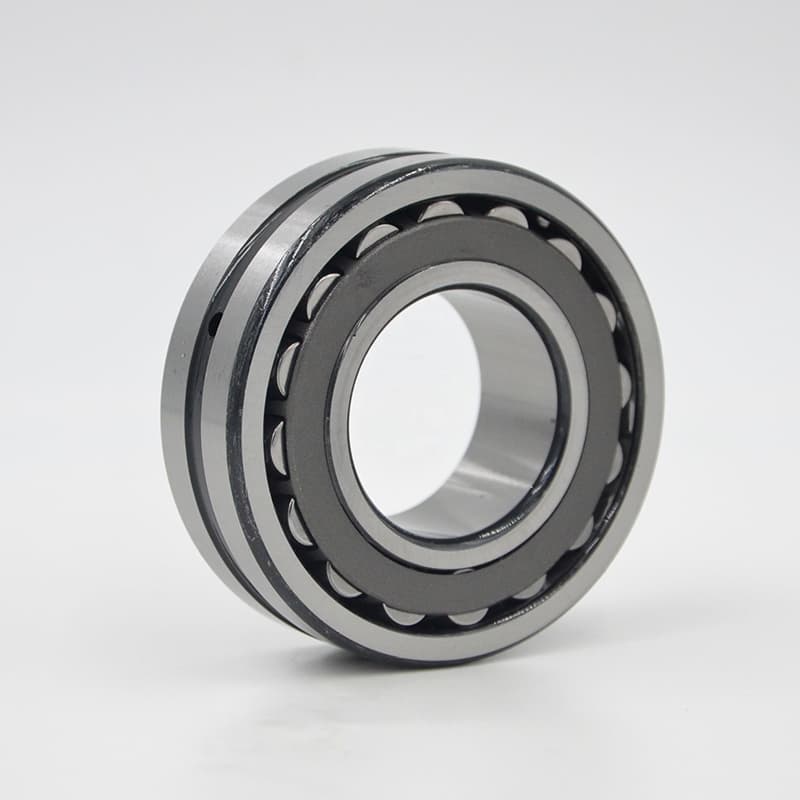
Spherical roller bearings1 are used in pellet mills, hammer mills, roller presses, conveyors, and coolers. They support the main shafts, idler rolls, and drive systems where heavy loads and misalignment occur.
Let me break down the main applications one by one. I will also share what I have learned from working with plant engineers.
Pellet Mills – The Main Roller and Die Support
The pellet mill has a big rotating die or a set of rollers. These parts press raw material into pellets. The main shaft carries huge radial forces. Also, the shaft can bend a little under load. Spherical roller bearings are perfect here. They take heavy radial loads without breaking. Their self-aligning feature fixes small shaft misalignments. That means the bearing does not get stressed unevenly.
In many pellet mills, you will find spherical roller bearings in the roller assembly too. Each roller spins around a stationary shaft. The roller compresses the material. The bearing inside the roller needs high load capacity and shock resistance. Spherical roller bearings handle that job well.
Hammer Mills – Rotor Support
Hammer mills2 use fast rotating hammers to break down biomass or grain. The rotor is heavy. It also spins at high speed. The bearings at both ends of the rotor must support the rotor weight and the impact from hammers. Impact loads are sudden and strong. Normal ball bearings crack or dent over time. Spherical roller bearings have bigger rollers and stronger cages. They absorb shock loads much better.
I remember a customer in India – Rajesh from IndoMotion Parts. He told me his hammer mill bearings failed every two months. We switched to spherical roller bearings from my factory. The same bearings lasted over a year. That is the difference.
Roller Presses and Extruders
Some pellet plants use roller presses to compress raw material before pelleting. The rolls press against each other or against a die. The forces are very high. Also, the rolls can get slightly out of alignment. Spherical roller bearings on the roll shafts allow some angular misalignment. This reduces the risk of bearing seizure.
Conveyors and Elevators3
Pellet plants move a lot of bulk material. Belt conveyors, screw conveyors, and bucket elevators all have bearings. The head and tail pulleys on belt conveyors use spherical roller bearings. These pulleys often have heavy belts and tension forces. The bearings must also handle dust and moisture. Spherical roller bearings with good seals are a reliable choice.
Coolers and Screens
After pelleting, the hot pellets go to a cooler. The cooler has a vibrating or rotating deck. Vibrating screens4 separate fines from finished pellets. Bearings in these machines face vibration and temperature changes. Spherical roller bearings can handle vibration because of their robust internal design. They also tolerate moderate heat better than many other bearing types.
I have put together a simple table to help you see which machine needs which feature.
| Machine Type | Main Load Type | Misalignment Risk | Why Spherical Roller Bearing Fits |
|---|---|---|---|
| Pellet mill main shaft | Heavy radial + shock | Medium to high | High load rating + self-aligning |
| Pellet mill roller assembly | High compression | Low | High static load capacity |
| Hammer mill rotor | Radial + impact | Medium | Shock resistance5 + robust cage |
| Roller press | Extreme radial | High | Self-aligning + high hardness |
| Belt conveyor pulley | Radial + tension | Low to medium | Good for low-speed heavy loads |
| Vibrating screen | Vibration + radial | Low | Vibration-resistant design |
So, if you are designing or maintaining a pellet plant, look for spherical roller bearings in all these spots. They will save you downtime and replacement costs.
What Are the Challenges in Biomass Processing Equipment and Bearing Solutions?
Biomass is dirty, wet, and sometimes corrosive. Standard bearings die fast in this environment. What goes wrong?
The main challenges are high contamination from dust and fibers, moisture and corrosion from green biomass, temperature swings1, and slow-speed heavy loads. Spherical roller bearings with special seals, surface coatings, and proper lubrication solve these problems.
I have talked to many plant operators who run biomass processing lines. They make wood pellets, straw pellets, or even chicken litter fuel. Every one of them complains about bearing failures2. Let me list the real problems and then show you how spherical roller bearings3 can be adapted.
Problem 1: Dust and Fibers
Biomass creates fine dust. Wood dust is abrasive. Straw and hay have long fibers. These particles get into bearing seals. Once inside, they mix with grease. The mixture turns into a grinding paste. It wears down the raceways and rollers quickly. Spherical roller bearings can be ordered with improved seals. For example, contact seals with steel shields. Some designs have multiple lips. They keep dust out much better than standard rubber seals.
Problem 2: Moisture and Corrosion
Green biomass has high moisture content. Sometimes it is over 50%. This moisture can get into bearings. It causes rust and pitting. Also, some biomass releases acids when wet. These acids attack bearing steel. To fight this, spherical roller bearings can have special coatings. Zinc phosphate or manganese phosphate coatings resist corrosion. You can also use stainless steel spherical roller bearings, but they cost more. For most plants, a good coating and proper grease are enough.
Problem 3: Temperature Swings
Biomass dryers and coolers create temperature changes. Bearings can go from hot to cold fast. This causes condensation inside the bearing. Water droplets form. Then you get rust. Also, the grease can break down if it gets too hot. Spherical roller bearings are rated for high temperatures – up to 200°C with special grease. But you must choose the right grease. Lithium complex greases work well for most biomass plants.
Problem 4: Slow Speed with Heavy Loads
Many biomass conveyors and presses run slowly. But the loads are very heavy. Slow speed means the bearing does not create a good oil film. Metal touches metal more often. This causes wear. Spherical roller bearings have large rollers and high load ratings. They can handle slow-speed heavy loads better than ball bearings. Still, you need a grease with high base oil viscosity. ISO VG 220 or 320 is a good choice.
How We Solve These at FYTZ Bearing
In my factory, we make spherical roller bearings for biomass equipment. We listen to customers like Rajesh. He told me about wood pellet plants in India. They had bearing failures every three months. We changed the seal design to a triple-lip contact seal. We also used a thicker grease. The bearings lasted 14 months. That is a real solution.
Here is a summary table of problems and fixes.
| Challenge | Effect on Bearing | Solution with Spherical Roller Bearing |
|---|---|---|
| Wood dust and fibers | Abrasive wear | Improved contact seals, steel shields |
| Moisture and acids | Rust and pitting | Corrosion-resistant coating, stainless steel option |
| Temperature swings | Condensation, grease breakdown | High-temp grease, anti-rust additive |
| Slow speed + heavy load | Metal-to-metal contact | High viscosity grease, large roller design |
So, do not just buy any bearing for biomass equipment. Talk to your supplier. Ask for spherical roller bearings with the right seals and coatings. It makes a big difference.
How to Optimize Seal and Lubrication for High-Contamination Environments?
Even the toughest bearing will fail if dirt gets inside. Seals and lube are your first defense. What is the best setup?
Use triple-lip contact seals1 with steel shields on spherical roller bearings2. For lubrication, choose high-viscosity grease3 with solid additives like molybdenum disulfide4. Relubricate frequently – every 200 to 500 hours in heavy dust.
I have seen too many plants ignore seals and lubrication. They buy expensive bearings but use cheap seals. Or they put the wrong grease. Then they blame the bearing when it fails. Let me give you a practical guide based on what works in the field.
Seal Selection – More than Just Rubber
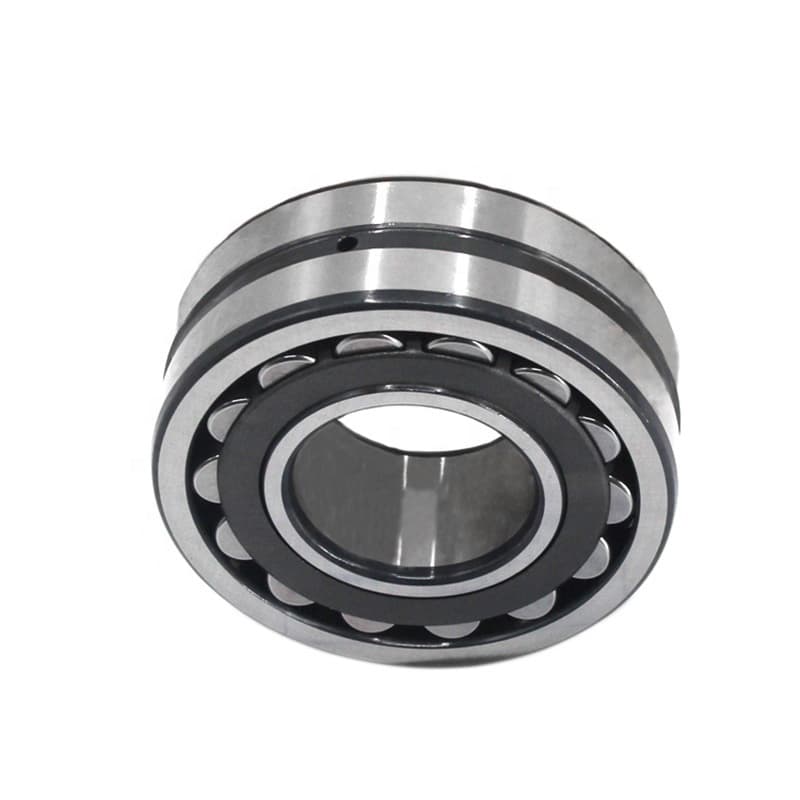
A standard spherical roller bearing often comes with an open design. That means no seals at all. For clean factories, that is fine. For pellet plants, it is a disaster. You need seals. There are three main seal types.
-
Non-contact seals (Z type) – These have a small gap. They work for light dust only. In a pellet plant, dust will get through the gap in a few days. Avoid these for biomass.
-
Single-lip contact seals (RS1 type) – One rubber lip touches the inner ring. This stops most dust. But wood fibers can still work their way in. Good for moderate dust.
-
Triple-lip contact seals (2RS3 type) – Three rubber lips in a row. They create a strong barrier. Add a steel shield in front, and you stop almost all contamination. This is what I recommend for pellet plants and biomass equipment.
At FYTZ Bearing, we can customize the seal design. We have a standard triple-lip seal for harsh environments. We also offer a version with a stainless steel shield. That shield stops large fibers before they reach the rubber lips.
Lubrication – The Right Grease Changes Everything
Grease does two jobs. It reduces friction. It also keeps dirt out by filling the internal space. In a high-contamination environment, you want a grease that is thick and sticky. It should not wash away with moisture.
I recommend these specs for pellet plants:
- Base oil viscosity: ISO VG 220 to 460 (thicker is better for slow speeds)
- Thickener: Lithium complex or polyurea (good water resistance)
- Additives: Molybdenum disulfide (MoS2) or graphite for extreme pressure
- NLGI grade5: 2 or 3 (firm consistency)
Do not use standard automotive grease. It is too thin. It will run out of the bearing when the machine gets warm.
Relubrication Schedule – Do Not Wait Too Long
Many plant operators relubricate once a month. That is not enough for heavy dust. I suggest every 200 to 500 operating hours. If you run two shifts, that is about every two to three weeks. When you add new grease, you push out the old dirty grease. That removes contaminants. Also, you refill the bearing with fresh lubricant.
How much grease to add? Use this rule: for a bearing with bore size 50mm, add about 5 to 10 grams. For a 100mm bore, add 15 to 25 grams. Add slowly while the bearing is turning. Do not overgrease. Too much grease causes overheating.
Real Example from My Work
A customer in Turkey runs a wood pellet plant. They used open spherical roller bearings. They relubricated every two weeks. But the grease just ran out because there were no seals. Their bearings lasted four months. I suggested they switch to our 2RS3 sealed spherical roller bearings. Same bearing size, same load capacity. Then they used a high-viscosity lithium grease with MoS2. They relubricated every 300 hours. The bearings are still running after 18 months. No failure yet.
Here is a quick checklist for you.
| Factor | Poor Choice | Good Choice for Pellet/Biomass |
|---|---|---|
| Seal type | Open or Z-type | Triple-lip contact + steel shield |
| Grease base oil | ISO VG 100 | ISO VG 320 |
| Grease thickener | Simple lithium | Lithium complex or polyurea |
| Additives | None | MoS2 or graphite |
| Relubrication interval | Once a month | Every 200-500 hours |
So, focus on seals and lubrication. That is where most gains come from. A good spherical roller bearing is only half the solution. The other half is keeping the dirt out.
What Selection Criteria Ensure Reliable Operation in Extreme Conditions?
You have many bearing brands and models to choose from. Pick the wrong one, and you will pay for it. What should you check?
Check load rating (C and C0), misalignment angle (usually 1 to 2 degrees), cage material (brass or steel for shock), internal clearance (C3 or C4 for heat), and surface coating for corrosion. Always match these to your machine.
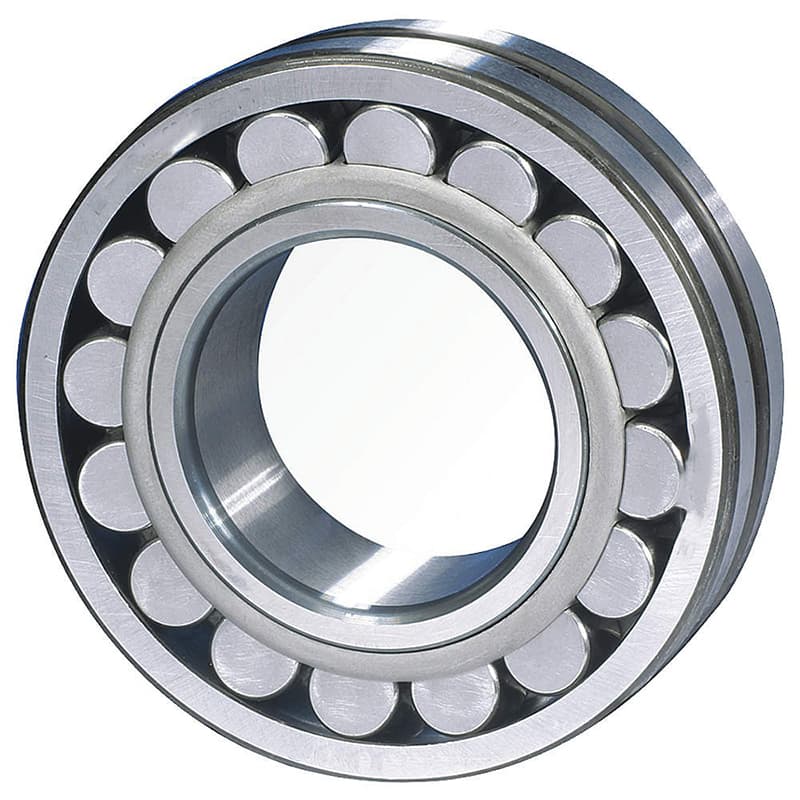
I have helped hundreds of customers pick bearings for harsh plants. Many of them make mistakes. They only look at the bore size. Or they buy the cheapest option. Then they get failures. Let me walk you through the real selection criteria. I will use simple language and real numbers.
Criterion 1: Load Rating – Dynamic (C) and Static (C0)1
The dynamic load rating C tells you how long the bearing will last under a certain load. Higher C means longer life. For a pellet mill main shaft, you need a C rating at least 20% higher than the calculated load. The static load rating C0 is for when the machine stops under load. You want C0 to be at least twice the maximum static load. I always recommend over-specifying a little. The cost difference is small compared to downtime.
Criterion 2: Misalignment Angle2
Spherical roller bearings can handle misalignment. Standard ones allow 1 to 1.5 degrees. Some special designs allow 2 to 3 degrees. For pellet plants, shafts often bend or housings shift. A 1.5-degree rating is usually enough. But if your machine is old or poorly aligned, ask for 2 degrees. At FYTZ, we can make bearings with a larger misalignment angle on request.
Criterion 3: Cage Material and Design3
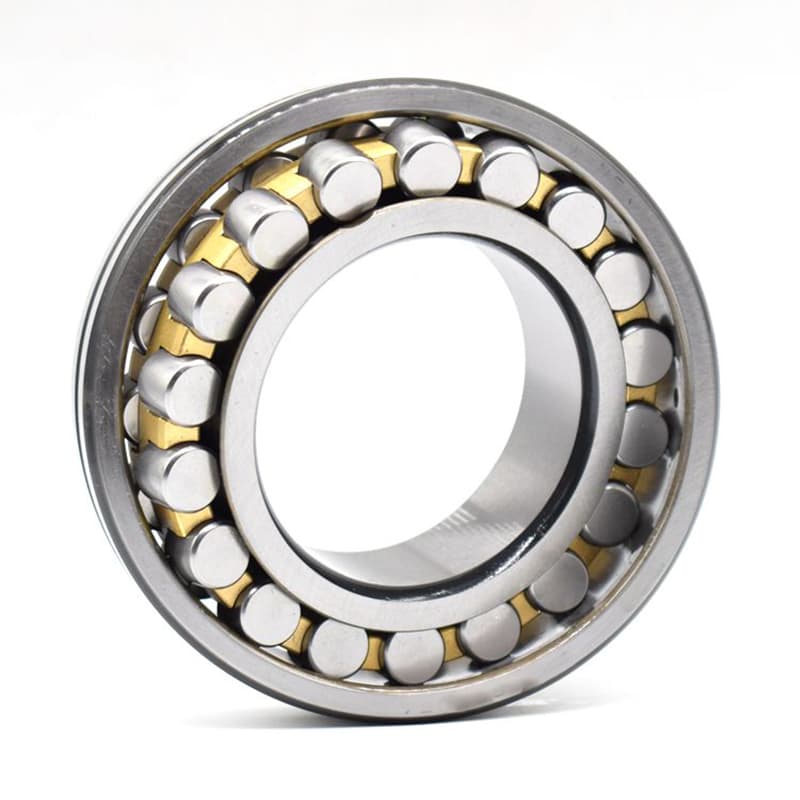
The cage holds the rollers apart. In extreme conditions, the cage takes a beating. Standard cages are made of steel sheet or brass. For hammer mills and pellet mills, I prefer brass cages. Brass is stronger. It resists shock better. It also has some self-lubricating properties. Steel cages are cheaper but can crack under impact. Polyamide (plastic) cages are not good for high heat or heavy dust. Avoid them in biomass plants.
Criterion 4: Internal Clearance (Radial Play)4
Bearings have a small gap inside between rollers and raceways. This gap is called clearance. In normal conditions, you use CN (normal) clearance. In pellet plants, the shaft gets hot. The shaft expands. That makes the clearance smaller. If it becomes zero, the bearing locks up. So you need bigger clearance. Choose C3 or C4. C4 is better for high temperature or heavy interference fits. I usually recommend C3 for most pellet plant applications. For dryers or coolers with high heat, go C4.
Criterion 5: Surface Coating5
Corrosion is a real problem with biomass. The moisture and acids eat bearing steel. A black oxide coating (like DLC or zinc phosphate) helps a lot. It costs only 10-15% more. It can double the bearing life in wet conditions. I always suggest a coated bearing for any equipment that handles green biomass or operates outdoors.
Criterion 6: Precision Class6
Most industrial machines need P0 (normal precision). Some high-speed hammer mills might need P6. But higher precision costs more. Do not overspend. For pellet plants and biomass equipment, P0 is fine. The heavy loads and dust will kill the bearing long before precision becomes an issue.
Putting It All Together – A Real Selection Example
Let us say you need a bearing for a wood pellet mill main shaft. The shaft diameter is 100mm. The load is heavy. The machine runs hot (80°C). There is wood dust everywhere. Here is what I would choose from FYTZ stock:
- Bearing type: Spherical roller bearing 222207 (100mm bore)
- Load rating: C = 310 kN, C0 = 380 kN (standard values)
- Cage: Brass machined cage
- Clearance: C4 (for the heat)
- Seals: Triple-lip contact with steel shield
- Coating: Black oxide on rings and rollers
- Lubricant: Lithium complex grease, ISO VG 460, with MoS2
That combination will last years. Without those features, you might get months.
A Story from India
Rajesh from IndoMotion Parts once ordered a batch of standard spherical roller bearings from another supplier. He put them in a straw pellet plant. The bearings failed in six weeks. He called me. I asked about the application. Straw has high silica dust. It is very abrasive. Also, the plant had no seals. We sent him our sealed bearings with brass cages and C4 clearance8. He paid 20% more. But the bearings lasted over a year. He now buys all his harsh-environment bearings from us.
Here is a final table for quick reference.
| Condition | Standard Choice | Better Choice for Extreme |
|---|---|---|
| Normal load, clean | CN clearance, steel cage | C3 clearance, brass cage |
| Heavy shock load | Standard steel cage | Brass or steel cage with reinforced design |
| High temp (100°C+) | C3 clearance | C4 clearance |
| Wet/corrosive | Uncoated | Black oxide or phosphate coating |
| Slow speed heavy load | Normal grease | High viscosity grease + solid additive |
So, when you select a spherical roller bearing for extreme conditions, do not just match the size. Match all six criteria. Ask your supplier for details. If they cannot give you answers, find another supplier.
Conclusion
Pick spherical roller bearings with strong seals, thick grease, and the right clearance for pellet and biomass plants.
-
Understanding load ratings is crucial for ensuring the longevity and reliability of bearings under specific loads. ↩ ↩ ↩ ↩
-
Learn how misalignment angles can impact the efficiency and lifespan of bearings in various applications. ↩ ↩ ↩ ↩
-
Explore the advantages of different cage materials to enhance bearing performance in harsh environments. ↩ ↩ ↩ ↩
-
Discover how proper internal clearance can prevent bearing failure and ensure smooth operation. ↩ ↩ ↩
-
Find out how surface coatings can significantly extend bearing life in challenging conditions. ↩ ↩ ↩
-
Understanding precision class helps in selecting the right bearings for specific operational needs. ↩
-
Get detailed insights into the Spherical roller bearing 22220 and its suitability for various applications. ↩
-
Learn about C4 clearance and its benefits for high-temperature and heavy interference fit applications. ↩