
Your HVAC units are running fine on the factory floor. But after installation, the noise complaints start. That is a problem I see too often.
Yes, bearing noise is a critical performance metric for HVAC systems. High noise levels indicate poor manufacturing, contamination, or impending failure. Choosing low-noise pillow block bearings directly ensures quieter operation and extends the system’s service life for your customers.
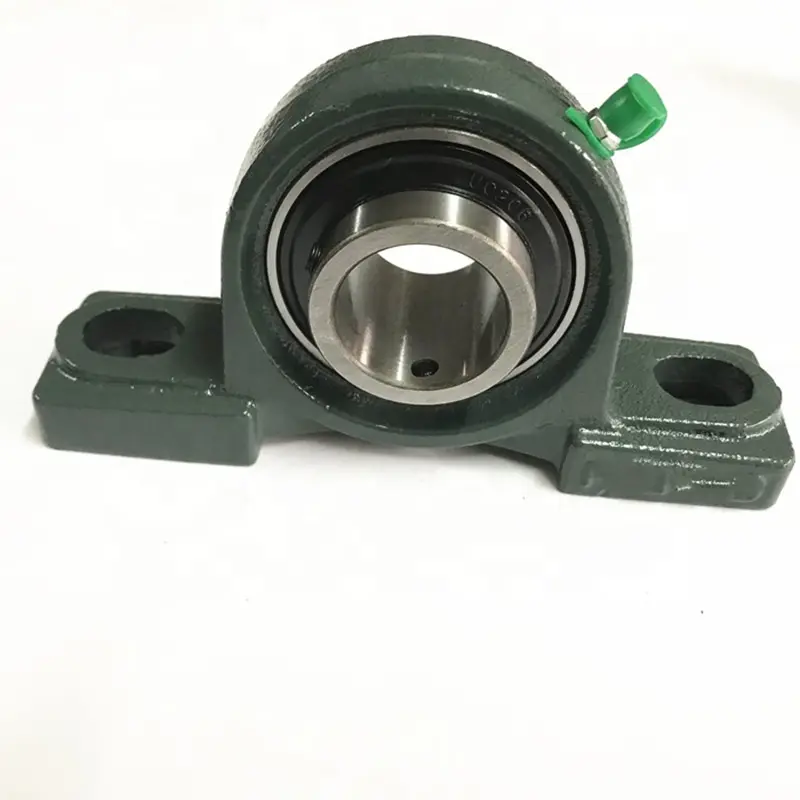
Your reputation depends on the long-term performance of the parts you supply. When a bearing fails, it is not just a broken part. It becomes a call-back, a warranty claim, and a broken promise to your end customer. In the HVAC industry, "quiet" is a key selling point. A unit that hums, vibrates, or squeals is a unit that gets returned. I have spoken with many procurement managers like Rajesh who tell me their biggest headache is not the initial sale, but the cost of handling noise-related complaints from their own clients. The good news is that this problem is preventable from the start. It all begins with understanding how bearing design directly impacts the final product’s acoustic signature.
The Critical Role of Bearing Noise in HVAC System Performance?
Most people think a bearing just needs to spin. But in HVAC, a noisy bearing is a failing bearing. It signals problems that go far beyond just sound.
Bearing noise1 is the first indicator of internal damage, improper lubrication, or misalignment. In HVAC systems, uncontrolled noise and vibration reduce energy efficiency, accelerate wear on other components, and ultimately lead to premature system failure2.
Why Noise is More Than Just an Annoyance
When I work with manufacturers, I try to shift their thinking. We often treat noise as a cosmetic issue. In reality, it is a mechanical symptom. Think of it like a car engine light. You do not ignore it. You investigate.
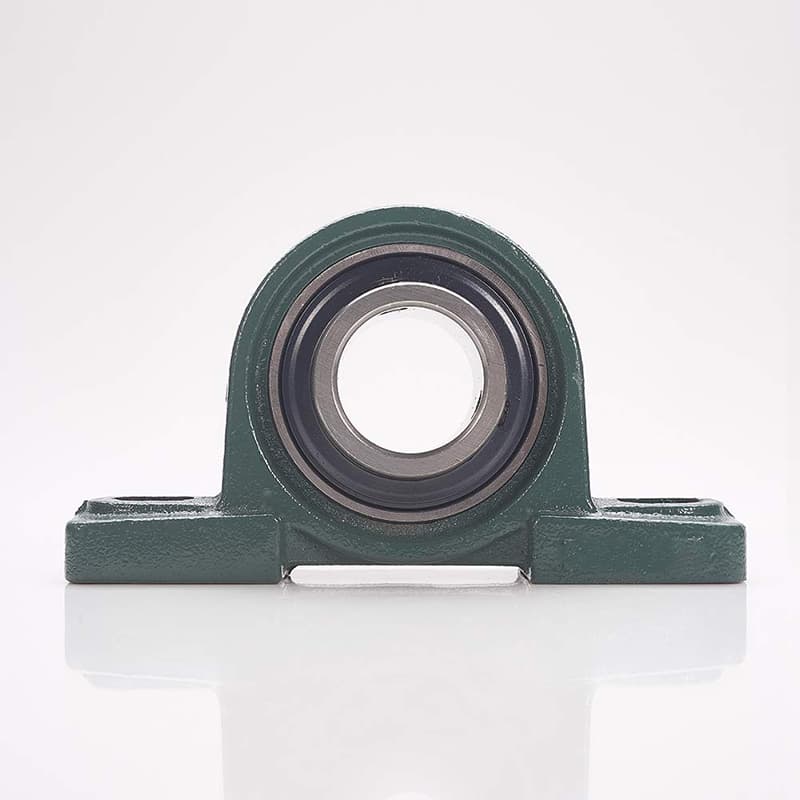
For an air handling unit, the bearings support the fan shaft. If that bearing generates vibration, that vibration travels. It goes into the fan, the housing, and the ductwork. This is what engineers call "structure-borne noise3." It turns the entire HVAC unit into a giant speaker.
I have seen this happen in rooftop units. A slight imbalance in the bearing starts a cycle of wear. The vibration causes the housing to loosen. The loose housing allows more shaft movement. That movement creates more vibration. It is a loop that only ends in failure.
To help you diagnose these issues, here is a simple breakdown of what different noises usually mean:
| Type of Noise | Likely Cause | Potential Consequence |
|---|---|---|
| Rumbling/Growling | Contamination inside the bearing (dirt, sand) or brinelling (dents in the raceway). | Rapid wear, overheating, and seizure within weeks or months. |
| Squealing/Whistling | Insufficient lubrication or the wrong type of lubricant. | Metal-on-metal contact, scoring of rolling elements, total failure. |
| High-Pitched Whine | Misalignment between the shaft and the bearing housing. | Uneven load distribution, premature fatigue, and broken shafts. |
| Clicking/Popping | Debris lodged in the bearing raceway or a cracked rolling element. | Catastrophic failure where the bearing locks up or disintegrates. |
The stakes are high. A bearing failure on a rooftop HVAC unit means a service call. That call involves a crane, a technician, and potentially a full day of downtime for a commercial building. For a distributor like Rajesh, supplying a bearing that causes this scenario damages trust. It is not just about replacing the part. It is about the cost of the service call, the lost business hours, and the frustration of the building owner. This is why I always tell my clients to look past the price per unit and focus on the total cost of ownership4. A quiet bearing is a healthy bearing.
Key Engineering Features That Minimize Vibration and Acoustic Emissions?
Not all pillow block bearings are built the same. Some are designed to run smoothly from day one. Others will develop problems before the first service interval.
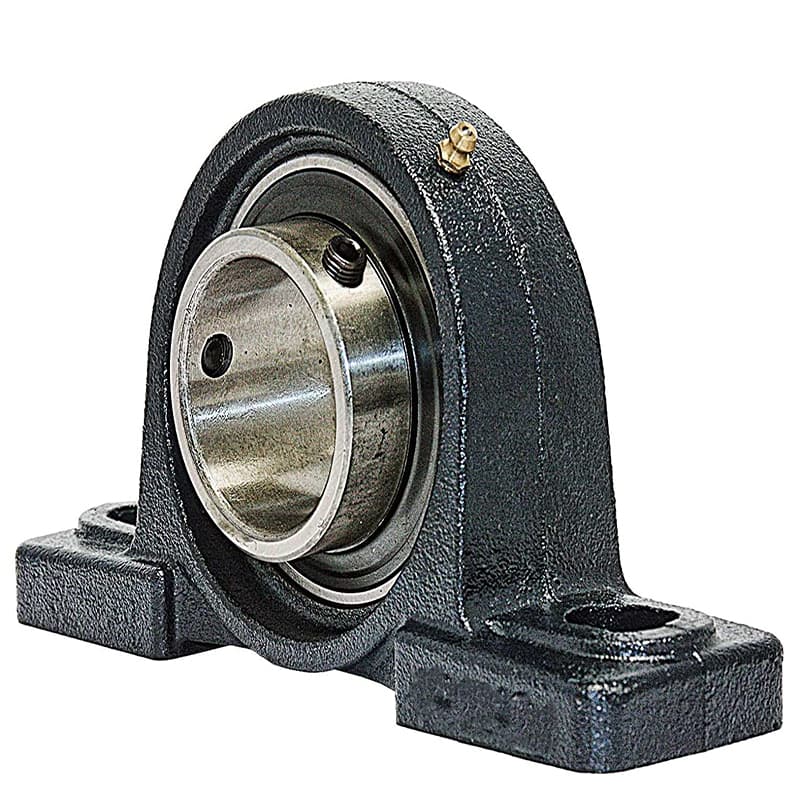
Key features include high-precision raceways (P5/P6)1, optimized internal geometry for load distribution, and high-quality steel2. These engineering choices reduce internal friction and dampen vibration before it can amplify through the HVAC system.
Precision Grades and Material Selection
You cannot make a quiet bearing from noisy components. The manufacturing process determines the noise level. It is that simple. At my factory, we focus on two main areas: precision and material.
Let me explain precision first. A bearing is not a simple ring of steel. The raceway is the track that the balls or rollers follow. If this track is rough or uneven, it creates friction. Friction creates heat and noise. We manufacture bearings to P5 and P6 precision class3es. These standards ensure the raceway geometry is nearly perfect. The deviation is measured in microns. A micron is one-thousandth of a millimeter. That level of precision ensures that each ball moves smoothly without any "bump" as it rotates.
The material is just as important. We use high-quality bearing steel, like GCr15. This steel is vacuum-degassed. That process removes impurities from the metal. Fewer impurities mean a more uniform structure. A uniform structure handles stress better and resists wear. Cheap bearings use lower-grade steel. Those bearings may have micro-inclusions in the metal. These inclusions act like speed bumps for the rolling elements. Over time, they cause noise and lead to spalling, which is when pieces of the metal flake off.
I remember a customer who switched to us after using a cheaper import. They were selling pillow blocks for industrial fans. They kept getting complaints about a "whirring" sound after six months. When we tested their old bearings, we found the internal clearance was too tight for their application. Combined with lower-grade steel, the bearings were overheating and expanding. The expansion took up all the internal clearance. The result was noise and eventual seizure.
Here is how the engineering features stack up for noise control:
- Controlled Internal Clearance (C3)4: This is not just a standard. It is a requirement for HVAC. C3 clearance provides extra internal space to accommodate thermal expansion. When the bearing heats up, it does not bind. This prevents the "rumbling" noise that comes from internal preload.
- Optimized Cage Design5: The cage holds the rolling elements apart. A poorly designed cage can cause the balls to skew or collide. We use reinforced cages made from steel or high-quality polyamide. These materials are strong and provide smooth, quiet guidance for the rolling elements.
- Surface Finish6: We pay close attention to the surface finish of the raceway and rolling elements. A smoother surface finish means less friction and lower operating temperatures. This is a direct contributor to a lower noise floor.
When you are sourcing bearings, ask your supplier about these features. Do not just ask for a part number. Ask about the precision class. Ask about the steel grade. Ask about the internal clearance. A supplier who can answer these questions confidently is a supplier who understands quality. For a procurement manager like Rajesh, these questions become a filter. They help separate a reliable factory partner from a simple trader.
Maintenance Strategies: Extending Service Life While Maintaining Low Noise Floor?
Even the best bearing will fail without proper care. Maintenance is not just about fixing problems. It is about preserving the quiet operation your customers expect.
The key maintenance strategy is proper relubrication1. Using the correct grease type, quantity, and schedule prevents contamination and metal fatigue. A proactive maintenance plan keeps the bearing operating smoothly and quietly for its entire lifespan.
The Science of Lubrication and Inspection
I see a common mistake in the field. People think more grease is better. That is wrong. Over-lubrication is as damaging as under-lubrication. When you pump too much grease into a bearing, the excess has nowhere to go. It creates pressure. This pressure builds up and churns the grease. Churning creates heat. Heat degrades the grease and damages the seals. It can even cause the bearing to run hotter, which shortens its life and increases noise.
For HVAC applications, the rule is to use a high-quality lithium-based or polyurea grease2. These greases have good water resistance and a wide temperature range. The relubrication interval depends on the operating hours and the environment. A fan running 24/7 in a dusty environment needs more frequent attention than a fan that runs intermittently in a clean room.
I always advise my customers to create a simple maintenance checklist3. It does not need to be complicated. Here is a basic framework I use:
- Listen: Before you do anything, listen to the bearing while the unit is running. Is there a steady, smooth hum? Or is there a grinding or clicking sound? This initial assessment is your baseline.
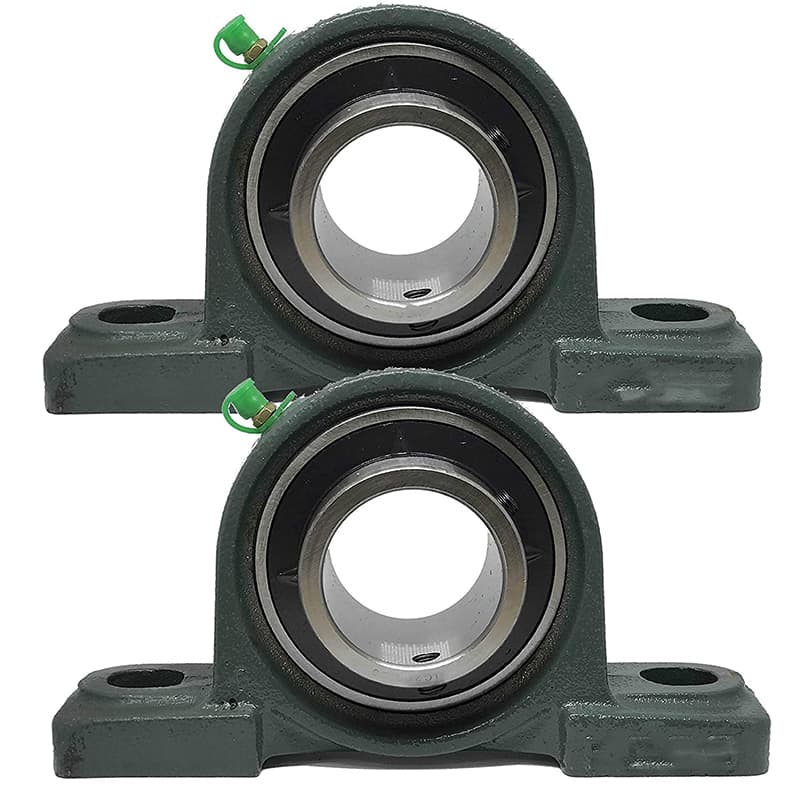
- Clean: Wipe the grease fitting (zerk fitting) clean. You do not want to push dirt into the bearing with the new grease.
- Grease: Apply grease slowly. Use a hand-operated grease gun. Pump until you see the old grease starting to seep out from the seals. That tells you the cavity is full and the old, contaminated grease is being purged.
- Operate: Let the unit run for 30 minutes. This allows the new grease to distribute evenly within the bearing.
- Listen Again: After the grease has distributed, listen again. The noise level should be steady. If the noise increases, it is a sign of over-lubrication4 or a potential internal problem.
Another often-overlooked strategy is alignment. A misaligned shaft puts a tremendous load on the bearing. This load is not evenly distributed. It creates a "hot spot" inside the bearing. This hot spot causes the metal to expand unevenly. It also increases noise and dramatically reduces the bearing’s calculated lifespan. A simple laser alignment tool5 can save thousands of dollars in premature bearing failures.
For distributors like Rajesh, offering maintenance advice adds value. It positions you as a partner, not just a supplier. When you sell a pillow block bearing, you can also sell the right grease, the right tools, and the knowledge to keep it running. This builds loyalty. Your customers will come back to you for the entire solution, not just the part. I have seen this work firsthand. Distributors who provide basic technical support see higher retention rates and larger order volumes.
Sealing Solutions: Preventing Contaminant Ingress in Rooftop HVAC Installations?
Rooftop environments are harsh. Sun, rain, dust, and temperature swings all attack the bearing. A good seal is the only defense between clean grease and total failure.
Effective sealing solutions, like contact seals1 with a labyrinth design2, are critical. They prevent moisture and dust from entering the bearing while retaining the lubricant. For rooftop HVAC, a robust seal is essential for maintaining low noise and long service life.
[^3] showing the contact seal design](https://sdycbearing.com/wp-content/uploads/2025/12/Pillow-Block-Bearing-10.jpg)
Choosing the Right Seal for the Environment
The seal is often the most overlooked component of a bearing. It is a small piece of rubber or steel, but it is the first line of defense. In a rooftop HVAC unit, the fan may run for years without anyone looking at it. During that time, the bearing is exposed to everything the weather throws at it.
I categorize seals into two main types for HVAC applications: contact seals and non-contact shields4.
Contact seals are my recommendation for most outdoor units. They physically touch the inner ring of the bearing. This creates a tight barrier. It is excellent at keeping water and fine dust out. The trade-off is a small amount of friction, which creates a tiny bit of torque. For HVAC fans, this is a non-issue. The benefit of keeping contaminants out far outweighs the minor friction loss.
Non-contact shields are a thin metal disc. They create a very small gap between the shield and the inner ring. This gap is great for high-speed applications because there is no friction. But it is not a strong defense against water. Water can be drawn into the gap through capillary action. For indoor, clean-air applications, a shield is fine. For a rooftop unit, a contact seal is the safer choice.
Many modern pillow blocks combine these ideas. They use a "triple lip" contact seal. This seal has three rubber lips that contact the inner ring. It provides an excellent barrier. Some designs also incorporate a "labyrinth" feature. A labyrinth seal is a series of grooves and channels. It does not create a physical contact barrier. Instead, it creates a tortuous path. Contaminants have to navigate this path to get inside. By the time they do, gravity usually pulls them out of the channel.
For a distributor like Rajesh, understanding these seal types helps when talking to end customers. A customer installing units in a coastal area near the sea needs a seal that resists salt spray. A customer installing units near a textile factory needs a seal that blocks fine airborne fibers. I often recommend a combination seal. That means a rubber contact seal on the outside to block moisture and a labyrinth design inside to trap any dust that gets past the first layer.
Here is a quick guide to seal selection based on environment:
| Environment | Recommended Seal Type | Why |
|---|---|---|
| Rooftop (General) | Triple Lip Contact Seal | Provides robust protection against rain and wind-blown dust. |
| Coastal/Humid | Contact Seal with Viton Rubber5 | Viton rubber resists ozone, UV, and salt corrosion better than standard rubber. |
| Clean Indoor (AHU) | Non-Contact Shield or Single Lip Seal | Low friction for energy efficiency. Minimal contamination risk. |
| Dusty/Dirty (Mining/Textile) | Labyrinth Seal with Flinger | Flinger uses centrifugal force to throw dust away before it reaches the seal. |
I remember a project in Egypt. A customer had a high failure rate on their rooftop AHU bearings. We visited the site and found the bearings were packed with a fine, sandy dust. The standard rubber seals were not enough. We switched them to a pillow block unit with a steel labyrinth seal and an external flinger. The flinger is a rotating disc that throws dust outward as the shaft spins. The failure rate dropped by over 80%. That small change in seal design paid for itself many times over. It is a perfect example of why we cannot treat all bearings as the same. The application environment dictates the engineering solution.
Conclusion
Selecting the right pillow block bearing for HVAC units is a technical decision with direct business impact. By focusing on precision engineering, proactive maintenance, and robust sealing, you ensure quiet operation, longer service life, and fewer costly callbacks for your customers.
-
Understanding contact seals is crucial for ensuring effective protection against contaminants in HVAC systems. ↩ ↩ ↩ ↩
-
Explore how labyrinth designs enhance sealing effectiveness and protect bearings from contaminants. ↩ ↩ ↩ ↩
-
Understand the role of pillow block bearings in HVAC systems and their sealing requirements. ↩ ↩ ↩
-
Gain insights into the differences between non-contact shields and contact seals for HVAC applications. ↩ ↩ ↩ ↩
-
Discover why Viton Rubber is preferred for harsh environments and its resistance to ozone and salt. ↩ ↩ ↩
-
Find out how a smoother surface finish contributes to lower friction and noise levels in bearings. ↩