
Finding a tapered roller bearing that can handle heavy loads, keep running without noise, and last for years is not an easy job. You might have spent hours comparing brands, only to end up with more questions than answers.
The best tapered roller bearing for your business is not always the one with the biggest brand name. It is the one that matches your application needs, fits your budget, and comes from a supplier who treats your order with the same care as a high-volume buyer. For many importers and distributors, that means looking beyond the usual top brands and finding a reliable manufacturing partner like FYTZ Bearing.

Most buyers start their search with the big names. It makes sense. But the real question you need to answer is whether those brands are the right fit for your specific business model—especially if you are an importer or distributor working with tight margins and specific customer needs.
Who makes the best tapered roller bearings1?
The market is full of options. Every brand claims to be the best, but they are not all the same. This can make your decision feel overwhelming.
There is no single "best" manufacturer for every situation. The right choice depends on what you value more: global brand recognition2, product availability, technical support, or the balance between cost and quality. For many businesses, a specialized manufacturer3 like FYTZ, which focuses on OEM quality4 with wholesale pricing, offers the most practical value.

The Big Names vs. The Smart Choice
If you ask ten different engineers or procurement managers who makes the best tapered roller bearings, you might get ten different answers. Some will swear by the European brands. Others will point to the Japanese manufacturers. A growing number, however, are looking at high-quality Chinese manufacturers like us at FYTZ.
Let’s break down what "best" really means. For a procurement manager like Rajesh in Mumbai, "best" might mean consistent quality, reliable delivery, and a price point that allows him to compete in the local market. For a maintenance manager in Turkey, "best" might mean a bearing that can handle high temperatures in a steel mill.
The truth is that the "best" manufacturer is the one that can deliver the specific bearing you need, in the right precision class (like P5 or P6), with the right load capacity, and at a price that makes business sense. The big global brands are excellent at this, but they come with a price tag and supply chain that can sometimes be inflexible for smaller or medium-sized importers.
A Quick Comparison of Bearing Manufacturers
To help you see the landscape clearly, here is a simple breakdown of the different types of manufacturers you will encounter.
| Manufacturer Type | Key Characteristics | Ideal For | Potential Drawback |
|---|---|---|---|
| Global Premium Brands (SKF, NSK, etc.) | Extensive R&D, global presence, very high brand recognition, premium pricing. | Large OEMs, projects with strict specifications, customers who demand a specific brand name. | High cost, less flexibility for small to medium orders, sometimes long lead times. |
| Specialized OEM/ODM Factories (Like FYTZ) | Direct factory control, flexible on order quantities, competitive pricing5, ability to customize (OEM/ODM). | Importers, distributors, and equipment manufacturers who need quality bearings with better margins and customization options. | Less brand recognition outside of B2B channels. Requires building trust with the buyer. |
| Local / Regional Brands | Lower cost, good for basic applications, easy availability in specific local markets. | Non-critical applications, emergency replacements, very price-sensitive markets. | Quality can be inconsistent. Limited technical support and product range. |
My experience at FYTZ has shown me that many of our clients started by buying only from the biggest names. They came to us because they wanted more control. They wanted to talk to the people who actually make the bearings. They wanted to know they could get a custom solution6 if their client asked for it. That is where a factory like ours becomes the "best" choice for their business.
Is KOYO better than NSK?
Comparing two Japanese giants like KOYO and NSK can feel like a debate without a clear answer. Both are respected. Both make excellent products. So how do you choose?
Neither KOYO nor NSK is universally "better." KOYO is often praised for its strength in automotive applications1 and heavy-duty trucks, while NSK is renowned for its precision engineering2 and innovation in industrial machinery. Your specific application will determine which is the better fit.
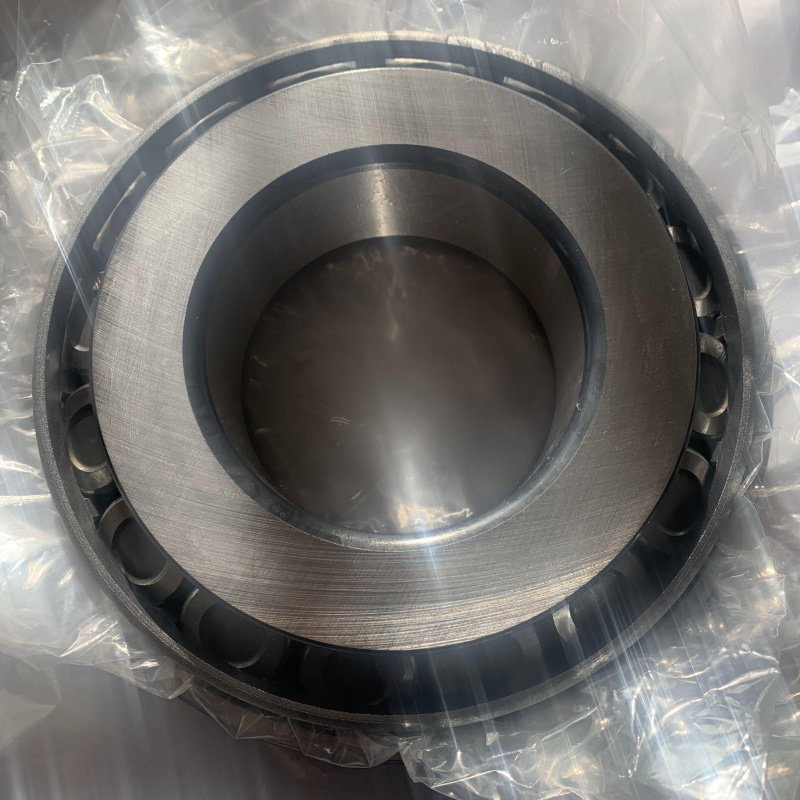
Digging Deeper: KOYO vs. NSK
When procurement managers ask me this question, I know what they are really asking. They want to know if one brand is more reliable, or if one will give them fewer warranty claims. The answer is not simple. It comes down to a few key areas.
First, let’s look at their core strengths. KOYO is a part of the JTEKT corporation. They have a massive footprint in the automotive sector. If you are supplying bearings for commercial trucks, agricultural machinery, or construction equipment, KOYO is often the first choice. Their tapered roller bearings are designed to handle the shock loads and heavy stresses that come with these applications.
NSK, on the other hand, has a reputation for being a pioneer in precision. They have a very strong presence in industrial machinery like machine tools, steel plants, and high-speed applications. If your customers need bearings that can run with extremely low noise and high precision, NSK is often the go-to.
Second, consider availability and supply chain3. Both have global networks, but the availability of specific models can vary by region. For an importer in a country like India or Vietnam, one brand might have a much stronger distribution network than the other. This affects lead times and pricing.
Finally, think about price and market positioning4. In many markets, NSK products can be priced at a premium due to their strong brand equity. KOYO can sometimes be slightly more competitive, especially in the automotive aftermarket. But again, this is a general trend, not a hard rule.
From my perspective as a manufacturer, I see these brands as the benchmark. They set the standard for quality. But for many of our clients, the question isn’t whether KOYO is better than NSK. It is: "Can I get a bearing of comparable quality, with the right customization, at a better price point to grow my business?" That is where we step in, offering a solution that allows them to compete without compromising on the core performance their customers expect.
Which is better, SKF or NSK?
This is one of the most common debates in our industry. SKF, the Swedish giant, versus NSK, the Japanese leader. Both have incredible histories and technologies. But which one is the right choice for your inventory?
There is no single winner between SKF and NSK. SKF is widely considered the global leader in bearing technology1 and is often the first choice for heavy industrial applications. NSK excels in precision and is a top contender for high-speed machinery2 and automotive applications. The "better" choice depends entirely on the specific requirements of your end-user.
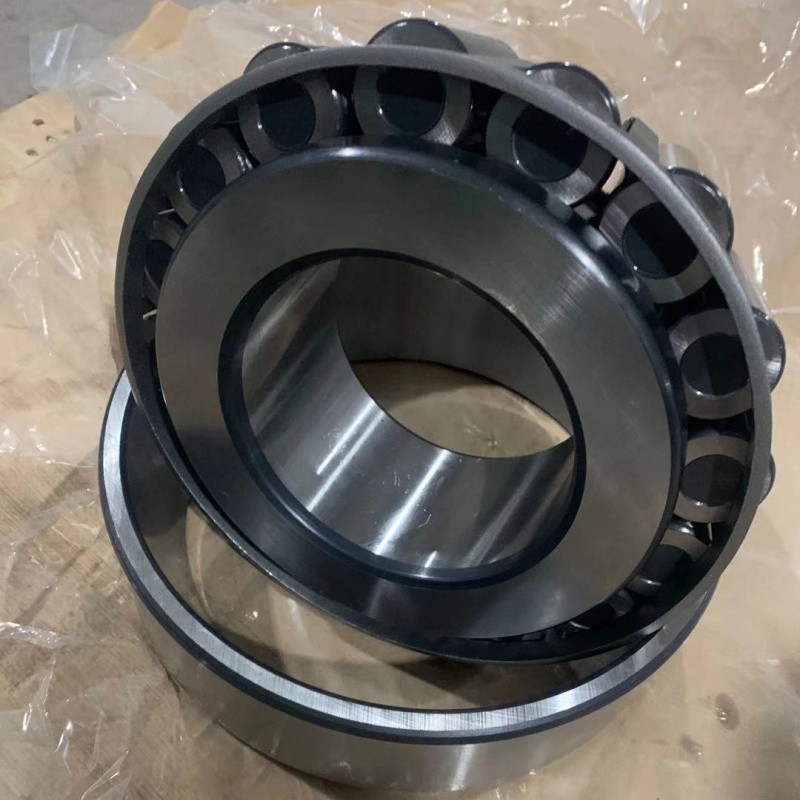
A Closer Look at the SKF and NSK Rivalry
I get this question almost every time I talk to a distributor. They want to know which brand to stock to minimize risk and satisfy their customers. To answer it properly, we need to go beyond the name and look at the philosophy behind each company.
SKF: The Heavyweight Champion
SKF is a European powerhouse. They invented the self-aligning ball bearing, and they have been a leader in innovation ever since. When I think of SKF, I think of large, heavy applications. If your customers are in mining, steel production, wind energy, or any industry with massive, slow-moving equipment, SKF is often the standard.
- Technology: SKF invests heavily in advanced materials and tribology (the science of friction). Their bearings are designed to last longer in the most demanding environments.
- Global Support: They have an unmatched global service network3. If a project is multinational, specifying SKF bearings often makes the logistics and support much simpler.
- Pricing: This expertise and global presence come at a cost. SKF products are typically at the top end of the price range.
NSK: The Precision Specialist
NSK’s strength lies in its precision engineering4. They are masters of rolling bearings for high-speed applications. For industries like machine tools, automotive components (like wheel hubs), and electric motors, NSK is a formidable competitor.
- Precision: NSK’s focus on manufacturing accuracy results in bearings that run quieter and with less vibration, which is critical for high-speed spindles and precision machinery.
- Efficiency: They are known for developing technologies that reduce friction, which improves energy efficiency5—a growing concern for many industrial clients.
- Strong in Asia: For distributors in markets like India, Southeast Asia, and Japan itself, NSK often has a more established and responsive local supply chain than SKF.
So, which is better? For a heavy industry application in a remote mine, the robustness and global service network of SKF might be the safer bet. For a precision machine tool builder in a rapidly growing manufacturing hub like Vietnam, the accuracy and local support of NSK could be more critical.
This is why, at FYTZ, we don’t try to be everything to everyone. We focus on being the best partner for businesses who need reliable, high-quality tapered roller bearings6 that meet these performance standards but with the flexibility and value that a direct factory relationship provides. We help our clients compete against these giants by offering them a product they can trust and a margin they can grow with.
Does SKF manufacture in China?
This is a question I hear often, and it usually comes from a place of curiosity about quality. People want to know if a bearing made in China can be as good as one made in Sweden or Japan.
Yes, SKF manufactures a significant portion of its products in China. The company has several large factories in cities like Shanghai and Dalian. It is a global strategy to serve the Asian market more efficiently, and these facilities are held to the same global quality standards1 as their factories in Europe.
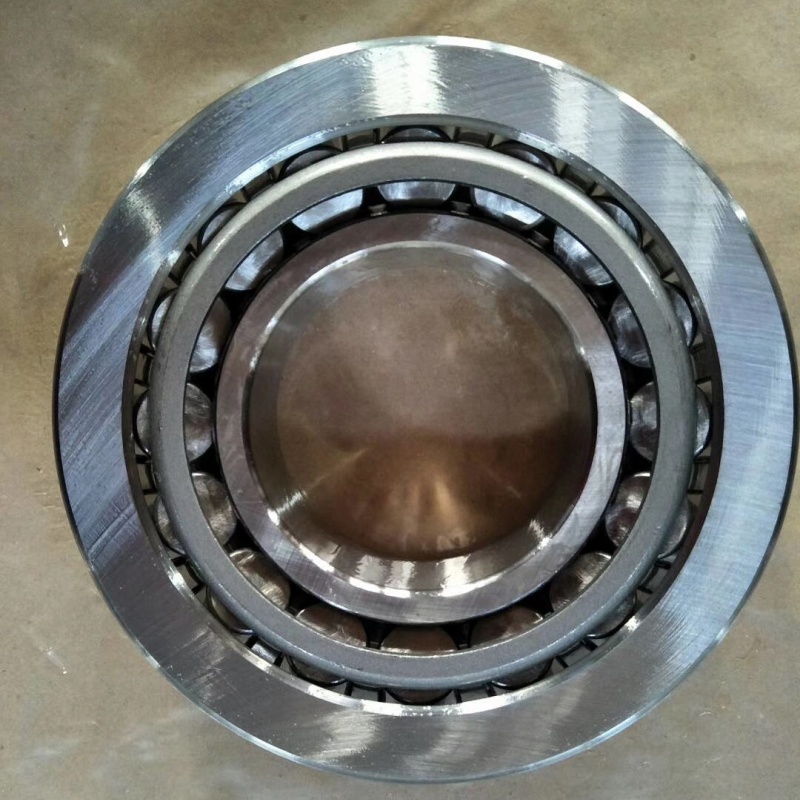
The Reality of Bearing Manufacturing in China
The fact that SKF manufactures in China tells you something important about the industry. It shows that China has become a global hub for bearing production, not just for local brands but for the world’s most prestigious names.
When SKF opens a factory in China, it doesn’t lower its standards. It brings its proprietary technology, its rigorous quality control processes, and its skilled management to that facility. The bearing that comes out of an SKF factory in China is designed and tested to meet the exact same specifications as one from Sweden.
This is a critical point for any procurement manager to understand. The country of origin is no longer the sole indicator of quality. The true indicators are the company’s quality management system2, the materials they use, the precision of their manufacturing equipment, and their inspection processes.
For us at FYTZ, this reality is a huge point of validation. We operate in the same manufacturing landscape. We have invested in integrated production and inspection lines. We use high-quality steel and maintain strict quality control from raw material to finished product.
If global giants like SKF trust the Chinese manufacturing ecosystem to produce their premium products, then it proves that the capability and expertise exist here. Our role is to offer that same level of manufacturing excellence but with a different business model. We are not a global mega-corporation. We are a specialized factory that builds direct, long-term relationships with our clients. We offer the flexibility to customize bearings to your exact specifications (OEM/ODM3) without the constraints of a massive, rigid corporate structure.
This is the insight I share with my clients. You don’t have to compromise on quality to get better value. You just need to find a partner who has the right certifications, the right production lines, and the right commitment to your success. That is what we strive to be for every importer and distributor we work with.
Conclusion
Finding the right tapered roller bearing supplier means looking beyond brand names and focusing on what truly matters: quality, reliability, and a partnership that fits your business model.
-
Learn about global quality standards to see how they apply to manufacturing processes worldwide. ↩ ↩ ↩ ↩
-
Discover the importance of quality management systems in ensuring product excellence across industries. ↩ ↩ ↩ ↩
-
Understand the distinctions between OEM and ODM to make informed decisions for your manufacturing needs. ↩ ↩ ↩ ↩
-
Discover how precision engineering enhances manufacturing efficiency and product quality, vital for industries relying on high-speed applications. ↩ ↩ ↩
-
Find out why energy efficiency is a growing concern in industries and how it can lead to cost savings and sustainability. ↩ ↩
-
Understand the benefits of tapered roller bearings, essential for selecting the right components for various industrial needs. ↩ ↩
