
Grain plants are tough on machinery. Dust, moisture, and heavy loads cause bearings to fail fast. If your equipment stops, production stops.
The best pillow block bearings for grain handling equipment are units with cast iron housings, set screw locking, and contact seals. They handle the dust, vibration, and constant load of chain conveyors and bucket elevators. Look for the UC series.
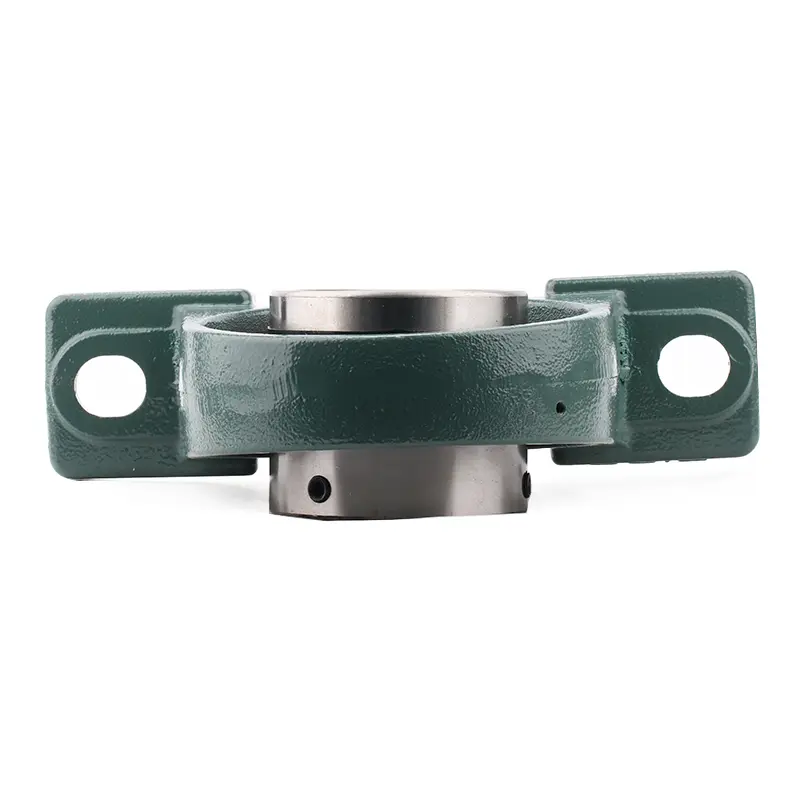
When you run a grain facility, you don’t have time for surprise breakdowns. I know that because I speak with procurement managers like Rajesh every day. They need bearings that keep their bucket elevators running through harvest season. Let me walk you through the specific types that work best in your industry.
What are pillow block bearings used for?
You walk through your plant, and you hear that screeching sound. It’s a bearing failing. You know a shutdown is coming. How do you prevent that?
Pillow block bearings1 support rotating shafts. They provide a safe mounting point for the shaft and reduce friction. In grain plants2, they hold the shaft for the conveyor belt or the bucket elevator chain.
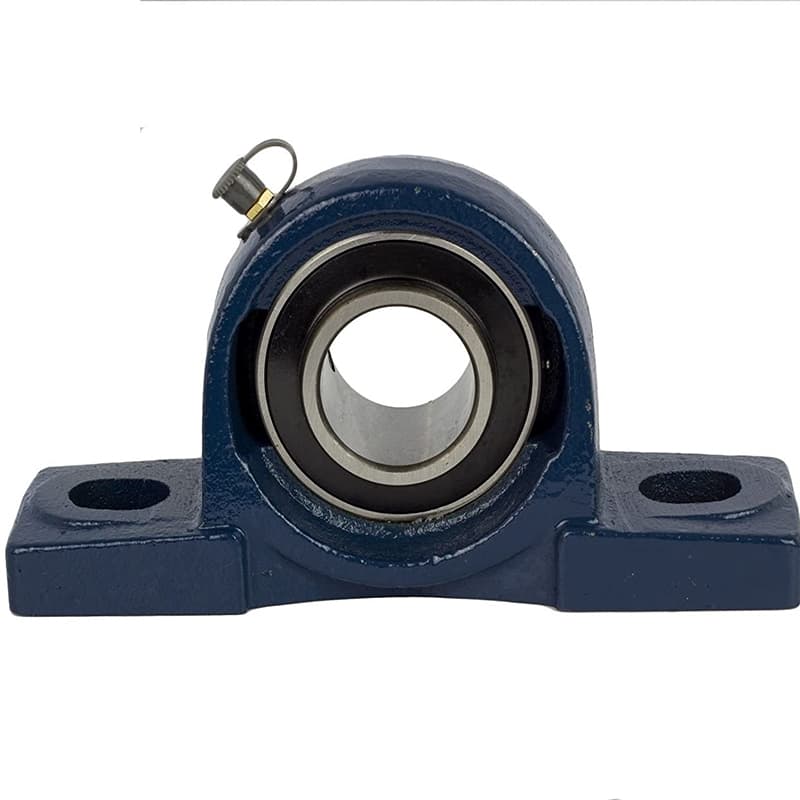
Why Grain Plants Rely on These Bearings
In a grain plant, the job of a bearing is tough. It is not just about spinning.
Think about a chain conveyor. It runs for hours. It moves heavy grain from one silo to another. The bearing at the end of the shaft takes all the tension from the chain. If that bearing fails, the chain stops.
Three main jobs:
- Support: It holds the shaft steady.
- Alignment: It corrects minor misalignments. Shafts in long conveyors are never perfectly straight.
- Protection: It keeps dirt out. Grain dust is fine. It gets into everything.
I remember a customer in Indonesia. He was losing two bearings a month on his bucket elevator. He thought it was a quality issue. We talked about it, and I realized his problem was not the bearing. It was the housing. He was using a stamped steel housing in a wet environment. Moisture got in. We switched him to a cast iron housing with a better seal. He hasn’t called me about that elevator in two years.
When you pick a pillow block bearing, you are picking reliability for your whole line.
What is a 16 6 5 bearing?
You look at a spec sheet. You see numbers like 16 6 5. You feel confused. How do these numbers relate to your machine?
A 16 6 5 bearing refers to the dimensions in inches: 1 inch bore (shaft size) by 6 inches overall length1 by 5 inches height. This is a common size for pillow block bearings in heavy industrial equipment.
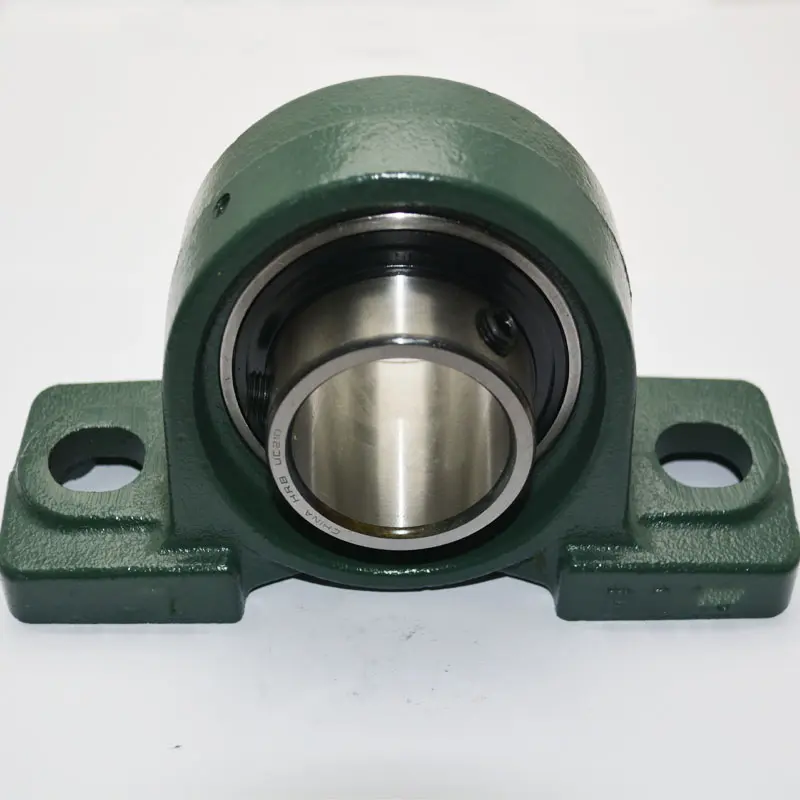
Breaking Down the Numbers
When we talk about a “16 6 5” bearing, we are speaking a specific language. In the US market, this is very common. In other parts of the world, like India or Turkey, my customers use metric. But the logic is the same.
Let’s use a standard UC series pillow block as an example. The number "16" usually refers to the bore size2. In inches, "16" means 1 inch. In the bearing industry, we sometimes use a code. For example, a UC206 has a 30mm bore. But in your spec sheet, if you see a "Pillow Block3 16 6 5", here is what it means:
| Dimension | Value (Inches) | What It Means for Your Plant |
|---|---|---|
| Bore | 1 inch | This fits your shaft. If your shaft is metric (like 25mm or 30mm), this bearing will not fit. You must match the bore to the shaft diameter. |
| Overall Length | 6 inches | This is the distance from one mounting bolt hole to the other. This tells you the footprint on your conveyor frame. |
| Overall Height | 5 inches | This is the height from the base to the center of the shaft. This is critical for alignment. If this number is wrong, your chain will be off-center. |
Why this matters for you:
If you are a procurement manager4 like Rajesh, you are ordering for a warehouse. You cannot afford to order the wrong size. The cost of the bearing is small compared to the cost of downtime.
I have a client in Brazil. He ordered 500 units of a 1-inch bearing. But his shafts were 25mm. There is a 0.4mm difference. That difference meant the bearings would not fit. We had to do a rush order to fix it. That is why I always tell my clients: Double-check the measurement system.
If you are replacing a bearing, look at the old one. Look for the number on the housing. If you cannot find it, measure the shaft first. Then measure the bolt hole spacing. That is how you avoid the headache.
What is another name for a pillow block1 bearing?
You go to buy a bearing. The supplier looks at you funny. You ask for a pillow block. He says, “Do you mean a plummer block2?” You wonder if it is the same thing.
Another common name for a pillow block bearing is a “plummer block.” This is the technical term, especially in the UK, Europe, and parts of Asia. In North America, “pillow block” is the standard name.
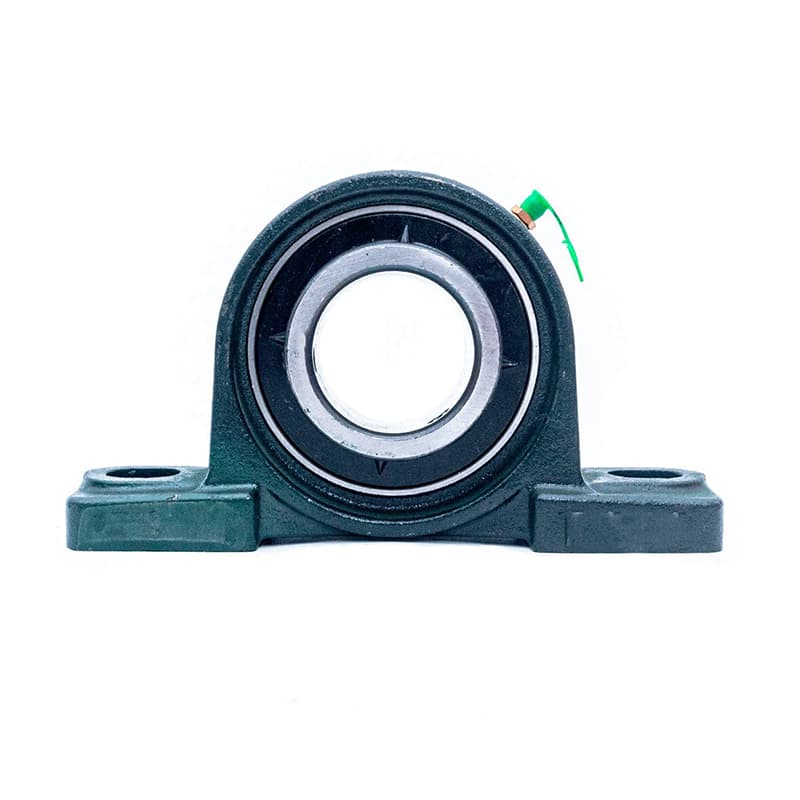
Plummer Block vs. Pillow Block: The Same, But Different
When I talk to customers in different countries, I have to be careful with names. A customer in Russia calls it a “plummer block.” A customer in Egypt calls it a “bearing housing unit3.” A customer in the US calls it a “pillow block.”
They are all the same product. But there is a nuance.
Plummer Block
- This is the older, more traditional name.
- It often refers to a split housing. You can remove the top cap without taking the shaft out.
- It is common in heavy industry like steel mills and large grain elevators.
Pillow Block
- This is the standard name for a solid housing unit.
- The bearing is inserted into the housing.
- It is common in general manufacturing and agriculture.
Why the name matters for buying:
If you are searching on Alibaba or Google, you need to use the right keyword. If you use “plummer block,” you will find different suppliers than if you use “pillow block.”
I ship to 15 countries. I make sure my team knows the local terms. When a customer in Vietnam asks for a “Ổ đỡ” (bearing support4), we know they mean a pillow block. When a customer in Turkey asks for a “Yatak” (bearing), we clarify if it is a pillow block or a ball bearing.
Here is a simple rule:
If you are ordering from a catalog, use the name the manufacturer uses. If you are talking to a local distributor in your country, use the local name. If you are talking to me, just tell me the number on the bearing. That is the safest way.
How do you select the right pillow block size1?
You have a broken bearing. You need a new one fast. You look at the pile of options. You feel paralyzed. Which one is the right size?
To select the right pillow block size, measure the shaft diameter2, the distance between mounting holes, and the housing height. Match these to a standard UC series unit. Always check the load rating for your specific machine.
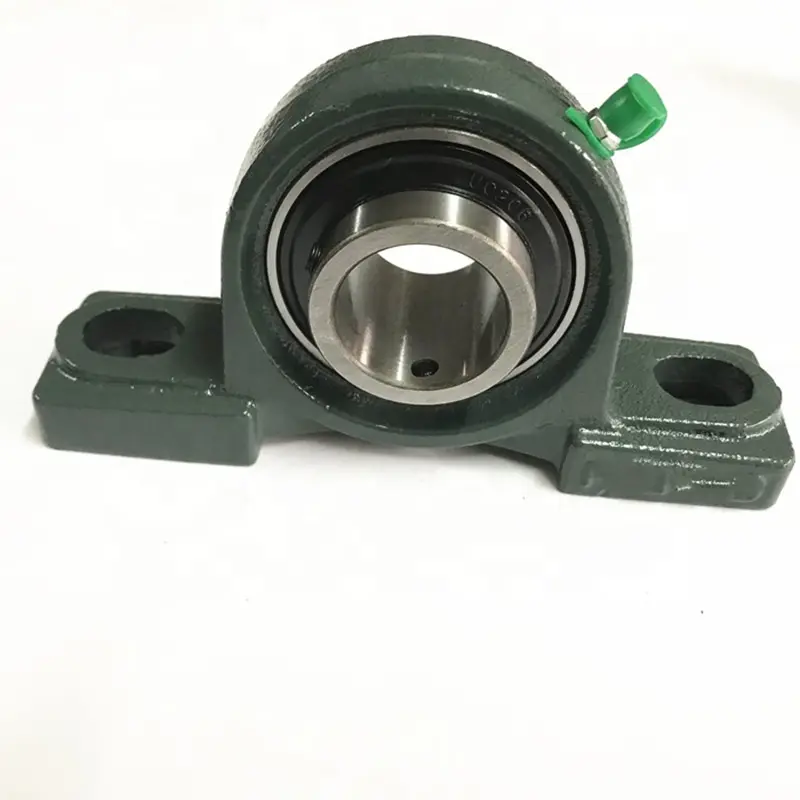
A Step-by-Step Guide to Sizing
I talk to procurement managers every day. They often ask me, “How do I know I am ordering the right one?” It is a fair question. Ordering bearings is not like ordering office supplies. If you get it wrong, you waste money.
I break it down into three steps.
Step 1: Measure the Shaft
This is the most important step. The shaft is the round metal bar that spins. You need to know its diameter.
- Use a caliper. A ruler is not precise enough.
- Write it down. If it is 1.000 inches, it is imperial. If it is 25.00mm, it is metric.
- Common grain plant sizes: 1”, 1-3/16”, 1-1/4” (imperial) or 30mm, 35mm, 40mm (metric).
If you get this wrong, the bearing will spin on the shaft. It will wear out in days.
Step 2: Measure the Bolt Holes
Look at the base of the broken bearing. There are two holes for bolts. Measure the distance from the center of one hole to the center of the other hole.
- This is called the bolt center distance3.
- This tells you if the bearing will fit on your mounting frame.
- Pro tip: Also check the bolt size. Is it a 1/2-inch bolt or a 12mm bolt? If the holes are too small, you cannot mount it.
Step 3: Check the Locking Style
This is where people make mistakes. How does the bearing attach to the shaft?
There are three main types:
| Locking Style | How It Works | Best For |
|---|---|---|
| Set Screw | Two screws bite into the shaft. | Light to medium loads. Easy to install. Common in grain conveyors. |
| Eccentric Locking Collar | A collar is turned to lock onto the shaft. | Heavy vibration. Better for bucket elevators where there is a lot of shaking. |
| Adapter Sleeve | A sleeve tightens on the shaft. | Heavy loads. Used in large industrial fans and heavy-duty elevators. |
My recommendation:
For most chain conveyors in grain plants, the set screw style is fine. It is fast to replace. For bucket elevators, I prefer the eccentric locking collar4. It handles the vertical load better.
I had a customer in South Africa. He kept having bearings fail on his bucket elevator. He was using set screw bearings. The vibration was so strong that the screws were loosening. We switched him to an eccentric locking collar bearing. He has not had a failure since. That one change saved him thousands in downtime.
The Load Factor
You also need to think about the load. A chain conveyor on a flat floor is one thing. A bucket elevator that lifts grain 100 feet in the air is another.
Check the dynamic load rating5 on the bearing spec. This number tells you how much force the bearing can take while spinning. If your elevator is heavy, you need a bearing with a higher rating.
When in doubt, go to the manufacturer’s catalog. Or, call me. I will match your shaft size and load to the correct bearing. That is what we do at FYTZ Bearing. We make sure you get the right unit the first time.
Conclusion
Picking the right pillow block bearing for grain plants is about matching size, load, and environment. Focus on cast iron housings and the correct locking style for your elevator or conveyor.
-
Understanding how to select the right pillow block size can save you time and money in maintenance. ↩ ↩ ↩ ↩
-
Accurate measurement of the shaft diameter is crucial for ensuring the right fit and preventing premature wear. ↩ ↩ ↩ ↩
-
Knowing the bolt center distance ensures that your bearing will fit properly on the mounting frame. ↩ ↩ ↩
-
Learning about eccentric locking collars can help you make informed decisions for applications with heavy vibration. ↩ ↩ ↩
-
Understanding dynamic load ratings is essential for selecting bearings that can handle your specific operational demands. ↩
