
When your recycling line stops, money goes to waste. Dust, vibration, and constant shocks are the real killers for your equipment uptime.
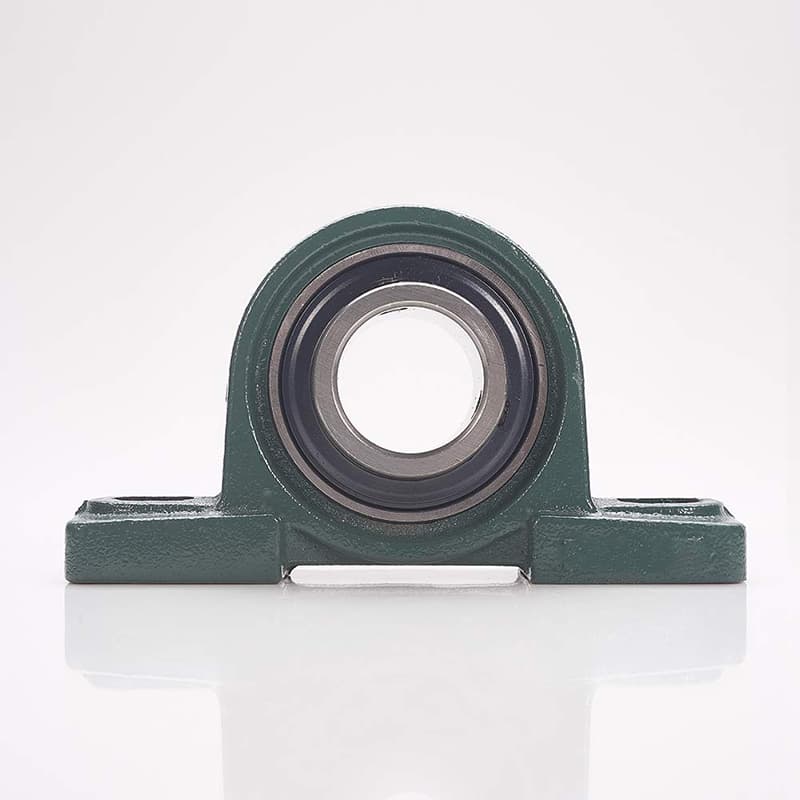
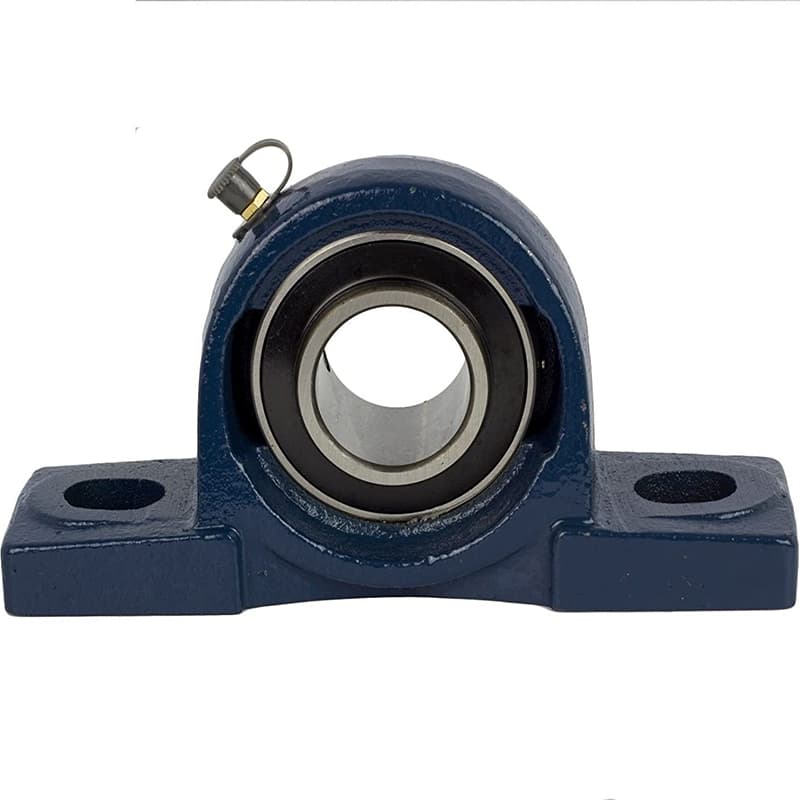
Pillow block bearings are the mounted units that support rotating shafts in machinery. Their main purpose is to provide a secure housing for a bearing, allowing a shaft to rotate smoothly while handling radial and axial loads in tough industrial environments.
If you run a recycling or sorting line, you know the environment is brutal. Dust from crushed materials, moisture, and non-stop vibrations are part of the daily routine. Most standard bearings just give up under these conditions. Let me walk you through how to choose and maintain the right pillow block bearing so your operation runs without those costly, unexpected stops.
What is the main purpose of pillow block bearing1s?
You might think a bearing is just a bearing. But when a machine stops in the middle of a sorting shift, you quickly learn the difference. Downtime is expensive, and replacing a failed unit in a hard-to-reach spot is a nightmare.
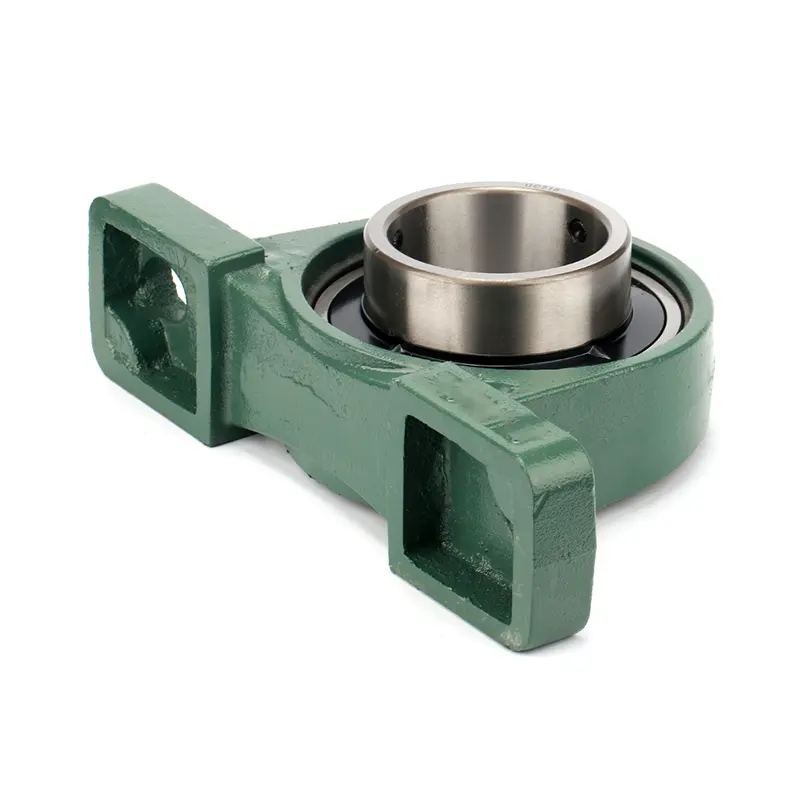
A pillow block bearing provides a complete, ready-to-mount solution for supporting a rotating shaft. It combines a bearing insert inside a strong housing, making installation easy and providing excellent support for radial and thrust loads.
Breaking Down the Real Purpose
When I talk to procurement managers like Rajesh in India, they often ask, "Why can’t I just use a standard bearing in a housing I make myself?" You could. But here is where the real value of a purpose-built pillow block comes in.
The primary purpose goes beyond just holding a shaft. It is about reliability in a messy environment2. Let me split this into three main jobs:
- Alignment Correction: Shafts are never perfectly aligned. Pillow block housings are designed with a spherical outer diameter on the bearing insert. This allows for a few degrees of misalignment. In a recycling line, where conveyors get bumped and frames shift, this is a lifesaver.
- Sealing is the Priority: The main purpose of the housing is to protect the bearing. In a sorting line, you have dust, water, and fine particles. A standard open bearing fails fast. A pillow block comes with seals. These seals keep the good stuff (grease) in and the bad stuff (contaminants) out.
- Ease of Maintenance3: The purpose is also about service. You need to be able to change a unit fast. A pillow block uses set screws or an adapter sleeve to lock onto the shaft. You don’t need to press it on or off. You just unbolt the housing, slide the unit off, and slide a new one on.
My Factory Perspective
At FYTZ Bearing, we manufacture these units daily. I see the difference between a generic unit and one built for tough duty. When a client in Turkey called us about their glass recycling line, they were changing bearings every two weeks. The glass dust was acting like sandpaper inside standard units.
We looked at the purpose. Was it just to hold the shaft? No. It was to survive that dust. We switched them to a pillow block with a triple-lip seal4 and a cast iron housing. The purpose shifted from "holding a shaft" to "surviving the environment." That change saved them over 100 hours of downtime per year.
What are the common problems with pillow blocks?
I get calls every week from maintenance managers who are frustrated. They see the same failures over and over. They blame the bearing, but often the problem is the selection or installation. Let me tell you about the real problems I see in the field.
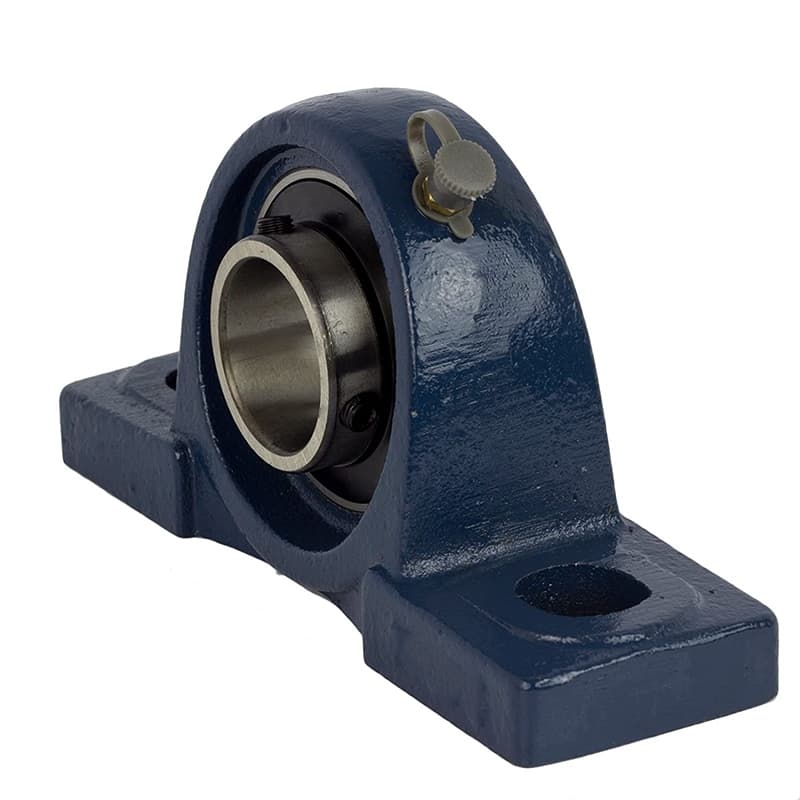
The most common problems are premature wear from contamination1, seizure due to loss of lubrication2, housing failure from shock loads3, and shaft damage from loose locking mechanisms4.
Diagnosing the Failure
If you want to fix the problem, you must know what caused it. I train my clients to look at the failed unit like a detective. The type of damage tells you exactly what went wrong. Here is a breakdown of the common issues I see on recycling and sorting lines:
| Problem | Visual Sign | Root Cause | How We Fix It at FYTZ |
|---|---|---|---|
| Contamination Wear | Grinding noise, rough feel, visible grit in grease. | Ineffective seals or high-pressure washdown forcing water/dust inside. | We use heavy-duty contact seals with an outer flinger for extra protection. |
| Heat Seizure | Discolored (blue/black) housing, melted grease, shaft locked. | Over-lubrication, under-lubrication, or running at speeds beyond the limit. | We specify high-temperature grease and proper relubrication intervals for the application. |
| Housing Fracture | Cracks in the cast iron foot or base. | Sudden impact, excessive shock load, or loose mounting bolts causing hammering. | We recommend ductile iron housings for high-impact areas like sorting lines. |
| Shaft Fretting | Reddish-brown dust around the set screws, shaft scored. | Loose fit on the shaft. The inner ring spins on the shaft instead of with it. | We use a tighter fit or an adapter sleeve locking system to grip the shaft securely. |
| False Brinelling | Indentations in the raceway spaced at the ball pitch. | Vibration while the shaft is stationary (common on standby equipment). | We use a specially formulated anti-vibration grease or ensure the shaft is rotated periodically. |
In my experience, the biggest culprit in a recycling plant is contamination. I remember a client in Indonesia who processed palm oil waste. They thought their bearings were failing because of "cheap quality." When I visited, I saw the problem instantly. They were using standard bearings with single-lip seals. The hot, humid, acidic environment was killing the units in days.
We did a simple test. We took a failed unit and cut it open. The grease was black and full of dirt. We replaced all units with FYTZ pillow blocks featuring our "3L" seal system (three lips). The problems stopped. The lesson here is simple: match the seal to the environment, not just the shaft size.
How to install a pillow block bearing1?
I have seen many good bearings ruined by bad installation. A hammer and a wrench are the wrong tools for this job. Installation is not just about tightening bolts. It is about precision. A bad install today means a bearing failure next month.
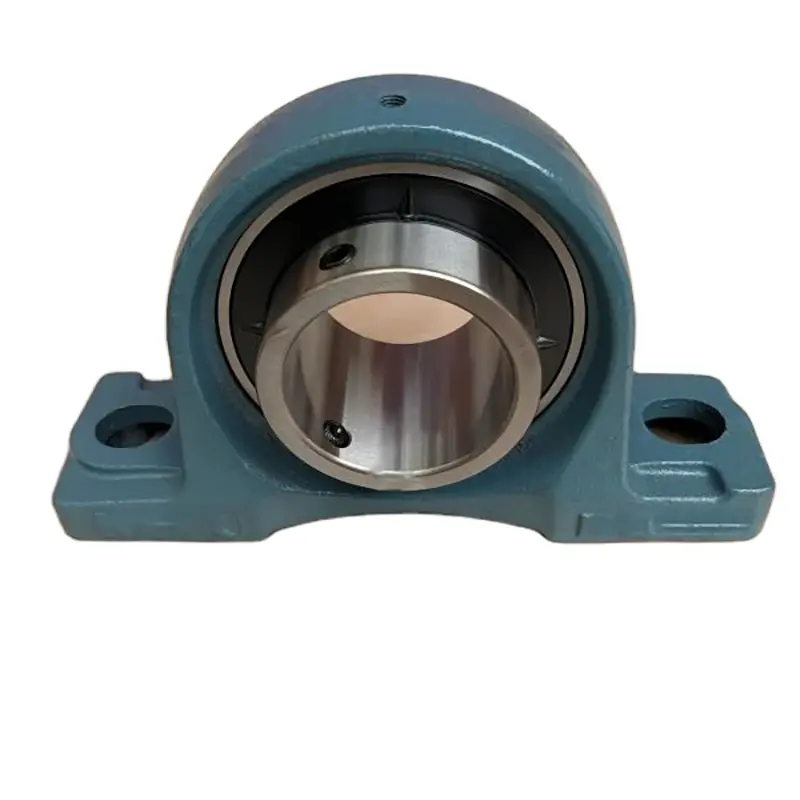
To install a pillow block bearing, first prepare a clean, flat mounting surface. Then, place the bearing on the shaft without tightening it fully. Align the shaft, secure the housing bolts, and finally lock the bearing to the shaft using set screws or an adapter sleeve, following the specific torque guidelines.
A Step-by-Step Guide from the Factory Floor
We manufacture these, so we also test them. We know exactly what steps you cannot skip. I often tell my clients, "You don’t need to be a mechanic, but you must be methodical."
Here is the method I recommend for our distributors in Russia and Brazil who supply to heavy industries:
1. The Surface
Do not bolt the pillow block to a rusty, uneven surface. This stresses the housing.
- Action: Clean the frame. Use a feeler gauge to check for flatness. If the surface is uneven, use shims to level the base. If you bolt a bearing down on a twisted frame, you are forcing the housing to bend. That creates internal stress and leads to premature housing fracture.
2. The Shaft Preparation
The shaft is the bearing’s partner. If it is rough or has burrs, you will never get a proper fit.
- Action: Clean the shaft with emery cloth. Remove any rust or nicks. Apply a thin film of anti-seize or light oil to help the bearing slide on. Do not force it. If the bearing does not slide onto the shaft easily by hand, something is wrong.
3. Positioning and Alignment
This is where most people rush. You cannot tighten everything at once.
- Action: Slide the bearing onto the shaft. Place it in its approximate position. Do not tighten the set screws yet. Do not fully tighten the housing bolts yet. You need to align the shaft first.
- For a single bearing: Lightly tighten the housing bolts so the unit can still move. Then, spin the shaft to check for binding.
- For two bearings on one shaft: You must align them to each other. Use a straight edge or a laser alignment tool2. The goal is to have the shaft centerline perfectly straight.
4. Locking the Bearing
This step defines the bearing’s life. There are two main ways to lock a pillow block to a shaft:
- Set Screw Method: This is the most common. You tighten a screw onto the shaft.
- The Mistake: People overtighten, or they only tighten one screw.
- The Fix: Tighten the first screw to the specified torque (usually around 15-25 Nm for a 1-inch shaft). Then, rotate the shaft 180 degrees and tighten the second screw. Then, go back and check the first one. This centers the inner ring.
- Adapter Sleeve Method: This is better for high-vibration environments like a sorter.
- The Fix: Slide the sleeve onto the shaft. Insert the bearing over the sleeve. Tighten the lock nut until the sleeve grips the shaft. Use a spanner wrench. You want a firm, secure lock without stripping the threads.
5. Final Checks
- Action: Once everything is locked and bolted, spin the shaft by hand. It should feel smooth. There should be no resistance or "notchy" feeling. If it feels rough, stop. Something is misaligned or the bearing is damaged.
At FYTZ, we offer pillow blocks with different locking styles. For a customer in Egypt who runs a limestone crusher (heavy vibration), we never recommend the standard set screw lock. We always push for the adapter sleeve style. It holds better under shock loads and prevents the shaft from fretting (wearing down).
What is the 2 2 1 pillow rule?
If you have been in this industry for a while, you might have heard about the "2-2-1" rule. It sounds like a secret code. It is actually a very practical guideline for lubrication and maintenance. I use it myself when training my clients’ maintenance teams.
The 2-2-1 pillow rule is a simple guideline for grease lubrication1. It means to add 2 shots of grease every 2 months for a bearing that runs at 1,000 RPM or less. It is a starting point, but you must adjust for temperature, environment, and speed.
Rethinking the 2-2-1 Rule for Modern Applications
I have to be honest with you. The old 2-2-1 rule2 is a good base. But if you follow it blindly in a modern recycling line, you will still have problems. Why? Because the rule was made for ideal conditions. Your recycling line is the opposite of ideal.
Let me break down why we need to think differently, and how we at FYTZ help our clients build a better lubrication strategy3.
Why the "2" (Quantity) Matters
"2 shots of grease" sounds simple. But what is a "shot"? A manual grease gun can deliver anywhere from 0.5 grams to 3 grams per pump. That is a huge difference. For a small pillow block (like a UCP205), two large pumps might blow the seals out. For a large unit (like a UCP318), two small pumps might not even reach the rolling elements.
- My Rule: Know your bearing size4. For small to medium units (shaft diameter under 50mm), 1 to 2 pumps is plenty if you are greasing frequently. For larger units, you might need 5 to 8 pumps. The goal is to purge the old grease out of the seal without building up so much pressure that the seal blows out.
Why the "2" (Frequency) is Too Rigid
"Every 2 months" is a good schedule for a clean, cool, slow-running machine. But your recycling line is not that.
- Hot Environments: In Turkey or Egypt, if your line runs near a furnace or in direct sun, the grease will oxidize faster. You need to grease monthly.
- Wet Environments: In Indonesia or Brazil, if water is splashing on the bearing, you need to grease more often to purge the water out. I tell clients to grease weekly if the bearing is exposed to washdown.
- Contaminated Environments: In a glass or sand recycling line, the dust acts like a sponge. It soaks up the grease. You must grease frequently to flush the dust out before it enters the raceway.
Why the "1" (Speed) is Just a Baseline
The rule assumes a speed of 1,000 RPM. Most recycling lines run slower than that. But speed is not the only factor.
Here is a table I use with my clients to adjust the 2-2-1 rule:
| Environmental Factor | Impact on Lubrication | Adjusted Strategy (vs. 2 months) |
|---|---|---|
| High Temperature ( > 70°C) | Grease oxidizes and hardens quickly. | Increase frequency to 2 weeks. Use high-temperature grease. |
| Water Washdown | Grease is washed out. Water enters bearing. | Increase frequency to 1 week. Purge with new grease until old, milky grease exits the seal. |
| Abrasive Dust | Dust mixes with grease, forming a grinding paste. | Increase frequency to 1-2 weeks. Use a high-quality, heavy-duty grease with high viscosity. |
| High Vibration | Grease can get thrown off the rolling elements. | Use a grease with high mechanical stability (high dropping point). Keep the bearing fully packed. |
| Standby Equipment | Vibration during downtime causes false brinelling. | Do not over-grease when not running. Use anti-vibration grease. Follow the 2-month schedule strictly. |
I remember a story from a distributor in South Africa. He had a client with a sorting line for recycled plastics. The client was religiously following the 2-2-1 rule. But the bearings kept failing. I asked him to send me a photo of the failed bearing and the grease they used.
The grease was standard lithium-based grease. It was fine for the speed, but not for the environment. The plastic dust was sticking to the grease and building up around the seal. The dust was then getting pulled into the bearing.
We changed two things. First, we switched to a polyurea-based grease5 that was less sticky. Second, we changed the schedule from every 2 months to every 3 weeks. The purge action pushed the plastic dust out before it could build up. The failures stopped completely.
So, while the "2 2 1" rule is a great teaching tool, you have to use it as a starting point. Then, you adjust it based on what you see. I always tell my clients: "The bearing will tell you if it’s happy. Listen to it. If it’s noisy, if it’s hot, if the grease is coming out black, change your lubrication schedule."
Conclusion
Choosing and maintaining pillow block bearings for recycling lines is about matching the unit to the harsh environment, not just the shaft size. Focus on sealing, alignment, and a smart lubrication schedule.
-
Exploring best practices in grease lubrication can enhance maintenance strategies and prevent equipment failures. ↩ ↩ ↩ ↩
-
Understanding the 2-2-1 rule is crucial for effective lubrication strategies, ensuring optimal performance and longevity of machinery. ↩ ↩ ↩ ↩
-
A well-developed lubrication strategy is key to maximizing equipment lifespan and efficiency; learn how to create one tailored to your needs. ↩ ↩ ↩
-
Knowing how bearing size impacts lubrication can help in selecting the right amount of grease for different applications. ↩ ↩ ↩
-
Exploring the advantages of polyurea-based grease can lead to better performance in challenging environments and reduce equipment failures. ↩