
You know the feeling. Your high-speed printing press stops without warning. A seized bearing brings everything down. This costs you money and delays your clients.
The wrong deep groove ball bearing can ruin your production. Choosing the right one for high-speed rotating parts is key. You need high precision, proper sealing, and the right lubrication for a long machine life.
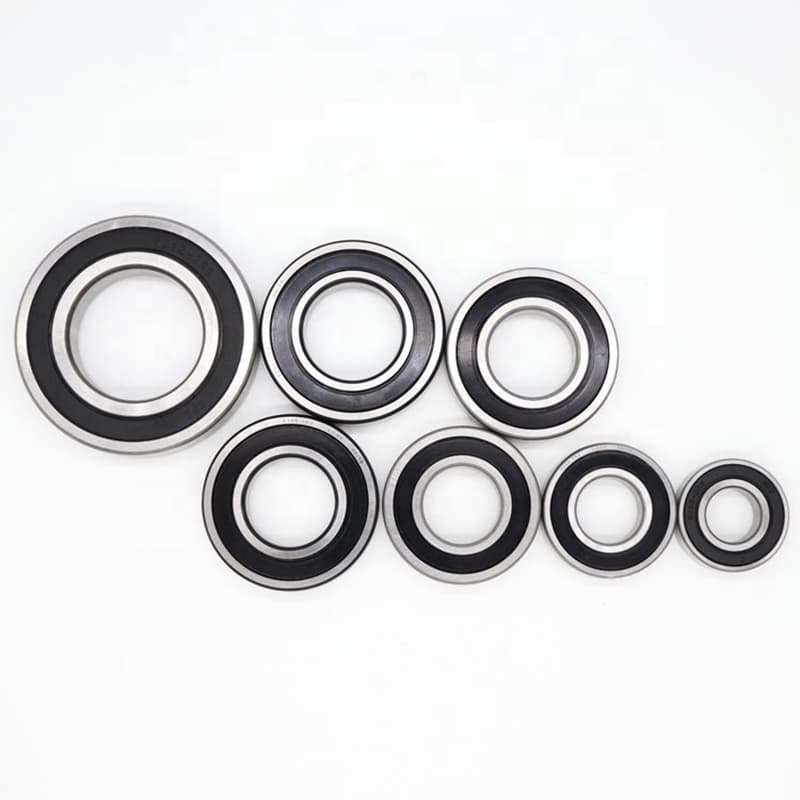
I have worked with many machine builders and distributors over the years. They often ask me the same questions about bearings for printing and paper converting. Why do they fail? And how can we stop that from happening? Let me share what I have learned from my work at FYTZ Bearing.
Selecting the Right Bearing for High-Speed Rotating Components?
Printing machines run fast. They run for many hours. A standard bearing cannot handle this. It will overheat and fail. You need a better solution.
For high-speed rotating components1, you need bearings with high precision and low friction. Look for P5 or P6 precision classes2. Also consider special cage materials like polyamide or brass to handle the speed.
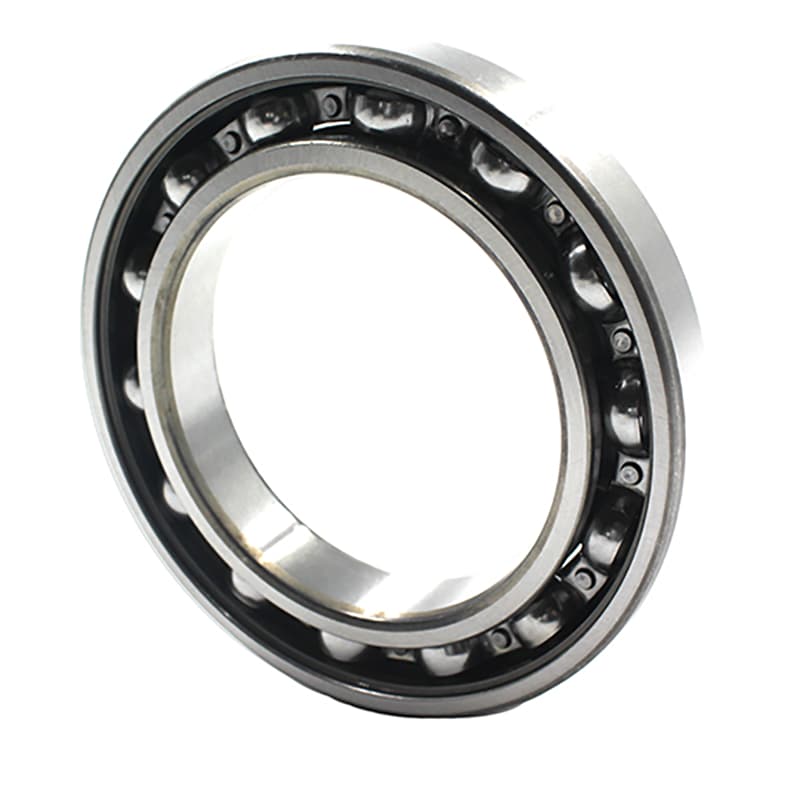
Choosing a bearing for high-speed parts is not just about the size. You have to look at the details. Speed is a major factor. But it is not the only one.
Let me break this down into three parts. First, we have precision. This is the most important part. High-speed applications need tight tolerances. A standard bearing with P0 precision might work for a slow conveyor. But for a printing roller spinning at 10,000 RPM, it will cause vibration. Vibration leads to noise and heat. Heat then leads to early failure. For these machines, I always suggest P5 or even P4 precision. These bearings have tighter internal clearance3s. This keeps the shaft stable.
we have the cage. The cage holds the rolling elements in place. In a standard bearing, you see a steel or a pressed steel cage. Steel cages are strong but heavy. At high speeds, the heavy cage creates more centrifugal force. This puts stress on the bearing. A better choice is a polyamide or a brass cage. Polyamide is light. It reduces the centrifugal force. This allows for higher speeds. Brass cages are also good for very high temperatures. But they cost a bit more.
we have internal clearance. This is something many people forget. Internal clearance is the space between the rolling elements and the raceways. For high speed, you often need a C3 clearance4. This is a larger than normal clearance. Why? Because high speed creates heat. The inner ring expands from the heat. If the clearance is too small, the bearing becomes tight. This causes it to lock up. C3 gives the bearing room to expand. It allows the machine to run smoothly even when it is hot.
Here is a simple table to show my point:
| Feature | Standard Bearing (P0) | High-Speed Bearing (P5/P6) |
|---|---|---|
| Precision | Normal tolerance. Good for low speed. | High tolerance. Low vibration. |
| Cage | Steel or pressed steel. Heavy. | Polyamide or brass. Light and strong. |
| Internal Clearance | Normal (CN). Risk of seizure at high speed. | C3 or C4. Allows for thermal expansion. |
I remember a client from Turkey. He was building paper converting machines. He kept having bearing failures after just three months. We looked at his design. He was using standard P0 bearings with steel cages. The speed was too high for that bearing. We switched him to a P5 bearing with a polyamide cage. His machines now run for over two years without a problem. That is the difference the right choice makes.
Enhancing Durability: Seal Types and Lubrication Strategies?
A bearing can have the best precision. But if dirt gets inside, it will fail. If the grease dries out, it will fail. Seals and lubrication are your first defense.
To make your bearings last, you need to choose the right seal type and grease. Rubber seals (2RS)1 keep out paper dust2 and ink. Good quality lithium-based grease3 keeps the friction low and the temperature down.
I see many machines in the printing and paper industry. The environment is tough. There is paper dust everywhere. There is ink and moisture. These things destroy bearings quickly if you do not protect them.
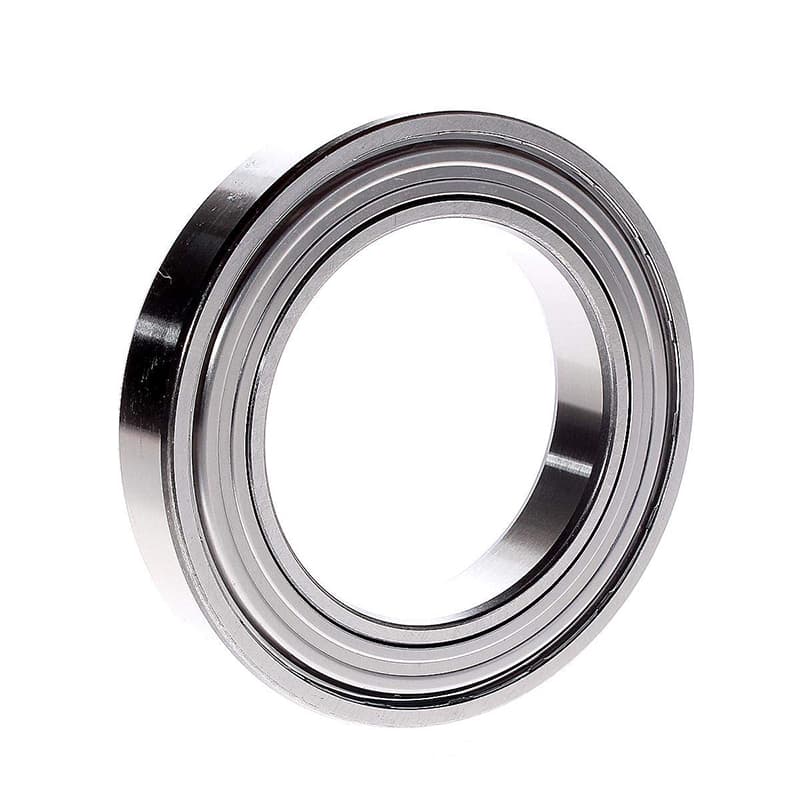
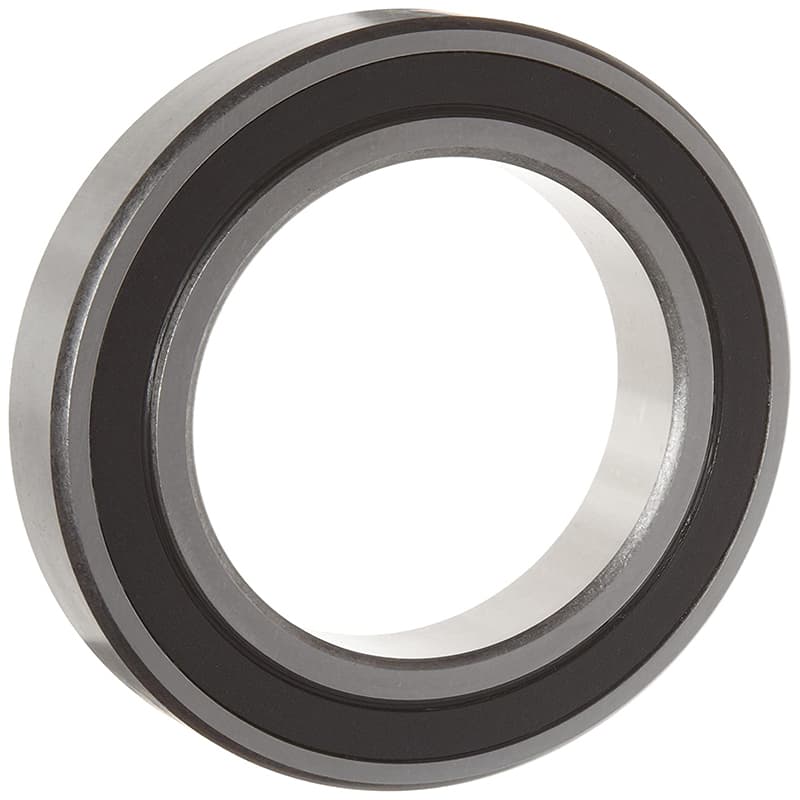
Let us talk about seals first. You have two main choices. You have metal shields (ZZ)4 and rubber seals (2RS). Metal shields are good for keeping out large particles. But they do not seal tightly. They are okay for clean environments. But a printing shop is not clean. Paper dust is fine. It gets past metal shields. Once inside, it mixes with the grease. The grease turns into a grinding paste. Then the bearing fails.
Rubber seals are better. They touch the inner ring. This creates a tight seal. Paper dust cannot get in. Ink cannot get in. The 2RS type is best. It has a seal on both sides. This keeps the grease inside and the dirt outside. For these machines, I always tell my clients to use rubber seals. It is a small change. But it makes a huge difference in bearing life.
Now let us talk about lubrication. This is just as important. The grease does two things. It reduces friction. And it removes heat. For printing and converting machines, you need a grease that can handle high speed and temperature. A standard lithium-based grease works well for many cases. It has good stability. It does not break down easily.
But you also need to think about relubrication. Some bearings come pre-greased and are sealed for life. These are good for small motors. But for large printing rolls, you might need a bearing with a lubrication hole5. This lets you add new grease while the machine is running. It pushes out the old, dirty grease. This is a good strategy for heavy-duty machines.
Here is a quick comparison:
| Seal Type | Pros | Cons | Best for |
|---|---|---|---|
| ZZ (Metal Shield) | Low friction. Good for high speed. | Poor protection from dust. | Clean, dry environments. |
| 2RS (Rubber Seal) | Excellent protection. Grease retention. | Slightly higher friction. | Dirty, dusty, or wet environments. |
I have a client in India, Mr. Rajesh. He is a distributor. His customers run paper converting machines. They used to buy bearings with metal shields. They had many complaints. I suggested he switch to 2RS rubber-sealed bearings. The complaints dropped by 80%. His customers were happy. They now trust him more. And he buys more from me. It is a simple fix that works.
Common Failure Modes and Predictive Maintenance Tips?
Your machine sounds different today. It is louder. It vibrates. These are signs. You cannot ignore them. If you do, a total breakdown is coming.
The most common failure modes1 are overheating2, contamination3, and fatigue4. You can prevent these with simple steps. Use thermal cameras to check heat. Use vibration analysis5 to check alignment. And replace bearings before they fail.
I talk to maintenance managers all the time. They have a hard job. They have to keep machines running. But they also have to plan for repairs. If you know how bearings fail, you can see the problem early.
Let us look at the common failure modes.
First is overheating. This is easy to spot. You see discoloration on the bearing. The grease turns black. The cause is often too much grease or the wrong clearance. Too much grease creates churning. This builds heat. The wrong clearance (like CN instead of C3) makes the bearing tight when it heats up. The fix is simple. Use the correct grease amount. And use C3 clearance for high-speed parts.
Second is contamination. This is the biggest killer in printing and paper. You see scratches on the raceways. You see denting in the rolling elements. The cause is poor sealing. Paper dust, ink, or dirt gets inside. The fix is better seals. Use 2RS seals. Also make sure the housing is clean when you install the bearing.
Third is fatigue. This is normal wear. It happens over time. You see flaking or spalling on the raceways. The cause is simply the end of the bearing’s life. You cannot stop it. But you can predict it. If you track how long the bearings last, you can plan a replacement schedule. Change them before they fail.
Now, how do you predict these problems? You do not have to guess. You can use two simple tools.
Vibration analysis is one tool. A healthy bearing has a smooth sound. A bad bearing has spikes in the vibration reading. You can buy a simple handheld vibration meter. You take a reading every week. When the reading starts to go up, it is time to plan a replacement.
Thermal imaging is another tool. A thermal camera shows you the temperature of the bearing housing. A hot spot means something is wrong. It could be lack of grease or a bearing about to seize.
Here is a maintenance checklist I use:
- Weekly: Listen for noise. Touch the housing for heat.
- Monthly: Use a vibration meter. Record the data.
- Quarterly: Use a thermal camera. Check all bearing points.
- Annually: Replace bearings that are near their calculated life.
One of my partners in Brazil runs a large converting plant. He had a machine that kept failing every six months. We taught his team to do vibration checks. They caught a failing bearing early. They replaced it during a scheduled downtime. That one action saved them a full day of production. They lost a few hours instead of a few days. That is the value of predictive maintenance.
Technical Specifications: Load Ratings and Precision Classes?
You look at a bearing catalog. You see numbers. C, C01, P0, P52. What do they mean? If you pick the wrong one, your machine will not last.
Load ratings (C and C0) tell you how much weight a bearing can carry. Precision classes (P0, P6, P5) tell you how accurate it is. For printing machines, choose P5 for high speed and check the dynamic load rating3 for your application.
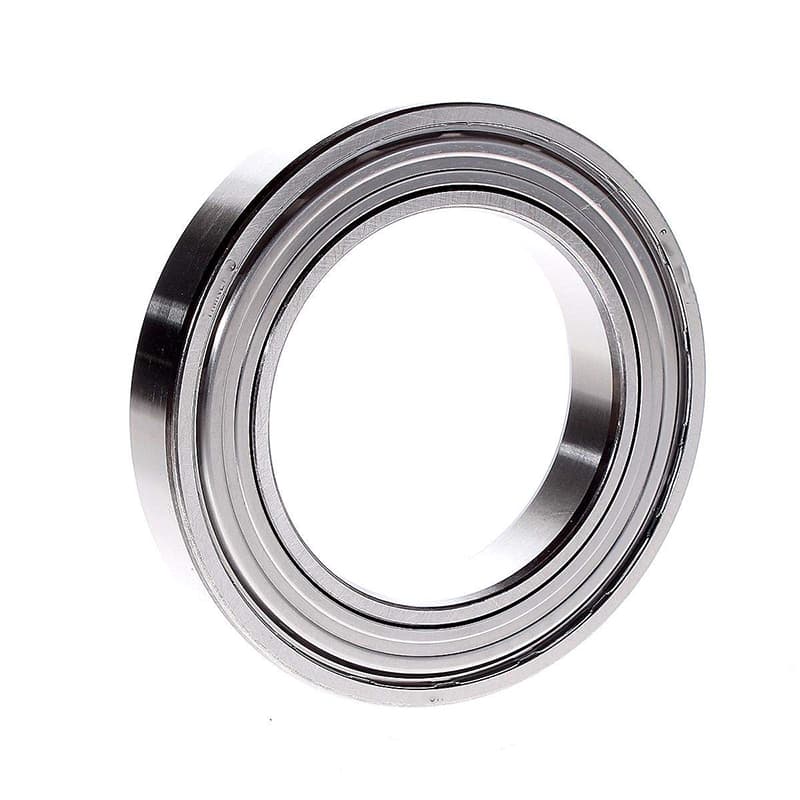
Technical specifications can look complicated. But they are just a language. Once you learn the words, it becomes easy to pick the right part. I want to help you understand the two most important specs: load ratings4 and precision classes5.
Let us start with load ratings. You will see two numbers. One is C. This is the dynamic load rating. It tells you how long the bearing will last under a moving load. This is the number you use for rotating parts. A higher C means a longer life. When you design a machine, you calculate the load on the bearing. Then you pick a bearing with a high enough C rating to last.
The other number is C0. This is the static load rating. This is for loads when the bearing is not moving. It is important for heavy presses or when the machine is stopped with a heavy roll on it. You want to make sure the bearing can handle the weight when it is still.
Now let us talk about precision classes. This is about how exact the bearing is. There are different classes. P0 is the standard. It is good for normal applications. P6 is a step up. It has tighter tolerances. P5 is even tighter. It is for high-speed and high-precision machines. Printing machines need tight registration. The rolls have to be perfectly aligned. If the bearings have low precision, the rolls wobble. This makes the print blurry. So for high-speed printing, I always suggest at least P6. For very high-speed or precision machines, I suggest P5.
Here is a breakdown of what the precision classes mean for you:
| Precision Class | Tolerances | Typical Use | Cost |
|---|---|---|---|
| P0 (Normal) | Standard | Conveyors, fans, low-speed equipment | Lowest |
| P6 (Class 6) | Tighter than P0 | General machinery, moderate speed | Moderate |
| P5 (Class 5) | Very tight | High-speed printing, machine tools | Higher |
I have a factory here in China. We make these bearings. We have integrated production and inspection lines. For our clients in the printing industry, we usually supply P5 or P6. We test them on our own equipment. We make sure the vibration is low. We check the noise. When we ship to Russia or Egypt, our clients know they are getting a precision product.
One tip for you. When you buy bearings, always ask for the certificate. It should show the precision grade. Do not just trust the box. The box can say P5. But the part inside might not be. At FYTZ, we test every batch. We give you the data. That way you know what you are getting.
Conclusion
Printing and converting machines need the right bearings. Choose high precision, proper seals, and the right grease. This stops failures and keeps your production running.
-
Discover the significance of C0 ratings to ensure your bearings can handle static loads safely. ↩ ↩ ↩ ↩
-
Find out why P5 precision class is essential for high-speed and high-precision applications. ↩ ↩ ↩ ↩
-
Learn about dynamic load ratings to choose bearings that can withstand moving loads effectively. ↩ ↩ ↩ ↩
-
Understanding load ratings is crucial for selecting the right bearing to ensure machine longevity and performance. ↩ ↩ ↩ ↩
-
Explore precision classes to ensure you select bearings that meet the accuracy requirements of your machinery. ↩ ↩ ↩