You have a heavy machine that just broke down. Now you are stuck with a big repair bill and lost work time. I have seen this happen to my clients too many times.
If you need a bearing that can handle heavy loads and shock from both directions at once, tapered roller bearings are your best choice. They are made for the tough jobs in gearboxes, conveyor systems, and truck wheels.
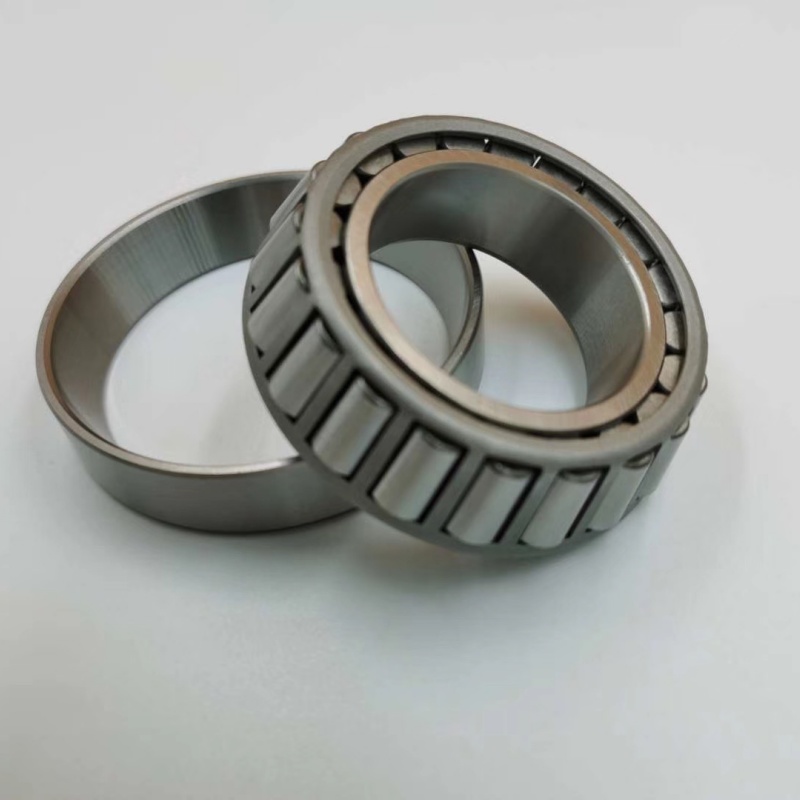
A lot of people ask me if a standard ball bearing will work for their heavy equipment. The short answer is no. Ball bearings are great for high speeds, but they cannot take the heavy radial and thrust loads that come with big machines. You need a bearing that is built for that fight. I run a factory that makes these bearings. We send them to countries like Turkey, India, and Brazil every day. My customers come to me because they are tired of parts that fail too soon. They want something reliable. Let us look at what makes the tapered roller the right choice for your equipment.
Who makes the best tapered roller bearings1?
You might feel overwhelmed by the number of bearing brands out there. Every salesperson says their product is the best. But when your machine is down, you need facts, not sales talk.
There is no single “best” brand for everyone. Big names like Timken2 and SKF make excellent, high-priced bearings. But for many businesses, the “best” bearing is the one that gives them the longest life for the most reasonable cost. This is often a high-quality bearing from a specialized factory3 like ours.
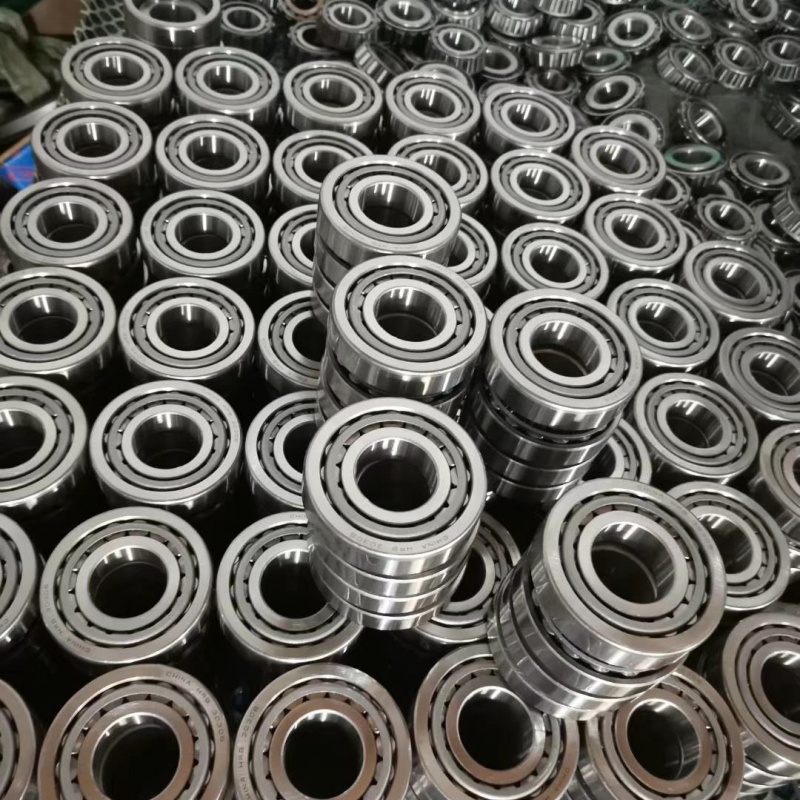
To help you decide, let us break down what you are really paying for. There are three main types of companies in this market. I will show you what sets them apart.
The Premium Players (Timken, SKF)
Timken is famous for tapered roller bearings. They invented the modern version. SKF is a giant from Europe. They make bearings for almost everything.
- Pros: You get very strict quality control. You get a world-famous name. Their research and development is top-level.
- Cons: The price is very high. You are paying a lot for the brand name. Their lead times can be long. If you need a custom size, they often ask for huge minimum orders.
The Major Asian Brands (NTN, NSK, KOYO, etc.)
These are large Japanese and Korean companies. They make very good, reliable bearings for cars and industrial use.
- Pros: Their quality is consistent. They are often more available than the European or American brands. The price is lower than Timken or SKF.
- Cons: They focus on standard sizes. They are not usually set up for custom or smaller wholesale orders. Their distribution network sometimes adds extra costs.
The Specialized Wholesale Factories (Like FYTZ)
This is where we fit in. We are not a big brand name. We are a factory with integrated production and inspection lines.
- Pros: We give you the best value. Our bearings meet high precision classes4 like P5 or P6. We can customize. Need a specific cage material? A special heat treatment? A different marking? We can do it for you. We work B2B and wholesale only. We are your partner, not just a seller.
- Cons: We do not have the instant brand recognition of a Timken. You have to do a little more checking, like asking for samples or inspecting our factory. But for buyers who do this work, they find a partner who saves them 20-40% on their yearly bearing costs.
So, who makes the best? It depends on your business. If you are a distributor selling to a high-end automotive client who demands a specific brand, you might need Timken. But if you are a procurement manager like Rajesh in India, who buys 3-5 containers a year, you want a balance of quality and price. You want a factory you can talk to directly. That is what we offer.
Is Timken better than SKF?
This is a classic debate. I hear it from my clients in Turkey and Russia all the time. They want to know which of these two giants has the stronger product. It is like asking if a Mercedes is better than a BMW. The answer is not simple.
Timken is not universally “better” than SKF. For tapered roller bearings1, Timken has a historical edge because they specialize in them. SKF is stronger in other areas like spherical roller bearings. For your specific heavy machinery application, a high-quality bearing from a specialized factory can perform equally well at a much lower cost.
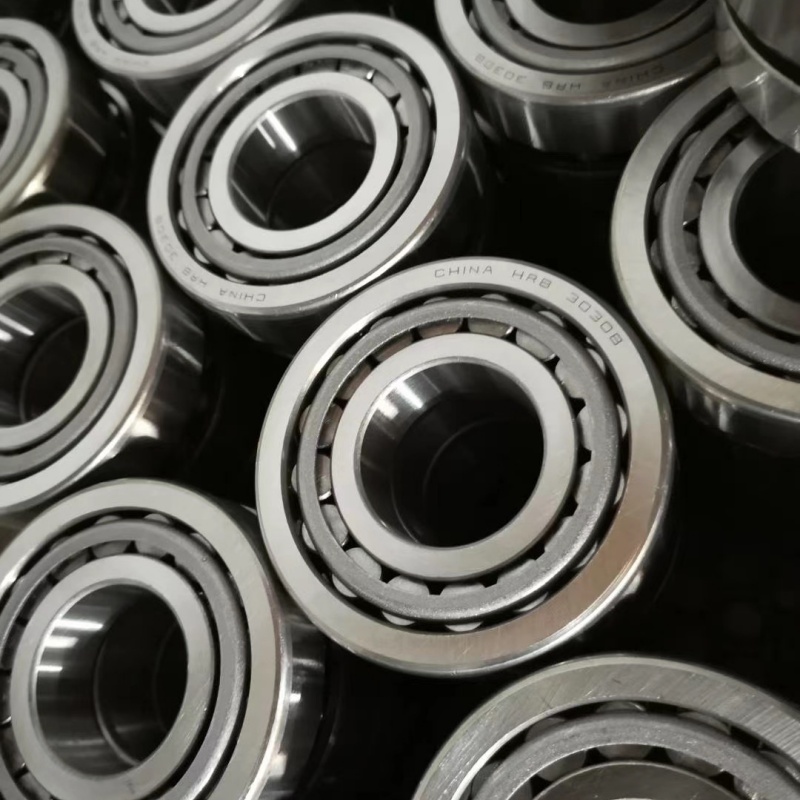
Let us look at this comparison in a more practical way. I have been in this industry for over a decade. I have seen test reports from customers. I have visited workshops where these bearings are used. Here is how I see the competition between Timken and SKF.
| Feature | Timken | SKF |
|---|---|---|
| Core Strength | Tapered roller bearings. This is their main focus. They know the geometry and metallurgy inside out. | Broad portfolio. They make almost every type of bearing. Their expertise is more spread out. |
| Design Philosophy | They focus on making the bearing strong. They use special steel and heat treatment for high durability. | They focus on system optimization3. They often combine bearings with seals and lubrication systems for a complete solution. |
| Cost | Generally, they have a premium price for their tapered roller bearings. | Also a premium price, but sometimes slightly more competitive on standard sizes. |
| Availability | Very good worldwide, especially in the US market. | Excellent global availability, especially in Europe and Asia. |
| For Your Business | If you need a top-tier tapered roller bearing and the customer asks for Timken by name, this is your answer. | If you need a full package of different bearing types for one project, SKF’s wider range can make purchasing simpler. |
My take? For a pure tapered roller bearing in a heavy machinery application like a gearbox or a wheel end, Timken has a slight edge in raw durability. But here is the thing: that edge only matters if you are pushing the bearing to its absolute limit 24/7. For most standard industrial and automotive applications, a bearing from a high-quality factory like ours will give you the same service life.
Why? Because we follow the same international standards (ISO). We use high-quality steel4 from certified mills. Our production lines have integrated inspection. We do not cut corners. We just do not have the 100-year-old brand name to pay for. So, when a client asks me if Timken is better than SKF, I say: “For a standard application, you will not see a difference in performance. But you will see a big difference in your bottom line.”
What are the 5 types of roller bearings?
When people say “roller bearing,” they often think it is just one thing. It is not. The word “roller” refers to the rolling element inside. That element can have different shapes. Each shape is made for a specific type of load and job. Knowing this can help you choose the right part for your machine.
The five main types of roller bearings are: 1) Tapered Roller Bearings1, 2) Cylindrical Roller Bearings2, 3) Spherical Roller Bearings3, 4) Needle Roller Bearings4, and 5) Thrust Roller Bearings5. Each type handles loads and speeds in a unique way.
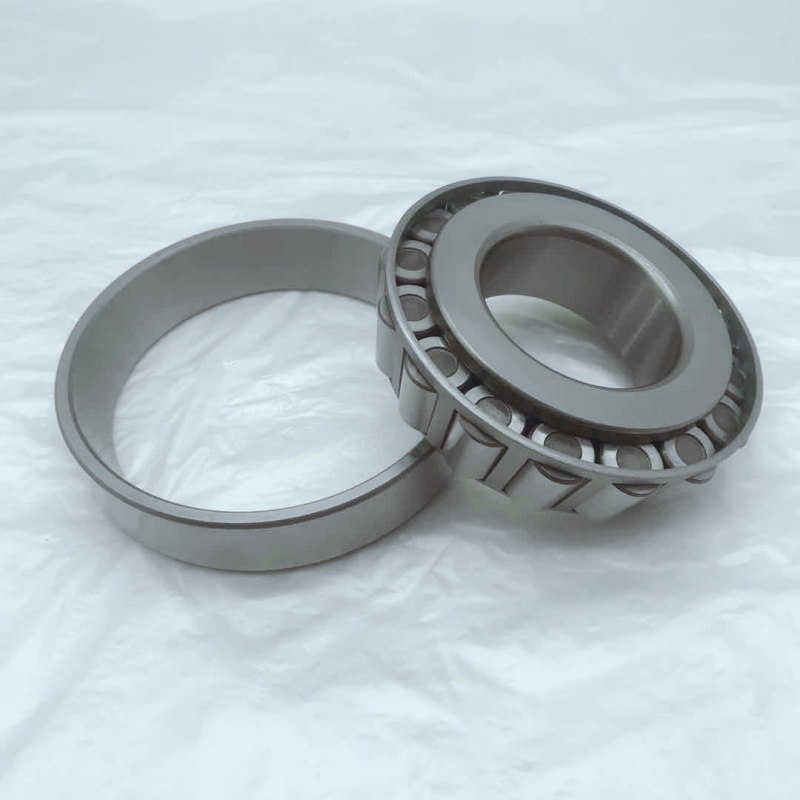
Let us look at each one. I will explain what they are good for and where you might see them. This will help you talk to your customers or make a better choice for your own equipment.
1. Tapered Roller Bearings
This is my specialty. The rollers are shaped like a cone or a funnel. They are the workhorses of heavy industry.
- Load Handling: They can take heavy radial loads6 (downward force) and heavy axial loads (sideways force) at the same time.
- Common Uses: You will find them in car wheels, gearboxes, and heavy machinery axles. They are great when forces come from multiple directions.
- Why Choose This: If your application has combined loads, this is often the only choice.
2. Cylindrical Roller Bearings
These rollers are simple cylinders. They look like little steel pins.
- Load Handling: They are champions of heavy radial loads. They can take very high speeds. But they have very low capacity for axial loads.
- Common Uses: They are often used as floating bearings in electric motors, pumps, and large gearboxes. They allow the shaft to expand with heat without damaging the bearing.
- Why Choose This: Use this when you have a high-speed machine with heavy radial forces only.
3. Spherical Roller Bearings
These rollers are a little fatter in the middle. The outer ring has a spherical track.
- Load Handling: They can take very heavy radial loads and some axial loads. Their special feature is their ability to handle misalignment. If your shaft is not perfectly straight, this bearing can still work.
- Common Uses: You will see these in vibrating screens, mining equipment, and large conveyor systems where alignment is hard to keep perfect.
- Why Choose This: If your machine has a flexible shaft or a housing that is not perfectly aligned, this bearing is your solution.
4. Needle Roller Bearings
These are long and thin. They look like sewing needles.
- Load Handling: They are made for high radial loads in a very small space. They have a very low profile.
- Common Uses: You will find them in car transmissions, connecting rods, and rocker arm pivots. They work where space is tight.
- Why Choose This: Choose this when you have a small space but still need a high load capacity.
5. Thrust Roller Bearings
As the name says, these are made for thrust, or axial loads.
- Load Handling: They are designed to handle pure axial loads. They are not good with radial loads.
- Common Uses: You see these in heavy-duty turntables, crane hooks, and large vertical shafts.
- Why Choose This: Use this when the main force on your machine is pushing along the same line as the shaft.
At our factory, we make several of these types. But I push customers towards tapered rollers for heavy machinery because they offer the best balance of radial and axial capacity. A lot of engineers try to use a cylindrical bearing for a job that needs a tapered one. That is why machines fail.
Which company is no. 1 in bearing?
This is a question of definition. What does “number 1” mean to you? Does it mean the biggest company? The oldest company? The company with the highest sales? Or does it mean the company that is number 1 for your business?
There is no single number 1 company that is the best for everyone. SKF1 is the largest by revenue. Timken2 is the leader in tapered roller bearings. But for a wholesale buyer or a machinery manufacturer, the “number 1” partner is often a specialized factory that offers the best quality-to-price ratio and customized service.

Let us look at the leaders from different angles. I do this with my clients from Brazil and Indonesia all the time. They want to know who to trust.
- By Revenue: SKF (Sweden) is often considered the global leader in total sales. They have a massive portfolio. They are in almost every country.
- By Reputation in Tapered Rollers: Timken (USA) is the historical leader. When people think of a tapered roller bearing, they think of Timken. They have a huge following in North America.
- By Market Share in Automotive: Companies like NSK, NTN, and JTEKT (Japan) are giants. They supply almost every major car manufacturer in the world. They are number 1 in volume for standard automotive bearings3.
- By Value for Wholesale Buyers: This is where we step in. For an importer or a machinery manufacturer, the “number 1” is the company that provides the most value. It is the company that gives you a high-quality P5 bearing4, custom packaging with your logo, and reliable delivery for a competitive price.
Think about it like this. A big brand company might be number 1 in size. But if you are a distributor in Egypt or Vietnam, can you call their CEO? Can you ask them to make a small batch of bearings with a special grease for your local conditions? Probably not. Their system is not set up for that.
At FYTZ, we are built for that. We are number 1 for our customers because we are their partner. We help Rajesh in Mumbai get the right bearings for his local repair shops. We help companies in Russia get their orders on time. We are not the biggest company in the world. But we are the best for the people who work with us. We focus on being the number 1 partner, not just the number 1 name.
Conclusion
Picking the right bearing for your heavy machinery means looking past big brand names. You need a part that fits your load, your budget, and your business needs. Tapered rollers are the proven choice for tough jobs.
-
Explore how SKF’s extensive portfolio and global presence contribute to its status as the largest bearing company. ↩ ↩ ↩ ↩
-
Discover Timken’s historical significance and reputation in the tapered roller bearing market. ↩ ↩ ↩
-
Learn about the giants in automotive bearings and their impact on major car manufacturers. ↩ ↩ ↩ ↩
-
Understand the significance of P5 bearings for wholesale buyers and their value in machinery manufacturing. ↩ ↩ ↩ ↩
-
Understand the specific applications of Thrust Roller Bearings in heavy-duty scenarios by visiting this link. ↩
-
Gain insights into the concept of heavy radial loads and their significance in bearing selection by checking this resource. ↩