I know the feeling. You are looking at a machine design, and the standard bearing sizes just don’t fit. It is frustrating when a single component stops your whole project.
If you need custom tapered roller bearing solutions, the answer is to work with a manufacturer that offers full OEM/ODM services. This means we design and produce bearings based on your exact drawings, load requirements, and application environment.
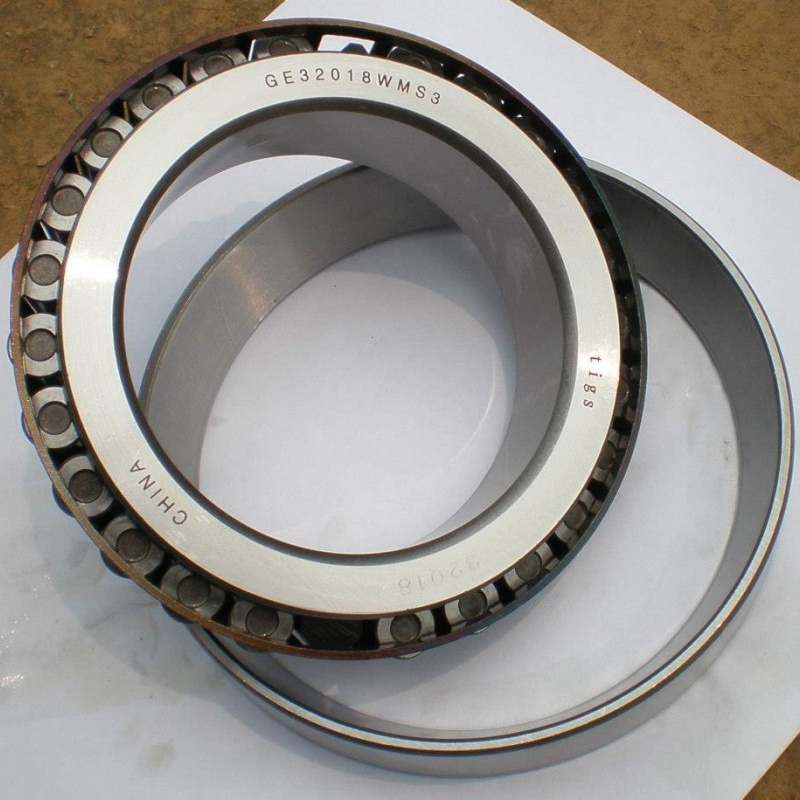
You might think custom bearings are only for huge companies with massive budgets. But that is not true. I have seen many small and medium-sized businesses benefit from custom solutions. They often find that a custom bearing solves a recurring problem. It can make their final product better and more reliable. Let me walk you through why this matters and how we can help.
Understanding Your Application Requirements?
Do you ever feel like a standard bearing is a compromise? You pick one that is close to your needs, but it is not perfect. This can lead to early failure or extra design work.
Understanding your application requirements1 is the first and most critical step. We need to know the load type (radial or thrust), speed, operating temperature, and available space. These details define the bearing’s core design.
The Real Cost of a Wrong Fit
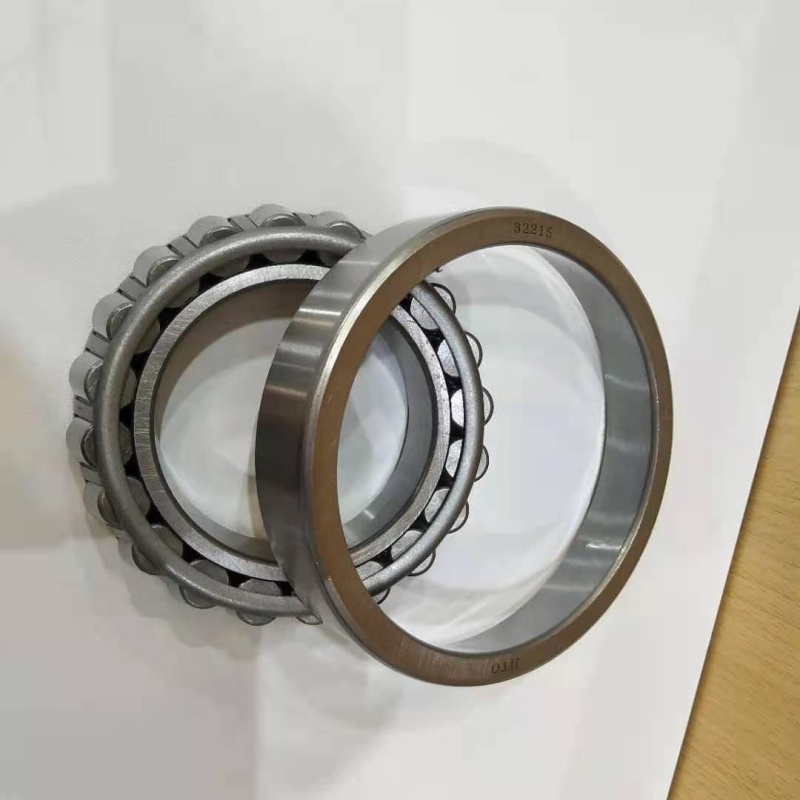
I have been in this business long enough to see a pattern. A procurement manager, like my client Rajesh in India, once told me about a problem. His team supplied bearings for agricultural machinery. The standard tapered roller bearings they used kept failing after one season. The farmers were unhappy. The repair shops were tired of the returns.
We sat down and looked at the application. The standard bearing was rated for a certain load, but the real-world conditions were much harsher. There was more dust, more shock load2, and the operating temperature was higher. The standard bearing was a "close enough" solution. But "close enough" cost his company money in warranty claims and lost trust.
| Application Factor | What Standard Bearings Miss | Why Custom is Better |
|---|---|---|
| Load | They handle a range, but not a specific shock load. | We calculate the exact radial and thrust load to design the perfect roller diameter and length. |
| Space | You must design the housing around the bearing. | We design the bearing to fit into your existing housing, saving you redesign costs. |
| Environment | Standard seals are basic. | We select special seals and heat treatments for dust, water, or extreme temperatures. |
| Precision | Usually P0 (standard) class. | We can achieve P5 or P6 precision for high-speed or high-accuracy applications. |
We created a custom tapered roller bearing3 for Rajesh. We changed the internal clearance and used a special heat treatment to handle the shock loads. We also upgraded the seal to keep the dust out. That single change made his customers happy. The machines lasted longer, and his business grew. This is why I always ask clients to focus on the application first. It saves everyone time and money in the long run.
Key Benefits of Custom Tapered Roller Bearings?
Why go through the trouble of custom? Is it really worth the extra time and investment?
The key benefits are simple: longer service life1, higher machine reliability, and optimized performance for your specific needs. You stop compromising and start getting exactly what your design requires.
Beyond the Catalog: Real Advantages
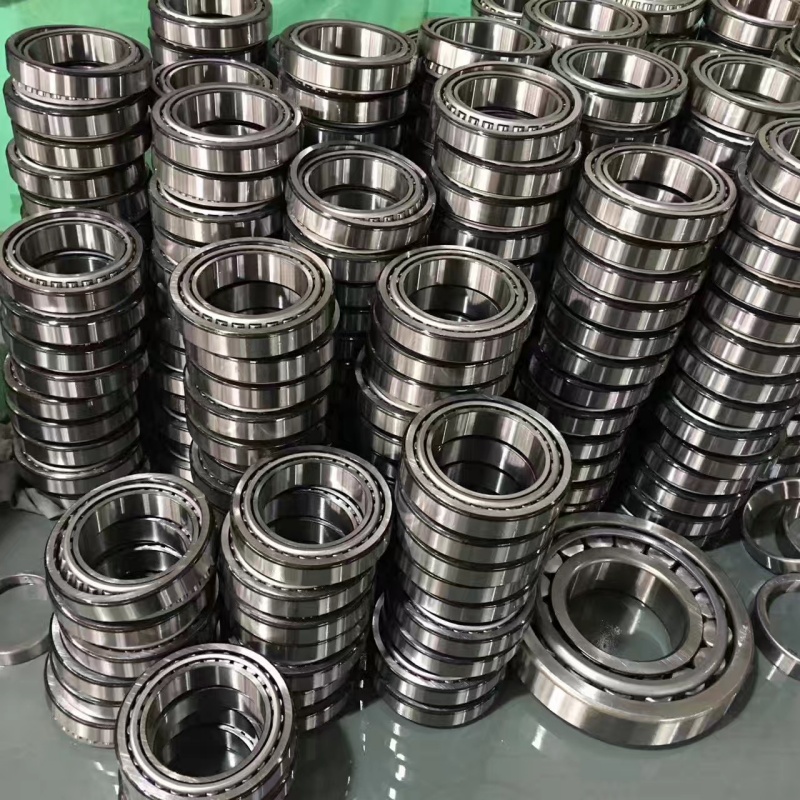
When I talk to distributors and manufacturers, I tell them that a custom bearing is an investment in their brand. Think about it. If your machine or the parts you sell use a bearing that fails too early, people blame you. They do not blame the bearing company. They blame the machine maker or the distributor who sold it.
With a custom solution, you flip that narrative. You become the supplier who provides a "heavy-duty" or "long-life" option. Here are the specific benefits we deliver from our factory floor:
-
Perfect Load Handling2: Standard bearings are built for general use. We design the raceway geometry and the roller profile to match your specific load. This means the stress is spread out evenly. It reduces friction and stops early wear.
-
Material and Heat Treatment Choice3: I can choose the right steel for your job. For heavy loads, we use a case-hardened steel. The surface becomes hard and wear-resistant, while the core stays tough. For high-temperature environments, we can use a different material and a special heat stabilization process. This keeps the bearing dimensions stable when it gets hot.
-
Precision When It Matters: Not all machines need high precision. But some do. If you are building a machine tool or a gearbox for high-speed operation, a P5 or P6 precision class is a must. A standard bearing might have too much runout. Our custom process allows us to control the tolerances tightly. This results in lower vibration, less noise, and a smoother running machine.
-
Optimized Lubrication and Sealing4: This is a big one. A standard bearing comes with a standard seal and a standard grease fill. But your environment might be full of dust or water. We can design a special seal that creates a better barrier. We can also choose the right grease. A grease that is too thick will cause overheating. A grease that is too thin will leak out. We match the lubricant to your speed and temperature.
In my experience, the extra upfront work for a custom bearing pays off. It reduces downtime. It cuts maintenance costs. And it builds a stronger reputation for your business.
Engineering & Design: Tailored to Your Specifications?
The idea of "custom" can sound scary. You might think it involves complex formulas and long delays. But the process is more straightforward than you think.
Our engineering and design process is a partnership. We take your specifications, drawings, or even a sample, and we use our engineering expertise1 to create a bearing that fits perfectly. It is that simple.
[^2]](https://sdycbearing.com/wp-content/uploads/2025/12/Tapered-Roller-Bearings-63.jpg)
How We Build Your Perfect Bearing
Let me explain how we turn your idea into a physical product. Our factory is set up to do this efficiently. We have the production lines and the inspection equipment. We do not just buy and sell bearings. We make them.
First, we gather the details. You might have a sketch on a napkin, a broken sample bearing, or a full CAD model. It does not matter. We start with the basics. What is the inner diameter? What is the outer diameter? What is the width? Then we ask about the application. Is it a truck wheel hub? Is it a heavy industrial gearbox? These details tell us everything.
Here is a simple breakdown of our design process:
-
Step 1: Concept Review. We look at your requirements together. I will ask questions about the load, speed, and temperature. This is where we catch potential problems early. I remember one client who wanted a bearing for a conveyor in a very cold warehouse. We realized a standard steel could become brittle. So we recommended a different steel grade right at the start.
-
Step 2: CAD Modeling and Simulation. Our engineers create a 3D model of the bearing3. We do not just draw it. We run simulations. We use software to see how the bearing will behave under your specific loads. We check the stress on the rollers and the raceways. This step is key. It lets us see if the design will work before we cut any metal. We can make changes in the software, which saves time and money.
-
Step 3: Material Selection and Heat Treatment Planning. This is where our factory experience matters. We decide on the specific steel. We plan the heat treatment process. For a tapered roller bearing, the hardness of the raceway is critical. We control the temperature and timing to get the exact hardness required for long life.
-
Step 4: Prototyping and Testing. Before we run a full production order, we often make a small batch of prototypes. We send these to you. You test them in your actual machine. This is the ultimate test. If it works perfectly in your real-world environment, we know we have succeeded.
-
Step 5: Production and Quality Inspection. Once the prototype is approved, we move to full production. We use our integrated production lines. We control everything from the forging to the grinding to the final assembly. Every bearing goes through a final inspection. We check the dimensions, the noise, and the rotation. We have the equipment to ensure every bearing meets the P5 or P6 precision class4 if required.
This process is built on communication. We talk to you at every step. You are never left in the dark. My goal is to make the custom process feel less like a complicated engineering project and more like a simple, clear conversation.
Industries That Rely on Custom Bearing Solutions?
You might be wondering if a custom bearing is right for your specific industry. The truth is, almost any industry that uses rotating parts can benefit.
Industries that rely on custom bearing solutions1 include automotive, agriculture, heavy industry, and material handling2. Any sector where standard bearings fail under unique loads or conditions is a perfect candidate for a custom solution.
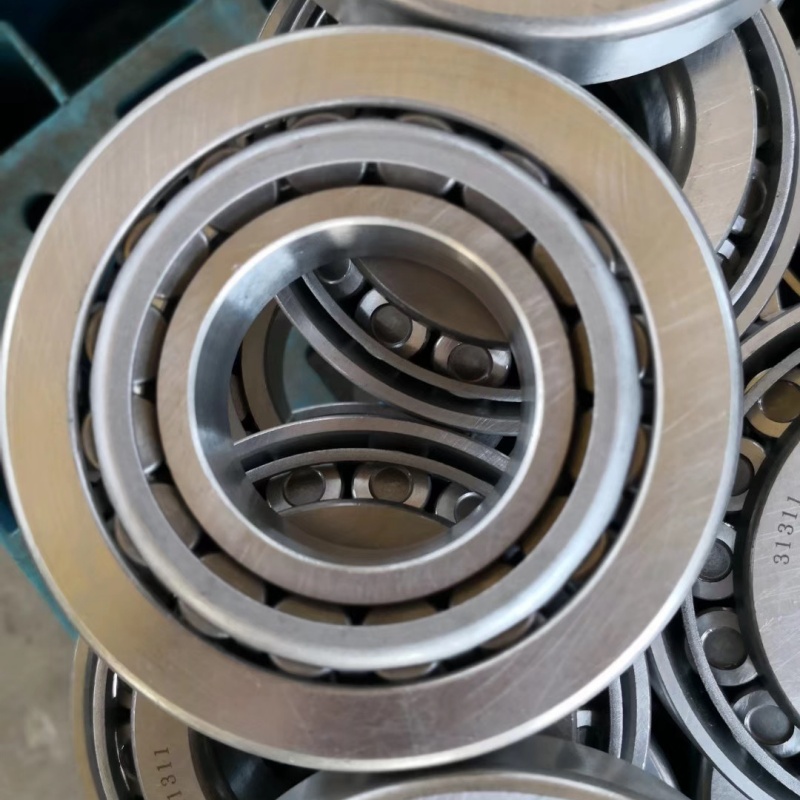
Meeting the Unique Demands of Different Sectors
I have worked with clients from all over the world. Our bearings go to Turkey, Russia, Brazil, and many other places. The common thread is that each industry has its own set of problems. A solution that works for a car in Brazil might fail in a mining truck in South Africa.
Let me give you a few examples from our work:
Automotive and Heavy Trucks:
This is a big one. A standard tapered roller bearing in a truck wheel hub faces constant vibration, heavy loads, and heat from braking. For our automotive clients, we often work on improving the bearing life. We might adjust the internal clearance to handle the heat expansion better. We also focus on the seal. A good seal keeps water out during monsoons and dust out on unpaved roads. Our custom bearings help our clients in the automotive aftermarket3 build a reputation for quality.
Agricultural Machinery:
This is where my client Rajesh found his success. Agricultural machines like tractors and harvesters work in harsh conditions. They face dirt, mud, and uneven loads. A standard bearing can get clogged with debris or fail from a sudden shock load. We design custom bearings for these applications with improved sealing and a stronger cage. The cage is the part that holds the rollers in place. A stronger cage means the bearing can handle those sudden jolts without breaking.
Industrial Gearboxes:
Gearboxes are tricky. They operate at high speeds and require very precise bearings. A tiny bit of play in the bearing can cause noise and wear in the gears. Our custom tapered roller bearings for gearboxes are often made to a P5 precision class. We also control the taper angle very carefully. This ensures the bearing is preloaded correctly, which makes the whole gearbox run quieter and last longer.
Material Handling and Mining:
This is a heavy-duty world. Conveyor rollers, crushers, and screening equipment put enormous stress on bearings. Here, the focus is on load capacity and durability. We use larger rollers and special heat treatment to create a bearing that can take the abuse. A bearing failure4 in a mine can stop a whole production line for hours. Our custom solutions aim to prevent that downtime.
In every case, the reason to go custom is the same: the standard solution is not enough. By understanding the specific demands of your industry, we can build a bearing that performs better and lasts longer.
Conclusion
Choosing a custom bearing is a smart move. It solves the problems that standard parts cannot fix and builds real value into your equipment.
-
Explore how custom bearing solutions can enhance performance and longevity across various industries. ↩ ↩ ↩ ↩
-
Understand the importance of custom bearings in ensuring durability and performance in material handling. ↩ ↩ ↩
-
Discover the impact of custom bearings on quality and reliability in the automotive aftermarket. ↩ ↩ ↩ ↩
-
Investigate the causes of bearing failure and how custom solutions can prevent costly downtimes. ↩ ↩ ↩