
You notice your wind turbine stops working too often. The gearbox makes strange noises. Your maintenance costs keep rising. I understand your frustration because I work with bearing problems every day.
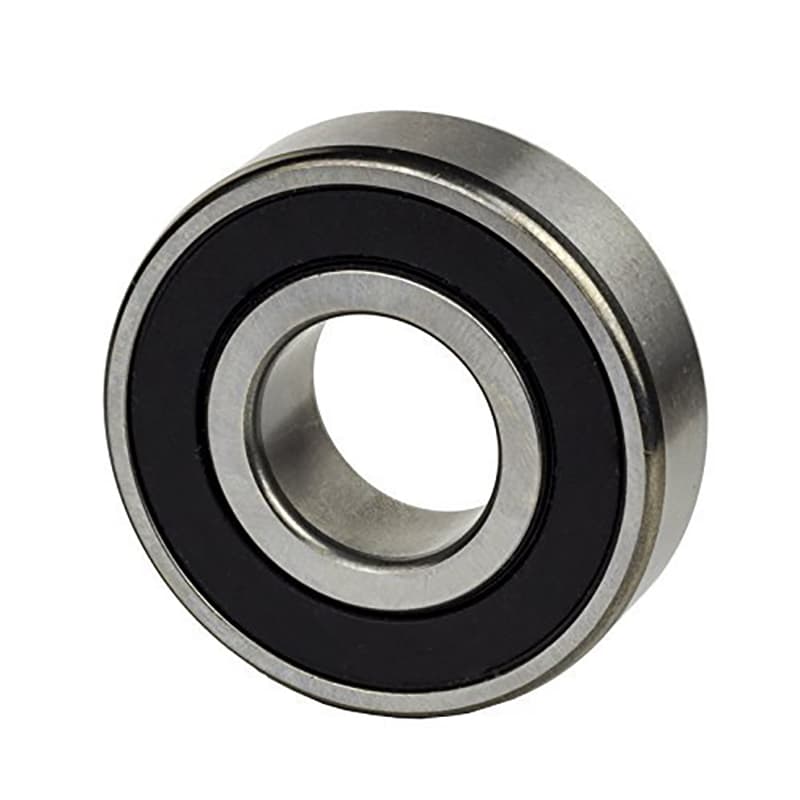
Deep groove ball bearings support rotating parts in wind turbines and solar tracking systems. They handle radial and axial loads. They keep generators running smoothly. They also help solar panels follow the sun. Without good bearings, renewable energy equipment fails quickly.
When equipment fails, production stops. You lose money. But you can avoid these problems. I will share what I learned from helping customers in Turkey, Brazil, and India. Let me guide you through the key points.
The Critical Role of Deep Groove Ball Bearings in Wind Turbine Gearboxes and Generators?
You hear a loud noise from your wind turbine gearbox. The vibration gets worse every day. You worry about a sudden breakdown. I see this situation often with my clients.
Deep groove ball bearings support high-speed shafts in wind turbine gearboxes and generators. They reduce friction. They keep the rotor aligned. They also absorb unexpected loads. Without them, the gearbox would overheat and fail.
How Deep Groove Ball Bearings Work Inside a Wind Turbine
Wind turbines have two main sections that need bearings: the gearbox and the generator. The gearbox increases the rotational speed from the blades to drive the generator. Inside the gearbox, several shafts spin at different speeds. Deep groove ball bearings support these shafts. They keep them in the right position. They also allow smooth rotation.
The generator converts mechanical energy into electricity. Its rotor spins very fast. Deep groove ball bearings support this rotor. They handle both radial forces (from the weight of the rotor) and axial forces (from magnetic pull). This combination is why deep groove ball bearings are a popular choice.
Why Bearings Fail in Wind Turbine Applications
Wind turbines operate in tough conditions. The loads change constantly. Wind speed varies. The direction changes. This creates fluctuating forces on the bearings.
| Failure Cause | Description | Result |
|---|---|---|
| Fatigue | Repeated stress over time | Cracks form in the metal |
| Contamination | Dirt or water enters the bearing | Surfaces wear out fast |
| Misalignment | Shaft not perfectly aligned | Uneven load, overheating |
| Poor Lubrication | Grease breaks down or leaks | Metal-to-metal contact |
In my work with customers in Russia and South Africa, I saw many failures because of contamination. The seals were not strong enough. Dust and moisture got inside. The bearings failed within months. This is why we at FYTZ Bearing always discuss the operating environment first.
Selecting the Right Bearing for Wind Turbine Gearboxes
Not every deep groove ball bearing works for wind turbines. You need bearings with special features.
- High precision class – P5 or P6 grade for smooth running
- Heat treatment – Stable dimensions under high temperature
- Cage design – Strong cage to handle vibration
- Internal clearance – C3 or C4 clearance for thermal expansion
I remember a customer from India, Rajesh Kumar, who imports bearings for wind farm maintenance. He once ordered standard bearings for a gearbox repair. The bearings overheated after three months. We switched to C3 clearance bearings. The problem disappeared. Small details make a big difference.
Key Design Considerations for Deep Groove Bearings in Harsh Renewable Energy Environments?
Your solar tracking system stops moving. The motor struggles. You check the bearings and see rust. This happens often in coastal areas. I faced similar cases with customers near the ocean.
Deep groove ball bearings in renewable energy equipment must resist corrosion, handle temperature changes, and tolerate vibration. Designers must choose the right material, seal, and internal clearance. These choices decide the bearing life.
Environmental Challenges in Renewable Energy Applications
Renewable energy equipment lives outside. It faces sun, rain, wind, dust, and salt. Each factor attacks the bearings.
Temperature extremes – In deserts like in Egypt, daytime heat can exceed 50°C. At night, temperature drops. Bearings expand and contract. This changes internal clearance. If the clearance is too small, the bearing gets tight and overheats. If too large, vibration increases.
Moisture and salt – Offshore wind turbines and coastal solar farms have high humidity. Salt water is very corrosive. Standard bearings rust quickly. Seals must keep water out. Sometimes stainless steel bearings are needed.
Dust and sand – In countries like India and Pakistan, dust storms occur. Fine particles enter bearings if seals are weak. They act like grinding powder. Surfaces wear down fast.
Design Features That Extend Bearing Life
To survive these conditions, bearings need special design features.
| Feature | Purpose | Typical Solution |
|---|---|---|
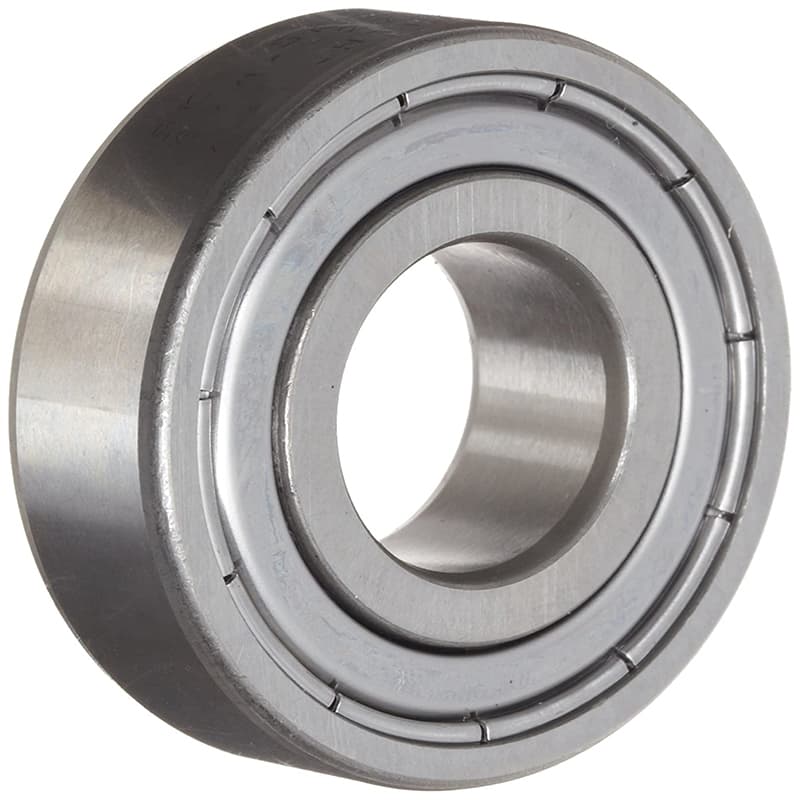
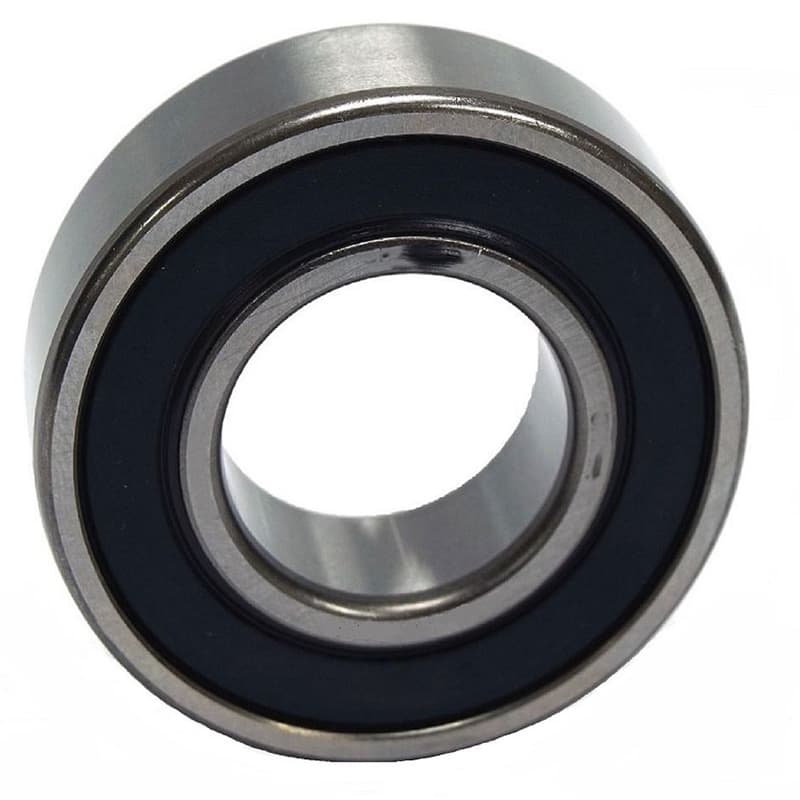
| Seal type | Keep contaminants out | Double rubber seals (2RS) or metal shields (ZZ) |
| Coating | Resist corrosion | Black oxide, zinc plating, or DLC coating |
| Cage material | Handle shock and vibration | Steel cage (stamped or machined) |
| Internal clearance | Allow for thermal expansion | C3 or C4 clearance |
| Lubrication | Reduce friction and protect surfaces | High-performance grease with additives |
I often tell my customers: do not save money on seals. A few cents more for a better seal can give years of extra life. In Brazil, a client used open bearings in a dusty area. They failed in six months. We supplied bearings with double rubber seals. The same machines now run for three years without bearing issues.
Customization for Specific Applications
At FYTZ Bearing, we do many custom orders. One customer in Turkey needed bearings for a solar tracking system near the sea. Standard bearings rusted after one month. We made bearings with black oxide coating and special high-temperature grease. They now last more than five years.
Another customer in Indonesia needed bearings for a geothermal plant. The environment was hot and humid. We used bearings with PTFE cages and C4 clearance. They handle the heat and moisture well.
The lesson is simple: understand your environment. Then choose the bearing design that matches it.
Optimizing Performance: Lubrication and Maintenance Strategies for Bearings in Wind Energy Applications?
Your maintenance team regreases the wind turbine bearings every six months. But some bearings still fail early. You wonder if you are doing it right. I had similar questions when I started in this industry.
Proper lubrication and maintenance keep bearings running longer. The right grease amount, correct interval, and clean application matter. Wrong methods cause premature failure.
Why Lubrication Is Critical
Lubrication does more than reduce friction. It also:
- Protects against corrosion
- Helps dissipate heat
- Seals out contaminants
- Reduces noise
In wind turbines, bearings operate under high loads and varying speeds. The grease film must be thick enough to separate the metal surfaces. If the film breaks, metal touches metal. Wear starts immediately.
Common Lubrication Mistakes
I visited many wind farms and saw the same mistakes again and again.
| Mistake | Consequence | Better Practice |
|---|---|---|
| Over-greasing | High temperature, grease leakage | Use calculated amount |
| Under-greasing | Metal contact, wear, noise | Follow manufacturer guide |
| Wrong grease type | Incompatibility, poor performance | Use approved grease |
| Contaminated grease | Abrasive particles inside | Keep grease guns clean |
| Ignoring regreasing schedule | Old grease loses properties | Set reminders and logs |
In Russia, a customer complained that bearings failed after one year. We visited the site. The maintenance team used a manual grease gun and pumped until grease came out of the seals. That is too much. We explained the correct amount. After that, bearing life doubled.
Developing a Maintenance Plan
A good maintenance plan has several steps.
- Regular inspections – Listen for noise, feel for vibration, check temperature.
- Condition monitoring – Use vibration analysis or thermography if possible.
- Regreasing schedule – Based on operating hours, not calendar months.
- Clean procedures – Always clean the grease nipple before applying grease.
- Record keeping – Track when each bearing was serviced and what was done.
I remember a wind farm in Brazil. They had 50 turbines. They kept a simple notebook for each turbine. They wrote down every maintenance action. When a bearing failed, they looked back at the records. They found that some turbines had longer grease intervals because of higher loads. They adjusted the schedule. Failures dropped by 40%.
Selecting the Right Grease
Not all greases work for wind turbine bearings. You need grease that:
- Stays in place (high adhesion)
- Works at low temperatures (cold starts)
- Resists water washout
- Has good anti-wear additives
- Lasts long (extended life)
We often recommend lithium complex or polyurea greases for wind turbines. They handle wide temperature ranges. They also resist water. For solar tracking systems, the requirements are similar but the speeds are lower. A good EP (extreme pressure) grease works well.
Material Innovations and Durability Enhancements for Bearings in Solar Tracking Systems?
Your solar panels track the sun all day. The bearings move back and forth. After two years, they become stiff. The motor draws more current. You know it is time to replace bearings. But why did they not last longer? This is a common question.
New materials and surface treatments make bearings last longer in solar tracking systems. Improved steels, ceramic elements, and special coatings reduce wear and resist corrosion.
The Demands of Solar Tracking Systems
Solar tracking systems move slowly but continuously. They operate in all weather. They are often in remote areas. Maintenance is difficult and expensive. Bearings must last for many years without attention.
The main challenges for bearings in solar trackers are:
- Oscillating motion – The bearing does not rotate fully. It moves back and forth over a small angle. This can cause false brinelling (wear marks).
- Corrosion – Rain, humidity, and condensation attack the bearing.
- Temperature changes – Expansion and contraction affect clearance.
- Dust and dirt – Especially in desert installations.
Material Innovations for Longer Life
Bearing manufacturers are developing new materials to meet these challenges.
| Innovation | Benefit | Application |
|---|---|---|
| Ceramic balls (hybrid bearings) | Lower friction, no corrosion, lighter | High-performance trackers |
| Stainless steel rings | Complete corrosion resistance | Coastal and humid areas |
| Black oxide coating | Corrosion protection, runs in without damage | General use |
| Special heat treatment | Stable dimensions, higher hardness | Heavy loads |
| Polymer cages | Low friction, no corrosion | Quiet operation |
I talked to a customer in South Africa. He runs a large solar farm. He used standard bearings at first. They lasted only two years. Then he tried hybrid bearings with ceramic balls. The bearings are still running after five years. The initial cost was higher, but the longer life saved money.
How to Choose the Right Material for Solar Trackers
The choice depends on the location and budget.
- Desert areas – Dust is the main problem. Good seals are essential. Black oxide coating helps if sand gets in.
- Coastal areas – Salt corrosion is the enemy. Stainless steel or hybrid bearings work best.
- Cold climates – Snow and ice may form. Bearings need low-temperature grease.
- Hot climates – High temperatures can break down grease. Use high-temperature grease and C3 clearance.
At FYTZ Bearing, we often help customers select the right material. We ask about the location, the movement pattern, and the expected life. Then we recommend a combination of material, seal, and grease.
My Experience with Custom Solar Tracker Bearings
One of our clients in Turkey needed bearings for a new solar tracker design. The tracker moved in two axes. The bearings had to handle both radial and axial loads. They also had to be maintenance-free for ten years. We developed a custom deep groove ball bearing with:
- Stainless steel rings
- Ceramic balls
- PTFE-based grease (lubricates for life)
- Double contact seals
We tested the bearings in our lab. Then we sent samples. The customer tested them for one year. They worked perfectly. Now we supply these bearings regularly. This shows that with the right material choices, you can solve almost any problem.
Conclusion
Deep groove ball bearings are vital for wind turbines and solar systems. Choosing the right design, lubrication, and materials saves money and prevents downtime. Work with a supplier who understands your environment.