
Imagine your production line stops in the middle of a cold winter night. The motor in your freezer tunnel failed. The cause is a broken bearing. This is a real risk when you pick the wrong bearing for low temperatures.
To choose deep groove ball bearings for low-temperature and freezer applications, you must look at the material, the heat treatment, the lubricant, and the internal clearance. You need bearings that can handle the cold without getting brittle or failing. The right bearing will keep your equipment running in temperatures below -40°C.
You might think a bearing is just a bearing. But when the temperature drops, standard parts can fail fast. I have seen this happen to many clients. In my years at FYTZ Bearing, I have helped customers from Russia to Canada find bearings that work in their cold environments. Let me share what I have learned so you can avoid these problems.
When to use a deep groove ball bearing1?
You are building a machine or a conveyor for a cold storage room. Do you really need a special bearing? Many engineers just pick a standard part and hope it works. That hope often leads to breakdowns.
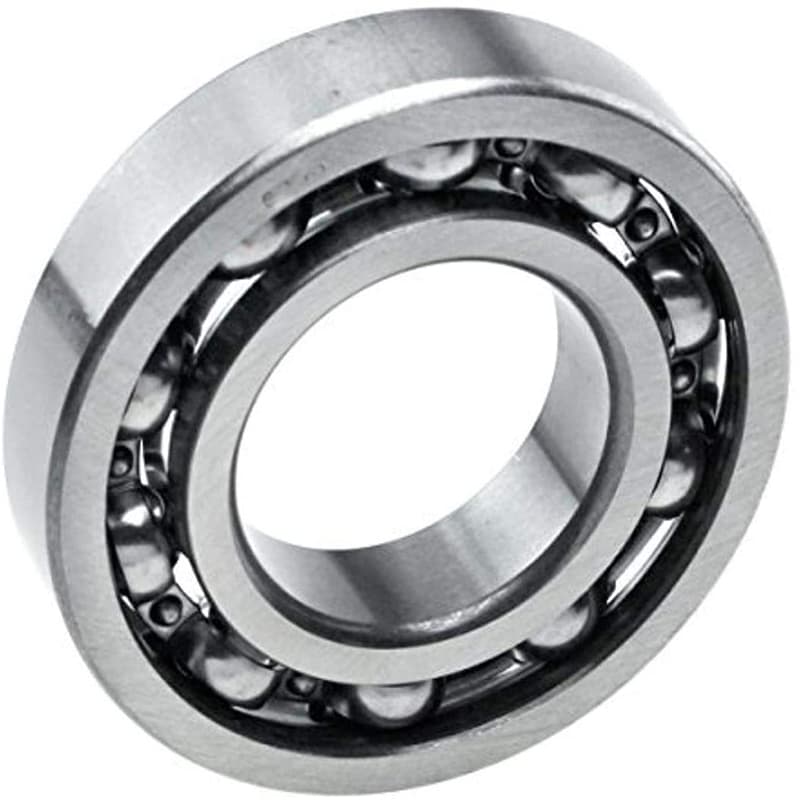
You should use a deep groove ball bearing in low-temperature and freezer applications when you need reliable operation in extreme cold, such as in cold storage conveyors2, ice cream production lines, or outdoor equipment in polar regions. They are suitable because they can be specially treated and lubricated for these harsh conditions.
Understanding the environment
When we talk about low-temperature applications3, we are usually referring to temperatures below -20°C. Some freezer tunnels4 go down to -40°C or even -60°C. At these temperatures, materials behave differently. Steel can become brittle. Lubricants can turn into wax or become too thick. This is why a standard deep groove ball bearing might not work.
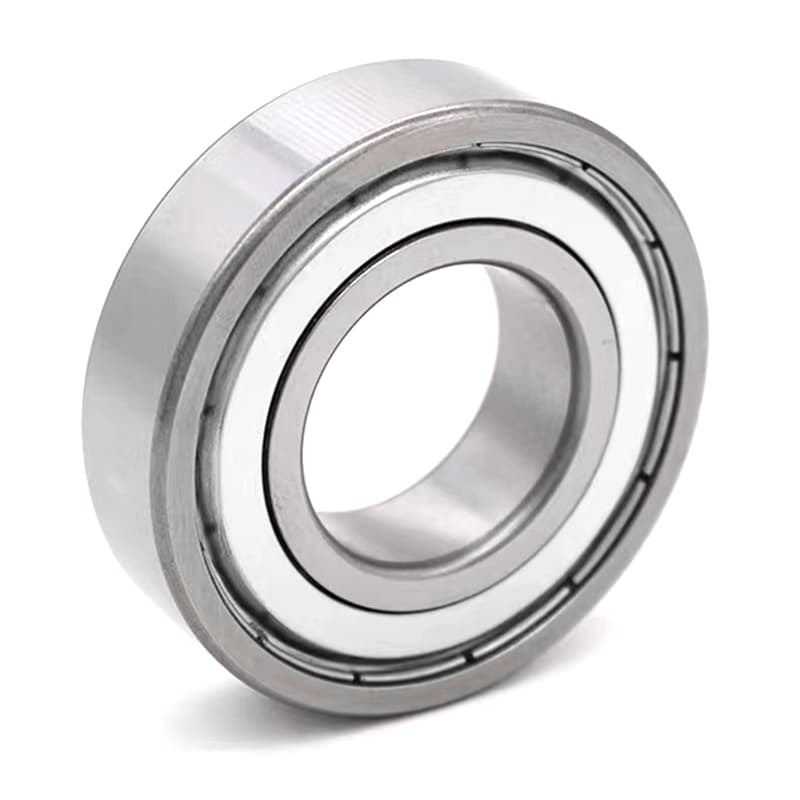
Deep groove ball bearings are popular because they are simple and versatile. They handle radial loads and some axial loads. But in the cold, you need to check the details. I often ask my clients three questions:
- What is the actual lowest temperature the bearing will see?
- Is the temperature constant, or does it cycle between warm and cold?
- What kind of lubrication5 does the system need?
These questions help me decide if a deep groove ball bearing is the right choice.
Where they work best
In my experience, deep groove ball bearings are great for:
- Electric motors in cold storage fans. These motors run all the time and need low friction.
- Conveyor rollers in freezing tunnels. The bearings must handle the cold and possible condensation.
- Pump systems moving refrigerants or cold liquids.
- Outdoor equipment in cold climates, like wind turbines or Arctic machinery.
But there are limits. If the application involves high shock loads or misalignment, a spherical roller bearing might be better. But for most rotating parts in cold environments, deep groove ball bearings are the workhorses.
Real story from a client
Last year, a customer from a dairy company in India called me. They were setting up a new ice cream plant. Their supplier recommended standard bearings for the hardening tunnel. I asked about the temperature. They said -35°C. I told them that standard bearings would fail within weeks. We supplied our low-temperature series with special heat treatment and low-temperature grease. The bearings are still running perfectly after one year. That is why I always say, understand the temperature first.
| Application | Temperature Range | Suitable Deep Groove Ball Bearing Features |
|---|---|---|
| Cold storage conveyor | -20°C to +10°C | Standard bearings with low-temp grease |
| Freezer tunnel | -40°C to -30°C | Special heat-treated steel, synthetic grease |
| Cryogenic processing | -60°C and below | Stainless steel bearings, dry lubricant |
How to choose ball bearings?
I get this question every week from procurement managers like Rajesh. They see many options and feel confused. It is easy to get lost in catalogs. But choosing a bearing does not have to be hard if you follow a simple process.
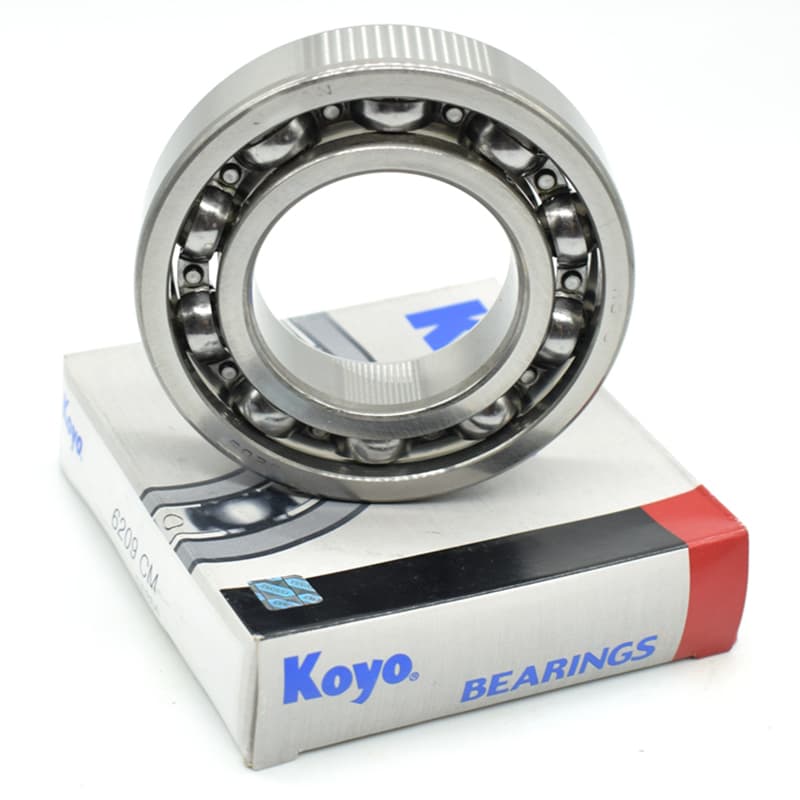
To choose ball bearings for low-temperature applications, you need to consider four things: the load, the speed, the temperature, and the environment. Start with the bearing size needed for the load. Then check if the speed is within limits. Next, select the right material and lubricant for the temperature. Finally, consider if you need seals or special coatings for moisture or chemicals.
Step 1: Know your loads and speeds
Every bearing has a basic dynamic load rating1. This number tells you how much load it can handle for a long life. In cold applications, the loads are often the same as in normal conditions. But sometimes ice buildup adds extra weight. I always advise to add a safety margin.
For speed, the limiting factor is usually the lubricant. In the cold, grease gets thicker. This means the bearing may overheat if it runs too fast. We check the speed rating of the grease, not just the bearing.
Step 2: Material selection
Standard bearing steel (like GCr15 or 52100) works down to about -40°C. Below that, it can become brittle. For extreme cold, we use special heat treatment2s or stainless steel. At FYTZ, we offer bearings with a special stabilizing treatment for low temperatures. This ensures the dimensions do not change and the steel stays tough.
I remember a client in Russia who needed bearings for a wind turbine in Siberia. The temperature dropped to -50°C. We supplied bearings made from vacuum-degassed steel with a special heat treatment. They have not had a failure in three years.
Step 3: Lubrication is key
Lubricant is the most common reason for bearing failure in the cold. Standard grease turns into paste. Synthetic oils or greases are a must. We usually recommend:
- Synthetic hydrocarbon oils for temperatures down to -40°C.
- Ester-based oils for even lower temperatures.
- Fluorinated lubricants for very low temperatures and chemical resistance.
The grease should have a low base oil viscosity so it stays fluid. We also check the torque at low temperatures to make sure the motor can start.
Step 4: Cages and seals
The cage holds the balls in place. In the cold, some plastics become brittle. We often use machined brass cages3 or special polyamide with glass fiber. Steel cages are also good but add weight.
Seals are tricky. Rubber seals can harden and lose their sealing ability. For very low temperatures, we use low-temperature nitrile rubber4 or PTFE seals. Sometimes we recommend open bearings with a grease fitting so you can relubricate with special grease.
Summary table for bearing selection
| Parameter | Consideration for Low-Temp | Recommended Action |
|---|---|---|
| Load | May increase due to ice | Use higher load rating |
| Speed | Grease thickens, limits speed | Choose low-temp grease, verify speed limit |
| Material | Brittleness risk | Special heat treatment or stainless steel |
| Lubricant | Grease solidifies | Synthetic grease with low pour point |
| Cage | Plastic embrittlement | Brass or steel cage |
| Seals | Rubber hardens | Low-temp rubber or PTFE |
| Clearance | Shrinkage on shaft | Larger internal clearance (C3 or C4) |
What is the temperature limit for ball bearings?
This question comes up in every technical meeting. The simple answer is "it depends." But your boss wants a number. So let me give you the facts.
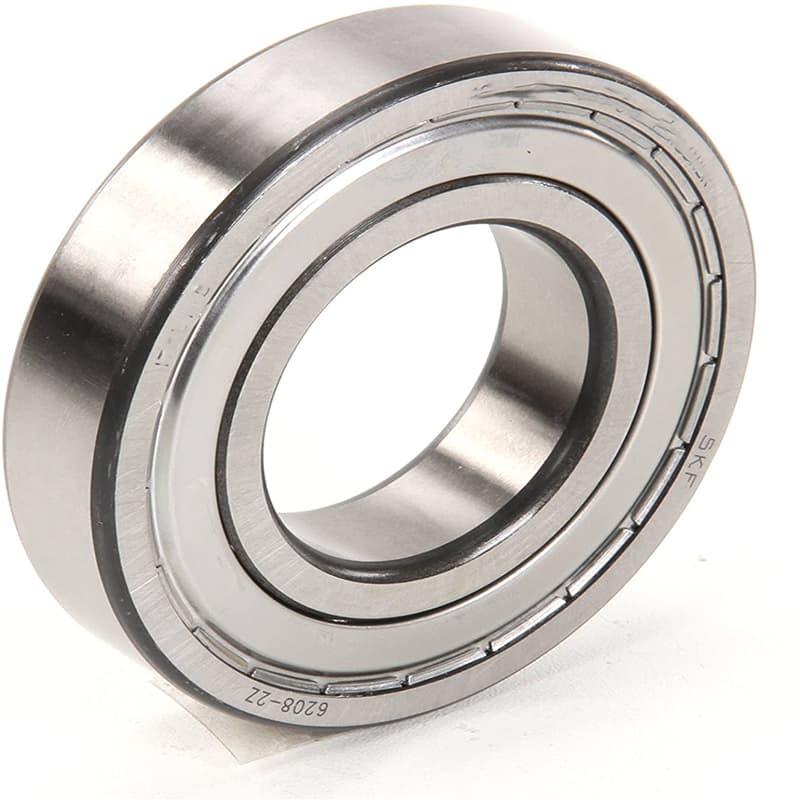
The temperature limit for standard deep groove ball bearings1 is usually around -20°C to +120°C. For low-temperature applications, specially treated bearings can go down to -60°C or even -80°C. The limit is set by the steel’s toughness and the lubricant’s ability to flow.
Breaking down the limits
There are two main limits: the steel limit and the lubricant limit2.
Steel limit: Most bearing steel is hardened and tempered. At low temperatures, it can lose toughness. This is called the ductile-to-brittle transition3. For standard 52100 steel, this happens around -40°C. Below that, a shock can crack the bearing. Special cryogenic treatments can shift this limit lower. At FYTZ, we offer bearings that are treated to -80°C. They stay tough in extreme cold.
Lubricant limit: Oil and grease have a pour point. This is the temperature where they stop flowing. For mineral oils, it might be -10°C. For synthetics, it can be -40°C or lower. If the lubricant does not flow, the bearing runs dry and fails. So the practical limit is often set by the lubricant.
Real numbers from our tests
We have tested many bearings in our lab. Here is what we found:
- Standard deep groove ball bearings with mineral grease: work down to -10°C. Below that, torque increases.
- Same bearings with synthetic grease (PAO): work down to -30°C.
- Special low-temp bearings with ester oil and brass cage: work down to -50°C.
- Stainless steel bearings with fluorinated grease: work down to -70°C.
I always tell my clients: do not guess. If you need -40°C, do not buy a bearing rated for -20°C. It will fail.
What about high temperatures?
This article is about cold, but I should mention that the same bearing might also see heat during defrost cycles. Some freezer tunnels defrost regularly. The temperature can jump from -30°C to +30°C in minutes. This thermal shock4 can cause condensation and rust. For these applications, we use bearings with corrosion-resistant coatings and seals that block moisture.
Table of temperature limits
| Bearing Type | Material | Lubricant | Low-Temp Limit | High-Temp Limit |
|---|---|---|---|---|
| Standard deep groove | 52100 steel | Mineral grease | -10°C | +120°C |
| Standard with synthetic | 52100 steel | PAO synthetic grease | -30°C | +150°C |
| Low-temp series | Stabilized 52100 | Ester oil | -50°C | +120°C |
| Stainless steel | 440C | Fluorinated grease | -70°C | +200°C |
What are the three rules for bearings?
When I train new engineers at our factory, I always start with three simple rules. These rules help them make good decisions fast. They work for low-temperature applications too.
The three rules for bearings are: 1) Match the bearing to the load and speed1. 2) Choose the right lubricant for the environment2. 3) Install and maintain it correctly3. In cold environments, these rules become even more critical because mistakes lead to brittle failures.
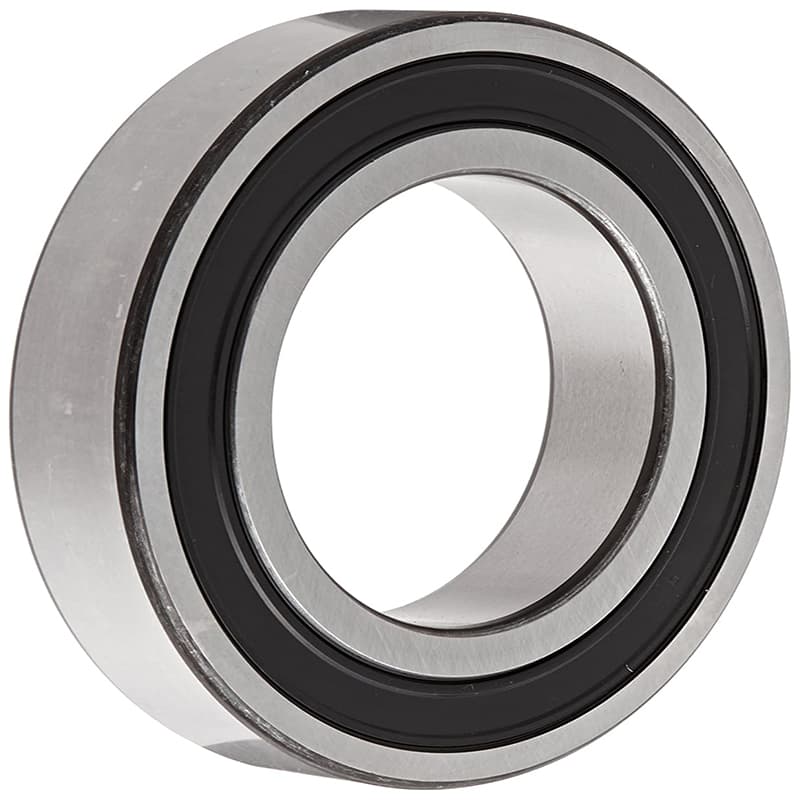
Rule 1: Match the bearing to the load and speed
This is the foundation. You need to know the forces on the bearing. In cold applications, loads might be the same, but the bearing material must handle the cold. The speed affects the lubricant choice. If you pick a bearing that is too small, it will overheat or fail. If you pick one too big, it might be expensive and heavy.
I always use the L10 life calculation4. It is a standard formula that predicts how long a bearing will last. For low temperatures, I use a lower material factor to account for brittleness. This gives a safer result.
Rule 2: Choose the right lubricant for the environment
The environment is everything. Cold, moisture, dust, chemicals – they all affect the lubricant. In a freezer, moisture can freeze and block the grease. So you need a grease that repels water and stays soft. We recommend greases with low bleed and good low-temperature torque.
I once had a customer who used standard grease in a cold storage conveyor. The grease hardened, and the bearings stopped turning. The motor burned out. That is a costly mistake. Now they use our low-temperature grease5 and have no issues.
Rule 3: Install and maintain it correctly
Even the best bearing will fail if installed wrong. In the cold, you must be careful. When you bring a cold bearing into a warm room, condensation forms. This can cause rust. So you need to keep bearings in their packaging until just before installation. Use clean tools. Do not hammer the bearing. Use an induction heater or oil bath to warm it, but do not overheat.
Maintenance is also different in the cold. You cannot just use any grease for relubrication. You must use the same low-temperature grease. Mixing greases can cause the oil to separate. We provide detailed instructions to all our clients.
My personal rule: The fourth rule
I add a fourth rule: talk to the bearing supplier early6. Many problems come from last-minute decisions. If you involve us early, we can help you select the right bearing, test it, and avoid surprises. For example, when a client in Brazil wanted bearings for a new frozen food plant, we worked with them from the design stage. We saved them months of trial and error.
Summary of rules for low-temp bearings
| Rule | Application in Low-Temp |
|---|---|
| 1. Match load & speed | Use stabilized steel, larger clearance (C3) |
| 2. Right lubricant | Synthetic grease, low pour point |
| 3. Install & maintain | Avoid condensation, use correct tools, relubricate with same grease |
| (4) Talk to supplier | Get expert advice early |
Conclusion
Choosing deep groove ball bearings for low-temperature and freezer applications requires special attention to materials, lubricants, and installation. By understanding the environment and following the three rules, you can avoid failures and keep your equipment running smoothly.
-
Understanding this concept is crucial for ensuring optimal performance and longevity of bearings in various applications. ↩ ↩ ↩ ↩
-
Selecting the appropriate lubricant can prevent costly failures and enhance the efficiency of machinery operating in harsh conditions. ↩ ↩ ↩ ↩
-
Proper installation and maintenance are key to preventing premature bearing failure and ensuring reliable operation. ↩ ↩ ↩ ↩
-
This calculation is essential for predicting bearing lifespan, especially in low-temperature applications, ensuring reliability. ↩ ↩ ↩ ↩
-
Low-temperature grease is vital for maintaining performance in cold environments, preventing failures and ensuring smooth operation. ↩ ↩
-
Early consultation can help avoid costly mistakes and ensure the right choices are made from the start. ↩
