
Running out of pillow block bearings or stuck with dead stock? Both hurt your profits. Let’s fix your warehouse planning.
Stock planning for pillow block bearings means balancing demand with supply. You need to forecast sales, set min-max levels, and categorize items by turnover. This prevents shortages and overstock, keeping your warehouse efficient.
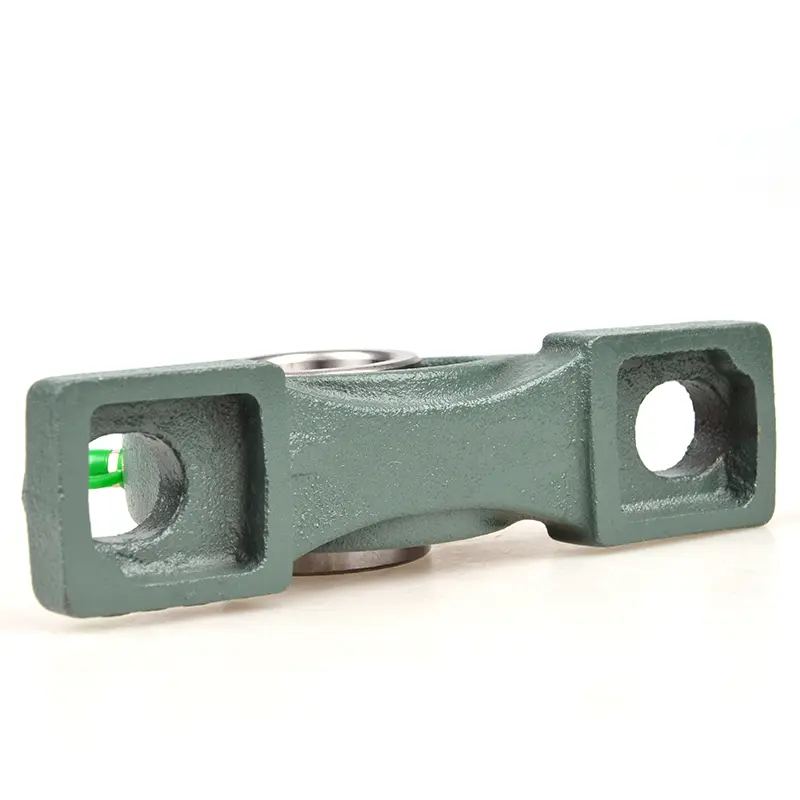
But before we dive into planning, let’s understand what makes these bearings special. Knowing their purpose, common problems, and key rules will help you make smarter stocking decisions.
What is the main purpose of pillow block bearings1?
Machines stop working when bearings fail. Downtime costs money. Knowing the purpose of pillow block bearings helps you pick the right one.
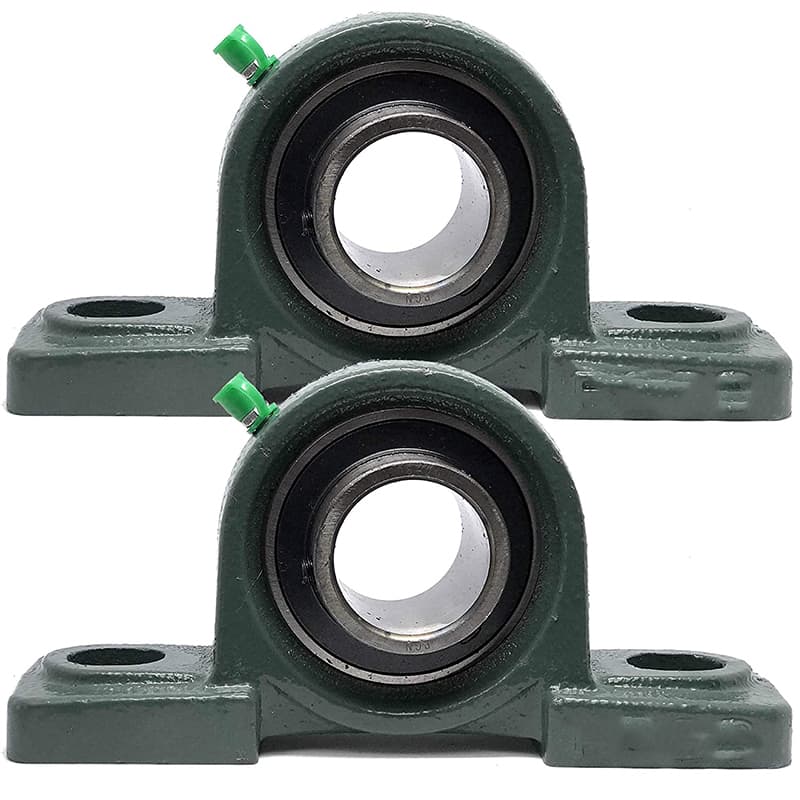
Pillow block bearings support rotating shafts2 and reduce friction. They handle radial and axial loads. Their housing allows easy mounting on frames, making them common in conveyors, fans, and agricultural equipment.
Main Functions and Why They Matter
A pillow block bearing is a pre-assembled unit. It consists of a bearing insert and a housing. The housing is usually made of cast iron or pressed steel. This design makes installation simple. You just bolt it onto a structure. The bearing inside supports the shaft and lets it rotate smoothly.
Supporting Rotating Shafts
The primary job is to hold the shaft in place. It allows the shaft to spin with minimal friction. Without this support, shafts would wobble or bend. This is critical in machines like conveyors, where long shafts need support at multiple points.
Handling Different Loads
Bearings face two types of forces: radial and axial. Radial loads are perpendicular to the shaft. Think of a pulley pulling down on a shaft. Axial loads are along the shaft, like a fan blade pushing air. Pillow block bearings can handle both. Some designs, like spherical roller types, handle heavy shock loads well. Our FYTZ pillow blocks come in P5 and P6 precision classes, so they manage loads accurately.
Easy Mounting and Maintenance
The housing has bolt holes. You don’t need a special machine to press the bearing on. This saves time during assembly and replacement. For distributors, this means your customers value convenience. They want bearings that are easy to swap out. Stocking pillow blocks that offer tool-free installation options, like eccentric locking collars, can be a selling point.
Applications That Drive Demand
Knowing where these bearings go helps you forecast demand. Here is a quick look at common industries:
| Industry | Application | Bearing Feature Needed |
|---|---|---|
| Conveyor systems | Moving materials in factories | High radial load capacity, seals for dust |
| Agriculture | Tractors, harvesters | Resistance to dirt, easy re-lubrication |
| HVAC | Large fans, air handlers | Low noise, high speed capability |
| Material handling | Forklifts, lifts | Compact size, shock resistance |
| Food processing | Conveyors in bakeries | Stainless steel housing, washdown capability |
In my work with Rajesh from IndoMotion Parts, I saw how important application knowledge is. He once ordered standard bearings for a food client. But the client needed washdown versions. We quickly arranged a custom order. Now Rajesh stocks both types. He learned to ask about the end use. This kind of insight prevents mismatches and returns.
What are the common problems with pillow blocks?
Have you noticed bearings getting hot or making noise? These signs often lead to sudden failure. Fixing them early saves money.
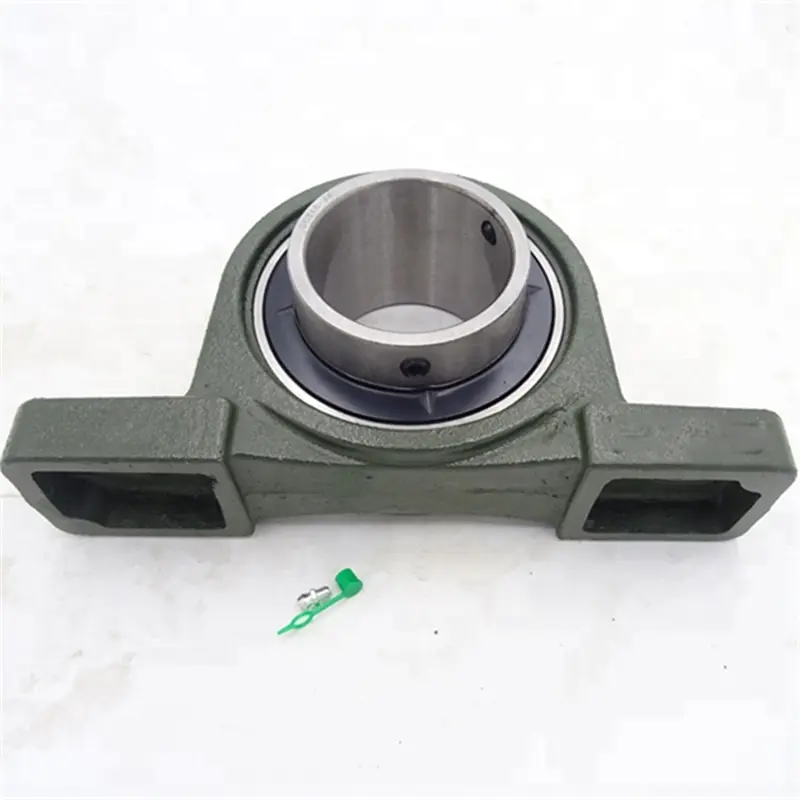
Common problems include poor lubrication, misalignment, contamination, and overloading. Regular checks and proper installation prevent most of these issues.
Digging into Each Problem
Let’s break down these problems. I’ll share what causes them and how to avoid them. This knowledge is gold for your inventory planning. If you know what fails often, you can stock the right spare parts.
Lubrication Issues1
Lubrication is the lifeblood of a bearing. Too little grease causes metal-to-metal contact. Too much grease causes overheating. The wrong grease type can also damage seals.
- Signs: Overheating, noisy operation, grease leakage.
- Why it happens: Operators forget to regrease. They use the wrong grease. Or the automatic lubrication system fails.
- Prevention: Use bearings with proper seals. Stock bearings that are pre-lubricated and sealed for life. For customers who regrease, provide bearings with grease fittings. At FYTZ, we offer both options. Our sealed units reduce maintenance needs.
Misalignment2
Shafts and housings must line up perfectly. If they don’t, the bearing experiences extra forces. This shortens life quickly.
- Signs: Uneven wear on rolling elements, vibration.
- Why it happens: Poor installation, foundation settling, or bent shafts.
- Prevention: Use self-aligning bearings3. Spherical roller bearings in pillow blocks can accommodate slight misalignment. Stock these for customers with older machinery. Our spherical roller pillow blocks are popular in Turkey and Brazil for this reason.
Contamination4
Dirt, water, and debris are enemies. They get into the bearing and act like sandpaper.
- Signs: Rough rotation, corrosion, early failure.
- Why it happens: Damaged seals, dusty environments, high-pressure washdowns.
- Prevention: Choose bearings with heavy-duty seals. For extreme conditions, consider labyrinth seals. In our factory, we test seals against dust and water. We supply to Indian customers in dusty regions, so we know the value of good sealing.
Overloading5
Every bearing has a load limit. Exceed it, and the bearing fails.
- Signs: Cracks in races, deformed balls or rollers.
- Why it happens: Adding extra weight to a conveyor, shock loads from falling objects.
- Prevention: Select bearings with higher load ratings. For example, use cylindrical roller bearings for heavy radial loads. Stock a range of capacities. Rajesh often buys bearings with extra capacity for his industrial repair clients. It reduces warranty claims.
Here is a summary table:
| Problem | Symptoms | Root Cause | Stocking Solution |
|---|---|---|---|
| Lubrication failure | Overheating, noise | Wrong grease, no regrease | Sealed-for-life bearings |
| Misalignment | Vibration, uneven wear | Poor installation | Self-aligning bearings |
| Contamination | Rough rotation, rust | Dirty environment | Bearings with heavy seals |
| Overloading | Cracks, deformation | Excess weight | Higher capacity bearings |
What are the three important rules of bearings?
Do your bearings die too soon? Frequent replacements eat into your profits. Follow three simple rules to make them last.
The three rules are: proper lubrication, correct installation, and right bearing selection. These basics ensure long bearing life and reliable machines.

Breaking Down the Three Rules
These rules are not just theory. They are practical steps. I have seen them save customers thousands of dollars. Let’s look at each one.
Rule 1: Proper Lubrication1
Lubrication creates a film between moving parts. It reduces friction and carries away heat.
- What to do:
- Use the right lubricant (grease or oil) based on speed, temperature, and load.
- Apply the correct amount. For grease, fill about 30-40% of the free space in the housing.
- Follow the manufacturer’s relubrication intervals2.
- Why it matters: Good lubrication extends bearing life by 10 times. It prevents rust and flaking.
- Stocking tip: Offer a range of greases. Also stock bearings with different lubrication options. Our customers in Indonesia like our "easy-lube" pillow blocks with grease nipples.
Rule 2: Correct Installation3
Installation mistakes cause 16% of bearing failures4 (according to some studies). It is a silent killer.
- What to do:
- Clean the shaft and housing before mounting.
- Use the correct tools. Never hammer a bearing directly.
- For pillow blocks, tighten bolts evenly to avoid distortion.
- Check alignment after mounting.
- Why it matters: A bearing installed correctly will reach its design life. A bad installation can kill it in hours.
- Stocking tip: Stock bearings that are easier to install, like those with eccentric locking collars or setscrews. In Vietnam, we saw a factory reduce installation time by 30% using our quick-lock pillow blocks.
Rule 3: Right Bearing Selection5
Choosing the wrong bearing is like wearing the wrong shoes. It just doesn’t work.
- What to do:
- Consider load (radial and axial), speed, and operating environment.
- Match the bearing type to the application. For example, use spherical roller bearings6 for heavy shock loads.
- Check precision class (P0, P6, P5). Higher precision costs more but allows higher speeds.
- Why it matters: The right bearing handles the job efficiently. The wrong one fails early or wastes energy.
- Stocking tip: Stock a variety of types. Use your sales data to see what moves fast. In South Africa, our distributor stocks mainly spherical and deep groove types because mines and agriculture dominate.
Here is a comparison table for selection:
| Application | Recommended Bearing Type | Why |
|---|---|---|
| High speed, light load | Deep groove ball bearing | Low friction, quiet |
| Heavy radial load | Cylindrical roller bearing | High radial capacity |
| Misalignment possible | Spherical roller bearing | Self-aligning |
| Combined loads | Taper roller bearing | Handles both radial and axial |
| Easy mounting | Pillow block unit | Pre-assembled, bolt-on |
I remember a client in Egypt who kept buying deep groove bearings for a conveyor. They failed every three months. We visited and saw the conveyor had heavy impacts. We suggested spherical roller bearings. Now they last two years. That is the power of the right selection.
What is another name for a pillow block1 bearing?
Ever got confused by names like plummer block? Different terms can lead to ordering the wrong part. Know the aliases.
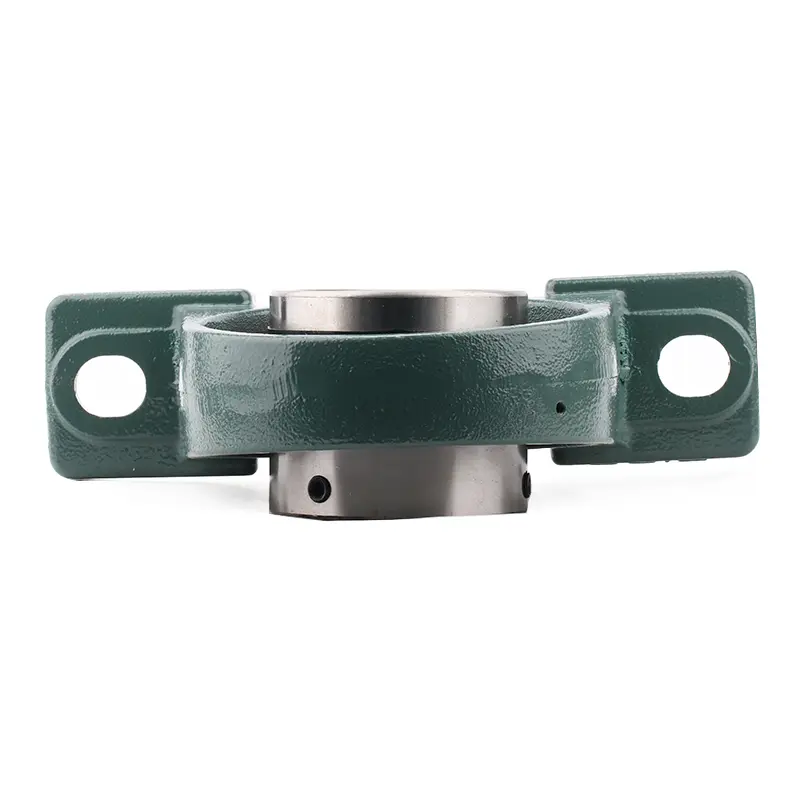
Other names include plummer block bearing2, bearing unit3, and mounted bearing4. They all describe the same product: a bearing inside a housing with a mounting base.
Why So Many Names?
The naming comes from history, regions, and industries. Understanding this helps you talk to customers and suppliers clearly.
Plummer Block
This is the original name. It comes from old English, where "plummer" meant a worker who dealt with lead (plumbing). Early plummer blocks were used in mills and had a simple split housing. Today, plummer block and pillow block are used interchangeably. In Europe, "plummer block" is still common. In the US, "pillow block" is more popular.
Bearing Unit
This term is broad. It includes any pre-assembled bearing with a housing. Pillow blocks are one type of bearing unit. Others include flange units and take-up units. So "bearing unit" is the family name. Pillow block is a specific shape (with a flat base).
Mounted Bearing
This simply means the bearing is already mounted in a housing. It is ready to bolt on. This term is common in catalogs and industry standards.
Industry-Specific Names
- In agriculture, they might call them "ball bearing housings."
- In mining, "heavy-duty bearing blocks."
- In HVAC, "fan bearings."
Here is a table to clarify:
| Name | Context | Notes |
|---|---|---|
| Pillow block | General, especially US | Most common term |
| Plummer block | Europe, older texts | Same as pillow block |
| Bearing unit | Technical catalogs | Includes flange, take-up |
| Mounted bearing | Industry standard | Ready-to-install |
| Housed bearing | Engineering drawings | Describes the assembly |
Why This Matters for Stock Planning
When Rajesh from India sources bearings, he must know all these names. His suppliers might use different terms. His customers might ask for "plummer blocks" even if they mean pillow blocks. If you only list "pillow block" in your warehouse, you might miss sales. So label your inventory with multiple keywords. Use tags like "plummer block" and "mounted bearing" in your system. This helps with search and reduces errors.
At FYTZ, we use all these names in our marketing. On Alibaba, we list products as "Pillow Block Bearing / Plummer Block / Mounted Unit." This way, customers from any country find us. It has helped us connect with buyers in Russia and Brazil who use different terms.
Conclusion
Stock planning is more than just counting parts. Know the purpose, problems, and rules of pillow block bearings. Use this knowledge to forecast and choose the right inventory. Need a reliable partner? Contact FYTZ Bearing.
-
Find out more about pillow blocks, their functions, and why they are crucial in machinery, helping you understand their importance. ↩ ↩ ↩ ↩
-
Explore this link to understand the history and applications of plummer block bearings, enhancing your knowledge of this essential component. ↩ ↩ ↩ ↩
-
Discover the various types of bearing units and their uses in engineering, which can help you choose the right component for your needs. ↩ ↩ ↩
-
Learn about mounted bearings and their practical applications in different industries, ensuring you make informed decisions. ↩ ↩ ↩
-
Choosing the right bearing is crucial for efficiency; this resource will guide you in making the best selection. ↩ ↩
-
Explore the benefits of spherical roller bearings, especially for applications with heavy shock loads. ↩
