
You are in the middle of a production line upgrade. The bearing quotes are on your desk. One price is low. The other is much higher. You wonder: is the expensive one really worth it?
The choice between premium and standard pillow block bearings comes down to your specific application. If you need high speed, heavy load, or harsh conditions, premium bearings are the smarter buy. For general use with moderate demands, standard bearings work fine and save money. Always look at the total cost, not just the purchase price.
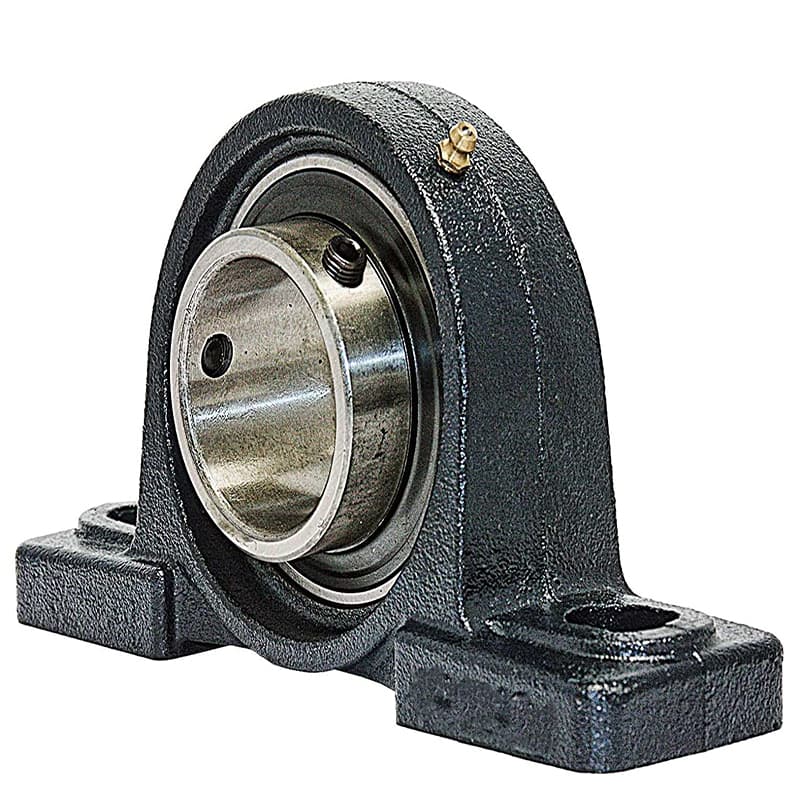
Let me walk you through the key factors that help you decide. I have spent years in the bearing industry, working with factories and buyers from Turkey to India. I have seen what happens when you pick the wrong bearing. I have also seen how the right choice saves thousands of dollars. Let us dive into the details.
How does cost affect bearing selection?
You might think the lowest price is the best deal. But I have learned that the cheapest part often becomes the most expensive one in the long run.
Cost influences your choice because it is not just about what you pay today. It is about how long the bearing lasts, how often you replace it, and what happens when it fails. A low-cost bearing may save money upfront but cost you more in downtime later.
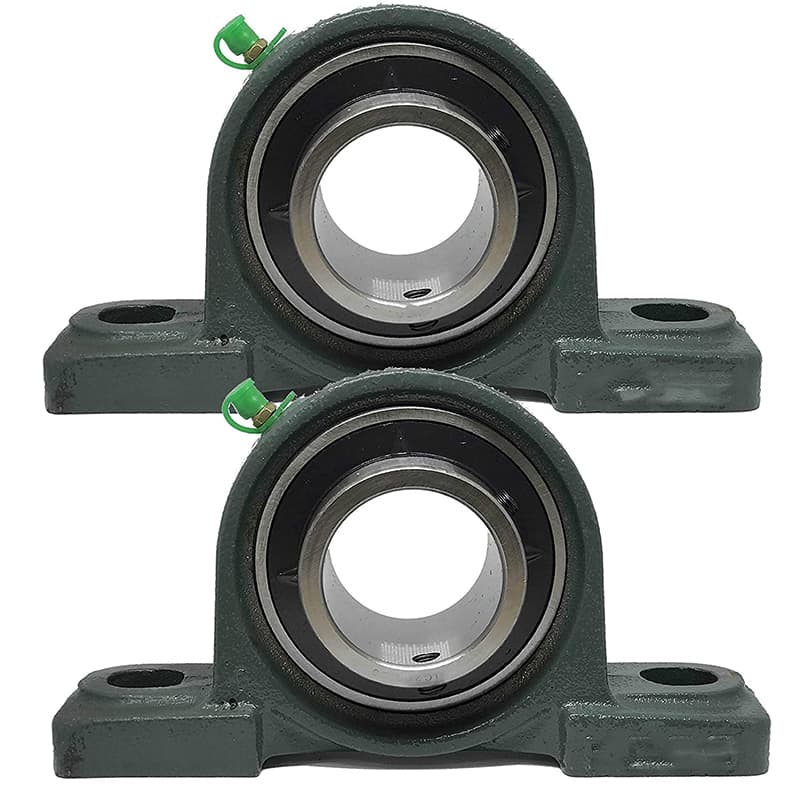
Understanding the real cost of a bearing
When we talk about cost, we need to break it down into three parts:
- Initial purchase price1 – what you pay the supplier.
- Installation and maintenance cost2 – labour, grease, and inspection time.
- Downtime cost3 – lost production when the machine stops.
A standard bearing might have a low price tag. But if it wears out quickly in a heavy-load conveyor, you will buy replacements often. Each change means stopping the line. That downtime costs money. A premium bearing4 may cost twice as much, but last three times longer. In that case, the premium one is cheaper overall.
Here is a simple table to show how different applications affect cost choice:
| Application Type | Load | Speed | Environment | Recommended Bearing | Reason |
|---|---|---|---|---|---|
| Light-duty fan | Low | Low | Clean | Standard | Low risk, low replacement cost |
| Heavy crusher | High | Low | Dusty | Premium | High load, need durability |
| High-speed pump | Medium | High | Clean | Premium | High speed needs precision |
| Agricultural machine | Medium | Medium | Dirty | Premium or standard with seals | Contamination risk |
The hidden costs of cheap bearings
I remember a customer from Indonesia. He bought standard bearings for his rice mill. The price was very attractive. Within three months, three bearings failed. Each failure stopped the mill for half a day. He lost production, paid for emergency replacements, and frustrated his workers. Finally, he switched to our premium series. The bearings are still running after two years. The total cost? Much lower with the premium choice.
So when you look at cost, ask yourself:
- How critical is this machine?
- Can I afford unplanned stops?
- What is the real cost of a failure?
If the answer points to high risk, go premium. If the machine runs occasionally and failure is not a big deal, standard is fine.
What is the best pillow block bearing1 brand?
I get this question almost every week from buyers like Rajesh in India. They want a simple name to trust. But the truth is more complicated.
There is no single best brand. The best brand for you depends on your specific needs: quality level, price point, availability, and customisation options2. Global names like Timken and SKF3 are excellent. But regional factories like FYTZ also offer great value, especially when you need customised solutions.
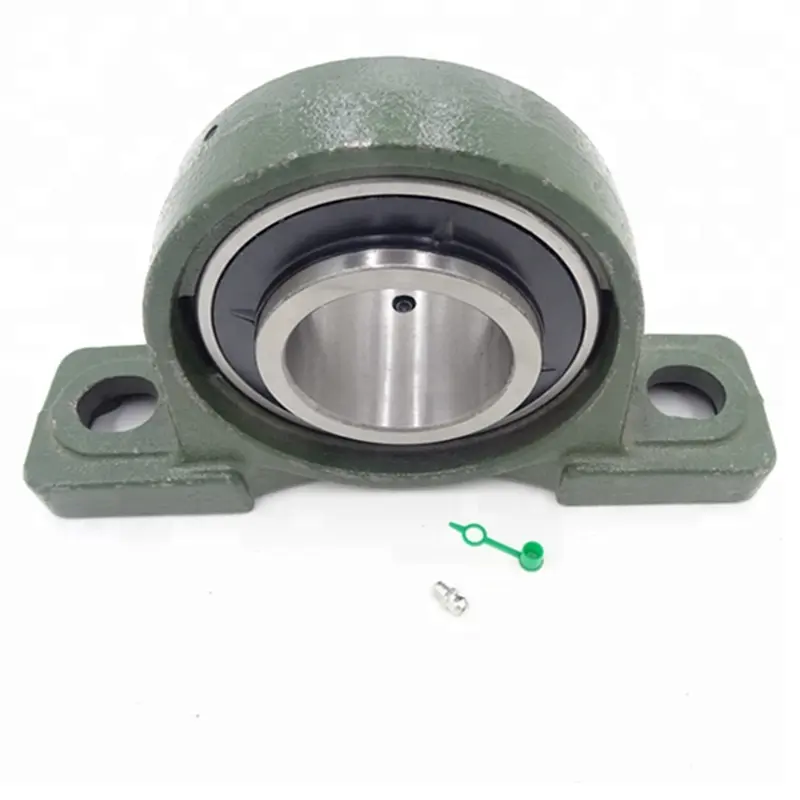
Comparing top brands in the market
Let me give you an honest comparison based on my experience. I work at FYTZ Bearing, a factory in China. We produce a full range of bearings. I also know the global players well. Here is how they stack up:
| Brand | Strengths | Weaknesses | Best For |
|---|---|---|---|
| Timken | Top quality tapered roller bearings, strong in heavy industry, excellent R&D | High price, less flexible for small custom orders | Mining, construction, heavy machinery |
| SKF | Wide product range, innovative seals, strong technical support | Premium pricing, sometimes over-engineered for simple jobs | Automotive, industrial applications requiring high precision |
| FYTZ | Competitive price, OEM/ODM customisation, fast delivery, flexible order quantities | Less known globally, smaller marketing budget | Importers, distributors, manufacturers needing custom bearings |
| Local Indian brands | Low cost, easy to buy locally | Quality varies, limited sizes, shorter life | Non-critical, low-budget applications |
Why brand alone is not enough
I have seen buyers focus too much on the name. They order a famous brand, but the bearing still fails because they chose the wrong type or size. A brand does not guarantee a perfect fit. You need to match the bearing to your machine.
For example, one of my clients in Brazil makes agricultural equipment. He used to buy a well-known European brand. But the delivery took months, and he could not get special sizes. He switched to FYTZ. We customised the pillow block housings with extra thick paint for his humid climate. He got exactly what he needed, at half the cost. That is the value of a flexible supplier.
So when you ask for the best brand, ask yourself:
- Do I need standard sizes or custom?
- Is local support important?
- What is my budget?
The best brand is the one that meets your technical needs, fits your budget, and delivers on time.
How do you select the right pillow block size1?
Choosing the wrong size is a common mistake. I have seen it many times. A bearing that is too small will overheat and fail. One that is too large wastes money and space.
To select the right pillow block size, you need to know your shaft diameter2 first. Then consider the load, speed, and operating environment. Always check the manufacturer’s catalogue for the correct series and dimensions.
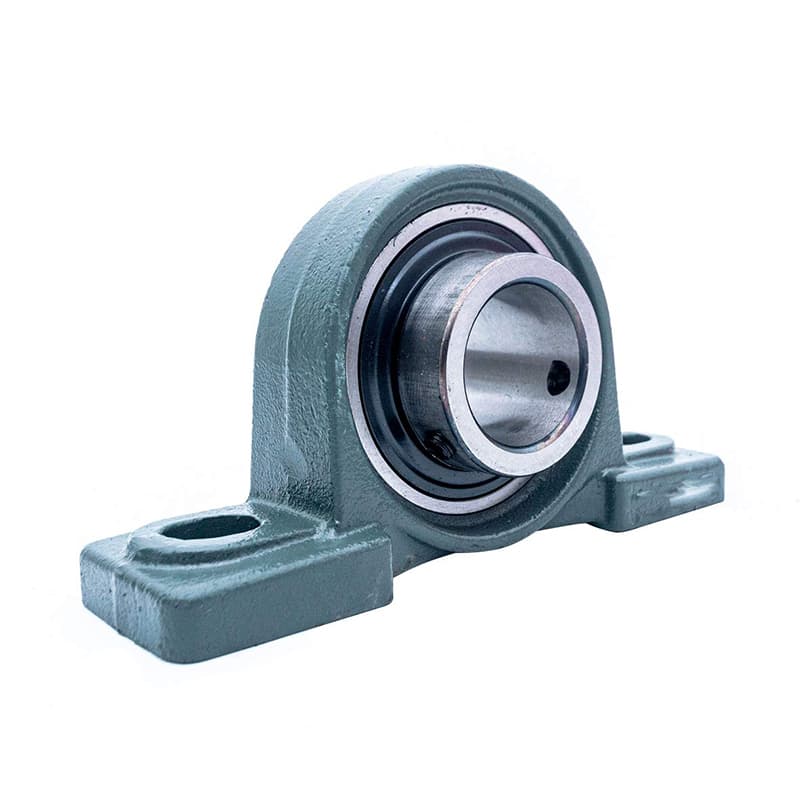
Step-by-step guide to size selection
Let me break down the process into simple steps. I use this method myself when helping customers.
Step 1: Measure the shaft diameter
This is the most basic dimension. The bearing bore must match your shaft. Use a calliper to measure accurately. If the shaft is worn, measure the unworn part.
Step 2: Determine the load
How much weight will the bearing support? This includes the weight of the shaft, any attached parts, and dynamic forces from operation. You need the radial load (perpendicular to the shaft) and maybe axial load (along the shaft). Pillow blocks handle mostly radial loads.
Step 3: Consider speed
Higher speeds generate more heat. They require bearings with tighter tolerances and better lubrication. Check the maximum speed rating3 in the catalogue.
Step 4: Check the environment
Will the bearing be in a dusty, wet, or hot place? If yes, you may need special seals or housing material. Stainless steel housings are available for corrosive areas.
Step 5: Choose the series
Pillow blocks come in light, medium, and heavy series. Light series are for low loads, heavy series for high loads. The series determines the bearing width and housing strength.
Here is a table to help you match series to conditions:
| Series | Load Capacity | Typical Applications | Housing Style |
|---|---|---|---|
| Light (e.g., UCP200) | Low to medium | Fans, light conveyors, small agricultural machines | Pressed steel or cast iron, compact |
| Medium (e.g., UCP300) | Medium to high | Pumps, blowers, general industrial equipment | Cast iron, robust |
| Heavy (e.g., UCP500) | High | Crushers, heavy conveyors, large fans | Heavy cast iron, large footprint |
Common sizing mistakes and how to avoid them
One mistake I often see is people assuming a bigger bearing is always better. That is not true. A bearing that is too large may not run properly at lower speeds. It might also cost more and take up unnecessary space.
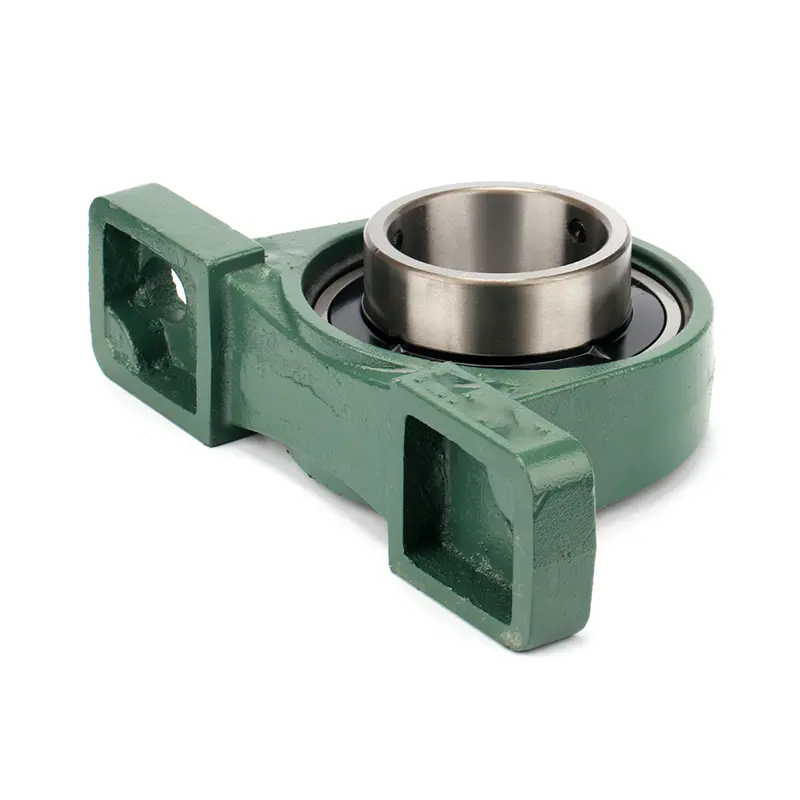
Another mistake is ignoring the housing dimensions4. Even if the bearing fits the shaft, the housing may not fit your mounting frame. Always check the overall height, bolt hole spacing, and base length.
For example, a client in Egypt wanted bearings for a new conveyor. He gave me the shaft size and said "any standard size is fine". But his frame had limited space. We sent him a drawing of our UCP208 bearing. He confirmed it fit perfectly. Without that check, he might have ordered the wrong one.
So take your time to measure. If you are unsure, send your requirements to the supplier. Good suppliers like us can help you choose the right size.
Is Timken or SKF better?
This is like asking "Is Mercedes better than BMW?" Both are excellent. But one may suit you more than the other.
Timken and SKF are both top-tier brands. Timken is famous for tapered roller bearings1 and heavy-duty applications. SKF is known for its deep groove ball bearings2, seals, and wide range. Which one is better depends on your specific machine and performance needs.
Detailed comparison of Timken and SKF
Let me put my engineer hat on and compare them side by side.
| Feature | Timken | SKF |
|---|---|---|
| Core strength | Tapered roller bearings (handle combined loads) | Ball bearings and advanced seals |
| Product range | Focus on heavy industrial bearings | Extremely wide, including automotive, aerospace |
| Innovation | Known for material science and durability | Known for bearing design and condition monitoring3 |
| Global presence | Strong in Americas, Europe | Strong worldwide, very extensive distribution |
| Price | Premium, often higher than SKF | Premium, competitive with Timken |
| Technical support | Excellent for heavy industries | Excellent across many sectors |
| Customisation | Limited to high-volume orders | More flexible, but still large-scale |
Real-world application examples
I have supplied both brands to different customers. Here is how they performed:
- A Turkish steel mill used Timken bearings in their rolling mills. The bearings lasted long under extreme heat and shock loads. Timken was the right choice there.
- An Indian textile plant used SKF bearings in their high-speed spindles. The precision and low noise kept the machines running smoothly. SKF was perfect.
But I also have customers who switched from both to FYTZ. Why? Because we offer similar quality at a better price, and we customise. For example, a Pakistani distributor needed bearings with special seals for a dusty environment. SKF could provide, but with a long lead time and high cost. We made the bearings in four weeks, with the exact seals he wanted.
So which is better for you?
Ask these questions:
- What type of load do you have? Pure radial or combined? If combined, Timken tapered rollers may be better.
- What speed? High speed usually favours SKF ball bearings.
- How important is seal technology? SKF often leads in seal design.
- What is your budget? Both are premium, but you may find better prices from local distributors.
If your application is very demanding and you need the absolute best engineering, both are great. But if you need a balance of performance and cost, or if you need custom sizes, consider a reliable manufacturer like FYTZ. We can match the quality while saving you money.
Conclusion
Choosing between premium and standard pillow block bearings is about matching the bearing to your real needs. Look at total cost, not just price. And remember, a good supplier can guide you better than any brand name alone.
-
Explore the benefits of tapered roller bearings for heavy-duty applications and understand why they might be the right choice for your needs. ↩ ↩ ↩ ↩
-
Learn about deep groove ball bearings and their applications, which could help you choose the right bearing for your machinery. ↩ ↩ ↩ ↩
-
Discover how advanced bearing design can enhance condition monitoring, ensuring better performance and longevity of your equipment. ↩ ↩ ↩ ↩
-
Correct housing dimensions are essential for proper fit and function, avoiding installation issues and ensuring stability. ↩ ↩