
Do your spherical roller bearings fail too quickly in dusty environments? This problem costs you time and money. I see this issue daily at FYTZ bearing factory.
To improve service life in dusty plants, you must use bearings with effective seals, install them correctly, and perform regular maintenance. Choose high-quality bearings from a trusted manufacturer like FYTZ to get the best results.

In this article, I will share practical tips based on my experience at FYTZ bearing factory. We work with customers in countries like Turkey, India, and South Africa. Many of them face dust problems. I will explain how you can protect your bearings, maintain them, and understand what reduces their life. Let us dive in.
How to protect bearings from dust1?
Do you know that dust is one of the biggest enemies of bearings? It enters the bearing and causes damage fast. You need to stop it before it starts.
To protect bearings from dust, you must use proper sealing solutions. This includes contact seals2, non-contact seals, and shields. Also, keep the surrounding area clean and use bearing covers when possible.
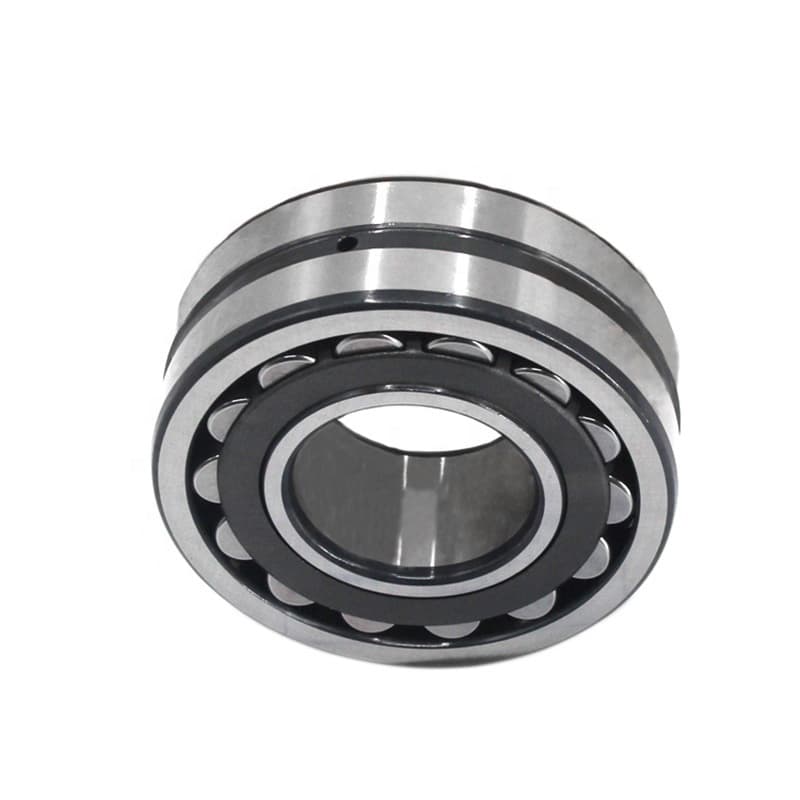
Why Dust Is So Dangerous for Bearings
Dust acts like sandpaper inside a bearing. When dust particles enter, they mix with the lubricant. This creates a grinding paste. It wears down the rolling elements and raceways. I have seen bearings fail in just a few weeks because of dust. In our factory, we test bearings under dusty conditions. We know that even small dust particles can cause big problems.
Different Types of Seals and Shields
At FYTZ, we offer several ways to protect bearings from dust. Each method has its own strengths. Here is a simple table to help you understand:
| Seal Type | Description | Best For | Dust Protection Level |
|---|---|---|---|
| Contact Rubber Seal | A rubber lip touches the inner ring. | Heavy dust environments | High |
| Non-contact Metal Shield | A metal plate with a small gap. | High-speed applications | Medium |
| Labyrinth Seal | Complex path that traps dust. | Very dusty plants | Very High |
| Combination Seals | Rubber and metal together. | Extreme conditions | Excellent |
You need to choose based on your machine speed and dust level. For example, in a cement plant, I recommend contact seals or labyrinth seal3s. In our experience, customers in Egypt and Indonesia prefer contact seals for their crushers.
Additional Protection Methods
Besides seals, you can also protect bearings by:
- Using bearing housings with good covers4. Make sure the housing is closed properly.
- Keeping the environment clean. Use air filters or positive pressure in bearing areas.
- Applying fresh grease regularly. This pushes out old contaminated grease.
- Inspecting seals during maintenance. Replace worn seals immediately.
I remember a customer in India who had frequent bearing failures. We visited his plant and found that the seals were damaged. After we replaced them with our FYTZ heavy-duty seals, the bearing life doubled. So, never ignore the seals.
How to maintain spherical bearings1?
Do you wait until a bearing fails before you check it? That is a costly mistake. Regular maintenance can save you a lot of money.
To maintain spherical bearings, you need a schedule for lubrication, inspection, and cleaning. Follow the manufacturer’s guidelines and use the right tools and lubricants.
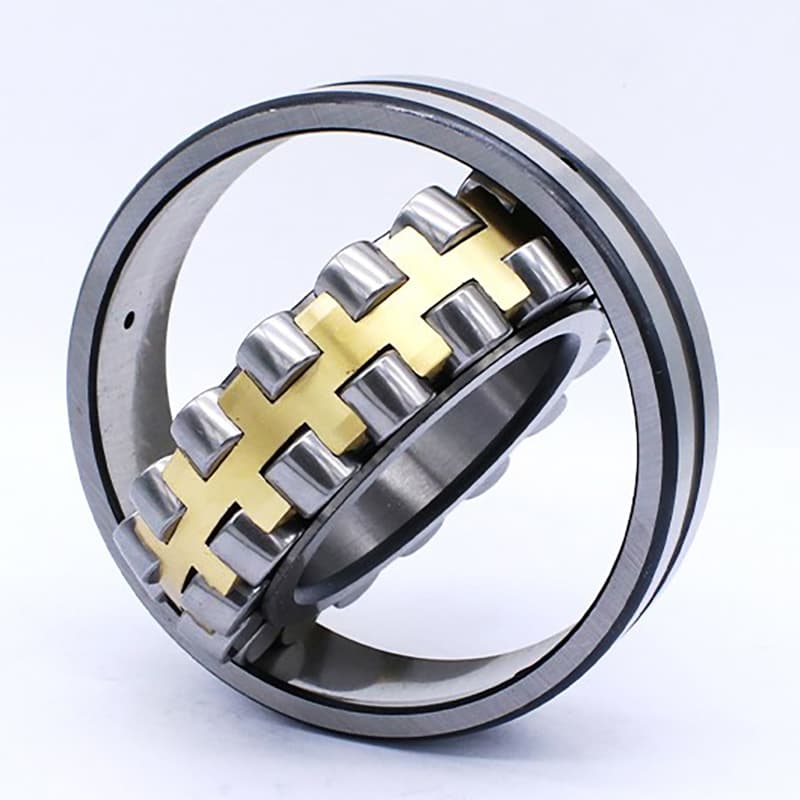
The Importance of Lubrication
Lubrication is the lifeblood of a bearing. It reduces friction and carries away heat. In dusty plants, lubrication also helps to trap and remove dust particles. But you must use the correct grease or oil.
At FYTZ, we always tell our customers to use high-quality grease2 with good adhesion. This type of grease sticks to the surfaces and does not wash away easily. For dusty conditions, we recommend greases with a thickener that can hold contaminants.
Lubrication Schedule3
How often should you lubricate? It depends on the operating conditions. Here is a simple guide:
| Operating Condition | Lubrication Interval | Grease Amount |
|---|---|---|
| Clean, low speed | Every 6 months | Fill 1/3 to 1/2 of free space |
| Dusty, moderate speed | Every 3 months | More frequent, smaller amounts |
| Very dusty, high speed | Every month | Check and add as needed |
I suggest you create a lubrication log. Write down when you greased and how much. This helps you spot problems early.
Inspection Steps
You should inspect your bearings regularly. Here is what I do at our factory:
- Listen for noise. Use a screwdriver or stethoscope. Grinding or rattling sounds mean trouble.
- Check temperature. A sudden rise in heat indicates a problem.
- Look for leaks. Grease leaking out can mean over-greasing or seal failure.
- Vibration analysis. If you have the tools, measure vibration levels.
If you find any issue, stop the machine and investigate. Do not wait.
Cleaning Considerations
Sometimes you need to clean the bearing area. But be careful. Do not use high-pressure water or air directly at the seals. This can force dust inside. Instead, use soft brushes or cloths. When you replace grease, let the old grease purge out. Wipe it away so it does not attract more dust.
What can reduce the service life of bearings?
Have you ever wondered why some bearings fail before their time? There are several common reasons. Knowing them helps you avoid mistakes.
Many factors can reduce bearing life, including contamination, poor lubrication, misalignment, overloading, and incorrect installation. Each of these causes wear and fatigue.
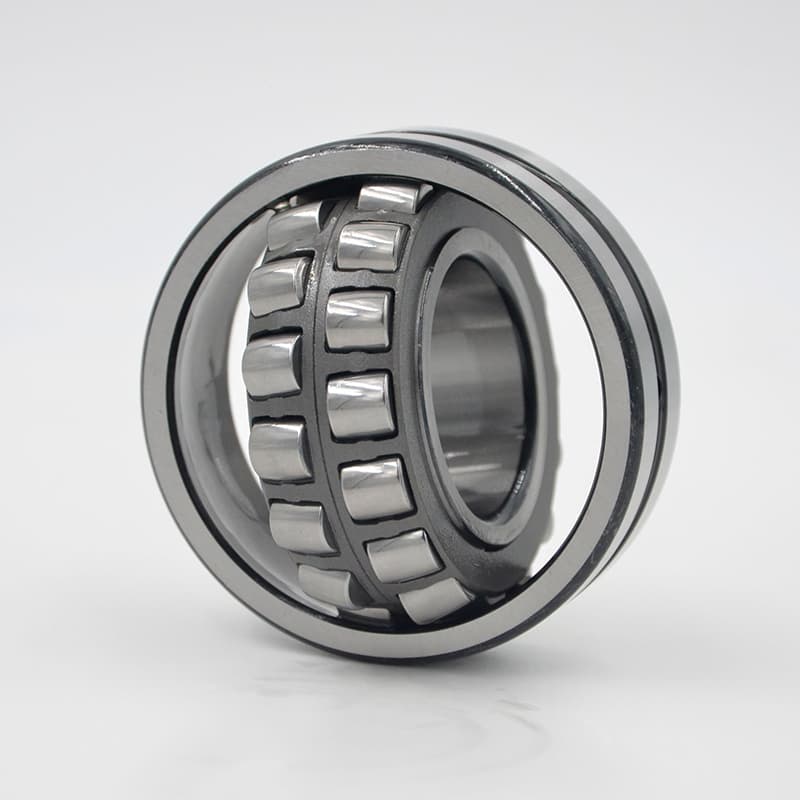
Contamination1 – The Top Killer
In dusty plants, contamination is the number one enemy. Dust, dirt, and grit get into the bearing. They cause abrasive wear and surface fatigue. I have seen bearings that looked like they were sandblasted inside.
How does contamination happen?
- Through poor seals.
- During maintenance when the bearing is exposed.
- From contaminated lubricant.
- From the environment if the housing is not sealed.
At FYTZ, we test our bearings with dust chambers. We simulate real conditions. Our goal is to make bearings that resist contamination. But even the best bearing needs a clean environment.
Poor Lubrication2
Lubrication problems come in two forms: too little or too much. Too little grease causes metal-to-metal contact. Too much grease causes churning and overheating. Both reduce life.
Also, using the wrong lubricant is bad. For example, using a grease not designed for high temperatures will break down. It will not protect the bearing.
Misalignment3
Spherical roller bearings can handle some misalignment. But too much misalignment causes uneven load distribution. This leads to early fatigue. Misalignment can come from bent shafts, incorrect mounting, or housing errors.
Overloading
If the bearing carries a load higher than its rating, it will fail quickly. Overloading can be from shock loads or continuous heavy loads. Always check the load specifications.
Improper Installation4
I see this often. People hammer bearings into place. They use the wrong tools. They do not heat the bearing properly. This damages the bearing from the start.
Here is a table summarizing these factors and how to avoid them:
| Factor | Effect on Bearing | Prevention |
|---|---|---|
| Contamination | Abrasive wear, pitting | Good seals, clean environment |
| Poor Lubrication | Overheating, metal contact | Correct grease type and amount |
| Misalignment | Uneven load, fatigue | Proper alignment during installation |
| Overloading | Early spalling | Select correct bearing size |
| Improper Installation | Brinelling, cracks | Use proper tools and methods |
I remember a case in Russia. A customer had bearings failing every month. We discovered they were using a torch to heat the bearings, which damaged the steel. We trained them on proper induction heating. Now their bearings last over a year.
What can increase the life expectancy of rolling element bearings?
You already know what hurts bearings. Now let us talk about what helps them live longer. These are the best practices I have learned over the years.
To increase bearing life, focus on correct selection1, proper installation2, optimal lubrication3, contamination control4, and condition monitoring5. Work with a reliable supplier6 like FYTZ for quality products.
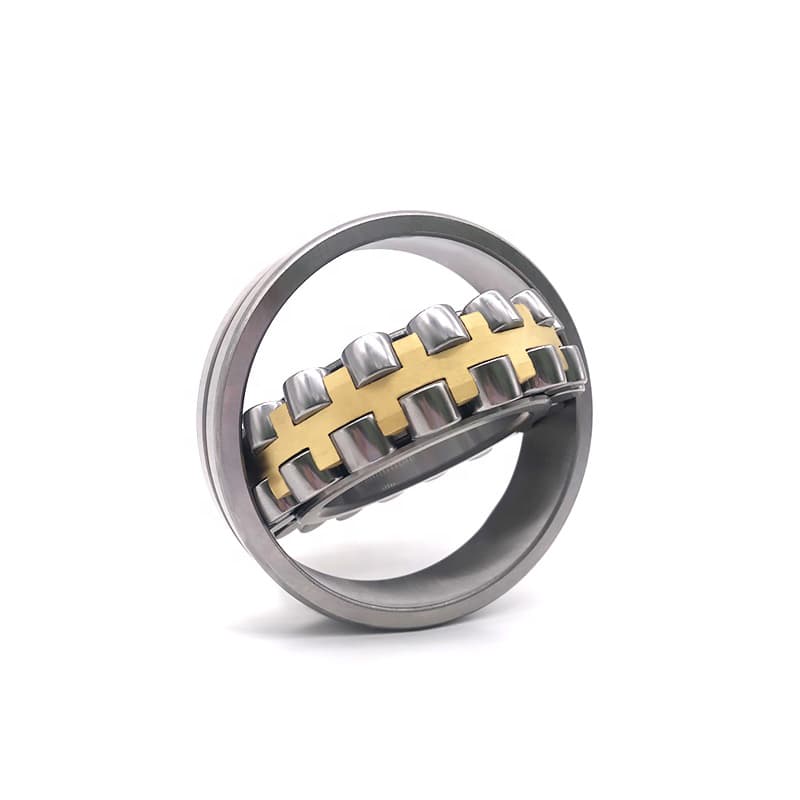
Choose the Right Bearing for the Job
Not all bearings are the same. You need to select the right type and size. Consider the load, speed, and environment. For dusty plants, choose bearings with enhanced seals. At FYTZ, we offer customized solutions. We can add special coatings or modify internal clearances.
For example, if your machine has heavy shock loads, we recommend a bearing with a stronger cage. We make cages from steel or brass for tough conditions.
Perfect Installation
Installation is critical. Here are my rules:
- Use the correct mounting tools. Never hit the bearing directly.
- Heat the bearing evenly if using a shrink fit. Induction heaters are best.
- Check the shaft and housing tolerances. They must be within specifications.
- After mounting, rotate the shaft to ensure smooth movement.
I often tell our customers: "Take your time during installation. A few extra minutes here saves months of bearing life."
Optimize Lubrication
Lubrication is not just about adding grease. It is about using the right amount at the right time. In dusty plants, you might need to lubricate more often. But do not overdo it.
We recommend using a grease with good base oil viscosity and EP (extreme pressure) additives. Also, consider automatic lubrication systems. They deliver small amounts regularly and keep the bearing protected.
Control Contamination
This means:
- Keep replacement bearings in their original packaging until use.
- Clean the work area before maintenance.
- Use filtered oil when changing lubricant.
- Install breathers or desiccant dryers on bearing housings.
At FYTZ, we design our bearings with improved sealing. We also offer optional flingers that throw off dust.
Monitor Bearing Condition
You cannot improve what you do not measure. Use condition monitoring tools. Start with simple methods like temperature and vibration checks. If you have the budget, use online monitoring systems.
Here is a quick checklist for increasing bearing life:
| Action | Benefit |
|---|---|
| Select correct bearing type and size | Matches load and speed |
| Use proper installation methods | Avoids initial damage |
| Lubricate with correct grease and interval | Reduces friction and wear |
| Keep contaminants out | Prevents abrasive damage |
| Monitor and inspect regularly | Catches problems early |
I have a customer in Brazil who implemented all these steps. Their bearing life increased by 300%. They now buy more bearings from us because they trust our quality and advice.
Conclusion
Protecting spherical roller bearings in dusty plants requires good seals, proper maintenance, and avoiding common mistakes. Choose FYTZ bearings for reliable performance.
-
Understanding the significance of correct selection can greatly enhance bearing performance and longevity. ↩ ↩ ↩ ↩
-
Proper installation techniques are crucial for maximizing bearing life and preventing premature failures. ↩ ↩ ↩ ↩
-
Learning about optimal lubrication can significantly reduce friction and wear, extending bearing life. ↩ ↩ ↩ ↩
-
Effective contamination control measures can prevent damage and ensure bearings operate smoothly for longer. ↩ ↩ ↩
-
Condition monitoring tools help detect issues early, allowing for timely interventions and extended bearing life. ↩
-
Partnering with a reliable supplier ensures access to quality products and expert advice, enhancing overall performance. ↩