
A cement plant runs 24 hours a day, 365 days a year. Bucket elevators lift tons of material. Clinker conveyors carry red-hot product. When a bearing fails, the whole line stops. The cost of downtime is enormous.
Spherical roller bearings are ideal for cement bucket elevators and clinker conveyors because they handle heavy radial loads, accommodate misalignment (common in long conveyors and elevators), and resist shock loads from uneven material flow. They are used in head and tail pulleys, bucket elevator shafts, and conveyor idlers. Key considerations include: high load ratings for continuous operation, C4 clearance for high-temperature applications (clinker conveyors), brass cages for shock resistance, and effective seals to keep cement dust out.
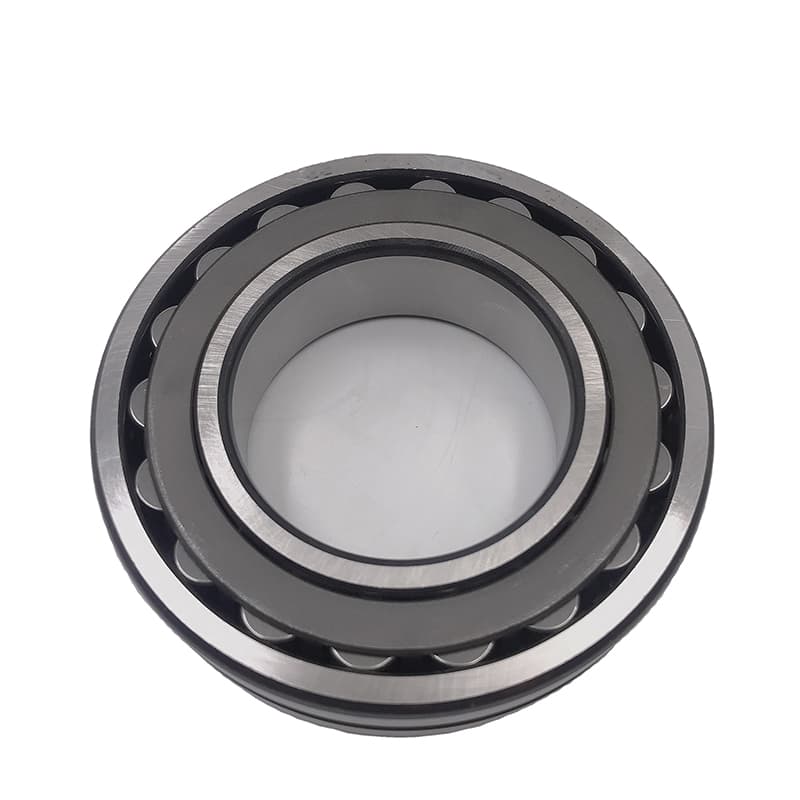
In my years of supplying bearings to cement plants worldwide, I’ve seen how the right bearing choice extends maintenance intervals and prevents unplanned outages. For a distributor like Rajesh in India, serving the cement sector means understanding these specialized applications. Let’s explore what spherical roller bearings are used for, their disadvantages, how they differ from cylindrical bearings, and what a 22226 bearing is.
What is a Spherical Roller Bearing used for?
Cement plants have many moving parts. Where exactly are spherical roller bearings1 used? Understanding their applications helps you specify the right bearings for each position.
Spherical roller bearings are used in cement plants for: bucket elevator head and tail shafts2 (handling heavy loads and potential misalignment), conveyor pulleys (head, tail, take-up, and bend pulleys), clinker conveyors3 (high-temperature applications), kiln support rollers4, crushers5 (impact and hammer mills), separators, fans (ID and FD fans), and grinding mills6. Their ability to handle heavy radial loads, accommodate misalignment, and tolerate shock makes them indispensable in cement production.
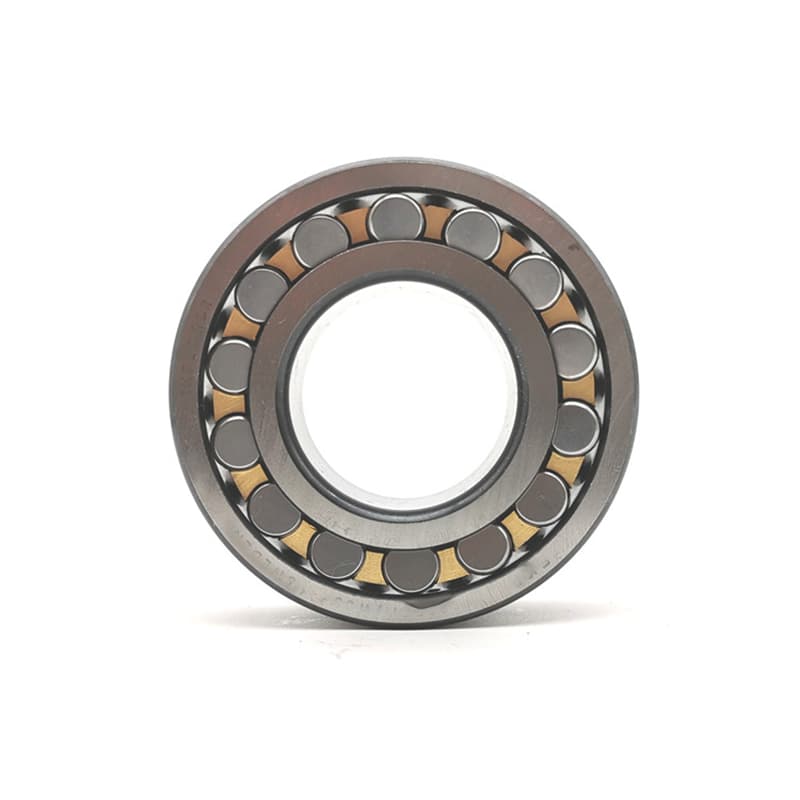
Let’s examine each application.
Cement Plant Applications for Spherical Roller Bearings
| 1. Bucket Elevators: | Location | Function | Bearing Requirements |
|---|---|---|---|
| Head shaft | Drives the elevator, highest load | Heavy radial load, potential misalignment | |
| Tail shaft | Take-up end, tensioning | Moderate load, must accommodate movement | |
| Take-up bearings | Allow shaft movement for chain tension | Must slide in housing, self-aligning |
| 2. Conveyor Pulleys: | Pulley Type | Function | Bearing Requirements |
|---|---|---|---|
| Head pulley | Drive end, highest tension | Heavy radial load, potential misalignment | |
| Tail pulley | Return end | Moderate load | |
| Take-up pulley | Tensioning | Moves, must accommodate misalignment | |
| Bend pulley | Changes belt direction | Side loads possible |
| 3. Clinker Conveyors: | Aspect | Challenge | Bearing Solution |
|---|---|---|---|
| High temperature | Clinker can be red-hot | C4 clearance, high-temperature grease | |
| Abrasive dust | Clinker dust is extremely abrasive | Effective seals, possibly purging systems | |
| Heavy loads | Tons of material | High load capacity, spherical roller bearings1 |
| 4. Kiln Support Rollers: | Function | Challenge | Bearing Solution |
|---|---|---|---|
| Support rotating kiln | Massive loads, high temperature | Large spherical roller bearings1, special clearance |
| 5. Crushers: | Crusher Type | Challenge | Bearing Solution |
|---|---|---|---|
| Impact crusher | Severe shock loads | Spherical roller with brass cages, C4 clearance | |
| Hammer mill | High vibration | Spherical roller, special cages | |
| Jaw crusher | Eccentric motion | Spherical roller bearings |
| 6. Fans: | Fan Type | Challenge | Bearing Solution |
|---|---|---|---|
| ID fans | Hot, dusty air | Spherical roller, C4 clearance, effective seals | |
| FD fans | Cleaner air | Spherical roller or other types |
| 7. Separators and Classifiers: | Function | Challenge | Bearing Solution |
|---|---|---|---|
| Separate fine particles | Moderate loads, speed | Spherical roller or deep groove |
| 8. Grinding Mills: | Mill Type | Challenge | Bearing Solution |
|---|---|---|---|
| Ball mills | Heavy loads, slow speed | Large spherical roller bearings1 | |
| Vertical roller mills | High loads, vibration | Specialized spherical roller bearings1 |
My Insight on Cement Applications:
When a cement plant customer asks for bearings, the first question is always: "Where in the plant?" Bucket elevators need bearings that handle misalignment. Clinker conveyors need high-temperature capability. Crushers need shock-resistant cages. Understanding the application ensures the right bearing. For a distributor like Rajesh, asking this one question positions him as a knowledgeable partner, not just a parts seller.
What are the disadvantages of spherical roller bearings?
No bearing is perfect. Spherical roller bearings have limitations. Understanding these helps you avoid using them where they don’t belong.
The main disadvantages of spherical roller bearings are: limited speed capability1 (compared to cylindrical or ball bearings), higher friction2 (due to roller end contact), higher cost3 than some alternatives, sensitivity to lubrication4 (especially at roller ends), larger size5 for given bore (more radial space required), and potential for roller skewing6 under certain conditions. They are also not suitable for pure axial loads without radial load present.
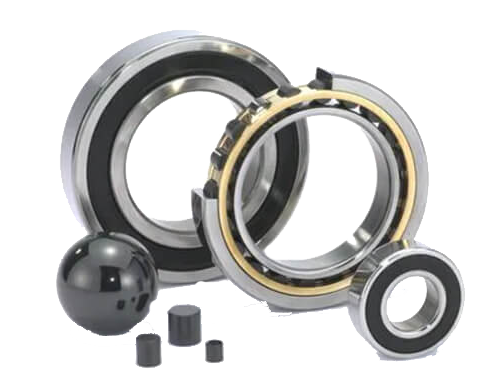
Let’s examine each limitation in detail.
Detailed Look at Spherical Roller Bearing Limitations
| 1. Speed Capability: | Limitation | Explanation | Cement Plant Context |
|---|---|---|---|
| Roller mass | Large rollers create centrifugal force | Not an issue for slow conveyors | |
| Sliding friction | Roller ends contact guide flanges | Limits maximum RPM | |
| Heat generation | More heat than ball bearings | May require cooling in high-speed apps |
| 2. Higher Friction: | Aspect | Comparison | Impact |
|---|---|---|---|
| Rolling friction | Higher than ball bearings | More energy consumption | |
| Sliding friction | Roller ends add drag | Heat generation | |
| Overall | Moderate, acceptable for most applications | Not for energy-critical apps |
| 3. Higher Cost: | Factor | Why More Expensive |
|---|---|---|
| Complex geometry | Harder to manufacture | |
| More material | Larger than ball bearings | |
| Precision required | Tight tolerances |
| 4. Lubrication Sensitivity: | Critical Area | Why It Matters | Prevention |
|---|---|---|---|
| Roller ends | Sliding contact needs good lubrication | Proper grease, relubrication schedule | |
| Cage pockets | Rollers must move freely | Quality lubricant | |
| Raceways | Need oil film | Correct viscosity |
| 5. Size and Space Requirements: | Aspect | Limitation |
|---|---|---|
| Cross-section | Larger than ball bearings for same bore | |
| Housing size | Requires bigger housing | |
| Weight | Heavier than alternatives |
| 6. Axial Load Limitations: | Condition | Limitation |
|---|---|---|
| Pure axial load | Not recommended (needs some radial load) | |
| Axial capacity | Moderate only (less than tapered roller) |
| 7. Potential for Roller Skewing: | Cause | Effect | Prevention |
|---|---|---|---|
| Light loads, high speed | Rollers may skew | Maintain minimum load | |
| Poor lubrication | Increased friction | Proper lubrication | |
| Cage wear | Loss of guidance | Quality cages |
| 8. Cement Plant-Specific Limitations: | Limitation | Cement Plant Impact | Mitigation |
|---|---|---|---|
| Contamination sensitivity | Cement dust is abrasive | Excellent seals, purging | |
| Temperature sensitivity | Clinker heat | C4 clearance, high-temp grease | |
| Shock load limitations | Crushers need robust cages | Brass cages |
Disadvantage Summary for Cement Plants:
| Disadvantage | Where It Matters | Is Spherical Still Suitable? |
|---|---|---|
| Speed limitation | High-speed fans | Yes, with proper design |
| Higher friction | Energy-critical apps | Acceptable for most |
| Higher cost | Budget projects | Justified by reliability |
| Lubrication sensitivity | All applications | Yes, with maintenance |
| Size requirements | Compact designs | May need alternative |
| Axial limitations | High-thrust apps | Use tapered roller |
| Contamination sensitivity | Dusty areas | Yes, with good seals |
My Insight on Disadvantages:
I once had a customer try to use spherical roller bearings in a high-speed fan application. They failed quickly from heat. The problem wasn’t the bearing quality—it was the wrong type for the speed. Understanding disadvantages prevents these mismatches. For a distributor like Rajesh, knowing when NOT to recommend spherical bearings is as important as knowing when to recommend them. That expertise builds trust.
What is the difference between spherical and cylindrical roller bearings?
You’re selecting bearings for a cement plant. Both spherical and cylindrical roller bearings are options. How do you choose? Understanding their differences is essential.
The main difference between spherical and cylindrical roller bearings is load capability and misalignment tolerance1e](https://sdycbearing.com/2026/01/29/can-engineered-tapered-roller-bearings-conquer-your-most-challenging-environments/)[^2]. Cylindrical roller bearings3 have very high radial load capacity but cannot handle axial loads (except special designs) and cannot accommodate misalignment. Spherical roller bearings4 have high radial load capacity, can handle moderate axial loads in both directions, and can accommodate significant misalignment (up to 2-3 degrees). Cylindrical bearings are simpler and have lower friction, while spherical bearings are more versatile and forgiving.
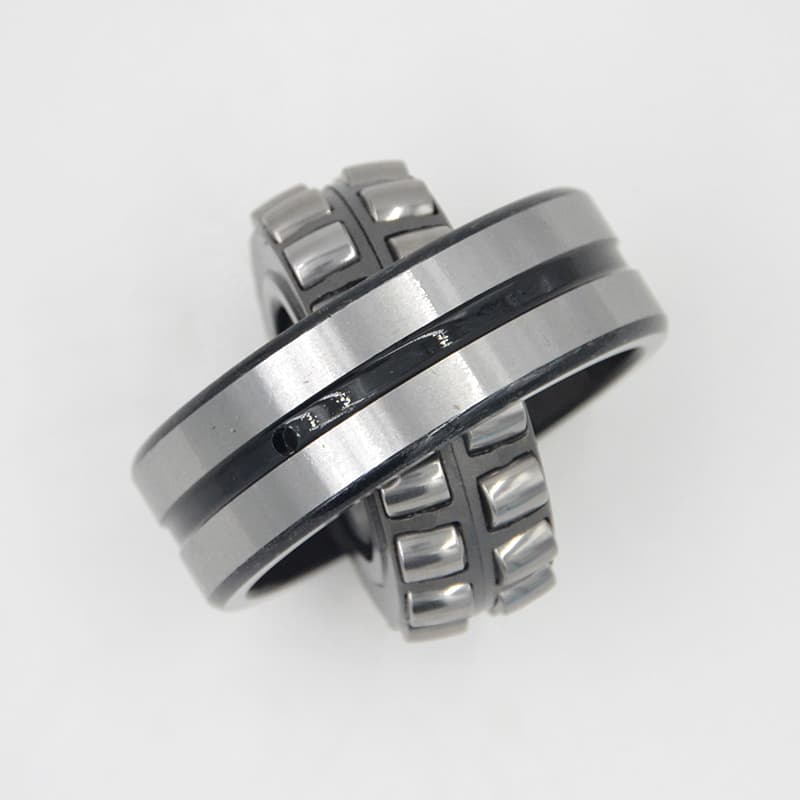
Let’s compare them in the cement plant context.
Detailed Comparison for Cement Applications
| 1. Load Capability: | Load Type | Spherical Roller | Cylindrical Roller |
|---|---|---|---|
| Radial loads | Excellent | Excellent (highest per size) | |
| Axial loads | Moderate (both directions) | None (or very limited) | |
| Combined loads | Good | Not suitable | |
| Cement application5 | Bucket elevators (combined) | Conveyor pulleys (radial only) |
| 2. Misalignment Tolerance: | Aspect | Spherical Roller | Cylindrical Roller |
|---|---|---|---|
| Self-aligning | Yes (up to 2-3°) | No | |
| Effect of misalignment | Accommodated | Edge loading, failure | |
| Cement application5 | Long conveyors, elevator shafts | Short, stiff shafts only |
| 3. Speed Capability: | Aspect | Spherical Roller | Cylindrical Roller |
|---|---|---|---|
| Friction | Moderate | Low | |
| Speed limit | Moderate | Higher | |
| Cement application5 | Moderate speeds OK | High-speed fans |
| 4. Temperature Capability: | Aspect | Spherical Roller | Cylindrical Roller |
|---|---|---|---|
| High temperature | Good (C4 clearance) | Good | |
| Cement application5 | Clinker conveyors | Cooler applications |
| 5. Contamination Resistance: | Aspect | Spherical Roller | Cylindrical Roller |
|---|---|---|---|
| With seals | Good | Good | |
| Without seals | Similar vulnerability | Similar | |
| Cement application5 | Both need good seals | Both need good seals |
6. Selection Guide for Cement Plants:
| Application | Recommended Bearing | Why |
|---|---|---|
| Bucket elevator head shaft | Spherical roller | Misalignment, combined loads |
| Conveyor pulley (well-aligned) | Cylindrical roller | High radial load, lower cost |
| Conveyor pulley (long, flexible) | Spherical roller | Accommodates deflection |
| Clinker conveyor (hot) | Spherical roller with C4 | High temp, misalignment |
| Crusher (shock loads) | Spherical roller with brass cage | Shock resistance |
| High-speed fan | Cylindrical roller | Speed capability |
| Take-up pulley (moving) | Spherical roller | Self-aligning |
| 7. Cost Considerations6: | Bearing Type | Relative Cost | Cement Plant Decision |
|---|---|---|---|
| Spherical roller | Higher | Use where needed | |
| Cylindrical roller | Lower | Use where suitable |
My Insight on the Difference:
In cement plants, the choice often comes down to: "Is there misalignment or axial load?" If yes, spherical. If no, cylindrical. For a bucket elevator, the shaft is long and may deflect—spherical. For a well-aligned conveyor pulley with pure radial load—cylindrical. For a distributor like Rajesh, asking these questions helps customers select the right bearing, saving money and preventing failures.
What is a Spherical Roller Bearing 22226?
You see "22226" in a cement plant’s maintenance manual. What does this number mean? Understanding bearing designations helps you supply the right product.
A 22226 bearing is a spherical roller bearing1 from the 222 series2. The "22" indicates the series (light/medium), and "26" is the bore size code3: multiply by 5 to get the bore in millimeters. So, 26 x 5 = 130mm bore. The 222 series2 is one of the most common for cement plant applications, offering a good balance of load capacity and size. Typical variants include 22226 CC/W33 (with asymmetric rollers and lubrication grooves) and 22226 C3/C4 (with specific clearances).
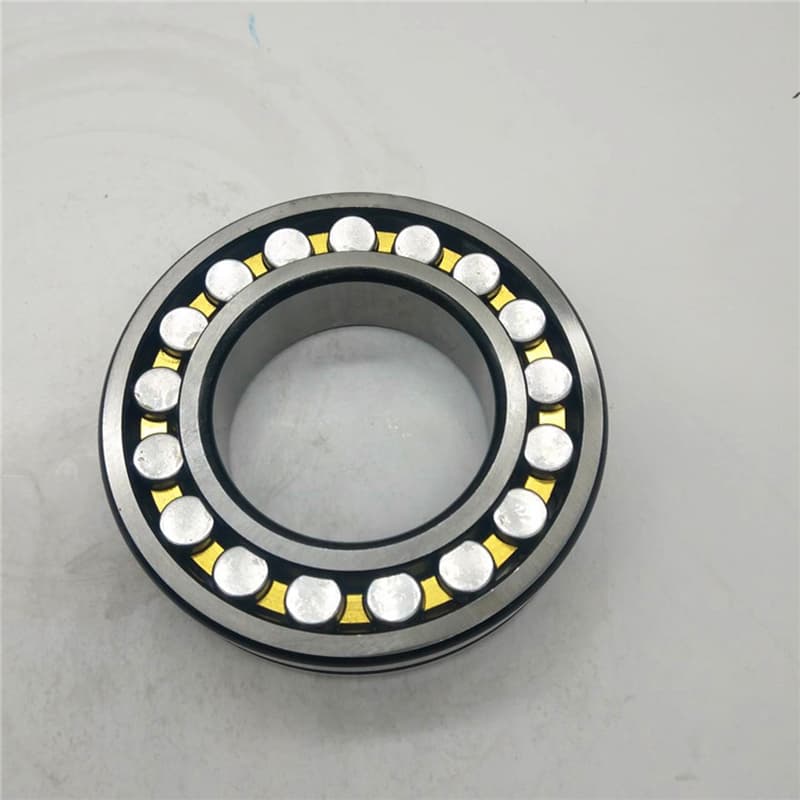
Let’s decode this bearing completely.
Understanding the 22226 Bearing
| 1. Breaking Down the Number 22226: | Part | Meaning | Explanation |
|---|---|---|---|
| 22 | Series | 222 series2 (light/medium) | |
| 26 | Bore code | 26 x 5 = 130mm bore |
| 2. Standard Dimensions of 22226 Bearing: | Dimension | Value |
|---|---|---|
| Bore (d) | 130 mm | |
| Outside diameter (D) | 230 mm | |
| Width (B) | 64 mm | |
| Dynamic load rating (C) | Approximately 600-700 kN (varies by manufacturer) | |
| Static load rating (C0) | Approximately 800-900 kN |
| 3. Common Variants for Cement Plants: | Suffix | Meaning | Cement Plant Application |
|---|---|---|---|
| 22226 CC/W33 | Asymmetric rollers, lubrication groove and holes | General purpose, good lubrication | |
| 22226 C3 | C3 clearance4 (larger than normal) | Moderate temperature rise | |
| 22226 C4 | C4 clearance (even larger) | High temperature (clinker conveyors) | |
| 22226 MB | Machined brass cage | Shock loads (crushers) | |
| 22226 E | Enhanced design, higher capacity | Where load is critical |
| 4. Cement Plant Applications for 22226: | Application | Why 22226 is Suitable |
|---|---|---|
| Bucket elevator head shaft | Good load capacity, accommodates misalignment | |
| Conveyor head pulley | Handles heavy radial loads | |
| Take-up pulley | Self-aligning feature helps with movement | |
| Medium fans | Adequate speed capability | |
| Clinker conveyors | C4 version handles high temperature |
| 5. Comparing 222 Series to Other Series: | Series | Characteristics | Cement Application |
|---|---|---|---|
| 222 | Light/medium, good balance | Most common | |
| 223 | Heavy, higher load capacity | Crushers, heavy conveyors | |
| 230, 231 | Asymmetric, higher capacity | Space-limited applications | |
| 239 | Very high radial capacity | Special applications |
| 6. What to Specify When Ordering: | For this application… | Order… |
|---|---|---|
| General bucket elevator | 22226 CC/W33 C3 | |
| Hot clinker conveyor | 22226 CC/W33 C4 | |
| Crusher with shock loads | 22226 MB C4 | |
| Standard conveyor | 22226 CC/W33 (CN clearance) |
| 7. Cross-Reference Information: | Manufacturer | Equivalent Designation |
|---|---|---|
| FYTZ | 22226 CC/W33 | |
| SKF | 22226 CC/W33 | |
| FAG | 22226-E1-XL | |
| NSK | 22226 CDE4 | |
| Timken | 22226YMW33 |
My Insight on 22226 Bearings:
The 22226 is a workhorse in cement plants. It’s large enough for main drives but common enough to be stocked. When a customer asks for a 22226, we always ask: "Do you need C3 or C4 clearance? Standard or brass cage? W33 lubrication features?" These details make the difference between a bearing that works and one that fails prematurely. For a distributor like Rajesh, understanding these variants allows him to supply exactly what his cement plant customers need.
Conclusion
Spherical roller bearings are essential for cement bucket elevators and clinker conveyors, handling heavy loads, misalignment, and harsh conditions. Understanding their applications, disadvantages, and differences from cylindrical bearings ensures proper selection. The 22226 bearing is a common size in cement plants, available in variants for specific needs (C3/C4 clearance, brass cages, W33 features). With the right bearings, cement plants can maximize uptime and minimize costly outages.
-
Explore this link to understand the mechanics and applications of spherical roller bearings, crucial for various industrial uses. ↩ ↩ ↩ ↩ ↩ ↩ ↩ ↩
-
Learn about the 222 series bearings, their design, and why they are preferred in many applications, especially in cement plants. ↩ ↩ ↩ ↩ ↩
-
This resource will clarify how bore size codes are calculated and their significance in bearing selection. ↩ ↩ ↩ ↩
-
Discover the implications of C3 clearance in bearings and how it affects performance in high-temperature applications. ↩ ↩ ↩ ↩
-
Find out which bearings are best suited for various cement plant applications to optimize performance and reduce costs. ↩ ↩ ↩ ↩ ↩ ↩ ↩
-
Understanding cost implications can help you make informed decisions about bearing types, balancing performance and budget. ↩ ↩ ↩