Your production line runs 24/7. A bearing failure stops everything. You want to maximize the time between maintenance stops, but you also want to avoid catastrophic failures. Optimizing maintenance intervals is a balancing act between reliability and cost.
To optimize maintenance intervals for spherical roller bearings in continuous lines: 1) Implement condition monitoring (temperature, vibration, oil analysis) to detect problems early. 2) Establish baseline data for normal operation. 3) Use predictive maintenance to schedule interventions based on bearing condition, not fixed time intervals. 4) Select the right bearing for the application (load, speed, temperature, contamination). 5) Ensure proper installation and alignment. 6) Use high-quality lubricants and follow relubrication schedules. 7) Consider automatic lubrication systems for consistent, frequent small doses.
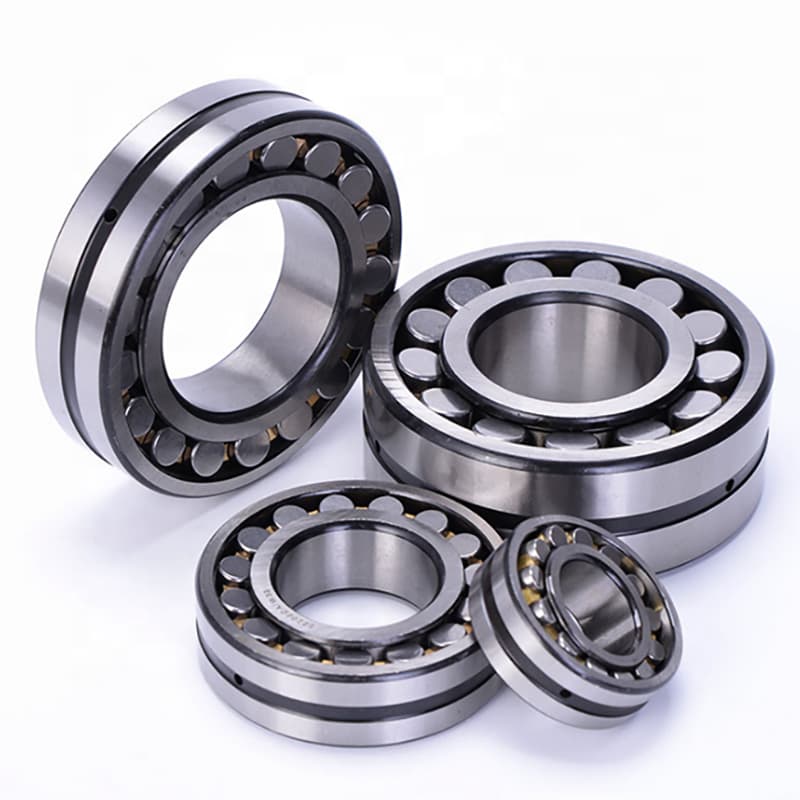
In my years of supplying bearings to continuous process industries, I’ve seen how the right maintenance strategy extends bearing life and reduces downtime. For a distributor like Rajesh in India, helping customers optimize maintenance builds long-term partnerships. Let’s explore what C 2216 K C3 means, compare SKF vs Timken, SKF vs NSK, and discuss which company is number one in bearings.
What is C 2216 K C3?
You see this designation in a maintenance manual. It looks like a code. Understanding it helps you order the right replacement and understand the bearing’s capabilities.
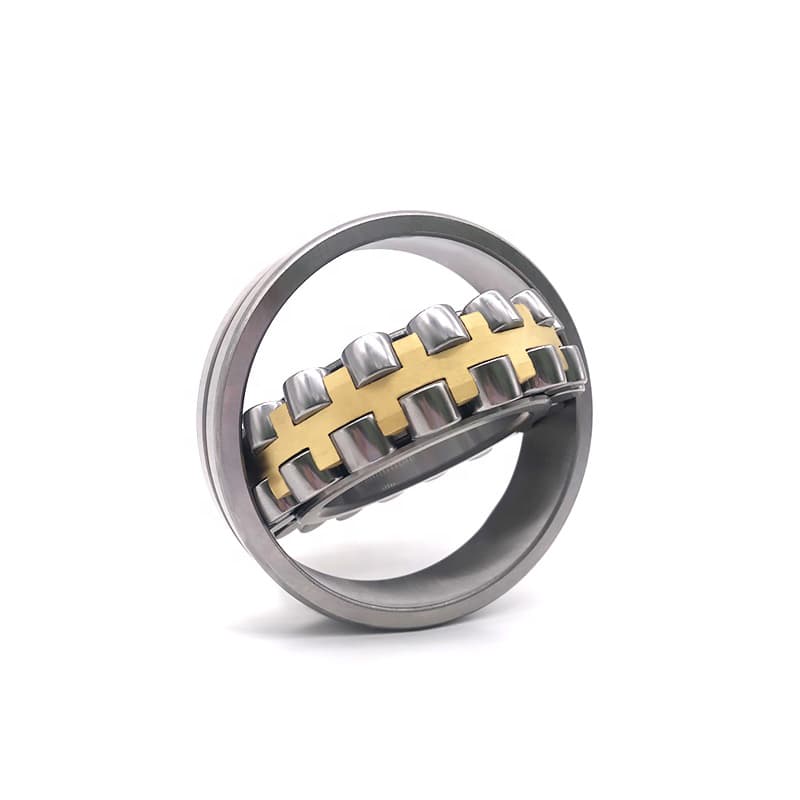
C 2216 K C3 is a specific bearing designation. C stands for CARB toroidal roller bearing1 (a special type). 2216 is the size series (22 series, 16 bore code: 16 x 5 = 80mm bore). K indicates a tapered bore2 (1:12 taper) for mounting on adapter sleeve3s. C3 indicates internal clearance larger than normal. This bearing is designed to accommodate axial displacement and misalignment, often used in paper machines, continuous casters, and other applications where shaft expansion occurs.
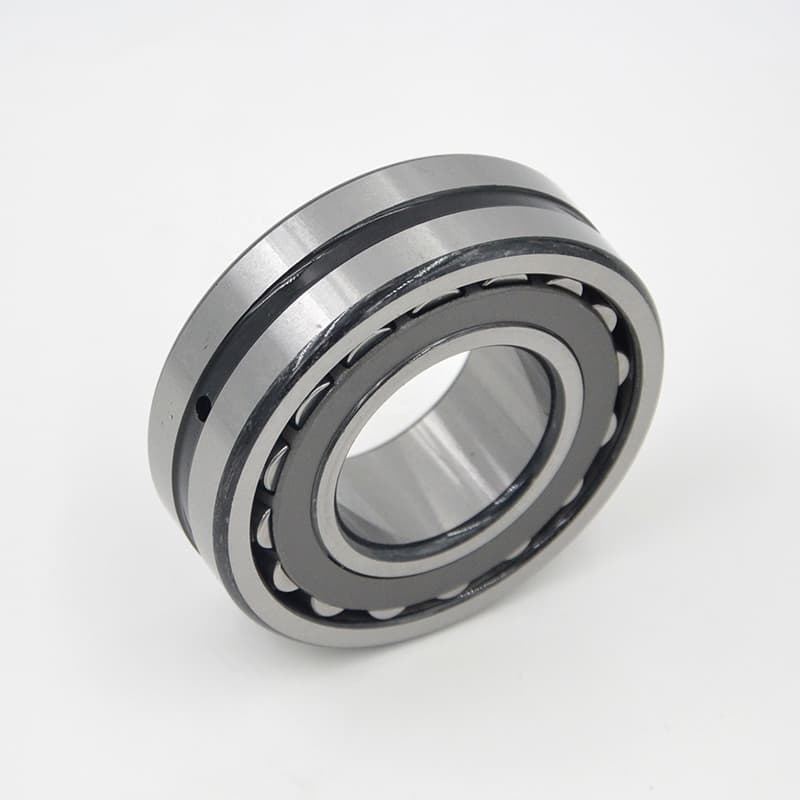
Let’s decode this fully.
Understanding the C 2216 K C3 Designation
| 1. Breaking Down the Code: | Part | Meaning | Explanation |
|---|---|---|---|
| C | CARB toroidal roller bearing1 | Special bearing type for axial displacement | |
| 22 | Series | 22 series dimensions | |
| 16 | Bore code | 16 x 5 = 80mm bore | |
| K | Tapered bore | 1:12 taper for mounting on adapter sleeve3 | |
| C3 | Clearance | Larger than normal internal clearance |
| 2. What is a CARB Bearing? | Feature | Description | Benefit |
|---|---|---|---|
| Toroidal rollers | Symmetrical, barrel-shaped rollers | Accommodate angular misalignment | |
| No internal axial guidance | Rollers can move axially | Allow shaft expansion | |
| Self-aligning | Like spherical roller bearings | Compensate for misalignment | |
| High radial capacity | Line contact | Heavy radial loads |
| 3. Typical Applications: | Industry | Application | Why CARB is Used |
|---|---|---|---|
| Paper mills | Dryer rolls (thermal expansion4) | Accommodates shaft growth | |
| Steel mills | Continuous casters | Handles thermal expansion4, misalignment | |
| Conveyors | Long shafts | Allows for temperature changes | |
| Wind turbines | Main shafts | Combines with spherical roller bearings |
| 4. Dimensions of C 2216 K C3: | Dimension | Value |
|---|---|---|
| Bore (tapered) | 80mm on taper (fits 1:12 sleeve) | |
| Outside diameter | 140mm | |
| Width | 33mm | |
| Dynamic load rating | Varies by manufacturer |
| 5. Mounting with K Taper: | Component | Function |
|---|---|---|
| Adapter sleeve | Mounts on straight shaft, provides tapered surface | |
| Locking nut | Forces bearing onto taper | |
| Tapered bore (K) | Slides onto sleeve, creates interference fit |
| 6. C3 Clearance Importance: | Reason | Explanation |
|---|---|---|
| Thermal expansion | Bearings in hot applications need extra space | |
| Interference fit | Tapered mounting reduces clearance | |
| Operating clearance | C3 ensures positive clearance at operating temp |
| 7. Common Variants: | Designation | Meaning |
|---|---|---|
| C 2216 K | CARB bearing, 80mm bore taper, normal clearance | |
| C 2216 K C3 | Same with C3 clearance5 | |
| C 2216 K C4 | Same with C4 clearance (very high temp) | |
| C 2216 V | CARB with special features |
My Insight on CARB Bearings:
When a customer asks for C 2216 K C3, I know they’re in a demanding application—likely paper or steel. These bearings solve the problem of shaft expansion while maintaining alignment. For a distributor like Rajesh, understanding this specialized bearing allows him to serve niche industrial markets. It’s not a high-volume item, but when a customer needs it, they need it right.
Which bearing is better, SKF1 or timken?
Your customer asks for a bearing recommendation. They want the best. Both SKF1 and Timken2 are respected names. Which one should you choose?
There is no universal "better" between SKF1 and Timken2. SKF1 (Swedish) is a full-line bearing manufacturer with exceptional breadth, strong in deep groove ball bearings3, spherical roller bearings, and condition monitoring4 technology. Timken2 (American) is the specialist in tapered roller bearings5, with deep expertise in metallurgy and applications like rolling mills6, heavy trucks, and aerospace. The "better" choice depends on your specific application: for tapered rollers, Timken2 is often preferred; for a wide range of general bearings, SKF1 is excellent.
Let’s compare them objectively.
Detailed Comparison: SKF1 vs. Timken2
| 1. Company Focus: | Aspect | SKF1 | Timken2 |
|---|---|---|---|
| Headquarters | Sweden | USA | |
| Founded | 1907 | 1899 | |
| Core strength | Full-line bearing manufacturer | Tapered roller bearing specialist | |
| Global presence | Extensive worldwide | Strong globally, especially Americas |
| 2. Product Strengths: | Product Type | SKF1 | Timken2 |
|---|---|---|---|
| Deep groove ball bearings | Excellent | Good, but not primary focus | |
| Tapered roller bearings | Good | Excellent (inventor of type) | |
| Spherical roller bearings | Excellent | Good | |
| Cylindrical roller bearings | Excellent | Good | |
| Condition monitoring | Leading (SKF1 Insight) | Available | |
| Seals and lubrication | Strong | Good |
| 3. Technology and Innovation: | Area | SKF1 | Timken2 |
|---|---|---|---|
| Metallurgy | Excellent | Excellent (especially tapered) | |
| Internal geometry | Advanced (Explorer class) | Advanced | |
| Sealing technology | Leading | Good | |
| Digital solutions | Strong (SKF1 Rotating Equipment Performance) | Developing |
| 4. Application Strengths: | Application | SKF1 | Timken2 |
|---|---|---|---|
| Electric motors | Excellent | Good | |
| Pumps and compressors | Excellent | Good | |
| Gearboxes | Excellent | Excellent | |
| Wheel bearings (auto) | Good | Excellent | |
| Rolling mills | Good | Excellent | |
| Mining equipment | Excellent | Excellent | |
| Aerospace | Good | Excellent | |
| Paper machines | Excellent | Good |
| 5. Price Positioning: | Aspect | SKF1 | Timken2 |
|---|---|---|---|
| Premium pricing | Yes | Yes | |
| Value positioning | Premium across all types | Premium, especially for tapered | |
| Cost competitiveness | Varies by region | Strong in Americas |
| 6. Distributor Network: | Region | SKF1 | Timken2 |
|---|---|---|---|
| Europe | Very strong | Good | |
| North America | Strong | Very strong | |
| Asia | Strong | Growing | |
| South America | Good | Strong | |
| Africa | Good | Developing |
| 7. Decision Guide: | If your priority is… | Consider leaning toward… |
|---|---|---|
| Tapered roller bearings | Timken2 (the specialist) | |
| Full-line supplier for multiple types | SKF1 | |
| Rolling mill applications | Timken2 (strong heritage) | |
| Electric motors, general industrial | SKF1 | |
| North American availability | Timken2 | |
| European availability | SKF1 | |
| Condition monitoring integration | SKF1 |
My Insight on SKF1 vs. Timken2:
I’ve supplied both brands over the years. They’re both excellent. The choice often comes down to application and regional preference. For a distributor like Rajesh in India, both are respected. If a customer specifically asks for Timken2 tapered rollers, we can source them. But for most general industrial applications, SKF1 is equally excellent. The "better" brand is the one that meets your specific needs with reliable quality and good support.
Is SKF1 better than NSK2?
Another common comparison. SKF1 and NSK2 are both global leaders. How do they stack up?
There is no definitive "better" between SKF1 and NSK2. SKF1 (Swedish) is known for its broad product range, strong R&D, and leadership in condition monitoring3 and sealing technology. NSK2 (Japanese) is renowned for exceptional precision, quality consistency, and strength in automotive and machine tool applications. SKF1 may have an edge in heavy industrial applications4 and Europe, while NSK2 excels in precision applications5 and Asia. Both produce world-class bearings.
Let’s compare them.
Detailed Comparison: SKF1 vs. NSK2
| 1. Company Focus: | Aspect | SKF1 | NSK2 |
|---|---|---|---|
| Headquarters | Sweden | Japan | |
| Founded | 1907 | 1916 | |
| Core strength | Full-line, innovation, condition monitoring3 | Precision, quality consistency, automotive | |
| Global presence | Very strong worldwide | Strong globally, especially Asia |
| 2. Product Strengths: | Product Type | SKF1 | NSK2 |
|---|---|---|---|
| Deep groove ball bearings | Excellent | Excellent | |
| Tapered roller bearings | Good | Excellent | |
| Spherical roller bearings | Excellent | Excellent | |
| Cylindrical roller bearings | Excellent | Excellent | |
| Angular contact ball bearings | Excellent | Excellent (strong in machine tools) | |
| Super-precision bearings | Excellent | Excellent (machine tool focus) |
| 3. Technology and Innovation: | Area | SKF1 | NSK2 |
|---|---|---|---|
| Metallurgy | Excellent | Excellent | |
| Internal geometry | Advanced (Explorer) | Advanced | |
| Sealing technology | Leading | Good | |
| Lubrication technology | Strong | Strong | |
| Noise/vibration control | Good | Excellent (low-noise specialists) |
| 4. Application Strengths: | Application | SKF1 | NSK2 |
|---|---|---|---|
| Electric motors | Excellent | Excellent | |
| Pumps and compressors | Excellent | Excellent | |
| Automotive OEM | Good | Excellent | |
| Machine tool spindles | Good | Excellent | |
| Industrial gearboxes | Excellent | Excellent | |
| Steel mills | Excellent | Good | |
| Railway | Good | Good |
| 5. Quality Philosophy: | Aspect | SKF1 | NSK2 |
|---|---|---|---|
| Quality approach | Engineering excellence | Precision manufacturing | |
| Consistency | Very good | Exceptional | |
| Innovation focus | System solutions, digital | Product performance, precision | |
| Manufacturing culture | Global standards | Japanese manufacturing discipline |
| 6. Regional Strengths: | Region | SKF1 | NSK2 |
|---|---|---|---|
| Europe | Very strong | Good | |
| North America | Strong | Strong | |
| Japan | Good | Very strong | |
| China/Asia | Strong | Very strong | |
| India | Strong | Growing |
| 7. Decision Guide: | If your priority is… | Consider leaning toward… |
|---|---|---|
| Ultra-low noise operation | NSK2 | |
| Machine tool precision | NSK2 | |
| Automotive OEM applications | NSK2 | |
| Heavy industrial, mining | SKF1 | |
| Condition monitoring integration | SKF1 | |
| European availability | SKF1 | |
| Asian availability | NSK2 |
My Insight on SKF1 vs. NSK2:
Both are top-tier manufacturers. In my experience, SKF1 has a slight edge in heavy industrial applications4 and system solutions. NSK2 has a slight edge in precision applications5 and manufacturing consistency. For a distributor like Rajesh in India, both are respected brands. The choice may come down to customer preference, availability, and price. The good news is that with either, you’re getting world-class quality.
Which company is no. 1 in bearing?
This is the ultimate question. Everyone wants to know who’s best. But in the bearing industry, "number one" depends on how you measure it.
There is no single "number one" bearing company. Different companies lead in different areas: SKF1 is often considered the global leader in terms of revenue, brand recognition, and product breadth. Schaeffler (FAG/INA)2 is a close competitor, especially in Europe and automotive. NSK3 and NTN lead in Japan and precision applications. Timken4 is the leader in tapered roller bearings. JTEKT (KOYO)5 is strong in automotive. The "number one" for you depends on your specific application, region, and needs.
Let’s look at the leaders by different measures.
The Leaders by Different Metrics
| 1. By Global Market Share (Approximate): | Rank | Company | Market Share | Notes |
|---|---|---|---|---|
| 1 | Schaeffler (FAG/INA)2 | ~15-16% | Strong in automotive and industrial | |
| 2 | SKF1 | ~14-15% | Global leader in brand recognition | |
| 3 | NSK3 | ~10-11% | Strong in Asia and precision | |
| 4 | NTN | ~9-10% | Strong in automotive | |
| 5 | JTEKT (KOYO)5 | ~8-9% | Strong in automotive | |
| 6 | Timken4 | ~6-7% | Leader in tapered roller |
(Note: Market share figures vary by source and year.)
| 2. By Application Area: | Area | Leader | Why |
|---|---|---|---|
| Tapered roller bearings | Timken4 | Inventor and specialist | |
| Automotive OEM | NSK3, NTN, JTEKT, Schaeffler | Deep automotive roots | |
| Machine tool spindles | NSK3, SKF1 | Precision manufacturing | |
| Heavy industrial | SKF1, Schaeffler | Broad product lines | |
| Condition monitoring6 | SKF1 | Leader in smart bearings | |
| Aerospace | Timken4, SKF1 | High-reliability bearings |
| 3. By Region: | Region | Strongest Players |
|---|---|---|
| Europe | SKF1, Schaeffler (FAG/INA)2 | |
| North America | Timken4, SKF1, NSK3 | |
| Japan | NSK3, NTN, JTEKT | |
| China | Local manufacturers growing, global players present | |
| India | Global players + local manufacturers |
| 4. By Technology Leadership: | Technology | Leader |
|---|---|---|
| Metallurgy | All top-tier players | |
| Sealing technology | SKF1 | |
| Low-noise bearings | NSK3 | |
| Digital/IIoT solutions7 | SKF1 | |
| Ultra-precision | NSK3, SKF1 |
| 5. The "Number One" for Different Buyers: | Buyer Type | Their "Number One" Might Be… |
|---|---|---|
| Large multinational OEM | The supplier with global support (SKF1, Schaeffler, NSK3) | |
| Automotive manufacturer | The specialist with automotive focus (NSK3, NTN, Schaeffler) | |
| Steel mill | The supplier with heavy industrial expertise (SKF1, Timken4) | |
| Machine tool builder | The precision specialist (NSK3, SKF1) | |
| Distributor in India | The brand their customers trust and can afford (may be global or quality local) |
| 6. The Role of Quality Manufacturers (Like FYTZ): | Position | Role |
|---|---|---|
| Global leaders | Set standards, innovate, serve top-tier applications | |
| Quality manufacturers8 | Provide excellent quality at competitive prices for broad industrial use | |
| Value proposition | For distributors like Rajesh, we offer the best balance of quality and cost |
My Insight on "Number One":
After years in this industry, I’ve learned that "number one" is subjective. For a critical aerospace application, Timken4 might be number one. For a high-volume automotive line, NSK3 might be number one. For a general industrial distributor in India, a quality manufacturer like FYTZ might be number one for their business model. The key is finding the supplier that meets your specific needs for quality, price, and reliability. For Rajesh, that might mean offering a mix: premium brands for demanding customers, and our bearings for value-conscious buyers. That’s a winning strategy.
Conclusion
Optimizing maintenance intervals for spherical roller bearings in continuous lines requires understanding bearing designations like C 2216 K C3, selecting the right brand for your application (SKF, Timken, NSK, or others), and implementing condition-based maintenance. The "number one" bearing company depends on your specific needs. With the right knowledge and strategy, you can maximize uptime and minimize costs.
-
Explore how SKF’s innovation and brand recognition set them apart in the bearing industry. ↩ ↩ ↩ ↩ ↩ ↩ ↩ ↩ ↩ ↩ ↩ ↩ ↩ ↩ ↩ ↩ ↩ ↩ ↩ ↩ ↩ ↩ ↩ ↩ ↩ ↩ ↩ ↩ ↩ ↩ ↩ ↩ ↩ ↩ ↩ ↩ ↩ ↩ ↩ ↩ ↩ ↩ ↩ ↩ ↩ ↩ ↩ ↩ ↩ ↩ ↩ ↩ ↩
-
Discover Schaeffler’s strengths in automotive and industrial applications that make them a top choice. ↩ ↩ ↩ ↩ ↩ ↩ ↩ ↩ ↩ ↩ ↩ ↩ ↩ ↩ ↩ ↩ ↩ ↩ ↩ ↩ ↩ ↩ ↩ ↩ ↩ ↩ ↩ ↩ ↩ ↩ ↩ ↩ ↩ ↩ ↩ ↩ ↩ ↩
-
Learn about NSK’s precision and market presence, especially in Asia and automotive sectors. ↩ ↩ ↩ ↩ ↩ ↩ ↩ ↩ ↩ ↩ ↩ ↩ ↩ ↩ ↩ ↩ ↩
-
Understand why Timken is considered the specialist and inventor in tapered roller bearings. ↩ ↩ ↩ ↩ ↩ ↩ ↩ ↩ ↩ ↩ ↩ ↩
-
Find out how JTEKT’s focus on automotive applications makes them a strong player. ↩ ↩ ↩ ↩ ↩ ↩
-
Explore how condition monitoring enhances bearing performance and reliability. ↩ ↩
-
Discover the impact of digital solutions on efficiency and innovation in bearings. ↩
-
Learn how quality manufacturers balance cost and quality to meet diverse industrial needs. ↩