
You have three quotations on your desk. The prices vary widely. One supplier offers faster delivery. Another includes free samples. Which one do you choose? The lowest price isn’t always the best value.
To compare quotations for pillow block bearings effectively, create a comparison matrix evaluating: price per unit (including shipping and duties), specifications (dimensions, material, seals, clearance), quality certifications (ISO 9001, test reports), lead time and delivery reliability, payment terms, MOQ flexibility, warranty, after-sales support, and supplier reputation. Look beyond the bottom line to understand total cost of ownership and risk.
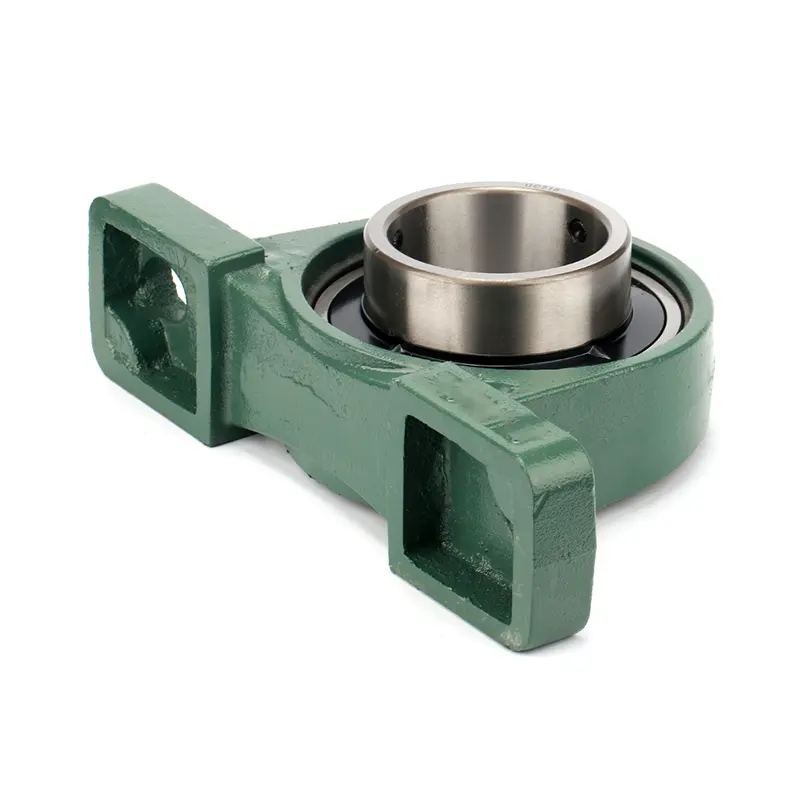
In my years of working with distributors worldwide, I’ve seen that the best quote is not always the cheapest. For a client like Rajesh in India, making the right choice among suppliers affects his profitability and reputation. Let’s explore how to compare quotes from different vendors, select the right pillow block size, and determine which brand is best for bearings.
How to compare quotes of two vendors?
You have quotes from two suppliers. Both offer pillow block bearings. One is cheaper. The other promises better quality. How do you make an objective decision?
To compare quotes from two vendors, create a structured comparison that goes beyond price. Evaluate: product specifications1 (do they match exactly?), quality certifications2 (ISO, test reports), price breakdown3 (including shipping, insurance, duties), payment terms4 (L/C, T/T, credit), lead time5 and delivery reliability, MOQ flexibility, warranty6 and return policy, technical support, and supplier reputation7. Assign weights to each factor based on your priorities, then score each vendor to make an objective decision.
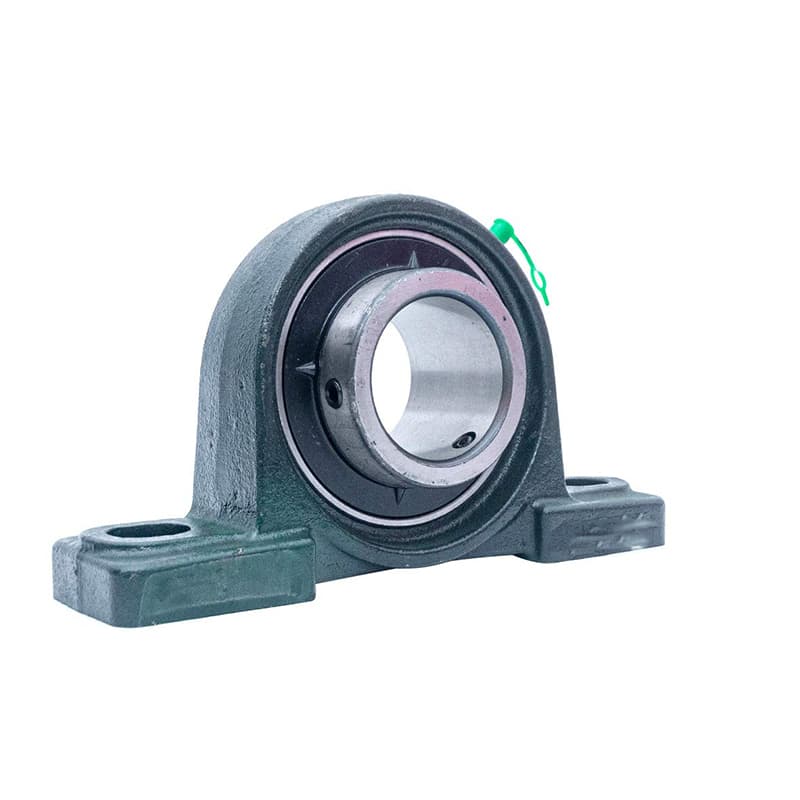
A systematic approach prevents emotional decisions.
A Structured Vendor Comparison Framework
| 1. Create a Comparison Matrix: | Criteria | Weight (%) | Vendor A | Vendor B | Notes |
|---|---|---|---|---|---|
| Price per unit | 25 | Include all costs | |||
| Specifications match | 20 | Exact or equivalent? | |||
| Quality certifications | 15 | ISO, test reports | |||
| Lead time | 10 | Weeks to delivery | |||
| Payment terms | 10 | L/C, T/T, credit | |||
| MOQ flexibility | 5 | Can they meet your order size? | |||
| Warranty | 5 | Coverage period | |||
| After-sales support | 5 | Technical help, returns | |||
| Supplier reputation | 5 | References, history | |||
| Total | 100 |
2. Detailed Evaluation Criteria:
| Criteria | What to Check | Why It Matters |
|---|---|---|
| Price per unit | Compare FOB, CIF, or delivered price. Include all costs: shipping, insurance, duties, bank charges. | The true cost, not just the quoted price. |
| Specifications match | Do both quotes specify the exact same bearing? Same dimensions, material, seals, clearance? | Apples-to-apples comparison requires identical specs. |
| Quality certifications | ISO 9001? Test reports available? Material certificates? | Verifies that quality claims are backed by systems. |
| Lead time | How many days from order to delivery? Is this guaranteed? | Affects your inventory planning and customer commitments. |
| Payment terms | L/C at sight? T/T in advance? Credit terms? | Impacts your cash flow and risk. |
| MOQ flexibility | Can they accept your order quantity? Is there a penalty for smaller orders? | Important for trial orders or varied inventory. |
| Warranty | What is covered? For how long? Process for claims? | Protects you against defects. |
| After-sales support | Do they provide technical assistance? Easy returns? | Important when problems arise. |
| Supplier reputation | How long in business? References? Online reviews? | Predicts future reliability. |
| 3. Beyond the Matrix: Qualitative Factors: | Factor | Questions to Ask |
|---|---|---|
| Communication | Are they responsive? Do they answer questions clearly? | |
| Flexibility | Willing to negotiate on terms? | |
| Long-term potential | Could this grow into a strategic partnership? | |
| Cultural fit | Do you share similar business values? |
| 4. Red Flags to Watch For: | Red Flag | Concern |
|---|---|---|
| Price too low | May indicate inferior quality or hidden costs. | |
| Vague specifications | "Equivalent to" without details is risky. | |
| No certifications | Quality may be inconsistent. | |
| Extremely short lead time5 | May indicate stock of questionable origin. | |
| Unwilling to provide samples | Hiding quality issues? | |
| Poor communication | Future problems will be harder to resolve. |
| 5. Making the Final Decision: | Step | Action |
|---|---|---|
| 1. Score each vendor | Use your weighted matrix. | |
| 2. Consider total cost | Not just price, but total cost of ownership. | |
| 3. Check references | Call existing customers if possible. | |
| 4. Request samples | Verify quality before large orders. | |
| 5. Negotiate | Use the comparison to negotiate better terms. | |
| 6. Start small | Trial order before committing to volume. |
My Insight on Vendor Comparison:
When I receive an inquiry from a potential distributor, I know they are comparing us to others. I welcome that. A professional buyer does their homework. For a distributor like Rajesh, taking the time to compare systematically—not just on price—protects his business. I’ve seen too many buyers choose the cheapest quote only to receive poor quality bearings that damage their reputation. The matrix approach ensures that all factors are considered, not just the price. It’s a tool for smart procurement.
How to compare two quotations?
You have two quotations that look similar. But are they really the same? Comparing quotations requires a systematic approach to ensure you’re comparing apples to apples.
To compare two quotations, follow these steps: 1) Verify specifications1 are identical or clearly defined. 2) Calculate total landed cost including price, shipping, insurance, duties, and bank charges. 3) Evaluate payment terms2 and their impact on cash flow. 4) Assess lead time3 and reliability. 5) Check quality assurances4 (certifications, test reports). 6) Consider after-sales support5 and warranty. 7) Review supplier reputation6 and references. 8) Factor in MOQ flexibility7 and sample availability. Then make a weighted decision based on your priorities.
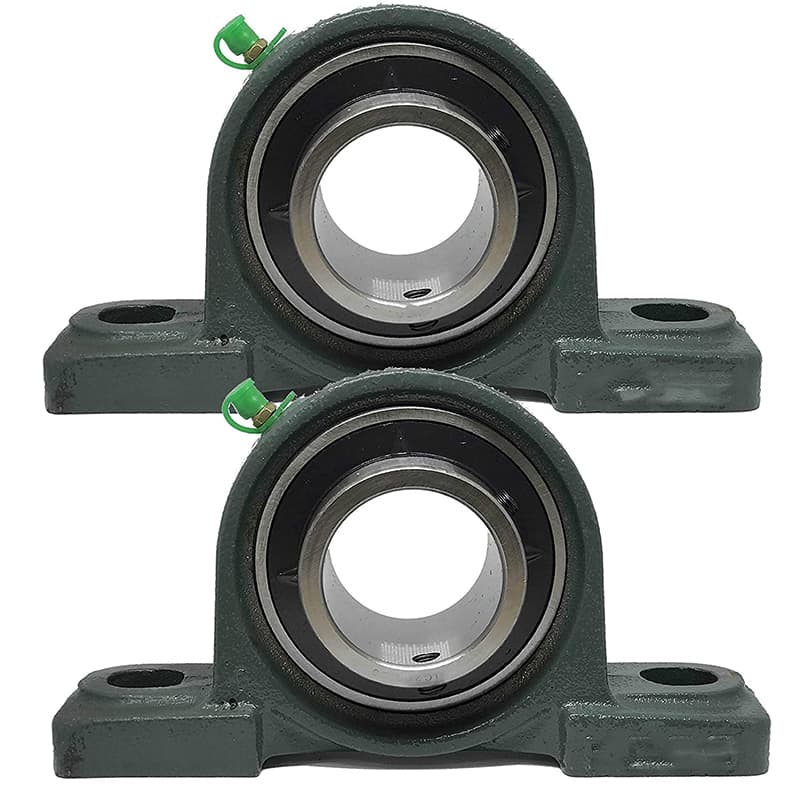
Let’s break down each step.
Step-by-Step Quotation Comparison
| Step 1: Verify Specifications Are Comparable | Aspect | What to Check |
|---|---|---|
| Bearing type | Same series (UCP 208 vs. UCP 208)? | |
| Material | Cast iron housing? Stainless steel? | |
| Insert bearing | Same quality? C3 clearance? Seals? | |
| Mounting dimensions | Bolt hole spacing, height to center? | |
| Accessories | Grease fittings included? Locking collars? |
| Step 2: Calculate Total Landed Cost | Cost Component | Quotation A | Quotation B |
|---|---|---|---|
| Unit price | $10.00 | $9.50 | |
| Shipping per unit | $1.00 | $1.50 | |
| Insurance | $0.10 | $0.10 | |
| Estimated duty | $0.50 | $0.50 | |
| Bank charges | $0.05 | $0.05 | |
| Total landed cost per unit | $11.65 | $11.65 |
In this example, the lower unit price is offset by higher shipping, making the total cost equal.
| Step 3: Evaluate Payment Terms | Term | Quotation A | Quotation B | Impact |
|---|---|---|---|---|
| Payment method | T/T 30% deposit, 70% before shipment | L/C at sight | L/C adds bank fees and ties up credit line. | |
| Credit terms | None | 30 days after shipment | Improves cash flow for B. | |
| Deposit required | 30% | None | Less risk with B. |
| Step 4: Assess Lead Time and Reliability | Factor | Quotation A | Quotation B |
|---|---|---|---|
| Quoted lead time | 30 days | 45 days | |
| On-time delivery history | Unknown | Good references | |
| Penalty for delay | None | None | |
| Shipping method | Sea freight | Sea freight |
| Step 5: Check Quality Assurances | Factor | Quotation A | Quotation B |
|---|---|---|---|
| ISO 9001 certified | Yes | Yes | |
| Test reports available | On request | Included with shipment | |
| Material certificates | Extra cost | Included | |
| Sample policy | Free samples, buyer pays shipping | Free samples, supplier pays shipping |
| Step 6: Consider After-Sales Support | Factor | Quotation A | Quotation B |
|---|---|---|---|
| Warranty | 12 months | 18 months | |
| Return policy | 30 days | 60 days | |
| Technical support | Email only | Phone and email | |
| Local representative | No | Yes, in your country |
| Step 7: Review Supplier Reputation | Factor | Quotation A | Quotation B |
|---|---|---|---|
| Years in business | 5 | 15 | |
| References | None provided | Three customer references | |
| Online reviews | Mixed | Mostly positive | |
| Communication | Slow responses | Quick, clear answers |
| Step 8: Make Weighted Decision | Criteria | Weight | A Score | A Weighted | B Score | B Weighted |
|---|---|---|---|---|---|---|
| Total landed cost | 30% | 8 | 2.4 | 8 | 2.4 | |
| Payment terms | 15% | 6 | 0.9 | 9 | 1.35 | |
| Lead time | 15% | 9 | 1.35 | 7 | 1.05 | |
| Quality assurances | 20% | 7 | 1.4 | 9 | 1.8 | |
| After-sales support | 10% | 5 | 0.5 | 9 | 0.9 | |
| Supplier reputation | 10% | 6 | 0.6 | 9 | 0.9 | |
| Total | 100% | 7.15 | 8.4 |
My Insight on Quotation Comparison:
The cheaper quote isn’t always cheaper in the end. A supplier with better payment terms, stronger quality assurances, and reliable after-sales support may save you money in the long run through fewer problems and better service. For a distributor like Rajesh, taking the time to do this systematic comparison—even for a simple pillow block bearing—builds a foundation of reliable suppliers. The effort pays off in fewer headaches and more satisfied customers.
How do you select the right pillow block size?
You have a shaft and a mounting surface. How do you choose the correct pillow block size? Getting this right is essential for proper fit and function.
To select the right pillow block size: 1) Measure the shaft diameter1 where the bearing will mount. This determines the bearing insert size (e.g., 40mm shaft = UCP 208). 2) Check the bolt hole spacing2 on your mounting surface. Standard pillow blocks have specific center distances for each size. 3) Verify the height from base to shaft center3 to ensure alignment with other components. 4) Consider the load4—select a series (light, medium, heavy) that matches your application. 5) Choose the housing style5 (2-bolt pillow block, 4-bolt flange, etc.) based on mounting orientation.
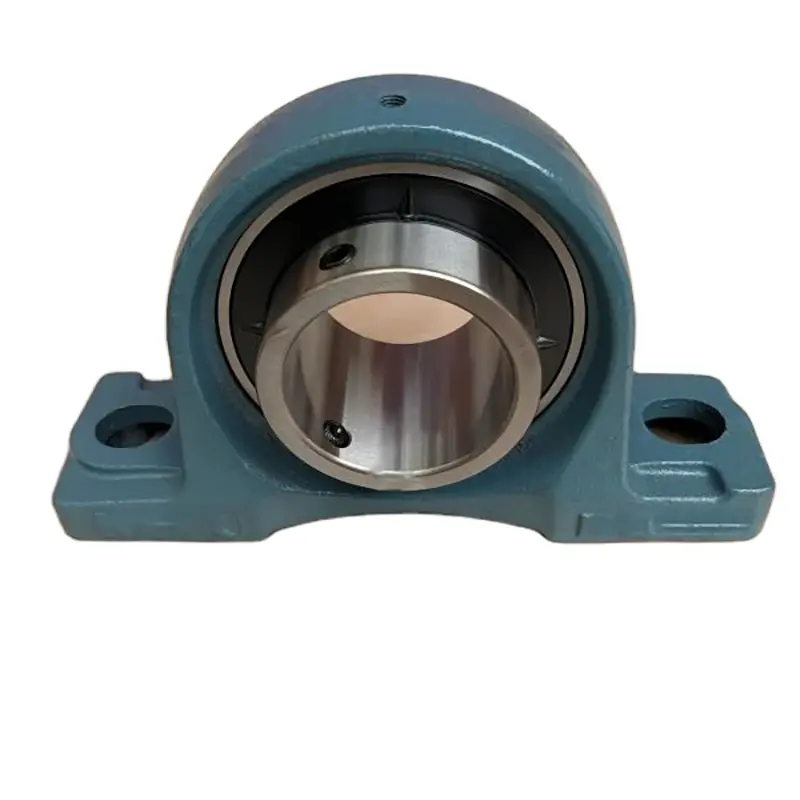
Size selection is a systematic process.
Step-by-Step Pillow Block Sizing Guide
| Step 1: Measure Shaft Diameter | Shaft Diameter | UCP Size (Example) |
|---|---|---|
| 20 mm | UCP 204 | |
| 25 mm | UCP 205 | |
| 30 mm | UCP 206 | |
| 35 mm | UCP 207 | |
| 40 mm | UCP 208 | |
| 45 mm | UCP 209 | |
| 50 mm | UCP 210 |
Note: For UCP series, the last two digits of the size code × 5 = shaft diameter in mm (for sizes 04 and above).
| Step 2: Check Bolt Hole Spacing | UCP Size | Bolt Hole Center Distance (J) | Typical Bolt Size |
|---|---|---|---|
| UCP 204 | 113 mm | M10 | |
| UCP 205 | 119 mm | M10 | |
| UCP 206 | 134 mm | M12 | |
| UCP 207 | 141 mm | M12 | |
| UCP 208 | 159 mm | M14 | |
| UCP 209 | 159 mm | M14 | |
| UCP 210 | 172 mm | M16 |
Measure the distance between existing mounting holes on your machine. This must match the pillow block’s bolt hole spacing.
| Step 3: Verify Height to Center | UCP Size | Height to Center (H) |
|---|---|---|
| UCP 204 | 33.3 mm | |
| UCP 205 | 36.5 mm | |
| UCP 206 | 42.9 mm | |
| UCP 207 | 47.6 mm | |
| UCP 208 | 49.2 mm | |
| UCP 209 | 54.0 mm | |
| UCP 210 | 57.2 mm |
This dimension ensures your shaft is at the correct height relative to the mounting surface. If replacing an existing unit, measure the old one.
| Step 4: Consider Load Requirements | Load Level | Recommended Series | Example |
|---|---|---|---|
| Light to moderate | UCP 200 series (ball bearing insert) | Conveyors, fans | |
| Heavy or shock loads | SBP series (spherical roller bearing insert) | Crushers, heavy conveyors | |
| Corrosive environment | Stainless steel housing | Food processing, marine |
| Step 5: Choose Housing Style | Style | Application | Example |
|---|---|---|---|
| Pillow block (2-bolt) | Base mounting on horizontal surface | UCP | |
| Square flange (4-bolt) | Mounting against vertical surface | UCF | |
| Oval flange (4-bolt) | Where space is limited | UCFL | |
| Take-up unit | Conveyor tensioning | UCT |
| Step 6: Consider Special Features | Feature | When Needed |
|---|---|---|
| C3 clearance6 | High-temperature applications | |
| Relubrication capability7 | Where maintenance access is available | |
| Special seals | Dirty or wet environments | |
| Locking collar | For eccentric locking (vs. set screws) |
Step 7: Verify with Manufacturer’s Data
Always consult the manufacturer’s dimension sheet for the exact specifications of the pillow block you’re considering. Dimensions can vary slightly between manufacturers, even for standard sizes.
My Insight on Size Selection:
The most common mistake I see is choosing based on shaft size only. A customer measures a 40mm shaft and orders a UCP 208, only to find the bolt holes don’t line up. Always measure the mounting pattern. If you’re replacing an existing unit, the easiest method is to read the size off the old housing (e.g., UCP 208) and order the same. For new installations, measure carefully. For a distributor like Rajesh, helping customers with size selection is a value-added service. A few minutes of guidance can prevent a wrong order and a frustrated customer.
Which brand is best for bearings?
You’re comparing quotes from different suppliers. Each claims their brand is best. How do you decide? The question of "best" brand depends on your specific needs and priorities.
There is no single "best" brand for all applications. The choice depends on: application requirements1 (precision, load, speed), budget2, availability, technical support3, and supplier relationship4. Global premium brands like SKF, Timken, NSK, and FAG offer top-tier quality, extensive engineering support5, and global warranties, but at premium prices. Quality manufacturers like FYTZ Bearing offer excellent reliability, ISO-certified quality6, and competitive pricing7, making them the best value for many distributors and industrial applications. The "best" brand is the one that meets your specific needs at a fair price.

Let’s break down the options.
A Framework for Choosing the Best Brand
| 1. Global Premium Brands: | Brand | Strengths | Considerations |
|---|---|---|---|
| SKF (Sweden) | Global leader, extensive R&D, wide product range, strong technical support3. | Premium pricing. | |
| Timken (USA) | Tapered roller bearing specialist, excellent quality, strong in heavy industry. | Premium pricing, focused on tapered rollers. | |
| NSK (Japan) | Exceptional precision, strong in automotive and machine tools. | Premium pricing. | |
| FAG/Schaeffler (Germany) | High-quality engineering, broad range, strong in industrial applications. | Premium pricing. | |
| NTN (Japan) | Reliable quality, strong in automotive and industrial. | Premium pricing. |
| 2. Quality Value Brands (Like FYTZ Bearing): | Brand | Strengths | Considerations |
|---|---|---|---|
| FYTZ Bearing | ISO-certified quality6, competitive pricing7, OEM/ODM customization, direct factory relationship, strong in emerging markets. | May not have the same brand recognition as global giants. |
| 3. When to Choose Which: | Your Priority | Best Brand Category | Why |
|---|---|---|---|
| Ultimate quality, global warranty, engineering support5 | Global premium | For critical applications where cost is secondary. | |
| Best value, reliable quality, competitive pricing7 | Quality value (like FYTZ) | For general industrial applications, distributors, cost-conscious buyers. | |
| Lowest price, no quality concerns | Economy brands (caution) | Risk of inconsistent quality, short life. |
| 4. Factors to Consider in Brand Selection: | Factor | Questions to Ask |
|---|---|---|
| Application criticality | Is failure safety-critical? Will downtime cost a fortune? | |
| Budget | What is your target cost? | |
| Availability | Is the brand readily available in your region? | |
| Technical support | Do you need engineering assistance? | |
| Warranty requirements | Does your customer require a specific brand? | |
| Long-term relationship | Are you building a partnership or buying once? |
| 5. Testing a New Brand: If considering a new brand like FYTZ, take these steps: |
Step | Action |
|---|---|---|
| 1. Request samples | Test quality before committing. | |
| 2. Check certifications | Verify ISO 9001, test reports. | |
| 3. Visit the factory | If possible, see operations firsthand. | |
| 4. Start with trial order8 | Small quantity to verify consistency. | |
| 5. Get references | Talk to existing customers. |
My Insight on Brand Selection:
For a distributor like Rajesh, the "best" brand is not the same for every customer. For a premium customer who insists on SKF, he may source that. But for the majority of his business—general industrial, automotive aftermarket, local repair shops—a quality value brand like FYTZ offers the perfect balance of reliability and affordability. The key is knowing which brand to recommend for which application. A bearing that’s "best" for a mining conveyor may be different from one "best" for a small fan. Understanding this nuance is what makes a distributor a trusted advisor, not just a parts seller.
Conclusion
Comparing quotations for pillow block bearings requires a systematic approach beyond just price. Evaluate specifications, total landed cost, payment terms, lead time, quality assurances, after-sales support, and supplier reputation. Select the right size based on shaft diameter, bolt hole spacing, and height to center. Choose the brand that best matches your application needs, budget, and long-term goals. With careful comparison, you’ll select a supplier that delivers value, not just a low price.
-
Understanding application requirements is crucial for choosing the right bearings for your needs. ↩ ↩ ↩ ↩
-
Setting a budget helps in narrowing down options and finding the best value for your investment. ↩ ↩ ↩ ↩
-
Technical support can significantly impact the performance and longevity of your bearings. ↩ ↩ ↩ ↩ ↩
-
A strong supplier relationship can lead to better pricing, support, and reliability. ↩ ↩ ↩ ↩
-
Engineering support can help optimize your application and ensure the right bearing choice. ↩ ↩ ↩ ↩ ↩ ↩
-
ISO certification ensures that the bearings meet international quality standards, enhancing reliability. ↩ ↩ ↩ ↩ ↩
-
Understanding pricing factors can help you find the best deals without compromising quality. ↩ ↩ ↩ ↩ ↩ ↩
-
A trial order allows you to assess quality and performance before making a larger commitment. ↩