
Your production line stops. A machine fails. Every minute of downtime costs money. The cause is often a small component—a bearing that couldn’t handle the load. The solution is not just any bearing, but the right bearing.
Premium tapered roller bearings reduce downtime by providing superior reliability under heavy combined loads. Their robust design, precision manufacturing, and high-quality materials ensure long service life even in demanding conditions. With proper selection and installation, they minimize unexpected failures, extend maintenance intervals, and keep your equipment running longer.
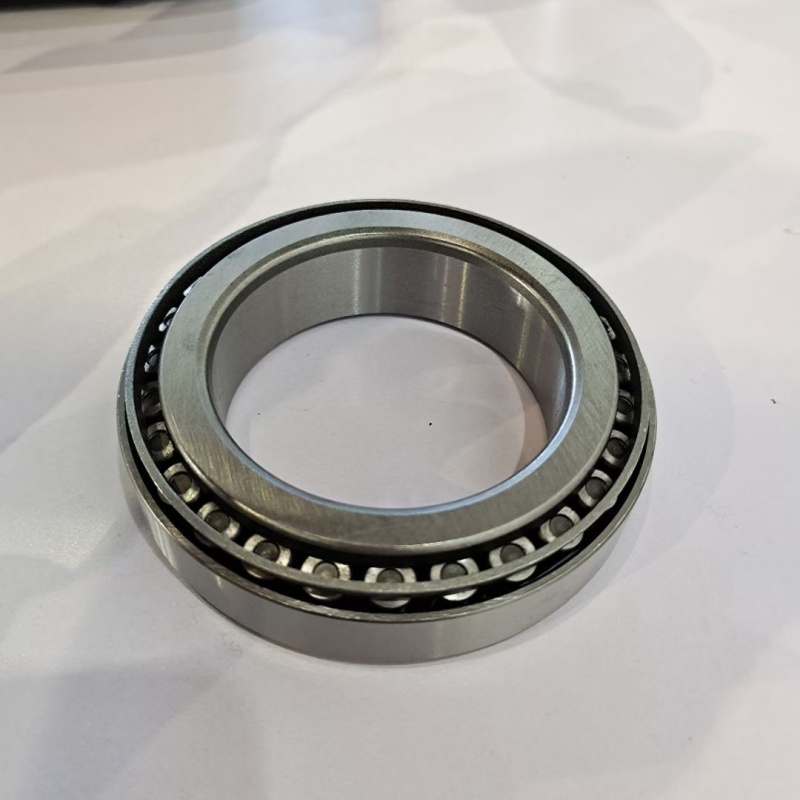
In my years of supplying bearings to industries worldwide, I’ve seen how the right bearing choice transforms maintenance schedules. For a distributor like Rajesh in India, helping customers reduce downtime is the ultimate value proposition. Let’s explore what tapered bearings are, what they reduce, how to adjust them, and where they are used.
What are tapered bearings?
You need a bearing for a heavy-duty application. The specification calls for "tapered bearings." What exactly are they? Understanding the basic definition is the first step to appreciating their value.
Tapered bearings, more accurately called tapered roller bearings1, are anti-friction bearings designed to support both radial (perpendicular to the shaft) and axial (parallel to the shaft) loads simultaneously. They consist of four main components: the cone (inner ring), the cup (outer ring), tapered rollers, and a cage that spaces the rollers. The tapered geometry of the rollers and raceways allows them to handle combined loads efficiently.
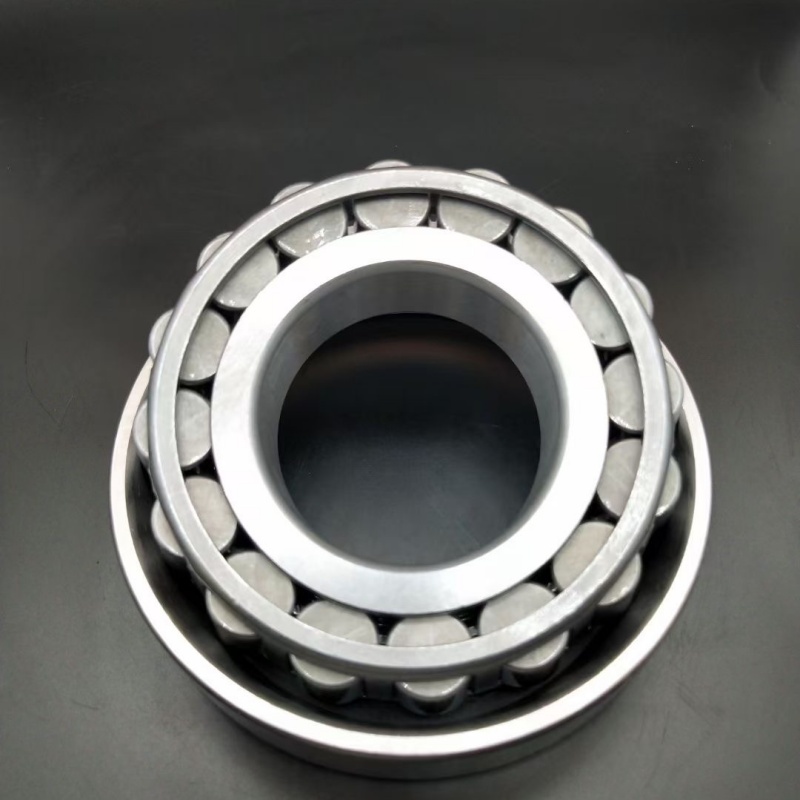
The tapered design is what makes them special.
The Anatomy of a Tapered Bearing
| 1. The Four Key Components: | Component | Description | Function |
|---|---|---|---|
| Cone (inner ring) | The inner ring that fits onto the shaft. It has tapered raceways and usually includes a flange (rib) that guides the rollers. | Rotates with the shaft, provides inner raceway. | |
| Cup (outer ring) | The outer ring that fits into the housing. It has a tapered raceway. | Stationary (usually), provides outer raceway. | |
| Tapered rollers | Cone-shaped rolling elements. | Carry the load between cone and cup. | |
| Cage | Spaces and guides the rollers. | Prevents roller-to-roller contact, ensures even spacing. |
2. The Tapered Geometry:
The key principle: If you extend the lines of the tapered roller’s surface and the tapered raceways, they all meet at a common point on the bearing’s centerline. This ensures pure rolling motion and allows the bearing to handle combined loads.
| 3. Why "Tapered" Matters for Downtime Reduction: | Feature | How It Reduces Downtime |
|---|---|---|
| Combined load capacity | One bearing handles both radial and axial loads, simplifying design and reducing potential failure points. | |
| Line contact | Distributes load over larger area, extending fatigue life. | |
| Adjustability | Allows setting optimal clearance, preventing both looseness and overheating. | |
| Separability | Eases mounting and inspection, reducing maintenance time. | |
| Robust construction | Withstands shock loads that would destroy other bearing types. |
| 4. Premium Features for Reliability: | Feature | Benefit |
|---|---|---|
| Case-hardened steel | Tough, wear-resistant surface with ductile core for shock absorption. | |
| Precision-ground rollers | Consistent size ensures even load distribution. | |
| Optimized roller profile | Slight crowning prevents edge loading. | |
| High-quality cages | Machined brass for heavy-duty applications, pressed steel for standard. | |
| Advanced seals | Keep contaminants out, lubricant in. |
My Insight on Tapered Bearings:
When a customer asks for a bearing for a tough application, tapered bearings are often the answer. Their design is inherently robust. But "premium" means more than just the basic design. It means precision manufacturing, quality materials, and rigorous inspection. For a distributor like Rajesh, offering premium tapered bearings means his customers experience fewer failures, less downtime, and lower maintenance costs. That’s the value proposition that builds long-term relationships.
What are bearings used to reduce?
Bearings are simple components, but their purpose is profound. What do they actually reduce in a mechanical system? Understanding this helps you appreciate why bearing quality matters so much.
Bearings are used to reduce friction1 between moving parts, allowing smooth rotation with minimal energy loss. This reduction in friction1 leads to reduced heat generation2, reduced wear3, reduced power consumption4, and reduced maintenance requirements5. In essence, bearings reduce the costs associated with motion—energy costs, repair costs, and downtime costs6.
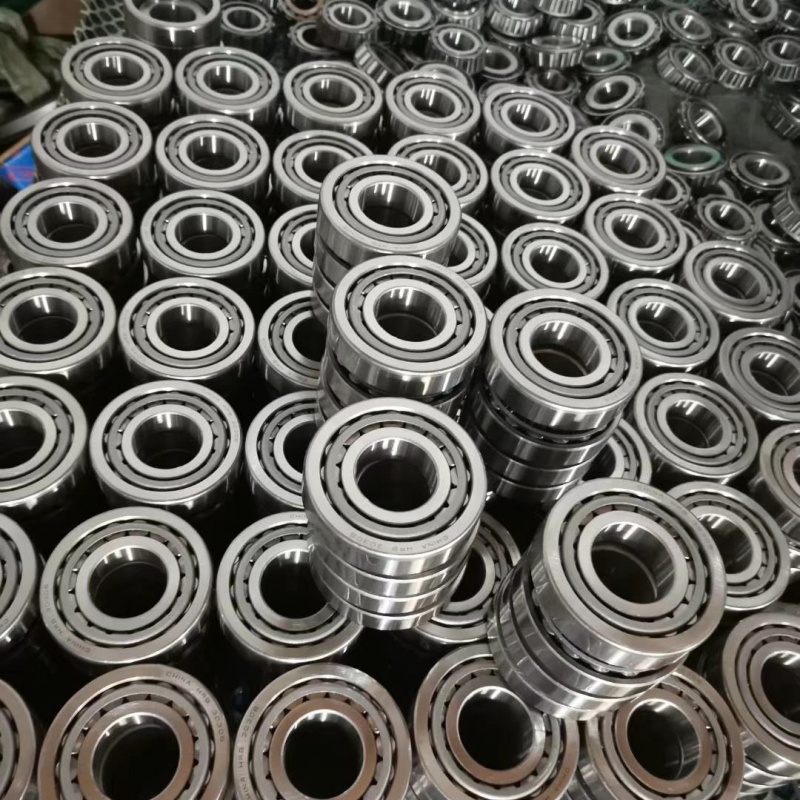
Every reduction translates to a business benefit.
What Bearings Reduce: A Detailed Breakdown
| 1. Friction Reduction: | Type of Friction | Without Bearings | With Bearings | Benefit |
|---|---|---|---|---|
| Sliding friction1 | High resistance, rapid wear3 | Low rolling resistance | Less energy needed, longer life | |
| Starting friction1 | Very high (stiction) | Low | Easier to start machines | |
| Running friction1 | High heat generation2 | Minimal | Cooler operation |
| 2. Heat Reduction: | Heat Source | Without Good Bearings | With Premium Bearings |
|---|---|---|---|
| Friction | High heat, energy wasted as thermal loss | Minimal heat, more energy to productive work | |
| Lubricant breakdown | Heat accelerates degradation | Cooler operation extends lubricant life | |
| Thermal expansion | Can cause seizure | Controlled expansion with proper clearance |
| 3. Wear Reduction: | Wear Type | Without Bearings | With Bearings |
|---|---|---|---|
| Abrasive wear3 | Surfaces grind against each other | Rolling elements prevent contact | |
| Adhesive wear3 | Metal-to-metal contact causes galling | Lubricated rolling interface | |
| Fatigue wear3 | Rapid progression | Controlled, predictable fatigue life |
| 4. Power Consumption Reduction: | Application | Power Loss Without Good Bearings | Power Loss With Premium Bearings |
|---|---|---|---|
| Electric motor | 5-10% of input power | 1-2% of input power | |
| Gearbox | Significant friction1al losses | Optimized efficiency | |
| Conveyor | High starting torque | Lower ongoing power demand |
| 5. Maintenance Reduction: | Maintenance Activity | Without Premium Bearings | With Premium Bearings |
|---|---|---|---|
| Replacement frequency | Frequent (months) | Infrequent (years) | |
| Lubrication intervals | Short | Extended | |
| Inspection requirements | Constant monitoring | Periodic checks | |
| Unplanned downtime | Common | Rare |
| 6. Cost Reduction Summary: | Cost Category | How Bearings Reduce It |
|---|---|---|
| Energy costs | Lower friction1 means less power consumption4. | |
| Maintenance labor | Fewer replacements, less time spent on repairs. | |
| Replacement parts | Longer life means fewer parts purchased. | |
| Downtime costs | Reliable operation prevents production losses. | |
| Inventory costs | Standardization reduces stock requirements. |
My Insight on Reduction:
When a customer asks, "Why should I pay more for premium bearings?" I answer: "Because they reduce everything that costs you money." A premium tapered bearing doesn’t just reduce friction1. It reduces heat, wear3, power consumption4, maintenance, and downtime. Over the life of a machine, these reductions add up to significant savings. For a distributor like Rajesh, helping customers understand this "reduction" value proposition is key. He’s not selling bearings; he’s selling reduced costs and increased uptime. That’s a message every plant manager understands.
How do you adjust a tapered roller bearing?
Tapered roller bearings1 are unique because they are adjustable. This adjustability is a key advantage, but only if you know how to do it correctly. Improper adjustment is a common cause of premature failure.
To adjust a tapered roller bearing: 1) Mount the bearing components correctly on the shaft and in the housing. 2) Tighten the adjusting nut2 gradually while rotating the shaft to seat the rollers. 3) Measure the axial play3 (end play) or preload4 using a dial indicator5 or feeler gauge. 4) Set to the manufacturer’s specification6 by tightening or loosening the nut. 5) Lock the nut in position with a lock washer7 or locking device. The goal is to achieve the desired internal clearance for the operating conditions.

Adjustment is a skill. Here’s how to do it right.
A Step-by-Step Guide to Tapered Bearing Adjustment
| Step 1: Preparation | Task | Details |
|---|---|---|
| Clean all components | Ensure shaft, housing, and bearing are free of dirt and burrs. | |
| Mount cone and cup | Press or heat cone onto shaft. Press cup into housing. | |
| Assemble | Insert shaft with cone into housing with cup. | |
| Have tools ready | Adjusting nut, spanner wrench, dial indicator5 with magnetic base, torque wrench (if preload4 specified). |
| Step 2: Initial Seating | Action | Purpose |
|---|---|---|
| Tighten adjusting nut2 | Apply moderate torque while rotating the shaft. | |
| Rotate shaft several times | Seats the rollers against the cone rib and cup raceway. | |
| Continue tightening | Until a slight drag is felt (bearings are just snug, not tight). |
| Step 3: Measure Current Setting | Method | Procedure |
|---|---|---|
| Dial indicator method (most common) | Mount dial indicator5 against shaft end or a reference surface. Push and pull shaft axially. Read total movement = current end play. | |
| Feeler gauge method | For accessible bearings, insert feeler gauge between cup and roller end. |
| Step 4: Adjust to Specification | Desired Setting | Adjustment |
|---|---|---|
| End play (positive clearance) | If current end play is less than desired, loosen nut slightly. If more, tighten. Recheck after each adjustment. | |
| Zero clearance | Tighten until no detectable axial play3, then back off slightly to zero? Actually zero means no measurable play but no preload4. This is a fine line. | |
| Preload (negative clearance) | Tighten nut to specified torque (if given). Or tighten until slight resistance, then measure torque required to rotate shaft—this indicates preload4. |
| 5. Common Adjustment Specifications: | Application | Typical Setting |
|---|---|---|
| Wheel bearings (cars, trucks) | 0.025-0.125 mm end play | |
| Industrial gearboxes | 0.05-0.15 mm end play (or specific preload4 for pinion) | |
| Machine tool spindles | Light to medium preload4 (specified by manufacturer) | |
| General purpose | 0.05-0.10 mm end play |
| 6. Final Locking: | Action | Why |
|---|---|---|
| Tighten lock nut | Secures adjustment nut in position. | |
| Install lock washer7 or cotter pin | Prevents nut from loosening due to vibration. | |
| Recheck after locking | Ensure adjustment hasn’t changed. |
| 7. Common Mistakes: | Mistake | Consequence |
|---|---|---|
| Overtightening | Preload too high → overheating, seizure. | |
| Undertightening | Excessive end play → vibration, wear, noise. | |
| Not seating rollers first | False reading, adjustment will change once bearing runs. | |
| Not locking nut | Adjustment changes during operation. | |
| Guessing instead of measuring | Incorrect setting leads to failure. |
My Insight on Adjustment:
In our factory, we train every customer who buys large tapered bearings on proper adjustment. A simple mistake can destroy a bearing in hours. For a distributor like Rajesh, offering adjustment guides and even training sessions adds value. When his customers know how to set bearings correctly, they experience fewer failures and come back for more. Adjustment is not complicated, but it must be done deliberately. A dial indicator5 costs little compared to the cost of a failed bearing. Investing in the right tools and knowledge pays dividends in reduced downtime.
Where are tapered bearings used?
You know tapered bearings are tough and adjustable. But where are they actually used? Understanding their applications helps you see why they are so important for reducing downtime.
Tapered roller bearings are used in a wide range of applications where combined loads, rigidity, and reliability are critical. Common applications include: automotive wheel hubs1, transmissions and differentials2, industrial gearboxes3, machine tool spindles4, rolling mills5, construction and mining equipment6, agricultural machinery7, railroad axles8, and aerospace components9. In each, they contribute to reliability and reduced downtime.
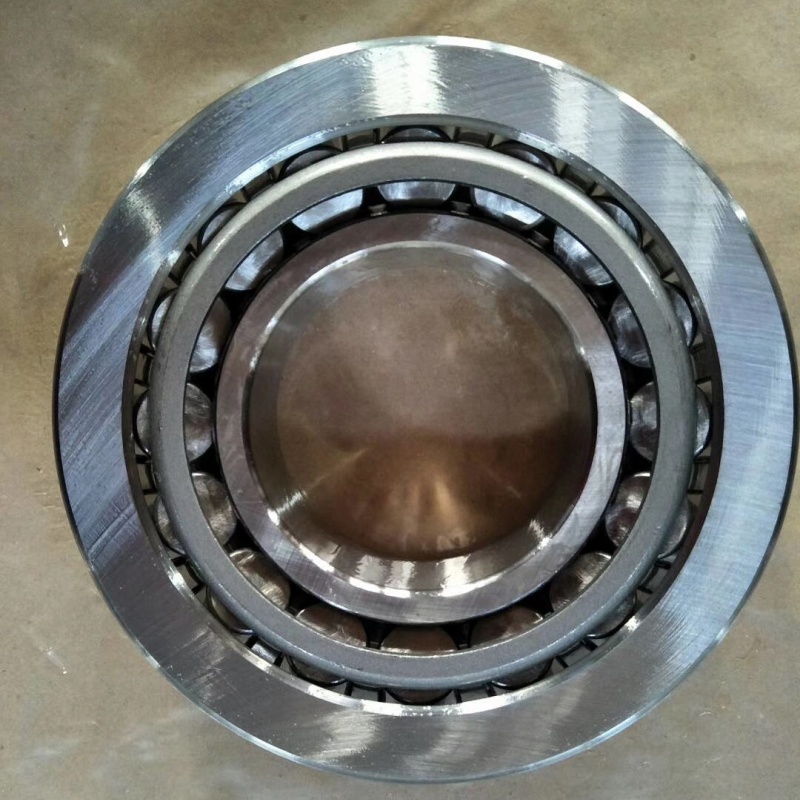
Let’s explore these applications in detail.
Key Applications and How They Reduce Downtime
| 1. Automotive Wheel Hubs: | Application Details | How Tapered Bearings Reduce Downtime |
|---|---|---|
| Function | Support vehicle weight (radial) and cornering forces (axial). | Long life (100,000+ km) means fewer replacements. |
| Why tapered | Combined load capacity in compact package. Adjustability allows correct end play. | Reliable operation prevents roadside failures. |
| Downtime impact | Wheel bearing failure stops vehicle completely. | Premium bearings extend intervals between maintenance. |
| 2. Transmissions and Differentials: | Application Details | How Tapered Bearings Reduce Downtime |
|---|---|---|
| Function | Support gears that create both radial and axial thrust. | Rigidity ensures proper gear mesh, reducing wear. |
| Why tapered | High load capacity, adjustability for preload. | Preload maintains gear contact, extending transmission life. |
| Downtime impact | Gearbox failure is costly and time-consuming to repair. | Reliable bearings mean fewer gearbox overhauls. |
| 3. Industrial Gearboxes: | Application Details | How Tapered Bearings Reduce Downtime |
|---|---|---|
| Function | Similar to automotive, but often larger and continuous operation. | Long service life (40,000+ hours) in demanding conditions. |
| Why tapered | Combined load capacity, separability for easy maintenance. | Separability simplifies inspection and replacement. |
| Downtime impact | Gearbox failure shuts down production lines. | Premium bearings minimize unplanned stops. |
| 4. Machine Tool Spindles: | Application Details | How Tapered Bearings Reduce Downtime |
|---|---|---|
| Function | Support spindles that must be extremely rigid and accurate. | High rigidity maintains precision, reducing scrap. |
| Why tapered | Ability to be preloaded eliminates play, ensures accuracy. | Consistent precision means fewer rejected parts. |
| Downtime impact | Spindle failure stops machining operations. | Reliable bearings keep machines running. |
| 5. Rolling Mills: | Application Details | How Tapered Bearings Reduce Downtime |
|---|---|---|
| Function | Support massive rolls that crush and shape steel. | Extreme load capacity in four-row configurations. |
| Why tapered | Handle heavy combined loads, shock loads. | Robust design withstands harsh mill environment. |
| Downtime impact | Mill downtime costs tens of thousands per hour. | Premium bearings maximize uptime. |
| 6. Construction and Mining Equipment: | Application Details | How Tapered Bearings Reduce Downtime |
|---|---|---|
| Function | Support wheels, tracks, rotating components in excavators, loaders. | Handle shock loads, dirt, heavy forces. |
| Why tapered | Durability, seal options for contamination. | Extended life in brutal conditions. |
| Downtime impact | Equipment failure stops jobsites. | Reliable bearings keep projects on schedule. |
| 7. Agricultural Machinery: | Application Details | How Tapered Bearings Reduce Downtime |
|---|---|---|
| Function | Support wheels, PTO shafts, implements on tractors, harvesters. | Withstand dirt, moisture, varying loads. |
| Why tapered | Robust design, seal options. | Reliability during critical planting/harvest seasons. |
| Downtime impact | Breakdown during harvest is catastrophic. | Premium bearings ensure season completion. |
Application-Downtime Reduction Summary:
| Application | Key Requirement | How Tapered Bearings Deliver |
|---|---|---|
| Wheel hubs | Long life, safety | Combined load capacity, adjustability |
| Gearboxes | Reliability, precision | Rigidity, preload capability |
| Rolling mills | Extreme load capacity | Four-row designs, shock resistance |
| Mining equipment | Durability in dirt | Robust construction, effective seals |
| Agriculture | Seasonal reliability | Contamination resistance, long life |
My Insight on Applications:
Every time a customer in a specific industry orders tapered bearings, I think about their downtime risks10. For a mining customer in South Africa, a bearing failure underground means hours of lost production and dangerous conditions. For a farmer in Brazil, a bearing failure during harvest means losing the crop. Premium tapered bearings are not just components—they are insurance against downtime. For a distributor like Rajesh, understanding these applications helps him speak his customers’ language. He can say, "I know what you need for your sugar mill gearbox" or "Here’s the right bearing for your excavator." That expertise builds trust and reduces his customers’ downtime.
Conclusion
Premium tapered roller bearings are essential tools for reducing downtime across countless industries. Their combined load capacity, adjustability, and robust construction deliver reliability where it matters most. By understanding what they are, what they reduce, how to adjust them, and where they are used, you can select the right bearing for your application and keep your equipment running longer.
-
Explore how tapered bearings enhance vehicle performance and reliability in wheel hubs. ↩ ↩ ↩ ↩ ↩ ↩ ↩ ↩ ↩ ↩ ↩
-
Learn about the role of tapered bearings in ensuring smooth gear operation and longevity. ↩ ↩ ↩ ↩ ↩
-
Discover how tapered bearings contribute to the efficiency and maintenance of industrial gearboxes. ↩ ↩ ↩ ↩ ↩ ↩ ↩ ↩ ↩
-
Find out how tapered bearings maintain precision and reduce downtime in machining operations. ↩ ↩ ↩ ↩ ↩ ↩ ↩ ↩ ↩ ↩
-
Understand the critical role of tapered bearings in supporting heavy loads in rolling mills. ↩ ↩ ↩ ↩ ↩ ↩
-
Explore how tapered bearings enhance durability and performance in harsh environments. ↩ ↩ ↩
-
Learn how tapered bearings ensure reliability during critical agricultural operations. ↩ ↩ ↩
-
Discover how tapered bearings contribute to the safety and efficiency of railroad systems. ↩
-
Explore the significance of tapered bearings in ensuring reliability in aerospace applications. ↩
-
Understand the financial and operational implications of downtime in various industries. ↩