
An elevator stops between floors. People are trapped. The cause is a failed bearing in the drive system. In vertical transportation, bearing failure is not just a maintenance issue—it’s a safety emergency.
For elevators and lifts, deep groove ball bearings must meet stringent safety and reliability requirements. They are used in drive motors, sheaves, guide rollers, and door operators. Critical considerations include: high static load capacity for safety under stall conditions, quiet operation for passenger comfort, long service life with minimal maintenance, reliable seals to keep out dust and moisture, and precision grades for smooth, vibration-free movement. Bearings must comply with elevator safety standards (e.g., EN 81, ASME A17.1).
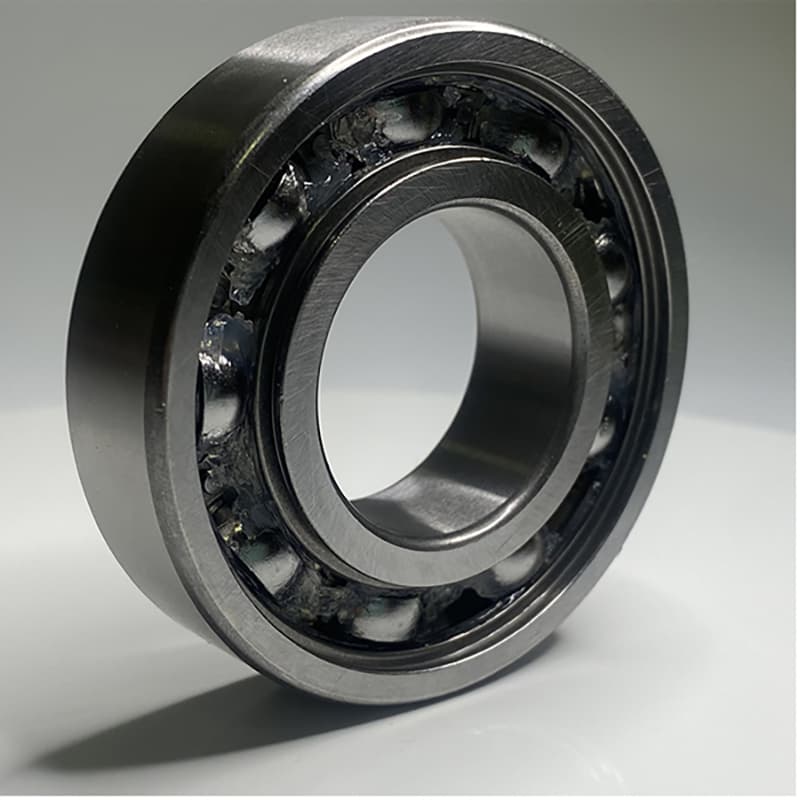
In my years of supplying bearings to elevator manufacturers and maintenance companies worldwide, I’ve learned that reliability is everything. A bearing failure in a lift can have serious consequences. For a distributor like Rajesh in India, supplying bearings for elevators means understanding the unique demands of this safety-critical application. Let’s explore what deep groove ball bearings are, the use of UCF bearings, the meaning of DGBB, and whether a 6312 bearing fits the category.
What is a deep groove ball bearing1?
You’re specifying bearings for an elevator drive motor2. The drawing calls for "deep groove ball bearing1s." What exactly does that mean? Understanding the basic definition is the foundation for all other considerations.
A deep groove ball bearing1 is a type of rolling-element bearing characterized by deep, continuous raceway grooves3 on both the inner and outer rings. These deep grooves closely conform to the balls, allowing the bearing to support radial loads, moderate axial loads in both directions, and combined loads. It is the most common and versatile bearing type, used in countless applications from small electric motors to large industrial machinery.
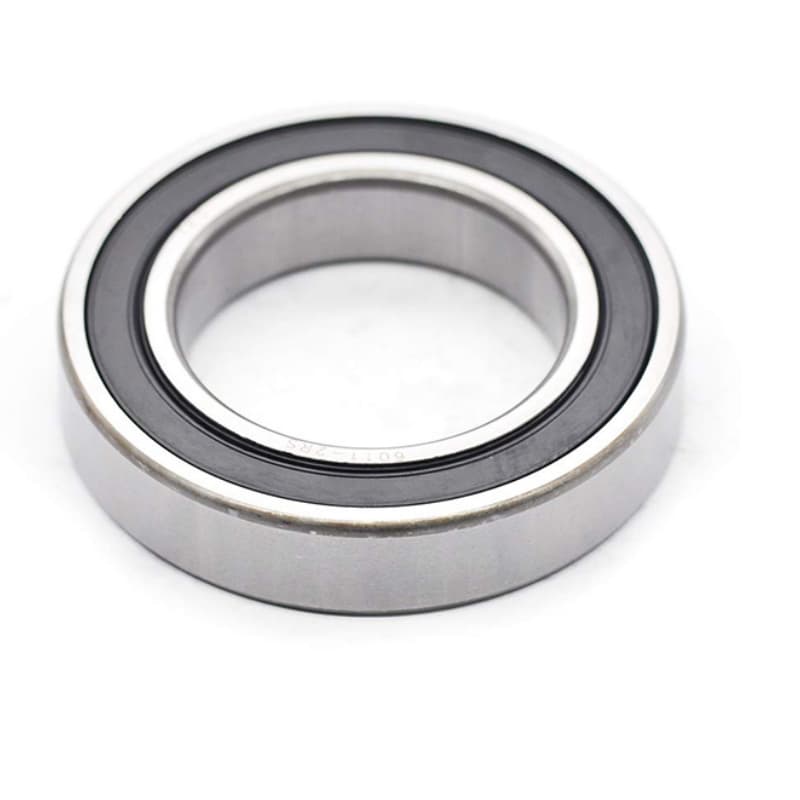
The "deep groove" design is what gives this bearing its versatility.
The Defining Features of Deep Groove Ball Bearings
| 1. Raceway Geometry: | Feature | Description | Benefit |
|---|---|---|---|
| Deep grooves | The raceways on inner and outer rings are deep arcs, approximately matching the ball diameter. | Provides secure ball guidance and allows axial load capacity. | |
| Continuous path | The grooves are uninterrupted around the circumference. | Ensures smooth, consistent rolling. | |
| Close conformity | The groove radius is slightly larger than the ball radius, creating a close fit. | Distributes load over a larger contact area, increasing capacity. |
| 2. Load Capabilities: | Load Type | Capability | Elevator Application Relevance |
|---|---|---|---|
| Radial loads | Excellent primary capability | Supports motor rotor weight, sheave loads. | |
| Axial loads (both directions) | Moderate capability | Handles thrust from helical gears, misalignment forces. | |
| Combined loads | Good within limits | Common in elevator drive systems. |
| 3. Key Components: | Component | Description | Function |
|---|---|---|---|
| Inner ring | Fits onto the shaft, has a deep groove raceway. | Rotates with the shaft (usually). | |
| Outer ring | Fits into the housing, has a deep groove raceway. | Stationary (usually) or rotating. | |
| Balls | Spherical rolling elements. | Carry the load between rings. | |
| Cage | Spaces and guides the balls. | Prevents ball-to-ball contact, ensures even spacing. | |
| Seals/Shields | Optional closures on one or both sides. | Retain lubricant, exclude contaminants. |
| 4. Why "Deep Groove" Matters for Elevators: | Requirement | How Deep Groove Design Helps |
|---|---|---|
| Smooth, quiet operation | Close conformity and precision manufacturing minimize noise and vibration. | |
| Reliability under varying loads | Handles the combination of radial and occasional axial loads in elevator drives. | |
| Long service life | Robust design with proper lubrication lasts for years. | |
| Compact installation | Single bearing handles multiple load directions, saving space. |
My Insight on Deep Groove Bearings:
When a customer asks for bearings for an elevator motor, the deep groove ball bearing1 is often the right starting point. It’s the standard for a reason. But in elevator applications, "standard" isn’t enough. We need to consider precision grades4 (P5, P6 for smoother operation), clearance (C3 for thermal expansion), and seals (2RS for protection). The basic design is sound, but the details make the difference between a bearing that works and one that works safely and reliably for years. For a distributor like Rajesh, understanding these nuances helps him specify the right product for his elevator maintenance customers.
What is the use of UCF bearing1?
In elevator machine rooms, you might see bearings mounted in housings. UCF bearing1s appear in specifications. What are they, and where are they used in elevators and lifts?
A UCF bearing1 is a mounted unit2 consisting of a bearing insert (usually a deep groove ball bearing with a spherical outer diameter) housed in a 4-bolt square flange3 housing. The "U" stands for unit, "C" for the bearing insert type (with spherical OD), and "F" for flanged housing. In elevators, UCF bearing1s are commonly used in sheave assemblies4, idler pulleys5, and tensioning systems6 where the bearing must be mounted against a vertical or horizontal surface and where easy installation and alignment are beneficial.
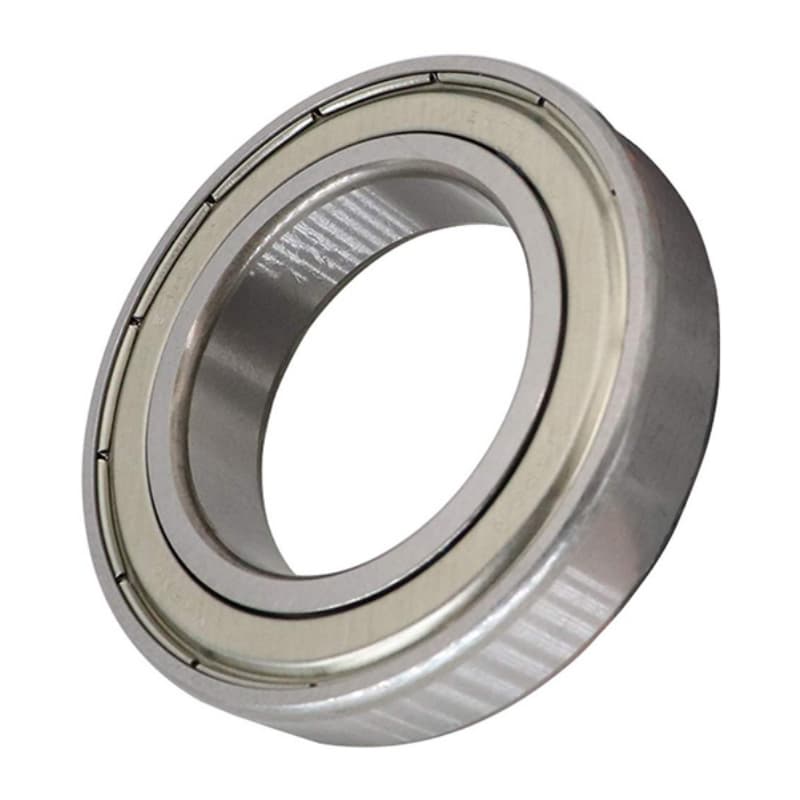
These mounted unit2s simplify design and maintenance.
UCF Bearings in Elevator Systems
| 1. Understanding the UCF Designation: | Code | Meaning | Explanation |
|---|---|---|---|
| U | Unit | Complete mounted bearing unit. | |
| C | Insert type | Bearing insert with spherical outer diameter (allows self-alignment7). | |
| F | Flanged | 4-bolt square flange3 housing. | |
| Number | Shaft size code | e.g., UCF 208 fits a 40mm shaft (08 x 5 = 40). |
| 2. Key Features of UCF Bearings: | Feature | Benefit for Elevators |
|---|---|---|
| Self-alignment | The spherical OD of the insert allows slight misalignment, compensating for mounting imperfections. | |
| Easy mounting | Bolt directly to a surface; no need to machine a separate housing. | |
| Sealed design | Typically supplied with seals, protecting the bearing from dust and moisture. | |
| Relubrication option | Many have grease fittings for maintenance. | |
| Interchangeability | Standardized dimensions ensure easy replacement. |
3. Common Elevator Applications for UCF Bearings:
| Application | Function | Why UCF is Used |
|---|---|---|
| Deflection sheaves | Guide and tension elevator ropes. | Easy mounting on structural steel. Self-alignment accommodates frame deflection. |
| Idler pulleys | Maintain rope tension in compensation systems. | Compact, sealed, low maintenance. |
| Tensioning systems | Provide constant tension to ropes. | Reliable, easy to replace. |
| Door operators | Support door drive mechanisms. | Clean, sealed design suits indoor environments. |
| 4. Advantages Over Bare Bearings: | Aspect | Bare Bearing | UCF Mounted Unit |
|---|---|---|---|
| Installation | Requires precise housing machining. | Bolt directly to surface. | |
| Alignment | Must be perfectly aligned. | Self-alignment accommodates minor errors. | |
| Protection | Requires separate sealing. | Integrated seals. | |
| Maintenance | Housing must be designed for relubrication. | Often has grease fitting. | |
| Replacement | Bearing replacement may require housing removal. | Replace entire unit quickly. |
| 5. Selection Considerations for Elevator UCF Bearings: | Factor | Recommendation |
|---|---|---|
| Load rating | Must exceed maximum expected loads, including dynamic and static (safety) conditions. | |
| Seal type | Use contact seals (e.g., -2RS) for protection against dust. | |
| Clearance | Standard CN is usually sufficient; C3 for high-temperature environments. | |
| Material | Cast iron housing standard; stainless steel for corrosive environments. |
My Insight on UCF Bearings in Elevators:
In elevator modernization projects, UCF bearing1s are often the go-to solution for sheave replacements. The old bearings might have been in custom housings, but using a standard UCF unit simplifies the retrofit. For a maintenance company, stocking a range of UCF sizes covers many repair needs. For a distributor like Rajesh, understanding where UCF bearing1s fit in elevator systems allows him to recommend the right product. When a customer calls about a noisy sheave, he can ask, "Is it a flanged mounting? What shaft size?" That leads to the correct UCF bearing1. It’s practical knowledge that solves real problems.
What is the full form of DGBB?
In technical documents, you might see the abbreviation "DGBB." What does it stand for? Understanding industry shorthand helps you read specifications and communicate with suppliers.
DGBB stands for Deep Groove Ball Bearing1. It is the standard abbreviation used in engineering, manufacturing, and trade to refer to this most common type of bearing. You will see it in catalogs, technical specifications, and industry communications. For example, "DGBB 6208 C3" means a deep groove ball bearing, size 6208, with C3 internal clearance2.
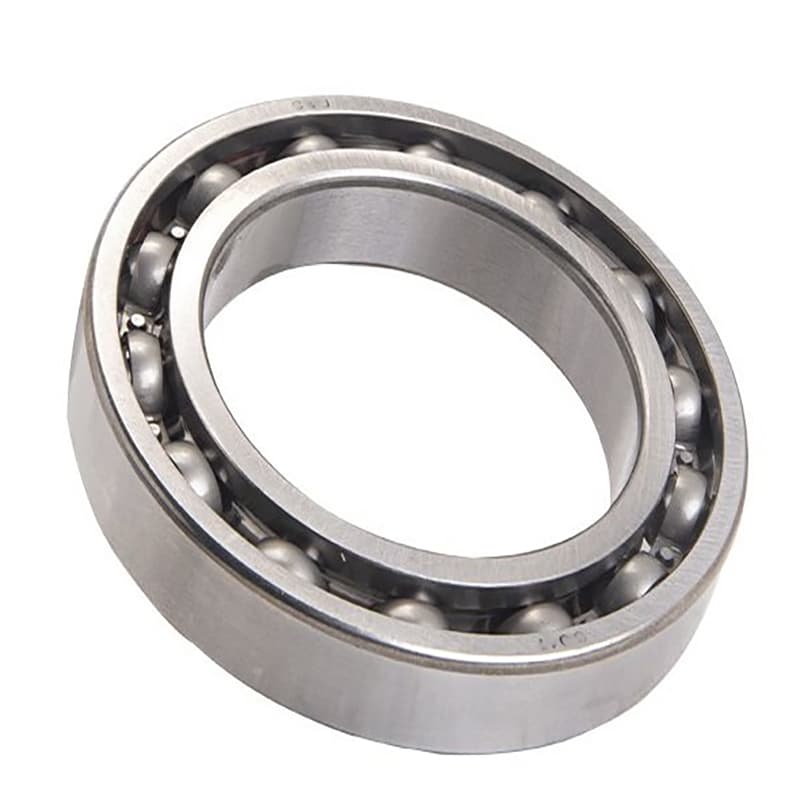
This simple abbreviation saves time and ensures clarity.
Understanding Bearing Abbreviations
| 1. Common Bearing Type Abbreviations: | Abbreviation | Full Form | Description |
|---|---|---|---|
| DGBB | Deep Groove Ball Bearing1 | The standard ball bearing. | |
| ACBB | Angular Contact Ball Bearing3 | For combined loads, high axial capacity. | |
| TRB | Tapered Roller Bearing4 | For combined loads, adjustable. | |
| CRB | Cylindrical Roller Bearing | For high radial loads. | |
| SRB | Spherical Roller Bearing | For heavy loads, misalignment. | |
| N | Needle Roller Bearing | Compact, high radial load. |
| 2. Other Common Bearing Abbreviations: | Abbreviation | Full Form | Meaning |
|---|---|---|---|
| 2RS | Two Rubber Seals | Bearing sealed on both sides. | |
| 2Z | Two Metal Shields | Bearing shielded on both sides. | |
| C3 | Clearance Group 3 | Larger than normal internal clearance. | |
| P5, P6 | Precision Class | Higher accuracy grades. | |
| M | Machined Brass Cage | Cage material/type. | |
| TV | Polyamide Cage | Cage material (with glass fiber). | |
| W33 | With Lubrication Groove and Holes | Feature on outer ring. |
3. Using DGBB in Specifications:
A complete bearing specification might look like this:
"DGBB 6312 C3 2RS"
This tells the supplier:
- DGBB: Deep groove ball bearing
- 6312: Size series (60mm bore)
- C3: Larger internal clearance
- 2RS: Rubber seals on both sides
| 4. Why Abbreviations Matter: | Reason | Benefit |
|---|---|---|
| Efficiency | Saves time in written communication. | |
| Clarity | Reduces ambiguity when both parties understand the terms. | |
| International use | Abbreviations are understood globally, overcoming language barriers. | |
| Technical precision | Ensures exact specifications are communicated. |
| 5. Common Mistakes: | Mistake | Correction |
|---|---|---|
| Using "DGBB" for a tapered roller bearing | Tapered roller bearings are "TRB," not DGBB. | |
| Assuming all ball bearings are DGBB | Angular contact ball bearings are ACBB, a different type. | |
| Omitting clearance or seal codes | A complete specification includes all relevant codes. |
My Insight on Abbreviations:
In our daily business, we use DGBB constantly in emails, quotes, and technical discussions. It’s shorthand that everyone in the industry understands. For a distributor like Rajesh, knowing these abbreviations helps him read catalogs, understand customer requirements, and communicate clearly with suppliers. When a customer says, "I need a DGBB 6208," he knows exactly what they mean. It’s a small piece of knowledge that makes a big difference in professional communication.
Is a 6312 bearing1 a deep groove ball bearing2?
You have a bearing number: 6312. You need to know what it is. Is it a deep groove ball bearing2? Or something else? Understanding bearing numbering systems3 is essential for correct identification.
Yes, a 6312 bearing1 is a deep groove ball bearing2. The "6" indicates a single-row deep groove ball bearing2. The "3" indicates the width series (medium). The "12" is the bore size code: for sizes 04 and above, multiply by 5 to get the bore in millimeters. So, 12 x 5 = 60mm bore. A 6312 bearing1 is a medium-series deep groove ball bearing4g](https://sdycbearing.com/portfolio-item/deep-groove-ball-bearing/)[^2] with a 60mm bore, widely used in electric motors, pumps, gearboxes, and many other applications.
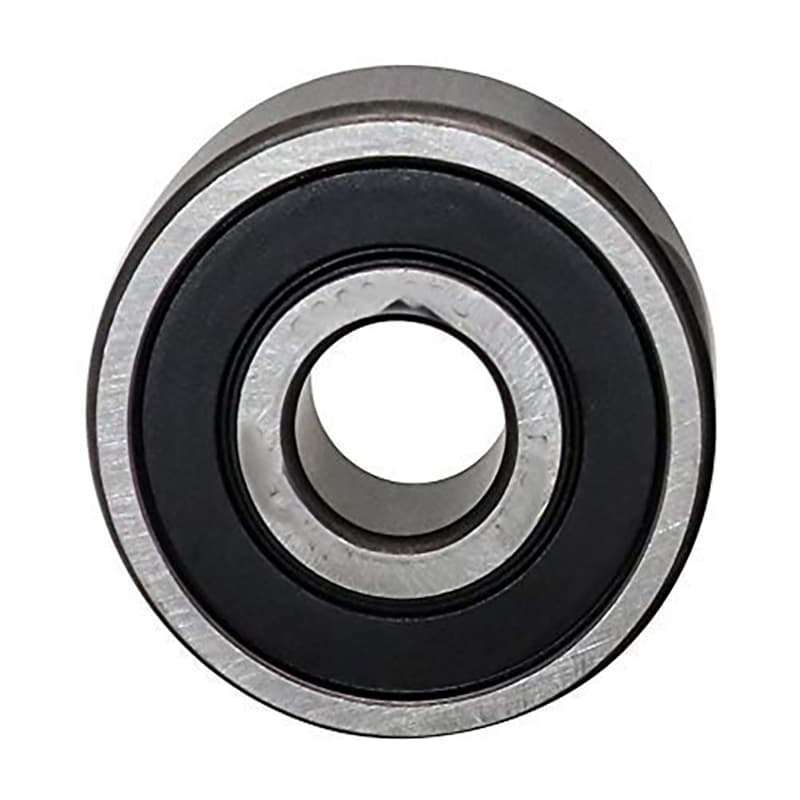
Let’s decode the number to understand it fully.
Understanding Bearing Numbers: The 6312 Example
| 1. Breaking Down the Number 6312: | Digit(s) | Meaning | Explanation |
|---|---|---|---|
| 6 | Bearing type | Single-row deep groove ball bearing2. | |
| 3 | Width series | "3" indicates a medium width series (compared to "2" which is narrower). | |
| 12 | Bore size code | For codes 04 and above, multiply by 5 to get bore in mm: 12 x 5 = 60mm bore. |
| 2. Standard Dimensions of a 6312 Bearing: | Dimension | Value |
|---|---|---|
| Bore (d) | 60 mm | |
| Outside diameter (D) | 130 mm | |
| Width (B) | 31 mm | |
| Dynamic load rating (C) | Approximately 85 kN (varies by manufacturer) | |
| Static load rating (C0) | Approximately 52 kN (varies) |
| 3. Common Variants of 6312 Bearings: | Suffix | Meaning | Application |
|---|---|---|---|
| 6312 C35 | Larger than normal internal clearance | Motors, pumps with temperature rise. | |
| 6312 2RS6 | Rubber seals on both sides | Applications requiring contamination protection. | |
| 6312 2Z | Metal shields on both sides | Moderate protection, lower friction than seals. | |
| 6312 P5 | Higher precision class | Machine tools, high-speed applications. | |
| 6312 M | Machined brass cage | Heavy-duty applications. |
| 4. Typical Applications for 6312 Bearings: | Application | Why 6312 is Used |
|---|---|---|
| Electric motors (5-20 HP) | Handles radial load, moderate speeds, long life. | |
| Pumps | Suitable for moderate loads, various fluids (with proper seals). | |
| Gearboxes | Input/output shafts with moderate loads. | |
| Fans and blowers | Smooth, quiet operation at moderate speeds. | |
| Conveyor rollers | Robust enough for continuous operation. |
| 5. Elevator Applications for 6312 Bearings: | Elevator Component | How 6312 Might Be Used |
|---|---|---|
| Drive motor | Supports motor rotor, handles belt tension. | |
| Sheave assemblies | In some designs, sheaves use deep groove bearings. | |
| Gearbox (if present) | Input shaft support. | |
| Tensioning pulleys | Idler applications. |
My Insight on Bearing Numbers:
When a customer says, "I need a 6312 bearing1," the conversation doesn’t end there. I ask: "Do you need seals? What clearance? Any special requirements?" Because 6312 is just the basic size. The real specification includes the suffixes. For an elevator motor, a 6312 C35 2RS might be the right choice—C3 for thermal expansion, 2RS for protection. For a standard pump, a 6312 with no seals might be fine. Understanding the numbering system allows a distributor like Rajesh to ask the right questions and deliver the exact bearing needed. It’s the difference between selling a part and providing a solution.
Conclusion
Deep groove ball bearings are essential components in elevators and lifts, providing reliable support for drive motors, sheaves, and door operators. Their deep raceway design enables them to handle radial and moderate axial loads efficiently. UCF mounted units offer convenient installation for sheave applications. Understanding abbreviations like DGBB and bearing numbers like 6312 ensures clear communication and correct selection. For safety-critical elevator applications, choose bearings with appropriate precision, clearance, and seals to ensure long-term reliability.
-
Explore this link to understand the applications and specifications of the 6312 bearing, crucial for selecting the right component. ↩ ↩ ↩ ↩ ↩ ↩ ↩ ↩ ↩ ↩ ↩ ↩ ↩ ↩ ↩ ↩ ↩
-
Learn about deep groove ball bearings, their design, and applications to better understand their role in machinery. ↩ ↩ ↩ ↩ ↩ ↩ ↩ ↩ ↩
-
Discover the intricacies of bearing numbering systems to enhance your knowledge in bearing identification and selection. ↩ ↩ ↩ ↩ ↩
-
Find out what defines a medium-series deep groove ball bearing and its advantages in various applications. ↩ ↩ ↩ ↩
-
Understand the significance of the suffix C3 in bearing specifications to ensure you choose the right bearing for your needs. ↩ ↩ ↩
-
Explore the features and benefits of the 6312 2RS bearing, especially its sealing capabilities for protection against contaminants. ↩ ↩
-
Learn about self-alignment features in bearings and their advantages in various applications. ↩