
Your warehouse is full of bearings, but customers always ask for sizes you don’t have. Or worse, you have stock that sits for years, tying up capital. Inventory planning for spherical roller bearings is a balancing act between availability and cost.
To plan stock levels of spherical roller bearings, distributors must analyze historical sales data, understand local market demand (mining, cement, steel), prioritize common sizes and series (22200, 22300), stock variants by clearance (C3, C4) and cage material, establish reorder points based on lead times, and categorize inventory using ABC analysis to focus on high-turnover items.
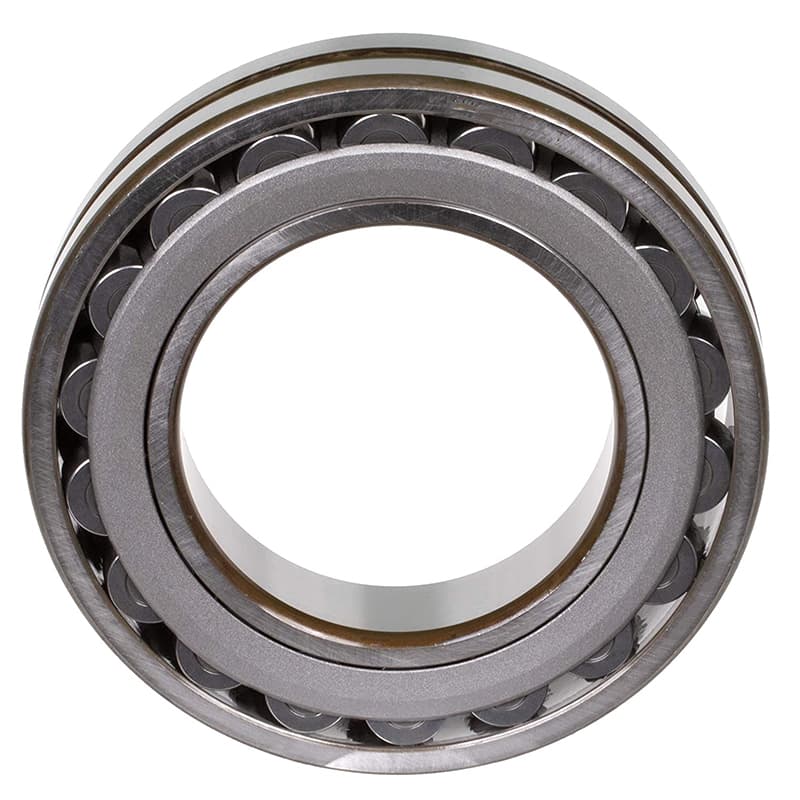
In my years of working with distributors worldwide, I’ve seen that successful inventory management is not about having everything. It’s about having the right things. For a client like Rajesh in India, spherical roller bearings are a critical part of his business, serving heavy industries. Let’s explore how to monitor inventory levels, understand clearance codes, compare C3 and C4, and choose the right clearance—all essential knowledge for smart stock planning.
How are inventory levels monitored in retail stores?
You walk into a retail store. Products are always on the shelf. How do they know when to reorder? It’s not magic. It’s a system. The same principles apply to bearing distribution.
Inventory levels in retail stores are monitored through a combination of periodic physical counts1, perpetual inventory systems2 (using point-of-sale data), and reorder point formulas3. Key metrics include stock turnover rate4, days of inventory outstanding5, and ABC analysis6 (categorizing items by value and turnover). Modern systems use barcode scanning7 and inventory management software8 to track quantities in real-time and automatically generate purchase orders when stock falls below reorder points.
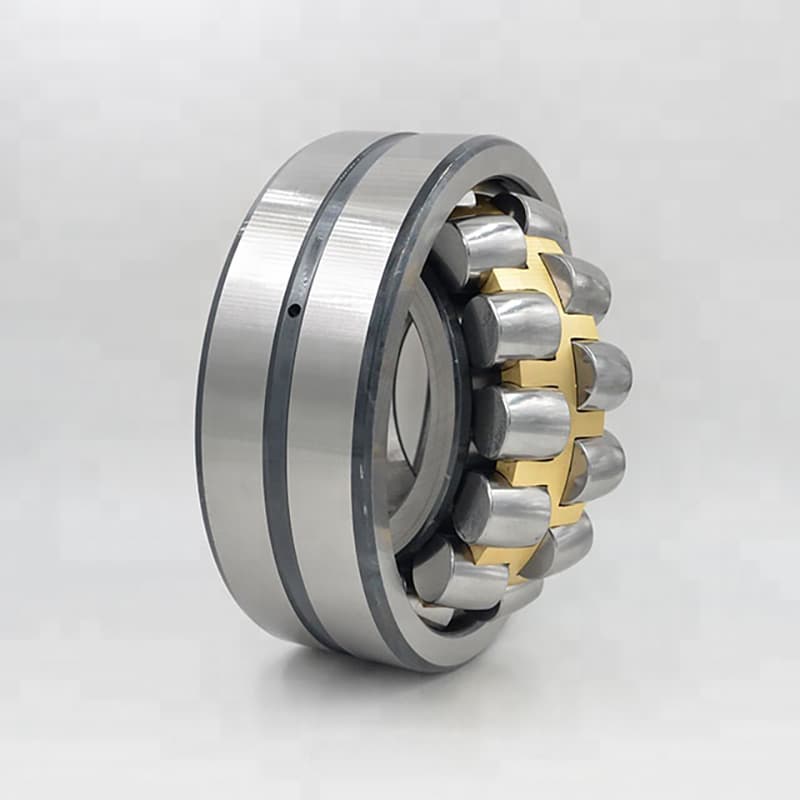
For bearing distributors, the principles are the same, but the products are more technical.
Adapting Retail Inventory Principles to Bearing Distribution
| 1. The Core Methods: | Method | Description | Application for Bearings |
|---|---|---|---|
| Periodic Physical Count | Counting stock manually at set intervals (monthly, quarterly). | Essential for verifying system accuracy, especially for high-value bearings. | |
| Perpetual Inventory System | Software tracks every item received and sold, updating quantities in real-time. | Use a good ERP system with barcode scanning7 for all bearing movements. | |
| Reorder Point Formula | Reorder when stock falls to a level that covers demand during lead time plus safety stock. | Calculate for each SKU based on its sales history and supplier lead time. |
2. Key Metrics for Bearing Inventory:
| Metric | Formula | What It Tells You | Target |
|---|---|---|---|
| Stock Turnover Rate | Cost of Goods Sold / Average Inventory Value | How many times you sell and replace your inventory per year. Higher is better (but not too high, or you risk stockouts). | Varies by item. A-items: 4-6 times/year. C-items: lower. |
| Days of Inventory Outstanding (DIO) | (Average Inventory / COGS) x 365 | How many days of sales you have in stock. | Align with lead times. Too high = excess capital tied up. |
| ABC Analysis | Categorize items by annual sales value. | A-items (80% of value, 20% of items) need tight control. C-items (5% of value, 50% of items) need less. | Focus inventory management effort on A-items. |
3. Applying ABC Analysis to Spherical Roller Bearings:
For a distributor like Rajesh, this is crucial. He might stock hundreds of bearing sizes.
| Category | % of Items | % of Annual Sales Value | Management Approach |
|---|---|---|---|
| A-items | ~20% | ~80% | High-turnover sizes (e.g., 22220, 22315). Monitor closely, reorder frequently, negotiate best pricing. |
| B-items | ~30% | ~15% | Moderate turnover. Standard reorder point management. |
| C-items | ~50% | ~5% | Slow movers (large, specialty bearings). Order only when needed, or stock very low quantities. |
4. Setting Reorder Points:
The classic formula: Reorder Point = (Average Daily Usage × Lead Time in Days) + Safety Stock
- Average Daily Usage: From sales history.
- Lead Time: Time from placing order to receiving goods (including manufacturing, shipping, customs).
- Safety Stock: Extra stock to cover unexpected demand spikes or supply delays. For A-items, safety stock is critical. For C-items, it may be zero.
My Insight on Bearing Inventory Management:
A common mistake I see is treating all bearings the same. Distributors order a little bit of everything, based on a "gut feel." The result is overstock of slow movers and stockouts of fast movers. The key is to use data. Track what sells, how fast, and when. Use ABC analysis6 to prioritize. For spherical roller bearings, the A-items are usually the common 222 and 223 series in popular sizes (like 22220, 22222, 22315, 22318). These should always be in stock. The C-items—huge, specialty bearings—should be ordered only when a customer commits. By applying retail inventory principles to bearing distribution, you can optimize your stock, free up capital, and still meet customer needs.
What is C11, C22, and C33 bearing clearance?
Your spherical roller bearing order specifies "C33". You know it’s about clearance, but what does it really mean for performance? And why do you need to stock different clearances?
C11, C22, and C33 are standardized codes for the internal radial clearance4 of a bearing before it is installed. C11 is the smallest clearance, C22 is smaller than normal, CN (Normal) is the standard, C33 is larger than normal, and C45/C5 are even larger. This clearance is the intentional space between the rollers and raceways that allows for thermal expansion6, ensures proper lubricant film formation, and accommodates interference fit7s from mounting.
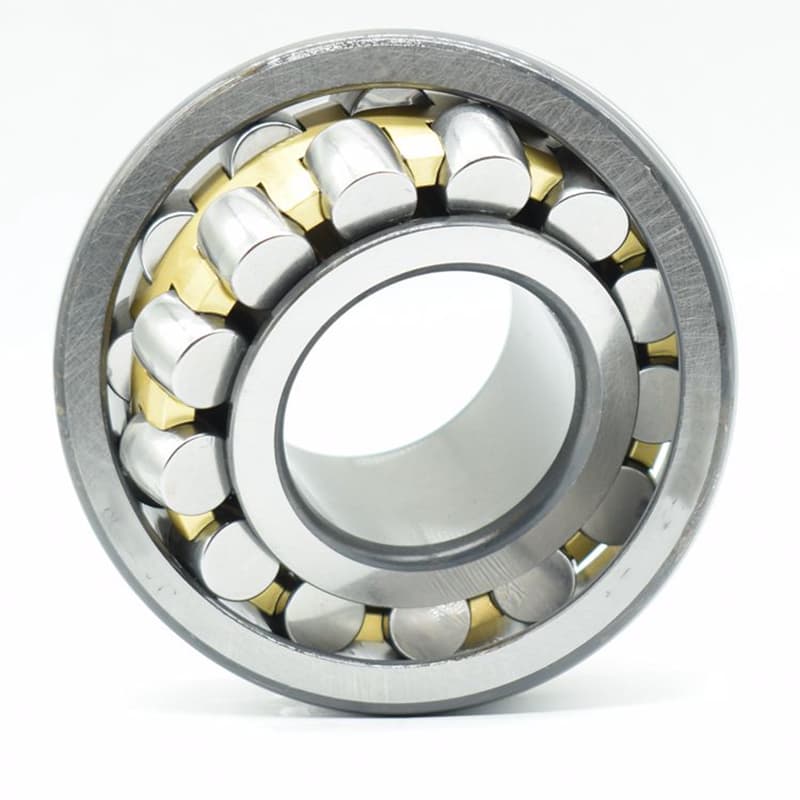
For spherical roller bearings, clearance is even more critical because they are often used in high-temperature, heavy-load applications.
Clearance Groups and Their Importance for Spherical Roller Bearings
1. What Internal Clearance Means:
Internal clearance is the amount of internal free movement within a bearing before it is mounted. For spherical roller bearings, it’s typically expressed as radial internal clearance—the amount the outer ring can be moved radially relative to the inner ring.
| 2. The Clearance Groups (ISO 5753): | Code | Meaning | Relative Size | Typical Application |
|---|---|---|---|---|
| C11 | Smaller than C22 | Very small | Precision applications with minimal temperature variation. Rare. | |
| C22 | Smaller than Normal | Small | Applications with light loads, stable temperatures. | |
| CN | Normal | Standard | General applications with moderate temperatures and loads. | |
| C33 | Larger than Normal | Large | Most common for spherical roller bearings in industrial use. For applications with significant temperature differences or interference fit7s. | |
| C45 | Larger than C33 | Very large | High-temperature applications, paper machines, vibratory screens, kilns. | |
| C5 | Larger than C45 | Extremely large | Special high-temperature or high-speed applications. |
3. Why Clearance Matters for Spherical Roller Bearings:
Spherical roller bearings are often used in harsh environments. Clearance is critical for several reasons:
| Factor | How It Affects Clearance | Why It Matters |
|---|---|---|
| Interference Fit | Pressing the bearing onto a shaft stretches the inner ring, reducing internal clearance. | If initial clearance is too small, the fit can eliminate all clearance, causing preload and overheating. |
| Temperature Difference | If inner ring gets hotter than outer ring (common in many machines), it expands more, reducing clearance. | C33 or C45 provides extra space to prevent thermal preload. |
| Thermal Expansion | Overall temperature rise expands all components. | Larger clearance accommodates expansion without binding. |
| Load Distribution | Under load, the bearing deflects slightly. Adequate clearance ensures rollers are not pinched. | Prevents edge loading and premature failure. |
4. The "Residual Clearance" Concept:
After mounting and under operating conditions, the bearing has a residual clearance8. This is what matters for performance. The initial clearance (C33, C45) is chosen so that after all reductions (from fit and temperature), the residual clearance8 is still positive (or slightly negative if preload is desired).
My Insight on Stocking Clearances:
For a distributor like Rajesh, the most common clearance for spherical roller bearings in heavy industry is C33. It’s the safe default for most applications with normal temperature rises and standard fits. However, for customers in certain industries, C45 is essential. For example, a paper mill dryer or a cement kiln bearing runs very hot. If Rajesh only stocks C33, he’ll lose that customer to someone who has C45. Knowing your local market’s dominant industries is key. In mining and vibrating screens, C45 is common. In general gearboxes and conveyors, C33 is standard. Stocking both C33 and C45 in popular sizes is a smart strategy for serving a broad industrial customer base.
Which bearing is better, C31 or C42?
A customer asks for a spherical roller bearing3. They say "C42". You have C31 in stock. Can you substitute? Is one "better" than the other? The answer is not about quality; it’s about suitability.
There is no universal "better" between C31 and C42. They are different tools for different jobs. C31 is better for most general industrial applications4 with moderate temperature increases (up to about 80-100°C operating temperature). C42 is better for high-temperature applications (like kilns, dryers), severe interference fits5, or where significant thermal expansion6 is expected. Using C42 when C31 is needed can cause excessive internal movement, vibration, and reduced rigidity. Using C31 when C42 is needed can cause thermal seizure.
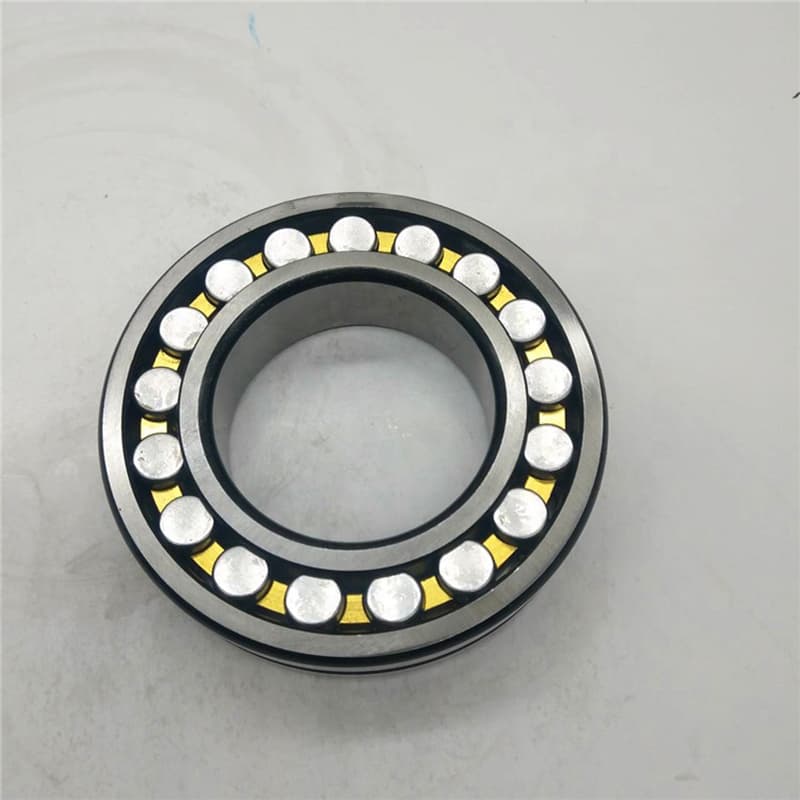
The choice is dictated by the application, not by one being "better" overall.
A Detailed Comparison: C31 vs. C42 for Spherical Roller Bearings
1. Quantitative Difference:
The actual clearance values depend on the bearing size. For a typical 120mm bore spherical roller bearing3:
- C31 clearance range: Approximately 0.100mm to 0.160mm
- C42 clearance range: Approximately 0.160mm to 0.220mm
C42 provides about 50-60% more internal space than C31.
| 2. When to Choose C31: | Condition | Why C31 is Suitable |
|---|---|---|
| Normal operating temperature (up to 80-100°C) | Standard thermal expansion6 is accommodated. | |
| Standard interference fits5 (k6, m6) | The clearance reduction from fit is within C31‘s capacity. | |
| General industrial applications (gearboxes, conveyors, fans) | The default choice for most machinery. | |
| Moderate speeds | Adequate clearance for lubricant film without excessive roller skidding. | |
| Cost-sensitive applications | C31 bearings are more common and often more readily available. |
| 3. When to Choose C42: | Condition | Why C42 is Necessary |
|---|---|---|
| High operating temperature (above 100°C, e.g., kilns, dryers) | Greater thermal expansion6 requires more initial clearance. | |
| Severe interference fits5 (p6, r6) | The inner ring stretches significantly, reducing clearance. C42 ensures residual clearance remains positive. | |
| Paper machines (dryer section) | High heat and moisture expansion. | |
| Vibrating screens | Shock loads and vibration require extra clearance to prevent brinelling. | |
| Applications with large temperature differentials | Where inner ring gets much hotter than outer ring. |
4. The Risks of Getting It Wrong:
| Wrong Choice | Consequence |
|---|---|
| Using C31 where C42 is needed | Clearance may become zero or negative at operating temperature → preload, overheating, seizure. |
| Using C42 where C31 is needed | Excessive internal clearance → rollers skid instead of roll, causing smearing, noise, vibration, and premature failure. The shaft may also have excessive radial movement. |
5. Decision Guide for Distributors:
When a customer asks for a spherical roller bearing3, here are the questions to ask to determine clearance:
| Customer’s Application | Recommended Clearance |
|---|---|
| "It’s for a general gearbox or conveyor" | C31 |
| "It’s for a hot kiln or dryer" | C42 |
| "It’s for a vibrating screen" | C42 (often C42, sometimes even special vibratory clearance) |
| "It’s for a paper machine dryer" | C42 |
| "I don’t know the temperature, it’s just a normal machine" | C31 (safe default) |
| "The old bearing had C42 marked" | C42 (always match the original specification) |
My Insight on Clearance Selection:
In our factory, we produce both C31 and C42 spherical roller bearing3s. For a distributor like Rajesh, the key is to understand his customers’ industries. If he serves many cement plants, he needs C42 in stock for kiln applications. If he serves general engineering, C31 will be his volume seller. One is not "better" than the other. They are both essential for a complete inventory. The "better" bearing is the one that matches the application’s thermal and mounting conditions. When in doubt, asking about operating temperature and how the bearing is mounted will guide you to the right choice.
How to choose bearing clearance?
You have a spherical roller bearing application. You know the shaft size and the load. How do you decide which clearance to order? This is a systematic process based on engineering principles.
To choose bearing clearance, follow this process: 1) Determine the effective interference1 of the shaft fit (how much the inner ring will stretch). 2) Estimate the temperature difference2 between inner and outer rings during operation. 3) Calculate the clearance reduction3 from these factors. 4) Select an initial clearance group4 (C3, C4) that ensures a positive residual clearance5 under operating conditions. For critical applications, consult manufacturer tables or use calculation software.
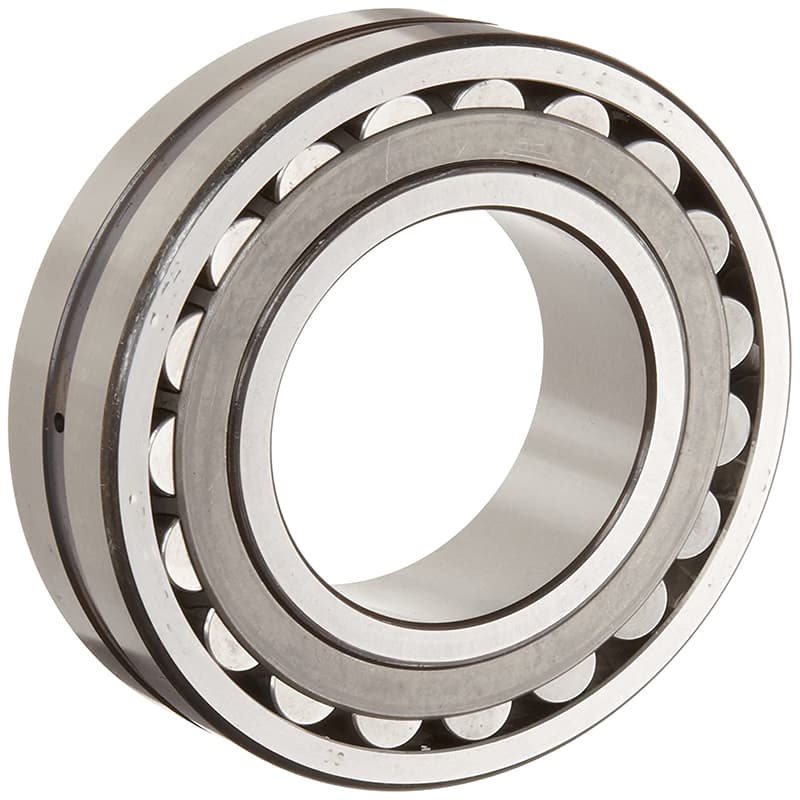
This may sound complex, but it can be simplified with rules of thumb and manufacturer data.
A Step-by-Step Clearance Selection Guide
Step 1: Determine the Shaft Fit.
For a rotating inner ring (most common), you’ll have an interference fit (e.g., k6, m6). The amount of interference affects how much the inner ring expands.
- Rule of Thumb: For a typical k6 or m6 fit on a solid steel shaft, the clearance reduction3 is approximately 80% of the average interference. For example, if the average interference is 0.030mm, the clearance reduction3 is about 0.024mm.
Step 2: Estimate the Temperature Difference (ΔT).
This is the most important and often the most uncertain factor.
- ΔT = Temperature of inner ring – Temperature of outer ring.
- In many machines (motors, pumps), the inner ring runs hotter. A common estimate for general applications is ΔT = 10-20°C.
- For every 10°C temperature difference2, the clearance changes by approximately 0.00001 to 0.000015 mm per mm of bearing bore. For a 100mm bore, a 20°C difference reduces clearance by about 0.02-0.03mm.
Step 3: Calculate Total Clearance Reduction.
Total Reduction = Reduction from Fit + Reduction from Temperature
Step 4: Select Initial Clearance Group.
You want the residual clearance (Initial – Reduction) to be positive and within a reasonable range.
| Initial Clearance Group | Typical Residual Clearance Goal | Application |
|---|---|---|
| CN | Small positive (0 to 0.03mm) | Stable temperatures, light fits. |
| C3 | Small to moderate positive (0.02 to 0.08mm) | Most general applications with moderate ΔT and fits. |
| C4 | Moderate positive (0.05 to 0.15mm) | High ΔT, heavy fits, high temperatures. |
Step 5: Use Manufacturer Data.
Bearing catalogs provide tables that simplify this. For a given bearing size and application condition (load, temperature, fit), they recommend a clearance group.
Simplified Clearance Selection Table for Spherical Roller Bearings:
| Application Condition | Shaft Fit | Temperature Difference (ΔT) | Recommended Clearance |
|---|---|---|---|
| General gearbox, normal load | k6 | Low (10°C) | C3 |
| Electric motor, pump | m6 | Moderate (20°C) | C3 |
| Paper machine dryer | m6 or p6 | High (40-60°C) | C4 |
| Vibrating screen | m6 | Moderate, plus shock | C4 (often special vibratory clearance6) |
| Kiln or high-temp application | p6 | Very High (80°C+) | C4 or special |
| Wind turbine main shaft | Special | Variable | Consult specialist |
My Insight on Practical Clearance Selection:
For most of our distributor clients, we simplify this. We tell them: "For 90% of industrial applications, C3 is the right choice. If the application is hot (like a kiln or dryer) or has heavy vibration, go C4. If it’s a precision spindle, you need special help." This rule of thumb works because the majority of applications fall into that "general industrial" category. However, for critical applications, we encourage them to ask us. We have engineers who can do the calculations. The cost of getting clearance wrong—a seized bearing, a destroyed machine—is far higher than the cost of a phone call to check. For a distributor like Rajesh, being able to confidently advise customers on clearance selection builds trust and positions him as a technical expert, not just a parts seller.
Conclusion
Planning stock levels for spherical roller bearings requires understanding both inventory management principles and bearing technical specifications. Monitor stock using ABC analysis and reorder points. Stock C3 for general applications and C4 for high-temperature or vibratory uses. Help customers choose clearance based on fit, temperature, and application. This combination of business and technical knowledge ensures you have the right bearings when your customers need them.
-
Understanding effective interference is crucial for selecting the right bearing clearance, ensuring optimal performance. ↩ ↩ ↩ ↩ ↩ ↩ ↩ ↩ ↩ ↩ ↩ ↩ ↩ ↩ ↩ ↩ ↩ ↩ ↩ ↩ ↩ ↩ ↩ ↩ ↩
-
Temperature difference significantly impacts bearing performance; learn how to calculate it for better selection. ↩ ↩ ↩ ↩ ↩ ↩ ↩ ↩ ↩ ↩ ↩ ↩ ↩ ↩ ↩ ↩ ↩ ↩ ↩ ↩ ↩ ↩ ↩ ↩ ↩ ↩ ↩ ↩ ↩ ↩
-
Explore the factors affecting clearance reduction to make informed decisions in bearing applications. ↩ ↩ ↩ ↩ ↩ ↩ ↩ ↩ ↩ ↩ ↩ ↩ ↩ ↩ ↩ ↩ ↩ ↩ ↩ ↩
-
Understanding initial clearance groups helps in selecting the right bearing for specific applications. ↩ ↩ ↩ ↩
-
Positive residual clearance is vital for bearing longevity; discover how to achieve it in your applications. ↩ ↩ ↩ ↩ ↩ ↩ ↩ ↩ ↩ ↩ ↩ ↩ ↩ ↩
-
Special vibratory clearance is essential for specific applications; explore its importance for optimal performance. ↩ ↩ ↩ ↩ ↩ ↩ ↩
-
Explore the concept of interference fit and its implications for bearing clearance and performance. ↩ ↩ ↩ ↩
-
Learn about residual clearance and its importance for bearing performance after installation. ↩ ↩ ↩