
Your machine consumes power, but not all of it goes into productive work. Some is lost to friction, heat, and inefficiency. Reducing these losses improves your bottom line. The right bearings can make a surprising difference.
Tapered roller bearings improve system efficiency by reducing frictional losses through optimized internal geometry, enabling precise adjustment to minimize parasitic drag, and handling combined loads in a single bearing (eliminating the need for multiple bearings). Their high load capacity also allows for more compact designs, reducing overall machine weight and inertia, which further improves energy efficiency.

Efficiency is not just about low friction. It’s about the whole system working smarter. In my years of supplying bearings to industries focused on productivity, I’ve seen how tapered rollers contribute to efficiency in multiple ways. Let’s explore their benefits, how to make bearings more efficient, compare with ball bearings, and look at their applications—all through the lens of system efficiency.
What are the benefits of tapered roller bearings?
You’re designing a machine. You need bearings that can handle tough loads without wasting energy. Why choose tapered? The benefits go beyond just load capacity.
The key benefits of tapered roller bearings are: combined load capacity1 (handling both radial and axial forces), adjustability2 (setting precise clearance or preload), high rigidity3 (minimizing deflection), separability4 (easing mounting), long service life5 under heavy loads, and compact design6 (replacing multiple bearings with one). These benefits directly contribute to system efficiency7 by reducing complexity, weight, and maintenance.
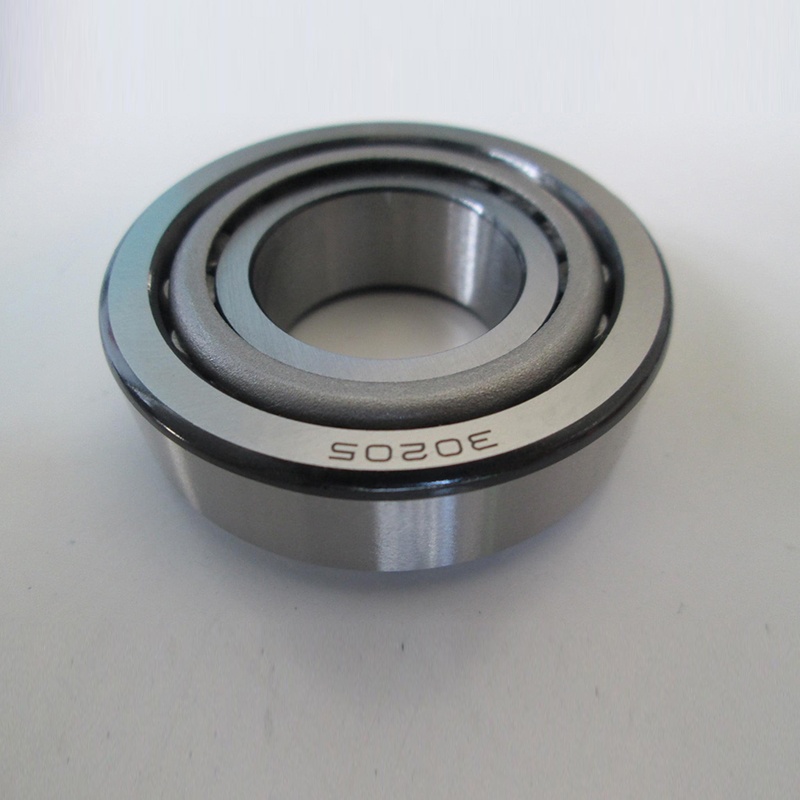
Each benefit has an efficiency angle.
How Each Benefit Translates to System Efficiency
1. Combined Load Capacity:
- The Benefit: One tapered roller bearing handles both radial and axial loads.
- Efficiency Impact: Eliminates the need for separate radial and thrust bearings. This reduces the number of components, simplifies the machine design, and reduces weight. Fewer parts mean less friction and less energy loss. A single bearing also takes up less space, allowing for more compact machines.
2. Adjustability:
- The Benefit: You can set the internal clearance or preload during installation.
- Efficiency Impact: Proper adjustment minimizes internal play, reducing vibration and noise. Preload can be used to maximize rigidity, ensuring that gears mesh perfectly and power is transmitted efficiently without backlash losses. Correctly adjusted bearings run cooler, wasting less energy as heat.
3. High Rigidity:
- The Benefit: Line contact between rollers and raceways creates a stiff bearing.
- Efficiency Impact: A rigid shaft support prevents deflection under load. This ensures that gears, pulleys, and other components stay in proper alignment, reducing frictional losses and wear. Less deflection means more of the input power goes into productive work, not into deforming the machine.
4. Separability:
- The Benefit: The cone (inner ring with rollers) separates from the cup (outer ring).
- Efficiency Impact: This simplifies mounting and dismounting, reducing maintenance time8 and labor costs. In continuous operation, faster maintenance means less downtime, which is a form of system efficiency7.
5. Long Service Life:
- The Benefit: Tapered roller bearings are designed for durability under heavy loads.
- Efficiency Impact: Fewer bearing replacements mean less maintenance, less downtime, and lower lifecycle costs. The energy and resources used to manufacture, transport, and install replacement bearings are saved.
6. Compact Design:
- The Benefit: High load capacity in a relatively compact package.
- Efficiency Impact: Allows designers to create smaller, lighter machines. Lower weight reduces inertia, meaning less energy is needed to accelerate and decelerate moving parts. Compact designs also use less material, reducing embodied energy.
Benefit-to-Efficiency Summary Table:
| Benefit | Direct Efficiency Contribution | Indirect Efficiency Contribution |
|---|---|---|
| Combined load capacity | Fewer parts, less friction | Compact design, lower weight |
| Adjustability | Optimal clearance, minimal parasitic drag | Reduced heat generation |
| High rigidity | Precise component alignment | Less power lost to deflection |
| Separability | Faster maintenance | Reduced downtime |
| Long service life | Fewer replacements | Lower lifecycle energy cost |
| Compact design | Lower inertia | Less material usage |
My Insight on Benefits and Efficiency:
When a client asks why they should choose tapered roller bearings, I don’t just list technical specs. I talk about efficiency in their terms. For a gearbox manufacturer in Turkey, the benefit of adjustability2 means they can set preload to ensure perfect gear mesh, reducing noise and power loss. For a truck fleet operator in India, the benefit of long service life5 means fewer wheel bearing replacements, less downtime, and more miles on the road. The benefits are not abstract; they translate directly to operational efficiency and cost savings. Understanding this helps distributors like Rajesh sell value, not just components.
How to make bearings more efficient?
You have a machine with bearings. Can you make it more efficient without redesigning everything? Yes, through careful attention to selection, lubrication, mounting, and maintenance. Efficiency is not just about the bearing itself; it’s about the whole system.
To make bearings more efficient: 1) Select the right bearing type1 for the load and speed. 2) Optimize internal clearance2 (C3 for thermal conditions). 3) Use high-quality lubricants3 with correct viscosity and application method. 4) Ensure proper mounting4 with correct fits and alignment. 5) Maintain effectively5 with condition monitoring and timely relubrication. 6) Consider advanced seals6 to reduce friction and keep contaminants out.
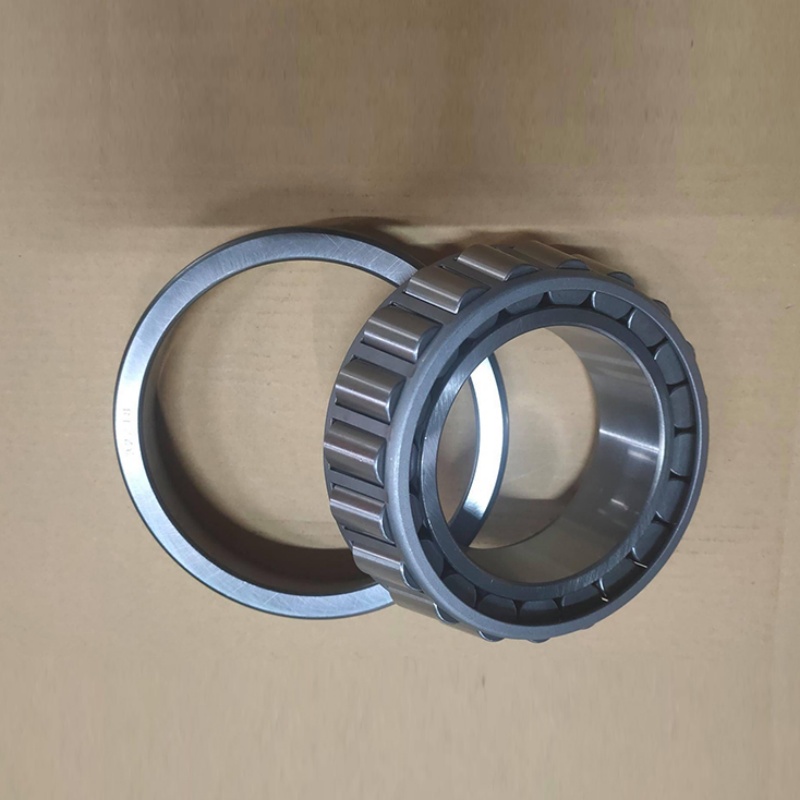
Efficiency is a holistic goal. Every step matters.
A Practical Guide to Bearing Efficiency Improvement
1. Selection Efficiency:
Choosing the right bearing for the job is the first and most important step.
| Selection Factor | Efficiency Impact |
|---|---|
| Correct bearing type | Using a tapered roller bearing where combined loads exist avoids the need for multiple bearings, reducing friction and complexity. |
| Optimal size | Oversized bearings have higher friction and weight. Undersized bearings fail prematurely. Right-sizing maximizes efficiency. |
| Precision class7 | Higher precision (P5, P6) reduces runout and vibration, improving efficiency in high-speed applications. |
| Internal clearance | Correct clearance (C3 for thermal applications) prevents preload and overheating, reducing frictional losses. |
2. Lubrication Efficiency:
Lubrication is the single most important operational factor for bearing efficiency.
| Lubrication Aspect | Best Practice | Efficiency Gain |
|---|---|---|
| Viscosity selection | Choose oil with viscosity that creates a full film under operating conditions. | Minimizes metal-to-metal contact and friction. |
| Grease fill quantity8 | Fill bearing cavity 30-50% only. Over-greasing causes churning losses. | Reduces parasitic drag from excess grease. |
| Relubrication interval9 | Follow manufacturer recommendations. Too frequent wastes grease; too infrequent increases friction. | Maintains optimal lubrication film. |
| Lubricant type | Use synthetic oils or greases for high-temperature or high-speed applications. | Lower friction, longer life, better efficiency. |
3. Mounting and Alignment Efficiency:
How you install the bearing directly affects its running efficiency.
| Mounting Factor | Best Practice | Efficiency Impact |
|---|---|---|
| Shaft and housing fits | Correct interference (k6, m6) for rotating rings prevents creep and fretting. | Maintains proper internal geometry, reducing friction. |
| Alignment | Use precision alignment tools for shafts and housings. | Prevents edge loading and extra friction. |
| Mounting method | Use bearing heaters or presses. Never hammer. | Avoids damage that would increase friction. |
| Clearance adjustment | Set correct axial play or preload using dial indicators. | Optimal clearance minimizes internal friction. |
4. Sealing Efficiency:
Seals protect bearings but also add friction. Balancing protection and friction is key.
| Seal Type | Friction Level | Protection Level | Best Application |
|---|---|---|---|
| Non-contact labyrinth | Very low | Moderate | Clean environments, high speed |
| V-ring | Low | Good | General industrial |
| Light contact lip seal | Moderate | Very good | Contaminated environments |
| Heavy contact seal | High | Excellent | Extreme contamination |
5. Maintenance Efficiency:
Good maintenance keeps bearings running efficiently throughout their life.
| Maintenance Activity | Efficiency Benefit |
|---|---|
| Condition monitoring10 (temperature, vibration) | Detects problems early before they increase friction and cause failure. |
| Regular relubrication | Maintains optimal lubrication film, minimizing friction. |
| Contamination control | Keeps abrasive particles out, preventing wear that increases friction. |
| Proper storage | Protects bearings from rust and damage before installation. |
My Insight on Efficiency Improvements:
A client in Brazil had a conveyor system with high energy consumption. We analyzed their bearings and found they were over-greased and running hot. By reducing grease quantity and switching to a synthetic grease with better viscosity, we lowered operating temperature by 15°C and reduced power consumption by 3%. The payback period was months. Efficiency improvements don’t always require new bearings. Often, better lubrication and maintenance practices yield significant gains. For a distributor like Rajesh, offering this kind of technical advice alongside bearing sales adds tremendous value. He becomes a partner in efficiency, not just a supplier.
In what ways do ball bearings improve the efficiency of mechanical systems?
Ball bearings are everywhere. They are the default choice for many applications. How do they contribute to efficiency? And how does this compare to tapered roller bearings?
Ball bearings improve mechanical system efficiency primarily through low friction1 (point contact reduces resistance), high-speed capability2 (allowing faster operation), low heat generation3 (minimizing energy loss), compact design4 (saving space and weight), and low maintenance requirements5 (especially sealed versions). They are ideal for applications where loads are moderate and speeds are high.
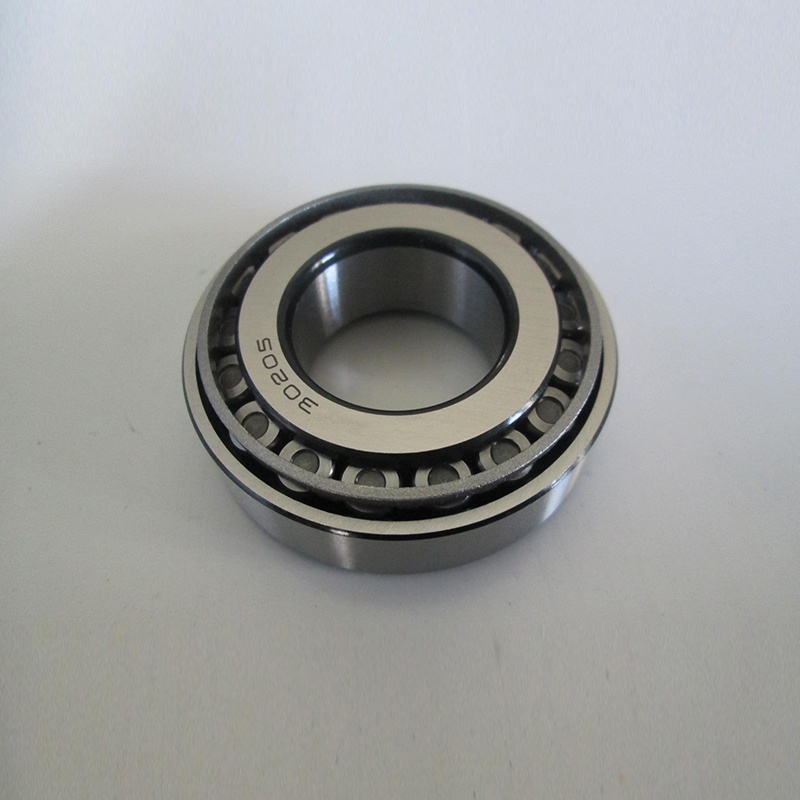
Ball bearings excel in different areas than tapered rollers.
Ball Bearings vs. Tapered Roller Bearings: Efficiency Comparison
| 1. Friction: | Bearing Type | Friction Characteristic | Efficiency Implication |
|---|---|---|---|
| Ball Bearings | Point contact between balls and raceways results in very low starting and running friction. | Ideal for applications where minimizing friction is the priority (e.g., small electric motors, instruments). | |
| Tapered Roller Bearings | Line contact plus sliding at roller ends results in higher friction than ball bearings. | Better suited for applications where load capacity6 outweighs friction concerns. |
| 2. Speed Capability: | Bearing Type | Speed Limit | Efficiency Implication |
|---|---|---|---|
| Ball Bearings | Very high speed capability due to low mass and point contact. | Enable faster machine operation, increasing throughput and productivity. | |
| Tapered Roller Bearings | Moderate speed limits due to heat generation at roller ends. | Not suitable for very high-speed applications. |
| 3. Heat Generation: | Bearing Type | Heat Generation | Efficiency Implication |
|---|---|---|---|
| Ball Bearings | Low heat generation, especially at moderate loads. | Less energy lost as heat, less need for cooling. | |
| Tapered Roller Bearings | Higher heat generation under heavy loads. | May require cooling systems, adding complexity and energy use. |
| 4. Load Capacity: | Bearing Type | Load Capacity | Efficiency Implication |
|---|---|---|---|
| Ball Bearings | Moderate radial and axial loads. Point contact limits capacity. | For light to moderate loads, they are perfectly efficient. | |
| Tapered Roller Bearings | Very high radial and axial loads due to line contact. | Enable smaller bearings for a given load, saving space and weight. |
| 5. System-Level Efficiency: | Aspect | Ball Bearings | Tapered Roller Bearings |
|---|---|---|---|
| Simple applications | Most efficient choice for fans, pumps, small motors. | Overkill; would add unnecessary friction and cost. | |
| Combined load applications | May require multiple bearings (radial + thrust), increasing complexity and friction. | Most efficient choice: one bearing handles both loads. | |
| High-rigidity applications | Less rigid; may require larger sizes or preloaded pairs. | More rigid due to line contact; can be preloaded for maximum stiffness. |
| 6. Application Fit: | Application Type | Most Efficient Bearing Choice | Why |
|---|---|---|---|
| High-speed, low-load (e.g., dental drill) | Ball bearing | Lowest friction, highest speed. | |
| Moderate-speed, moderate-load (e.g., electric motor) | Ball bearing | Good balance of low friction1 and adequate capacity. | |
| Low-speed, heavy combined load (e.g., truck wheel) | Tapered roller bearing | Handles the loads efficiently in one bearing. | |
| High-speed, high-precision (e.g., machine tool spindle) | Angular contact ball bearing | Combines speed, precision, and some axial capacity. |
My Insight on Bearing Efficiency:
The most efficient bearing is the one that is perfectly matched to the application. Using a ball bearing where a tapered roller is needed leads to frequent failures and downtime—that’s inefficient. Using a tapered roller where a ball bearing would suffice wastes energy on unnecessary friction. For a distributor like Rajesh, helping customers understand this trade-off is key. When a customer asks for a bearing for a new project, the right questions are: "What are the loads? What’s the speed? How much space do you have?" The answers guide the choice to the most efficient solution. Efficiency is not about one bearing type being "better." It’s about the right tool for the job.
What are the applications of tapered bearings?
You know tapered roller bearings are good for combined loads1. But where are they actually used? Understanding their applications helps you see how they contribute to efficiency in real-world machines.
Tapered roller bearings are used in a wide range of applications where combined loads1, rigidity, and adjustability are critical. Common applications include: automotive wheel hubs2, transmissions and differentials3, industrial gearboxes4, machine tool spindles5, rolling mills6, construction and mining equipment7, agricultural machinery8, and railroad axles9. In each, they contribute to efficiency by handling loads effectively and reducing complexity.
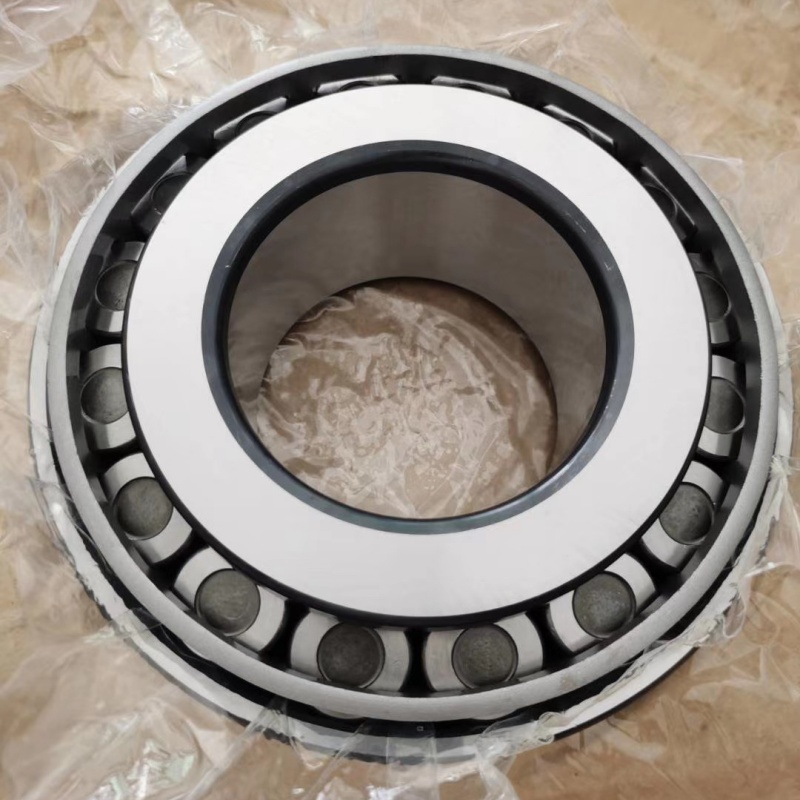
Each application leverages different benefits of tapered rollers.
Key Applications and the Efficiency They Enable
1. Automotive Wheel Hubs:
- What They Do: Support the vehicle’s weight (radial load) and handle cornering forces (axial load).
- Why Tapered: Combined load capacity in a compact package. Adjustability allows setting correct end play for smooth rolling and long life.
- Efficiency Impact: Low rolling resistance (fuel efficiency), long life (reduced maintenance), safe operation (reliability).
2. Transmissions and Differentials:
- What They Do: Support gears that create both radial and axial thrust forces.
- Why Tapered: High rigidity ensures gears mesh properly, reducing noise and power loss. Adjustable preload optimizes gear contact.
- Efficiency Impact: Maximizes power transmission efficiency, reduces vibration and noise.
3. Industrial Gearboxes:
- What They Do: Similar to automotive, but often larger and in continuous operation.
- Why Tapered: Combined load capacity, long service life, and the ability to be precisely adjusted for optimal gear mesh.
- Efficiency Impact: Reliable power transmission with minimal losses, reduced downtime.
4. Machine Tool Spindles:
- What They Do: Support rotating spindles that must be extremely rigid and accurate.
- Why Tapered: High rigidity and ability to be preloaded eliminate deflection and play, ensuring precision machining.
- Efficiency Impact: Higher machining accuracy, better surface finish, longer tool life.
5. Rolling Mills:
- What They Do: Support massive rolls that crush and shape steel.
- Why Tapered: Extremely high load capacity, ability to handle shock loads, and separability for easy maintenance on large shafts.
- Efficiency Impact: Enable continuous, high-volume steel production with reliable operation.
6. Construction and Mining Equipment:
- What They Do: Support wheels, tracks, and rotating components in excavators, loaders, crushers.
- Why Tapered: Robust design handles shock loads, dirt, and heavy combined forces.
- Efficiency Impact: Keeps equipment working in harsh conditions with minimal downtime.
7. Agricultural Machinery:
- What They Do: Support wheels, PTO shafts, and implements on tractors and harvesters.
- Why Tapered: Durability in dirty conditions, ability to handle heavy and varying loads.
- Efficiency Impact: Reliable operation during critical planting and harvesting seasons.
8. Railroad Axles:
- What They Do: Support railcar wheels under heavy loads and varying conditions.
- Why Tapered: High load capacity, long life, and ability to handle the combined loads1 from train weight and cornering.
- Efficiency Impact: Safe, reliable rail transport with minimal maintenance between services.
Application-Efficiency Summary Table:
| Application | Key Tapered Roller Benefit | Efficiency Contribution |
|---|---|---|
| Wheel hubs | Combined load capacity | Low rolling resistance, fuel economy |
| Gearboxes | Rigidity, adjustability | Efficient power transmission |
| Machine tools | High rigidity, preload capability | Precision machining, less waste |
| Rolling mills | Extreme load capacity | Continuous production |
| Mining equipment | Robustness, shock resistance | Uptime in harsh conditions |
| Agriculture | Durability, dirt resistance | Reliability during harvest |
My Insight on Applications:
Every time a customer in a specific industry asks for bearings, I think about their application’s unique demands. For a truck fleet customer in India, tapered roller bearings mean fewer wheel-end failures and more miles on the road. For a gearbox manufacturer in Germany, they mean precise gear meshing and quiet operation. The applications are diverse, but the theme is consistent: tapered roller bearings enable machines to do their job efficiently and reliably. For a distributor like Rajesh, understanding these applications helps him speak his customers’ language. He can say, "I know exactly what you need for your sugar mill gearbox" or "Here’s the right bearing for your tractor wheel." That expertise is invaluable.
Conclusion
Tapered roller bearings improve system efficiency through combined load capacity, adjustability, rigidity, and long life. Their benefits translate to reduced friction, lower weight, less maintenance, and reliable operation. By selecting the right bearing, optimizing lubrication and mounting, and applying them in their intended applications, you can achieve significant efficiency gains across your machinery.
-
Gain insights into how these bearings handle complex load scenarios effectively. ↩ ↩ ↩ ↩ ↩ ↩ ↩
-
Explore how tapered roller bearings enhance vehicle performance and safety in wheel hubs. ↩ ↩ ↩ ↩ ↩
-
Learn about the role of tapered roller bearings in optimizing gear performance and reducing noise. ↩ ↩ ↩ ↩
-
Discover how these bearings ensure reliable power transmission in heavy-duty applications. ↩ ↩ ↩ ↩
-
Find out how they contribute to precision and efficiency in machining processes. ↩ ↩ ↩ ↩ ↩
-
Understand how these bearings support high-volume steel production with reliability. ↩ ↩ ↩ ↩
-
See how they enhance durability and performance in harsh working conditions. ↩ ↩ ↩ ↩
-
Explore their importance in ensuring reliable operation during critical farming seasons. ↩ ↩ ↩
-
Learn about their role in ensuring safe and efficient rail transport. ↩ ↩
-
Condition monitoring helps detect issues early, preventing costly failures and maintaining efficiency. ↩