
Your machine vibrates under heavy load. Precision work becomes impossible. The problem isn’t the motor or the frame. It’s the bearings allowing microscopic movement that translates into macroscopic instability.
High-strength tapered roller bearings enhance machine stability by providing exceptional rigidity under combined radial and axial loads. Their unique design, with angled rollers and raceways, creates a stiff, preloadable support that minimizes shaft deflection and maintains precise alignment even under heavy, fluctuating forces. This makes them ideal for applications where stability is critical, such as machine tool spindles, gearboxes, and rolling mills.
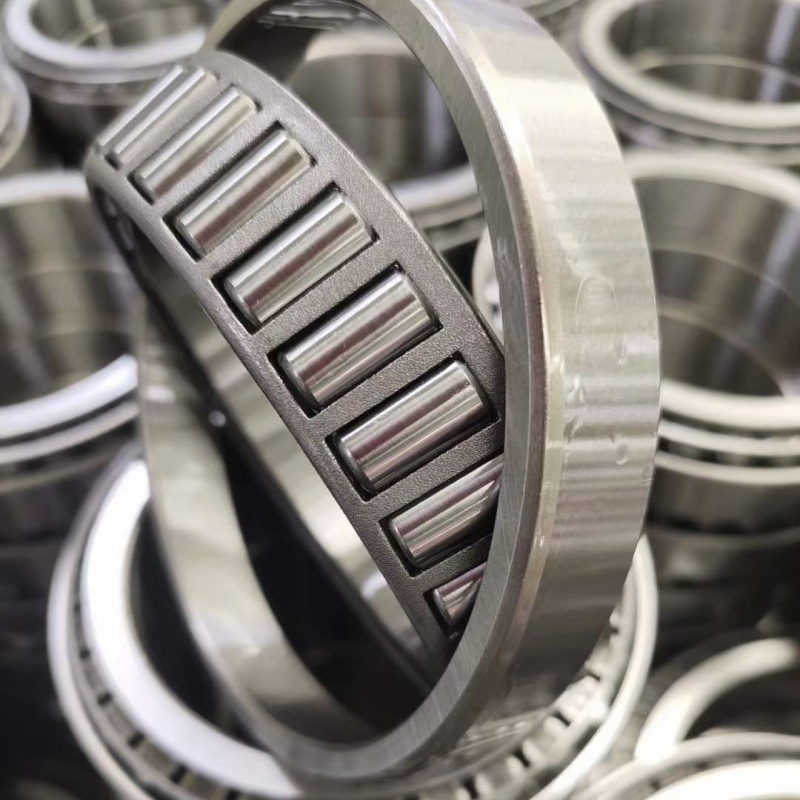
Stability is not just about strength. It’s about controlled, predictable movement. Tapered roller bearings excel here because they can be adjusted to eliminate play. In my years supplying bearings to precision machinery makers in Turkey, Germany, and India, I’ve seen how the right tapered bearing transforms a wobbly machine into a rock-solid performer. Let’s explore what these bearings are, understand clearance codes, decode a specific bearing designation, and cover the essential HS code for global trade.
What are tapered roller bearings?
You see a bearing with cone-shaped rollers. It looks different from a ball bearing. That shape is not random. It’s a precise solution to a specific mechanical problem: handling forces from multiple directions at once.
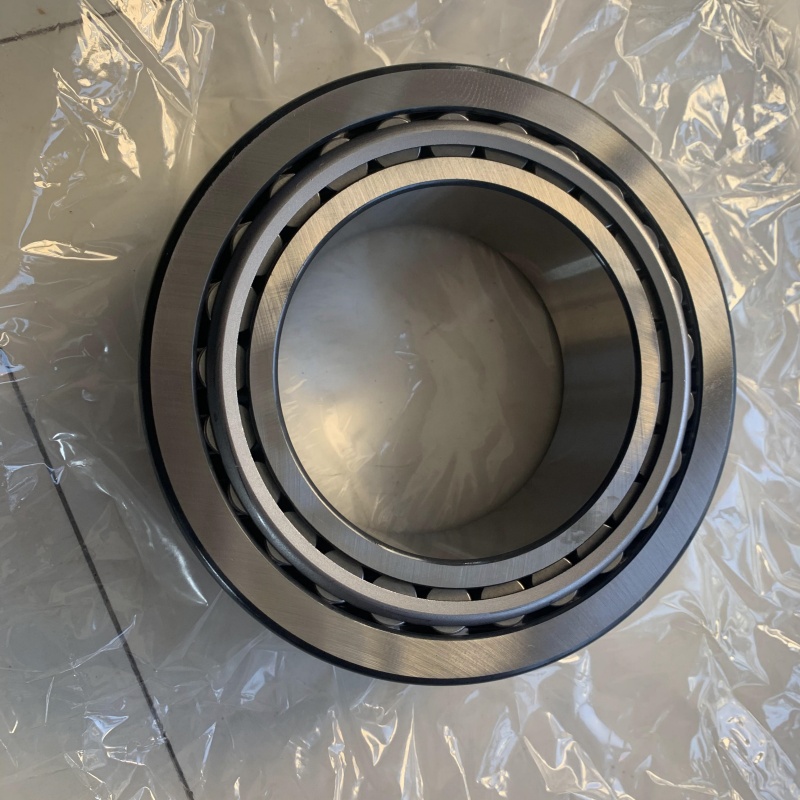
Tapered roller bearings1 are anti-friction bearings designed to support both radial (perpendicular to the shaft) and axial (parallel to the shaft) loads simultaneously. They consist of four main parts: the cone (inner ring), the cup (outer ring), tapered rollers, and a cage that spaces the rollers. The rollers and raceways are tapered, converging at a common point on the bearing axis, which allows them to handle combined loads2 efficiently.
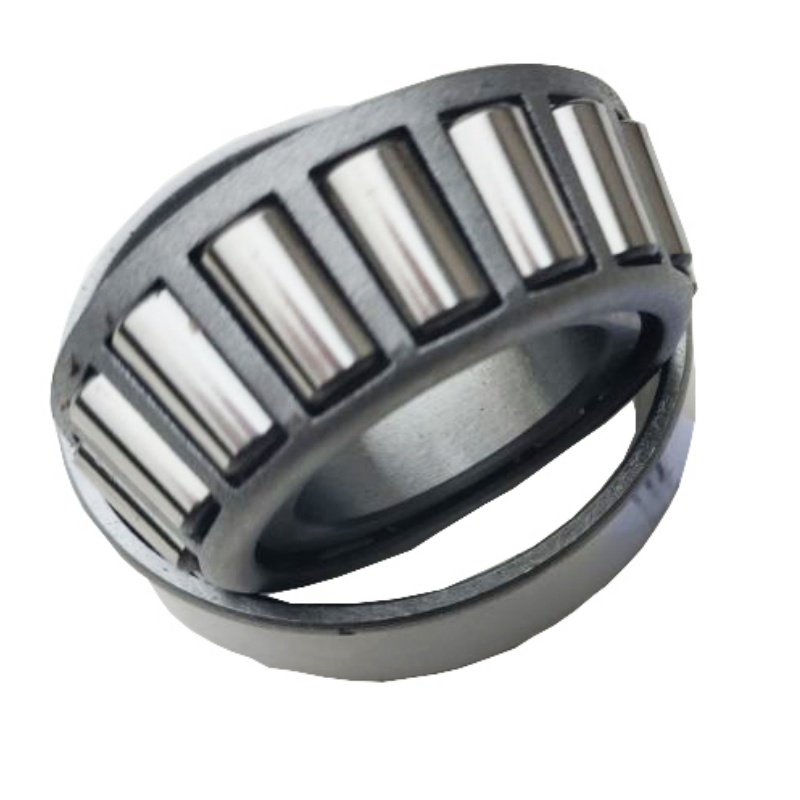
The tapered geometry is the secret. It’s not just a shape; it’s a load-handling machine.
The Anatomy and Principle of Tapered Roller Bearings
1. The Four Key Components:
- Cone (Inner Ring): The inner ring that fits onto the shaft. It has tapered raceways and usually includes a flange (rib) that guides the rollers.
- Cup (Outer Ring): The outer ring that fits into the housing. It also has a tapered raceway.
- Tapered Rollers: The rolling elements. They are frustums of a cone (cone-shaped). Their geometry is critical.
- Cage: Spaces and guides the rollers, preventing them from contacting each other.
2. How They Work:
The key principle: If you extend the lines of the tapered raceways and rollers, they all meet at a common point on the bearing’s centerline. This ensures pure rolling motion and allows the bearing to handle combined loads2.
| Load Type | How the Bearing Handles It |
|---|---|
| Radial Load | Transmitted through the rollers to the cup, with force distributed along the line contact. |
| Axial Load | The cone tries to move axially relative to the cup. The tapered rollers transfer this force through their angled contact, creating a radial component that is also carried. |
3. Why "Tapered" Matters:
- Combined Load Capacity: Unlike a cylindrical roller bearing (radial only) or a thrust bearing (axial only), the tapered design handles both.
- Adjustability: By moving the cone axially relative to the cup (using a nut on the shaft), you can set the internal clearance or even create a preload (negative clearance). This is crucial for stability.
- Separability: The cone (with rollers and cage) is a separate assembly from the cup. This simplifies mounting and dismounting, especially for heavy shafts.
4. Common Applications:
- Automotive: Wheel hubs, transmissions, differentials (the most common use).
- Industrial Gearboxes: Especially where gears create axial thrust.
- Machine Tool Spindles: For high rigidity and precision.
- Rolling Mills: For the heavy, combined loads2 on mill rolls.
- Construction and Mining Equipment: Where shock loads are common.
My Insight from Global Supply:
Tapered roller bearings1 are a staple in our export business. A client like Rajesh in India orders them constantly for the truck and tractor aftermarket. The reason is simple: they are the only bearing type that reliably handles the combined forces in a wheel hub. When a truck corners, the bearing must handle both the vehicle’s weight (radial) and the cornering force (axial). A ball bearing would fail quickly. A tapered roller bearing is engineered for exactly that job. Understanding this basic "why" helps buyers appreciate why these bearings are worth the investment. They are not just components; they are the foundation of stability in moving machinery.
What is C11, C22, and C33 bearing clearance?
You order a tapered roller bearing. The number includes "C33". You wonder what that means. Is it a precision grade? A material code? It’s actually a critical specification that determines how the bearing behaves when it gets hot.
C11, C22, and C33 are standardized codes for the internal radial clearance4 of a bearing before it is installed. C11 is the smallest clearance, C22 is smaller than normal, CN (Normal) is the standard, C33 is larger than normal, and C4/C5 are even larger. This clearance is the intentional space between the rollers and raceways that allows for thermal expansion5, ensures proper lubricant film formation, and accommodates interference fits.
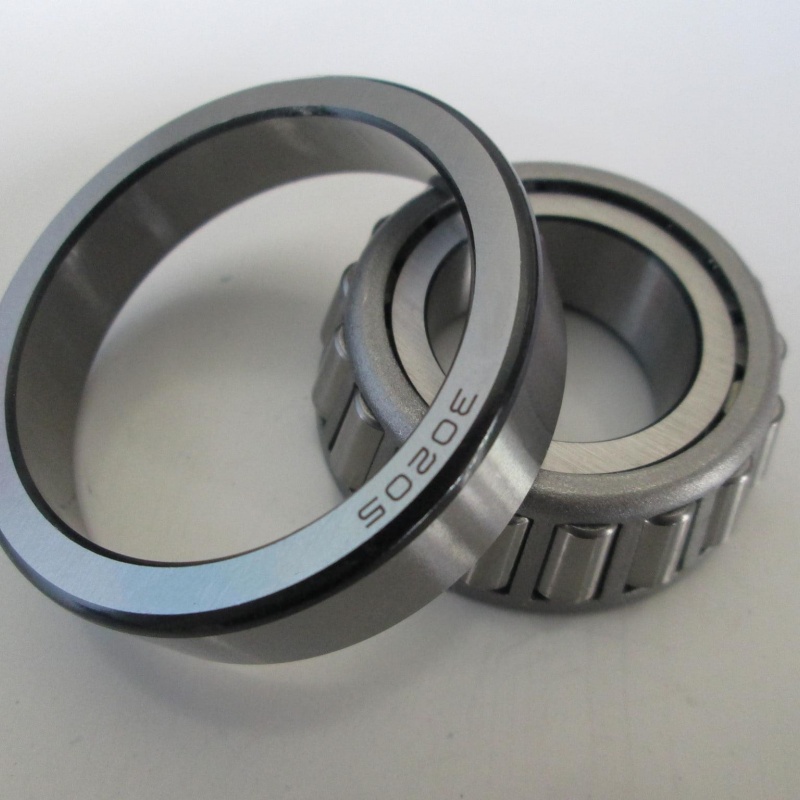
This is not a defect. It’s a design feature that must be matched to the application.
Understanding Clearance for Tapered Roller Bearings
1. What Internal Clearance Means:
Internal clearance is the amount of internal free movement within a bearing before it is mounted. For tapered roller bearings, it’s typically expressed as axial clearance6 or "end play" after mounting, because radial clearance is directly related to axial position.
- Before Mounting: The bearing has a certain amount of slack.
- After Mounting: When you press the bearing onto a shaft and into a housing, and then adjust the axial position (by tightening a nut), you reduce this clearance. The final, operating clearance can be zero, positive (end play), or negative (preload7).
| 2. The Clearance Groups: | Code | Meaning | Relative Size | Typical Application |
|---|---|---|---|---|
| C11 | Smaller than C22 | Very small | Special applications requiring minimal play, very stable temperatures. Rare. | |
| C22 | Smaller than Normal | Small | Applications with minimal temperature rise, light loads. | |
| CN | Normal | Standard | Most general applications with moderate temperatures and loads. | |
| C33 | Larger than Normal | Large | Most common "special" clearance. Used when inner ring gets much hotter than outer ring (electric motors, pumps), or for higher speeds. | |
| C4 | Larger than C33 | Very large | High-temperature applications, paper machines, some vibratory equipment. | |
| C5 | Larger than C4 | Extremely large | Special high-temperature or high-speed applications. |
3. Why Clearance Matters for Tapered Roller Bearings:
Tapered roller bearings are unique because their clearance is adjustable during installation. You don’t just accept the bearing’s internal clearance; you set the final axial play by how you mount it.
| Final Setting | Effect on Bearing | When to Use |
|---|---|---|
| End Play (Positive Clearance) | Small amount of axial movement possible. | Most general applications. Allows for thermal expansion5 without preload7. |
| Zero Clearance | No detectable axial play. | Applications requiring precise shaft location. |
| Preload (Negative Clearance) | Bearing is under slight compression. | High-speed spindles, pinion bearings, where maximum rigidity is needed. Preload eliminates all play but generates heat. |
4. How Initial Clearance (C33) Affects Final Setting:
If you start with a C33 bearing (larger initial clearance), you have more "room" to adjust. This is useful when:
- You need to achieve a specific preload7 after mounting.
- The shaft and housing fits are very tight, reducing clearance significantly.
- The operating temperature difference between inner and outer rings is large.
Clearance Selection Guide for Tapered Roller Bearings:
| Application Condition | Recommended Initial Clearance | Reason |
|---|---|---|
| General gearbox, stable temp | CN | Standard clearance, set to small end play. |
| Electric motor, pump (hot inner ring) | C33 | Extra space prevents thermal preload7. |
| Pinion bearing (high rigidity needed) | C33 or CN | Set to specific preload7 during installation. |
| High-temperature environment | C33 or C4 | Accommodates significant thermal expansion5. |
| Light load, high speed | C33 | Allows for better lubricant flow. |
My Insight from Field Experience:
A common mistake we see is using CN clearance bearings in applications where C33 is needed, like a hot-running pump. The bearing is adjusted to the correct end play when cold. But when it heats up, the inner ring expands more than the outer, consuming all the clearance and creating preload7. The bearing overheats and seizes. The solution is simple: specify C33 from the start. For a distributor like Rajesh, stocking C33 bearings for common motor and pump sizes is a smart move. His customers will experience fewer failures, and they’ll come back for more. Clearance is not just a technical detail; it’s a reliability factor.
What is SKF1 23944 CC W33?
You see this long code on a bearing. It looks like a secret language. But every letter and number has meaning. Decoding it tells you exactly what the bearing is, how it’s made, and what it can do.
SKF1 23944 CC W33 is a specific designation for a spherical roller bearing2 (not a tapered roller bearing). SKF1 is the brand. 23944 is the series and size code (239 series, 220mm bore). CC indicates the internal design3 (asymmetric rollers4, improved geometry). W33 indicates the bearing has a circumferential groove5 and three lubrication holes6 in the outer ring. This bearing is designed for heavy radial loads with some axial load capacity, and the W33 feature allows for effective lubrication.
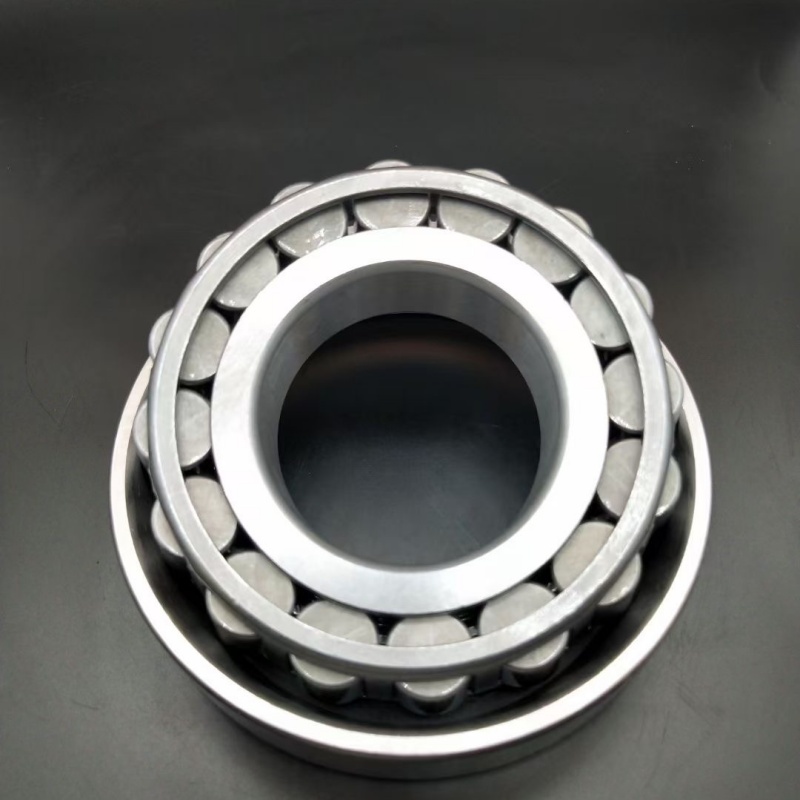
This code is a complete specification. Let’s decode it piece by piece.
A Lesson in Bearing Nomenclature
1. Brand: SKF1
SKF1 is a Swedish bearing manufacturer, one of the largest and most recognized in the world. Other common brands include FAG, NSK, Timken, NTN, and FYTZ.
2. Series: 23944
- 23 indicates the series: spherical roller bearing2, 239 series. This is a specific series known for its high radial load capacity and relatively narrow width.
- 944 is the bore size code. For most bearings (sizes 04 and above), multiply the last two digits by 5 to get the bore in millimeters. So, 44 x 5 = 220mm bore.
3. Internal Design: CC
This suffix describes the internal geometry of the bearing.
- CC: Indicates a design with asymmetric rollers4 and a floating guide ring. This allows for more and longer rollers, increasing the load capacity. It’s a common, high-performance design for spherical roller bearing2s.
- Other common suffixes: CA (similar to CC but with different cage), E (enhanced design).
4. External Features: W33
This suffix describes modifications to the outer ring for lubrication.
- W33: Means the outer ring has a circumferential groove5 on its outside diameter and three lubrication holes6 (usually 120° apart) that lead into the bearing. This allows lubricant to be fed directly into the bearing, improving lubrication effectiveness.
- Other common lubrication suffixes: W20 (three holes, no groove), W33X (groove and holes, but different dimensions).
5. Other Possible Suffixes:
A complete bearing designation might include even more information:
- C3: Internal clearance (as discussed).
- C4: Even larger clearance.
- VA405: Special variant for vibratory applications (like screens).
- VE240: Special variant for paper machines.
Decoding Table for Common Spherical Roller Bearing Suffixes:
| Suffix | Meaning |
|---|---|
| CC | Asymmetric rollers, floating guide ring, improved design. |
| CA | Asymmetric rollers, but with a different cage design (often machined brass). |
| E | Enhanced design with more rollers. |
| W33 | Groove and three holes in outer ring for lubrication. |
| W20 | Three lubrication holes6 in outer ring (no groove). |
| C3 | Internal clearance larger than normal. |
| C4 | Internal clearance larger than C3. |
| MB | Machined brass cage. |
| M | Machined brass cage (different design). |
| P5, P6 | Higher precision class. |
My Insight on Bearing Codes:
Understanding these codes is essential for any buyer. If a client orders "SKF1 23944 CC W33 C3," they are specifying a very precise product. When we, as FYTZ Bearing, manufacture an equivalent bearing, we must ensure our product matches all these specifications: the 239 series dimensions, the asymmetric roller design (CC equivalent), the W33 lubrication feature, and C3 clearance. For a distributor like Rajesh, being able to decode these numbers means he can verify that the bearings he receives match what he ordered. It also allows him to offer equivalent products from different manufacturers with confidence. The code is the universal language of bearings. Learning to read it is a superpower in this industry.
What is the HS code1 for tapered roller bearings2?
You are importing tapered roller bearings2. Customs asks for the HS code1. You search online and find multiple options. Choosing the wrong code can delay your shipment, cost you extra duties, or even get your goods seized.
The Harmonized System (HS) code for tapered roller bearings2, including their cones and cups, is typically 8482.203. This code falls under Chapter 84 (Machinery and mechanical appliances), Heading 8482 (Ball or roller bearings). The full 6-digit code is 8482.203, and many countries extend it further (e.g., 8482.203.00, 8482.203.10) for more specific classification.
This code is your passport through customs. Getting it right saves time and money.
Navigating HS Codes for Tapered Roller Bearings
1. The Structure of HS Code 8482.203:
- 84: Chapter for "Nuclear reactors, boilers, machinery and mechanical appliances; parts thereof."
- 82: Heading for "Ball or roller bearings."
- 8482: Sub-heading for "Ball or roller bearings."
- 8482.203: Sub-heading specifically for "Tapered roller bearings, including cone and tapered roller assemblies."
2. Country-Specific Extensions:
The 6-digit code is international. Countries add digits for more detail.
| Country | Extended HS Code | Notes |
|---|---|---|
| United States | 8482.203.00 | HTSUS code for tapered roller bearings2. |
| India | 8482.203.11 or 8482.203.12 | May split into "single row" and "other" categories. |
| China | 8482.203.00 | Often uses the 6-digit code directly. |
| European Union | 8482 20 00 | Combined Nomenclature (CN) code. |
| Brazil | 8482.203.10 | NCM code (Mercosur Common Nomenclature). |
| 3. Why the HS Code Matters for Buyers: | Aspect | Impact of Correct HS Code | Risk of Incorrect HS Code |
|---|---|---|---|
| Import Duty Rate | You pay the correct, predictable duty. | You may pay a higher rate (increasing costs) or face penalties for underpayment. | |
| Customs Clearance | Your shipment clears smoothly. | Your goods are held for inspection, causing delays. | |
| Trade Agreements | You may qualify for preferential duty rates under free trade agreements4. | You might miss out on savings or violate agreement rules. | |
| Documentation | All paperwork (invoice, packing list) is consistent. | Mismatched codes cause confusion and delays. |
4. Related HS Codes for Bearing Components:
If you import only parts (e.g., cones or cups separately), the code may differ:
- 8482.91: Balls, needles and rollers for bearings.
- 8482.99: Other parts of bearings (including parts of tapered roller bearings2).
5. How to Ensure You Have the Right Code:
- Ask Your Supplier: A reputable factory like ours provides the HS code1 on the commercial invoice5.
- Consult Your Customs Broker: They are experts in your country’s import regulations. Provide them with a detailed product description and photos.
- Check Official Tariff Databases: Your country’s customs website likely has a searchable tariff database.
- Use the "General" Rule: When in doubt, 8482.203 is the correct heading for complete tapered roller bearings2. For parts, it may be 8482.99.
My Insight on HS Codes and Global Trade:
In our export documentation, we always include the HS code1 (8482.203) on the commercial invoice5 and packing list. This is standard practice. However, we also remind our clients: the final responsibility for correct classification rests with the importer. A buyer like Rajesh in India should verify with his local customs agent that the code we use matches Indian customs’ requirements. Sometimes, local interpretations vary. By working together—supplier provides the standard code, buyer verifies locally—we ensure smooth customs clearance6. The HS code1 is a small line on a page, but it’s a big factor in successful international trade. Getting it right is a sign of a professional supplier and a prepared buyer.
Conclusion
High-strength tapered roller bearings are fundamental to machine stability, handling combined loads with adjustable precision. Understanding clearance codes like C3 ensures correct thermal performance. Decoding designations like SKF 23944 CC W33 reveals a bearing’s full specification. And knowing the HS code 8482.20 is essential for smooth global trade. Master these elements to select, specify, and import with confidence.
-
Learn how HS codes impact duties, customs clearance, and trade agreements. ↩ ↩ ↩ ↩ ↩ ↩ ↩ ↩ ↩ ↩ ↩ ↩ ↩ ↩ ↩ ↩ ↩
-
Understanding their applications can help you ensure you’re using the correct HS code. ↩ ↩ ↩ ↩ ↩ ↩ ↩ ↩ ↩ ↩ ↩ ↩ ↩ ↩ ↩ ↩ ↩
-
Discover the specifics of this code and its relevance in global trade. ↩ ↩ ↩ ↩ ↩ ↩ ↩ ↩ ↩ ↩ ↩ ↩ ↩ ↩ ↩ ↩ ↩ ↩ ↩ ↩ ↩ ↩ ↩ ↩ ↩ ↩ ↩ ↩ ↩
-
Explore how trade agreements can save you money on duties. ↩ ↩ ↩ ↩
-
Learn about the role of commercial invoices in international shipping. ↩ ↩ ↩ ↩ ↩ ↩ ↩
-
Gain insights into the customs process to avoid delays and penalties. ↩ ↩ ↩ ↩ ↩
-
Understanding preload is essential for achieving maximum rigidity in high-speed applications. ↩ ↩ ↩ ↩ ↩ ↩