
Abrasive dust acts like grinding paste inside a bearing. In a dirty environment, a standard bearing will wear out rapidly, causing frequent failures and unplanned downtime. You need a strategy, not just a part number.
For high dust environments, select deep groove ball bearings with the highest level of sealing: triple-lip contact seals (TT-type) or non-contact labyrinth seals (LLU-type). Ensure the bearing is fully greased, consider stainless steel options for corrosion, and implement additional external protective measures like seals or covers on the housing.
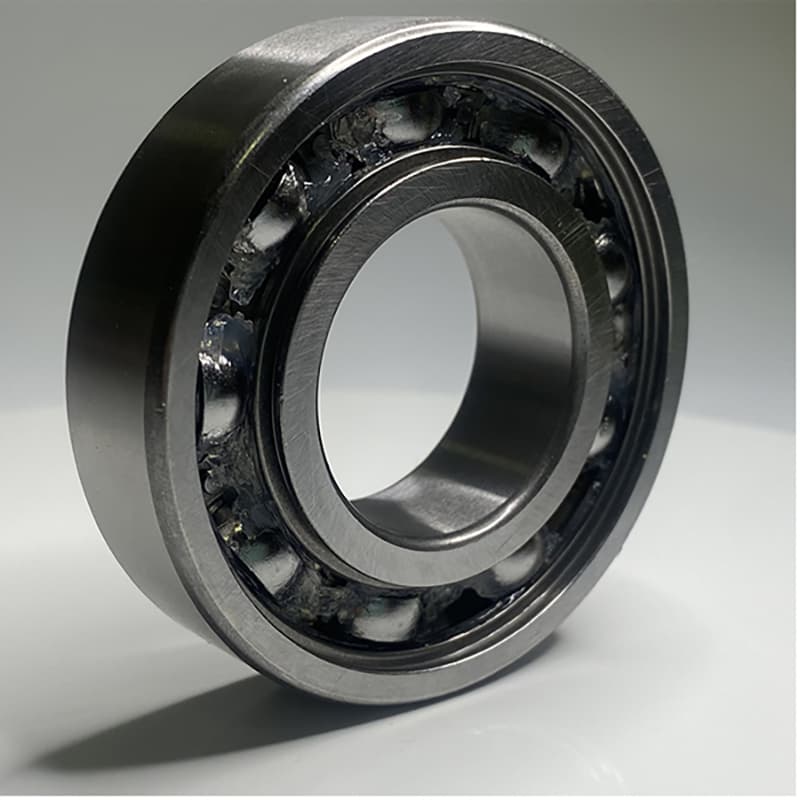
Dust is a relentless enemy. Winning requires a multi-layered defense. This guide will help you choose the right bearing, understand its core function in such settings, and implement effective protection systems.
What is the best bearing for dusty environment?
Many people think a "heavy-duty" bearing is the answer for dust. But the best bearing for dust isn’t about load rating; it’s about exclusion and defense. The bearing’s sealing system is its most important feature in this fight.
The best bearing for a dusty environment is a deep groove ball bearing1 with advanced, multi-layer sealing. Specifically, bearings with triple-lip contact rubber seals2 (designated as "TT" or "2RS1" with enhanced lips) or non-contact labyrinth seals3 ("LLU" or "2LU") offer superior protection against fine, abrasive dust ingress.
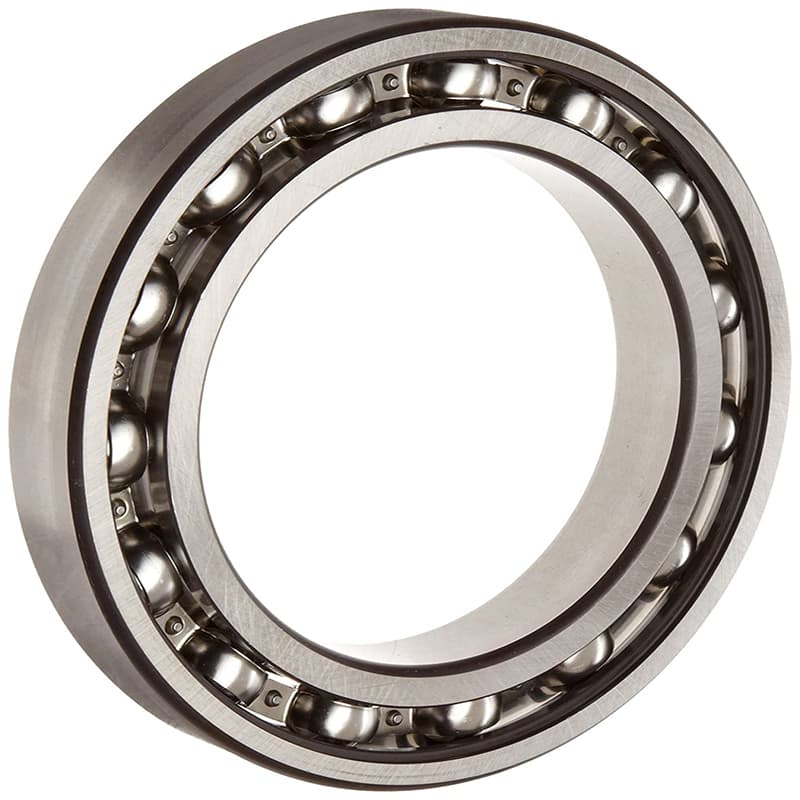
"No seal" or a basic seal means guaranteed contamination. You need to understand the hierarchy of sealing effectiveness.
Evaluating Bearing Seal Types for Dust Exclusion
Dust particles are small and invasive. The seal must create an effective barrier without generating excessive heat from friction.
1. The Hierarchy of Sealing for Dust:
From least to most effective in dusty conditions:
| Seal Type (Suffix) | How It Works | Protection Against Dust | Best Use Case in Dust |
|---|---|---|---|
| Open / No Seal | None. | None. | Clean rooms only. Never in dust. |
| ZZ (Metal Shield) | Metal disc with a small gap. | Stops large debris only. Fine dust passes through the gap. | Not suitable for dusty environments. |
| RS / 2RS (Single/Double Lip Contact Seal) | Nitrile rubber lip pressed lightly against the inner ring. | Good for general industrial dust and moisture. | Moderate dust levels. Standard choice. |
| DDU / 2RS1 (Enhanced Contact Seal) | Double or triple rubber lips with tighter contact. | Very good. Multiple lips create a more tortuous path for dust. | Recommended for high dust, like agriculture, textiles, woodworking. |
| LLU / 2LU (Non-Contact Labyrinth Seal) | Complex metal-rubber labyrinth with a narrow, greased gap. No rubbing contact. | Excellent. Dust must navigate a long, greased maze. No friction, so good for higher speeds. | Excellent for high-speed applications in dusty conditions4 (fans, blowers). |
| Specialty Seals (V-Ring, Cassette) | External seals that mount on the shaft or housing. | Provides an additional external barrier. | Used in conjunction with sealed bearings for extreme conditions. |
2. Beyond the Seal: Material Considerations for Dust
- Stainless Steel Bearings (AISI 440C)5: Consider these if the dust is corrosive (e.g., chemical dust, salt-laden air) or if moisture is also present. They resist rust, which can be accelerated by dust holding moisture against the metal.
- Grease Quality: The grease inside a sealed bearing is its permanent lubricant. For dusty environments, specify a grease with good adhesive properties and solid thickeners (like polyurea) that resist washout and hold contaminants in suspension.
Your Selection Checklist:
When sourcing for a dusty application, your specification should be: "Deep Groove Ball Bearing [Size], with LLU-type labyrinth seals or TT-type triple-lip contact seals. Grease: Polyurea-based, high-adhesion. Material: GCr15 or Stainless Steel 440C as required."
My insight: A flour mill in Egypt used standard 2RS bearings on their sifter motors. The fine flour dust penetrated the single-lip seals, mixed with the grease, and formed a thick paste that seized the bearings. We replaced them with bearings featuring LLU non-contact labyrinth seals3. The labyrinth design trapped the fine dust in the grease-filled gap before it could reach the raceways. Bearing life increased from 3 months to over 18 months. The "best" bearing was not a different size or brand; it was the same bearing with a superior sealing technology specifically designed to defeat fine particulates.
What is a deep groove ball bearing1 used for?
In a dirty environment, you might wonder if a deep groove ball bearing1 is even the right type. Its primary use is versatility, but in harsh conditions, we leverage its simplicity and reliability when paired with the correct protection.
In high dust and dirty environments2, deep groove ball bearing1s are used in electric motors, fans, conveyors, and agricultural equipment where moderate loads and speeds are present. Their role is to provide reliable, low-friction rotation, but their success depends entirely on being specified with adequate sealing and protection against contamination.
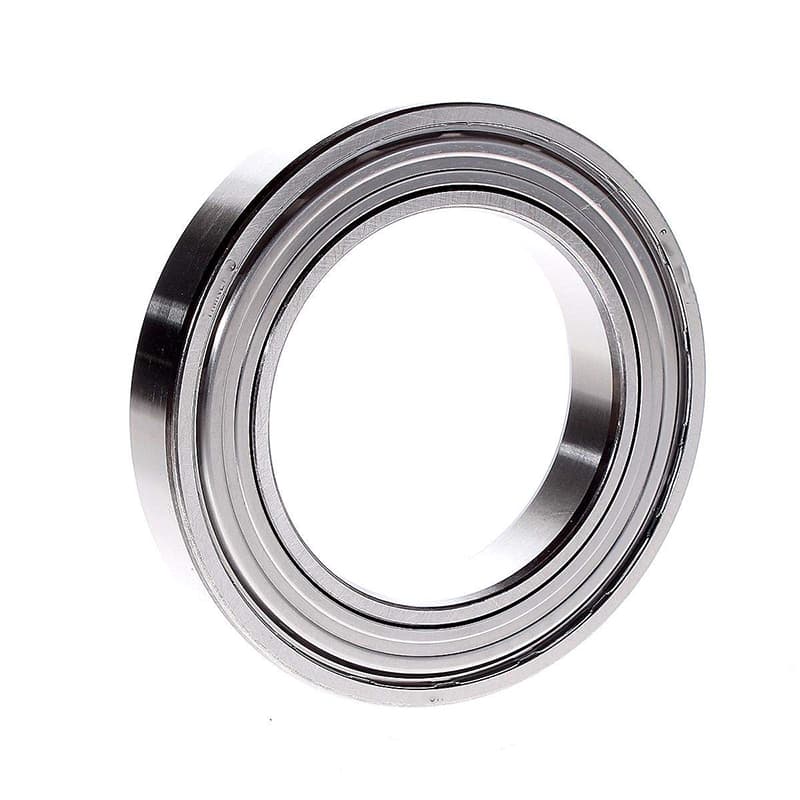
Its use is defined by its inherent characteristics, which can be either advantages or vulnerabilities in dirty settings.
Adapting the Deep Groove Bearing’s Role for Harshness
Let’s examine its core functions and how dust attacks them, and then how we defend it.
1. Core Functions in Machinery:
- Support Radial Loads: Carry weight or force perpendicular to the shaft (e.g., the weight of a fan blade).
- Handle Moderate Axial Loads: Manage thrust loads along the shaft in both directions, thanks to the deep groove geometry.
- Enable High-Speed Operation: Their low-friction design allows for efficient high-speed rotation.
2. How Dust Attacks These Functions:
- Abrasive Wear: Dust particles between balls and raceways act like lapping compound, grinding away the smooth surfaces. This increases clearance, causes vibration, and generates heat.
- Grease Contamination: Dust mixes with grease, forming an abrasive slurry. It also can absorb the oil from the grease, leaving a dry, ineffective thickener.
- Clogging: Caked dust can interfere with seal function or even impede rotation.
3. The Adapted Use-Case in Dirty Environments:
Therefore, in selection, we re-define its use: It is used as the protected heart of a rotating assembly. We accept its mechanical strengths but build a fortress around it. We use it because:
- It is cost-effective and widely available.
- When properly sealed (LLU, TT), it can be made very resistant to ingress.
- Its sealed-for-life design3 reduces maintenance needs in inaccessible or dirty locations.
| Example Applications and Solutions: | Dirty Environment Application | Why Use a Deep Groove Ball Bearing? | Critical Selection/Protection |
|---|---|---|---|
| Farm Tractor Idler Pulley | Simple, handles radial load from belt tension. | Bearing with DDU seals and a V-ring on the shaft for additional exclusion. | |
| Exhaust Fan in a Wood Shop | High-speed capability, low cost. | Bearing with LLU labyrinth seals to handle sawdust without friction heat. | |
| Conveyor Roller in a Mine | Robust, can handle shock. | Heavy-duty sealed bearing (2RS1) within a fully enclosed roller with end caps. |
My insight: At a cement packing plant in Vietnam, small DC motors with deep groove ball bearing1s failed weekly on the bagging lines. The open bearings were instantly clogged with cement dust. The plant thought they needed a different, more "heavy-duty" bearing type. We analyzed the loads; they were light. The problem was zero protection. We supplied the same motor with pre-lubricated, triple-lip sealed (TT) bearings and added simple sheet metal covers over the motor ends. The failures stopped. The bearing’s use didn’t change—it still supported the motor shaft. But its specification and application context were fundamentally altered to enable that use in a hostile world.
How to protect bearings from dust?
Protection is a system, not just a component. Even a well-sealed bearing can be overwhelmed. You need to think in layers, from the bearing itself out to the machine housing.
To protect bearings from dust, implement a multi-layer defense1: 1) Choose bearings with appropriate seals (LLU/DDU)2, 2) Use external protective devices3 like V-rings, labyrinth housings4, or felt seals, 3) Design housings with proper grease purge and relief paths5, and 4) Establish a maintenance schedule for cleaning external surfaces and re-lubrication if applicable.
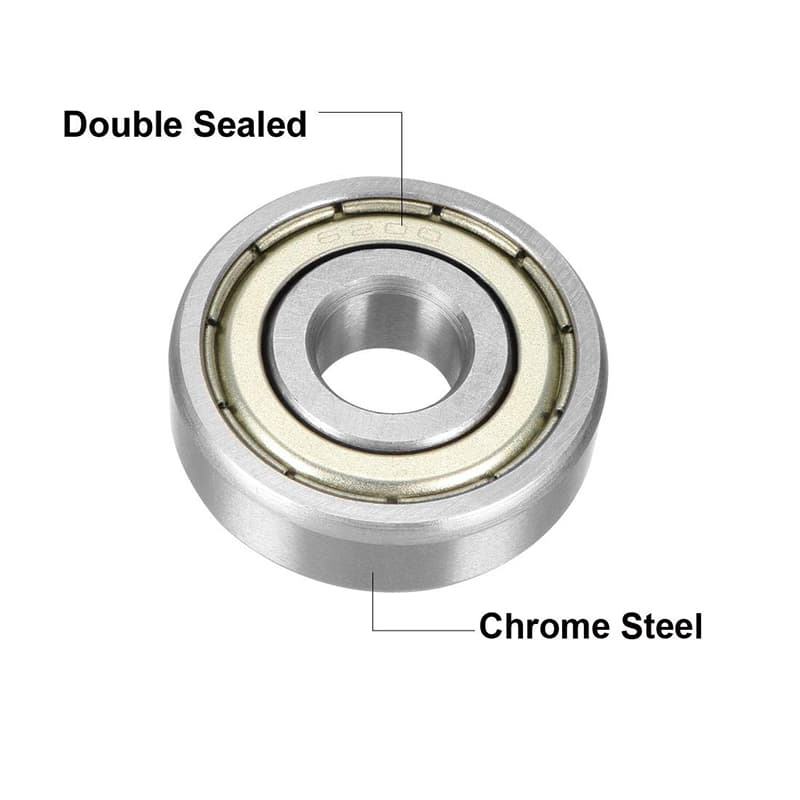
Think of it as concentric circles of defense. If the inner seal fails, the next layer should stop the contamination.
Building Your Defense-in-Depth Strategy
Here are practical methods, from the bearing outward, to create a robust protection system.
1. First Layer: The Bearing’s Own Seals (As discussed above).
This is your primary and most critical layer. Never skip this.
2. Second Layer: Housing and Shaft Design.
The bearing housing itself can be a barrier or an entry point.
- Gaskets and O-Rings: Ensure all housing splits and covers are sealed with gaskets.
- Breather Vents and Grease Relief: In dusty environments, a simple breather vent can let dust in. Use filtered breathers or design the housing to be slightly pressurized with clean air. For re-lubricable bearings, include a grease relief port to allow old, contaminated grease to be purged out.
- Dust Lips and Flinger Washers: Design a small lip on the housing bore or use a flinger washer on the shaft to throw off dust and water before it reaches the seal.
3. Third Layer: External Auxiliary Seals.
These are add-ons that work alongside the bearing.
- V-Rings6 (Rotary Shaft Seals): A simple, elastic ring that mounts on the shaft and spins against a housing face, throwing off contaminants. Excellent and inexpensive additional defense.
- Labyrinth Housings: The housing itself is designed with a complex, non-contact path around the shaft. Often used in combination with a bearing that has its own labyrinth seal (LLU).
- Felt Seals: Simple, cheap, and effective for coarse dust. They need periodic replacement as they get clogged.
4. Fourth Layer: Operational and Maintenance Practices.
- Positive Air Pressure: For very critical equipment (e.g., control room motors), feed a slight flow of clean, filtered air into the bearing housing.
- Regular External Cleaning: Keep the area around bearing housings clean. Caked dust can hold moisture and heat.
- Scheduled Re-lubrication: For bearings designed for it, fresh grease purges out the old, potentially contaminated grease. Use a grease with excellent dust-blocking properties.
| System Integration Table: | Protection Layer | Example Components | Function |
|---|---|---|---|
| Layer 1: Bearing Seal | LLU Labyrinth Seal, TT Triple-Lip Seal | Primary particle exclusion. | |
| Layer 2: Housing | Gasketed split, Grease relief port, Flinger design | Prevents ingress at assembly points, allows contamination purge. | |
| Layer 3: Auxiliary Seal | V-Ring on shaft, External labyrinth cover | Creates an additional external barrier. | |
| Layer 4: Practice | Scheduled grease purge, Area cleaning | Removes contamination that bypasses other layers. |
My insight: A mining company in Chile protected the bearings on their conveyor drives with what seemed like a fortress: bearings with DDU seals inside fully enclosed pillow blocks. Yet, dust from iron ore still got in. The problem was the grease relief fitting. It was a simple open nipple. During operation, the housing "breathed" through this nipple, sucking in dusty air. We replaced the open nipple with a simple spring-loaded grease relief valve that only opened when internal pressure from new grease was applied. This one change significantly reduced the ingress. Protection is about sealing the entire system, not just the bearing. Every potential entry point must be considered.
What protects the bearings from dirt and moisture?
Dirt and moisture often come together, creating a particularly damaging combination. The protection strategy must address both solid particles and liquid or vapor ingress. The solutions overlap but have specific nuances.
Bearings are protected from dirt and moisture by a combination of integrated sealing systems1 (contact seals like 2RS for moisture, labyrinth seals2 for dust/mist), external shielding (V-rings, housing covers), corrosion-resistant materials3 (stainless steel, coatings), and proper grease that resists washout and provides a barrier.
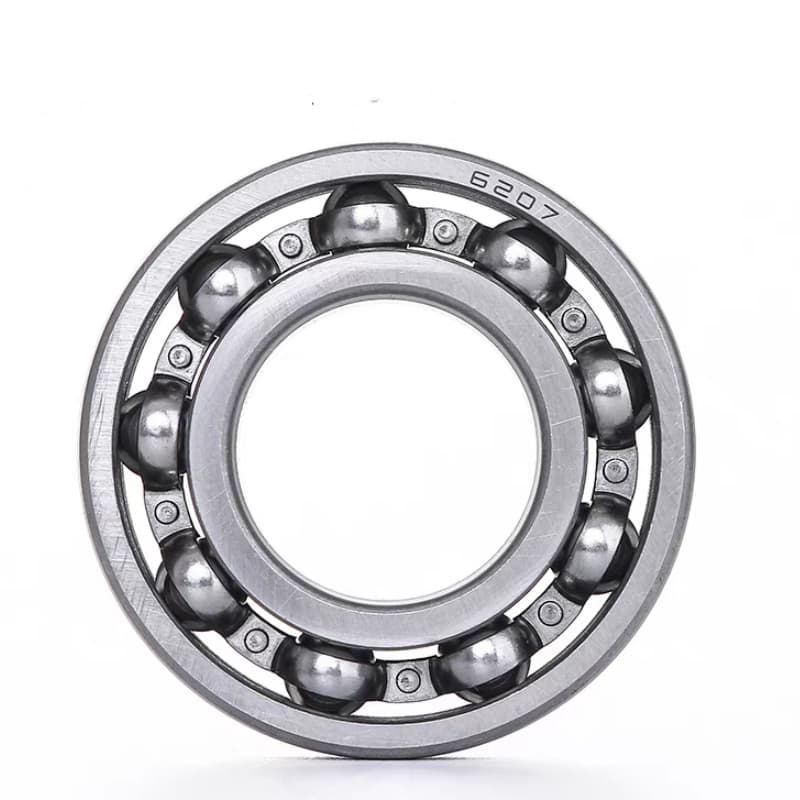
Moisture can cause rust, wash away grease, and accelerate wear. The defense must be impervious to both solid and liquid invasion.
Specific Defenses Against the Dual Threat
Let’s break down the protective elements, focusing on their effectiveness against both contaminants.
1. Sealing Solutions for Combined Threats:
- For Moisture-Primary Environments (Splash, Washdown): Rubber contact seals (RS, DDU) are generally better because they provide a more positive barrier against liquid. The rubber lip conforms well and blocks water under low pressure. Nitrile rubber (NBR)4 is standard and resists water and oils well.
- For Fine Dust with Humidity: Non-contact labyrinth seals2 (LLU) are excellent. The long, greased gap is very effective at stopping dust, and it also presents a barrier to water vapor and light splash. Since there’s no rubber contact, there’s no lip to wear out.
- For High-Pressure Washdown or Submersion: This requires specialized solutions beyond standard bearings, such as cartridge units with multiple seals or fully encapsulated designs.
2. Material Protection (Fighting Corrosion):
- Stainless Steel Bearings (AISI 440C): The best defense against rust from moisture. Essential for food processing, chemical, or marine environments.
- Surface Treatments: For standard steel bearings, treatments like black oxide (BLK), phosphating (P), or zinc plating provide a corrosion-resistant layer. This is a cost-effective upgrade for mildly corrosive environments.
- Corrosion-Inhibiting Grease: Grease formulated with rust and oxidation inhibitors (R&O) is crucial. It should also have good water resistance (low washout characteristics).
3. System Design for Moisture Exclusion:
- Drain Holes: Housings should have drain holes at the bottom to let any condensed water escape.
- Avoiding Condensation: If equipment cycles between hot and cold, condensation forms inside. Using desiccant breathers5 on housings can absorb this moisture.
- Orientation: Install bearings so that the seal lip faces away from the primary direction of contaminant ingress (e.g., on a vertical shaft, the seal should face downward to shed water).
| Selection Matrix for Combined Dirt & Moisture: | Contaminant Mix | Recommended Bearing Specification | Additional System Measures |
|---|---|---|---|
| Dry, Abrasive Dust | LLU Labyrinth Sealed Bearing. | V-Rings, enclosed housings. | |
| Wet Dust / Mud Splash | DDU/2RS1 with enhanced lips + Stainless Steel or Coated Rings. | Flinger washers, housing with drain. | |
| High Humidity & Condensation | 2RS Seals + R&O Grease. | Desiccant breather on housing. | |
| Food Washdown (Water + Chemicals) | Stainless Steel 440C6 bearing with FKM (Viton) seals and food-grade grease7. | Fully sealed cartridge unit, polished housing surfaces. |
My insight: A poultry processing plant in Thailand had constant bearing failures on their evisceration line conveyors. The environment had blood, water, and feather debris. They used standard steel bearings with ZZ shields. The bearings rusted and jammed within weeks. We provided a complete solution: Stainless Steel 440C6 bearings with FKM (Viton) rubber seals (resistant to both water and mild chemicals) and food-grade grease7. Furthermore, we designed a simple stainless steel cover that snapped over the bearing housing, deflecting direct spray. The bearing life extended from weeks to over a year. The protection wasn’t one thing; it was the synergy of material, seal, grease, and external cover that defeated the combined attack of dirt and moisture.
Conclusion
Selecting bearings for dusty, dirty environments requires a systematic approach: prioritize advanced sealing (LLU/DDU), adapt the bearing’s use with protection, implement multi-layer external defenses, and choose materials and grease that combat both dust and moisture.
-
Explore how integrated sealing systems enhance bearing longevity and performance against contaminants. ↩ ↩ ↩ ↩ ↩ ↩ ↩
-
Understand the effectiveness of labyrinth seals in preventing contamination in bearings. ↩ ↩ ↩ ↩ ↩
-
Learn about materials that prevent rust and extend the life of bearings in harsh environments. ↩ ↩ ↩ ↩ ↩
-
Discover the benefits of Nitrile rubber in providing effective moisture barriers for bearings. ↩ ↩ ↩
-
Learn how desiccant breathers can help manage moisture in bearing housings. ↩ ↩ ↩
-
Explore why Stainless Steel 440C is a top choice for bearings in corrosive environments. ↩ ↩ ↩
-
Discover the importance of food-grade grease in ensuring safety and performance in food processing. ↩ ↩