
Your shipment of pillow block bearings arrives from a new Chinese supplier. One failed bearing in the batch can damage your reputation and cost you a key customer. A systematic QC checklist is your first line of defense.
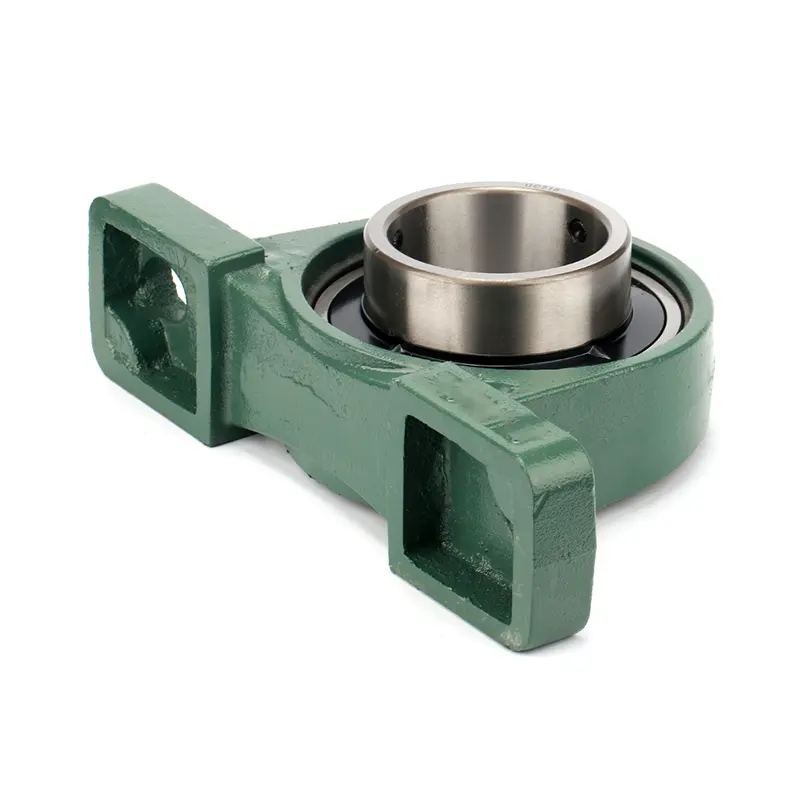
A comprehensive QC checklist for pillow block bearings includes inspecting the housing material and machining, verifying the bearing insert’s dimensions and smooth rotation, checking seal integrity, confirming proper grease fill and type, and testing for excessive radial play or noise before accepting the shipment.
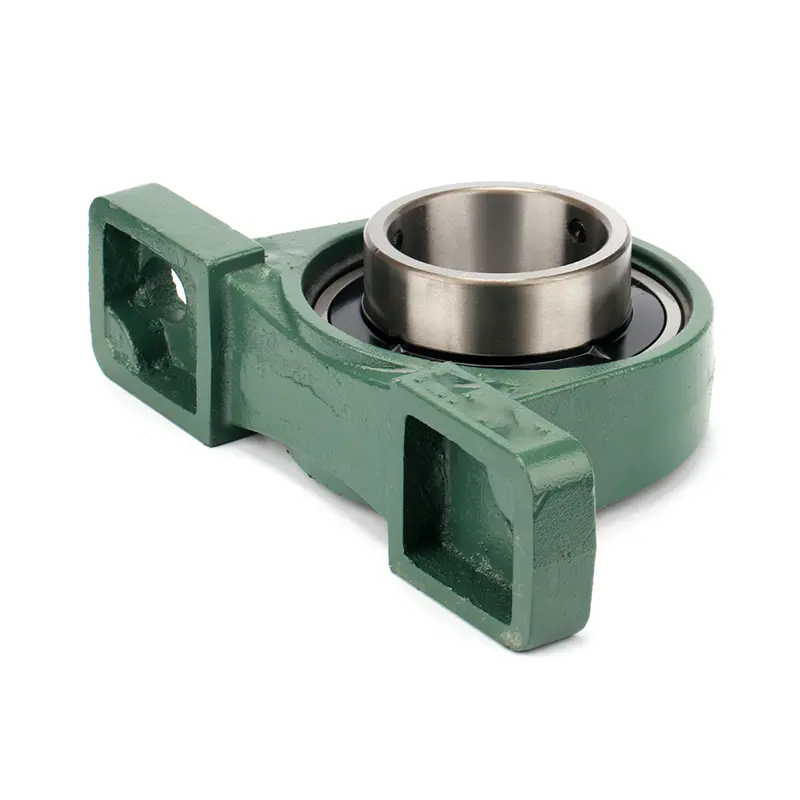
Relying on a supplier’s word is not enough. You need your own verification process. This checklist, built from field failures and industry standards, will help you inspect critical aspects from the insert bearing to the complete unit. Let’s break it down.
How to inspect a ball bearing?
The ball bearing insert is the core of the pillow block. Its quality determines the entire unit’s lifespan. A visual and physical inspection1 can catch many common defects before they cause problems in your customer’s machinery.
Inspect a ball bearing by checking for smooth, silent rotation2 by hand, verifying no axial or radial play beyond specifications, examining seals/shields for damage, looking for rust or scratches on raceways, and ensuring proper grease presence. Use basic tools like a dial indicator for play and a stethoscope for noise.
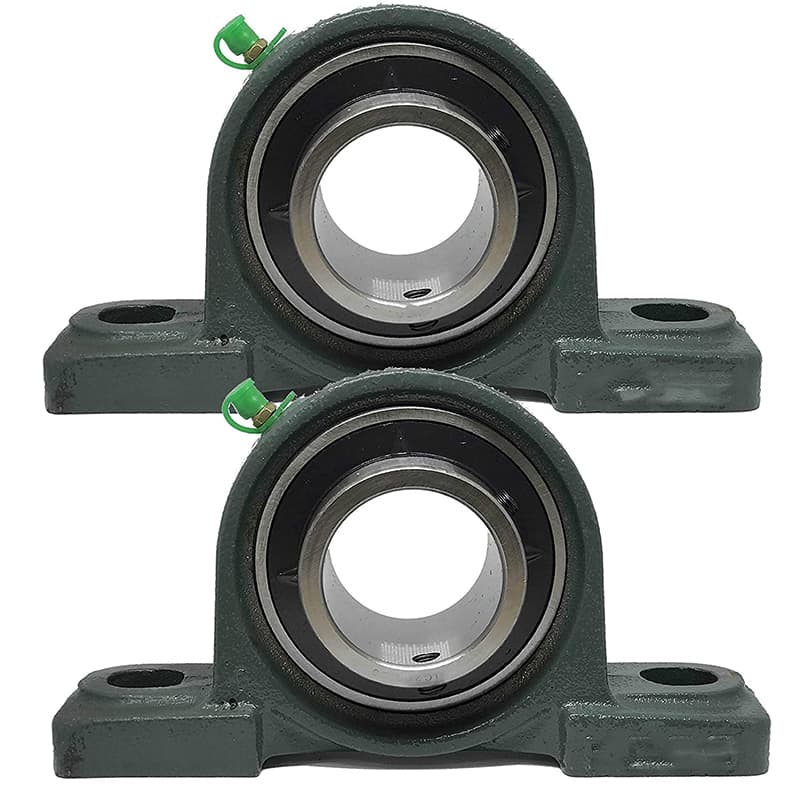
A methodical inspection covers appearance, geometry, and performance. You don’t need a full lab for an effective incoming check.
A Step-by-Step Inspection Protocol for Bearing Inserts
Follow this sequence to evaluate bearing samples or a random sample from a shipment.
1. Visual and Dimensional Checks (The Basics):
- Markings: Check that the bearing is correctly marked with number, brand (or factory code), and clearance (e.g., C3). Missing or poorly stamped markings often indicate a low-tier producer.
- Surface Condition: Look for rust, nicks, dents, or discoloration (bluish tint from grinding burns) on the rings and balls (if visible). The surface should be clean and uniformly finished.
- Seals/Shields (ZZ, RS, DDU): Ensure they are seated evenly, not bent, and have no gaps. For contact seals (RS, DDU), the rubber should be flexible and not cracked.
- Basic Dimensions: Use a caliper to check the bore (inner diameter), outer diameter, and width. Compare to the standard size table. While a caliper isn’t lab-accurate, a major deviation is a red flag.
2. Functional and Performance Checks (The Critical Part):
- Smoothness of Rotation: Hold the outer ring firmly. Rotate the inner ring slowly and then give it a firm spin. It should rotate smoothly, freely, and silently. Any grinding, catching, or gritty feeling means reject.
- Radial Play Check: Mount the bearing on a precision mandrel. Fix the outer ring. Use a dial indicator tip on the inner ring. Lift the inner ring up and down radially. The total movement is the radial play. Compare it to the standard range for its clearance group (C2, CN, C3). It should be consistent and within range.
- Axial Play Check: Similar setup. Push and pull the inner ring axially (side-to-side). There should be a small, smooth amount of play.
- Noise Test: Use a mechanic’s stethoscope3 or a simple screwdriver (place handle to your ear, tip on the bearing housing). Spin the bearing. Listen for irregular clicks, crunches, or hums. A good bearing has a low, even whirring sound.
| Inspection Tool Kit for Importers: | Tool | Purpose | What to Look For |
|---|---|---|---|
| Digital Caliper4 (0.01mm) | Check bore, OD, width. | Gross dimensional errors. | |
| Dial Indicator with Stand | Measure radial and axial play. | Quantify internal clearance. | |
| Magnifying Glass (10x) | Inspect raceway finish, seals, small defects. | Grinding marks, rust, seal defects. | |
| Stethoscope (Mechanical) | Listen for internal noise. | Gritty sounds, irregular clicks. |
My insight: An importer in Bangladesh received a shipment of 6205 bearings. They passed a quick visual check. However, when we did a rotational check, many had a slight but definite "catch" or tight spot once per revolution. This indicated an out-of-round raceway or a deformed ball. The supplier argued the dimensions were correct. We rejected the batch. A customer who installed these in a fan motor would have experienced vibration and premature failure. The lesson is simple: Always spin the bearing. The feel and sound tell you more than any certificate about its internal geometry and assembly quality. Dimensional checks are necessary, but functional checks5 are essential.
How to check bearing wear?
Wear is the gradual loss of material. For new bearings, you check for signs of premature wear1 from poor handling or running-in. For used bearings, you assess remaining life. Your QC process must catch indicators that a bearing is not new or has been damaged in transit.
Check for bearing wear by measuring increased radial clearance2 beyond specification, feeling for roughness or play during rotation, inspecting raceways for polishing, scratching, or indentation (brinelling), and looking for discoloration from overheating. Worn bearings often have higher noise levels and reduced smoothness.
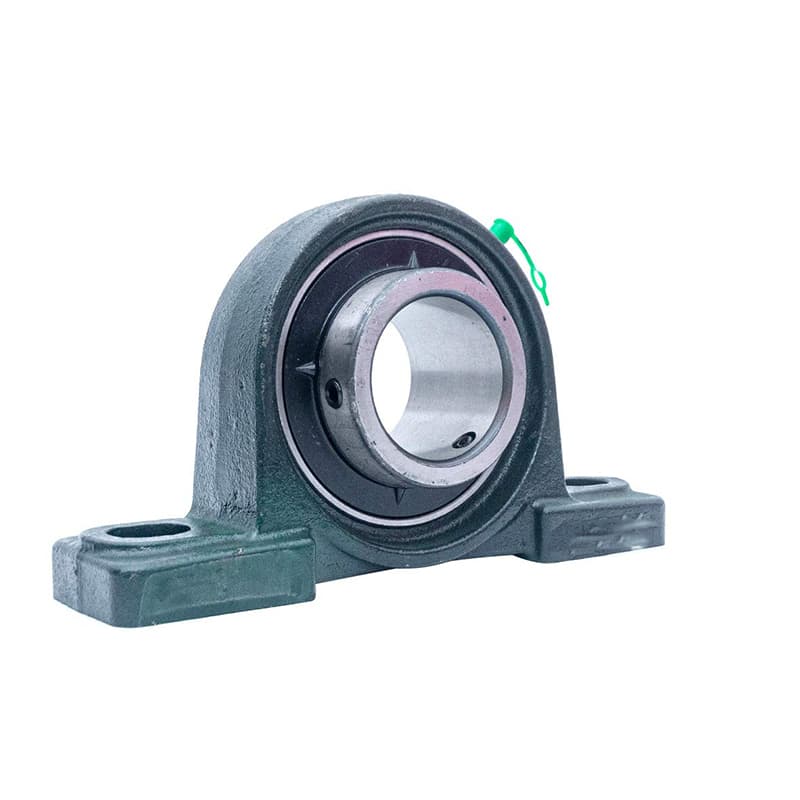
Wear manifests in specific, recognizable patterns. Learning these patterns helps you diagnose problems in returns and, more importantly, reject new bearings that show similar defects from poor manufacturing or handling.
Identifying Common Wear Patterns and Their Causes
Wear doesn’t happen evenly. It leaves forensic evidence pointing to the root cause.
1. Types of Wear and Their Indicators:
| Wear Pattern | Visual/Tactile Clue | Likely Cause (Even in New Stock) | QC Action |
|---|---|---|---|
| Abrasive Wear | Dull, frosted, or scratched raceways and balls. Fine scratches in the direction of rotation. | Contamination during manufacturing or assembly. Poor cleaning leaving grinding debris inside. | Reject. Open a sealed bearing from the batch to check internal cleanliness. |
| Adhesive Wear (Smearing) | Looks like metal has been torn or smeared on the raceway. | Sliding instead of rolling, often from improper lubrication or excessive load during a test run. | Uncommon in new stock. If seen, reject—material properties may be poor. |
| Fatigue Wear (Spalling/Flaking) | Small pits or flakes of metal missing from the raceway or balls. | Material fatigue from overloading. In a new bearing, it indicates substandard steel or heat treatment. | Critical reject. This is a catastrophic failure mode in the making. |
| False Brinelling | Indentations on the raceway at regular intervals matching the ball spacing. The bearing hasn’t rotated, but vibrated. | Poor transportation. Bearings in boxes subjected to constant vibration during shipping without rotation. | Common issue. Check for this. While not ideal, it may be acceptable for some non-critical applications, but note it lowers life. |
| Corrosive Wear | Rust or etching on surfaces. Can be general or localized. | Exposure to moisture during storage or shipping. Poor anti-rust packaging. | Reject if severe. Light surface rust might be cleanable, but indicates poor handling. |
2. Your Practical Wear Check for Incoming Shipments:
- Select Samples: Don’t just check the top layer. Take samples from the middle and bottom of a carton.
- Clean and Inspect: Wipe the bearing clean with a lint-free cloth. Use a bright light and magnifier to examine the raceway through the seal gap or by removing a seal on a sample unit.
- Feel the Rotation: Wear increases clearance and reduces smoothness. Compare the feel of rotation to a known-good reference bearing.
- Measure Clearance: Use the dial indicator method. Compare the measured radial play to the expected range for its clearance group. Worn bearings will have excessively large and sometimes inconsistent clearance.
My insight: We audited the warehouse of a distributor in Vietnam. He had complaints about "new" bearings being noisy. We opened some sealed boxes from his stock. Inside, many bearings showed clear false brinelling3 marks. The bearings had been stored for months in a warehouse near a busy road. The constant traffic vibration, with the bearings stationary, caused wear without rotation. He was selling these as new, but they were already damaged. The lesson is that wear can happen on the shelf. Your QC at receipt must include checking for transportation and storage damage4, not just manufacturing defects. Ask your supplier about their packaging—good packaging includes separators and anti-vibration measures.
What are the three rules for bearings?
There are many best practices, but three fundamental rules form the core of bearing longevity: Keep them Clean1, Keep them Lubricated, and Handle them Properly. These rules apply as much to you, the importer, during storage and handling, as they do to the end-user.
The three fundamental rules for bearings are: 1) Keep them clean (prevent contamination), 2) Keep them properly lubricated (use the right grease in the right amount), and 3) Handle and install them correctly (avoid impact, use proper tools, ensure correct fits). Violating any of these drastically shortens bearing life.
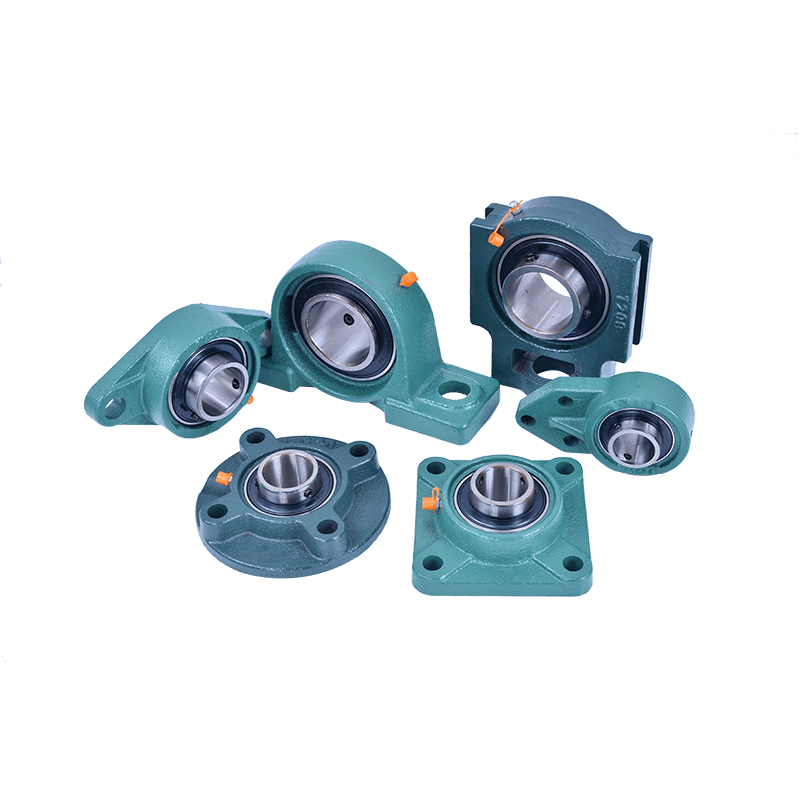
These rules seem simple, but they are violated at every stage of the supply chain. Your QC process must verify that the bearing leaves the factory adhering to these rules and that your own operations protect them.
Applying the Three Rules to Your Import and QC Process
Let’s translate these end-user rules into actionable steps for your business.
Rule 1: Keep Them Clean – The Contamination Battle
Contamination is the enemy. Dust, dirt, and metal particles act as abrasives.
- Supplier Side (Your QC Check): Inspect packaging. Is the bearing individually wrapped in oiled paper or sealed in plastic? Are the boxes clean and dust-free? When you open a sample, is there visible debris inside the bearing? Spin it—gritty feeling means contamination.
- Your Warehouse Side: Store bearings in their original packaging until sale. Keep the storage area clean and dry. Never leave bearings uncovered on a shelf.
Rule 2: Keep Them Properly Lubricated – The Grease Factor
The grease is the lifeblood. Wrong grease or wrong quantity causes failure.
- Supplier Side (Your QC Check): For pre-lubricated bearings (like most pillow block inserts), you must verify the grease. Ask the supplier for the grease specification sheet2. What is its base oil, thickener, and temperature range? Is it suitable for your target applications (e.g., general industrial, food grade)? On a sample, the grease should fill about 25-35% of the free space inside. Too much grease causes overheating; too little causes wear.
- Your Warehouse Side: Store bearings in a stable temperature environment. Extreme heat can cause grease to separate or oxidize.
Rule 3: Handle and Install Them Correctly – Avoiding Mechanical Damage
A perfect bearing can be destroyed in seconds by poor handling.
- Supplier Side (Your QC Check): Look for handling damage3. Check for dents on the outer ring or nicks on the sealing lips. This happens during factory assembly or packing. Also, check for marks from improper tools (like hammer marks on the side of the ring).
- Your Warehouse & Customer Support Side: Train your staff. Never drop a bearing. Never use a hammer directly on the bearing rings to install it. Provide basic installation guides or videos to your customers. The most common cause of early failure is improper installation, which reflects poorly on you as the supplier.
My insight: A large buyer in South Africa had a consistent issue: bearings from one of their sources failed quickly in agricultural equipment. We reviewed their process. The bearings passed their basic inspection. The problem was Rule 3. Their customer’s maintenance teams were using sledgehammers and pipes to drive the pillow blocks onto shafts, shock-loading the bearings internally. We started including a simple installation instruction sheet4 and a warning sticker in every box we shipped to them. We also offered a low-cost bearing installation tool kit5. Their failure rate dropped significantly. The three rules aren’t just for making bearings; they’re for the entire chain of custody. Your QC ensures the bearing is right at the start. Your support ensures it’s treated right to the end.
Can I use 70% alcohol to clean bearings?
During inspection or rework, you might need to clean a bearing to check its condition or re-grease it. Using the wrong cleaner can damage seals, remove essential rust inhibitors, or leave residues. This is a common point of confusion.
You can use 70% isopropyl alcohol (IPA)1 to clean bearings cautiously. It evaporates quickly and leaves minimal residue. However, it can damage certain rubber seals (nitrile) over time and will remove the factory-applied rust preventive oil2. It is suitable for quick cleaning of metal parts, but not for prolonged soaking of sealed units.
Cleaning is a specific step in maintenance or failure analysis. For QC purposes, you usually shouldn’t need to clean a new, sealed bearing. But knowing the right method is part of technical expertise.
A Guide to Bearing Cleaning for Inspection and Maintenance
The goal of cleaning is to remove contaminants without damaging the bearing.
1. Cleaning Agents: Pros and Cons3
| Cleaning Agent | Best For | Risks and Limitations | Recommendation for Importers |
|---|---|---|---|
| Isopropyl Alcohol (70-99%) | Quick cleaning of unsealed bearings, removing light oils and dust. Fast evaporation. | Can dry out and crack nitrile rubber seals4 (common in RS, DDU). Removes protective oil, promoting flash rust. | Acceptable for spot-cleaning metal surfaces for inspection. Do not soak sealed bearings. |
| Mineral Spirits / Paint Thinner | Effective degreasing of heavy grease and oil from industrial bearings. | Leaves an oily residue. Flammable. Strong odor. Can swell some older rubber types. | A common workshop solvent. Must be followed by a rinse with a cleaner solvent (like IPA) and immediate re-lubrication. |
| Commercial Bearing Cleaners5 | Specially formulated to be safe on seals and metals. Often aerosol-based. | More expensive. | The best choice for routine cleaning if you do it often. |
| Kerosene / Diesel Fuel | Traditional, effective degreaser. | Leaves a film, smelly, flammable. Not recommended for precision bearings. | Avoid for quality inspection. It’s a last-resort field option. |
| Water (with or without detergent) | Never for bearing cleaning. | Causes immediate rust. | Never use. |
2. The Safe Cleaning Procedure for QC Inspection6:
If you must open a sealed bearing to verify internal quality (as a destructive test on a sample), follow this:
- Work Clean: Use a clean, lint-free workspace.
- Remove Seal Carefully: Pry off the seal with a dedicated tool, trying not to deform it.
- Initial Wipe: Use a lint-free cloth to remove bulk grease.
- Solvent Wash: Place the bearing in a small container. Pour enough fresh mineral spirits or IPA to cover it. Agitate gently. Use a soft brush to dislodge debris.
- Rinse: Remove the bearing. Rinse it with a second bath of clean solvent.
- Dry Immediately: Use compressed air (filtered, oil-free) to blow out all solvent from the bearing. Rotate the bearing while blowing.
- Inspect & Re-Lube: Inspect the clean raceways and balls. Then, immediately apply a few drops of light oil or the correct grease to prevent rust. The bearing is now for inspection only, not for resale.
3. The Golden Rule for New Bearings:
For incoming QC of sealed, greased bearings, do not clean them. Your inspection should be non-destructive. Cleaning a new, factory-sealed bearing voids its "ready-to-use" state and introduces the risk of contamination or damage. If you suspect internal contamination, that is grounds for batch rejection, not a reason to clean and re-use.
My insight: A maintenance workshop for a port authority in Indonesia was cleaning all their spare pillow block bearings with diesel before storage, thinking they were preserving them. When they came to use them, the bearings rusted internally and failed quickly. The diesel left a thin, non-protective film that trapped moisture. We advised them to leave factory-sealed bearings alone. If a bearing was open, clean with mineral spirits, dry thoroughly, and then pack it with fresh grease or vapor-corrosion inhibitor (VCI) paper7. The lesson is that over-cleaning or cleaning with the wrong agent8 does more harm than good. For you as an importer, your focus is on verifying the bearing arrives clean and properly preserved from the factory, not on cleaning them yourself.
Conclusion
Implementing a rigorous QC checklist—covering insert inspection, wear detection, adherence to fundamental handling rules, and proper cleaning knowledge—protects your supply chain and ensures you deliver reliable, high-performance pillow block bearings to your customers.
-
Explore this link to understand the safe use of IPA for cleaning bearings and its effects on seals. ↩ ↩ ↩ ↩
-
Understand the significance of factory-applied rust preventive oil in maintaining bearing integrity. ↩ ↩ ↩ ↩
-
This resource provides a detailed comparison of cleaning agents, helping you choose the right one for your needs. ↩ ↩ ↩ ↩
-
Learn about nitrile rubber seals and why they are crucial for bearing longevity and performance. ↩ ↩ ↩ ↩
-
Discover the advantages of commercial cleaners designed specifically for bearings to ensure safe and effective maintenance. ↩ ↩ ↩
-
Find a comprehensive guide on the best practices for cleaning bearings during quality control inspections. ↩
-
Learn about VCI paper and its role in protecting bearings from corrosion during storage. ↩
-
Explore the potential dangers of improper cleaning methods and how to avoid them for better bearing maintenance. ↩